PhD - Royal College of Music, London; MA - Univ. of East Anglia; B. Tech - NIT, Trichy. Researching audience experience, audiovisual culture, video essays.
Joined April 2008
- Tweets 17,748
- Following 1,313
- Followers 3,092
- Likes 11,672
1,393 Photos and videos

Pinned Tweet

Happy Birthday A R Rahman!
From the ARRchives - On "Naetru Aval Irundhal"
It has been a week since this new A. R. Rahman song was released on iTunes. I heard it once. Only once. I couldn’t hear it again. I shouldn’t hear it again. I just can’t let this song play on a loop in the background while I’m doing something else. It is not that kind of song. This one demands a quiet ambience and my undivided attention. I have not been able to give that to this song. The world around me would not allow it.
Yet, I thought I’d listen to it now, maybe once, just once, on my way to work. I take a bus and I find myself a window seat. Outside the window is the city of Bangalore—India’s Silicon Valley. A commute by public transport in Bangalore is one through a barrage of sounds: buzzing bus engine; the whoosh of the passing vehicles; the incessant honking in the peak-hour traffic; the chitter-chatter of the fellow passengers; the effervescent voice of the radio jockey booming from the stereo system inside the bus, and a symphony or rather a cacophony of several other indistinct sounds emerging from invisible sources. Noise-cancelling headphone cancels little on Bangalore roads.
I relax, recline, wear my headphones, move my fingers over the click-wheel of my classic iPod. Tick, tick, tick. I find the song, press the button at the centre of the wheel, and enter the song’s universe.
The song begins. He sings first, then she whispers. Her voice husky, angelic, intimate; there’s moisture everywhere: in her tone and singing, in the dense backing strings and the soundscape. She sings as if she is speaking. Or rather, she speaks as if she is singing. She calls for him. It sounds both a command and a plea. He was kidnapped and is now being held hostage for ransom in a land far away. She wants him to come back. Before she completes singing the first three words, the driver of the bus I’m in applies a shuddering brake. Someone has tried to suddenly cross the road in front of the bus. The high-pitched screech of the tyres fills the deliberate stretches of silence between the three words she just sang. The jolt pushes my body forward and pulls me rudely out of the song and lobs me back into the real world. I switch off my iPod. I shouldn’t listen to this song. I shouldn’t listen to it now.
I reach my office, an air-conditioned space insulated from the noise of the world outside. But work has been hectic this week and it is going to be hectic today. I don’t think there will be time or space for music. I did a bit of coding, a bit of gossiping, a few emails, some conference calls and meetings, then I find myself doing nothing for a few minutes post lunch. I disappear from my desk. I grab my iPod and seek refuge in the toilet. And now creeps in the worst of all noises, the voice inside my head: it screams thoughts related to work. I tick the boxes on a virtual checklist in my mind. I think about the status reports I am yet to prepare, time sheets I have to fill, and the piece of code I have to peer-review before the end of the day. Meanwhile, the song’s been playing on loop, with me paying no attention to it. I gather myself. I sit up straight, take a deep breath, and close my eyes. The song calms my mind, slowly takes me in. The cloud of thoughts clear. Finally, in the toilet, I listen of the song, pay attention to some of its sonic details, but only to some of it.
I hear these: the orchestration is dense, there are layers upon layers of instruments, and yet the whole somehow feels sparse—instruments floating as cotton clouds around the delicate main melody. The song arrives at that line where the poetry sets a fantastical scene of romance: a sky that has a hundred moons and a flock of bluebirds flying everywhere. It is in here the contour of the melody reaches its romantic summit. The song is pivoted at this peak, and throughout its length, all else in the song ascend and descend towards and away from it. The song smoothly ebbs and flows and I ebb and flow along with it. The man is now singing. He is requesting the vast skies to bring back the past, bring back the time they spent together, bring that time back to here and now. Then there is a pause. Stillness. Silence. A sudden burst of a jarring, comical jazz tune disrupts the silence. It is my mobile ringtone. My project manager is calling. I answer. He wants me to send the weekly status report immediately. I run to my desk. I couldn’t listen to the song again at work. I must wait till this evening, wait until I reach home.
A few hours later, I’m home. I rush to my room. Change my clothes. I’m getting ready to sit with the song for a while. I have big Bose speakers in my room, but I can’t play the song aloud on those. The windows are open, and the landlord is living downstairs. They may not like the loudness. But I can’t close the windows either. It’s summer. It’s too hot inside. I need some fresh air. The Apple earphones too are of no use, because the sound of the ceiling fan sneaks through the gap between my ears and the earpiece; it is an unwelcome accompaniment to the song. So, I go to the terrace. There is no one here. There are a few stinging mosquitoes, but that is only a small inconvenience I must bear to listen to this song in solitude for a few minutes before I go to bed.
It is still warm outside. I hear the rustle of the leaves; a slight breeze, but it has no effect on the sweat pearling on my forehead. I return to music; the vroom of the vehicles on the street whizzing past our house stabs the silences in the song a few times. I settle for a corner far from the street and sit on the rough, corrugated terrace floor. I play the song on my iPod, plug in my earpiece and focus hard.
I hear the celestial chorus. I hear those thin, sparkling bell strokes. A quiet piano riff is omnipresent and is pecking at the cheeks of the vocal melody. The sprinklings of accordion pieces around the melody evoke a dreamy, languid aura. The man sings. Her voice is sweet as honey, he says, and the strings of sarangi respond and agree with him. The strings section whirl and stir, soar and fall, flutter and float underneath throughout the song. I hear them. I hear them all. However, something’s amiss. It doesn’t seem enough. I want to go further and deeper. I want to absorb the absolute silence pregnant with all the varied sounds. I want to hear those nanoseconds of silences whence many little worlds of the universe of the song are born.
I can’t wait to watch the film this song features in in a controlled environment of a cinema theatre. The entire space will be filled only with the sounds and silences of the song. To quash the noise of the song’s visuals, I will close my eyes the moment the song starts to play. I don’t want my mind to process any new data apart from that of the sound of music and the music of silence. The film’s release, however, is a few months away. I can’t wait that long.
I decide to go home the following weekend, to my parents, to Salem, which is five hours by bus from Bangalore. In Salem, I could get the space and time the song deserves.
Friday night. I board a semi-sleeper air-conditioned bus from Bangalore to Salem. The in-bus entertainment is already on; a Tamil film is playing on a large LCD television screen dangling from the roof next to the driver’s seat. The television is connected to multiple speakers placed in the overhead baggage space that runs on both sides along the length of the bus. The atonal voice of the film’s hero espousing his ideologies is echoing inside the bus; it is the worst sonic accompaniment the song could ever have. I wear the earpiece and try to listen to the song, but I couldn’t. It feels disrespectful to hear the song in this environment; I switch off.
I reach home at around midnight. My mother insists that I eat something. I eat something. I go to bed. I remove the batteries from the wall clock in the room so that its ticking sound doesn’t become a dissonant metronome to the song. At last, I get to hear the song in an ambience I wanted.
The neighbourhood is quiet and asleep, except for the chirp of a little lizard crawling on the walls of my room. I switch off the ceiling fan and turn on the air-conditioner; AC’s hum, a constant, unwavering buzz, much quieter and less harsh compared to the fan’s whirr. I push the earpiece as tight as possible into my ears. I play the song and listen mindfully for an hour and listen more in a quasi-sleep state for another hour. I hear at once all the intricate instrumental layers of the song I gathered in parts over the past week.
I don’t know when I fell asleep. I wake up. I find the earphone cable wound around my neck. I scratch my left cheek to find a sleep mark the size of the thickness of the earphone cable. The song is still playing on my iPod.
I have heard the song. Or have I? I wish I could mute this universe once, just once for five minutes, so I could listen to those sharp nodes of silence that precedes the sound. Or, better yet, someone fit me into a space suit with this song and toss me into the cosmos.
4
23
129
13,570
Sureshkumar P. Sekar retweeted

How does ARR re invent himself constantly over 34 years now is a mystery . Maybe his humility is the reason? Dont know open.spotify.com/track/38fNF…
10
45
423
14,622
Sureshkumar P. Sekar retweeted

In the film version of Vo Nahin, @arrahman sings the last few lines after the chorus portions instead of Aditya and that was the gut punch which made me cry uncontrollably. Wtf was that AR. Release that asap.
5
17
142
8,318
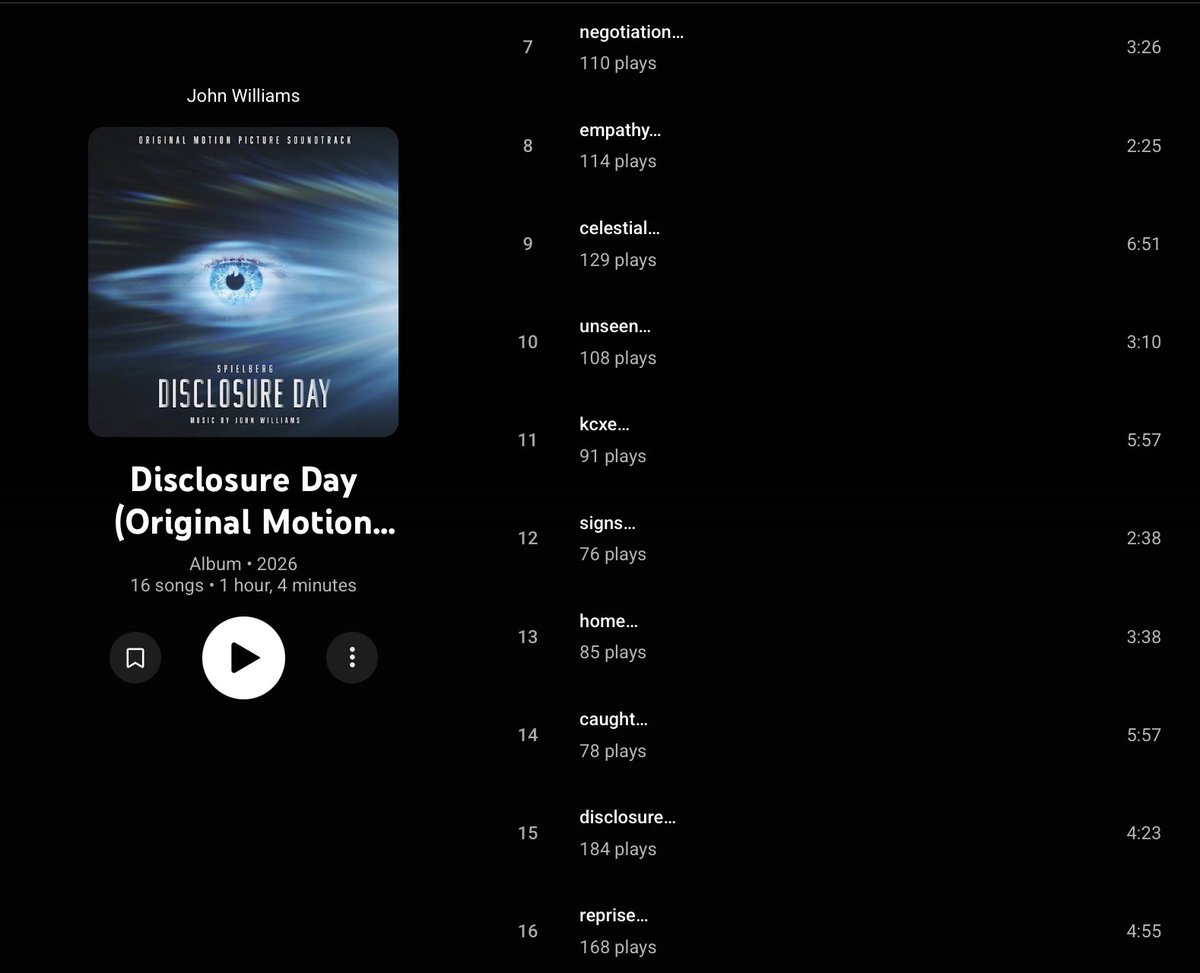
64 minutes of new orchestral work from John Williams. Disclosure Day. Now listening... Dheivame!
1
1
11
438

1
1
1
642
Sureshkumar P. Sekar retweeted

Jun 12
Strawberry Kanne is one of the best choreographed songs ever. A story within a 4 min song. Peak Prabhudeva.
1
1
29
737
Main Vapas Aaunga Jukebox out
A R Rahman
youtu.be/DHtUTv8cUXI?si=Tqx_…
1
5
35
1,855
Sureshkumar P. Sekar retweeted

you cannot be making an @arrahman musical and not having the biggest release in Chennai 😡 it's his home & we would love to watch FDFS 😑 not a single show opened yet (except only one evening show and one night show) #MainVaapasAaunga
@_PVRCinemas @ApplauseSocial @imtiazalifilms
1
11
48
2,720
Sureshkumar P. Sekar retweeted
Stop everything you are doing right now & listen to #MainVaapasAaunga album
open.spotify.com/album/3JZBs…
1
12
49
1,993
Drop everything and listen to Dheere Dheere from Main Vapas Aaunga.
A R Rahman
Pochu.. naan niruththave maattaenae..
3
20
135
7,125
Sureshkumar P. Sekar retweeted

Jun 10
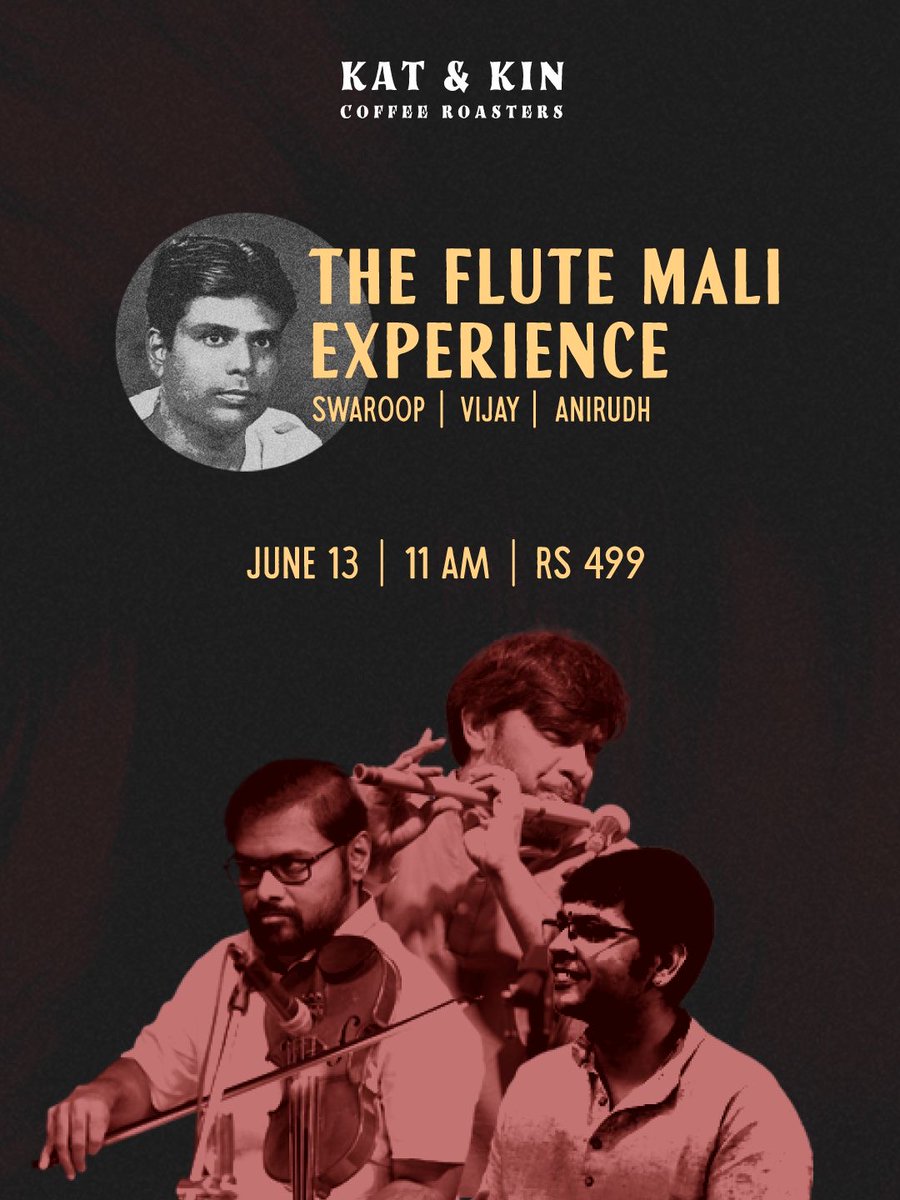
I’m playing a tribute concert this Saturday for one of my idols - the incomparable Mali. Do try and make it!
Tix: in.bookmyshow.com/events/the…
3
7
1,698
Oliyum Oliyum
Jun 9

This generation will never know the impatience of waiting for Chitrahaar on Wednesday & Friday.
1
5
727
Nijame… asalu baaga kottaadu
A R Rahman.. OST thoraga release cheyyandi
1
3
25
4,375
Sureshkumar P. Sekar retweeted

Jun 6
Self funded, no label support or marketing, just homrgrown, honest Tamizh indie music.
Oora Paaka Poren has crossed 1 lakh streams on Spotify thanks to your support. We're just getting started! ❤️
Stream: open.spotify.com/track/2Qzax…
Watch Music Video: youtu.be/u2cKQBg2I8E?si=CgrC…
2
4
302
One year of Thug Life aam pa. One year of Muththa Mazhai in A R Rahman’s voice
9
53
11,504
Three new symphonies from Tamil Nadu in one year!!
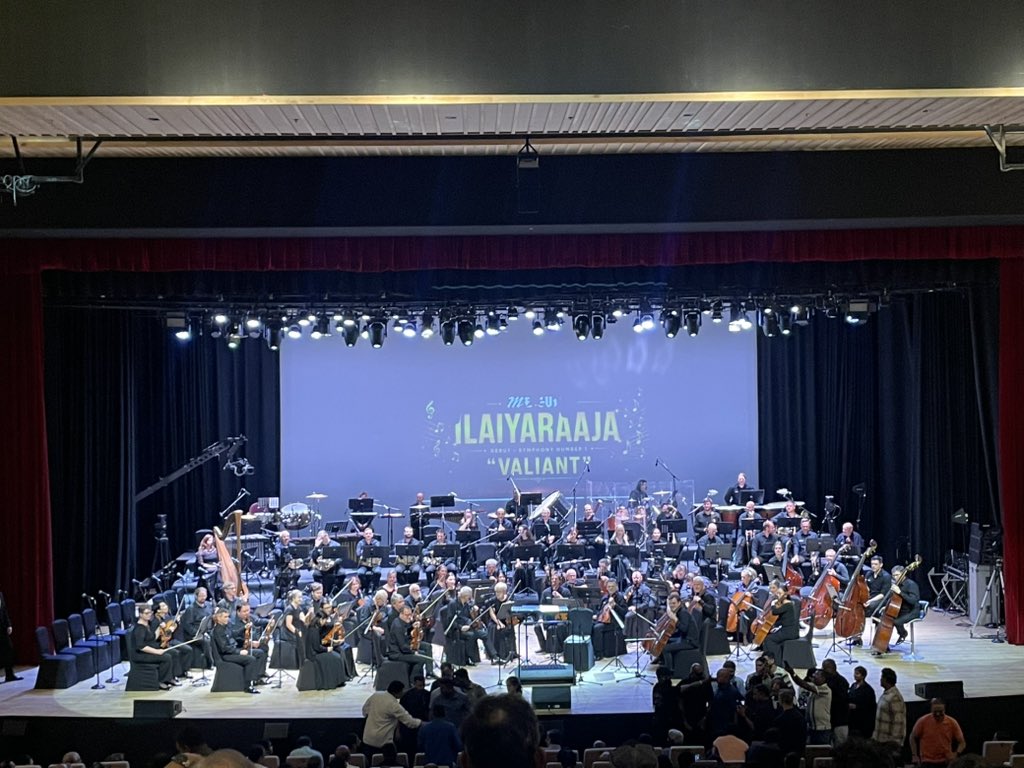
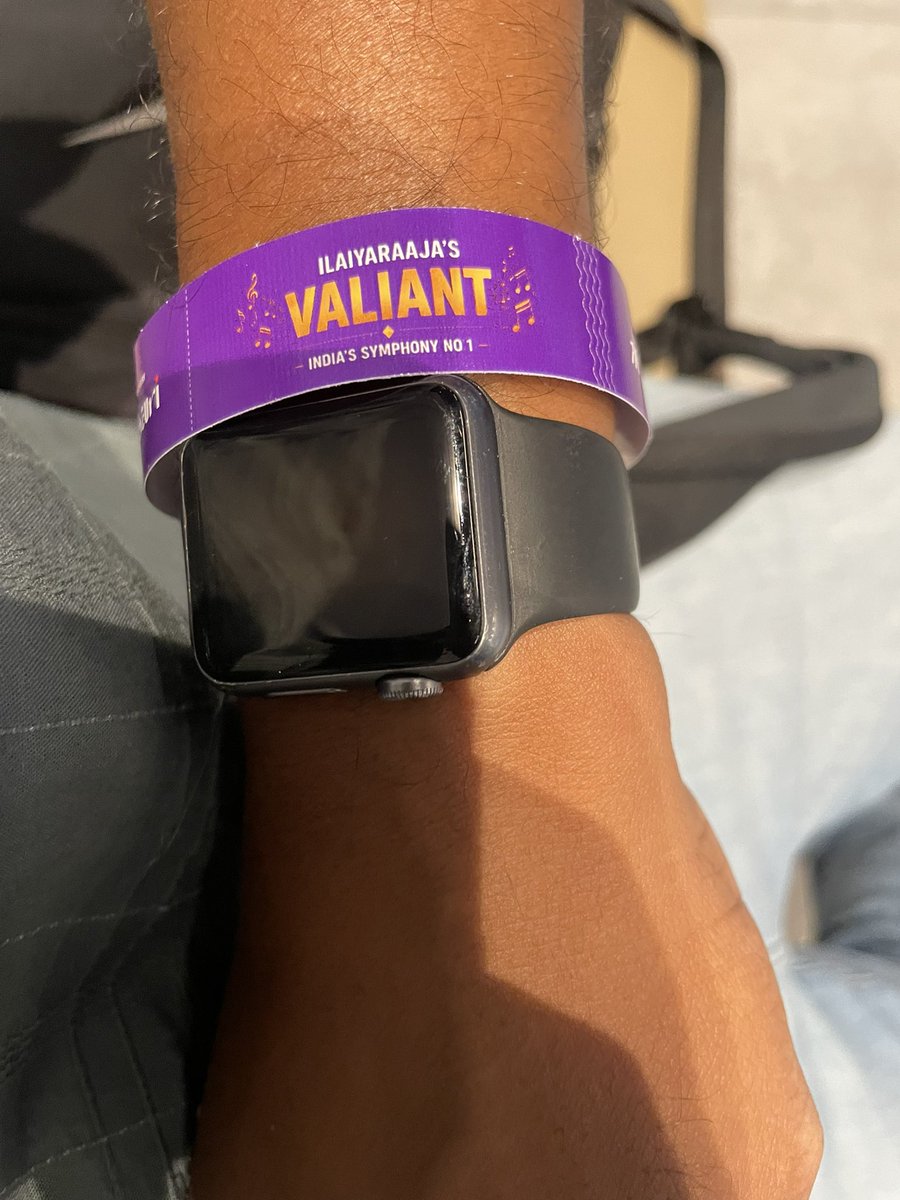
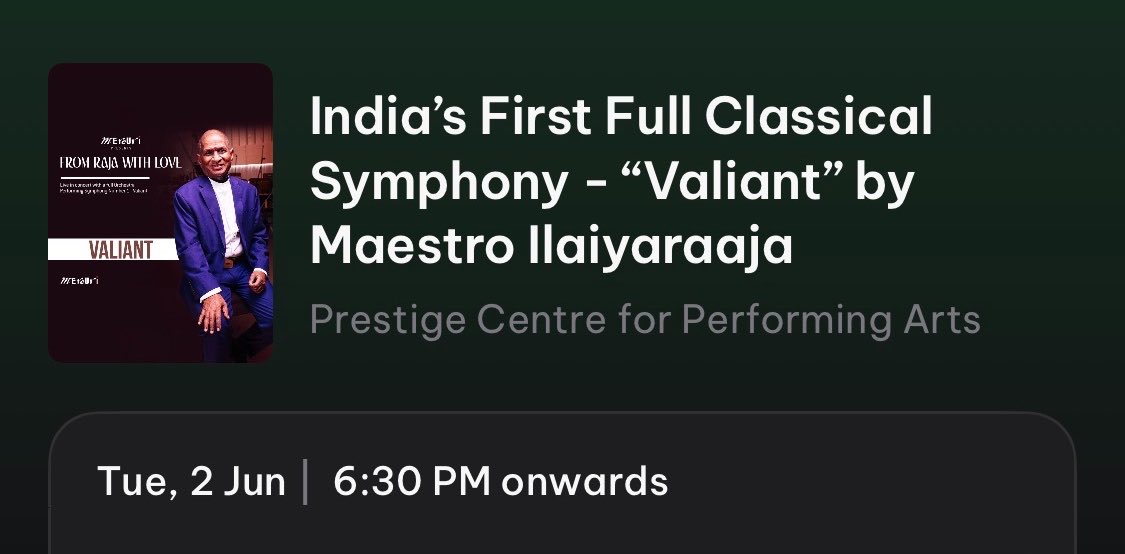
Ilaiyaraaja's Symphony No. 1 "Valiant"
Ganesh B. Kumar's Symphony No. 1 in D Minor "Rise"
Lydian Nadhaswaram's Symphony No. 1 "New Beginnings"

A humble symphony to the world in the title of “New Beginnings” which is Symphony No. 1. of mine..
With the Universe’s blessings, and as per facts and data, I’m humbled to be recognised as the youngest Indian and Asian composer to compose and record an original symphony.
This symphony of ours has been played and recorded by one of the world’s greatest orchestras, the London Symphony Orchestra, conducted by the legendary Matt Dunkley.
The official Audio Launch & Premiere is happening on June 21st, World Music Day, 4 PM onwards, at The Music Academy, Chennai.
The symphony will also release the same day on all audio streaming platforms.
Tickets are now live on BookMyShow.
Event name: Lydian’s Symphony No. 1 “New Beginnings”
This is a ticketed event with a humble minimum cost, as a mark of respect to this art form, the musicians, technicians, patrons, and everyone who made this possible.
Sincere thanks to our Project Producer Andrew T. Mackay, Bohemia Junction Ltd.
Would love to see all my beloved well-wishers, musicians, and music lovers on this auspicious day.
This is just a start. ❤️🙏🏽🎻🎺🎼
#Symphony #LondonSymphonyOrchestra #MattDunkley #NewBeginnings #Classical
3
25
126
9,228
I'll be there FDFS. To witness cinema hall turn into a cricket stadium again. To hear one of the greatest Indian film soundtracks in a cinema hall again.
Lagaan Re-release trailer.
youtube.com/watch?v=hTt5Fbgz…
1
1
6
2,084
The theme sounds instantly iconic. And.. the strings! the gorgeous, gorgeous layers upon layers of strings. Dense, intense, immensely moving! That's John Williams at 94. How inspiring! First full track from the Disclosure Day score is out.
youtube.com/watch?v=2FM3NAaI…
1
6
1,078
Sureshkumar P. Sekar retweeted

VIDEO: John Williams Conducts DISCLOSURE DAY at the score's recording sessions
17
220
1,269
90,494
Sureshkumar P. Sekar retweeted

Jun 4
will never not make me cry 😭😭❤️❤️
5
127
773
18,045