
Where technical creators build and monetize AI workflows.
Joined January 2024
- Tweets 201
- Following 33
- Followers 578
- Likes 303
38 Photos and videos
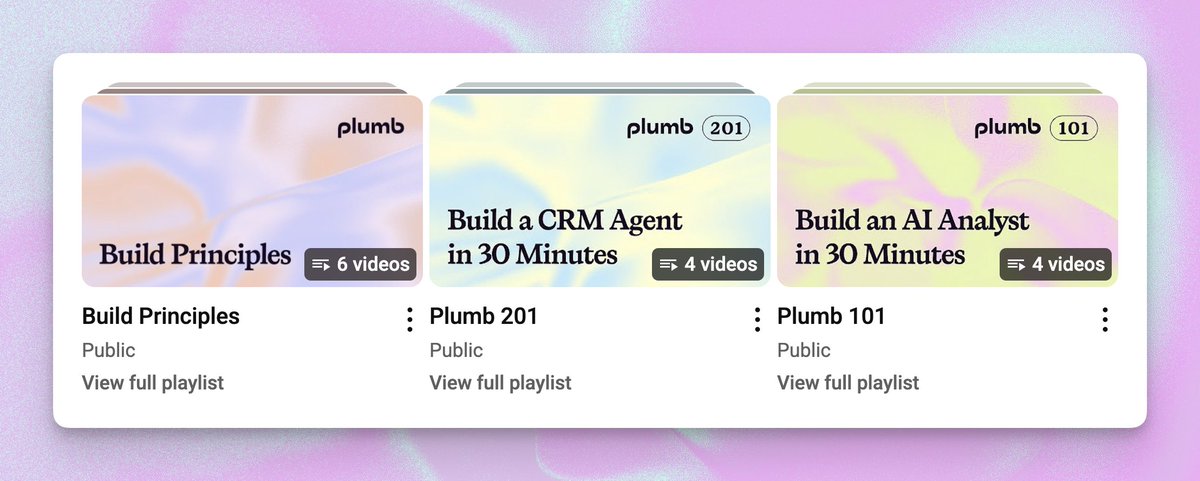
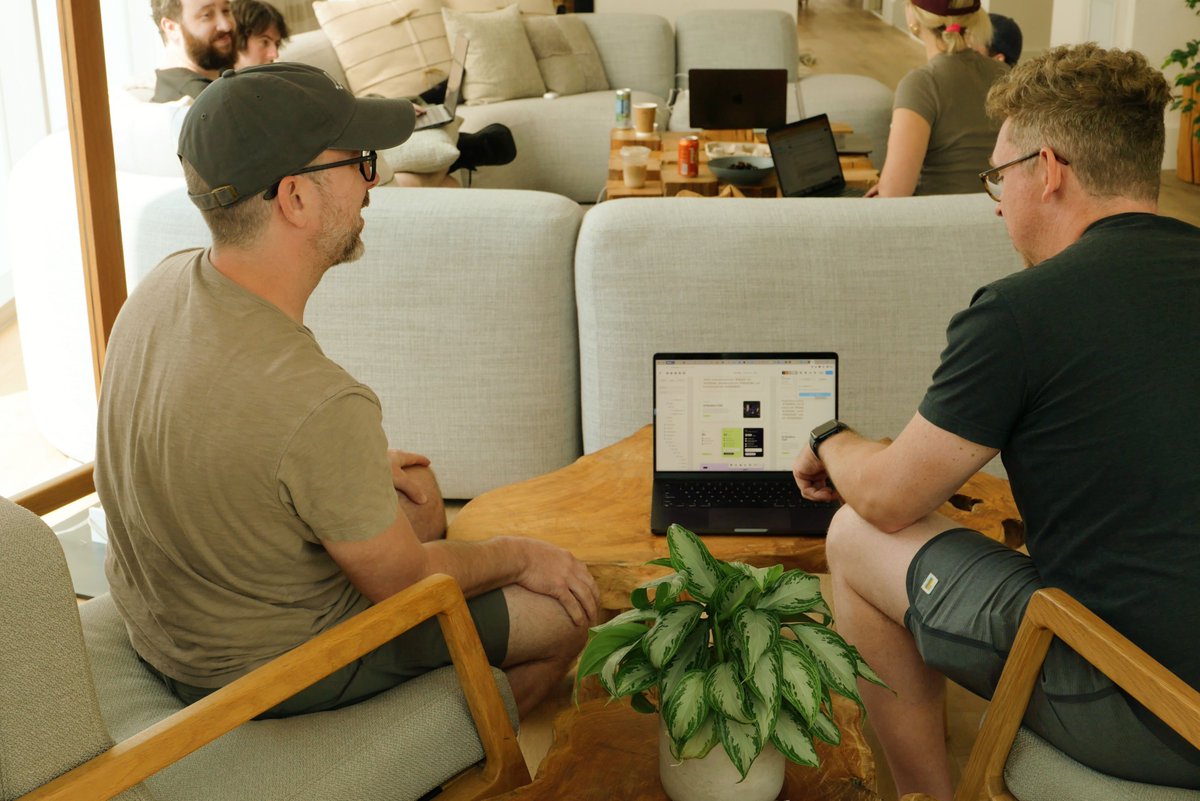

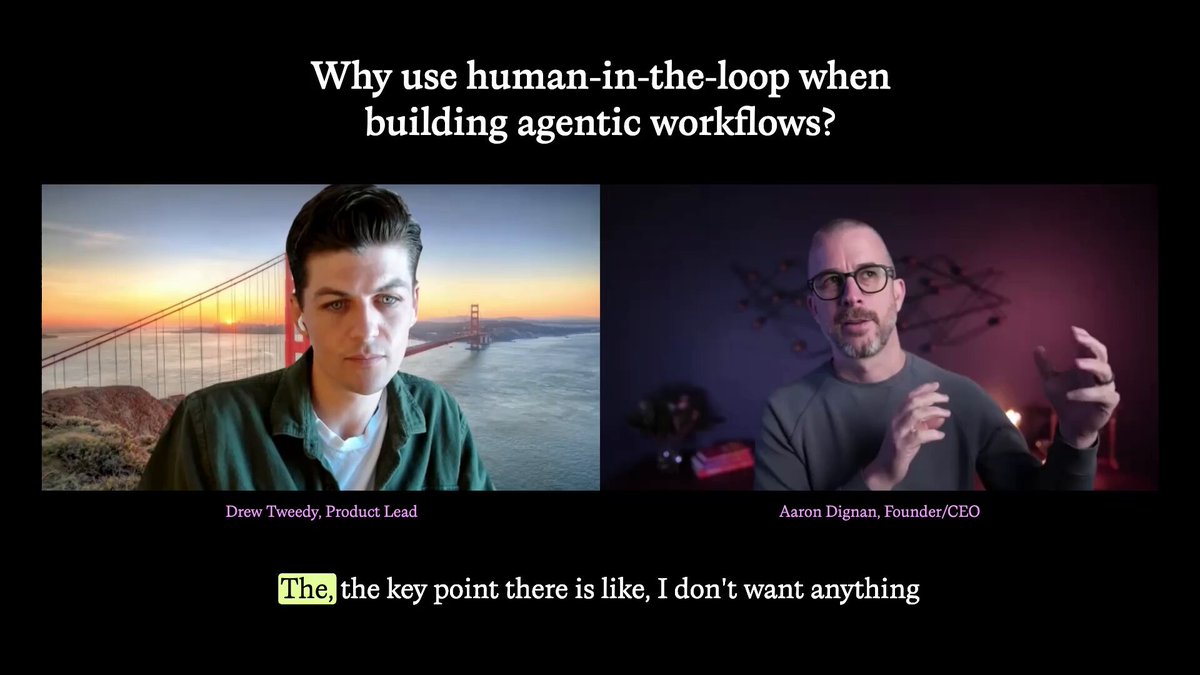

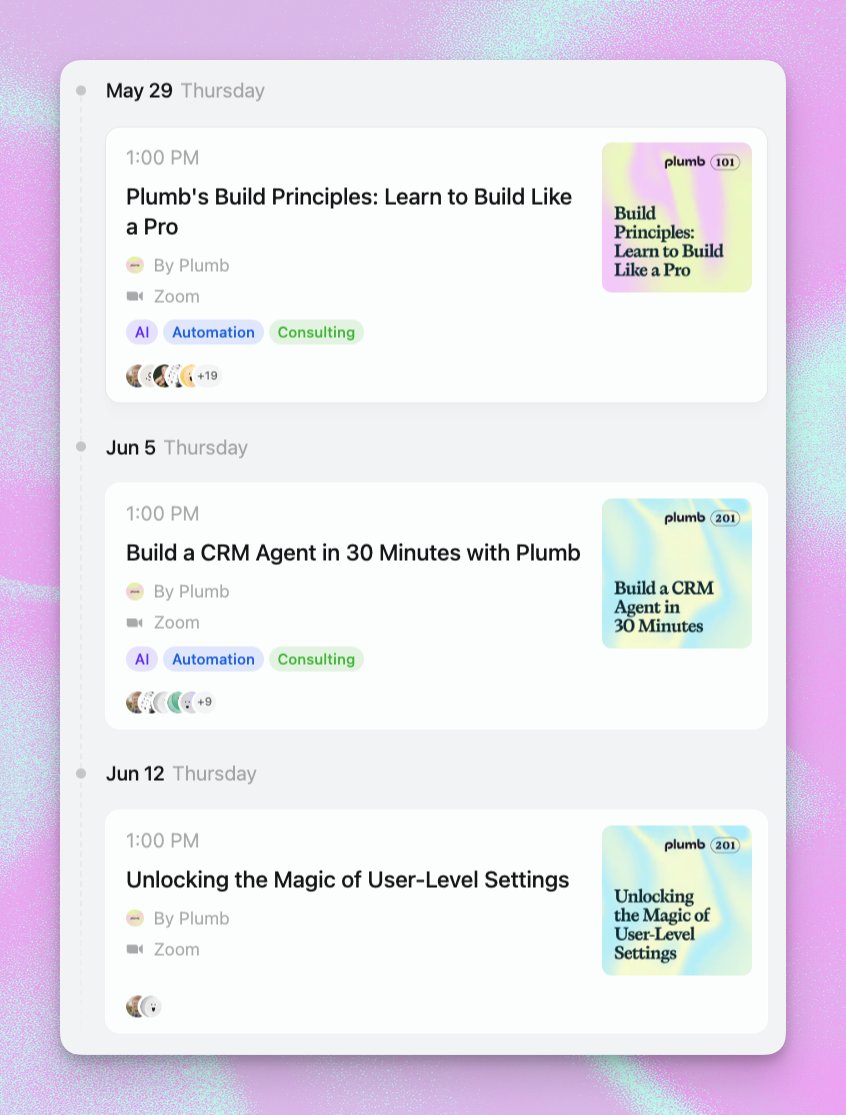
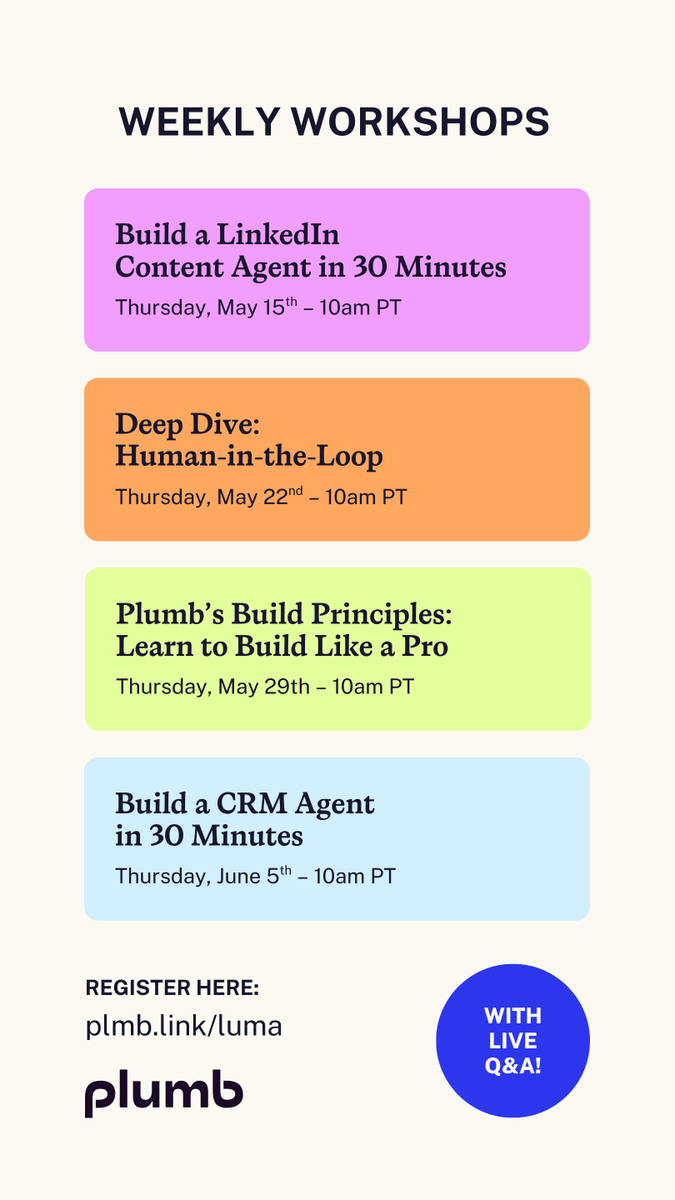
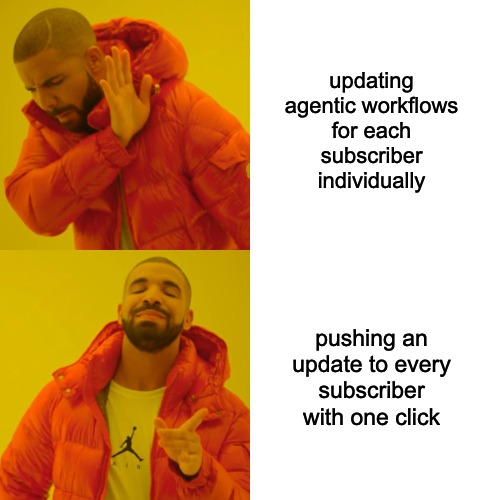

3...2...1... 🚀and we're live!
Starting now, anyone can build AI workflows in Plumb. Which means anyone can monetize their flows instantly.
Start building today at useplumb.com
8
5
11
13,356
Plumb retweeted

8 Oct 2025
major life update: we are shutting down @useplumb
after several years of hustling on agentic workflow automation, we have decided to hang it up
what we got right:
✅ Agentic Workflows > Agents - determinism and the ability to debug still matter guys (even Open AI gets this with agent builder)
✅UX/UI - the hand feel of building in Plumb is what I’m going to miss the most, nothing else even comes close
✅Structured Output - exquisite JSON schema out of every step unlocks so many cool possibilities, agentic branching among them
✅HITL - being able to interact with agents/flows via SMS, email, and Slack is so important, and nodes like “collect input” (that inject responses downstream) are 🤌
what we got wrong:
❌ We invented workflow subscription (and a bunch of tech like MetaJSONSchema) BUT nobody asked us to, and nobody cared
❌ As a result of that decision ^ we couldn’t easily utilize MCP, iPaaS, webhooks, API triggers, etc. and that severely limited what you could build on Plumb
❌ We didn’t pick a vertical, function, or high value set of tasks to solve on day one - instead we spent way too long playing with “nice to have” flows that were technically interesting but not operationally valuable
If we did it all again, we’d do it differently. More learnings in a future post.
For now, we want to thank our investors, including @BenjLerer @asymmetric_vc @greenfield_cap @humanvc @galeforceVC @theready @scottbelsky @ericries and many many more - you won’t find a more supportive bunch out there. If you're raising, ask them.
🚨 Finally, we’re officially looking for a home for this team, so if you want to snap up an elite squad of applied AI nerds… my DMs are open
Please RT this for reach
bc this team hangs the moon 👉
@chaseadams @keyavadgama @petekp @tihalstead @abtweedy @sarashpit
And now for what's next...
103
70
1,063
186,180
Plumb retweeted

4 Sep 2025
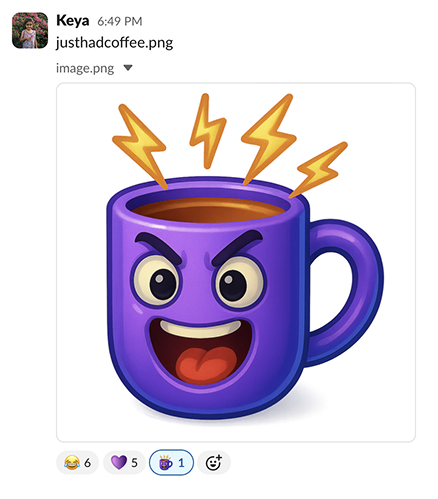
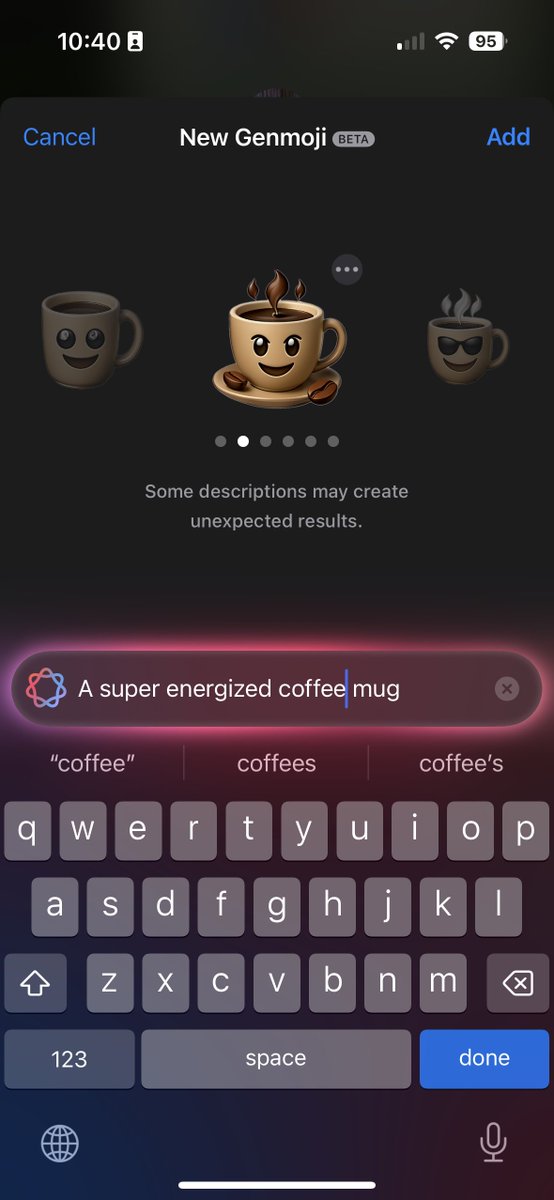
I know the bar for Apple's AI is on the floor, but I didn't realize Genmoji is THAT bad? Our design engineer was able to make an emoji generator in @useplumb in less than a day that actually makes what you ask for...and then there's Genmoji with the same prompt lmao
3
4
8
5,399
Plumb retweeted
3 Sep 2025
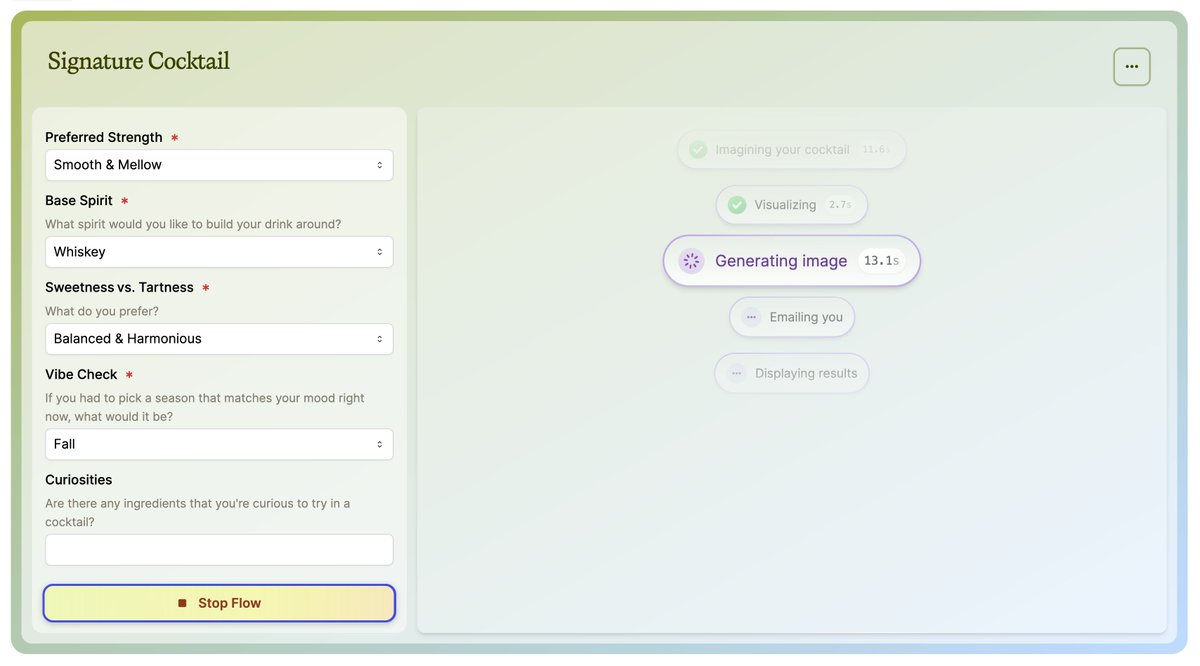
Nice! I went ahead and just built a signature cocktail generator on @useplumb based on this prompt. Hope everyone has good libations tonight! 🍹
Try it for free: app.useplumb.com/sites/plumb…

2
9
1,872
Get out your crayons.
30 Aug 2025

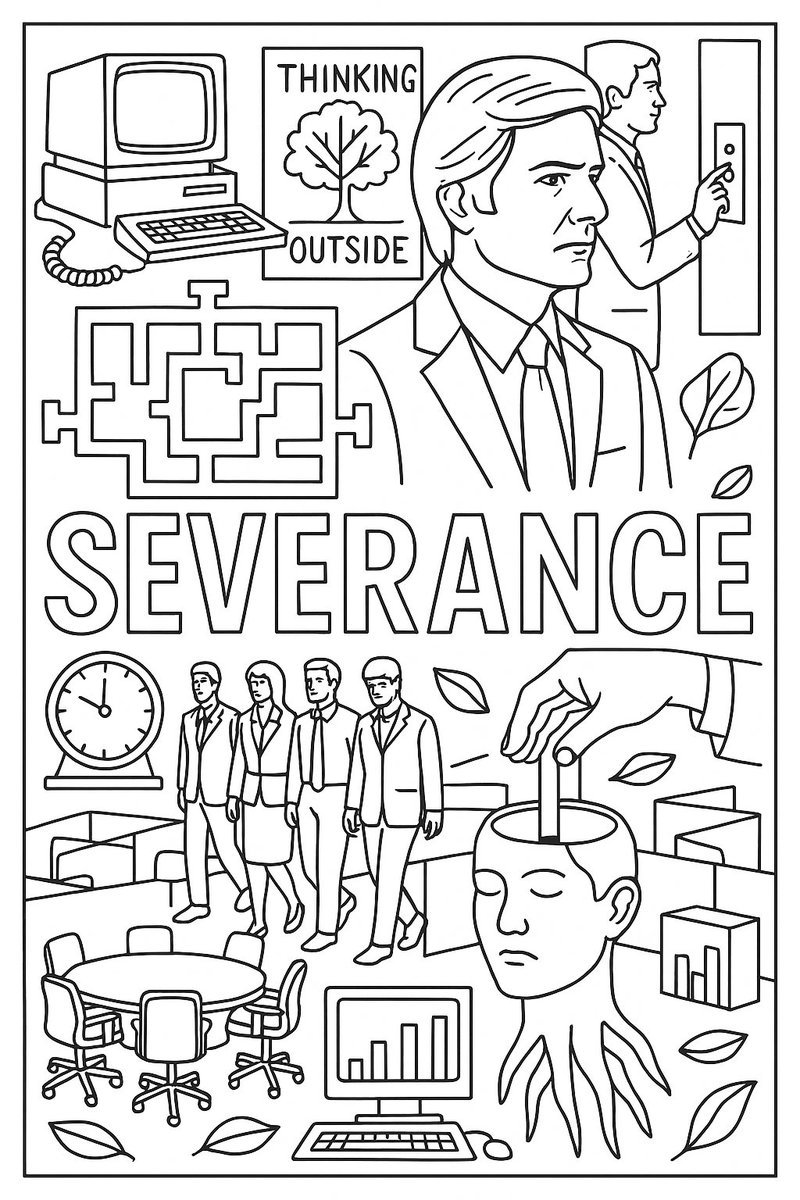
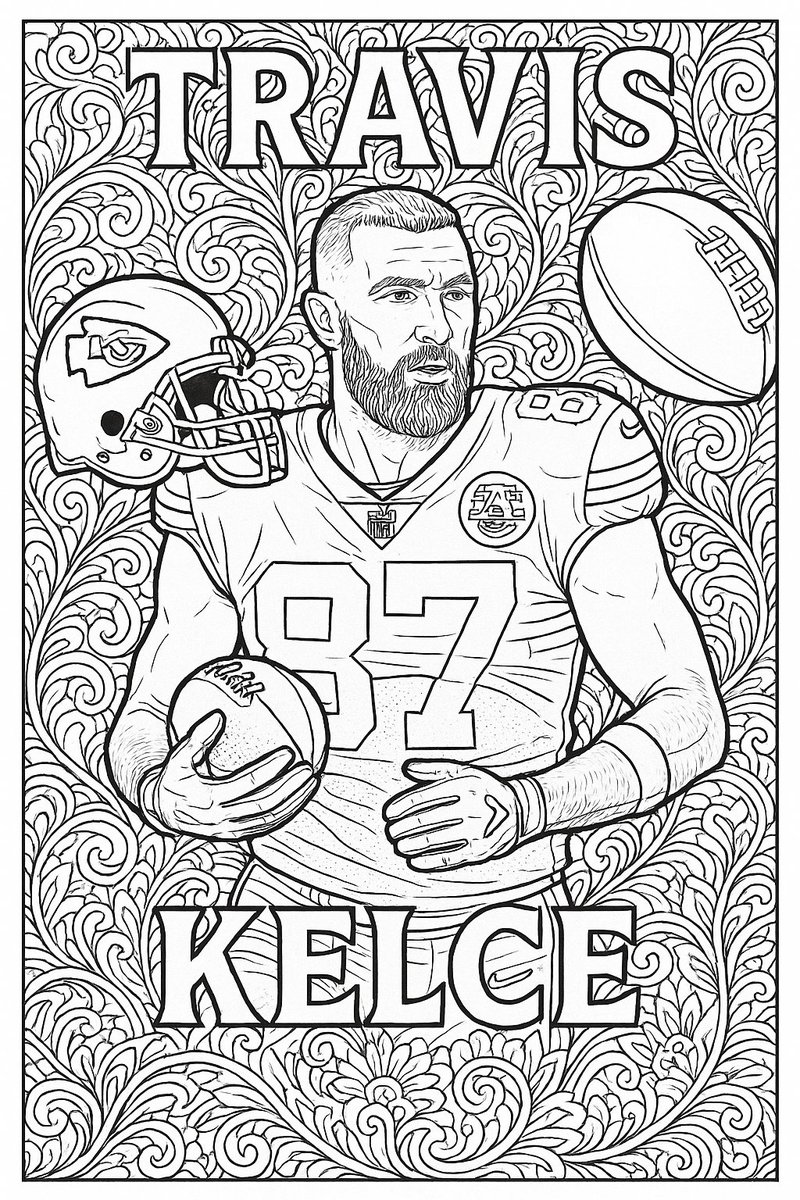
Hey kids! 👋 Do you like coloring books? 🖍️
What if I told you that you could get a printable coloring book page—of almost anything you can dream up—delivered to your inbox every single day?
Well, that's my latest AI workflow project. And those are my em dashes, so deal with it.


1
2
2,040
Plumb retweeted
28 Aug 2025
API calls to LLMs fail all the time. Time outs. ⏰ Errors. 🤬 GPUs on fire. 🔥
So we built a fallback system into @useplumb
Now you can enable automatic retry or specify specific fallback models for any LLM step.
2
6
1,130
Plumb retweeted
27 Aug 2025
do you have specialized expertise that could be encoded in a prompt or series of prompts?
would you like to monetize that?
I will interview you, build an AI workflow in @useplumb based on what you know, and we’ll promote it here together.
4
6
1,059
Plumb retweeted

21 Aug 2025
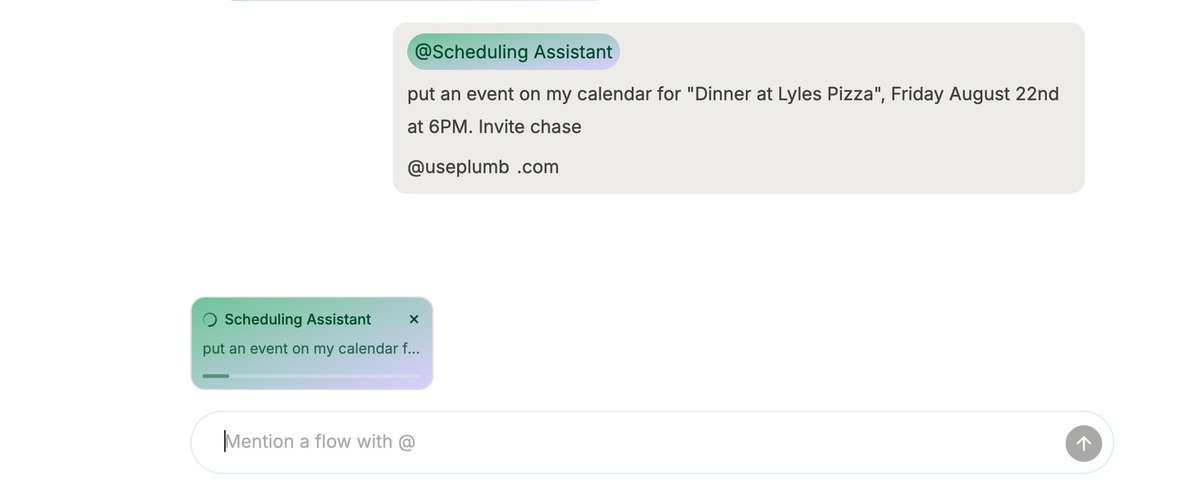
We launched a chat feature at @useplumb that lets you trigger flows straight from chat. Makes for a huge upgrade to my scheduler flow - feels like having a real EA. No form filling, I just have to drop a message with the basic details and it does the rest.
1
2
12
1,185
Plumb retweeted
19 Aug 2025
I wanted to read more AI research papers, so I built a flow to help me 😈
It's like a PhD intern that reads everything published and tells me about the most interesting one
2
3
12
1,214
Plumb retweeted
18 Aug 2025
I spent 50 HOURS building an AI workflow that helps you post quality content on LinkedIn every day ⚡️
Leaders know they should be posting on LinkedIn more often, but they don't because they're locked in scrolling on X 😂
This @useplumb flow is the solution:
→ Give it your url and a writing sample one time
→ Exa scrapes your website and determines who your ideal customer is
→ Claude Sonnet 4 creates a list of questions your customers care about
→ One question and a winning LinkedIn formula are chosen at random every day
→ The flow emails you to ask if you have any thoughts on the topic
→ Then it conducts research on the topic, bringing back up-to-the-minute data
→ And emails you the perfect draft (including an image) using your voice, your initial thoughts, and the research
→ You can reply with feedback, have it publish straight to LinkedIn, or copy/paste and iterate on your own
Turns what should take an hour into 5 minutes.
The best part? You don't have to copy and paste this into n8n or some other platform that requires a PhD.
You can just subscribe to it and I'll keep making it better for you every week.
Want access to the LinkedIn Writer?
Follow comment "PLUMB" & I'll DM you the link to try it for free
3
10
841
Plumb retweeted
16 Aug 2025
If your AI workflow takes 5 minutes to build, then that’s your moat.
5 hours, better.
50 hours, now we’re talking.
1
4
531
Plumb retweeted
17 Aug 2025
Plumb is Substack for AI workflows.
Build an automation with no code.
Share it with your followers.
They can subscribe and get updates when you improve it (like an app).
Set your price and you get paid every time it runs.
3
1
42
523,193
Plumb retweeted
14 Aug 2025
We took @claudeai's new "previous conversation" aka memory feature for a test drive and WE HAVE THOUGHTS
3
6
1,094
Plumb retweeted

9 Aug 2025
Tuesday, 8:43 PM. Kids finally out for the night.
Cracked the code: turned hours of copywriting grind into a 20-minute, AI-powered workflow with @DudaPlatform @useplumb AI.
@doorloopapp clients get custom web copy fast (minus the agency markup).
I get my nights back.
Sometimes the best breakthroughs happen after bedtime, with coffee and stubbornness. Want to see how? Full story 👇
ajoberlender.com/blog/how-to…
#automation #AI #Duda #PlumbAI #brandingdesign
1
2
6
542

Plumb retweeted

24 Jul 2025
Why wouldn’t you jump on this?
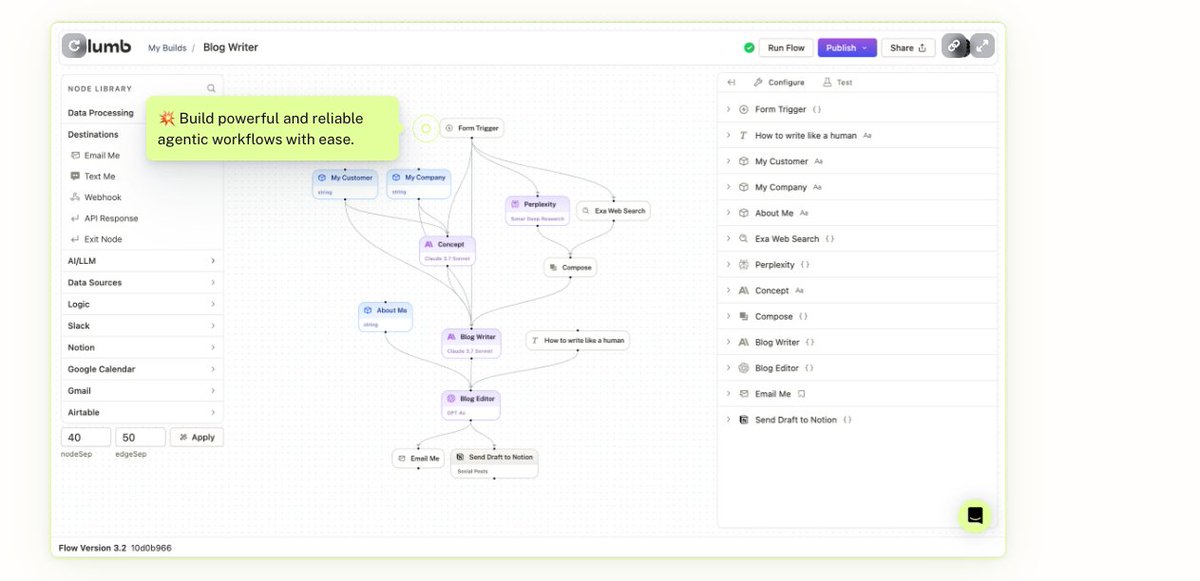
@useplumb is like n8n for agencies or people who are monetizing their automations
No real business wants to get handed a 74-node n8n or Make flow they have no clue how to use, and can’t update
24 Jul 2025
You: someone who builds AI workflows (in n8n, Zapier, or Make) AND you have more than 2,000 followers.
Me: about to roll out subscription and monetization on @useplumb and I need a few people to kick the tires.
DM me if you're interested. If selected, I will pay you $1,000 (that's right, one rack) to build a flow and promote it to your followers.
1
6
792
I can vouch for him, he's good for it
24 Jul 2025
You: someone who builds AI workflows (in n8n, Zapier, or Make) AND you have more than 2,000 followers.
Me: about to roll out subscription and monetization on @useplumb and I need a few people to kick the tires.
DM me if you're interested. If selected, I will pay you $1,000 (that's right, one rack) to build a flow and promote it to your followers.
1
6
456
Plumb retweeted
22 Jul 2025
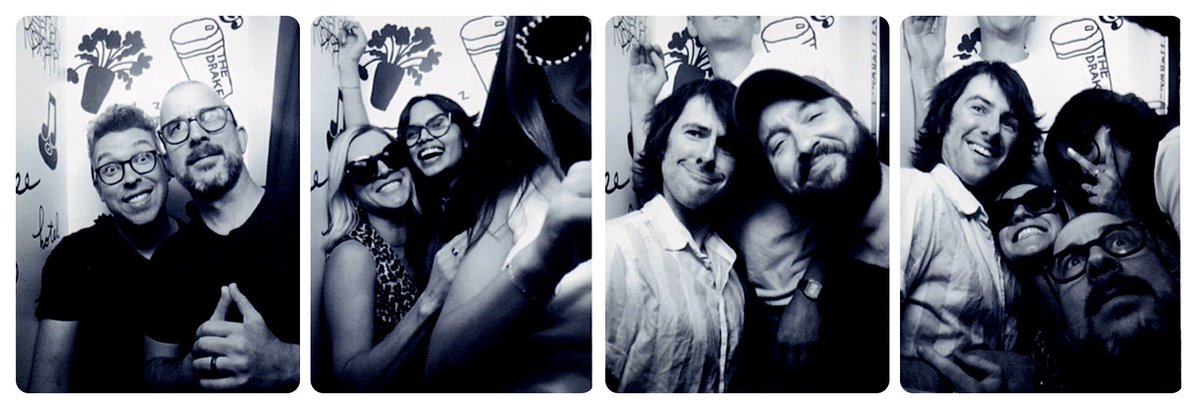
team photobooth at the Drake Hotel during our retreat a couple in Toronto a few weeks ago 🫶
2
13
1,226
Plumb retweeted
18 Jul 2025
Best way to protect your IP as an AI consultant? Just @useplumb so your subscribers never see it. 😇

Why every AI consultant needs a lawyer (even if you think you don't)
Had a fascinating session with Luke Versweyveld from Virgil Legal about protecting yourself as an AI consultant. Here's what stuck with me:
Your IP is your most valuable asset. Protect it ruthlessly
The biggest point of contention between you and clients will be intellectual property. While clients want broad IP assignment, you need to carve out: • Pre-existing intellectual property (anything you created before the engagement) • Your methodologies (processes and routines you use across clients) • License terms that let clients use your IP without transferring ownership
Without these protections, you literally can't take your expertise to the next client.
Verbal contracts are ticking time bombs
Even with "trusted clients," verbal agreements leave you exposed. The person you're working with today might leave tomorrow, replaced by someone aggressively claiming ownership of your IP.
I've seen this firsthand. The contract that "doesn't exist" suddenly materializes the moment there's a dispute.
Send your contract first
The moment someone verbally accepts, send your contract immediately. Don't wait for their 45-page PDF. If they push back, try: "As an independent consultant, I don't have the resources of a full legal team. I prefer starting from an agreement I'm familiar with."
Specificity is your shield
Most legal disasters stem from vague statements of work. Be painfully specific about: • Deliverables (concrete, measurable outcomes) • Payment terms (net-15 or net-30, never longer) • Time commitments (cap your weekly hours) • IP ownership boundaries
The LLC question
For most consultants, an LLC makes sense. It's flexible, provides liability protection, and avoids double taxation. Only consider a C-Corp when you're transitioning from consulting to a product business.
What's your biggest legal concern as an AI consultant?
learnindieconsulting.com
1
2
714
New podcast episode just dropped 🔥
Catch it here: open.spotify.com/episode/5RW…
16 Jul 2025
On this week's episode of AI Builders Club, we're tackling proposal generation. If you're a consultant or freelancer, you know what a pain proposals can be. What if we built a flow that would automate it?
2
4
451
Built an agentic workflow. It produced quality results. Nice workflow. Runs easily. Built a few more, all got quality results. Now I build all my workflows in Plumb because they reliably work, and that's how low the bar is for AI automation these days.
15 Jul 2025

Went to a coffee shop. Barista introduced himself. Nice guy. Smiles easily. Went back. He said hello. Called me by my name. Now I’ve gone seven days in a row because the barista feels like a neighborhood friend, and that’s how low the bar for service is these days.
1
1
3
478