Exploring user editable interfaces
Joined December 2024
- Tweets 1,385
- Following 282
- Followers 95
- Likes 20,617
136 Photos and videos



Pinned Tweet

29 Aug 2025
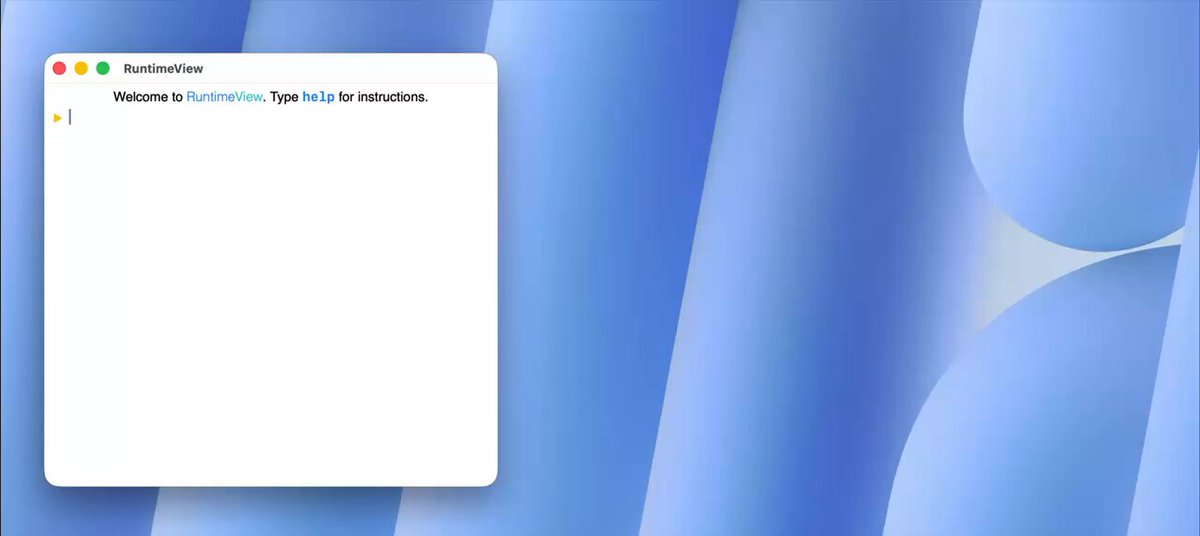
Editing a running program…
13 Aug 2025

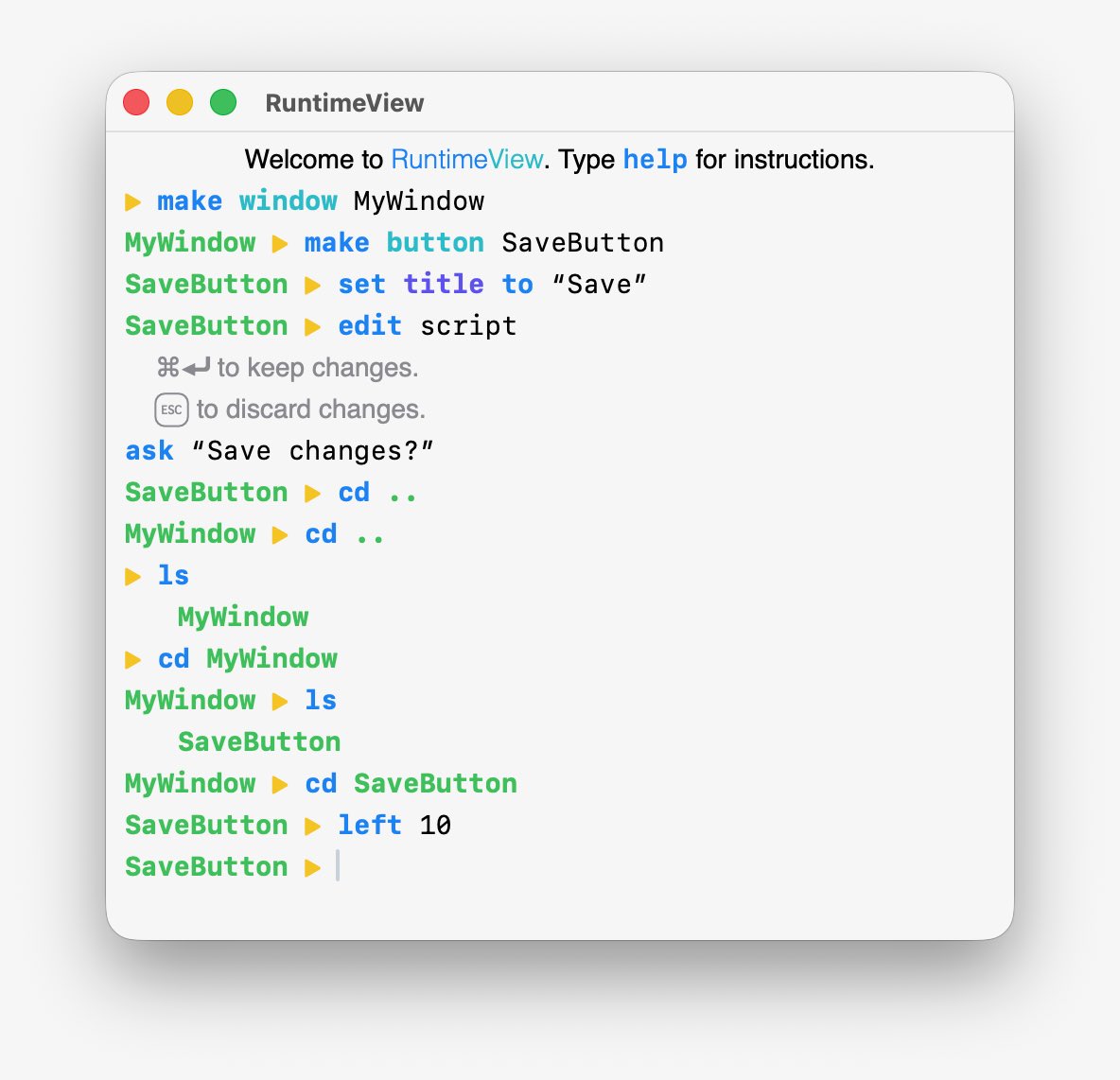
Thinking about writing a scripting language where the script file can be edited at runtime and the AST is diffed and hot updated with intelligent data structure migration.
1
1
12
1,230
Jun 14
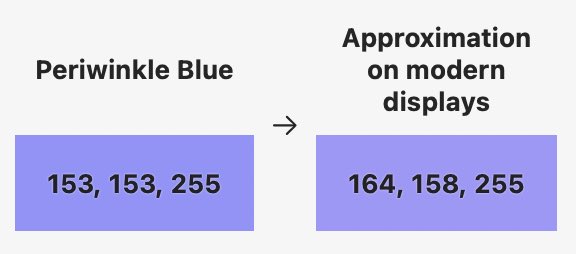
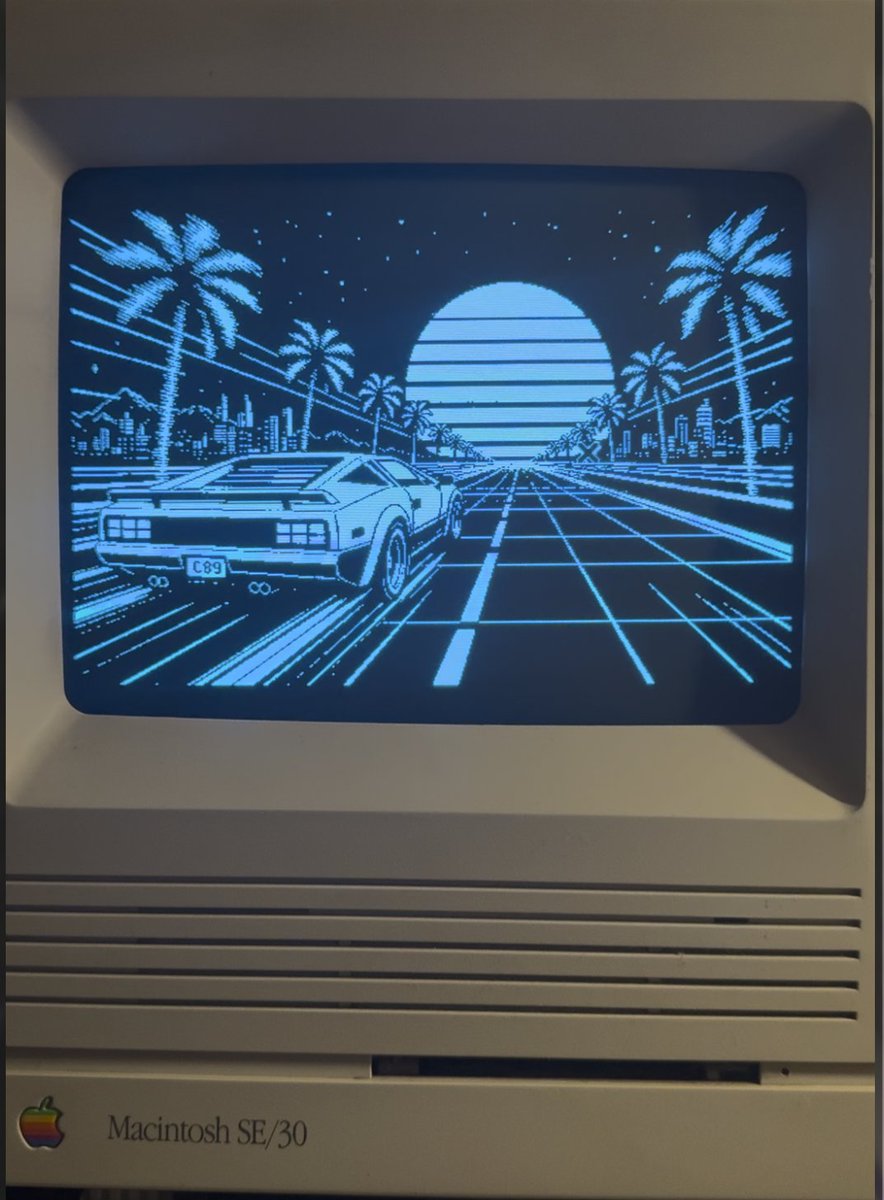
Note how it appears slightly blue.
In real life it would also be violet, which gives it a paper white look.
Not possible on modern non-violet displays.

1
59
Jun 14
I wonder with this jailbreaking issue of Fable whether it would be better to have a separate model as the gatekeeper?
Having a single model with two opposing goals of perfectly answering your request and also refusing to do so, seems like it could be unreliable.
1
35
Jun 14
In essence, have a Yes Man that is completely unrestricted, but you have to get past the Doorkeeper.
22
Jun 13
This export restriction applied to Anthropic reminds me of when Apple first launched the Power Mac G4 in 1999.
There was an export restriction on supercomputers with over 1 Gigaflop, which the G4 exceeded.
The government lifted the ban in 2000.
youtu.be/OoxvLq0dFvw
40
Jun 12
About 5 years ago I did a DSP project in Swift and it was considerably slower than C. It’s interesting to see Apple using Swift for performance critical code and it beating C.
They also open sourced the TrueType hinting code.
Jun 12

Memory-safe. 13% faster on average. ⚡️ The TrueType hinting interpreter in macOS and iOS has been rewritten in Swift, replacing the original C implementation. Pixel-perfect accuracy was validated across 27 million glyphs. And the results: swift.org/blog/migrating-tru…

1
72
Jun 11
GitHub could provide per-project LoRa weights as a service.
Jun 11
IMO smaller models should be RLed on code base overnight.
18
User Editable retweeted
Jun 10
Books were quite hard to find pre-internet. Book stores only had a limited set. Libraries were better, especially university libraries.
1
1
7
234
Would an artist (say a painter) be satisfied to use AI image generation tools simply by asking?
How much asking is required to produce something a talented painter could produce themselves?
When Andrej says “you can ask for anything”, I don’t feel like that captures my desire for software.
What I want can’t simply be asked for.
If I could just ask, it would already know.
21
When Andrej says “you can ask for anything”, I don’t feel like that captures my desire for software.
What I want can’t simply be asked for.
If I could just ask, it would already know.
Jun 9

This is a super exciting release - Claude Fable 5 is the same underlying model as Mythos but with added safeguards. The benchmarks are great and it's SOTA on everything by a margin but I'll add that *qualitatively* also, this is a major-version-bump-deserving step change forward (imo of the same order as Claude 4.5 was in November), peaking especially for long problem-solving sessions on very difficult problems. You can give it a lot more ambitious tasks than what you're used to, the model "gets it" and it will just go, and it's never felt this tempting to stop looking at the code at all (but don't do this in prod!). The model still has quirks that people will run into and the safeguards are configured to be a little too trigger happy for launch, which can hopefully be tuned over time.
I feel a lot of things changing as working software increasingly comes out on a tap. The Jevon's paradox kicks in and I feel my own demand for software growing substantially. You can ask for anything - explainers, visualizers, dashboards, bespoke single-use apps (e.g. a full wandb that is hyper-specific just for your project), you can 10X your test suite, auto-optimize code, run giant research projects with custom HTML for the results, anything! "Free your mind" (Matrix ref). Really looking forward to all the things people build!
43
May 22
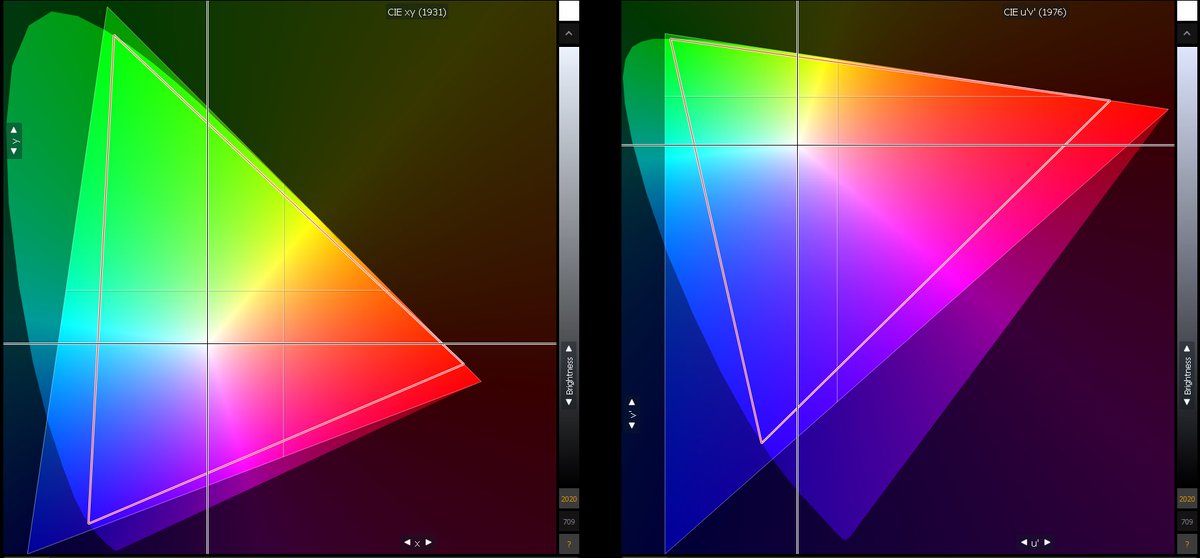
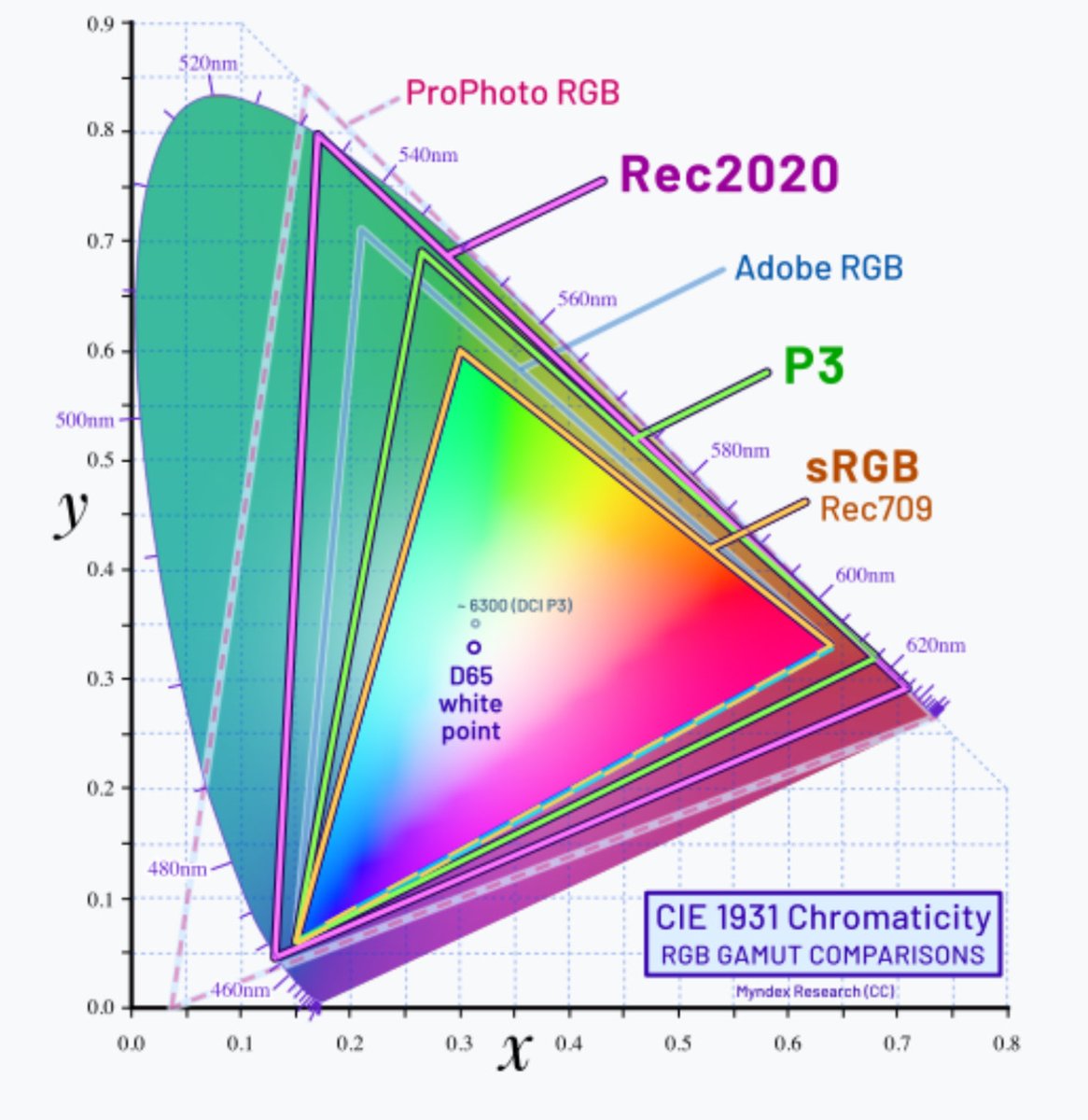
Color spaces are typically shown in CIE 1931 (left). But CIE 1931 isn’t perceptually uniform.
CIE 1976 is perceptually uniform and you can see how much of the violet part of the spectrum isn’t included (right).
1
68
May 22
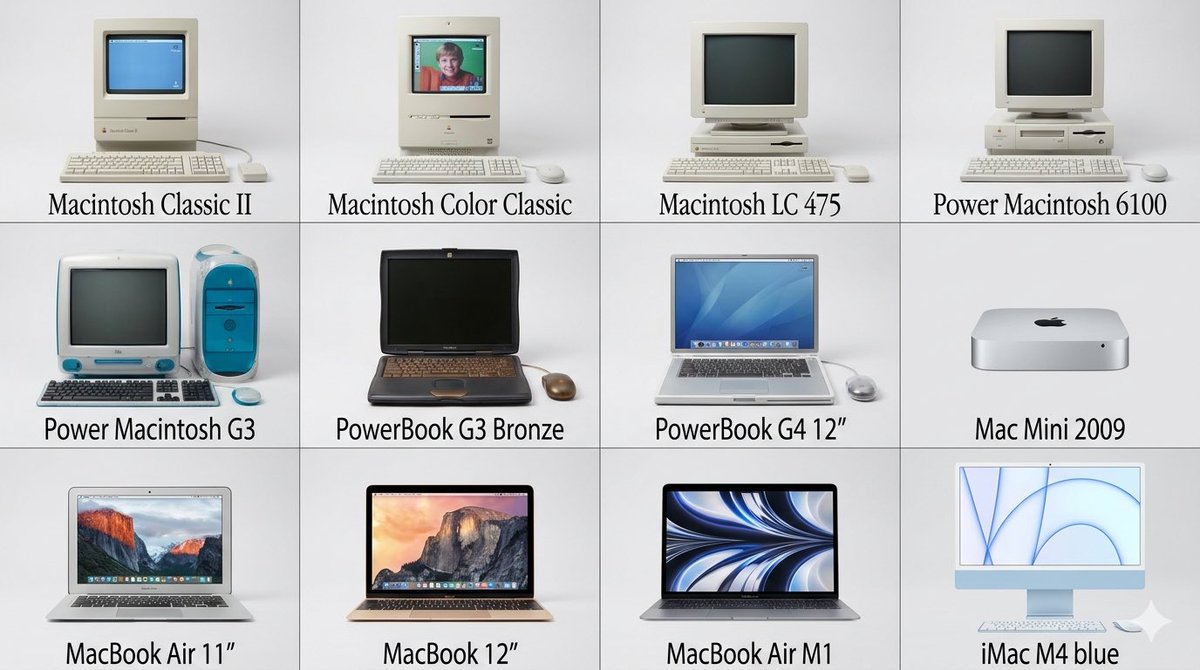
Classic Mac used to have System Blue colors that were very simply defined: 3333FF, 9999FF, CCCCFF. Clearly there is nothing special about these colors.
But on screens that produce violet they have a nice aesthetic quality.
Today the same blues look bland.
2
181
May 21
There would be some young people in tech who have never seen violet.
May 21
The main reason why violet disappeared was because CCFL and plasma can’t do 4k.
The higher pixel density requires a stronger backlight, but CCFL and plasma were already heavy and consuming a lot of power.
So they bowed out at 4k around 2012-2013.
109
May 21
The main reason why violet disappeared was because CCFL and plasma can’t do 4k.
The higher pixel density requires a stronger backlight, but CCFL and plasma were already heavy and consuming a lot of power.
So they bowed out at 4k around 2012-2013.
May 20
I have a theory why CRTs and fluoro-backed LCDs look better which I haven’t seen discussed yet: Violet
👇
166
May 20
Even more interesting, the original Mac mono black and white displays had significantly more violet than color CRTs!
They used a unique phosphor which was a combination of yellow/green and deep blue/violet.
They were special displays.
May 20
Notice how none of the color space advancements do anything for violet:
163
May 20
Notice how none of the color space advancements do anything for violet:
May 20
I have a theory why CRTs and fluoro-backed LCDs look better which I haven’t seen discussed yet: Violet
👇
2
655
May 20
I have a theory why CRTs and fluoro-backed LCDs look better which I haven’t seen discussed yet: Violet
👇
2
5
519
May 20
But LED displays can only produce a narrow blue wavelength. This will trigger green in your eye and your brain won’t see it as violet as strongly.
So images don’t look as real.
It is the violet that makes images look real.
1
1
70
May 20
Whether having so much high energy blue emitting from a display is healthy is another question.
2
56