USWFS streamlines wildfire response, prevention, and recovery across 500 million acres of public lands administered by @Interior and tribal lands.

Joined November 2025
96 Photos and videos
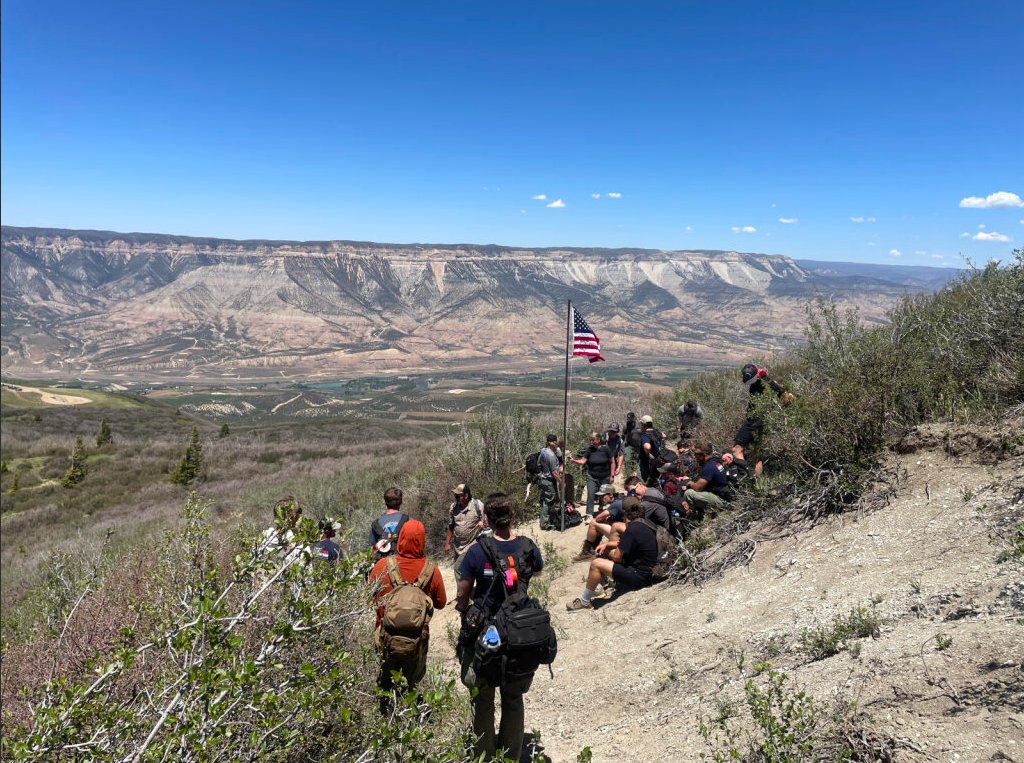
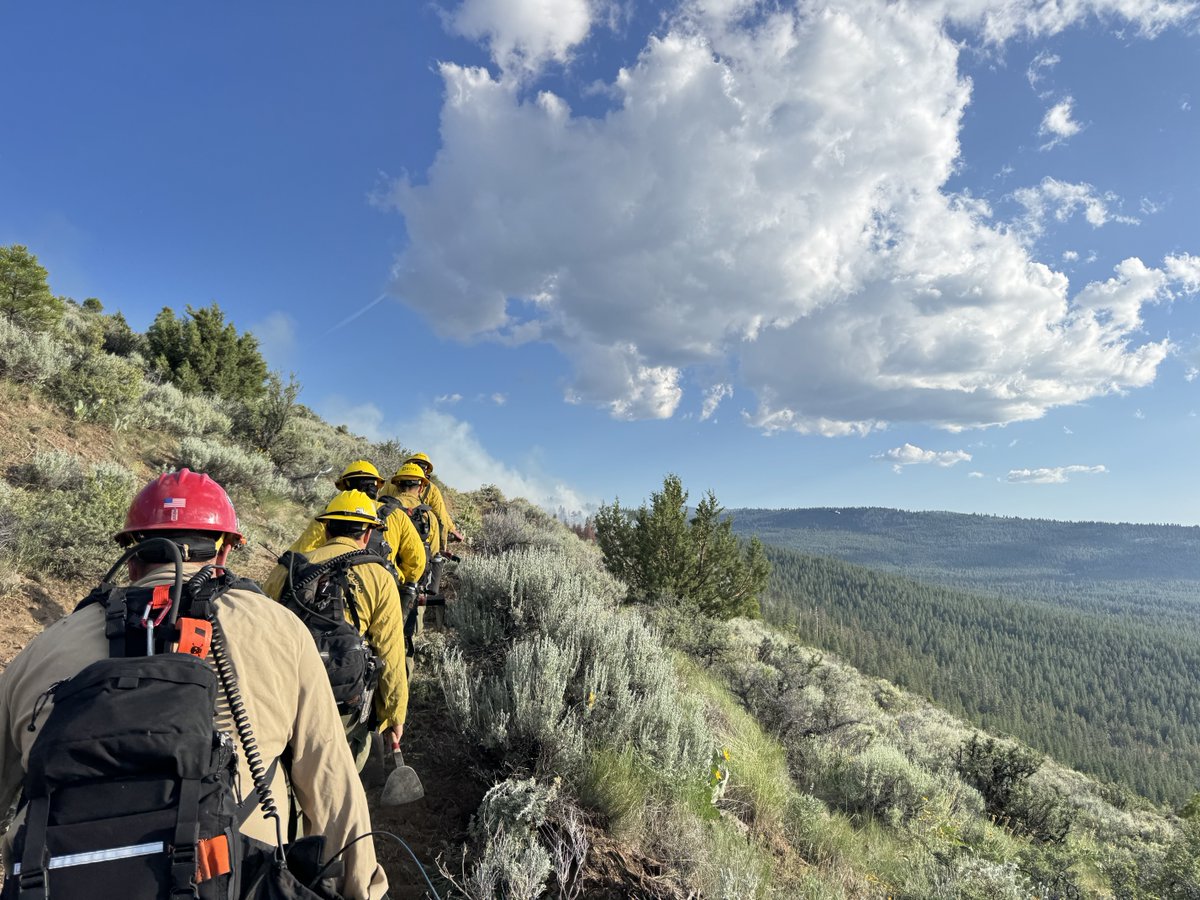
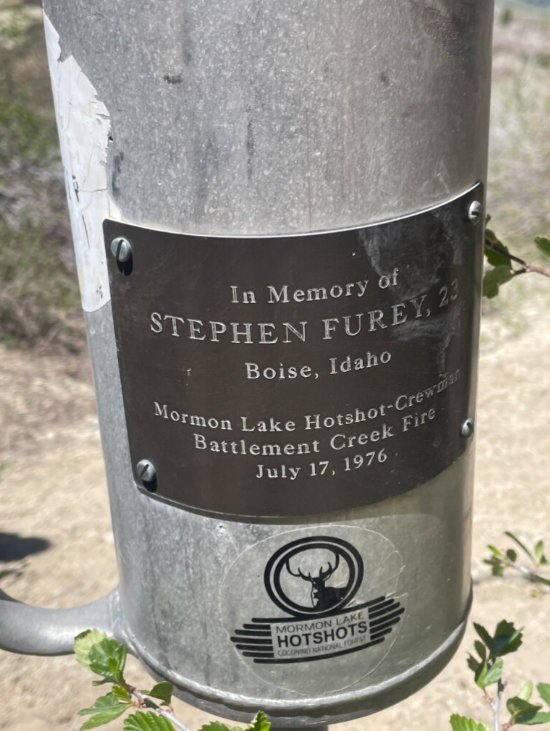
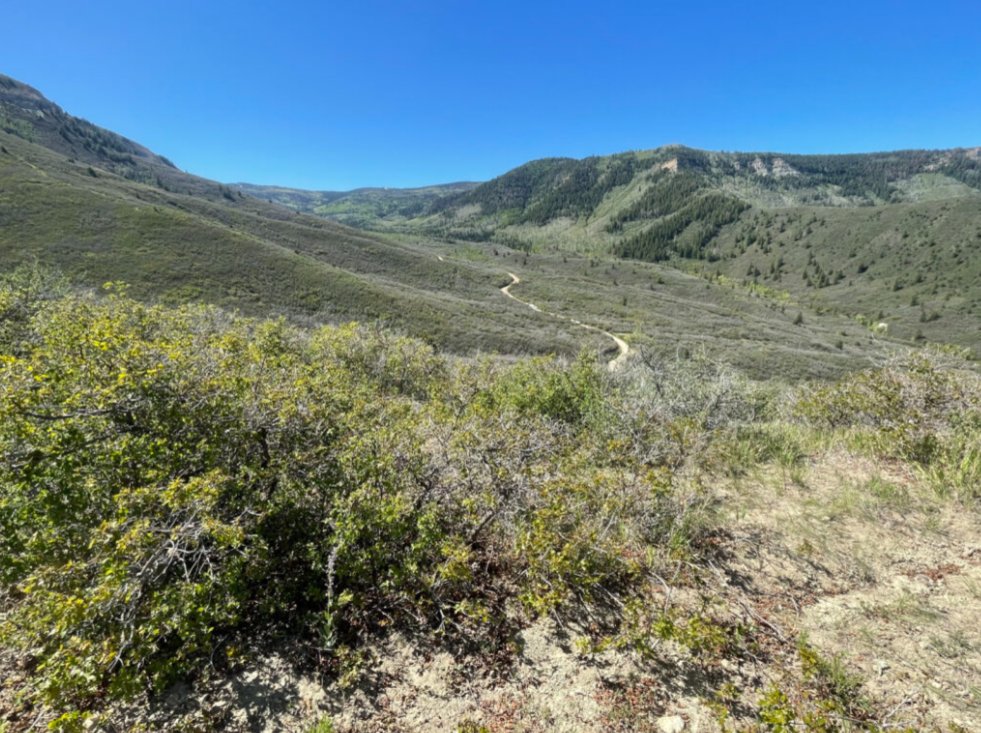
This staff ride in Colorado offered moments of reflection, humility, and a renewed commitment to the values of duty, respect, and integrity that guide our training and work. Last month, fire staff from Eastern Utah traveled to the Battlement Creek Fire site. The fire began on July 11, 1976, and resulted in four fatalities: three members of the Mormon Lake Hotshots and one airtanker pilot. The incident reshaped federal wildland fire management and helped establish many of the safety standards we rely on today. Staff reflected on decision-making, communication, leadership, and the solemn responsibility we hold to one another in wildland fire. The work of our fire, fuels, and dispatch personnel extends beyond individuals and their programs. As we approach America’s 250th birthday, the flag at the fatality site stands as a symbol of resilience, sacrifice, and unity, and of the role fire personnel play in protecting lives, communities, and public lands. Opportunities like visiting the Battlement Creek Fire site provide learning experiences for both first-year firefighters and seasoned personnel. They are reminders that no matter how many years we serve or how many fires we respond to, we remain continual students of fire. Photos courtesy of Jordan Nesbitt
1
2
30
836
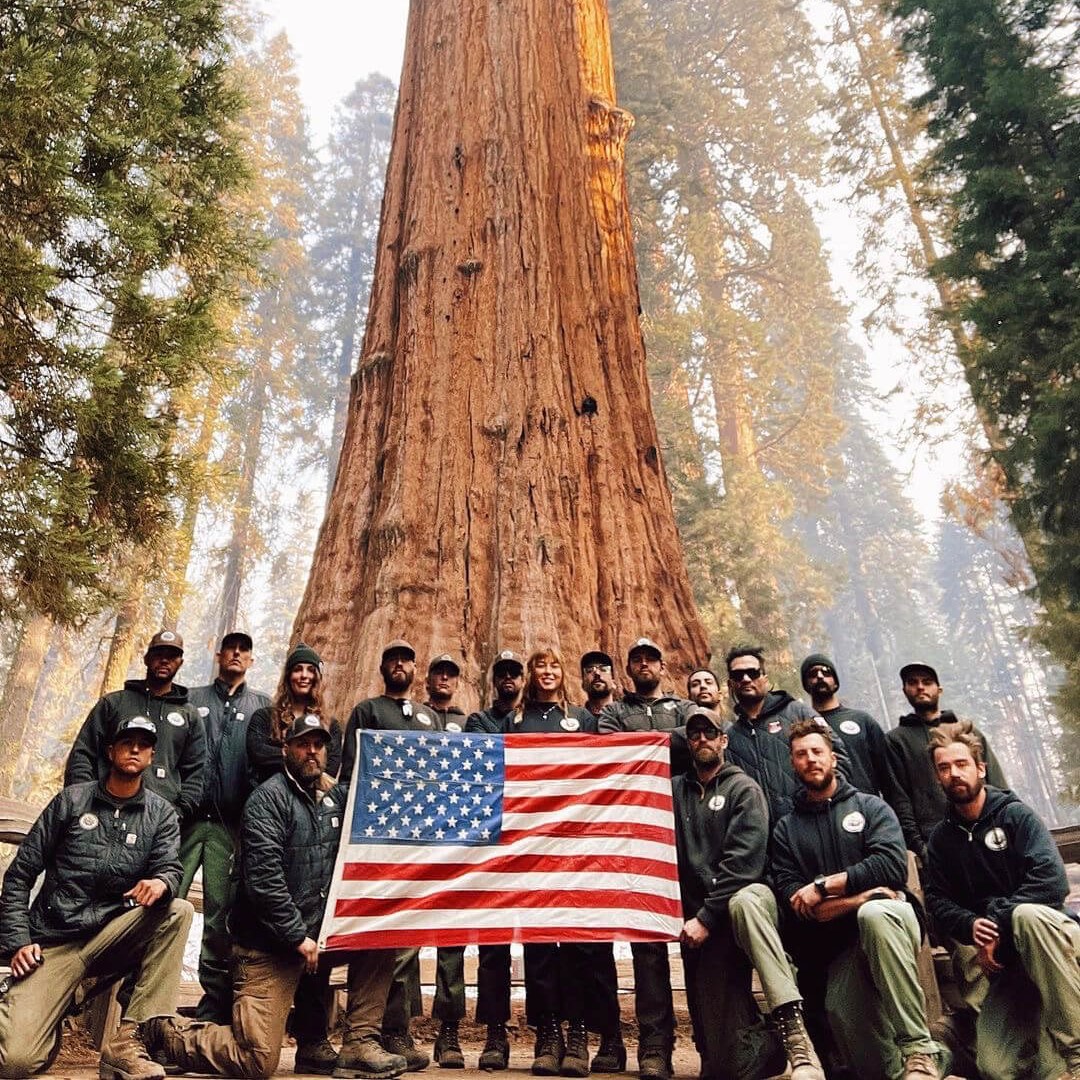
Stars, stripes, and the lands we protect. On Flag Day, we recognize the wildland firefighters and support personnel who work every day to safeguard the public lands these colors represent. If you’re heading outdoors today, know before you go. Check local fire restrictions, recreate responsibly, and help prevent wildfires. Enjoy your public lands. Help protect them, too.
56
682
4,443
28,100
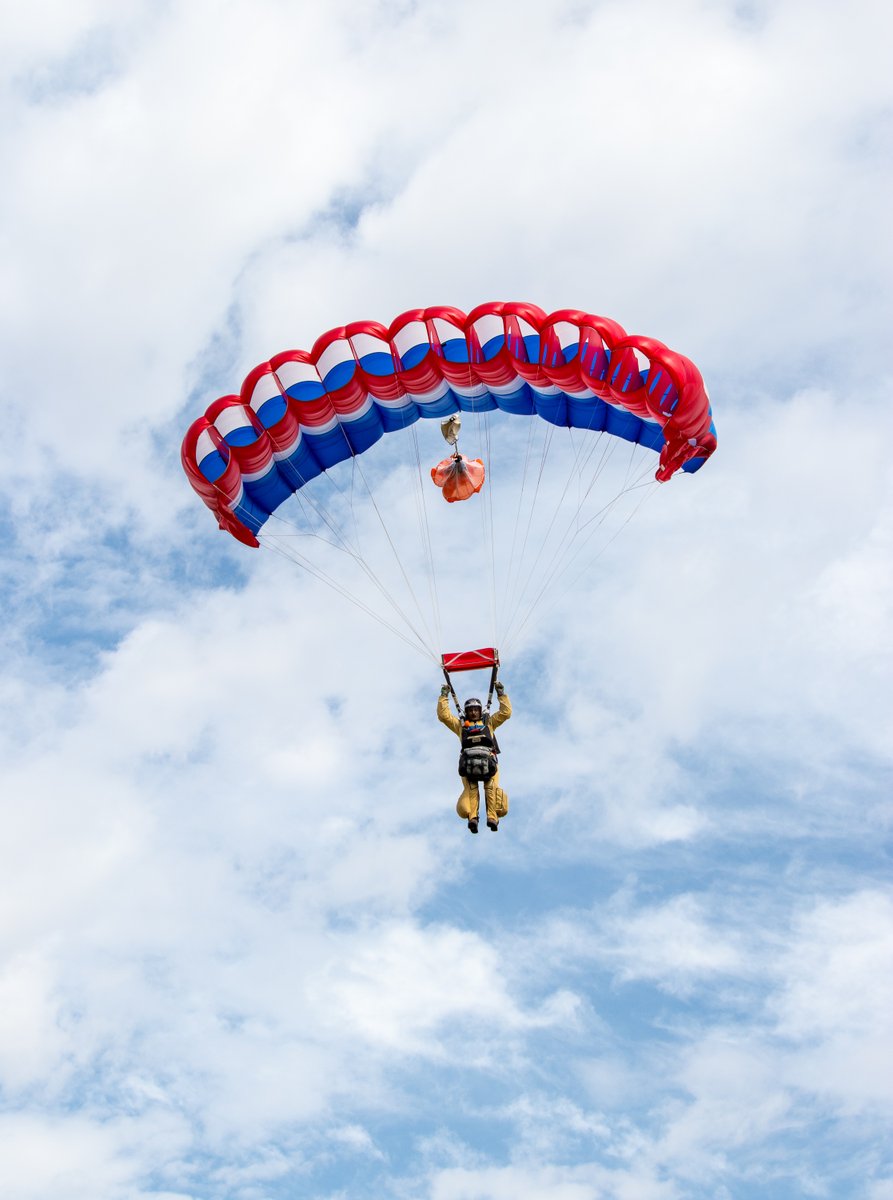
Red, white, and blue from the sky on down. From America's wildland firefighters, good luck, Team USA! ⚽
3
55
392
7,143
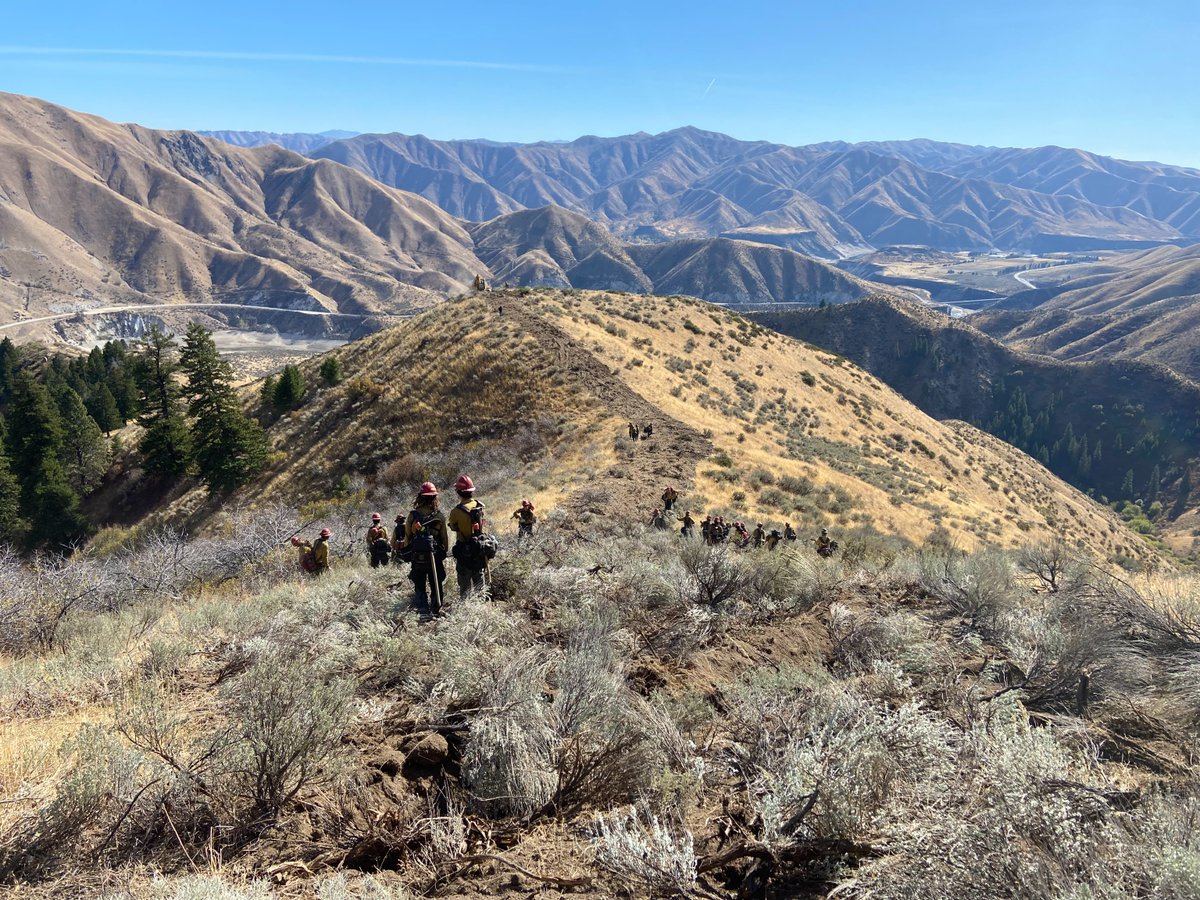
The heat is here. The fuels are noticing. Across many parts of the country, grasses and other vegetation are drying out, temperatures are climbing, and fire danger is increasing. With hot, dry conditions expected across much of the West, now is a good time to review your wildfire preparedness plans, know local fire restrictions, and recreate responsibly. A little preparation today can make a big difference tomorrow. Visit ready.gov/wildfires for more information on how to prepare yourself, community, and families.
8
41
996
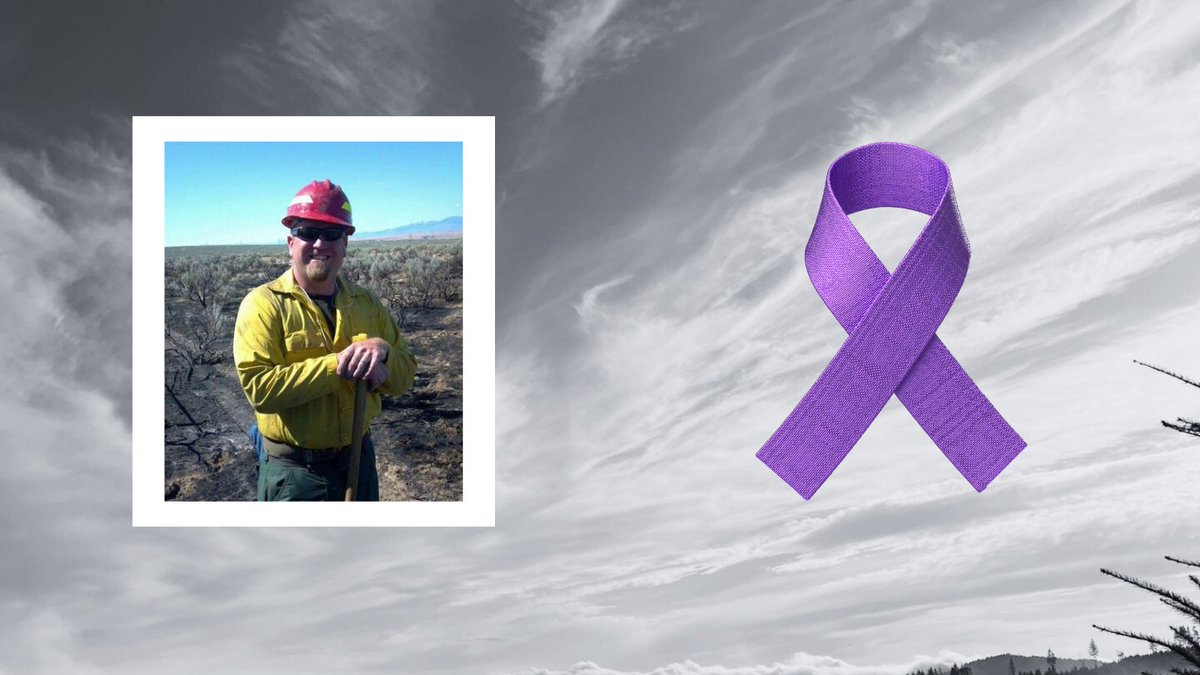
On this day 11 years ago, the wildland fire community lost a beloved friend and co-worker, Terry “Tyke” Sonner. Tyke served 14 years in wildland fire, including with the Bureau of Land Management Idaho Fire program, which is now unified under USWFS. He worked in areas that covered Twin Falls, Idaho; Elko, Nevada; and Boise, Idaho. Tyke had been promoted to superintendent in June 2015 and then relocated his family to Wendell, Idaho, when he accepted a position at the Hammett Guard Station. Firefighting was one of Tyke’s greatest passions, and his dedication, leadership, and service continue to be remembered by those who knew and worked alongside him. Read more about Tyke here: firehero.org/fallen-firefigh…
2
27
571
Alaska's vast, remote terrain and large roadless areas make smokejumpers an especially effective initial attack resource when wildfires ignite. Safety is at the center of every smokejumper operation, and the spotter plays a critical role. From the aircraft, the spotter evaluates fire behavior, identifies a safe jump spot, and drops streamers to assess wind speed and direction. Using that information, they help determine when and where smokejumpers can safely exit the aircraft and land. As fire activity continues across Alaska, smokejumpers remain ready to respond wherever they're needed. Video by Elias DeLaca, USWFS Alaska Fire Service Smokejumper
2
16
92
4,296
U.S. Wildland Fire Service retweeted
If you’re near wildfire activity, don’t fly your drone. Unauthorized drones put wildland firefighters and aviation crews at risk and can force firefighting aircraft to stop flying, delaying wildfire response efforts. If you fly, we can’t. And during a wildfire, every second counts. Learn more: knowbeforeyoufly.org
16
108
373
18,706
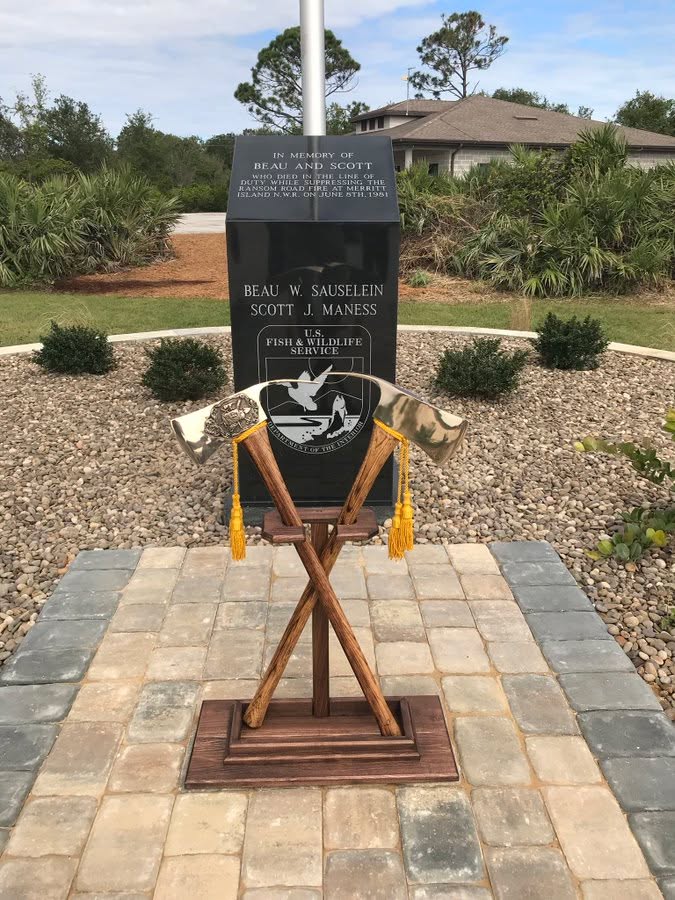
Today we honor and remember Scott J. Maness and Beau W. Sauselein, who tragically lost their lives on the Ransom Road Fire at Merritt Island National Wildlife Refuge in 1981. The two were building a fireline with a tractor when a shifting thunderstorm caused a sudden change in fire behavior, trapping both in the path of the fire after their tractor high-centered on a stump concealed by palmetto. After abandoning their tractor and attempting to flee, they were overtaken by the fire. The two men shared a fire shelter but succumbed to their burns. Wildland firefighters are never forgotten and we will continue to honor their memory. Watch the full Ransom Road Fatality Case Study by @NWCG: youtube.com/watch?v=FZqkG-1g… #NeverForgotten
6
44
683
U.S. Wildland Fire Service retweeted
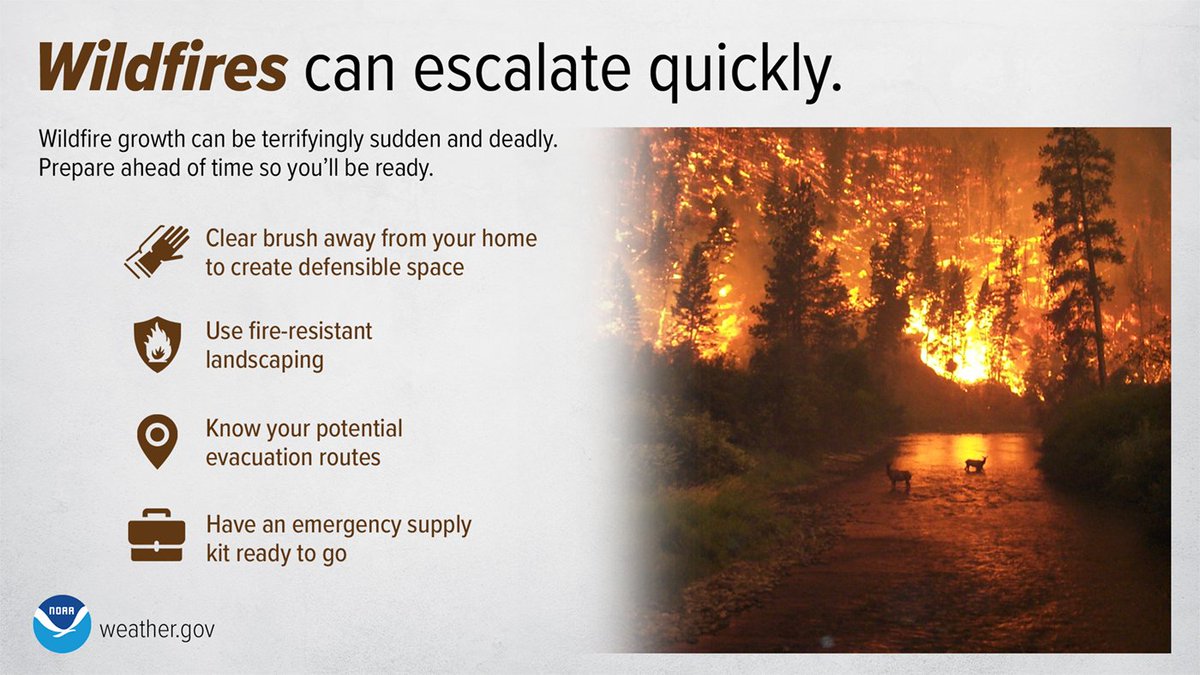
Wildfires can happen fast; make sure you have a plan! ✅Put together supplies that are easy to grab ✅Store important documents in a safe place ✅Practice your evacuation plan More tips: ready.gov/plan
17
18
2,347
Not a wildfire but certainly bringing the heat.🔥🌋
Kīlauea continues to make history. 🌋 The ongoing summit eruption in Hawaiʻi Volcanoes National Park has set a new record for lava fountaining episodes, and it's still going. Video by @USGSVolcanoes
5
27
1,061
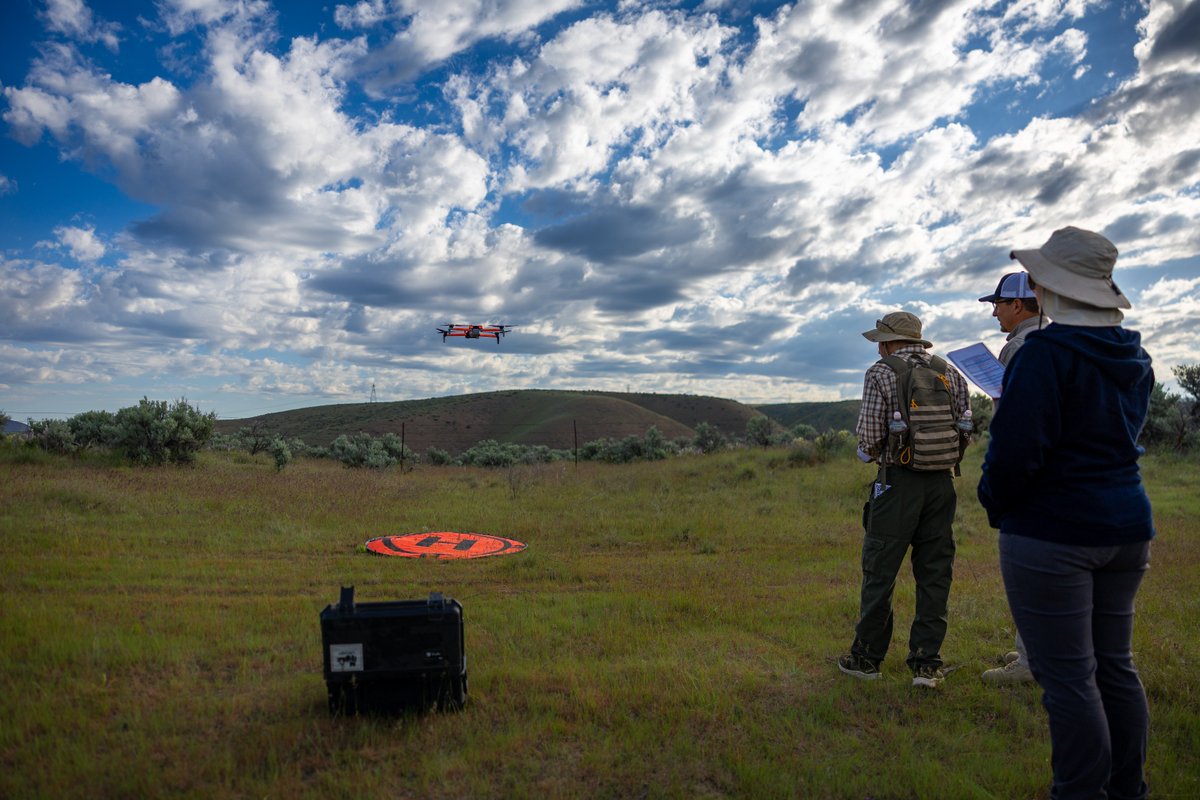
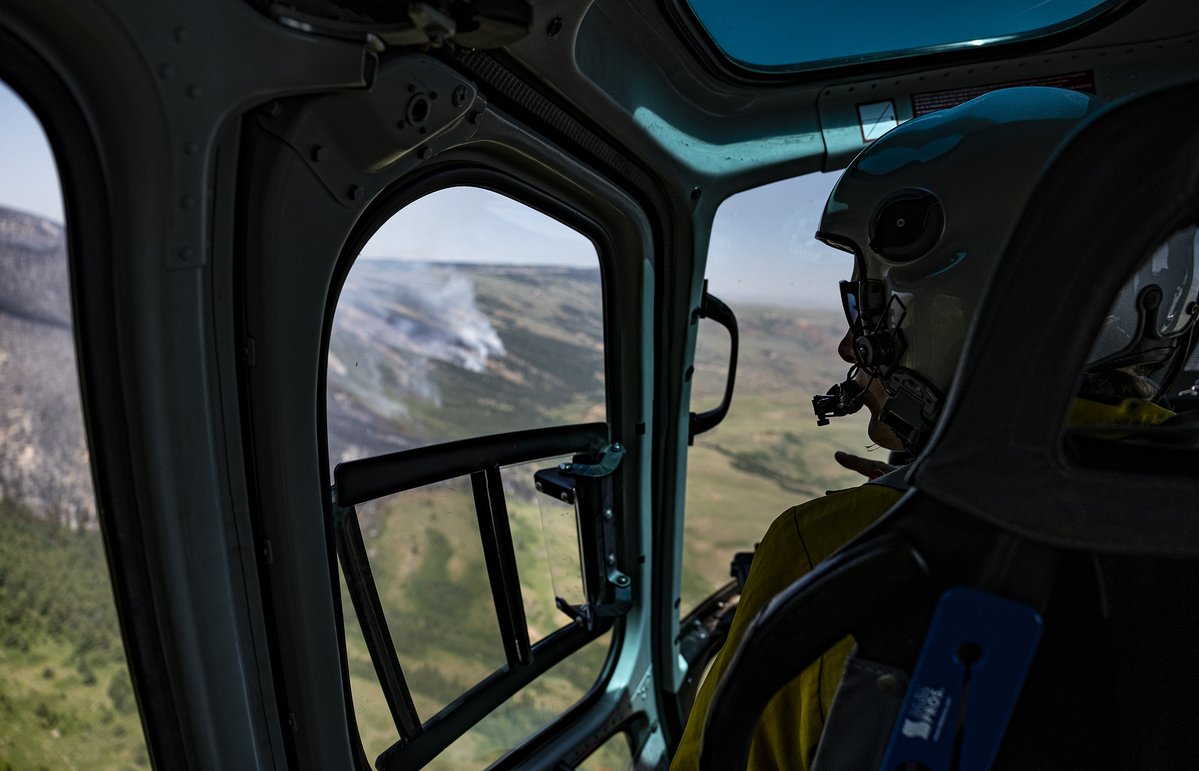
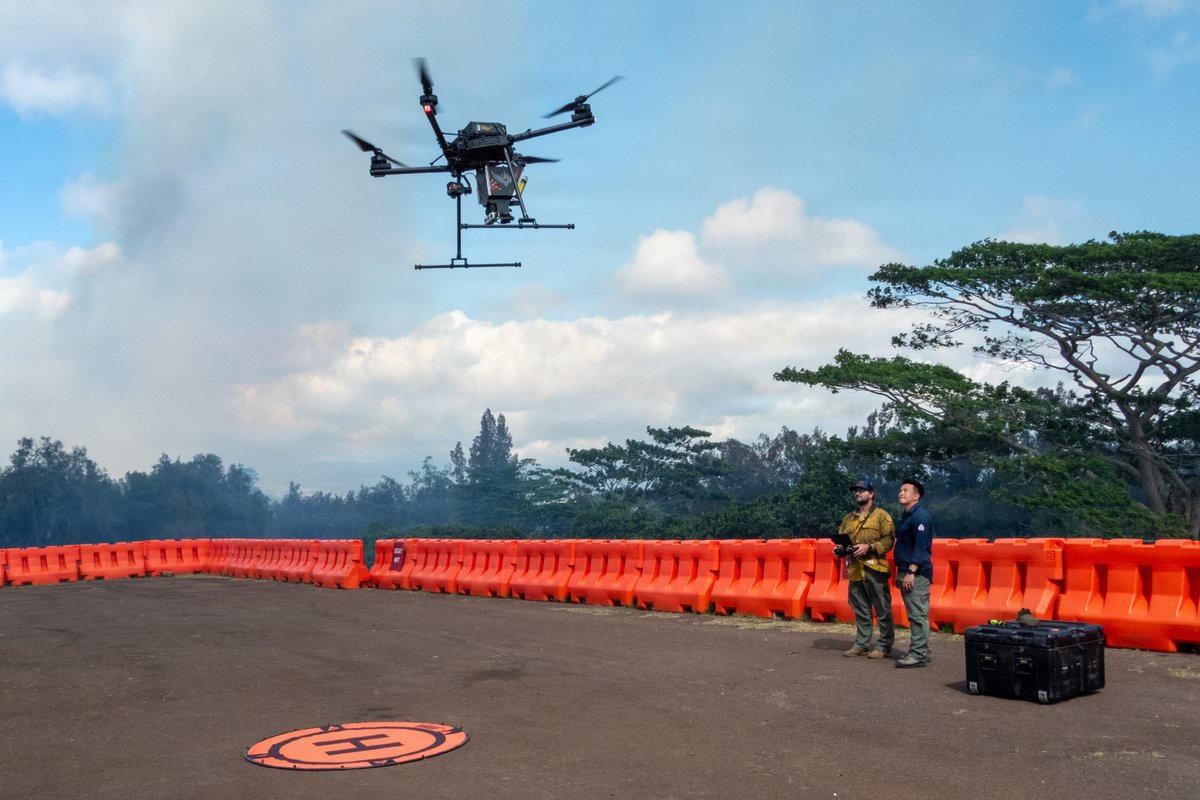
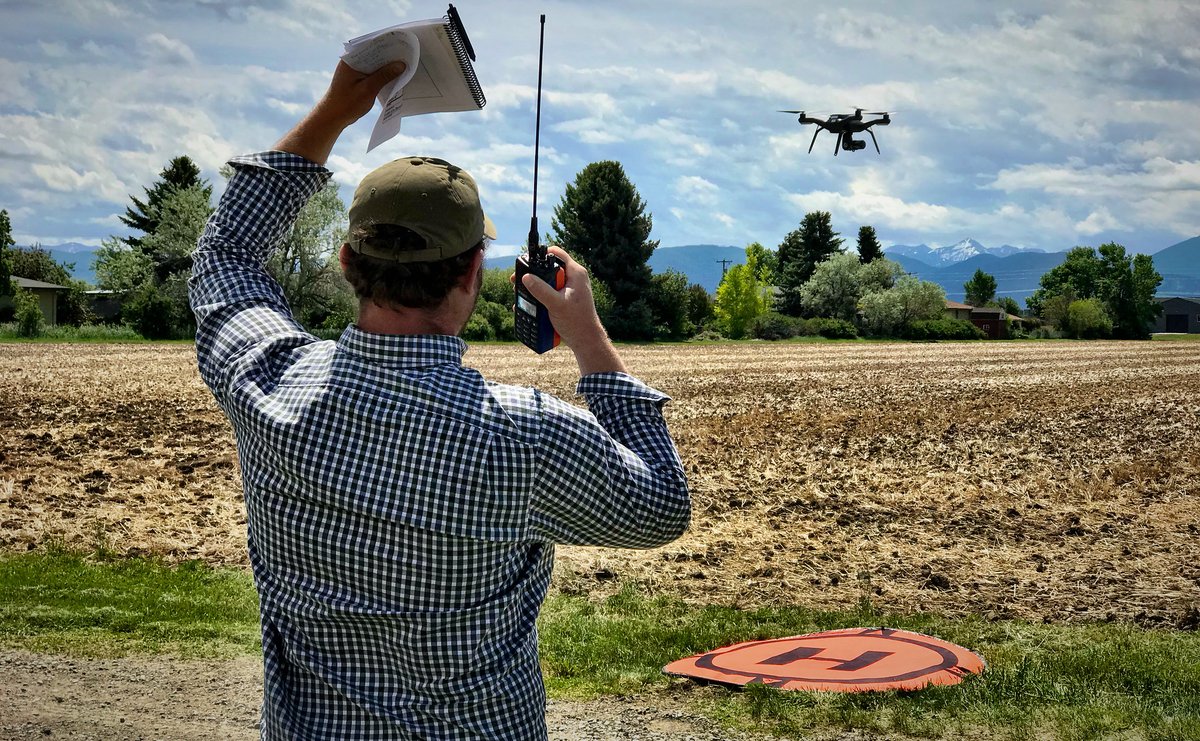
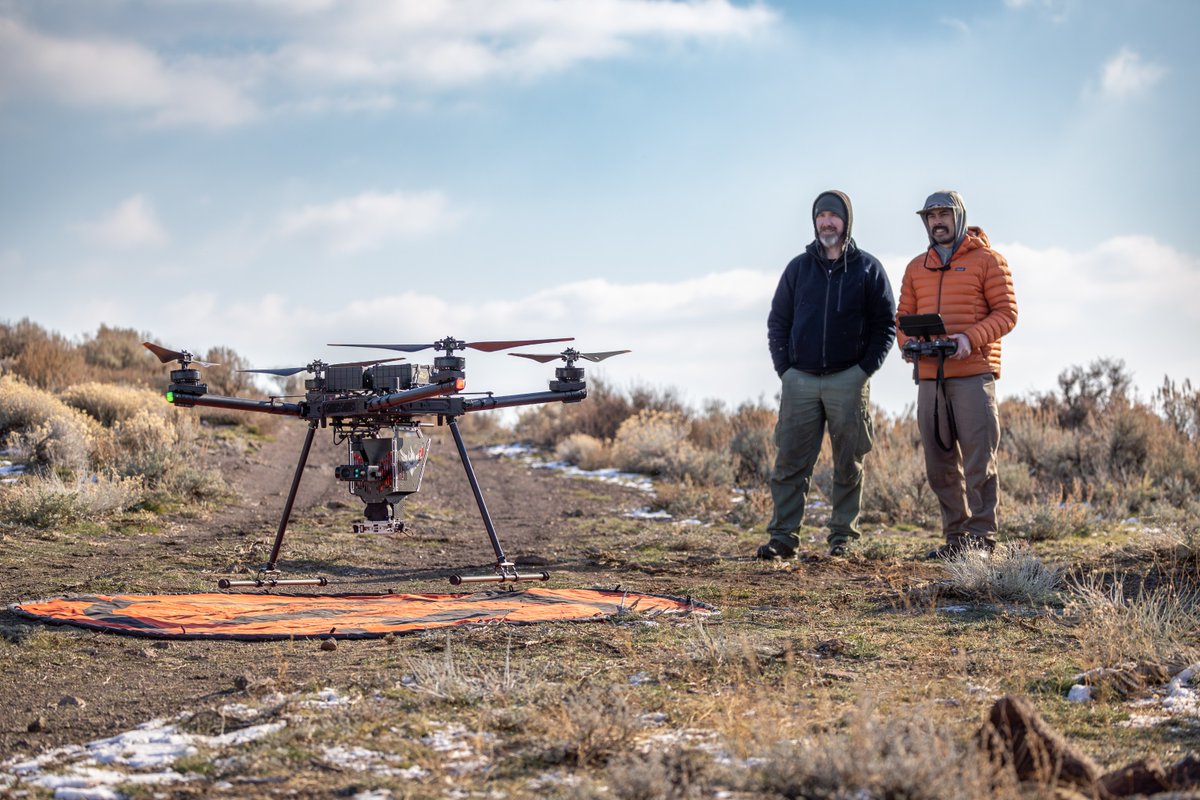
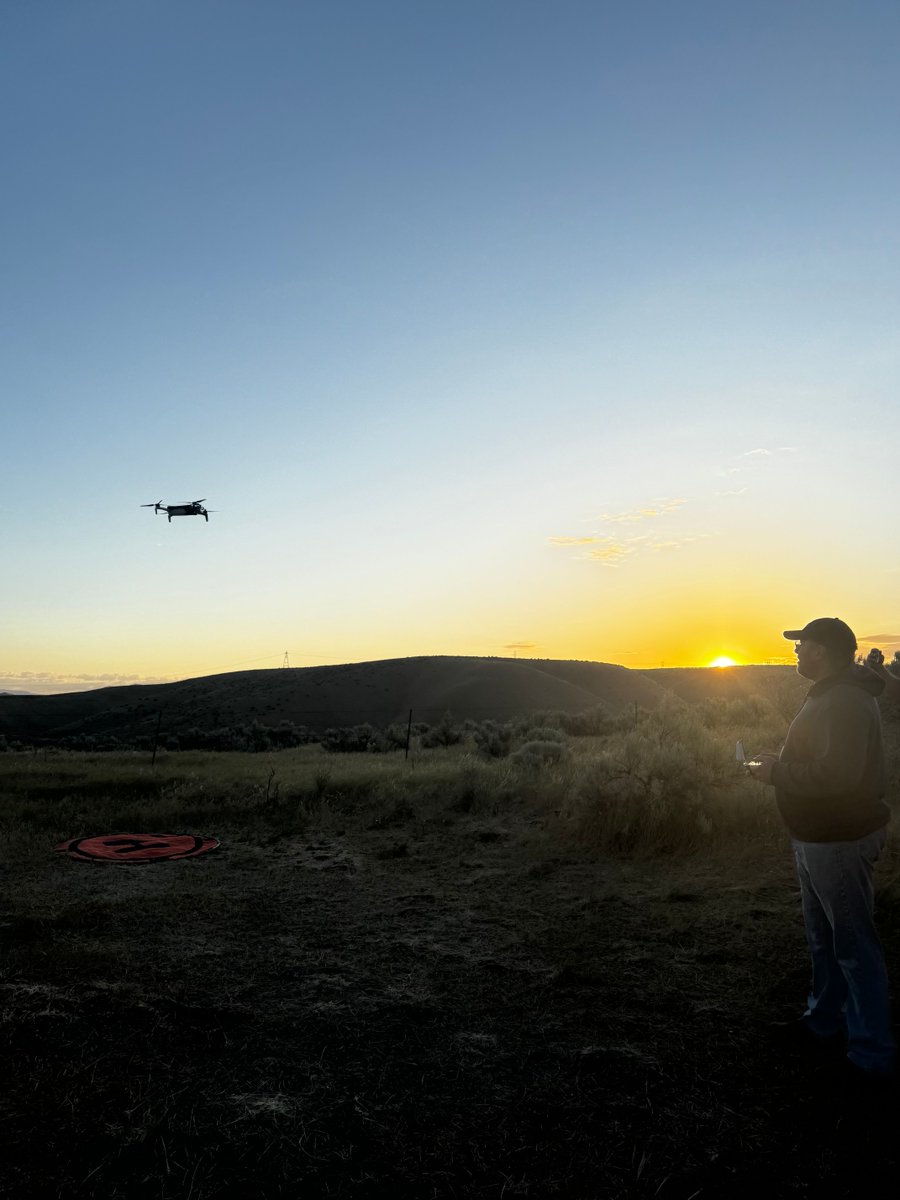
See more. Know more. Make better-informed decisions. Interior's wildland fire unmanned aircraft systems (UAS) capabilities are aligned under USWFS, strengthening how aviation, technology, and real-time intelligence support wildland fire operations. UAS helps firefighters map fires, monitor changing conditions, support aerial ignition operations, and gather critical information in areas where terrain, smoke, darkness, or other hazards may limit access for firefighters or crewed aircraft. As technology continues to play a larger role in wildland fire management, UAS provides a practical tool for improving situational awareness, strengthening data sharing, and supporting safer, more effective decisions on the ground. Beyond wildland fire, we also lead UAS training that supports other Interior mission areas. Recent training helped build capability for programs such as law enforcement, archaeology, public affairs, and other operations that benefit from safe and effective aerial support. Bringing these capabilities together strengthens the connection between aviation, technology, training, and firefighter safety, helping us build a more unified and effective wildland fire organization. Photos by Caleb Ashby and Matt Dutton
1
7
24
669
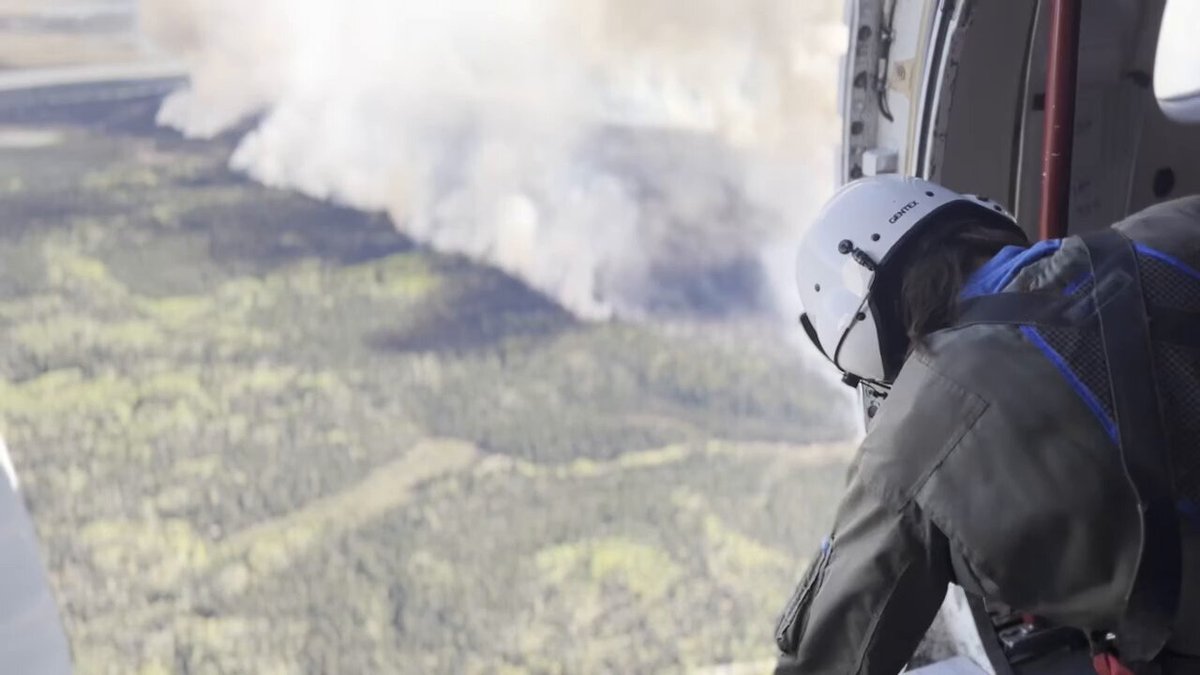
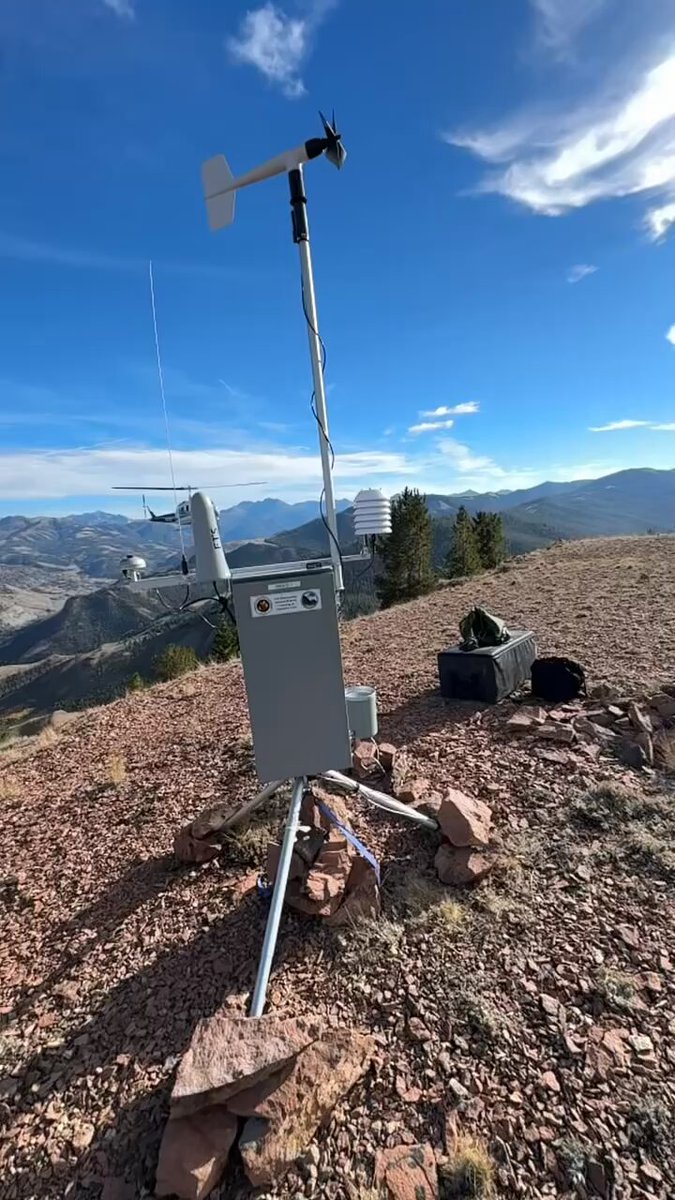
Out in remote country, RAWS work quietly 24/7, tracking wind, temperature, humidity, and other key weather data that help firefighters and fire managers operate safely and effectively. RAWS, or Remote Automatic Weather Stations, continuously collect on-the-ground observations that support fire weather forecasting, operational planning, and critical decision-making in the field. There are more than 2,400 permanent stations across the United States, Guam, Puerto Rico, and the U.S. Virgin Islands, along with 75 portable units that can be deployed during wildfires, prescribed burns, or post-fire projects. Behind every reliable data point is a dedicated team of technicians working year-round to keep these stations accurate, maintained, and functioning. Sometimes that means flying by helicopter to a remote mountaintop to install an Incident Remote Automatic Weather Station (IRAWS), ensuring firefighters have access to critical weather data in the field.
2
9
53
1,555
U.S. Wildland Fire Service retweeted
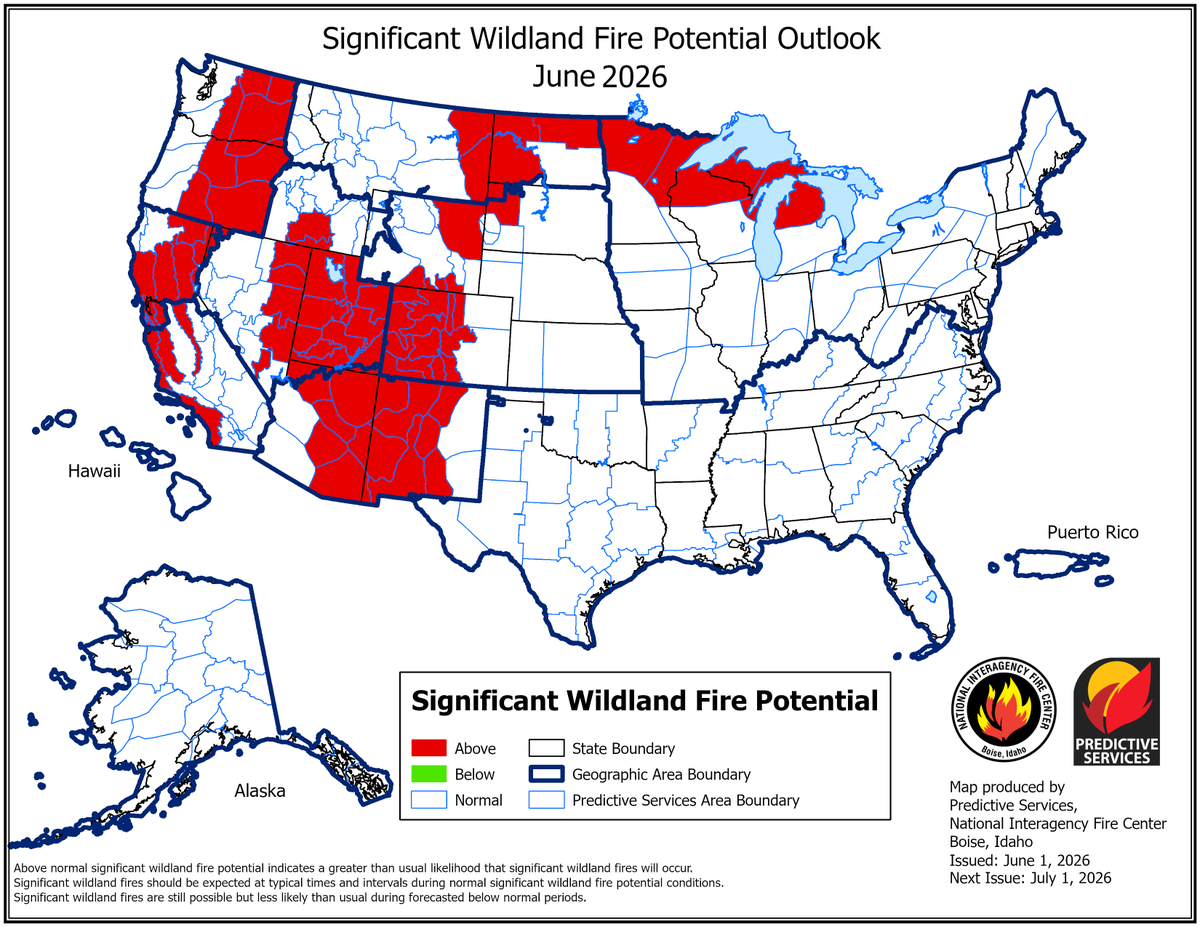
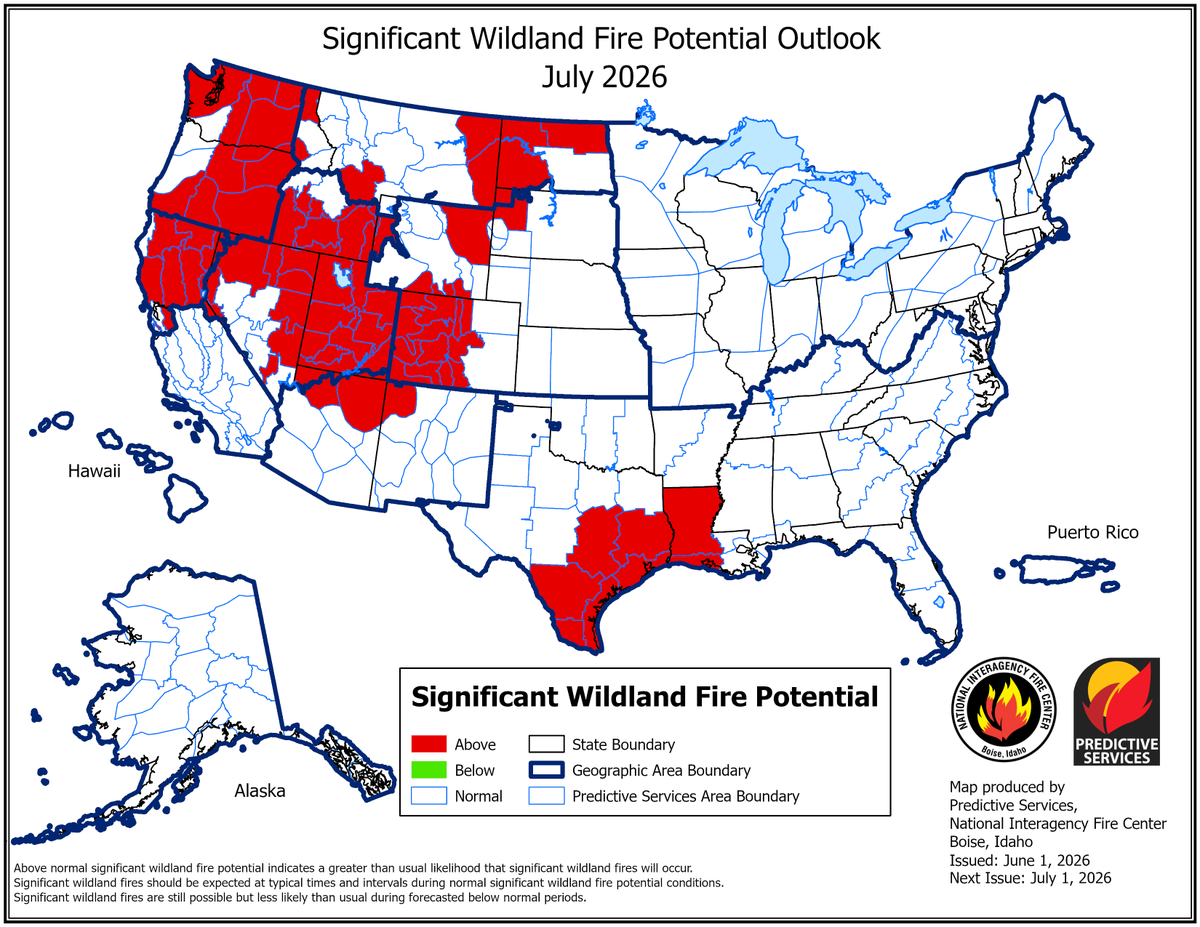
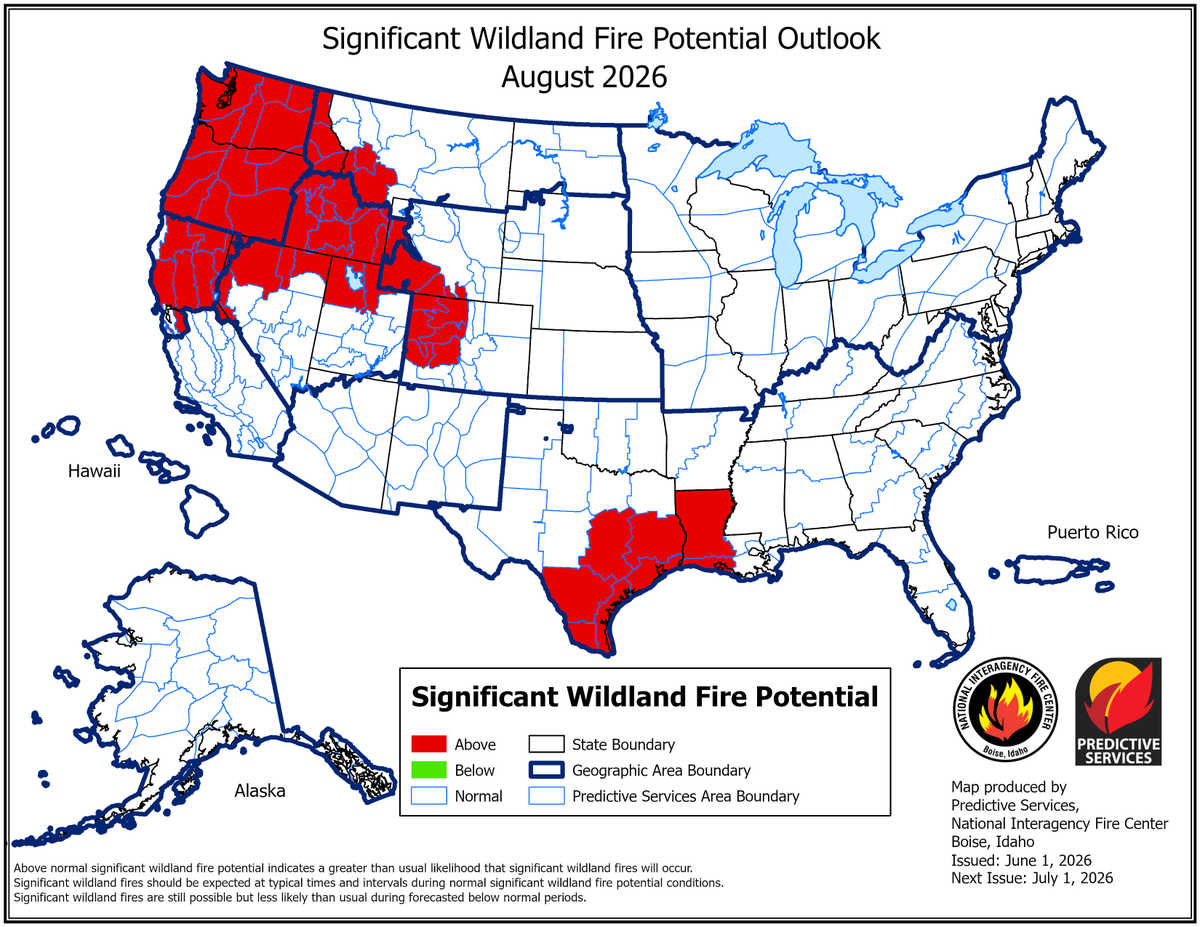
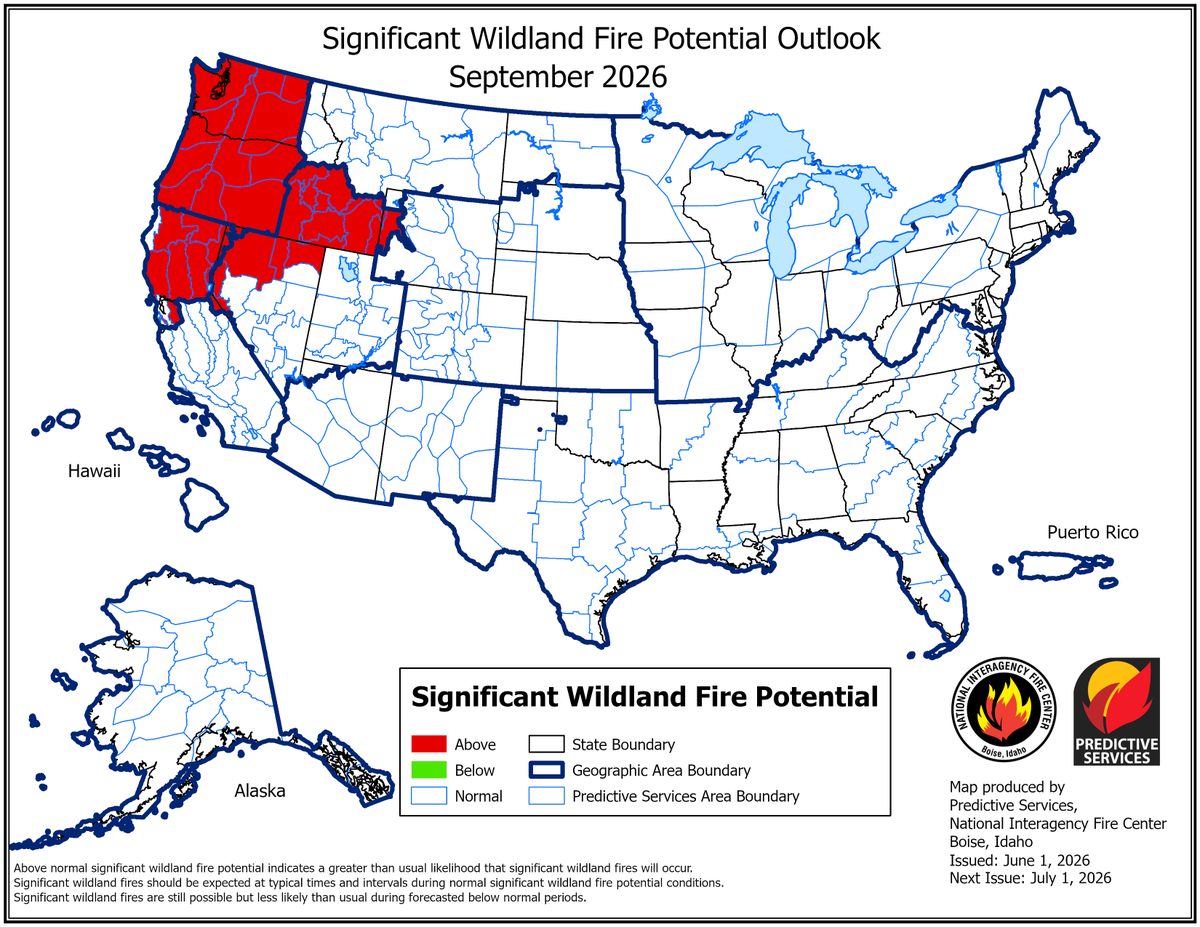
The National Significant Wildland Fire Potential Outlook was released today, June 1, by Predictive Services, providing a look ahead at expected fire potential from June through September. 🔥Read the full outlook: nifc.gov/nicc-files/predicti…
1
33
57
8,967
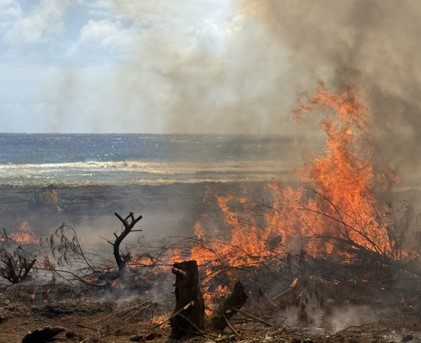
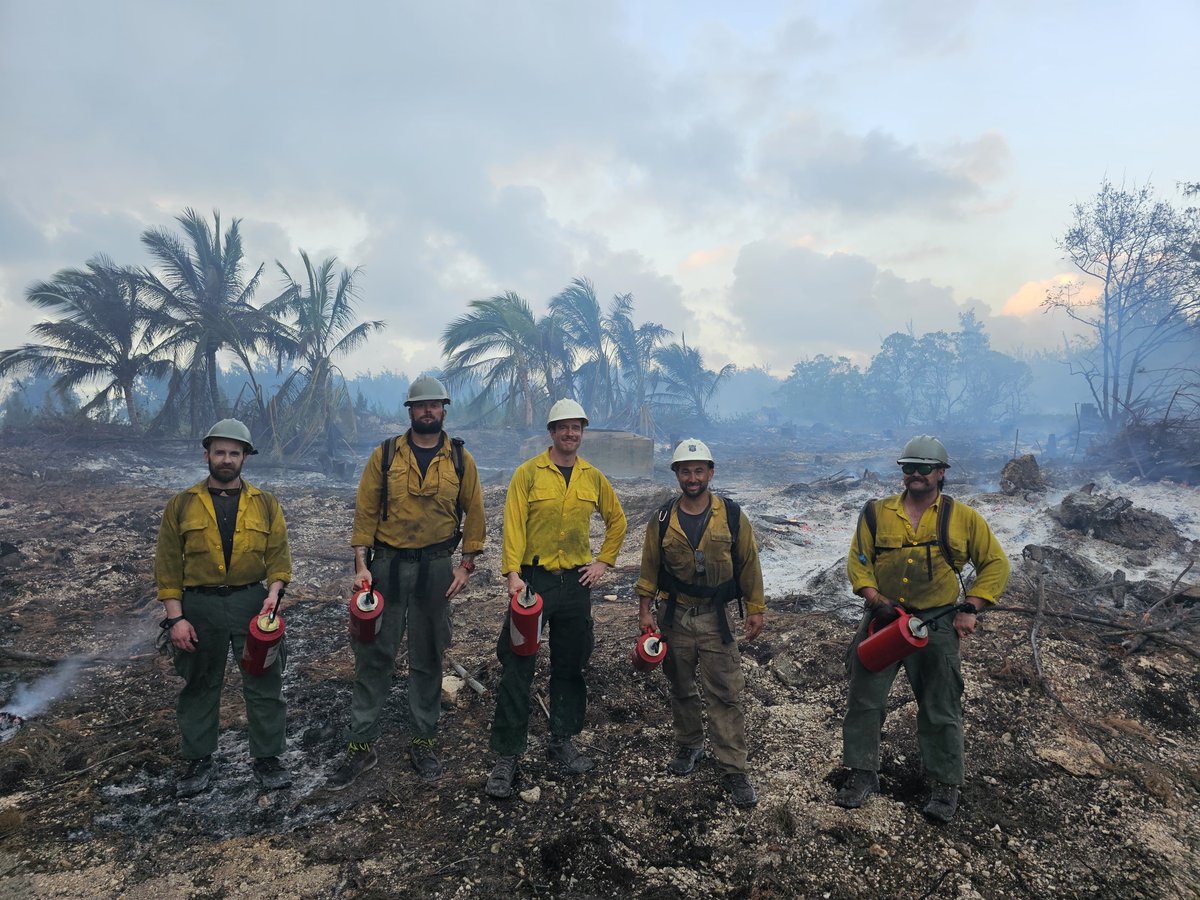
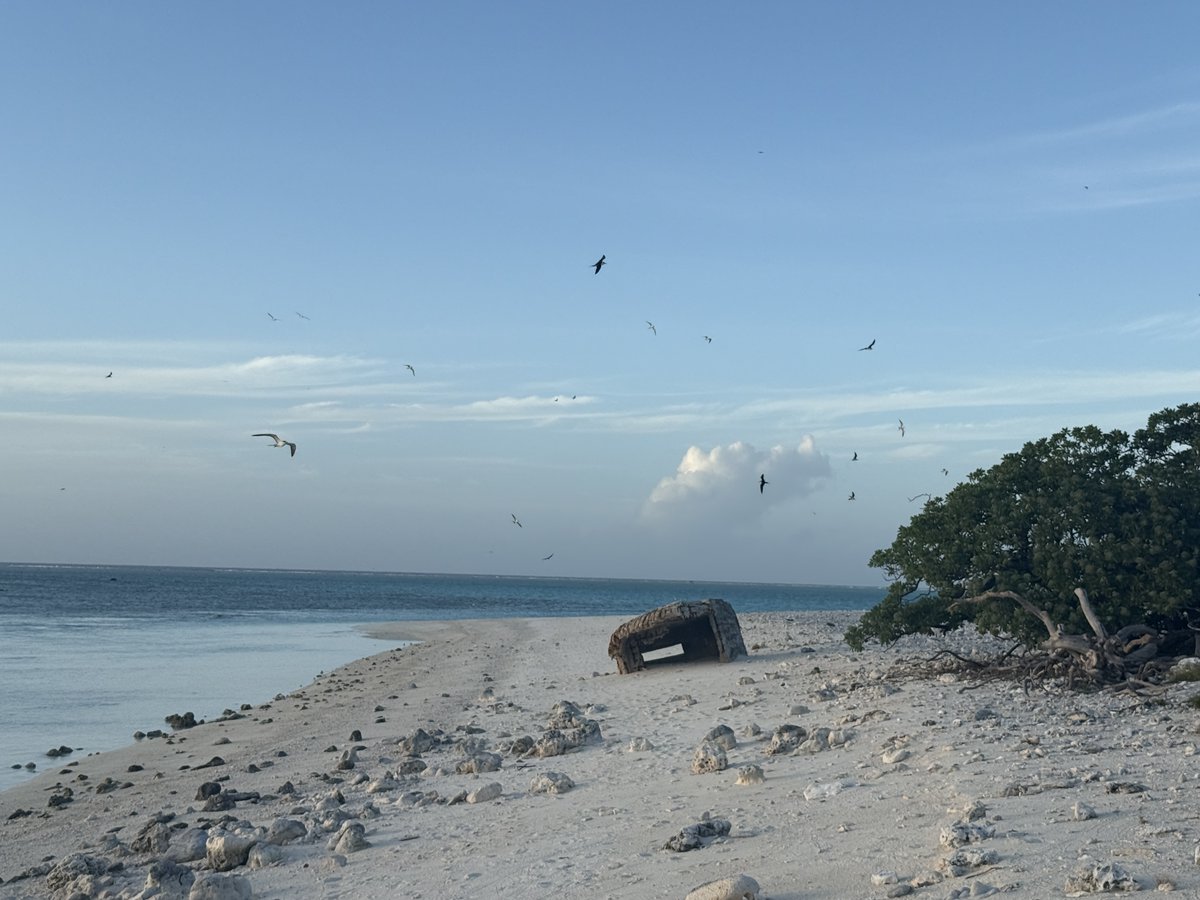
Fire management reaches one of the most remote places in the Pacific. Prescribed fire operations were conducted on Wake Atoll to support habitat restoration and airfield safety, with our personnel from the U.S. Air Force Wildland Fire Branch (Alaska and California) supporting the effort. Working alongside the U.S. Army, USDA Wildlife Services, and Wake Atoll National Wildlife Refuge staff, crews advanced the mission of the Pacific Air Forces Regional Support Center through strong interagency coordination. Crews treated about 140 acres of invasive ironwood, helping restore native habitat, improve seabird nesting conditions, and reduce bird strike risk near the airfield. Wake Atoll, the northernmost atoll in the Marshall Islands geological ridge, is an active military airfield, National Wildlife Refuge, and National Historic Landmark. This unique setting makes the work essential for both ecological restoration and operational safety. Learn more about the Wake Atoll National Wildlife Refuge: fws.gov/refuge/wake-atoll
1
8
62
1,420
Seeking support early is part of staying ready for the job. In wildland fire, mental health plays a role in safe and effective operations. Reaching out early, or making small changes to support your wellbeing, can make a difference before challenges build. As Mental Health Awareness Month comes to a close, take that step and encourage others to do the same. Taking care of yourself helps you take care of your crew. #MentalHealthAwarenessMonth #MHAM2026
4
8
29
660
Did you know? More than 53 drone incursions occurred near wildfires nationwide in 2025 alone. Unauthorized drones create serious risks for first responders and can force firefighting aircraft to stop operations. Capturing wildfire footage may be tempting, but flying a drone near a wildfire puts firefighters and aviation crews at risk of a catastrophic collision. As wildfire activity increases, help protect our firefighters, aircraft, and public lands by keeping drones away from wildfires. Find drone incursions statistics here: nifc.gov/fire-information/st…
4
28
69
2,897
Check in on your crew and colleagues. A buddy check can go a long way. Taking a moment to ask how someone is doing shows you care and creates space for support. During Mental Health Awareness Month, make it a habit to check in with friends and coworkers. #MentalHealthAwarenessMonth #MHAM2026
1
11
40
1,146
U.S. Wildland Fire Service retweeted
May 28
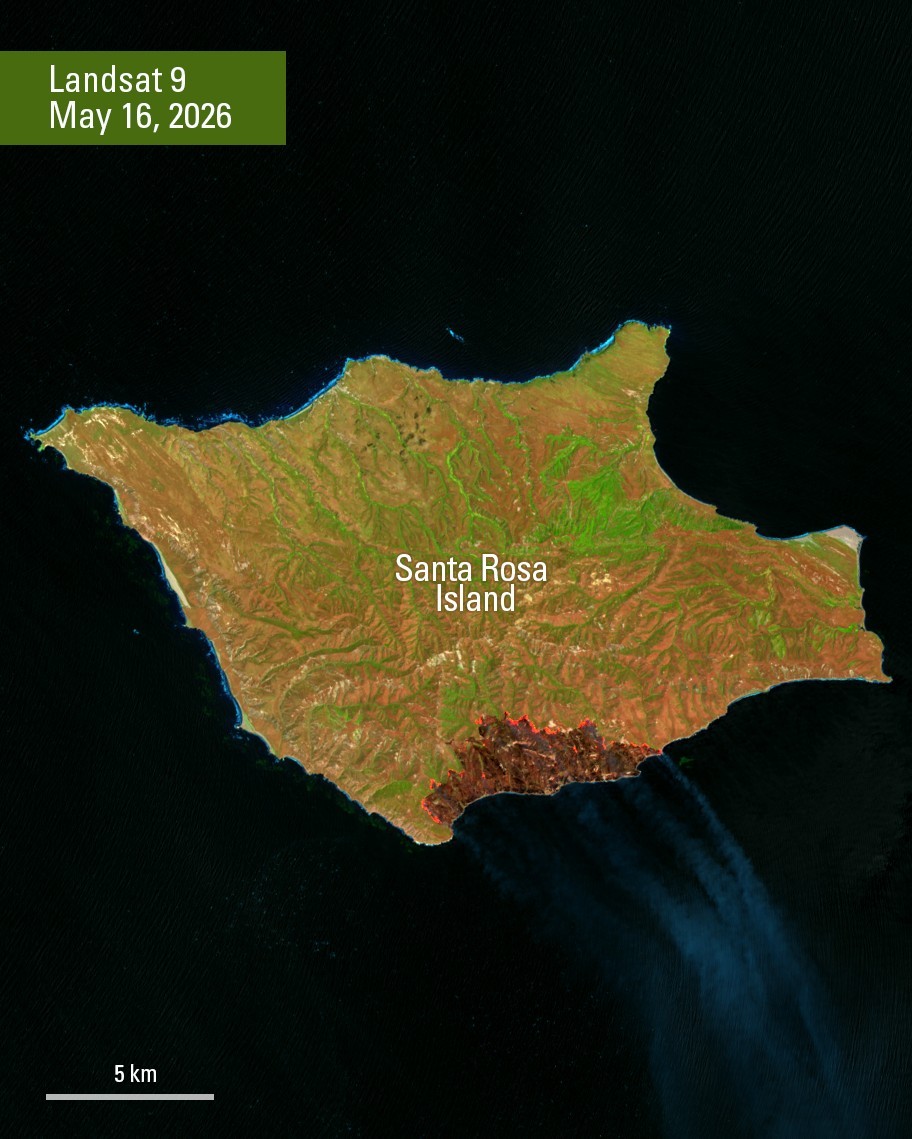
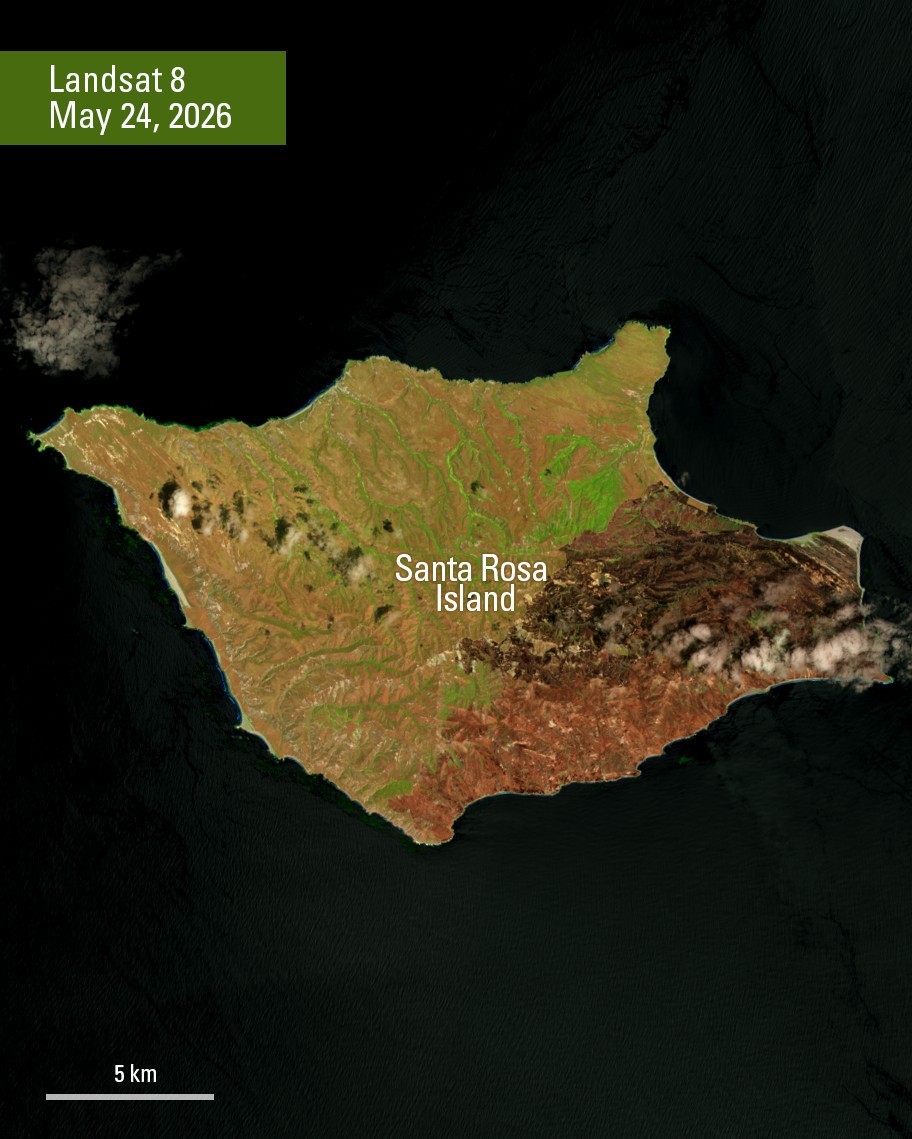
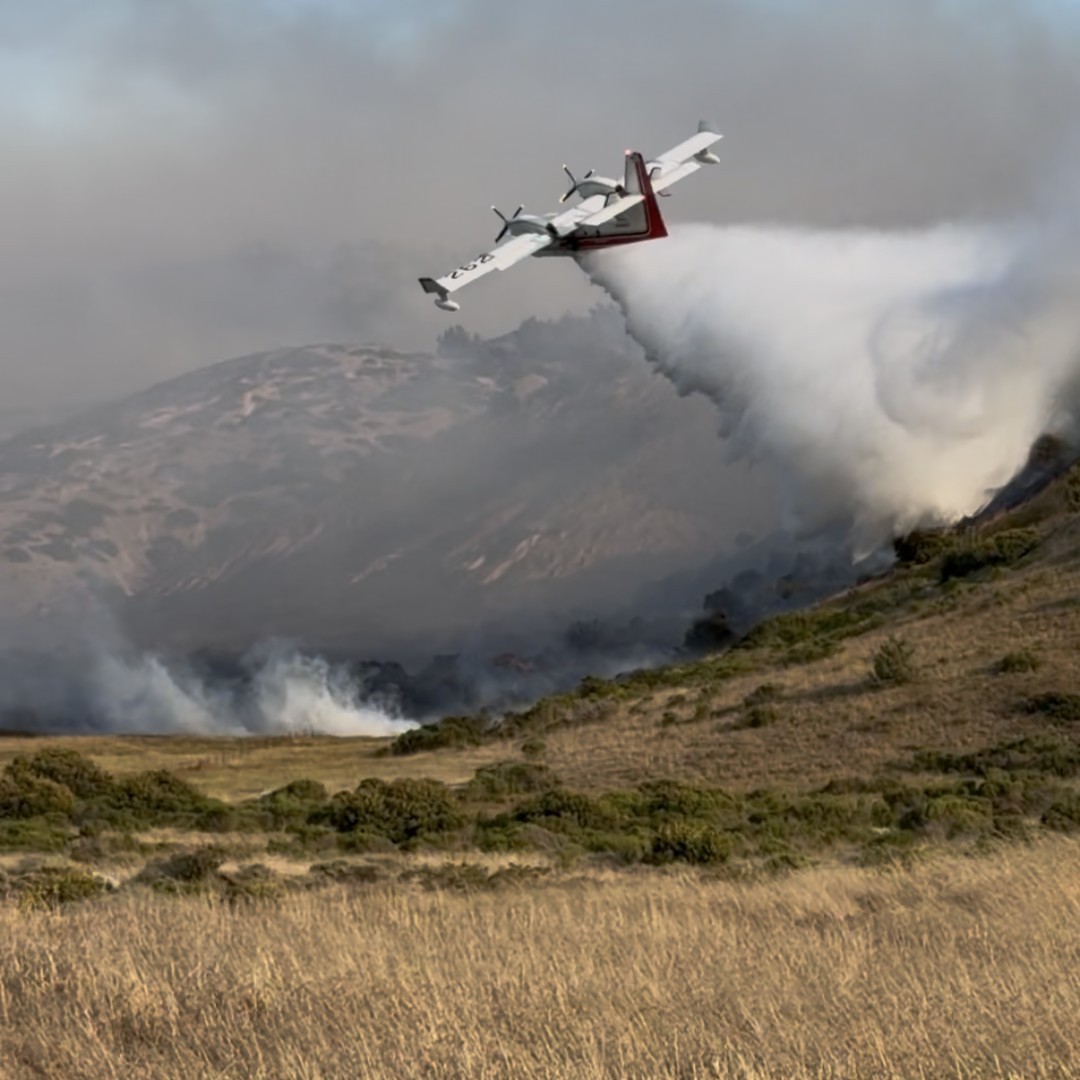
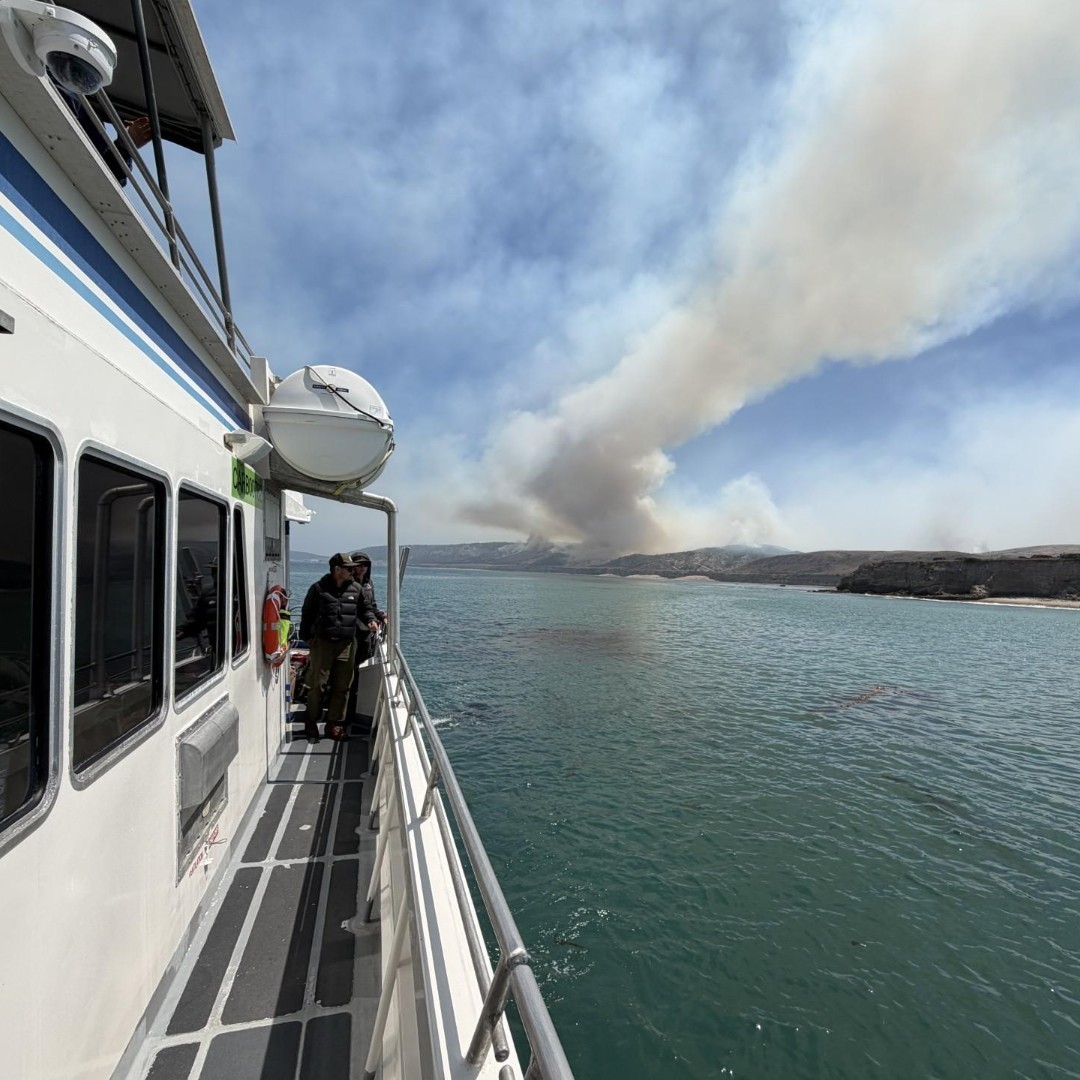
Landsat satellite imagery captures the progression of the Santa Rosa Island Fire 🔥 These Landsat images show the progression of the Santa Rosa Island Fire on Santa Rosa Island, part of Channel Islands National Park off the coast of California. By May 24, the fire had burned more than 18,000 acres across the island’s southeastern terrain, leaving a large, dark burn scar visible from space. Landsat data are used during and after wildfires to map burned areas, monitor fire progression, assess vegetation damage, evaluate erosion risks, and support long-term ecosystem recovery efforts. The long-term @USGS/@NASA Landsat record also helps scientists study changing fire patterns and landscape resilience over time. These observations support land managers and fire agencies as they respond to wildfires and assess impacts across affected landscapes. Through the U.S. Wildland Fire Service, federal agencies coordinate wildfire response, risk mitigation, and burned-area rehabilitation across more than 500 million acres of Interior-administered and Tribal lands. 📸 1: Landsat 9 image acquired May 16, 2026, showing active fire fronts and smoke rising from the southeastern portion of Santa Rosa Island shortly after the wildfire was reported. 📸 2: Landsat 8 image acquired May 24, 2026, showing the extensive burn scar left by the Santa Rosa Island Fire across the southeastern end of the island as containment efforts continued. 📸 3: A water scooping aircraft drops water on the Santa Rosa Island Fire on May 19. Photo Credit: J Foye / U.S. Wildland Fire Service 📸 4: A boat transporting firefighters to the Santa Rosa Island Fire arrives to the island. Photo Credit: J Foye / U.S. Wildland Fire Service @USWFS @USGSLandsat
16
34
7,134
From forests and deserts to mountains and grasslands, these landscapes help define who we are. Wildland firefighters work to protect these places so they can be experienced for generations to come. As we mark America 250, we continue that commitment across the country.
2
20
79
1,372
U.S. Wildland Fire Service retweeted
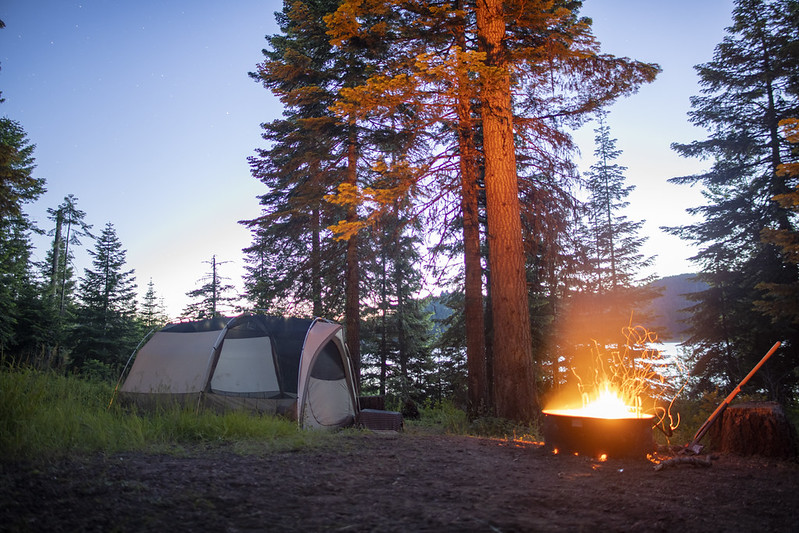
Nearly 85% of wildfires in the United States are caused by people and preventable. As you head outdoors to camp, hike, and gather around the fire, let’s keep safety part of the adventure. 🔥 Check local fire restrictions before lighting a fire. 🔥Keep fires small and never leave them unattended. 🔥Clear dry grass and debris around the fire ring. 🔥Keep water and a shovel nearby. 🔥Drown, stir, and feel the ashes before leaving. If it’s too hot to touch, it’s too hot to leave.
3
13
27
1,274