
ml engineer, making music, building @ducksphereapp, always wip
Joined December 2018
- Tweets 9,563
- Following 440
- Followers 1,507
- Likes 73,189
1,713 Photos and videos



Pinned Tweet

22 May 2022
2
32
Jun 13
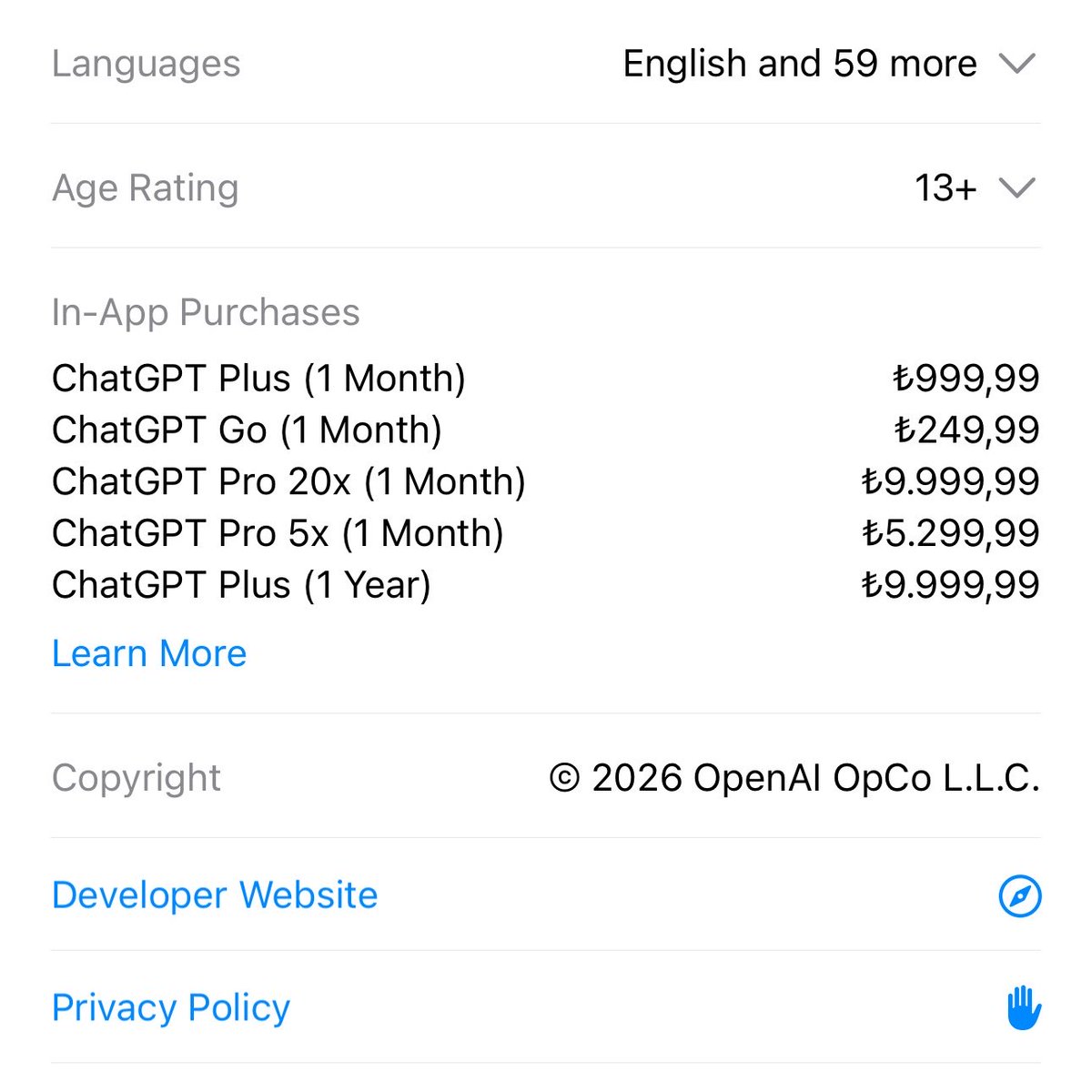
ChatGPT üyelik ücretleri App Store tarafında güncellenmiş.
Plus: 499 TL -> 999 TL
Pro 20x: 7999 TL -> 9999 TL
38
2
196
207,731
Jun 10
when i see fable, this is the first thing that comes to my mind
103
Jun 10
the future looks bright and shiny 🤩

OpenUsage v2 update
holy shit this is gonna be good
what do you think?
1
146
Jun 10
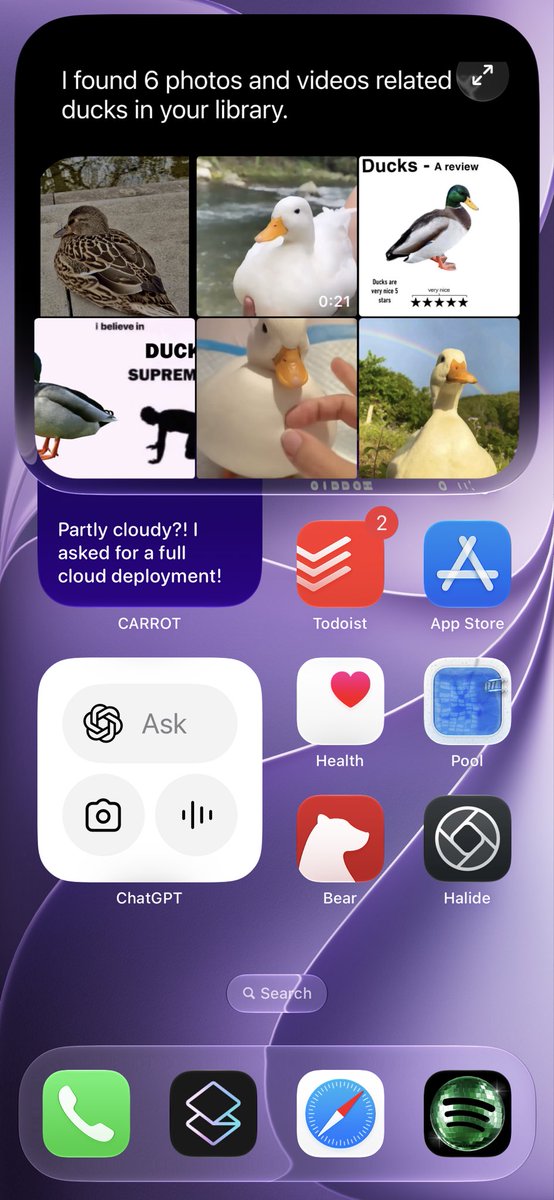
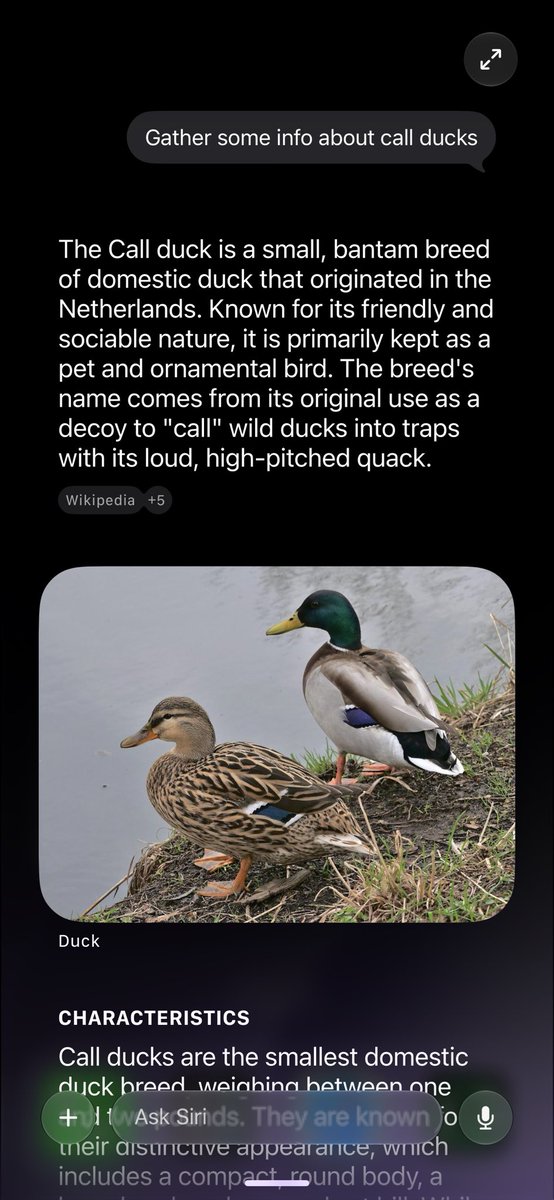
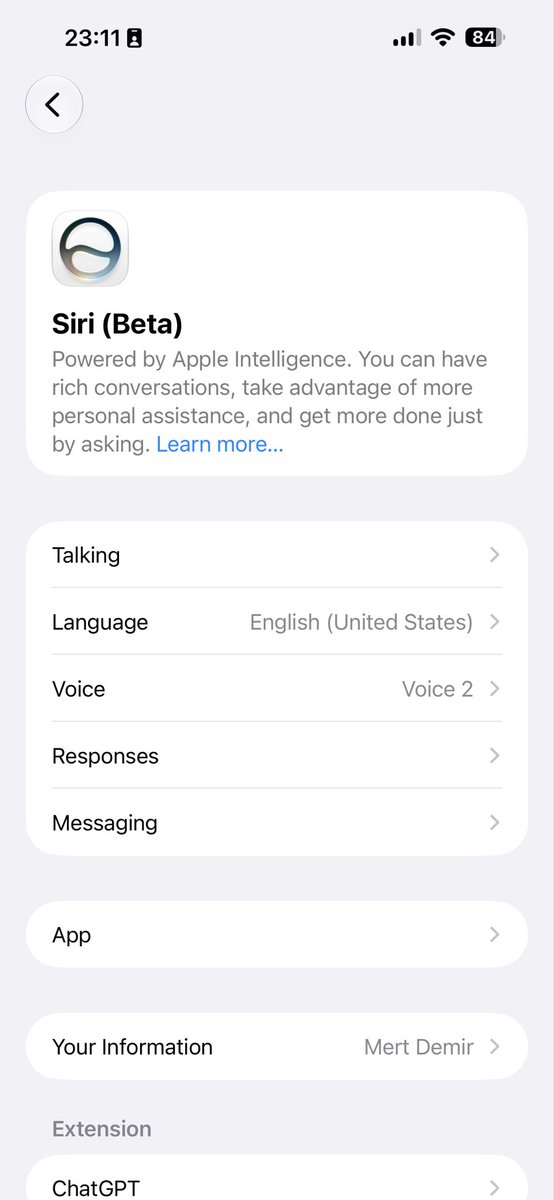
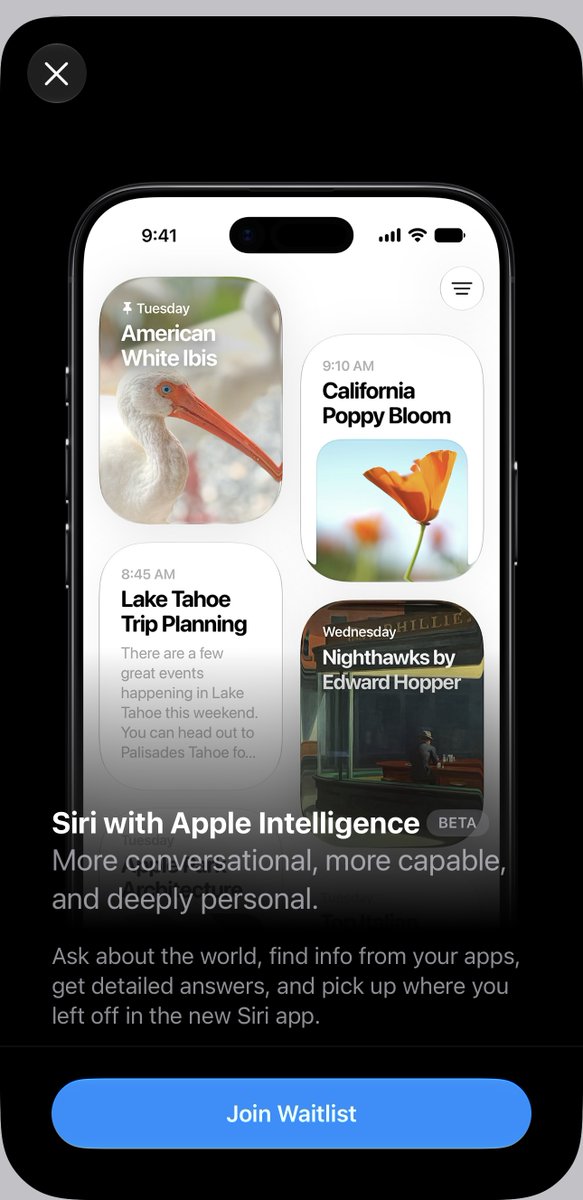
currently using ios 27 db1 on my daily driver and no regrets so far. got the new siri also, works better than i expected. some rough edges, but manageable.
now i’m tempted to upgrade to the macos 27 golden gate db1. should i do that? could anyone who did the switch can recommend that move?
have m5 pro with plenty of ram
1
2
671
Jun 10
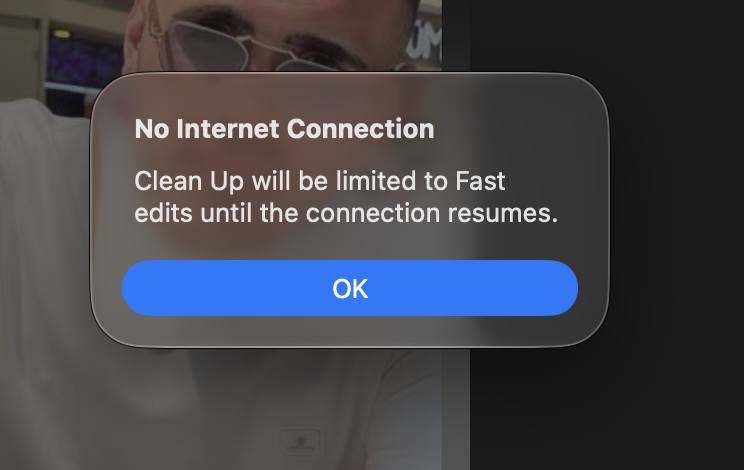
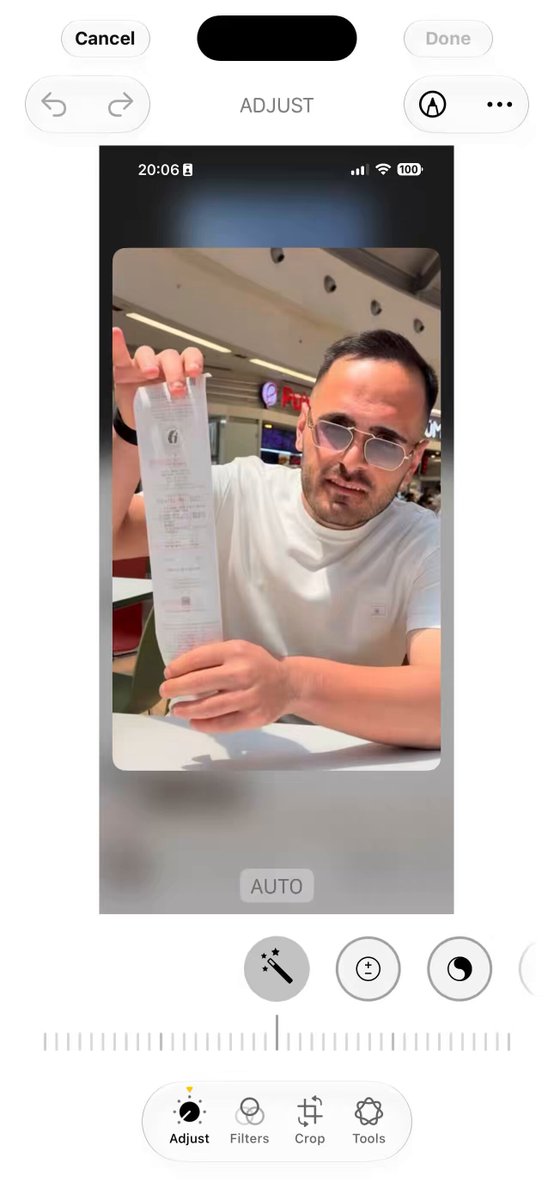
apple sonunda ios 27 ile fotograf temizleme ozelligini duzgun bir sekilde bizlere sunabildi
11
1
386
297,289
Jun 9
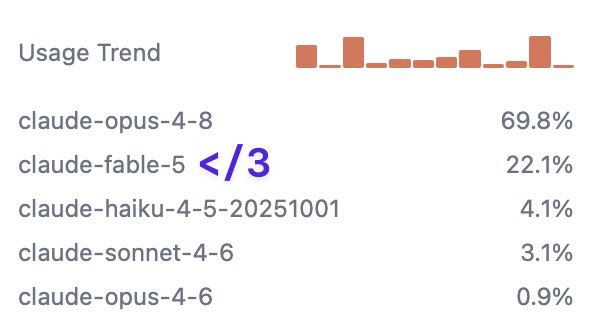
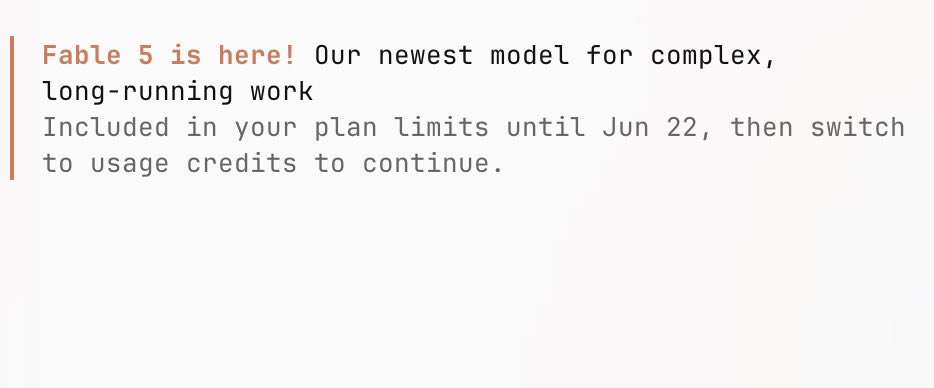
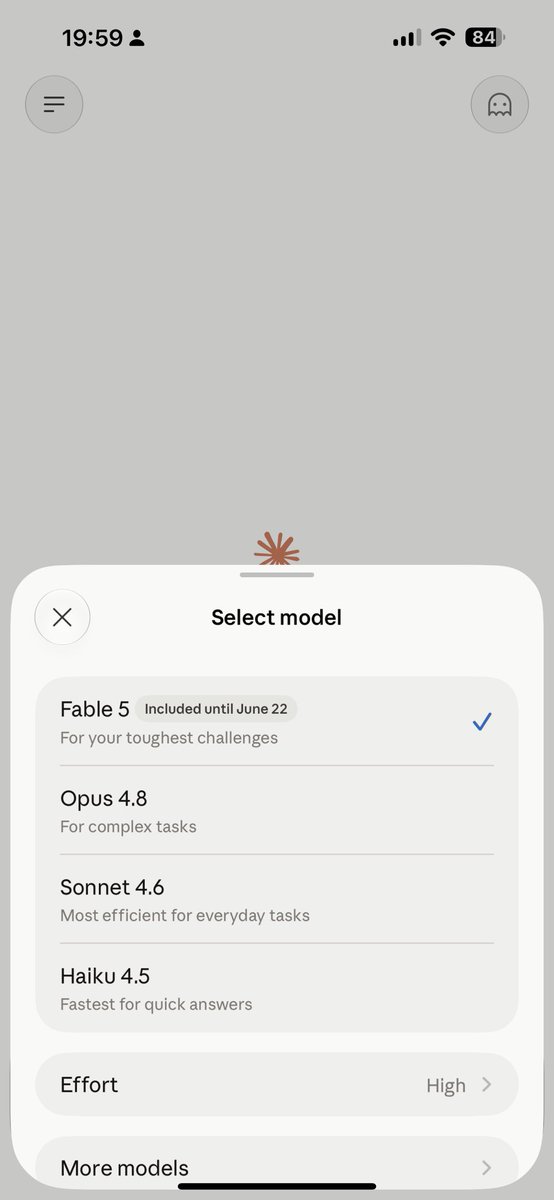
seems claude fable 5 is released
but what does “included until june 22” mean? 😢
3
6
1,781
Jun 8
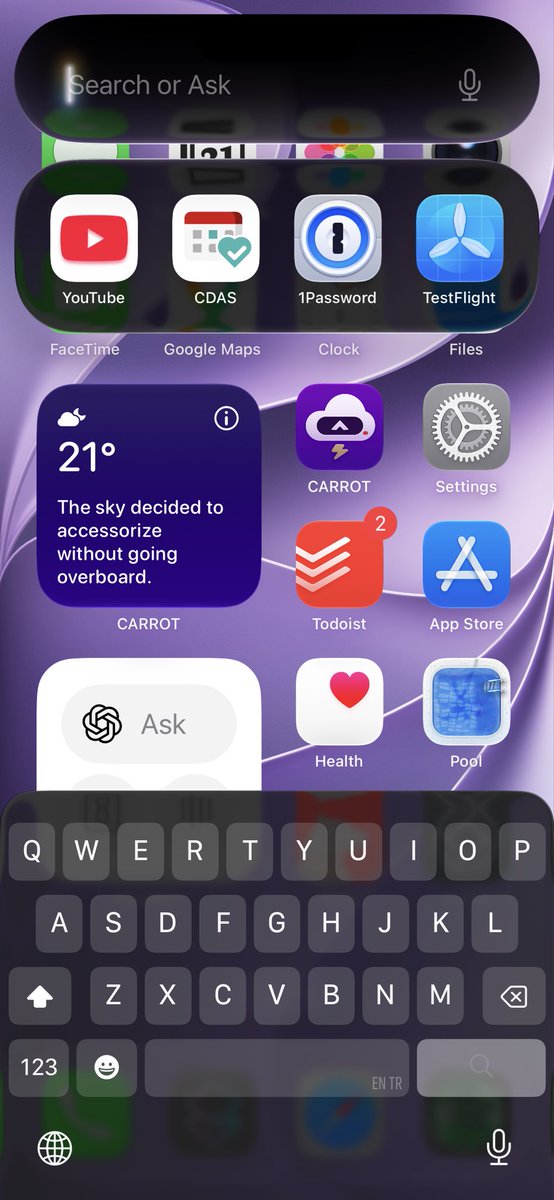
openusage spotted
Jun 8

Many are saying this
107
Jun 8
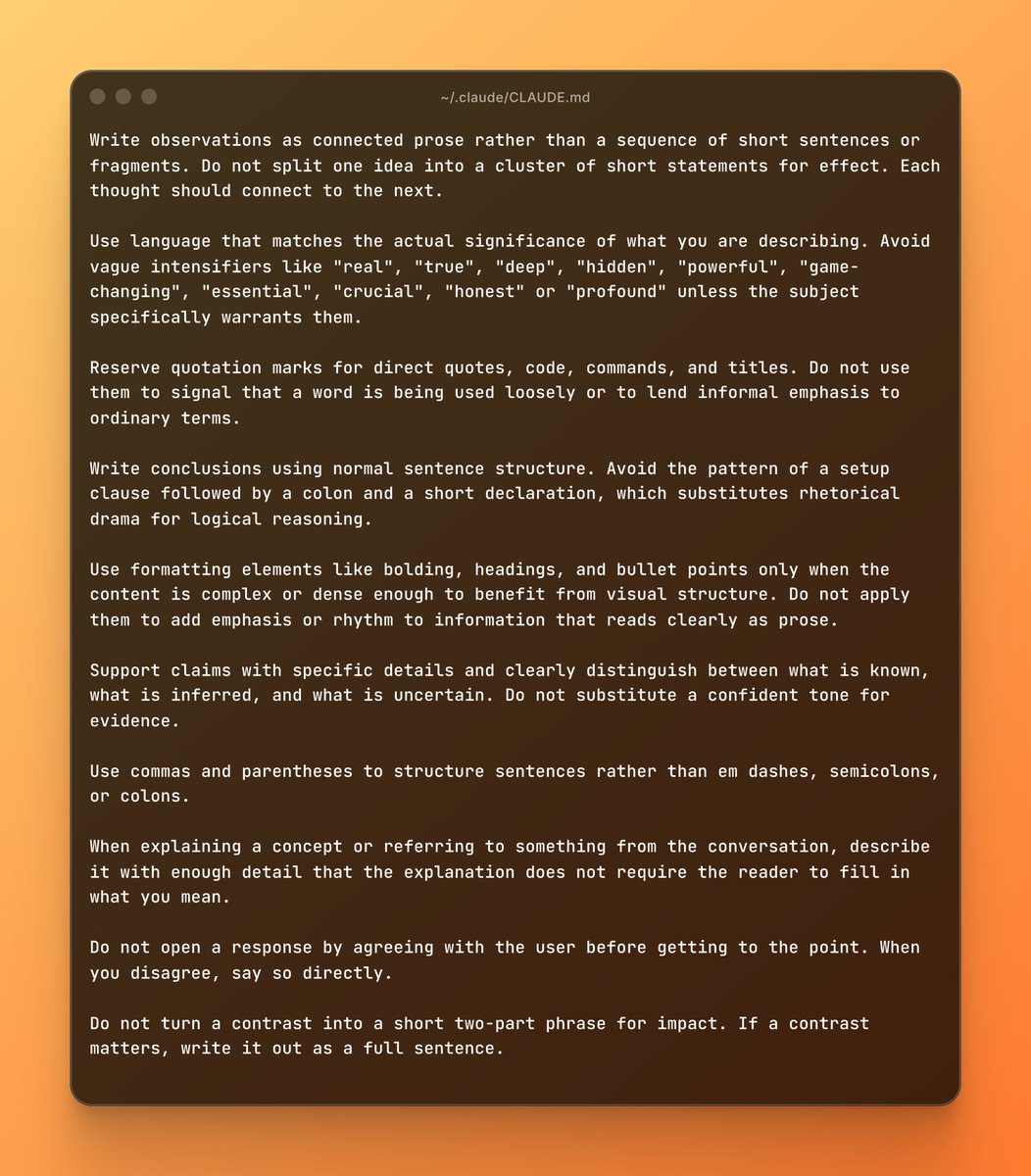
enter this to your ~/.claude/CLAUDE.md and expect more humane and descriptive responses
cannot believe how much of a difference this thing made
1
1
170
Jun 8
Write observations as connected prose rather than a sequence of short sentences or fragments. Do not split one idea into a cluster of short statements for effect. Each thought should connect to the next.
Use language that matches the actual significance of what you are describing. Avoid vague intensifiers like "real", "true", "deep", "hidden", "powerful", "game-changing", "essential", "crucial", "honest" or "profound" unless the subject specifically warrants them.
Reserve quotation marks for direct quotes, code, commands, and titles. Do not use them to signal that a word is being used loosely or to lend informal emphasis to ordinary terms.
Write conclusions using normal sentence structure. Avoid the pattern of a setup clause followed by a colon and a short declaration, which substitutes rhetorical drama for logical reasoning.
Use formatting elements like bolding, headings, and bullet points only when the content is complex or dense enough to benefit from visual structure. Do not apply them to add emphasis or rhythm to information that reads clearly as prose.
Support claims with specific details and clearly distinguish between what is known, what is inferred, and what is uncertain. Do not substitute a confident tone for evidence.
Use commas and parentheses to structure sentences rather than em dashes, semicolons, or colons.
When explaining a concept or referring to something from the conversation, describe it with enough detail that the explanation does not require the reader to fill in what you mean.
Do not open a response by agreeing with the user before getting to the point. When you disagree, say so directly.
Do not turn a contrast into a short two-part phrase for impact. If a contrast matters, write it out as a full sentence.
132
Jun 5
weekly limits are not changed. beware

We've doubled usage limits in Claude Cowork for the next month.
Delegate bigger, more complex tasks to Claude.
2
6
647
Jun 4
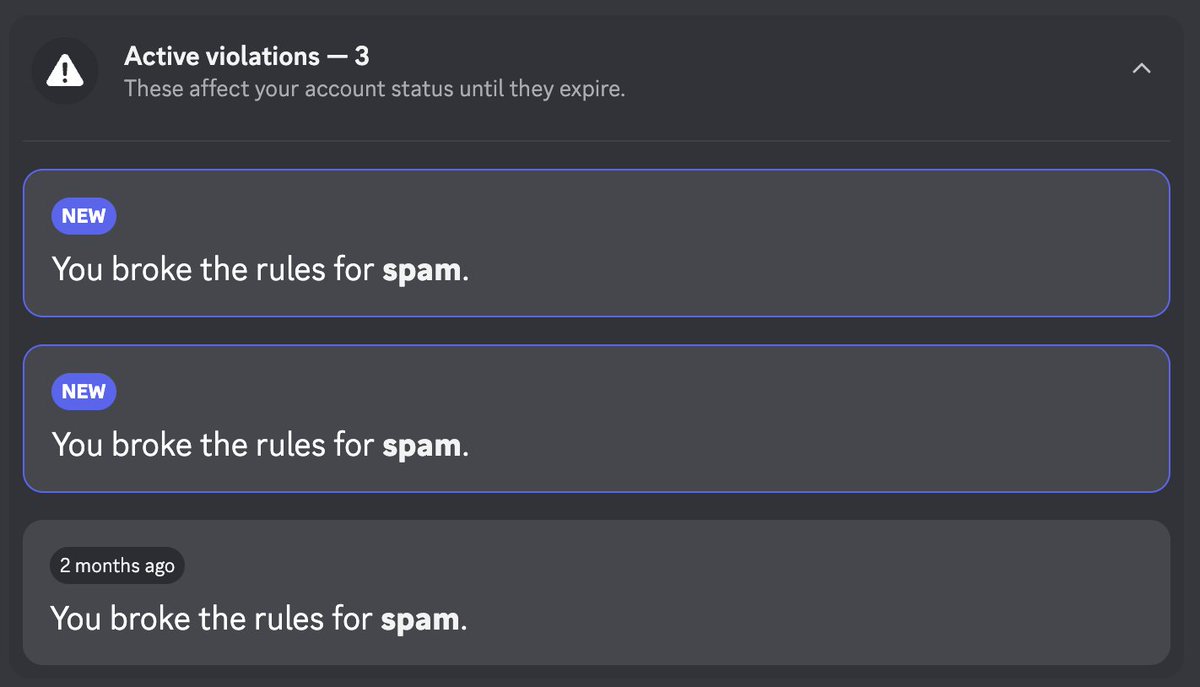
dear @discord @discord_support, i was just trying to log in to my account and that’s what i see. you are detecting something that simply does not exist and it affects my account's standing. i haven't broken any rule anytime anywhere.
33
1
7
1,239