Cell Biologist and Biochemist @UMASS; Turning Complex Ideas into Captivating Stories, Exploring the Universe Through the Lens of Biology & Beyond.
Joined April 2009
- Tweets 396
- Following 510
- Followers 178
- Likes 1,539
14 Photos and videos
Vikash Verma retweeted

Jun 12
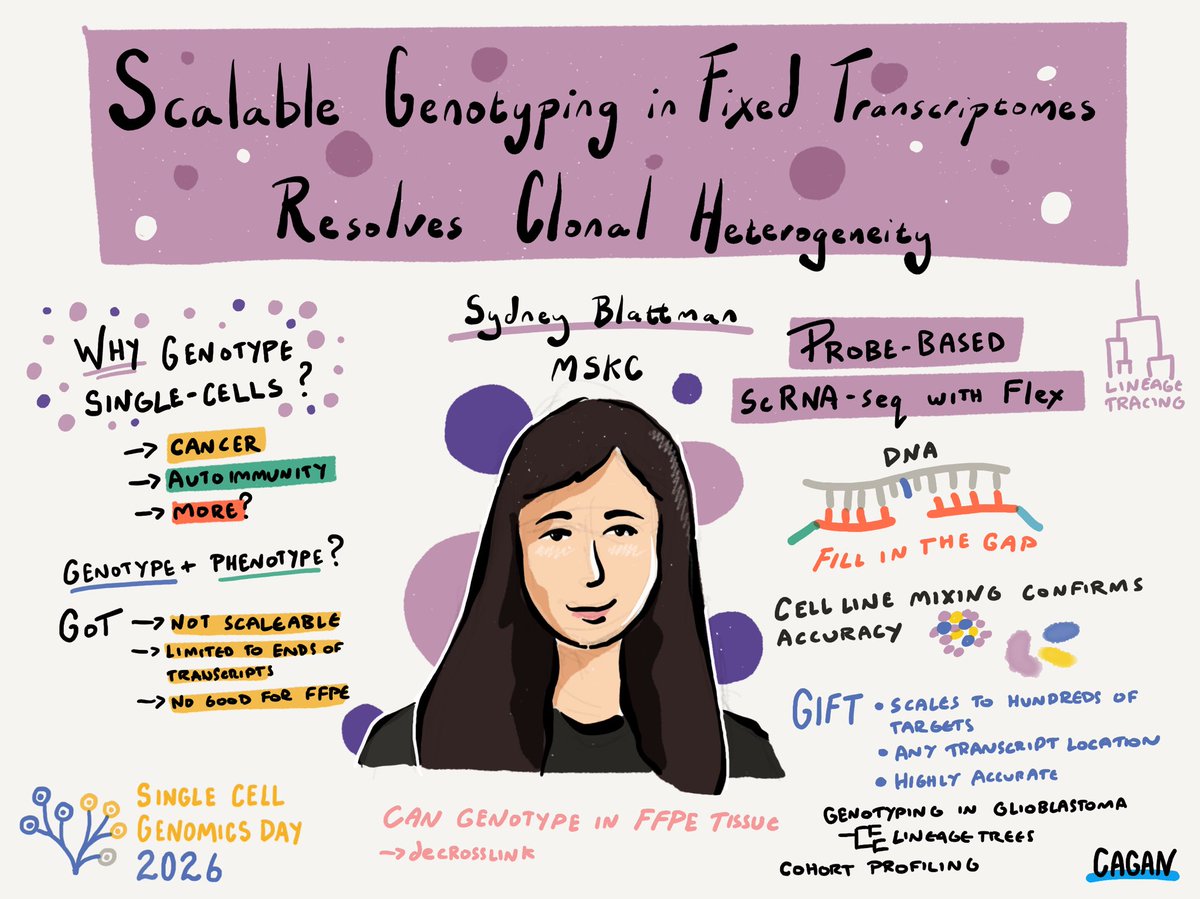
Sydney Blattman on scalable genotyping in fixed transciptomes using GIFT for probe based genotyping of single cells #singlecellgenomicsday
1
4
28
5,545
Vikash Verma retweeted
Jun 12
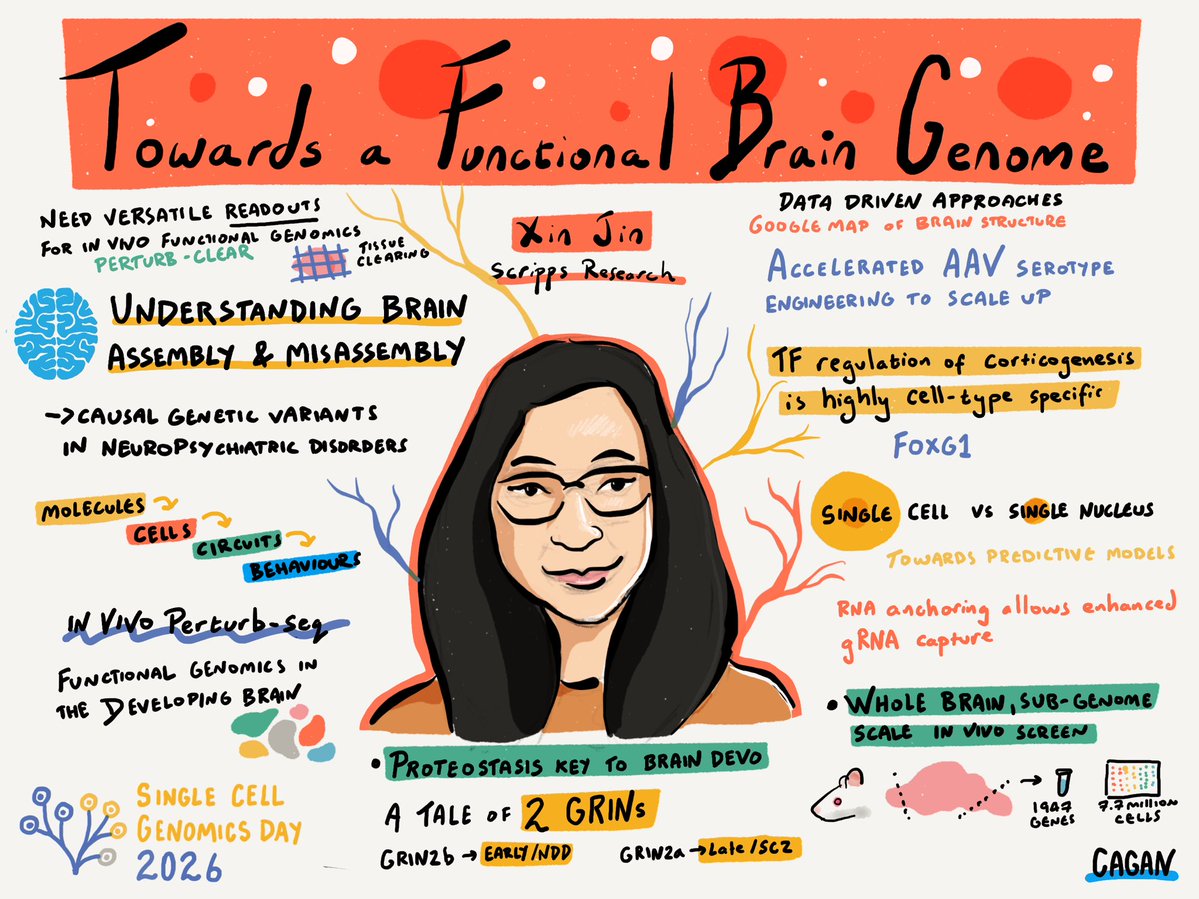
Xin Jin on using genomic tools to understand brain development #singlecellgenomicsday Incredible resolution of brain architecture at multiple scales from the Perturb-CLEAR method
2
20
5,218
Vikash Verma retweeted
Jun 12
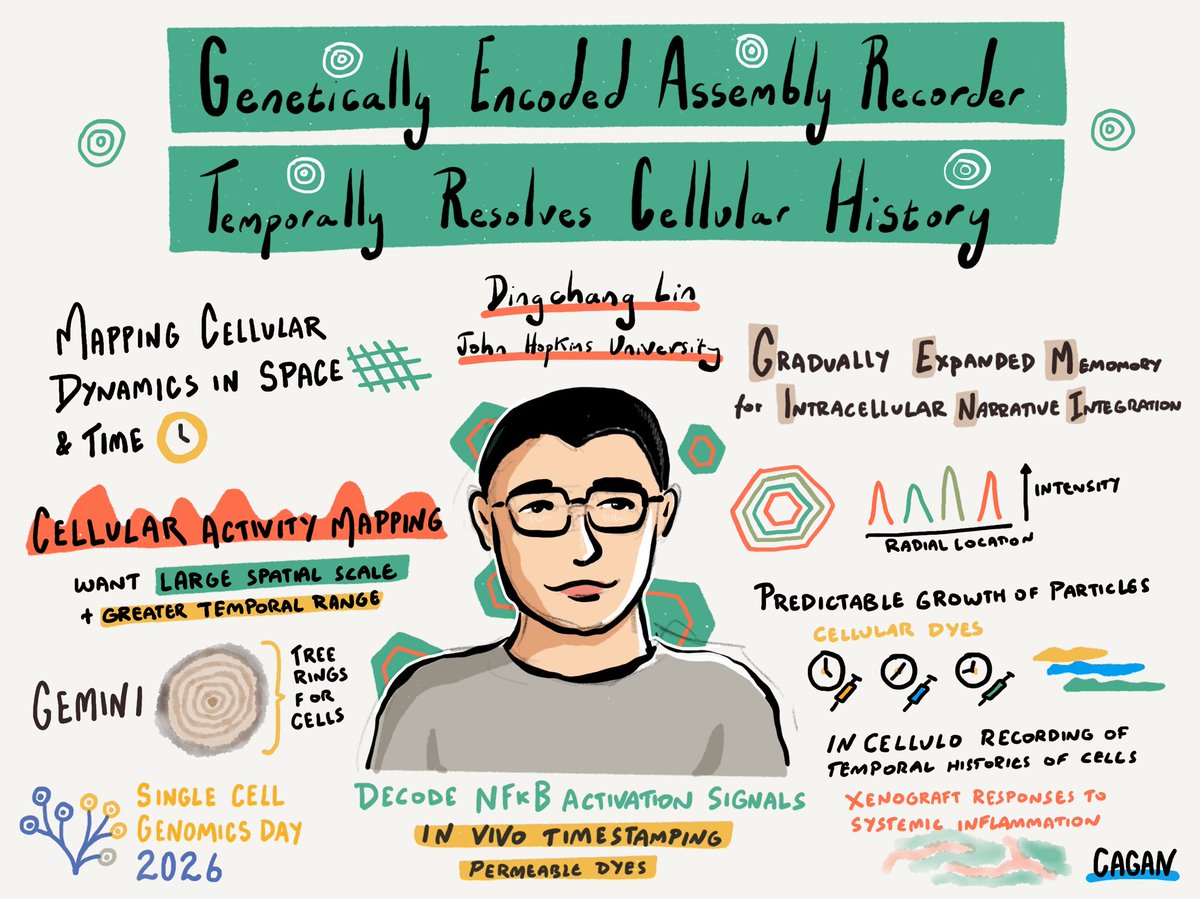
Dingchang Lin on creating artificial tree rings for cells to record their transcriptional history #singlecellgenomicsday
4
14
6,304
Vikash Verma retweeted

29 Mar 2024
Thanks Alex for live-illustrating our #singlecellgenomicsday workshop today! You can access the free Youtube livestream at satijalab.org/scgd/
29 Mar 2024

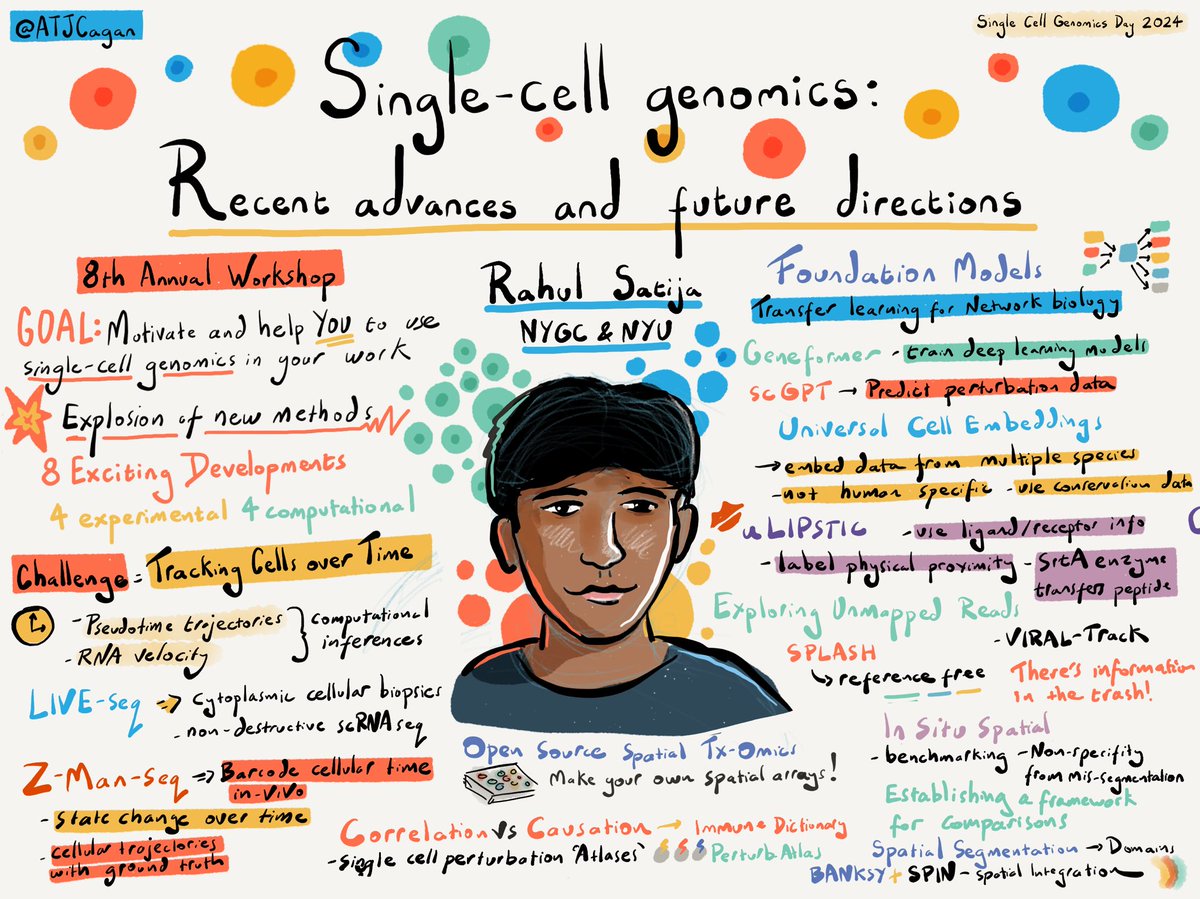
Opening talk of #singlecellgenomicsday by @satijalab who organises the event which is open to all and live streaming now!
6
20
135
17,801
Vikash Verma retweeted
29 Mar 2024
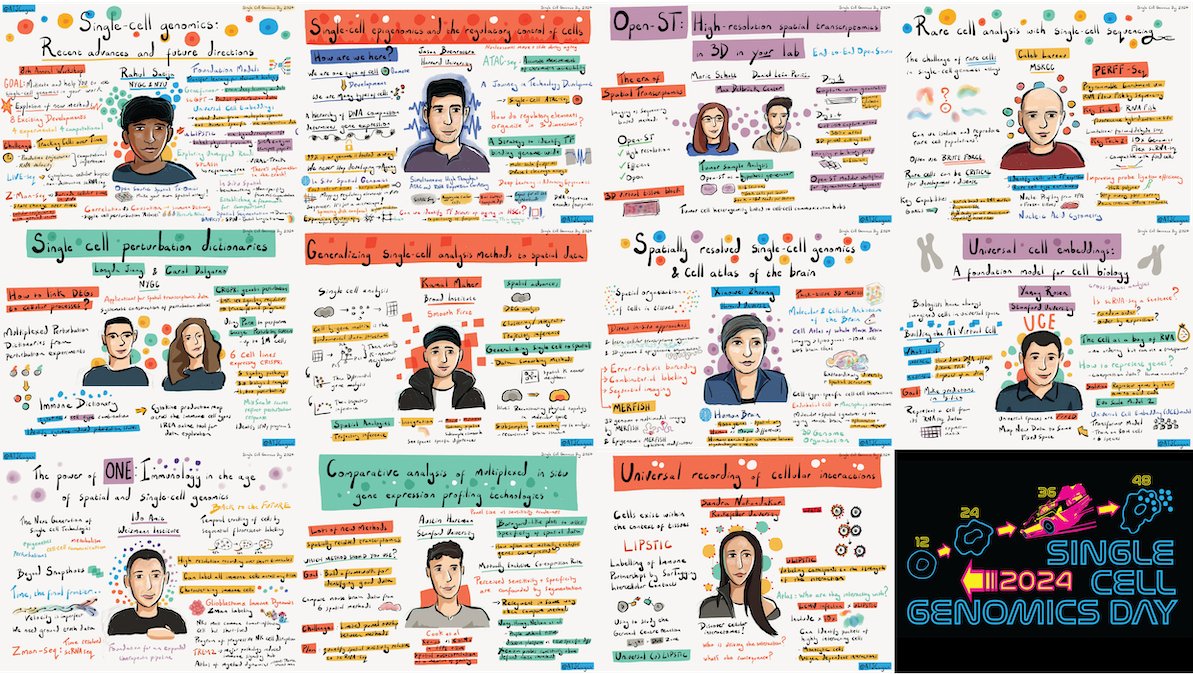
Thanks to our wonderful speakers, audience members, @ATJCagan, and @genome_gov (via @cegs_ica) for such an enjoyable #singlecellgenomicsday 2024! After 8 years of SCGD its incredible to see innovation in the field accelerating- see you next year!
4
31
273
19,340
Vikash Verma retweeted
29 Mar 2024
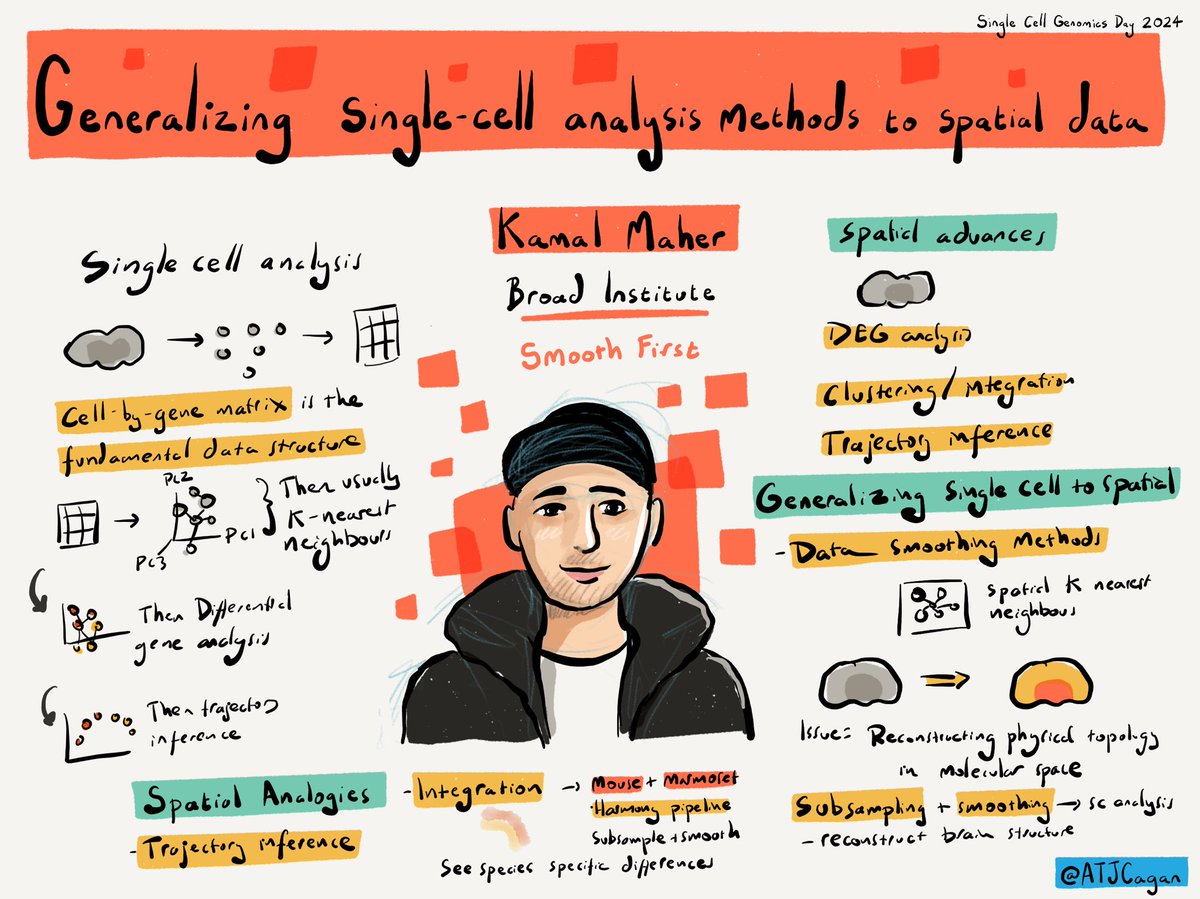
Talk by @fluorocore on generalising single-cell analysis methods to spatial data #singlecellgenomicsday
1
7
24
2,952
Vikash Verma retweeted

Jun 12
#SingleCellGenomicsDay is live—don’t miss it!
Jun 11

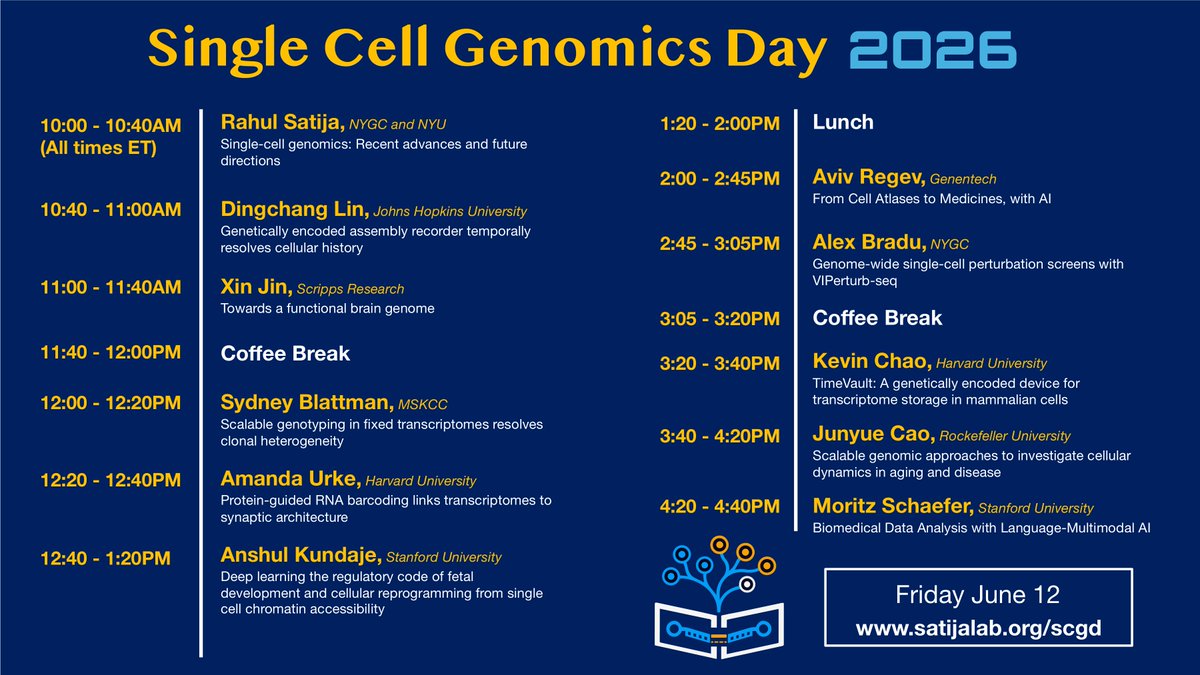
Our stream for Single Cell Genomics Day goes live tomorrow morning at satijalab.org/scgd , look forward to seeing you there for our 10th year!
1
115

Jun 12
TimeVault is one of the most exciting innovations highlighted at today’s Single‑Cell Genomics Day — a genetically encoded system enabling transcriptome “time‑storage” in mammalian cells.
1
7
Jun 12
Huge thanks to the Satija Lab for hosting this incredible lineup of cutting‑edge single‑cell genomics! #Singlecellgenomicsday #TimeVault #Genomics #scRNAseq #SatijaLab #SCGD2026 lnkd.in/eaqSJJsx satijalab.org/scgd26/
9
6 Oct 2025
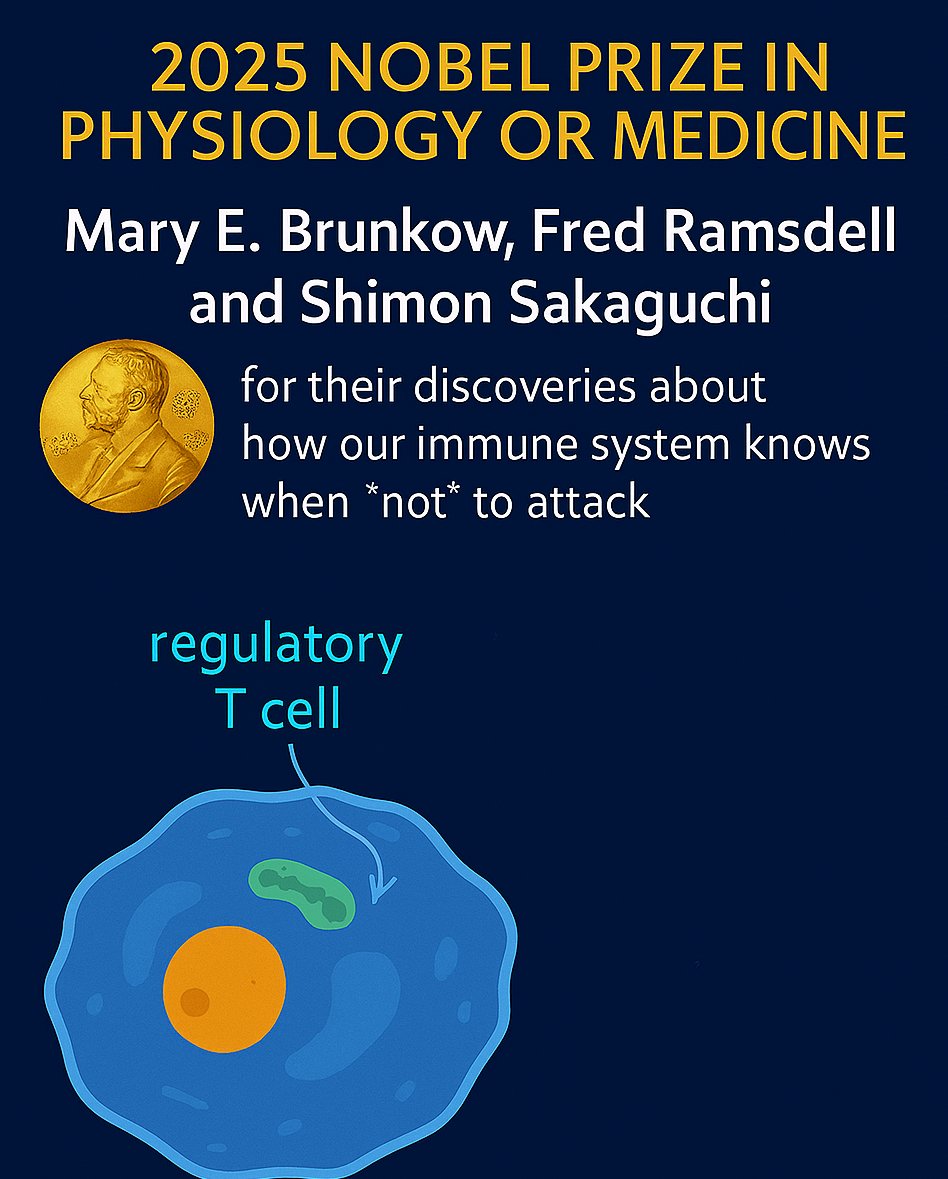
The Nobel-winning trio uncovered a critical part of the immune system called regulatory T cells. Think of them as peacekeepers or referees. These cells help the immune system stay calm and avoid friendly fire.
1
1
1
25
6 Oct 2025
👏 A huge congratulations to Brunkow, Ramsdell, and Sakaguchi for helping us better understand the delicate balance of immunity and tolerance. The immune system’s true sophistication lies in its ability to distinguish between threat and self—and to choose peace when needed.
1
1
24
6 Oct 2025
🧬✨ Big news from the world of science: The 2025 Nobel Prize in Physiology or Medicine has been awarded to Mary E. Brunkow, Fred Ramsdell, and Shimon Sakaguchi for their groundbreaking discoveries about how our immune system knows when not to attack.
1
1
1
25
6 Oct 2025
In simple terms: our immune system is like a powerful security force. It’s trained to detect and destroy invaders like viruses and bacteria. But sometimes, it gets confused and starts attacking our own healthy cells. This is what happens in autoimmune diseases.
1
1
18
5 Sep 2025
🏃♂️💓 Curious how intense exercise affects your heart’s right ventricle? Here’s what science says: Intense endurance exercise—like marathon running or long-distance cycling—can temporarily affect the right side of the heart, specifically the right ventricle.
🔍
1
23
5 Sep 2025
🧠 Why It Matters:Most heart research focuses on the left ventricle (the side that pumps blood to the body), but studies now show that the right ventricle also adapts—and sometimes struggles—under extreme physical stress.
1
18
5 Sep 2025
📌 Bottom Line: Exercise is essential, but like anything, balance matters. It is important to understand how the heart adapts to physical demands—and why recovery and monitoring are key for those pushing their limits.
18