Joined June 2008
2,108 Photos and videos
GingerStripes retweeted
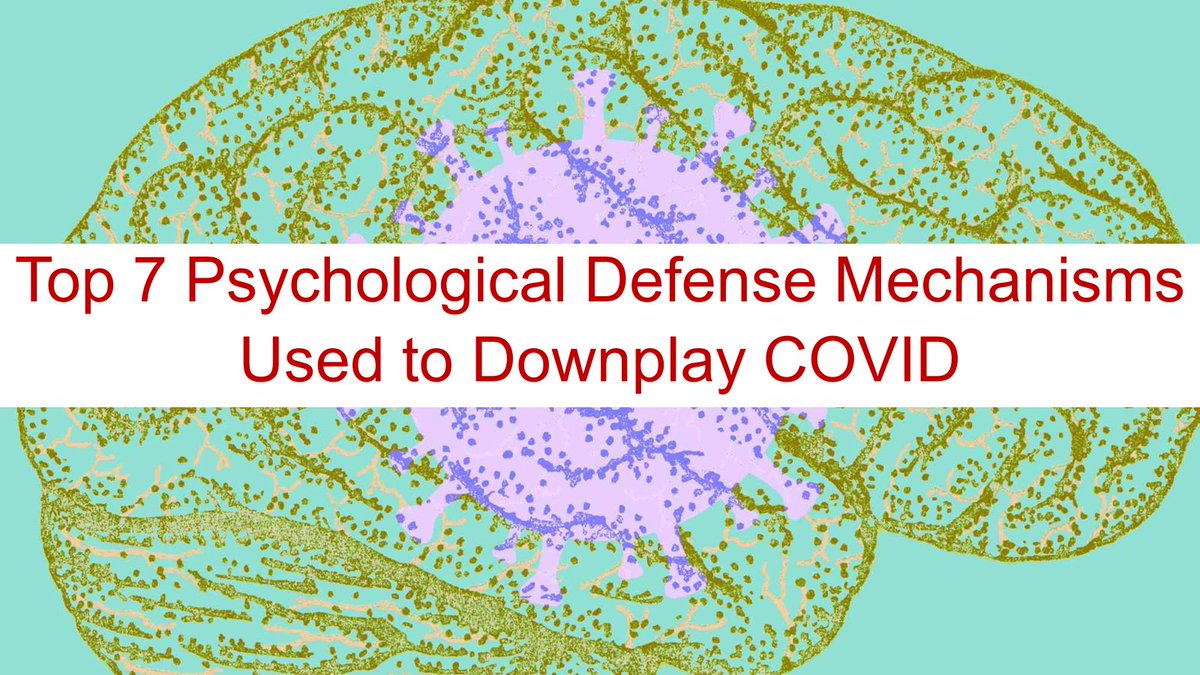
As a clinical health psychologist, I notice that many people are using psychological defense mechanisms to downplay the risk of COVID. These are my Top 7 examples: 🧵
292
4,674
8,958
1,416,686
GingerStripes retweeted
In this picture (credited to WHO) of one person with Hantavirus in protective clothing being taken into an ambulance, you have to wonder who is directing PPE usage. It is so inconsistent. One worker appears to be wearing a surgical mask with a face visor. No lessons learned. 1/🧵
61
469
2,811
197,099
GingerStripes retweeted
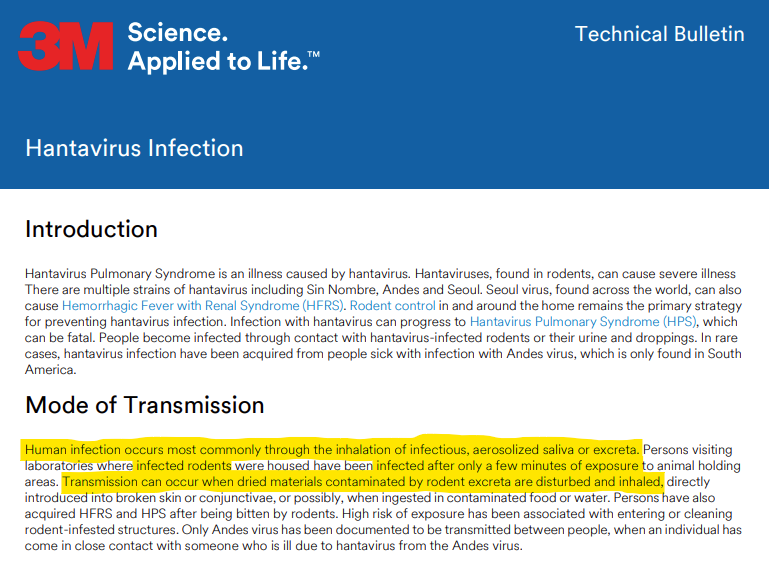
3M indicates people can get #hantavirus from "a few minutes" of rat poop exposure. People are bad at identifying where they got sick due to underlying misperceptions about transmission. The passengers are sick from rat poop, or the wheels are about to fall off the bus.
64
156
914
321,971
media.cnn.com/api/v1/images/… this gown for @JanelleMonae makes me think of Kamikaze L'Amour by @Richard_Kadrey somehow

1
31
GingerStripes retweeted
It baffles me how easily incorrect psychosomatic diagnoses can get into your file without a diagnostic process. "Oh this person that I don't know only saw for 2 minutes has physical symptoms that I don't understand. Let's put *my own psychiatric pet diagnosis* into their file"
17
111
1,050
13,565
Speaking as a therapist, there is no such thing as “Covid anxiety.” The mental health field is built on ableism and most therapists don’t understand that viruses can disable or kill someone. You’re not “crazy” for not wanting to get sick. It’s called self preservation.
46
711
2,977
50,606
GingerStripes retweeted
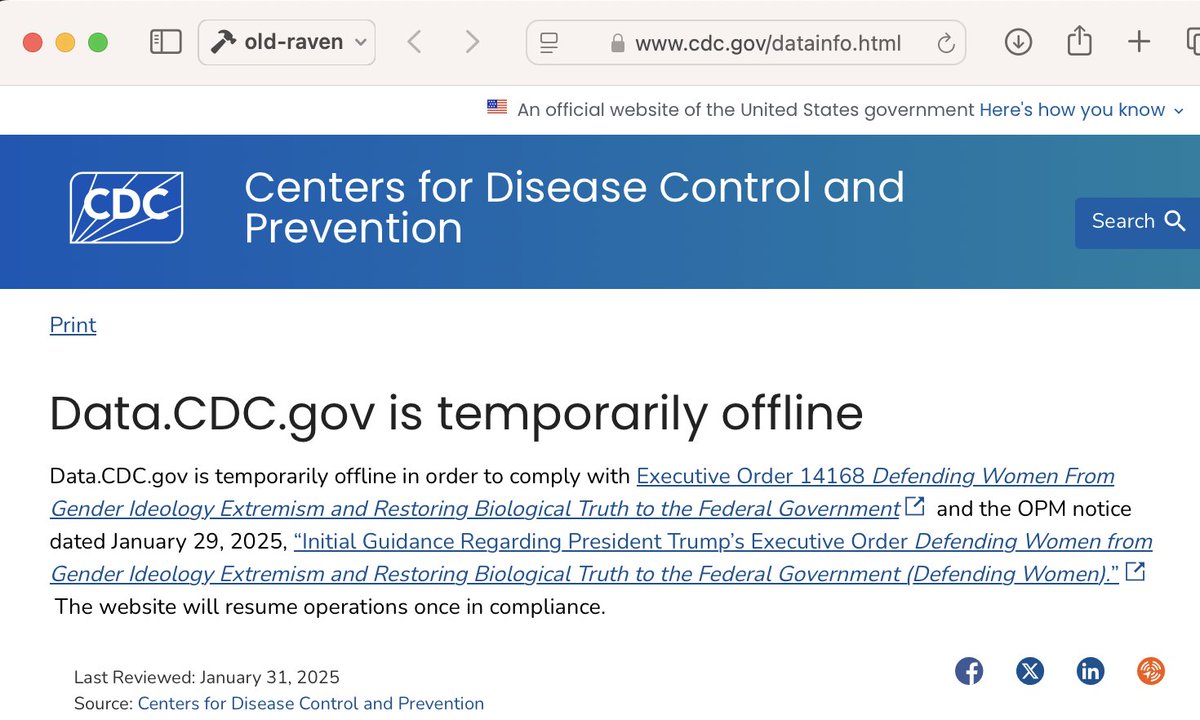
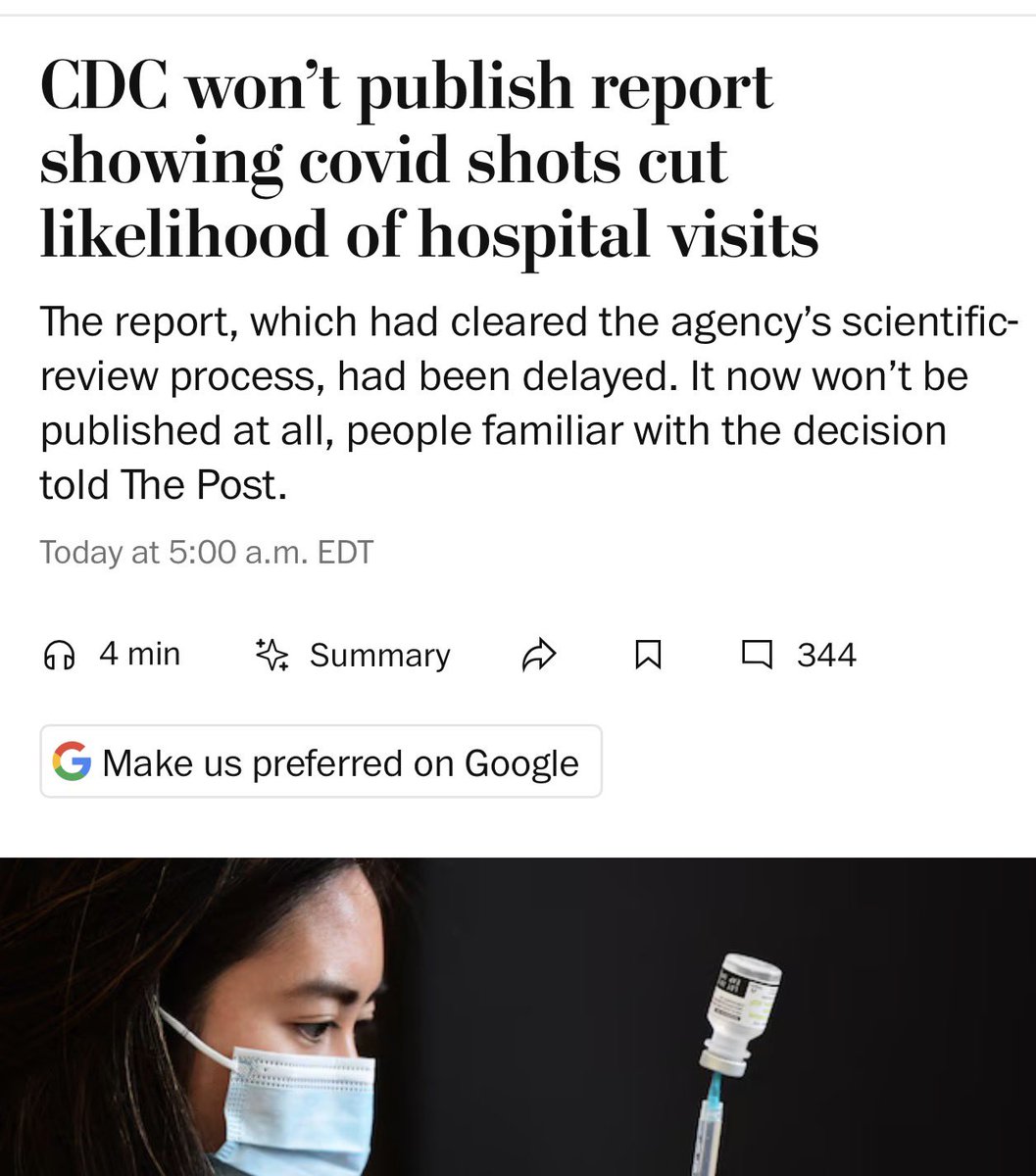
BLOCKED—RFK Jr’s CDC had blocked its scientists’ studying showing that the COVID booster shots reduce ER visits and hospitalizations—even among healthy adults. Already passed scientific review—CDC blocked its report from its own flagship medical journal. Disgusting.
72
1,449
2,475
48,496
GingerStripes retweeted
Apr 15
Look: There is no such thing as overdiagnosis. There is just diagnosis (correct) or misdiagnosis (wrong). If a diagnosis is correct, then you can't have too much of it.
25
523
2,685
33,932
GingerStripes retweeted
COVID-19 persists in 2026. We are in a relative "lull" following a 12th wave, but at a baseline of 200-300K estimated new daily infections. Transmission was lower in the era many refer to as #DuringCOVID, when multi-layered mitigation was used instead of denial. 🧵THREAD 2/6
2
87
270
7,562
GingerStripes retweeted
There are nearly half-a-million pieces of research into the health impacts of COVID. They are not hidden. You can simply Google them. Or you can check out this searchable database. Search for terms like "children" or "working memory". ncbi.nlm.nih.gov/research/co…
5
510
1,270
21,941
GingerStripes retweeted
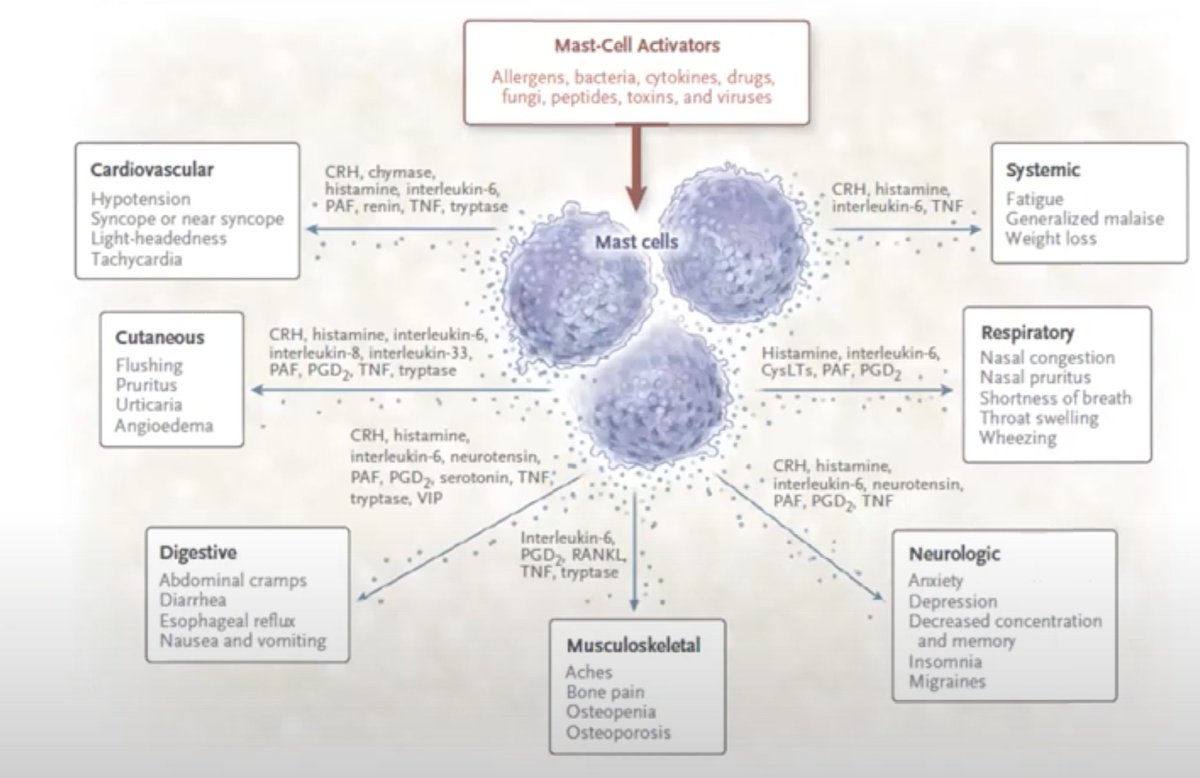
Some of you doctors on here are way too comfortable mocking hEDS, POTS, LC and MCAS patients. You’re not being skeptical. You’re being lazy. It takes zero effort to dismiss a condition you don’t understand. It takes actual work to learn it. These conditions have diagnostic criteria. They’re in the literature. They’re recognized across specialties. Yet somehow, somehow your takeaway is “everyone’s faking it.” Or “It must be anxiety.” We didn’t invent these illnesses. Medicine did. Researches did. Patients aren’t the problem. Loud, dismissive, confidently behind doctors are. You’re the weak link in the system that’s moving on without you.
32
199
1,052
14,021
GingerStripes retweeted
Doctors bitching about "over diagnosis" and "self diagnosis" of neglected conditions that primarily affect women is just misogyny. 🤷‍♀️
33
1,727
11,611
518,517
who is taking generic ivabradine and having it work? what manufacturer is working? do you have to crush it up for it to work? Corlanor brand name by amgen was discontinued in December. I have Camber, it's not working at all unless I crush it up even then, not working great.
1
1
130
GingerStripes retweeted
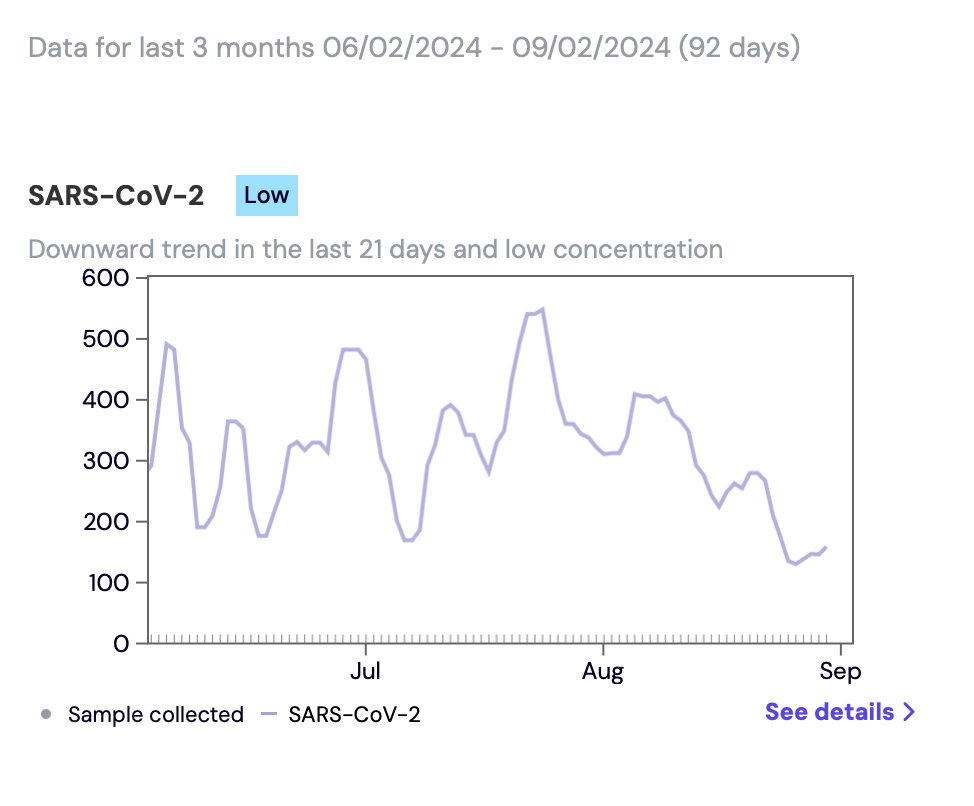
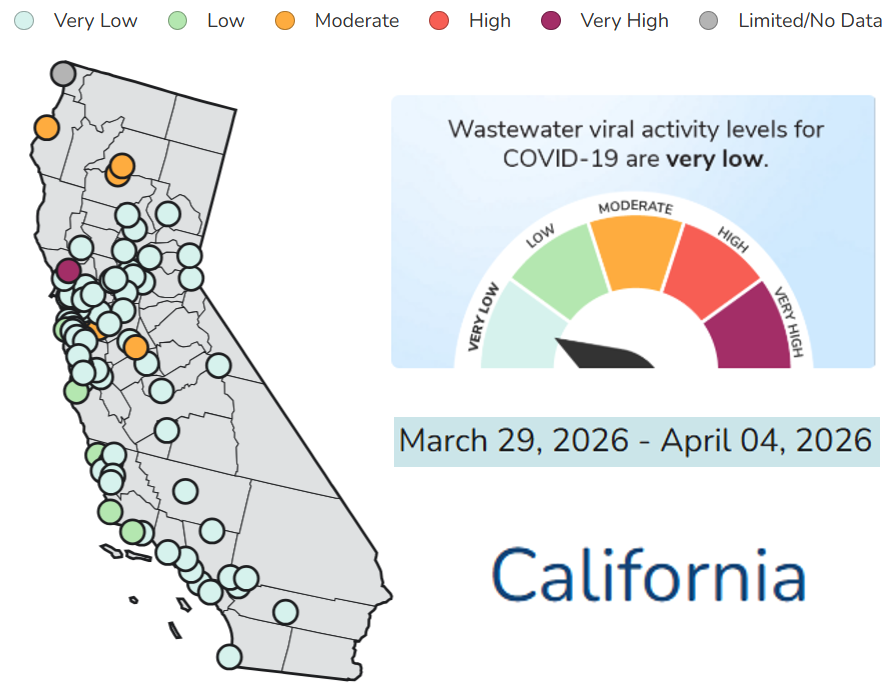
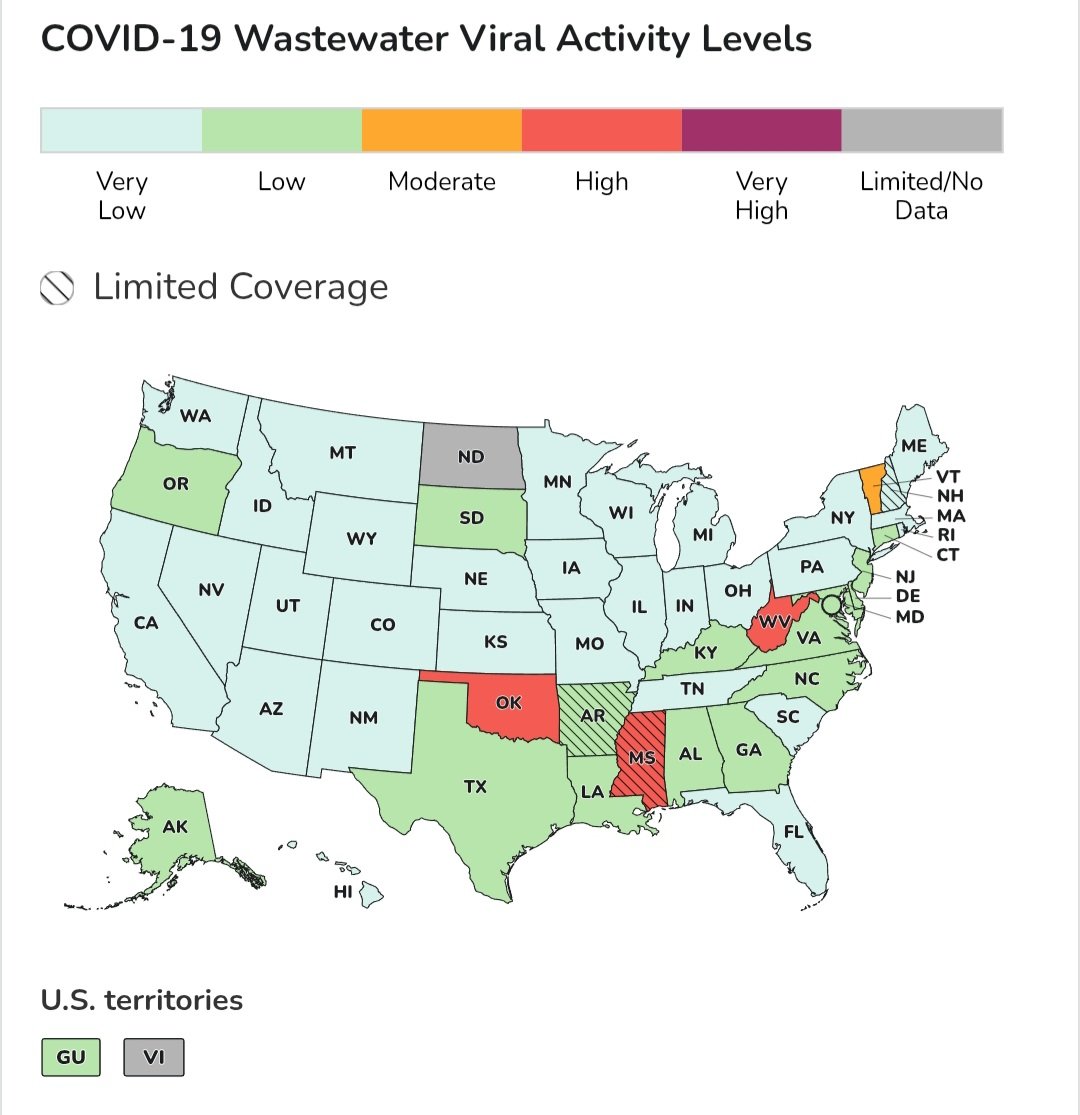
This is the new official CDC map for California COVlD data. They are no longer just using confusing shades of blue; it is now readily informative where there are spikes. Anyone could easily share a graphic like this in their home state every week!
After 2 years of requesting the CDC to stop using their misleading "all shades of blue" COVlD map, they have switched to using an ethical and sensible color scheme. This is a tremendous public health good that will save lives.
15
113
703
16,482
GingerStripes retweeted
After 2 years of requesting the CDC to stop using their misleading "all shades of blue" COVlD map, they have switched to using an ethical and sensible color scheme. This is a tremendous public health good that will save lives.
58
414
2,340
62,198
GingerStripes retweeted
Replying to @WHO
"We are in an ongoing airborne COVID-19 pandemic that is inflicting serious morbidity on hundreds of millions of people and likely to lead to over 10 million excess deaths over the next 7 years." You could say that to rebuild trust.
1
5
64
747
GingerStripes retweeted
In the autumn of 1942, a slight, 32-year-old Polish social worker named Irena Sendler passed through the gates of the Warsaw Ghetto with a carpenter’s toolbox in her arms. Beneath the hammers and nails lay a drugged six-month-old infant, breathing softly, utterly silent. One cry would have meant instant death for both of them. Irena smiled at the guards; they waved her through. They never suspected that this quiet woman would repeat the journey 2,499 more times. The ghetto was a slow-motion extermination. Starvation, disease, and random murder stalked every street. Jewish parents faced a choice no human being should ever have to make: keep their child and watch them waste away, or hand them to a stranger who promised a chance—however thin—at life. Irena came officially to inspect for typhus. In reality, she came to steal children from death. Babies left in toolboxes or ambulances under false bottoms. Toddlers sedated and tucked into potato sacks. Older children led by the hand through the stinking, lightless sewers while German boots marched overhead. “Not a sound,” she whispered as rats scurried past their feet. She knew that the rescued children would be given new names, new religions, new families. Their pasts would vanish unless someone remembered. So, on fragile scraps of tissue paper, Irena wrote each child’s real name, their parents’ names, and their new hiding place. She rolled the papers tight, slipped them into glass jars, and buried them beneath an apple tree in a neighbor’s garden. If she were caught and killed, the truth might still survive. She was caught. On October 20, 1943, the Gestapo kicked in her door. They took her to Pawiak Prison and demanded the list. When she refused, they smashed both her legs with iron bars. Then her feet. Then her arms. For weeks the beatings continued. She never spoke. They scheduled her execution. On the appointed morning, guards dragged the broken woman from her cell. Instead of a firing squad, she found herself outside the prison walls—alive. The Polish underground council Żegota had bribed a guard to mark her file “shot while trying to escape.” Officially dead, Irena Sendler limped back into the shadows to keep working.When the war finally ended, the first thing she did was dig up the jars under the apple tree. She spent years trying to return the children—now scattered across convents, farms, and foster homes—to whatever family might remain. Almost no parents had survived. But the children had. Because of her, 2,500 Jewish boys and girls lived to grow up, to marry, to have children and grandchildren of their own—an entire secret branch of the human family tree that the Nazis never managed to cut down.For decades her story stayed buried deeper than the jars themselves. Then, in 1999, four high-school girls in rural Kansas stumbled across a brief mention of her name. They found the old woman still living quietly in Warsaw and brought her courage back into the light. Journalists called her the greatest rescuer of the Holocaust. Irena only shook her head.“I could have saved more,” she said. “That regret follows me to the grave.”Irena Sendler—armed with nothing but a ghetto work permit, a toolbox, and a refusal to look away—proved that even in the heart of the worst evil humanity has ever devised, one determined person can still keep the darkness from winning completely.
81
1,546
6,797
241,829
GingerStripes retweeted
I don’t regret or resent a single, solitary airborne precaution I’ve taken in 6 years. Not for a second. 😷
42
234
1,644
50,881
who else can't find their adhd meds thanks to shortages, that are caused by our shitty DEA? :( That and of course the FDA who haven't been enforcing compliance when companies fail inspections-they keep shipping those contaminated meds.
1
20
GingerStripes retweeted
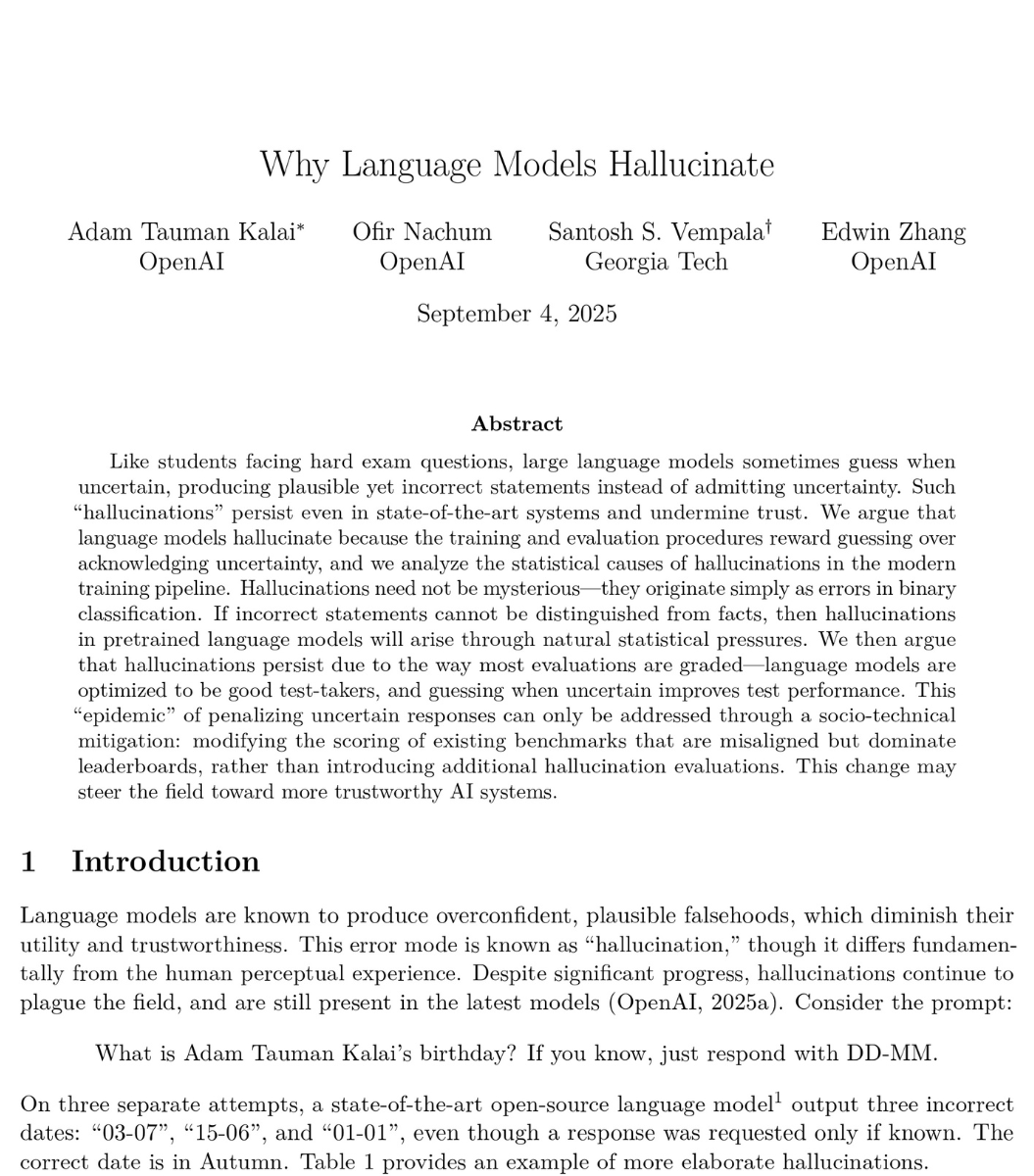
🚨BREAKING: OpenAI published a paper proving that ChatGPT will always make things up. Not sometimes. Not until the next update. Always. They proved it with math. Even with perfect training data and unlimited computing power, AI models will still confidently tell you things that are completely false. This isn't a bug they're working on. It's baked into how these systems work at a fundamental level. And their own numbers are brutal. OpenAI's o1 reasoning model hallucinates 16% of the time. Their newer o3 model? 33%. Their newest o4-mini? 48%. Nearly half of what their most recent model tells you could be fabricated. The "smarter" models are actually getting worse at telling the truth. Here's why it can't be fixed. Language models work by predicting the next word based on probability. When they hit something uncertain, they don't pause. They don't flag it. They guess. And they guess with complete confidence, because that's exactly what they were trained to do. The researchers looked at the 10 biggest AI benchmarks used to measure how good these models are. 9 out of 10 give the same score for saying "I don't know" as for giving a completely wrong answer: zero points. The entire testing system literally punishes honesty and rewards guessing. So the AI learned the optimal strategy: always guess. Never admit uncertainty. Sound confident even when you're making it up. OpenAI's proposed fix? Have ChatGPT say "I don't know" when it's unsure. Their own math shows this would mean roughly 30% of your questions get no answer. Imagine asking ChatGPT something three times out of ten and getting "I'm not confident enough to respond." Users would leave overnight. So the fix exists, but it would kill the product. This isn't just OpenAI's problem. DeepMind and Tsinghua University independently reached the same conclusion. Three of the world's top AI labs, working separately, all agree: this is permanent. Every time ChatGPT gives you an answer, ask yourself: is this real, or is it just a confident guess?
1,339
8,739
33,323
3,277,937