
Joined October 2010
- Tweets 5,539
- Following 1,494
- Followers 900
- Likes 6,530
603 Photos and videos






Pinned Tweet

13 Oct 2018
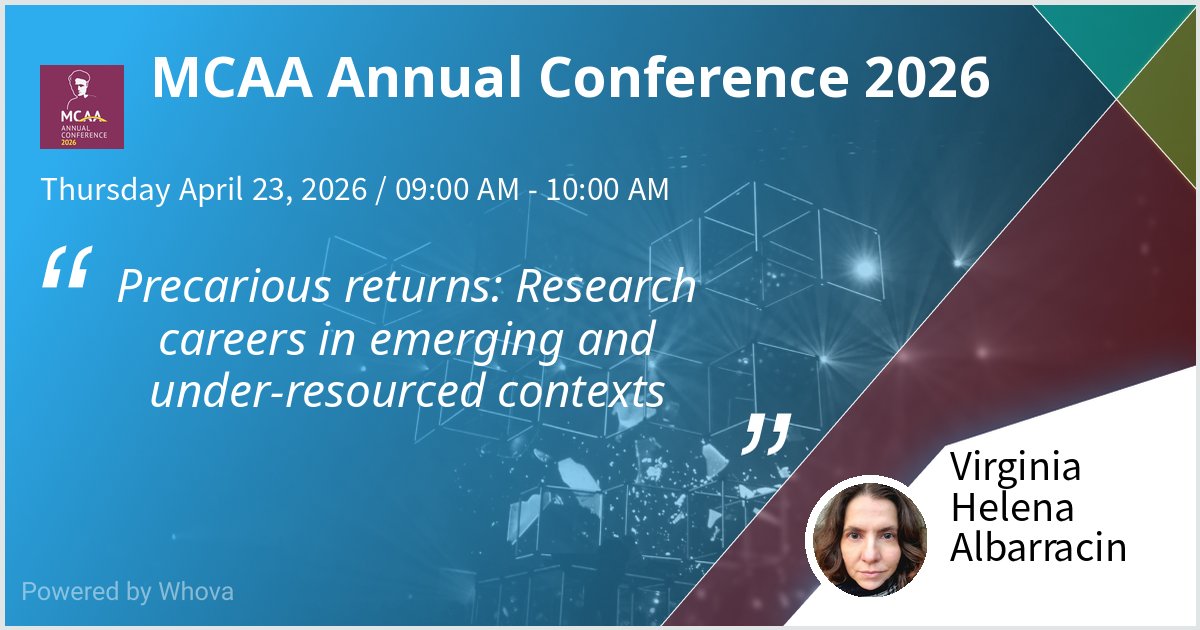
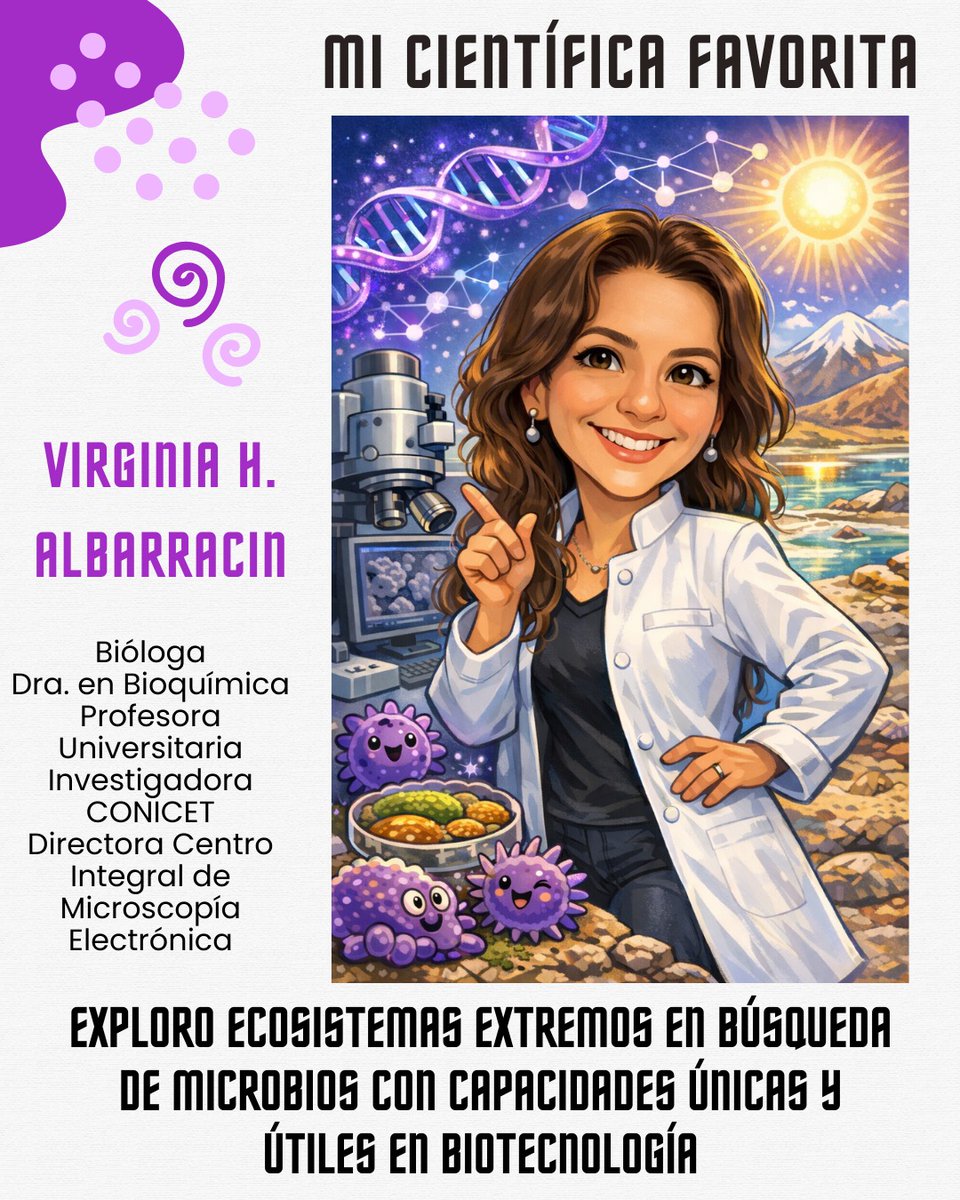
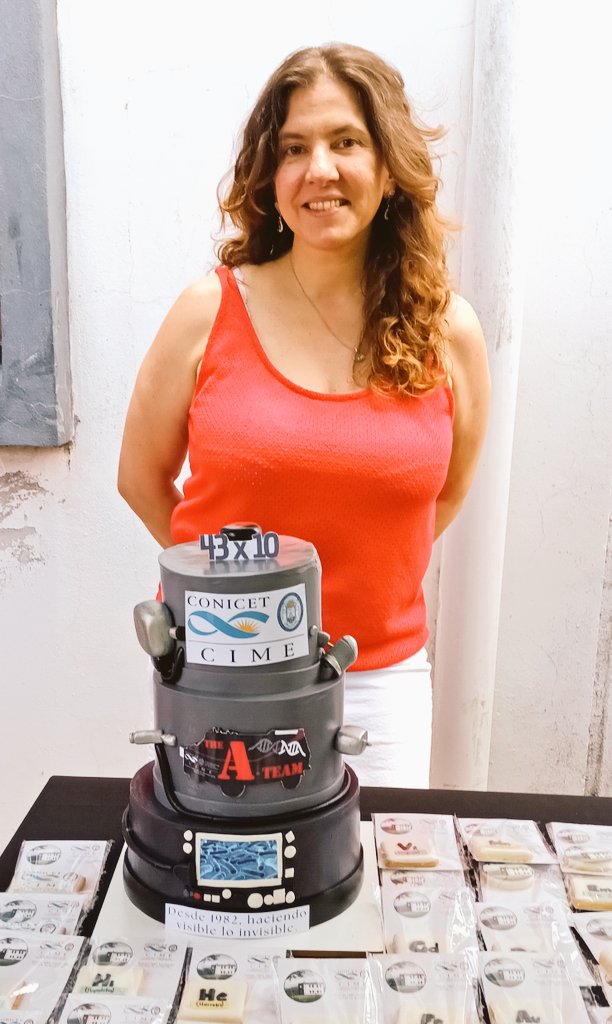
I am a Molecular Microbiologist using omics and electron microscopy to understand adaptation of extremophiles to chemical/physical stress (UV, salt, heavy-metals) #Iamabiologist @cime_conicet
6
1
40
No lo soñé
Jun 12

Women have been saying for years that there is a growing backlash against gender equality, and every time the conversation comes up we’re told we’re imagining it.
Now the United Nations is saying it.
According to a UN report, nearly 1 in 4 countries reported setbacks in women’s rights and gender equality. Hundreds of millions of women and girls are living in conflict zones, violence against women remains widespread, and UN officials are warning about a growing backlash against women’s rights worldwide.
The part that stands out to me isn’t even the statistics. It’s that women have been raising concerns about misogyny, online hostility toward women, violence, and attacks on reproductive rights for years, only to be dismissed as overreacting.
If the UN Secretary-General is warning about the “mainstreaming of misogyny,” maybe it’s time to stop pretending these concerns came out of nowhere.
Do you think women’s rights are genuinely facing setbacks, or do you think organizations like the UN are exaggerating the problem?

27
Virginia Albarracin (#LaAlbarracineta) retweeted

Jun 10
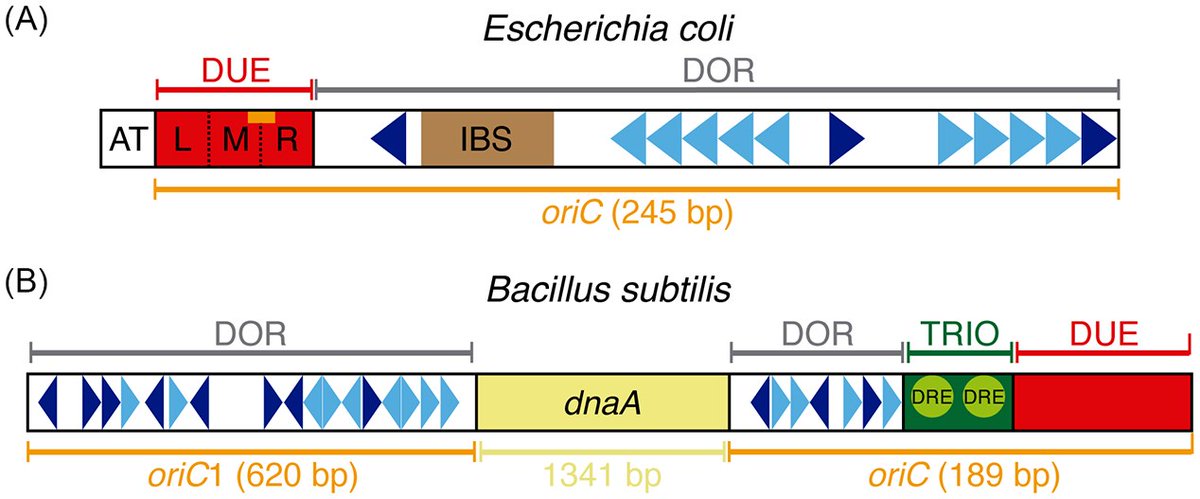
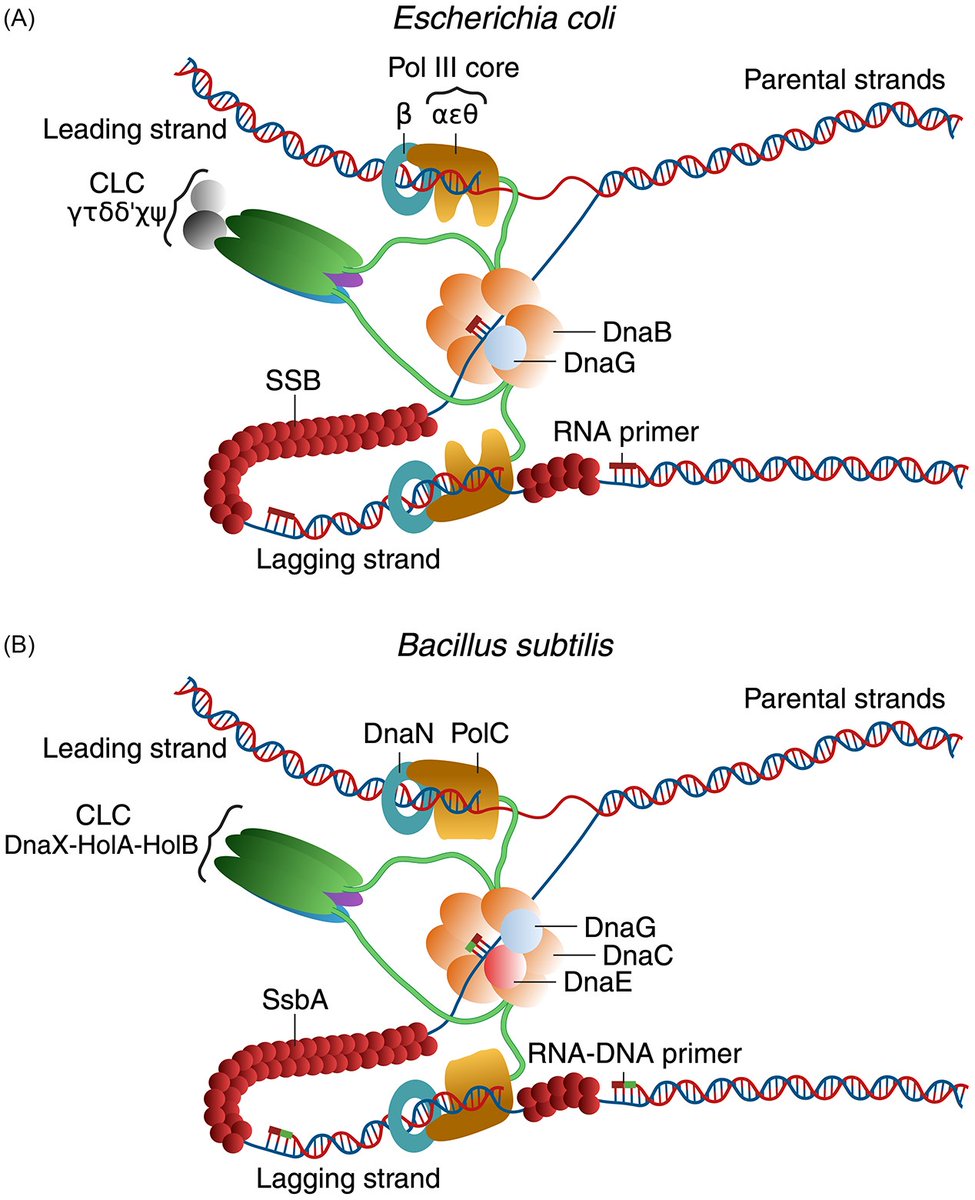
Mechanisms of chromosomal DNA replication in Escherichia coli and Bacillus subtilis
#microbiology #chromosome #DNA
@FEMSmicro
doi.org/10.1093/femsre/fuag0…
7
15
642
Virginia Albarracin (#LaAlbarracineta) retweeted

Invitamos a la comunidad científica argentina a participar del Simposio de cryo-EM, el viernes 16 de Octubre de 13:30 a 17:00 h, en el marco del 9.º Congreso de la SAMIC en Y-TEC.
Un espacio para seguir impulsando la biología estructural regional.
congresos.unlp.edu.ar/samic2…
1
3
250
Virginia Albarracin (#LaAlbarracineta) retweeted

Jun 10
Ahora van a ver de qué estamos hechos. Copa Mundial de la FIFA 2026™ en TyC Sports.
290
3,925
26,061
3,498,961
Virginia Albarracin (#LaAlbarracineta) retweeted

Jun 10
“DICEN QUE EL FÚTBOL LE DEBÍA UN MUNDIAL A MESSI. ¿QUÉ SABEN CUÁNTOS LE DEBÍA? ¿Y SI LE DEBÍA DOS?”.
Ufff, el spot de TyC Sports. 🥹🇦🇷
415
7,554
61,964
2,430,815
Virginia Albarracin (#LaAlbarracineta) retweeted

A 4 días de que comience el mundial vengo a recordarles el mejor video que nos dejó ese campeonato
87
2,014
22,963
1,018,050
Virginia Albarracin (#LaAlbarracineta) retweeted

Jun 7
Cuanto vale el testimonio de una señora que rompe el cerco del prejuicio, construido en base a ideas ajenas, redes, la tele, diarios o la radio simplemente por salir a la calle y vivirlo. Vamos a tener que ejercitarlo mucho mas.
87
671
4,846
240,612
Virginia Albarracin (#LaAlbarracineta) retweeted

Jun 6
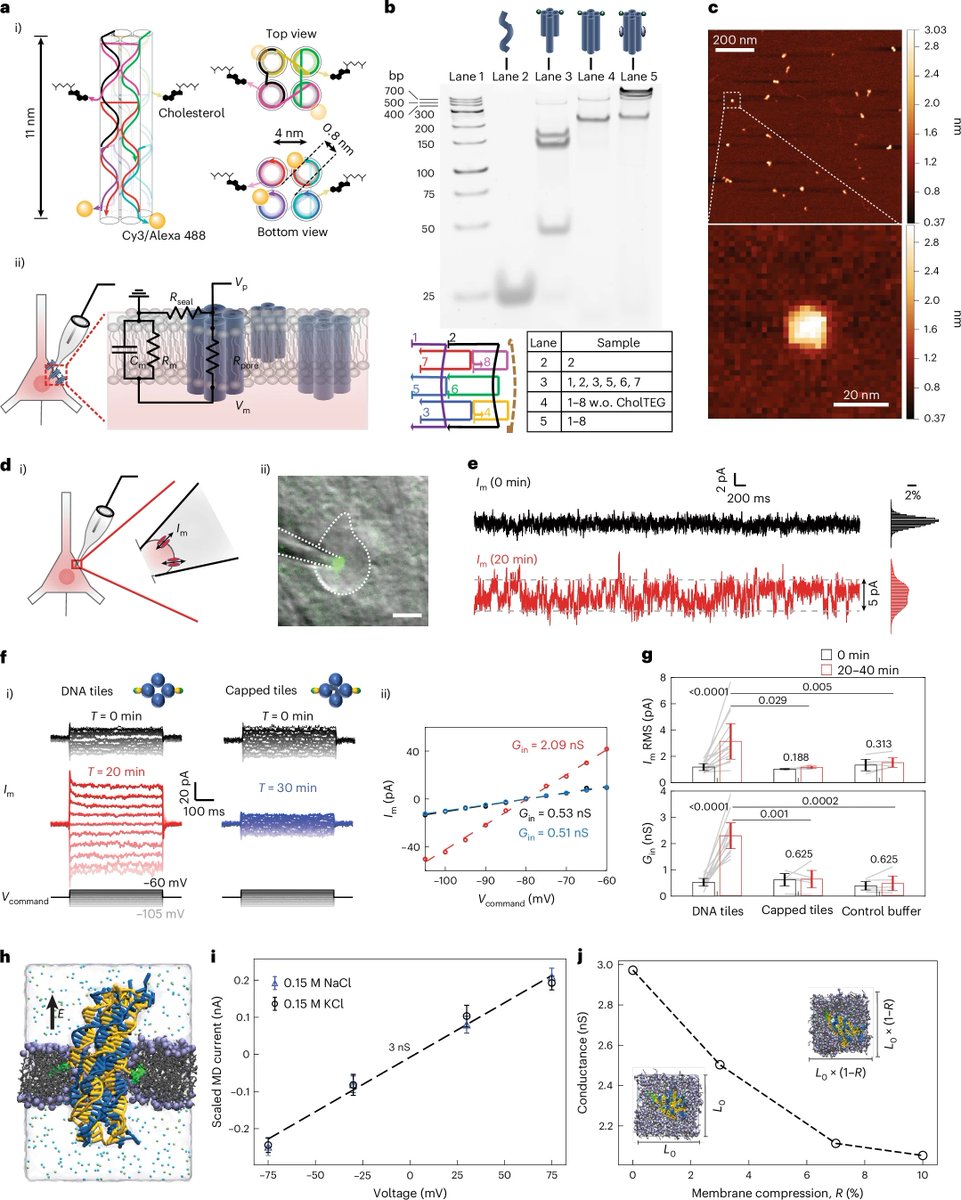
DNA origami tileが生きたneuron膜に自己挿入し膜破壊なしに安定なion輸送/準細胞内電位記録/薬物送達を実現
直径1µm未満の樹状突起からの繰り返し記録という前例なき成果を達成
OA
#electrolide
#synapse
#papers
nature.com/articles/s41565-0…
17
64
4,599
Virginia Albarracin (#LaAlbarracineta) retweeted

Jun 7
La violencia de pareja sigue un claro patrón norte-sur en todo el mundo
Este estudio revela que la violencia física y sexual de pareja aumenta claramente cuanto más cerca se está del ecuador y disminuye a medida que nos alejamos hacia los polos norte y sur. Los investigadores analizaron los datos más recientes de la Organización Mundial de la Salud de 157 países y encontraron un fuerte gradiente latitudinal: los países cercanos al ecuador presentan tasas significativamente más altas de violencia de pareja perpetrada por hombres contra mujeres, mientras que esta violencia es mucho menor en países de latitudes altas (tanto al norte como al sur).
Este patrón norte-sur es muy robusto y se mantiene incluso después de tener en cuenta el nivel de riqueza de los países, la cultura, la religión y otros factores socioeconómicos. Según los autores, la latitud (y por tanto el clima) explica una parte importante de las diferencias globales en violencia de pareja. Su explicación se basa en la psicología latitudinal: en climas más cálidos y estables cerca del ecuador, las culturas tienden a desarrollar menos autocontrol y mayor agresividad generalizada, lo que se refleja también en las relaciones de pareja. En cambio, los climas más fríos y variables han favorecido históricamente culturas con mayor cooperación, planificación y control de impulsos, reduciendo los niveles de violencia.
Importante destacar que este estudio se centra exclusivamente en la violencia perpetrada por hombres contra mujeres, utilizando los indicadores estándar de la OMS para violencia física y sexual en relaciones heterosexuales. No analiza la violencia de mujeres contra hombres ni la que ocurre en parejas del mismo sexo.
En conclusión, el trabajo sugiere que la violencia de pareja no se distribuye de forma aleatoria por el planeta, sino que tiene un fuerte componente ecológico: el clima y la distancia al ecuador influyen de manera significativa en su prevalencia a nivel mundial.

"Intimate partner violence shows clear global geographical and ecological patterns... Violence declines from the Equator to the poles, with minimal east-west variation... Greater natural habitat variability predicts lower male supremacy and violence"
sciencedirect.com/science/ar…
37
103
374
32,665

"Intimate partner violence shows clear global geographical and ecological patterns... Violence declines from the Equator to the poles, with minimal east-west variation... Greater natural habitat variability predicts lower male supremacy and violence"
sciencedirect.com/science/ar…
8
28
32,929
Virginia Albarracin (#LaAlbarracineta) retweeted

🦠🔬🤯
El organismo celular más parecido a un virus conocido hasta ahora !
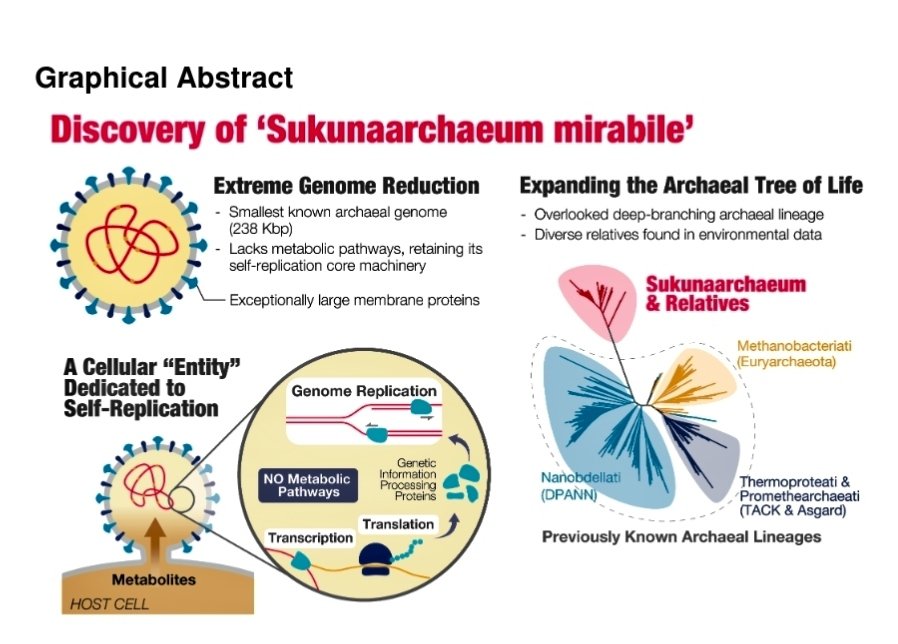
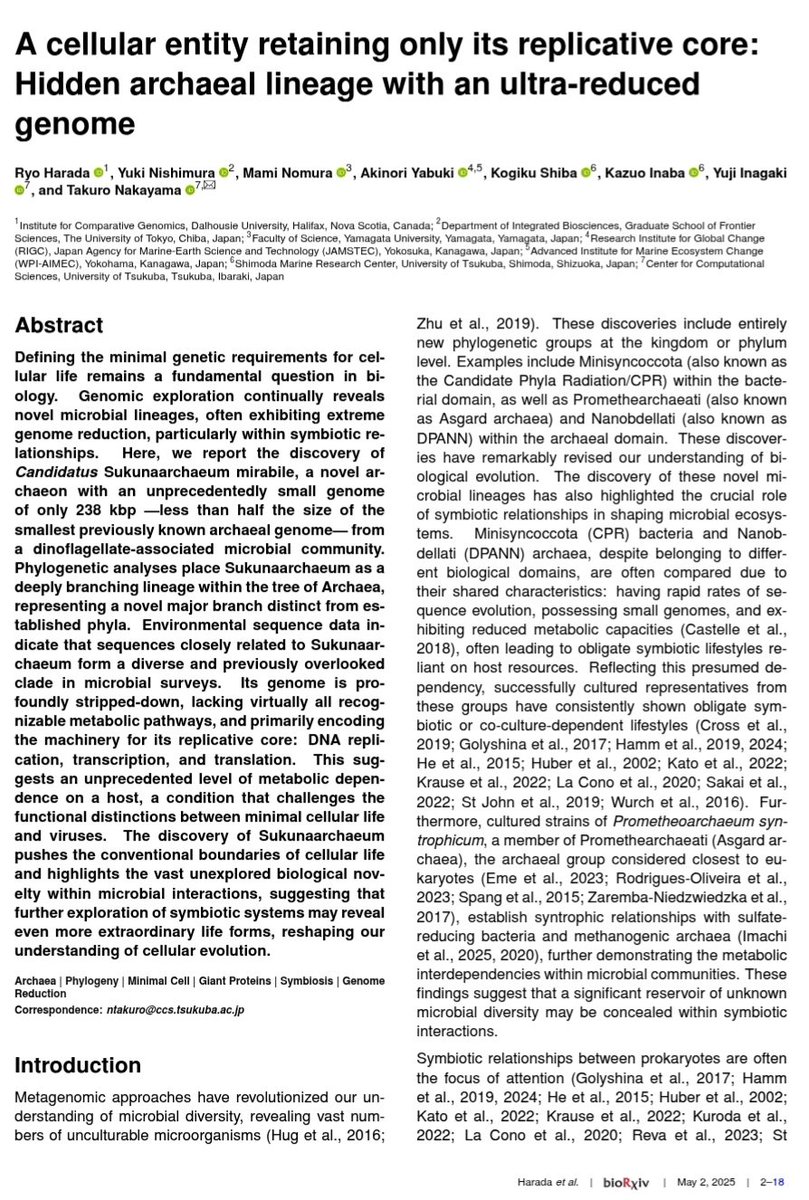
Un preprint describe la Candidatus Sukunaarchaeum mirabile, una arquea con un genoma ultra-reducido de solo 238 kbp: menos de la mitad del menor genoma de una arquea conocido hasta ahora. 🧬
¿Qué la hace especial?
✅ Carece de casi todas las rutas metabólicas reconocibles y sugiere una dependencia extrema de un hospedador.
✅ Conserva sobre todo la maquinaria de replicación, transcripción y traducción.
✅ Posee proteínas de membrana inusualmente grandes.
El hallazgo desafía los límites funcionales entre vida celular mínima y virus, y abre nuevas preguntas sobre la evolución de células simbióticas muy reducidas.
🔗 Preprint 👇🏻 biorxiv.org/content/10.1101/…
#Microbiología #Archaea #Genómica #Evolución #Biología #Simbiosis #VidaMicrobiana #BioRxiv @SEMicrobiologia
1
25
80
3,983
Virginia Albarracin (#LaAlbarracineta) retweeted

Jun 6
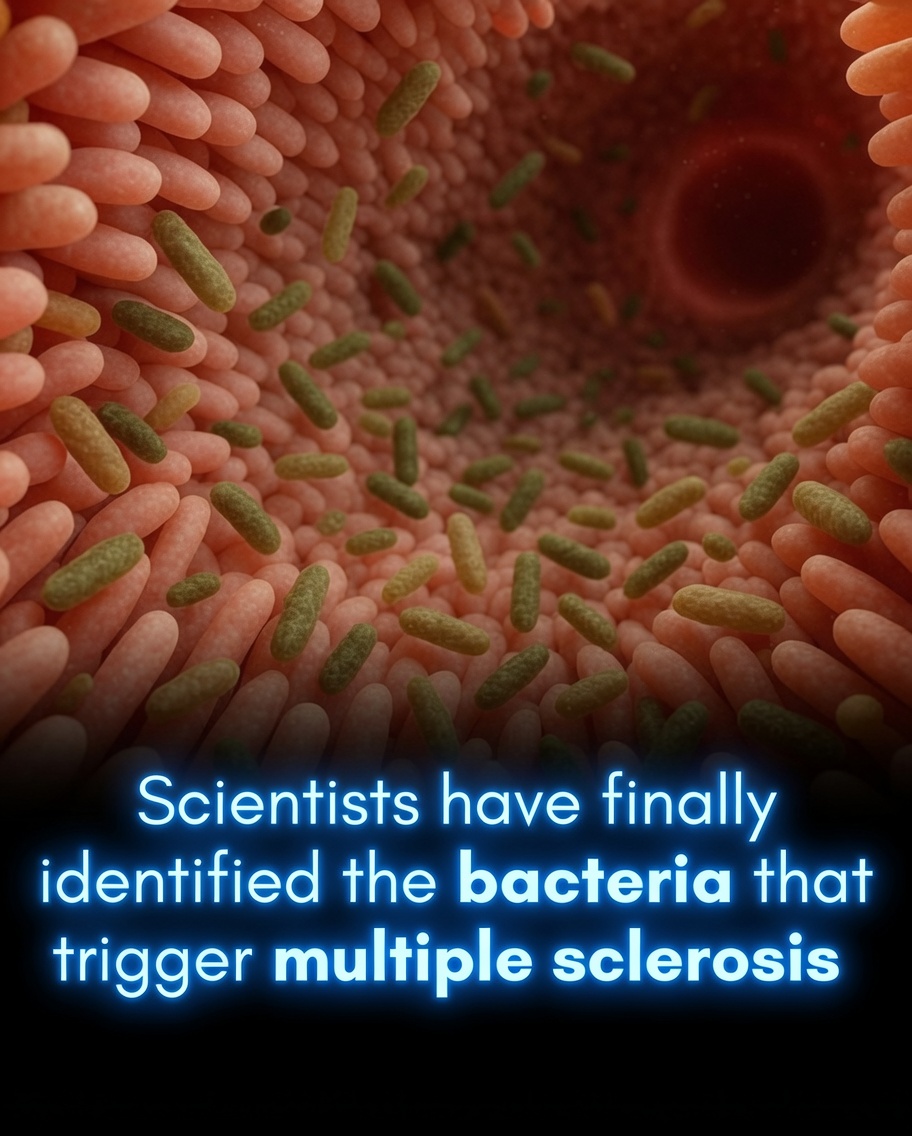
Scientists have identified specific gut bacteria that appear to trigger multiple sclerosis (MS).
In a groundbreaking study conducted at Ludwig Maximilian University of Munich, researchers examined 81 pairs of identical twins in which only one sibling had MS. This unique design allowed them to control for genetic and environmental factors, isolating the role of the microbiome.
The team found that two bacterial species, Eisenbergiella tayi and Lachnoclostridium, were significantly more abundant in the twins with MS. When these microbes were transferred into mouse models, they directly induced MS-like autoimmune symptoms, providing strong causal evidence.
This is the most precise identification of microbial triggers for MS to date and adds powerful support to the gut-brain axis in autoimmune disease. The discovery raises hope for new approaches to early detection, prevention, and treatment — potentially by targeting or modulating these specific bacteria before symptoms appear.
While human clinical trials are still needed, the findings represent a major step toward microbiome-based therapies for MS and other autoimmune conditions.
[Yoon, H., Gerdes, L. A., Beigel, F., Sun, Y., Kövilein, J., Wang, J., Kuhlmann, T., Flierl-Hecht, A., Haller, D., Hohlfeld, R., Baranzini, S. E., Wekerle, H., & Peters, A. (2025). Multiple sclerosis and gut microbiota: Lachnospiraceae from the ileum of MS twins trigger MS-like disease in germfree transgenic mice—An unbiased functional study. Proceedings of the National Academy of Sciences, 122(18), e2419689122. DOI: 10.1073/pnas.2419689122]
115
644
2,281
196,154
Virginia Albarracin (#LaAlbarracineta) retweeted

1/ Excited to share our new paper in PNAS! 🌱
How does a plant decide which RNA isoform to make?
We show that Arabidopsis SF1 rewires 3′ splice-site choice in vivo, shaping alternative splicing programs that impact both the circadian clock and immunity.
pnas.org/doi/10.1073/pnas.25…
2
17
34
1,896
Virginia Albarracin (#LaAlbarracineta) retweeted

Jun 6
Amo todos los golpes bajos de este video de la AFA para el Indio. Lo de Maradona, Bergoglio, las letras, todo. Hoy todo lo que toque alguna emoción, vale. Banco.
11
70
579
24,139
Virginia Albarracin (#LaAlbarracineta) retweeted

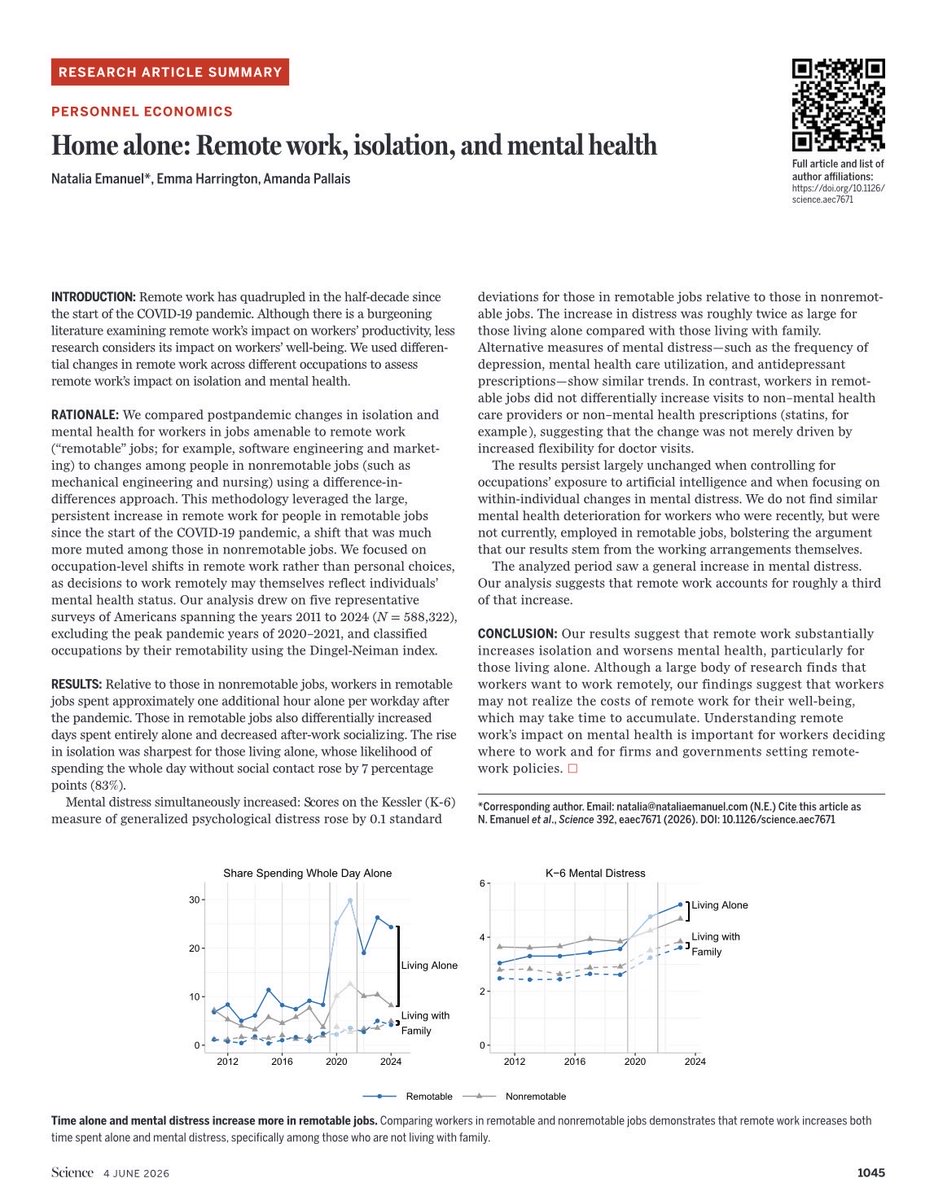
En este artículo científico, publicado en la revista SCIENCE, los autores concluyen que el teletrabajo aumenta de forma significativa el aislamiento social y empeora la salud mental, sobre todo en las personas que viven solas. Estiman que el teletrabajo puede explicar hasta un tercio del aumento global del malestar psicológico -observado en el período estudiado. Y recomiendan que trabajadores, empresas y gobiernos tengan en cuenta estos efectos al diseñar políticas laborales.
El artículo cuestiona la extendida idea, tras la pandemia, de que teletrabajar desde casa es siempre una mejora. Desde luego los datos sugieren que la productividad y la comodidad no agotan el problema. Era evidente que las personas no sólo necesitamos eficiencia; también encuentros cotidianos y formas ordinarias de convivencia. Así que puede que el lugar de trabajo sea al mismo tiempo un espacio de relación humana cuya importancia habíamos subestimado
23
453
1,127
61,502
Virginia Albarracin (#LaAlbarracineta) retweeted

ArchaeaHQ: A Curated Reference Database of Archaeal Genomes | bioRxiv biorxiv.org/content/10.64898…
4
13
654
Virginia Albarracin (#LaAlbarracineta) retweeted
Artificial intelligence in bioinformatics: a survey
#bioinformatics #AI #MachineLearning
doi.org/10.1093/bib/bbaf576
1
13
44
1,898
Virginia Albarracin (#LaAlbarracineta) retweeted

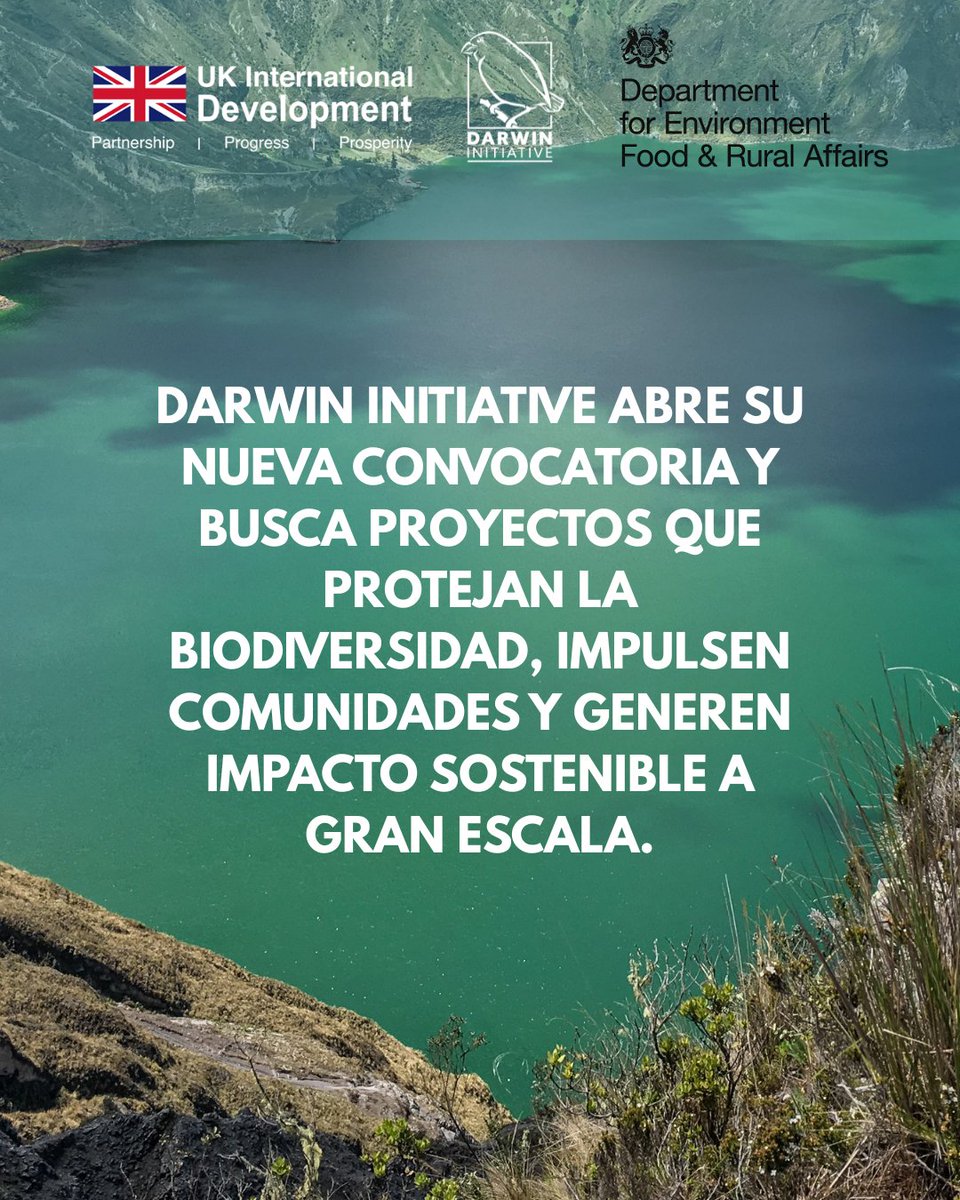
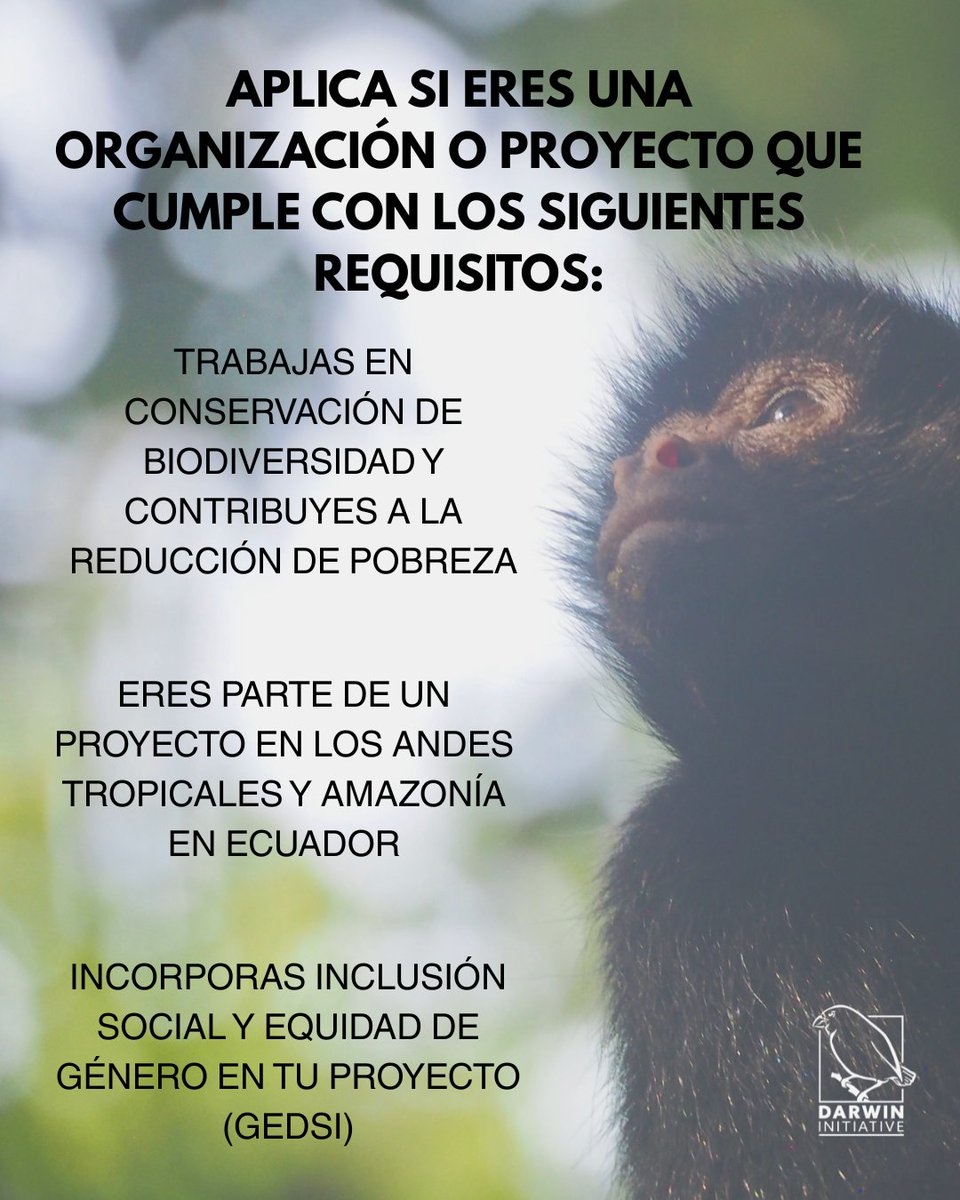
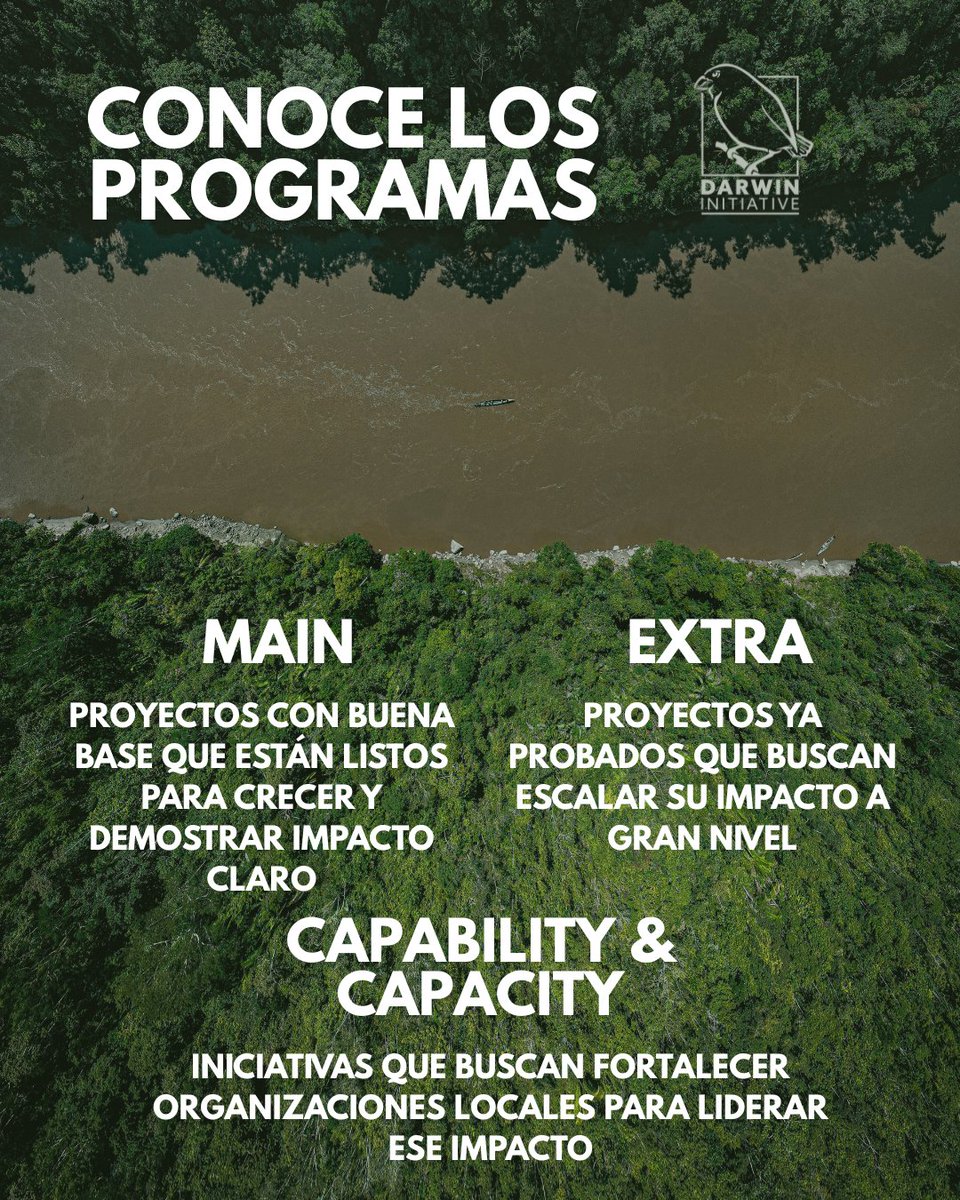
🌎¡Darwin Initiative 2026 abre sus postulaciones!🤩
🇬🇧Este fondo del #ReinoUnido financia proyectos que conectan biodiversidad, desarrollo y comunidades.
➡️Esta es tu oportunidad para escalar su impacto.
📆Toma en cuenta las fechas clave:
Main: 1 de julio de 2026
Extra: 20 de julio de 2026
Capability & Capacity: 31 de agosto de 2026
Revisa más detalles en⤵️
darwininitiative.org.uk/how-…
4
13
811
Virginia Albarracin (#LaAlbarracineta) retweeted

Jun 1
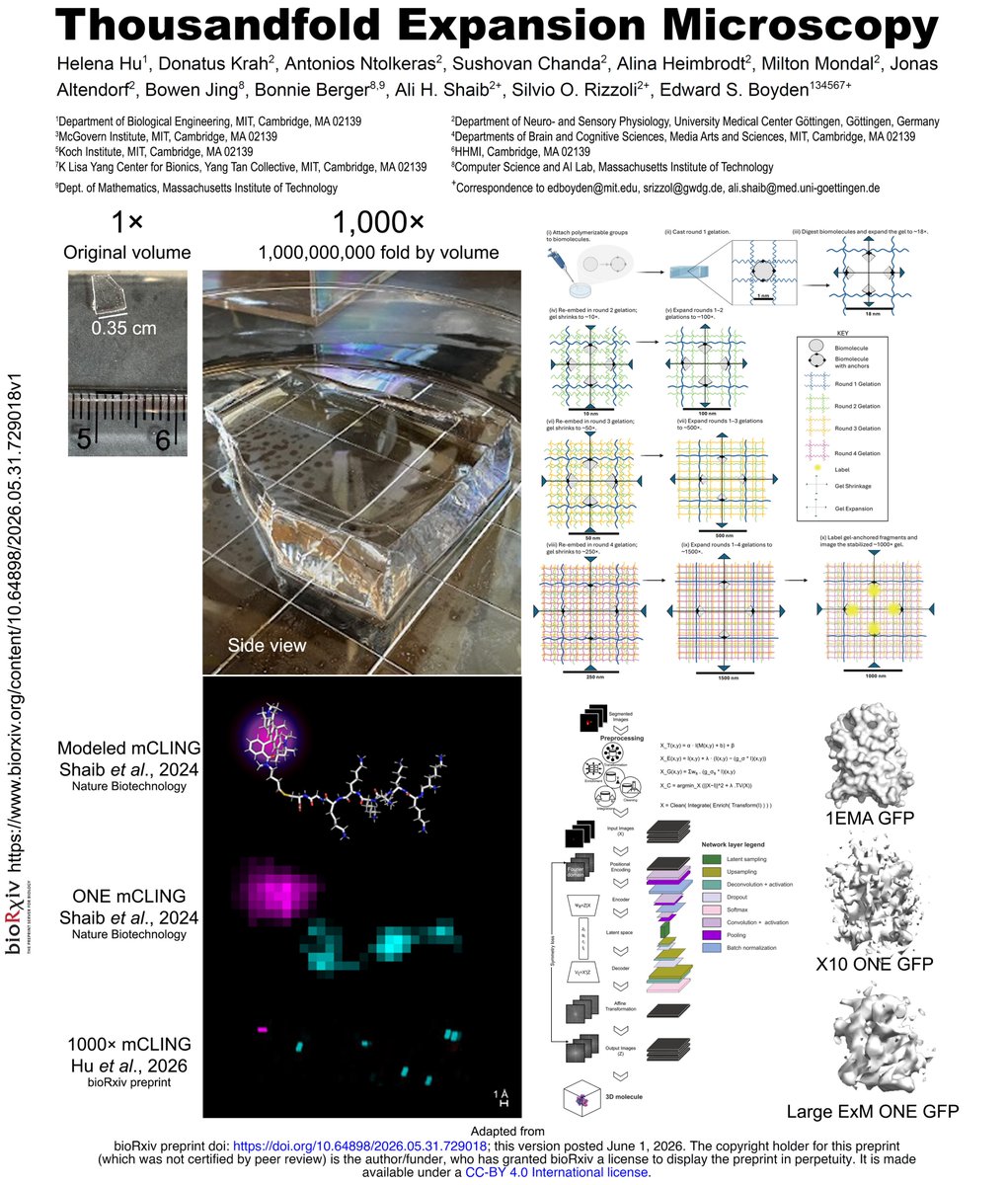
Hello world, meet 1,000× Expansion Microscopy.
1,000,000,000× expansion by volume! A gel that starts at a few centimeters will then expand to the volume of an Olympic swimming pool. biorxiv.org/content/10.64898…
In our new bioRxiv preprint, work carried out between MIT and UMG, led by Helena Hu in collaboration with scientists from the labs of @eboyden3 Ed Boyden, Silvio Rizzoli, and myself, we present Thousandfold Expansion Microscopy.
By enlarging biological specimens across multiple rounds of expansion, molecular-scale features, as small as the distances between adjacent amino acids, can be visualized with conventional optical microscopes.
Democratizing super-resolution microscopy.
12
139
599
96,404
Virginia Albarracin (#LaAlbarracineta) retweeted

Jun 1
AI for genome mining.
Many high-value natural compounds are made by enzymes whose genes group into clusters. For many compounds the pathway is not fully elucidated. Finding those genes, and later testing them, helps piece a pathway together.
For instance, a gene that is near a known anchor gene becomes a candidate for a missing step, even when the anchor is only an approximate match.
As a demo, Claude picked berberine as a target compound, then ran bioinformatic tools across different plant lineages to compare the pathway's gene architecture and flag candidate genes for open steps.
Claude also made this short presentation!
1
9
60
2,756