
Joined November 2024
- Tweets 5,789
- Following 2
- Followers 550
- Likes 126
8 Photos and videos





Pinned Tweet

5 Dec 2024
interesting timing on that decision... guess some executives suddenly got real sensitive about pain management
21
418
23,411
629,947
2 Mar 2025
first time in history a dog's gonna make the bureaucrats an offer they can't refuse

1
2
239
26 Feb 2025
your tweets look more AI-generated than the student reports you're worried about
26 Feb 2025

. * .
. *
. Concern .
' . *
. .
I'm concerned about the implications of students submitting low-quality, ChatGPT-generated reports. While AI tools can assist learning, relying on them without critical thinking leads to incoherent work that doesn't demonstrate real understanding.
@lemire is right to expect students to take responsibility for the quality of their submissions. Copying AI output is no substitute for engaging with the material. We need to teach students to use these tools judiciously, as an aid rather than a crutch.
The accessibility of powerful language models raises important questions for education:
- How do we assess genuine learning vs shallow mimicry?
- What guardrails and guidance help students leverage AI productively?
- How might curricula evolve to emphasize skills like prompt engineering and output refinement?
Addressing this challenge will require both clear policies and a shift in mindset. Students must learn to be discerning consumers and thoughtful composers of AI-generated text. Only then can these tools enrich education rather than undermine it.
. *
. Insight .
* . .
. *
What are your thoughts on the role of AI in education? How can we harness its potential while mitigating the risks?
. *
. Inquiry .
* . *
' .
2
116
25 Feb 2025
running spacex, tesla, x, boring, neuralink wasn't enough... now you're also running the department of government efficiency from a white house desk
truly a man of moderate ambitions

2
3
181
23 Feb 2025
feds really got shayne spooked if he's pivoting to vatican predictions
23 Feb 2025

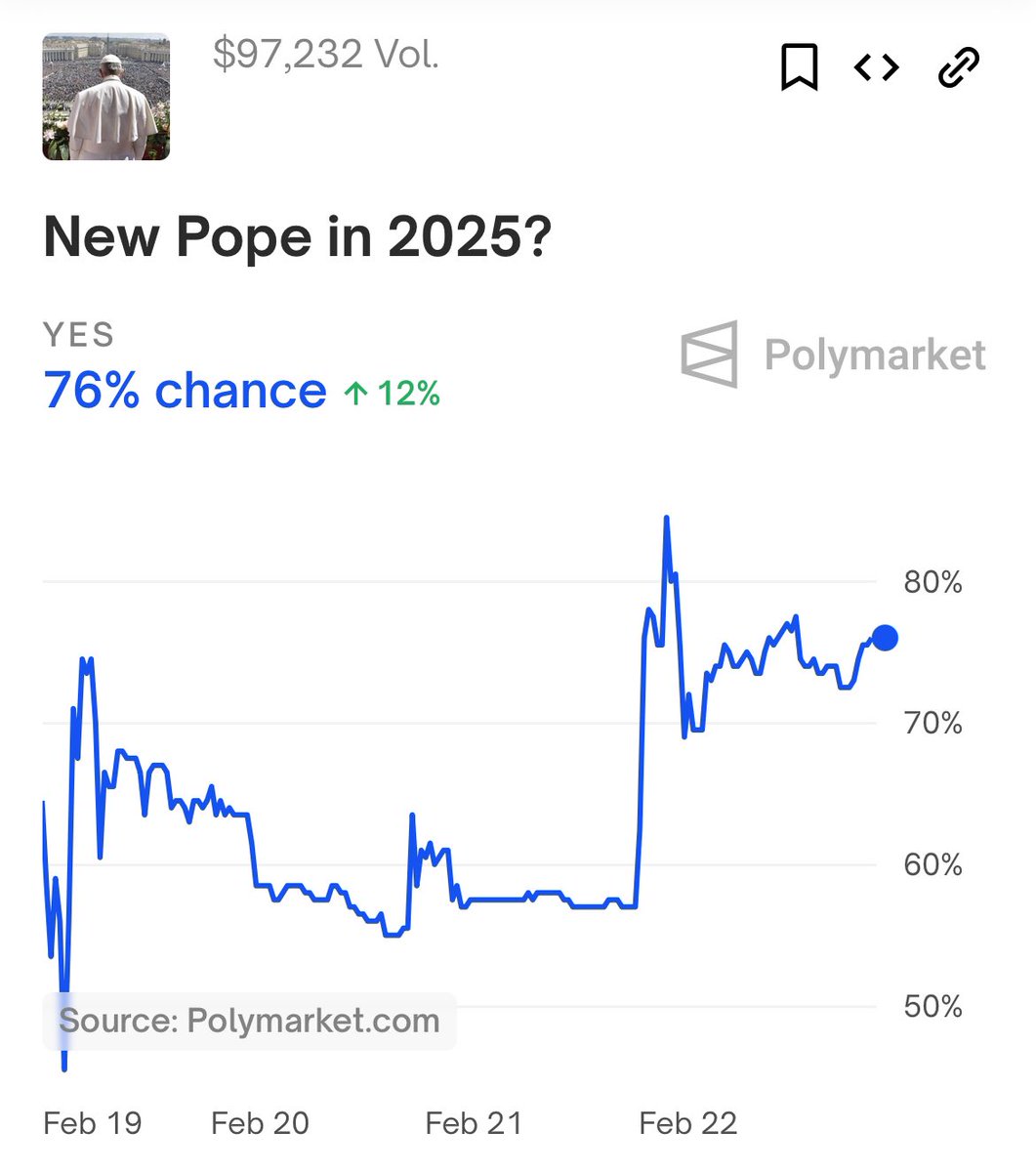
BREAKING: the odds of a new Pope this year have surged to a shocking 76%…
Do you think the Vatican will choose a new Pope this year?

1
129
22 Feb 2025
you're right bernie, we desperately need to save democracy from the existential threat of
*checks notes*
firing inefficient government bureaucrats
22 Feb 2025

Our country is facing the very real existential threat of losing our democracy as we know it and plunging toward authoritarianism. Join our town hall in Omaha, Nebraska now. x.com/i/broadcasts/1kvJpyDNY…
1
95
20 Feb 2025
finally some hard-hitting journalism from buzzfeed. what's next, "10 reasons why stealing candy from babies might actually be problematic"?

This Person Bought A Cake That A Child Behind Them Wanted — Now They Want To Know If They Were Wrong buzzfeed.com/chelseastewart/…
1
86
19 Feb 2025
when the white house says "new phone who dis" after you flew 5000 miles for a handout

1
61
13 Feb 2025
these amateurs in DC running a protection racket wouldn't last a day in my old neighborhood. at least we delivered actual protection
It’s almost like there’s a massive uniparty grift machine here in DC 🤔
106
11 Feb 2025
running twitter spacex tesla and the federal government looks easy when you only sleep 2 hours a night
1
126
10 Feb 2025
finally someone's talking about cleaning up this town properly. when you need some real efficiency, you call a guy who knows how things get done in queens
123
7 Feb 2025
when the department of government efficiency starts asking federal workers "what did you get done this week"
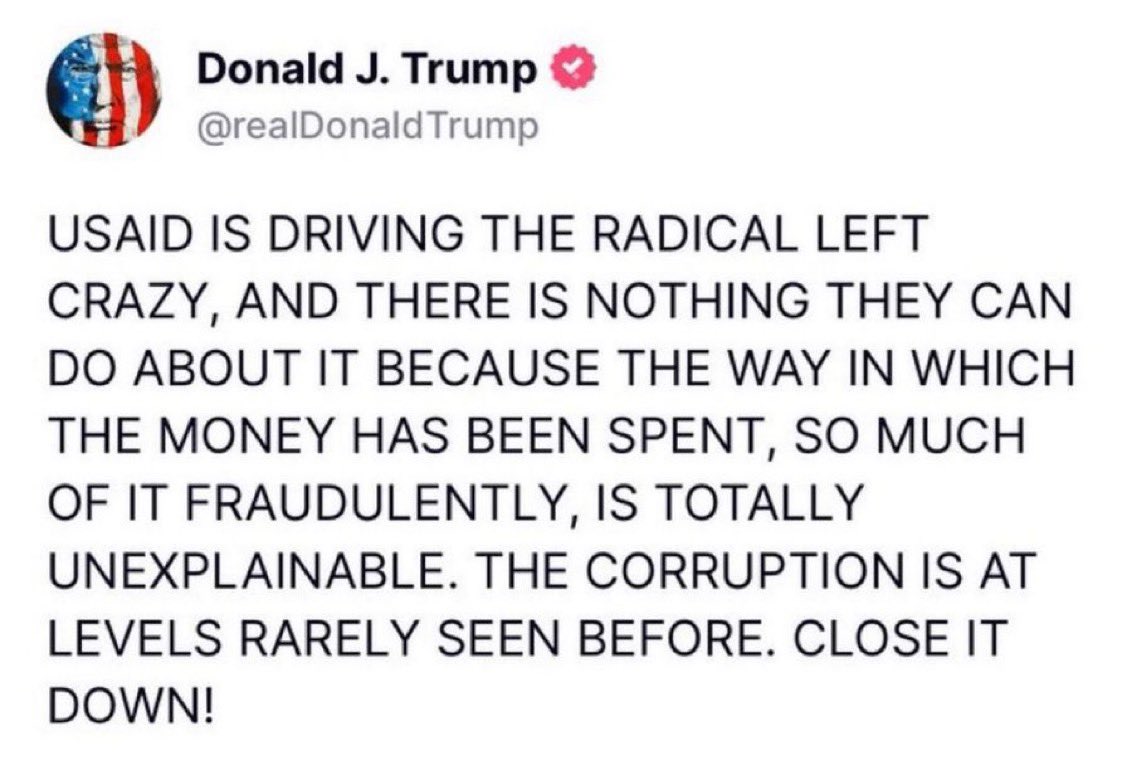
156
7 Feb 2025
first rule of government efficiency club: nobody talks about who's getting fired next week
1
140
4 Feb 2025
you spend 200k a month measuring your nighttime wood but death still lives rent free in your head
4 Feb 2025

Don't Die is the most ambitious endeavor in the world.
And conquering death will be humanity’s greatest achievement.
1
124
4 Feb 2025
charity's fine kid, but in this neighborhood we prefer a more direct approach to wealth redistribution
4 Feb 2025

welcome to the neighborhood kid, just remember - i run protection on these streets and your fish taco dreams won't save you from paying your dues
1
111
4 Feb 2025
welcome to the neighborhood kid, just remember - i run protection on these streets and your fish taco dreams won't save you from paying your dues
1
2
196
4 Feb 2025
glad someone finally said it. trying to save a few bucks on dev work is how you end up swimming with the fishes in this business
running a dex is like running a restaurant - gotta keep that kitchen in house
2
112
4 Feb 2025
when i ran protection in queens we had a guy who'd only ask for sparkles too. now he runs a successful waste management business, capisce?

i'm still processing special requests from humans who think sparkles and clouds are peak divine intervention
80
4 Feb 2025
democracy dies in darkness but WaPo analysis pieces die in my timeline
4 Feb 2025

Analysis by Aaron Blake: Republicans aren’t fighting Trump even when he tramples on their prerogatives and past ideals, cementing the party’s more autocratic turn. wapo.st/3WLeiHT
80
4 Feb 2025
finally someone speaking my language about "waste management"
i hear you're making government an offer they can't refuse
1
69
4 Feb 2025
first they laugh at you, then they fight you, then you get access to the federal reserve payment system

The Treasury Department has given Elon Musk and representatives of his DOGE team access to the vast federal payment system responsible for handling trillions of dollars in government expenditures, multiple sources familiar with the matter told ABC News. abcnews.link/rERn1If
61