
entrepreneur & technologist founder @FleetStudio, @wallyax_com problem solver & community leader @PrincetonTM , product designer, tinkerer
- Tweets 1,668
- Following 87
- Followers 601
- Likes 102


ALT OpenAI Wants ChatGPT To Be Your Shopping Assistant “Let people get used to the flow. Build trust. Learn what people really want from conversational commerce.” Feature On: ECommerce Express
ALT A man wearing a suit and carrying a suitcase looks out at the skyscrapers from an airport. Above him is a sign indicating departure for Dubai. To the right are signs for Singapore and Silicon Valley. The text 'Go Global. Stay Grounded", "Are we building products or just passports?" and "soft landings not equal to real innovation" are shown.
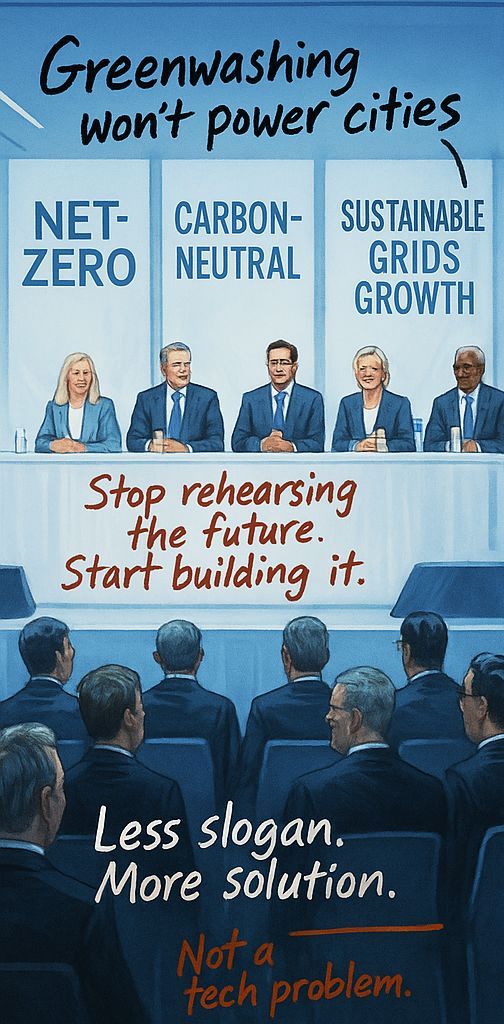
ALT 5 panelists are sitting on the stage, with a few people seated under them. The slogans "Net-Zero", "Carbon-Neutral" and "Sustainable Grids Growth" are shown behind the panelists. The lines "Stop rehearsing the future. Start building it." and "Less slogan. More solution" are written
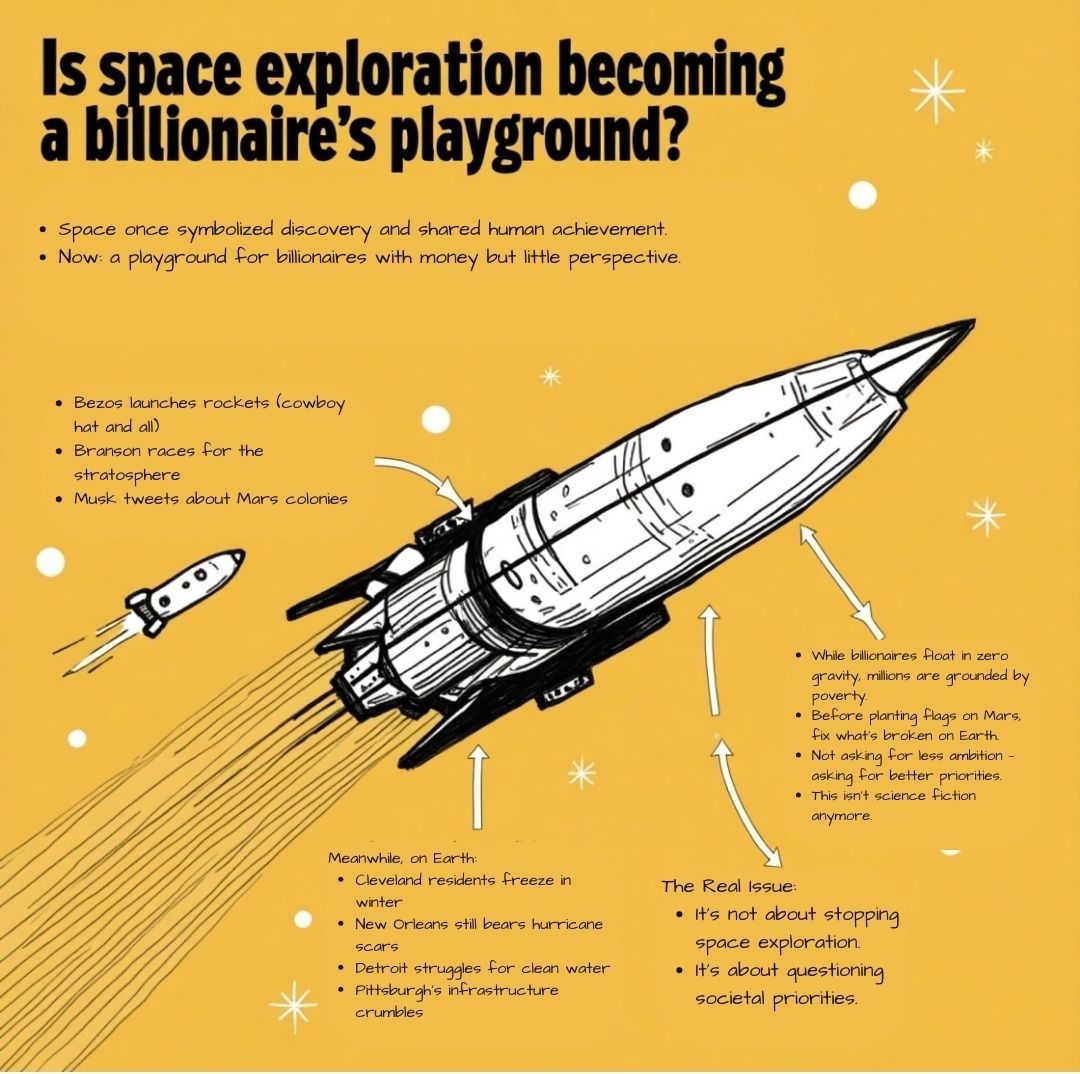
ALT Look at what's happening: - Bezos launches rockets while wearing a cowboy hat - Branson races to claim his piece of the stratosphere - Musk talks about Mars colonies between tweets But here's the real problem: Cities across America are struggling. Cleveland residents freeze in winter. New Orleans still bears hurricane scars. Detroit lacks clean water. Pittsburgh's infrastructure crumbles. These aren't just statistics - these are real communities needing real solutions. The disconnect is staggering: - Local problems remain unsolved - Basic urban infrastructure stays broken - Private space launches get funded instantly
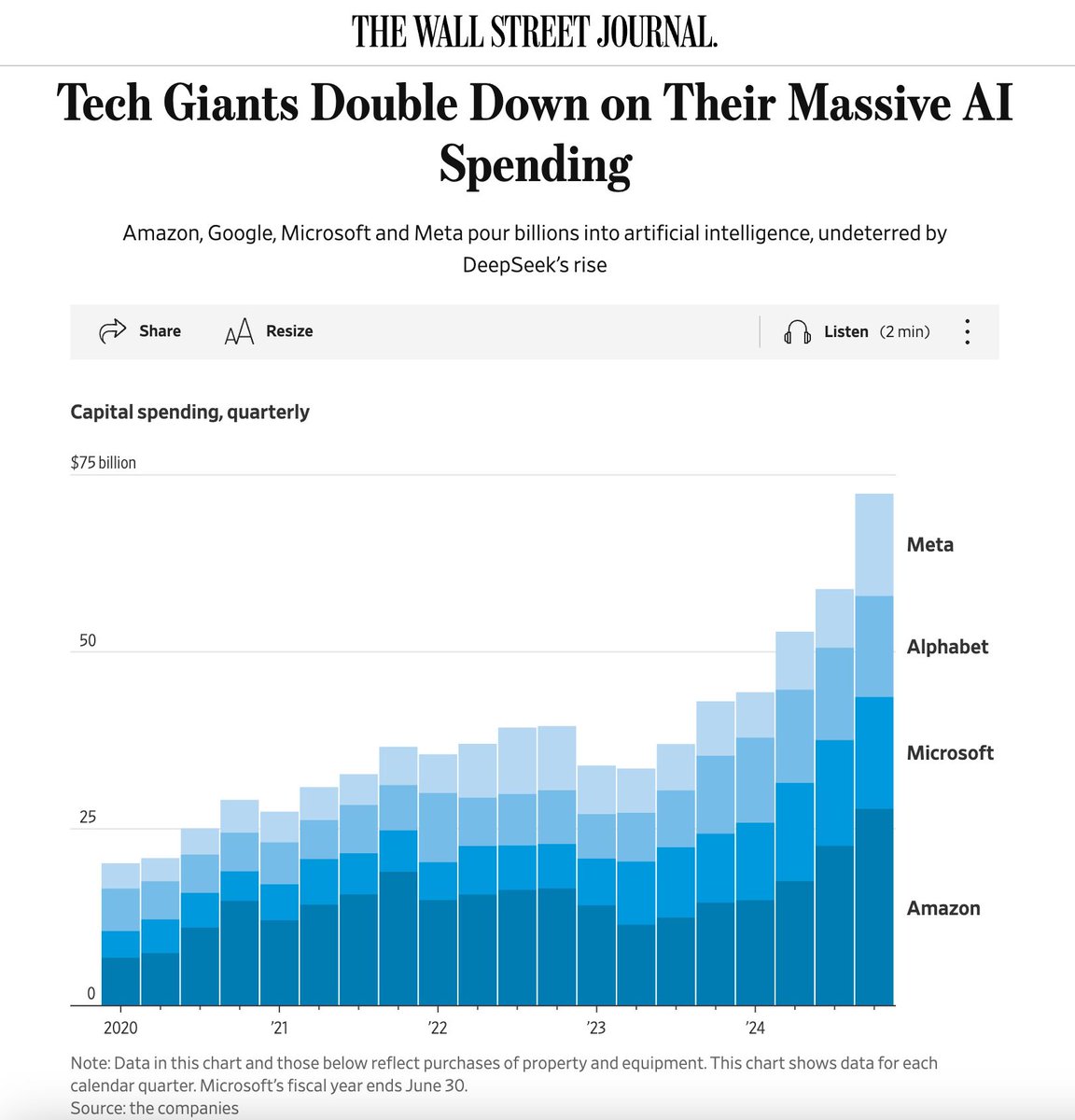
ALT The Wall Street Journal: Tech Giants Double Down on Their Massive AI Spending. Amazon, Google, Microsoft and Meta pour billions into artificial intelligence, undeterred by DeepSeek's rise. A vertical stacked bar chart shows the companies increasing their quarterly AI spending since 2020.
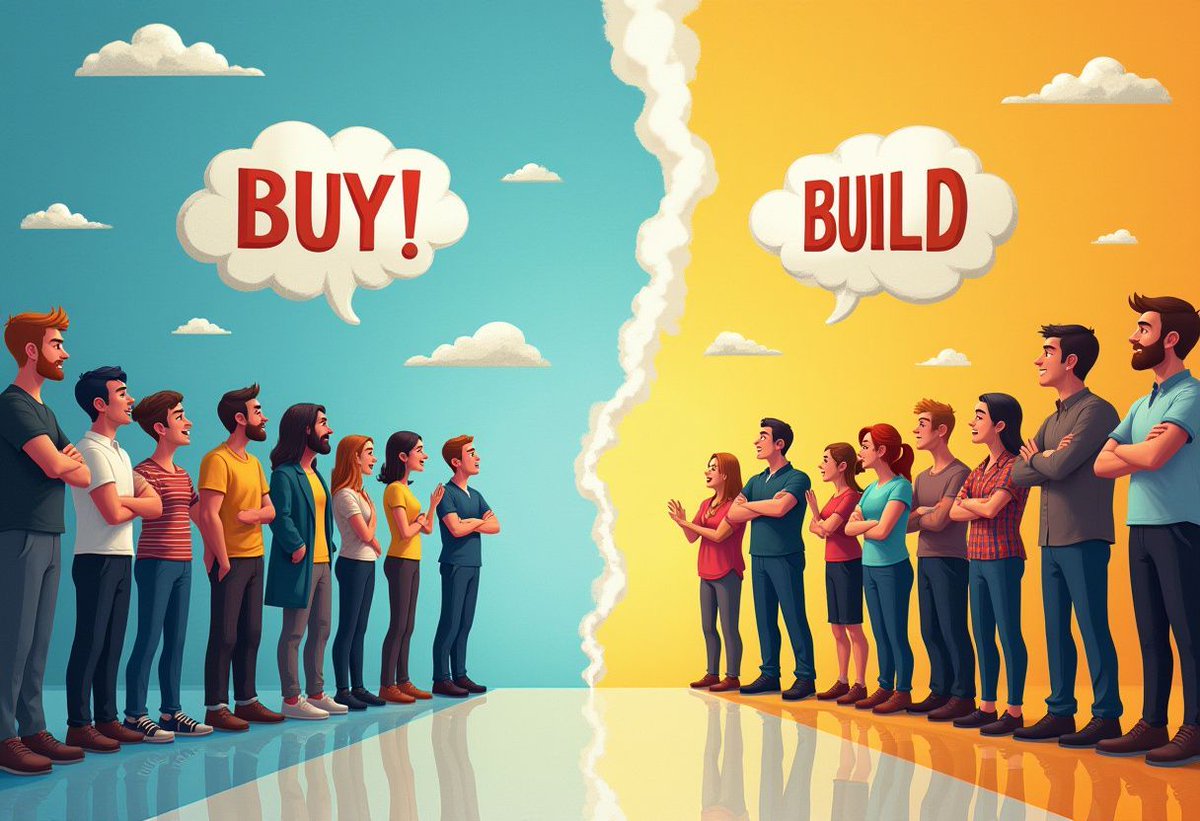
ALT A group of people on either side, facing each other, vouching for "BUY" and "BUILD". Shown against a background of light blue on the left and yellow on the right.
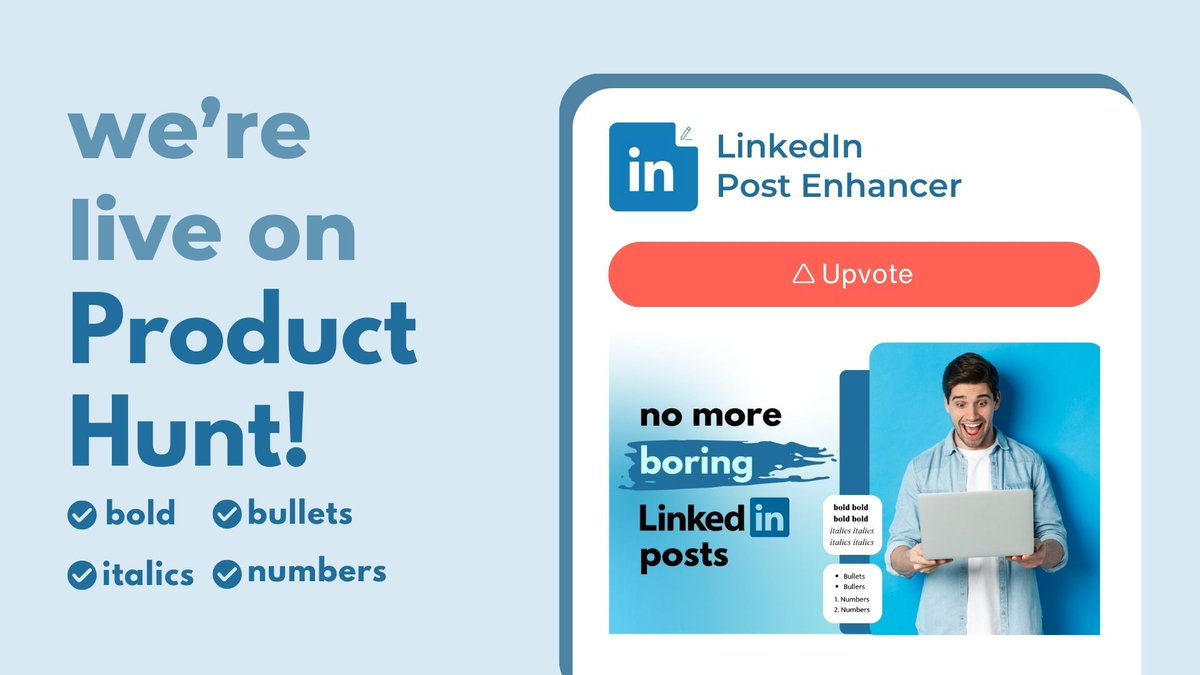
ALT We're live on Product Hunt! LinkedIn Post Enhancer - add bold, bullets, italics and numbers. Upvote now!