
CEO @nombahq | Exploring Payments, Banking and Crypto
Joined January 2010
- Tweets 4,637
- Following 1,249
- Followers 3,744
- Likes 2,701
85 Photos and videos


May 26
Looking for an associate to help manage a 100m Naira engineering scholarship fund for electrical and mechanical engineering students at Obafemi Awolowo University
Application must be a 300l engineering student in the school.
Apply at yinka@nomba.com
7
18
39
2,602

Yinka retweeted

May 14
I'm begging founders to please build for people OUTSIDE of your bubble.
Sending stables from one base wallet to another is free, sure. But what happens when I want to turn those stables into HARD CASH so I can use it?
Who pays for my fees then? Will Base reimburse those fees? Will Jesse personally reimburse those fees?
Get out of your SF/NY bubble and realize that people need fiat to live, stables are not default anywhere yet.

111
16
419
63,598

Opay Digital Services is working with Citigroup, Deutsche Bank, and JPMorgan as the Nigeria-focused payments platform prepares for an initial public offering, according to people with knowledge of the matter. bloomberg.com/news/articles/…
23
271
612
175,085

Yinka retweeted

Apr 29
If you've ever gotten a spam call from OPay, EaseMoni, OKash, MTN, or Airtel — this story is about you.
TechCabal investigated Nigeria's spam call problem. We surveyed 120 people, spoke to 20 OPay customers.
Key things we found:
➡️Blocking numbers doesn't stop it. They rotate to new ones.
➡️Deleting the app doesn't stop it either.
➡️Just browsing a loan app (without borrowing) can trigger the calls.
➡️The NDPC says using banking data for marketing is a crime. They're investigating.
Full story here: techcabal.com/2026/04/29/ins…
1
22
37
4,043

proof of reserves block.xyz/proof-of-reserves
161
241
2,361
152,927
Yinka retweeted

Apr 28
How do you pay influencers who have influenced for betting businesses to come and tweet about your bank and the NGX ? Lmao 😂. Whoever made that decision should be on PIP
27
226
630
40,643
Yinka retweeted
Apr 28
All UBA needed to do was:
- Show senior executives are buying more stock.
- Get proper NGX influencers to talk about why it’s a great buying opportunity.
But they went and started paying cut and join influencers! They have really underestimated the sophistication of market players! This isn’t Big Brother, o!
Massive goof!
23
156
571
69,413
Yinka retweeted

Apr 23
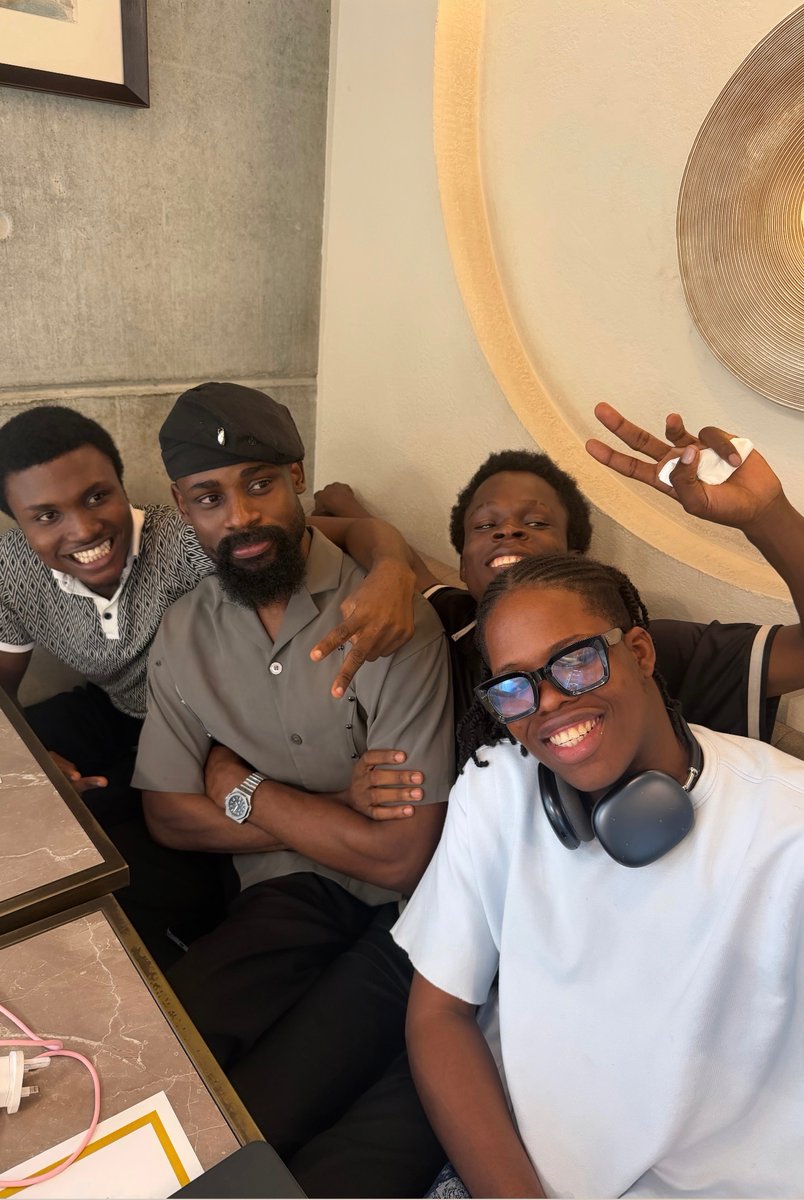
Yes. Fawaz now works with a prestigious fashion brand, Ayomide is completing his degree at Miva university, Jamiu won the United Nations games in New York and will be returning this summer for an internship with @icnnyc
This is my life’s work and promise to every child I meet.
Apr 23

They are all the validation you need
384
2,554
13,346
805,895
Apr 21
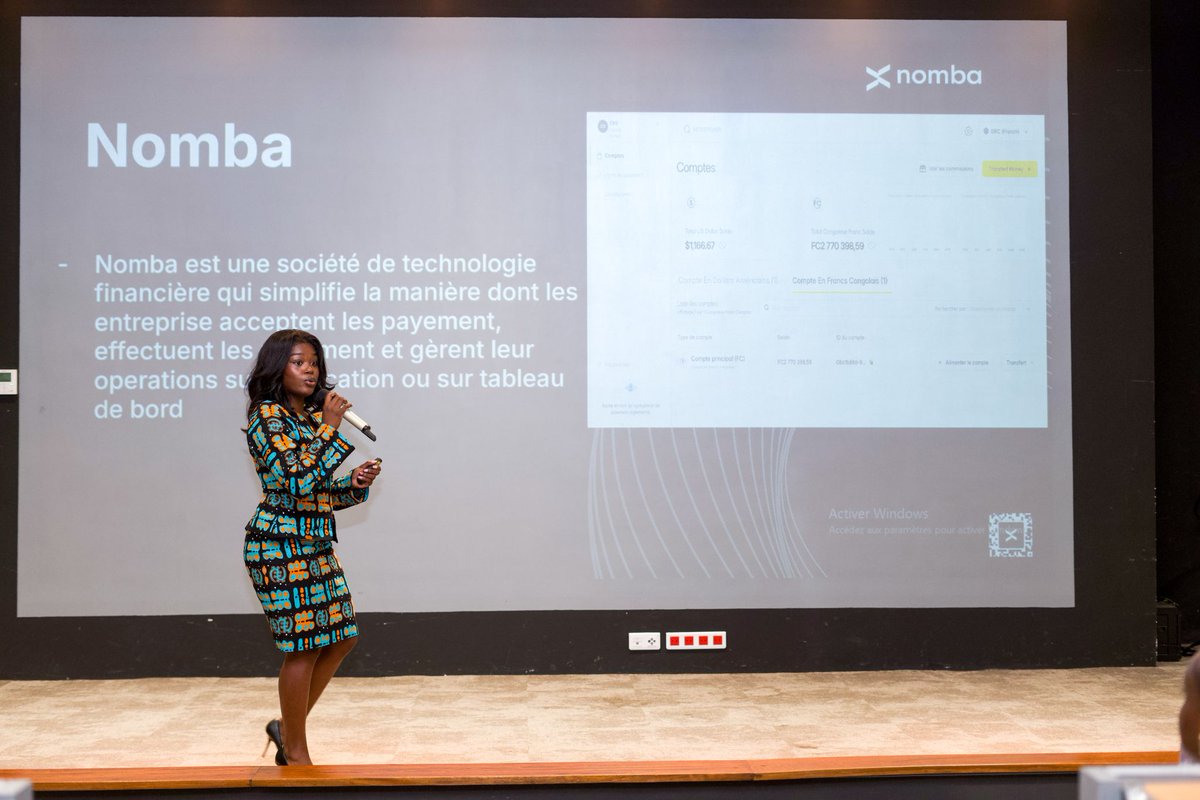
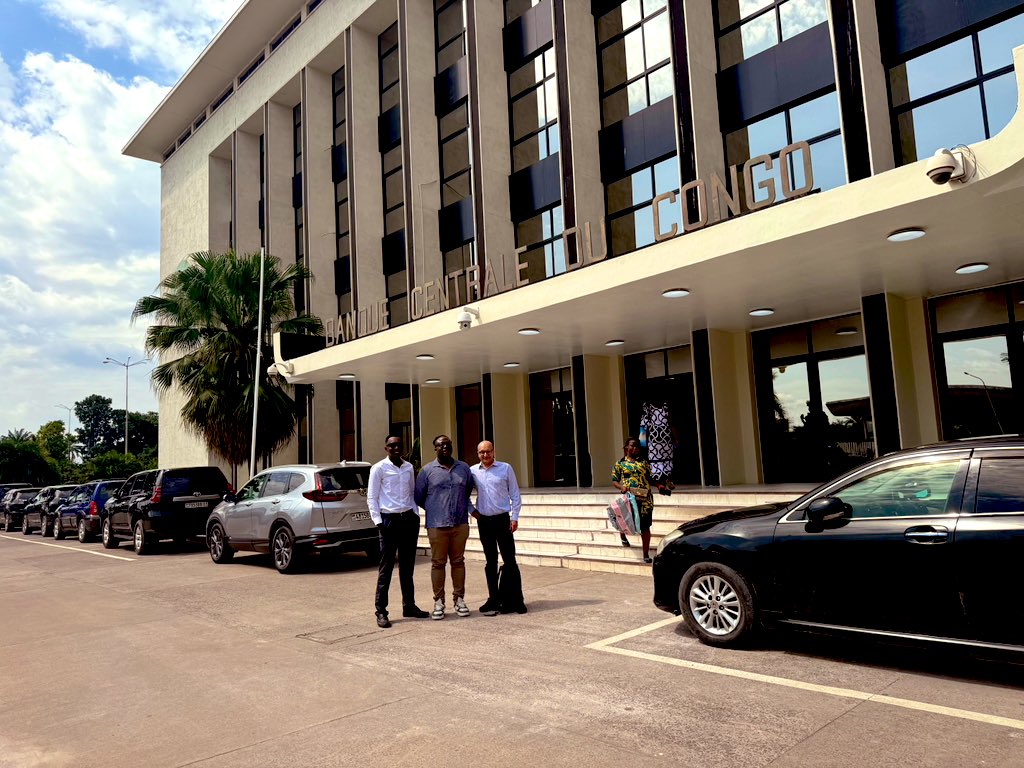
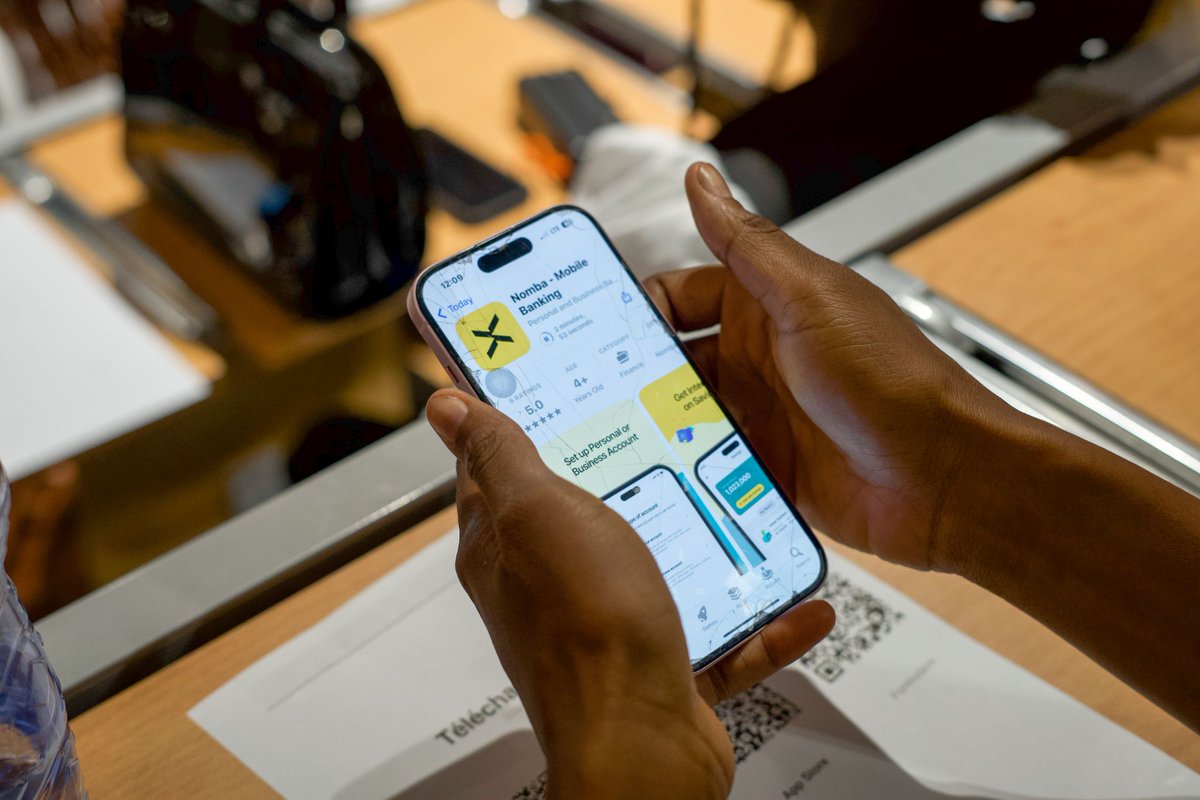
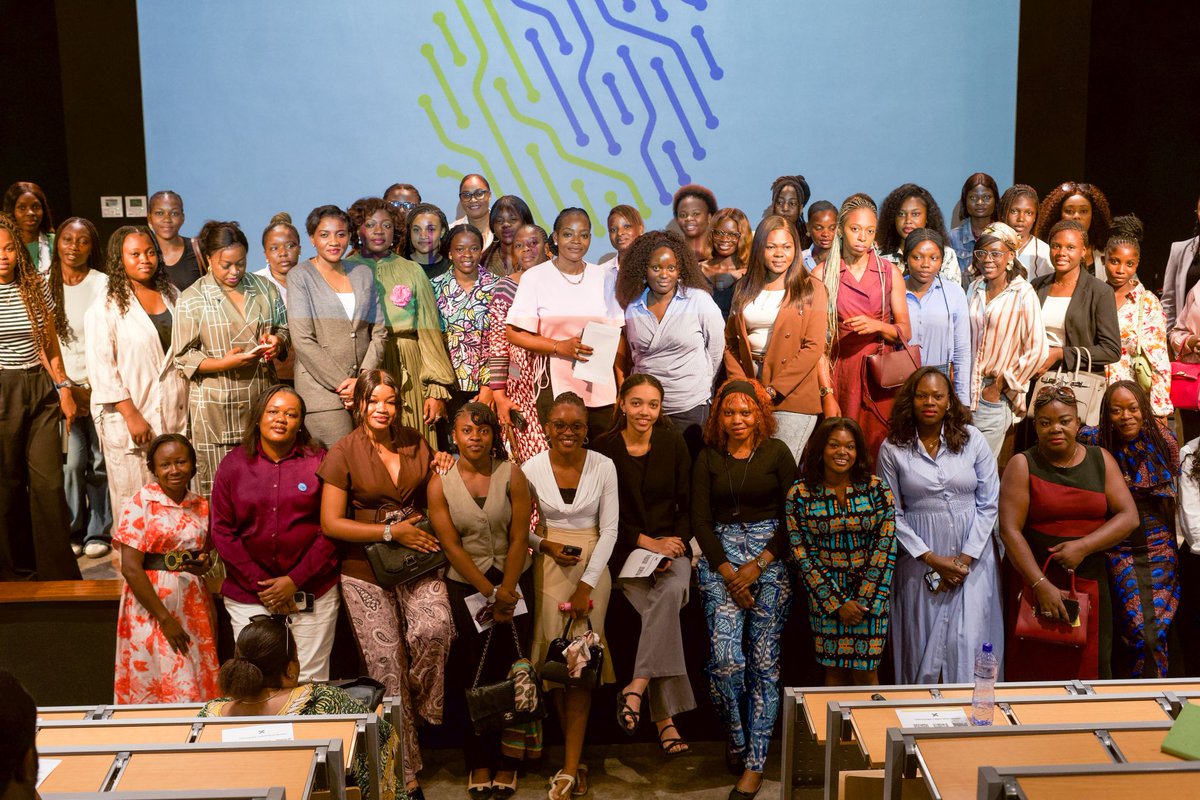
Nous avons accueilli des femmes entrepreneures en RDC et leur avons montré comment gérer leur entreprise en toute autonomie.
1
4
199
Yinka retweeted
Apr 19
First Nigerian to play chess at the Louvre 🇫🇷-The world’s most prestigious museum.
4,745
7,775
42,041
38,319,457
Yinka retweeted

Apr 10
The most important financial infrastructure of the next decade may look less like a bank branch and more like a developer platform.
168
146
1,679
267,912
Yinka retweeted

Apr 10
HSBC and Standard Chartered Bank got the HK stablecoin license approval from HK Monetary Authority.
Slowly but surely.
593
565
4,383
386,760
Apr 9
one thing to learn as a fintech founder is finance. aggressively invest in your finance knowledge across accounting, unit economics, FP&A, treasury etc, else you will blow up the company ignorantly. E get why it starts with Fin
3
5
291
“Owing is not a crime…”
It’s not your fault na. Shebi you dey go ATM to withdraw and you dey hear the “wuuurrrrrr” sound that your money is coming out.
If to say na your deposits hang ni, you no go yarn that phrase.

This is Obi Jackson's Nestoil headquarters in Victoria Island Lagos.
It had been sealed since October 2025.
It was sealed at first with signages and tapes, some time early this year I started seeing Police vehicles in front of the place.
I want to ask how wise it is to shutdown a blue chip company because of debt ?
When we can just put a system in place that ensures activities are on and payment is made through a financial medium the company cannot hinder ?
Nigeria is not ready to build, all they do is destroy. Owing is not a crime, lack of institutions that can recover debt without shutting down businesses is the crime against our Labour Market.
21
166
493
94,069
Yinka retweeted

Apr 7
Thank you for the feature, Techpoint! You all need to read this article. Well written!

After Xara went viral, this Nigerian founder caught the attention of Elon Musk’s xAI. Built as a WhatsApp banking assistant, the startup now has 45,000 users and ₦8 billion in transactions.
techpoint.africa/feature/nig…
10
12
93
7,307
Yinka retweeted

Apr 7
SF is a magical place, been looking to connect with someone for almost 2 years, I just randomly ran into him in a coffee shop.
9
6
157
14,674
Yinka retweeted

Apr 5
Thank you for asking this. I think most people might have the same in various shapes and forms and it’s a good question:
1) that merchant selling ice cream in Rwanda most likely spends RWF to make the ice cream and sell it… so it’s to be expected it wants to be paid in RWF to make more ice cream. This is not someone who’s trying to speculate or hedge… it’s commerce, I spend in RWF, I get revenue in RWF. No FX risk needs to be managed. And what happens where there no USD available in the market? No impact.
2) when buying USDT, you are literally replacing RWF in your holdings with a USD-denominated asset. Pure substitution of a sovereign currency (at a very micro level). And from there if you want to use that USD-denominated asset locally for payments, you are displacing the demand of RWF that I mentioned above in #1 with another country’s currency-denominated asset. If the latter also happens, what happens when there is USD shortage in the market and all merchants expect to be paid in USD? Black market rates and destabilization of the a country’s local currency.
I know many will say “USD is king” or “Bitcoin!”, that’s fine, but please understand why central banks will always aim to protect its sovereign currency. And move accordingly.
PS: Dollarization is not the answer to inflation and trade issues. It’s a terrible bandaid at best.
Apr 5

Lol what’s difference between buying Ice cream and buying USDT using RWF on P2P on any platform ? How does that invalidate the sovereignty of the RWF?
6
1
11
2,814