
Empowering South Africa through knowledge. 🇿🇦 Sharing daily insights, educational resources, and lifelong learning for curious minds. 📚✨ #WeLearnSA
Joined August 2023
- Tweets 6,669
- Following 3,326
- Followers 3,352
- Likes 1,995
1,433 Photos and videos








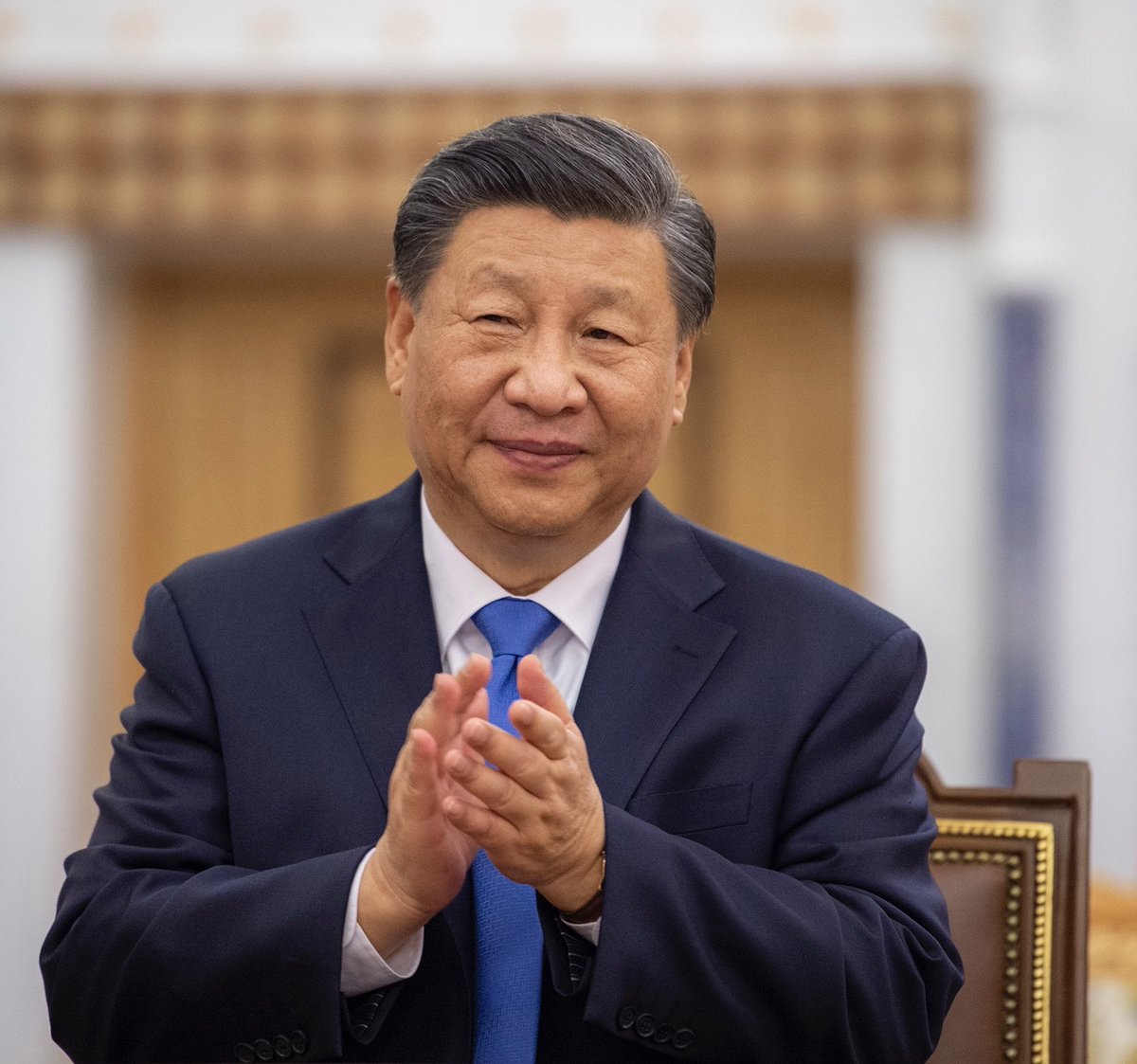
While everyone else is busy policing AI and crying "cheating" on outdated exams, China 🇨🇳 is already 10 steps ahead. The rest of the world will just be reacting.

UNUSUAL
China is scrapping 12,000 traditional university majors and introducing more than 10,000 new ones, in the biggest educational reform affecting more than 30% of academic programs, in preparation for the age of artificial intelligence.
1
5
55
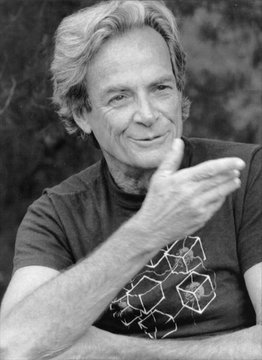
The Supercomputer Designed After a T-Shirt.
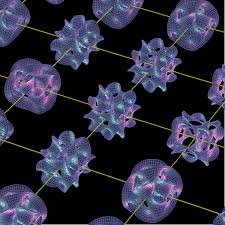
Look closely at the shirt Feynman is wearing in the left panel of image.png. It isn't just a generic geometric pattern; it is the official logo for the Connection Machine CM-1, an early 1980s parallel supercomputer built by Thinking Machines Corporation.
Feynman actually worked at the startup during his summers, originally hired to help with the physical routing of data. The geometric boxes on his shirt represent a 12-dimensional "cube of cubes" hardware network topology, a structure Feynman himself suggested to connect the processor chips.
Designer Tamiko Thiel created this logo in 1983 before the actual machine components were completely finalized. The team ended up designing the physical, monolithic chassis of the CM-1 supercomputer to match the aesthetic of the T-shirt logo, making it arguably the only supercomputer in history designed to match its own merchandise.
Years later in the 1990s, Apple utilized this exact archival photograph of Feynman in his CM-1 shirt for their iconic, game changing "Think Different" advertising campaign.

Richard Feynman on String Theory:
'I have noticed when I was younger that a lot of old men in the field couldn’t understand new ideas very well...
I’m an old man now, and these are new ideas, and they look crazy to me, and they look like they’re on the wrong track.'
(From an interview published in a collection edited by Paul Davies, 1988)
30
welearnSA retweeted

Thank you Team LH, love you all
3,976
15,485
137,569
1,151,760
welearnSA retweeted

We need to remember that the ANC was just one part of the struggle. There were many other groups working to free SA as well. Its a shame that the ability to unite has been lost.
1
2
3
27
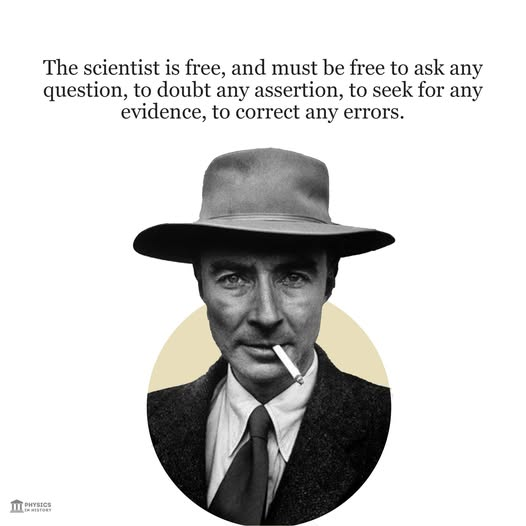
The powerful text about absolute academic freedom wasn’t just a philosophical musing; it was a targeted defense. This profile was written by Lincoln Barnett for Life magazine and published on October 10, 1949.
Just one month prior, in September 1949, the Soviet Union had successfully detonated its first atomic bomb, shocking the American public and triggering intense political paranoia.
Oppenheimer knew that scientists were about to be heavily scrutinized, restricted, and pressured by the government.
This quote was his preemptive plea to keep political dogma out of the scientific community, a battle he would unfortunately lose when his security clearance was stripped five years later.

Robert Oppenheimer on the freedom of a scientist ✍️
There must be no barriers to freedom of inquiry … There is no place for dogma in science. The scientist is free, and must be free to ask any question, to doubt any assertion, to seek for any evidence, to correct any errors. Our political life is also predicated on openness. We know that the only way to avoid error is to detect it and that the only way to detect it is to be free to inquire. And we know that as long as men are free to ask what they must, free to say what they think, free to think what they will, freedom can never be lost, and science can never regress.
-- as mentioned in "J. Robert Oppenheimer" by L. Barnett
47
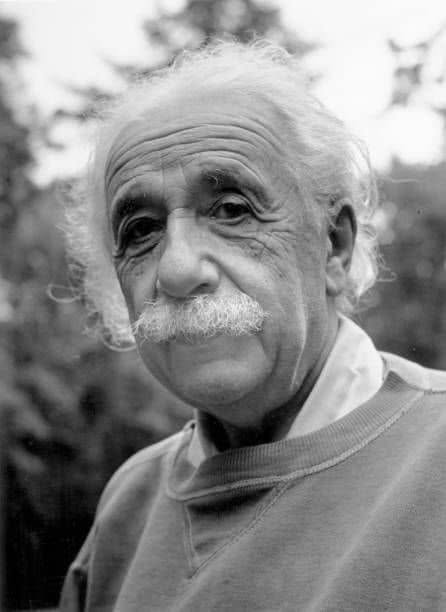
The quote in this image wasn't from a carefully planned essay; it was an urgent, real-time response. In April 1929, Cardinal William Henry O'Connell of Boston publicly attacked Einstein’s theory of relativity, claiming it "cloaked the ghastly apparition of atheism."
Alarmed by this, a prominent New York Rabbi, Herbert S. Goldstein, sent Einstein a blunt, five-word telegram: "Do you believe in God? Stop. Answer paid 50 words." Einstein wired back his famous response in German using only 25 words, saving the Rabbi some money.
I believe in Spinoza's God, Who reveals Himself in the lawful harmony of the world, not in a God Who concerns Himself with the fate and the doings of mankind.
-- Albert Einstein (1879-1955), as mentioned in Geometrie and Erfahrung (1921)
62
welearnSA retweeted
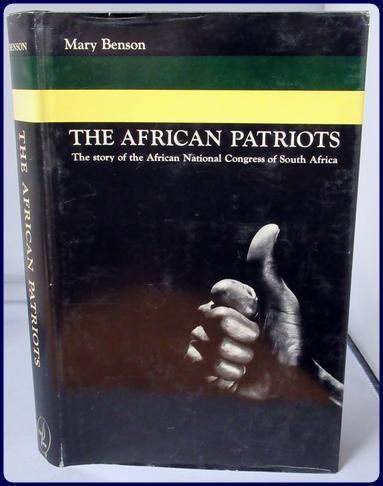
The African Patriots (published in 1963) was the very first comprehensive history ever written about the African National Congress (ANC). To gather material for the book in the early 1960s, Benson had to conduct highly dangerous, clandestine interviews. While Nelson Mandela was operating underground as the elusive "Black Pimpernel," she managed to secure secret interviews with him, as well as other leaders like Walter Sisulu and Uncle J.B. Marks, capturing primary historical data that would have otherwise been lost to time.

Book: The African Patriots - The Story of the African National Congress of South Africa by Mary Benson
1
3
11
301
welearnSA retweeted

14h
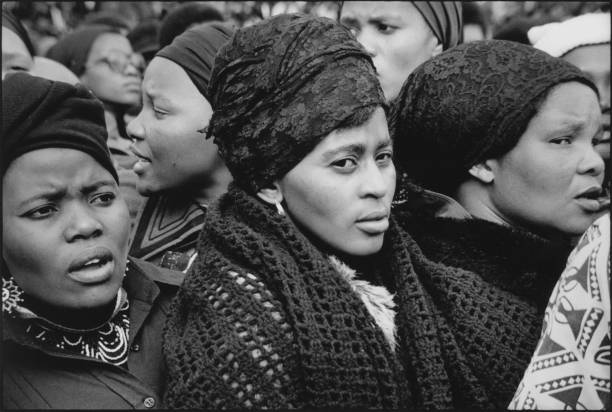
The funeral took place on September 25, 1977, in King William's Town (Victoria Stadium). It attracted over 20,000 to 30,000 mourners. What makes this an incredible feat of logistics is that the apartheid government blocked thousands more from attending. Security forces set up roadblocks across the country, stopped buses carrying mourners, and turned away trainloads of people from Johannesburg, Durban, and Cape Town to prevent the funeral from turning into a massive political rally.
1
32
62
4,083
welearnSA retweeted

Fulbright scholar doing an MPA.
MA in Political Science
BA Hons in International Studies (cum laude)
BA Social Dynamics
This isn’t even my final form. That red gown is coming🙂↕️🙂↕️

Jun 12

Hi women, can you post pictures or talk about your academic achievements? I need some motivation this month.
If you see this tweet, share it so women can see it.
2
43
267
2,288
welearnSA retweeted

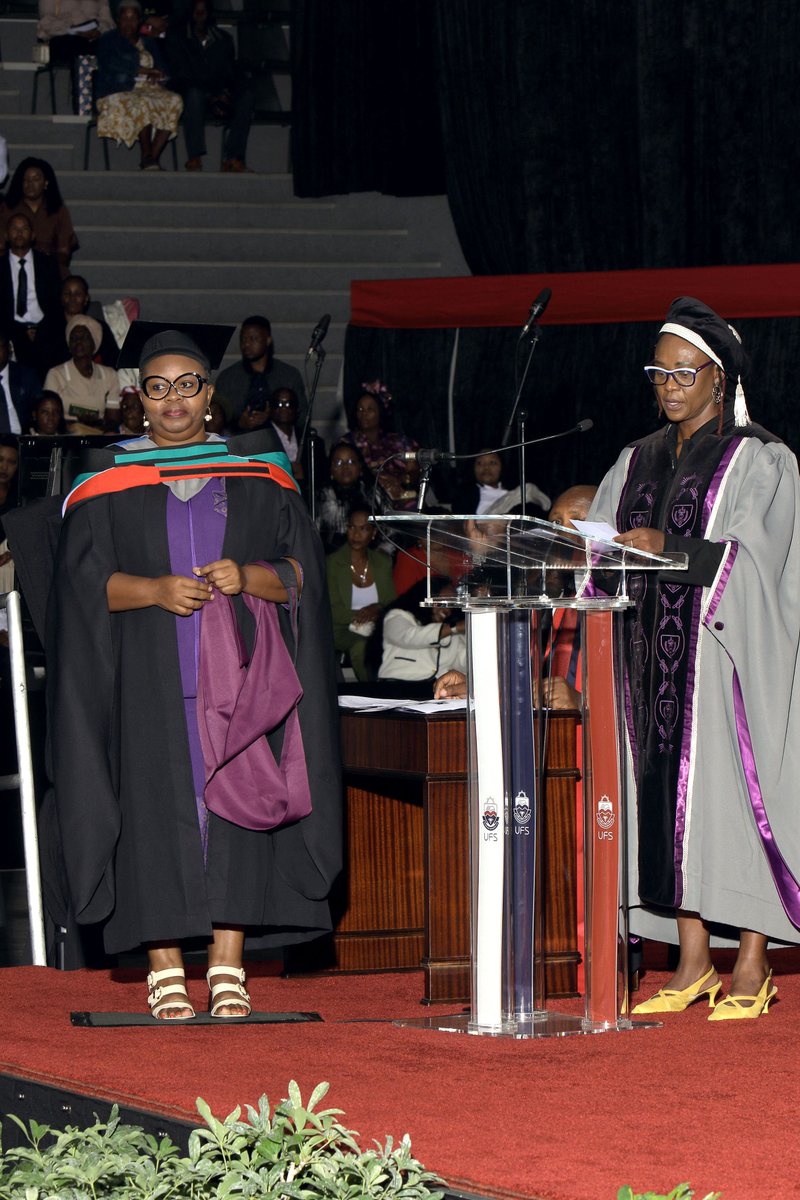
- Bachelor of Education
- Master of Education (Psychology)
- Post Graduate Diploma in Public Health
- Master of Philosophy (Human_Rights)
- Master of Public Health
- PhD (Educational Psychology
Jun 12
Hi women, can you post pictures or talk about your academic achievements? I need some motivation this month.
If you see this tweet, share it so women can see it.
45
382
2,408
30,508
welearnSA retweeted

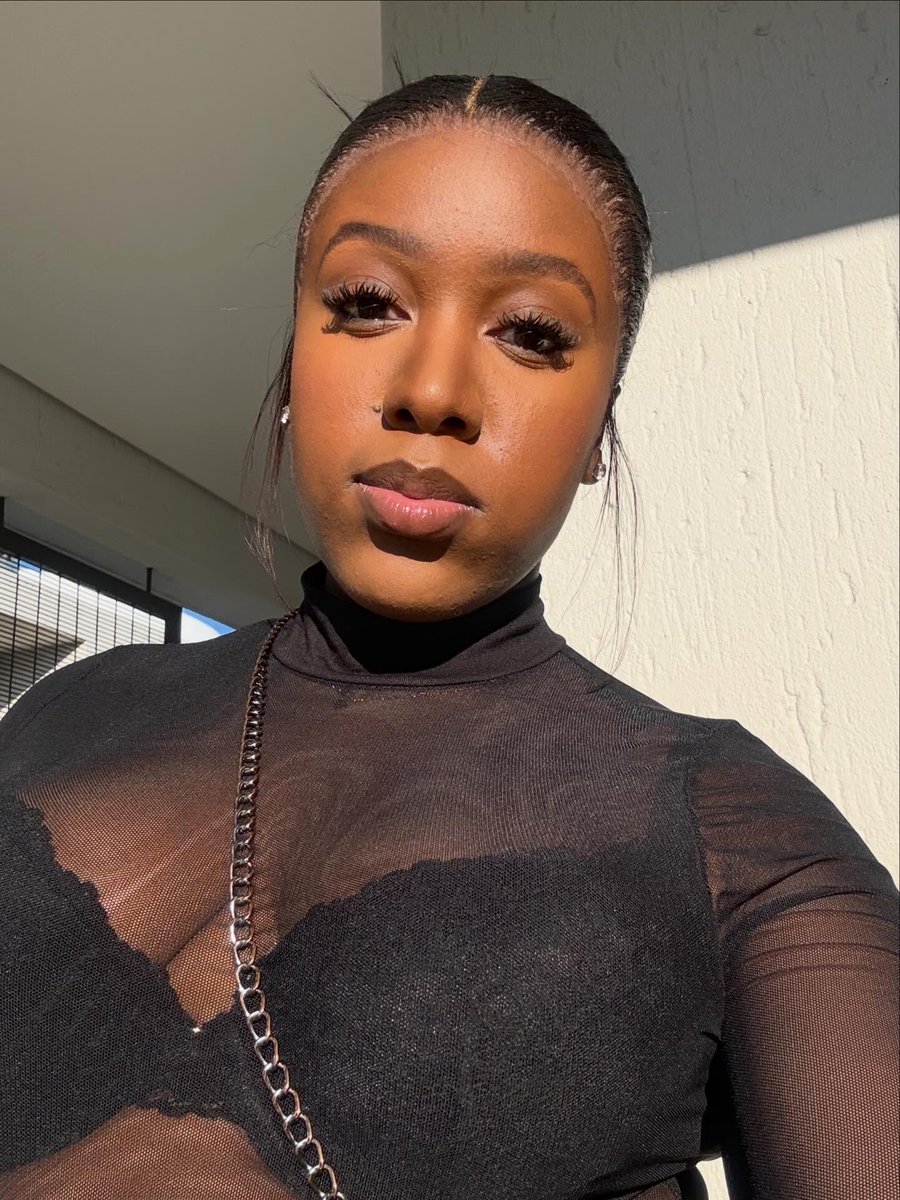
BSc Actuarial and financial mathematics (cum laude).
BSc Honours in Actuarial Science.
Qualified Actuary (Fellow of the Actuarial Society of South Africa).
🌸
Jun 12
Hi women, can you post pictures or talk about your academic achievements? I need some motivation this month.
If you see this tweet, share it so women can see it.
194
897
8,145
195,072
There is absolutely no way Iran signs that deal on Donald Trump's birthday.

JUST IN: 🇮🇷🇺🇸 Iran confirms it will not sign deal with the US today.
74
welearnSA retweeted
14h
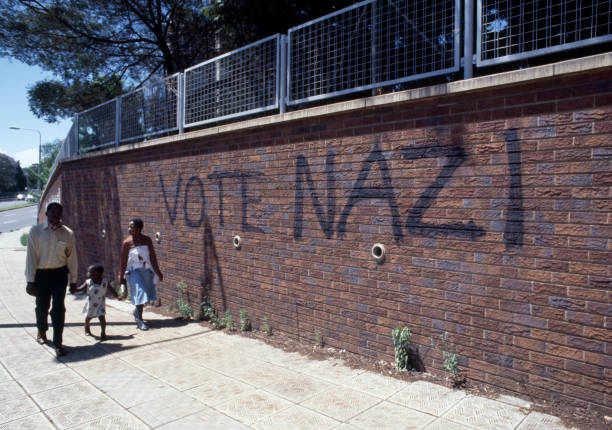
The graffiti is almost certainly a remnant or a continuation of the intense political climate surrounding the November 1977 South African General Election.
During this period, the ruling National Party was actually being challenged from its far-right flank by extremist groups like the Herstigte Nasionale Party (HNP).
Far-right white supremacists viewed the mainstream Apartheid government as becoming "too soft" or capitulating to international pressure.
Graffiti like "Vote Nazi" was used by radical, fringe white extra-parliamentary movements to shock the public, demand total racial segregation, and signal open admiration for Adolf Hitler's ideology.
Nazi graffiti in Port Elizabeth, South Africa, circa 1978. Credit: Peter Jordan/Popperfoto
16
44
3,064
Poetic
Jun 13

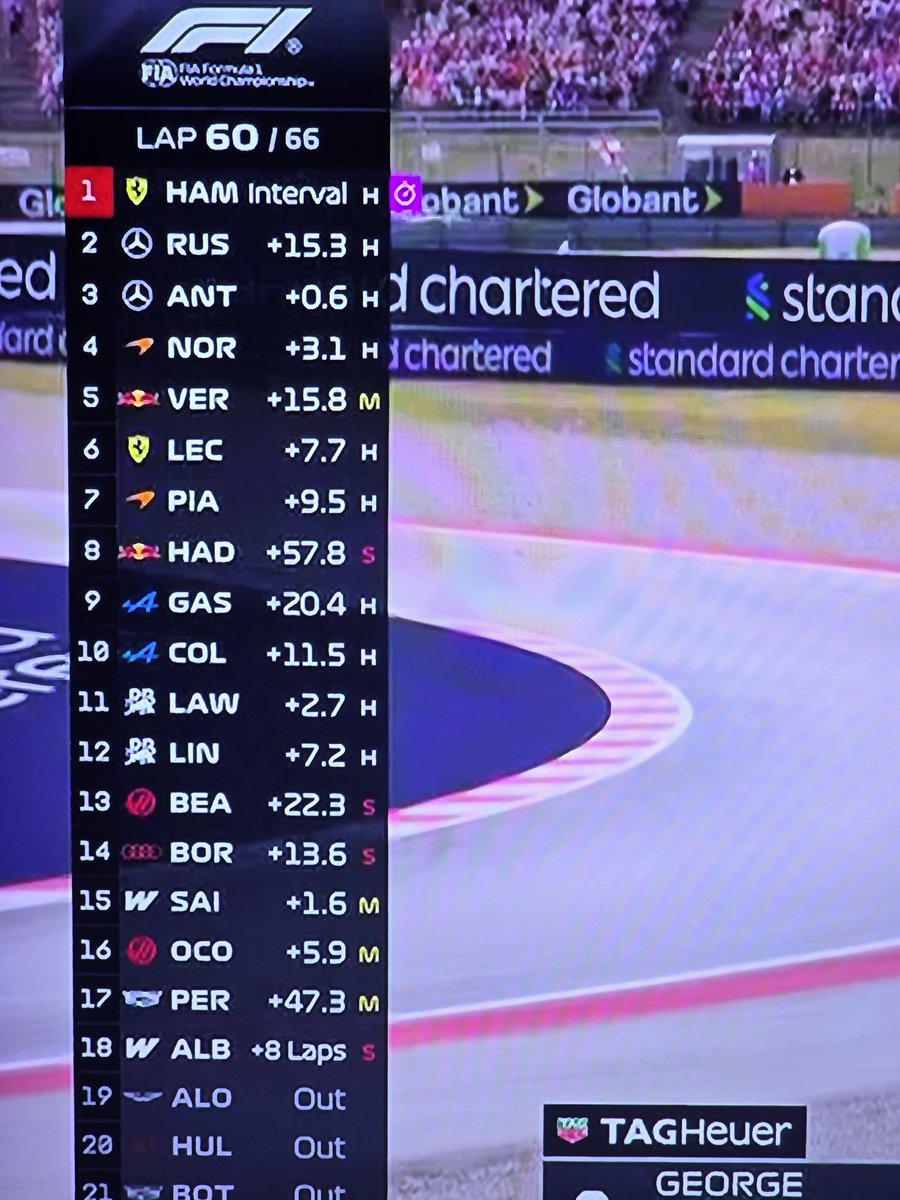
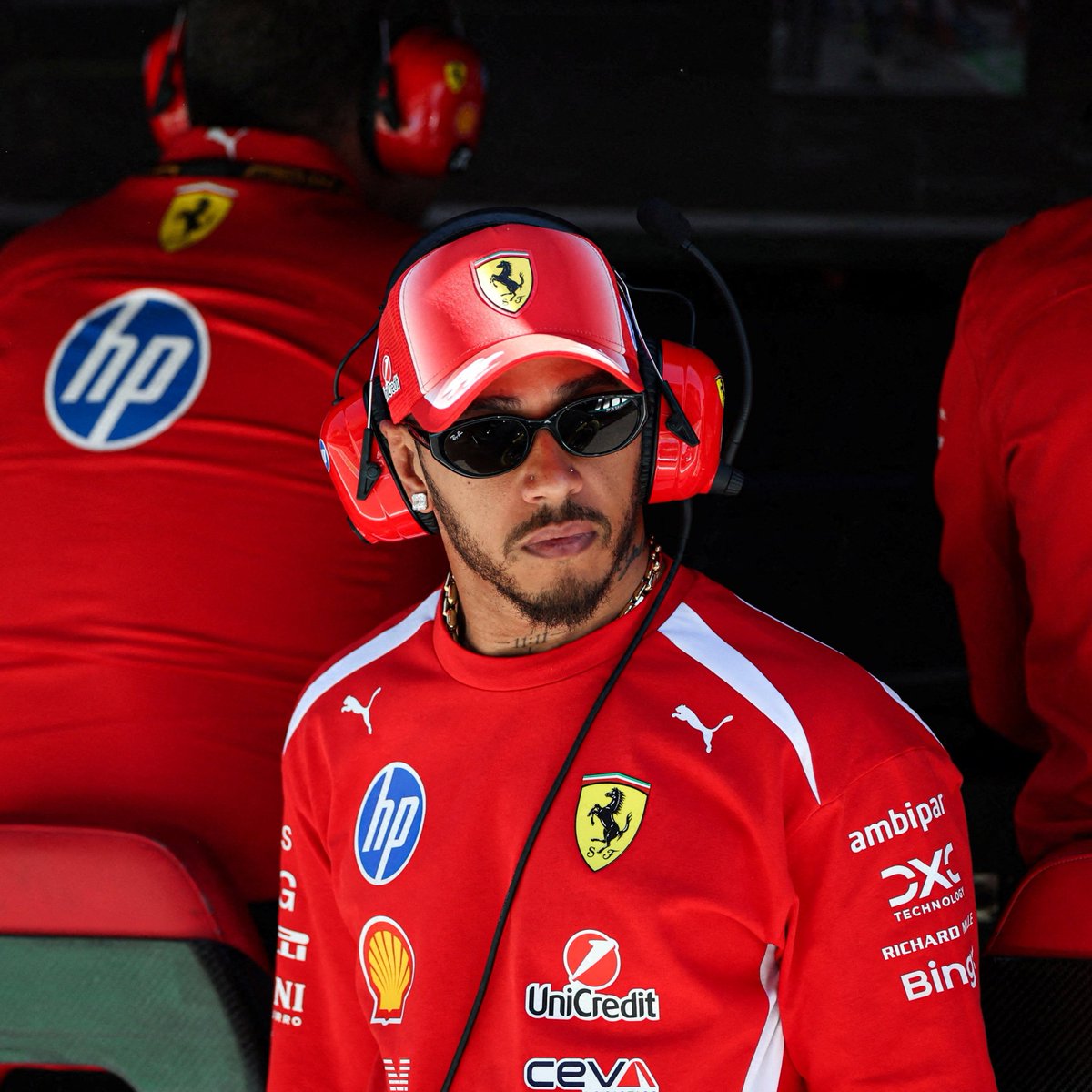
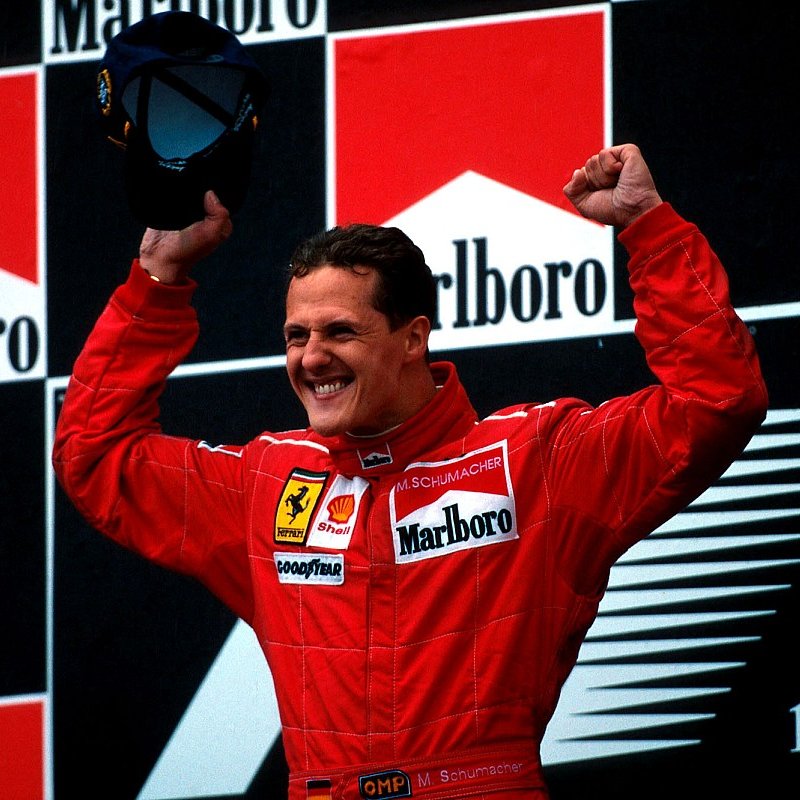
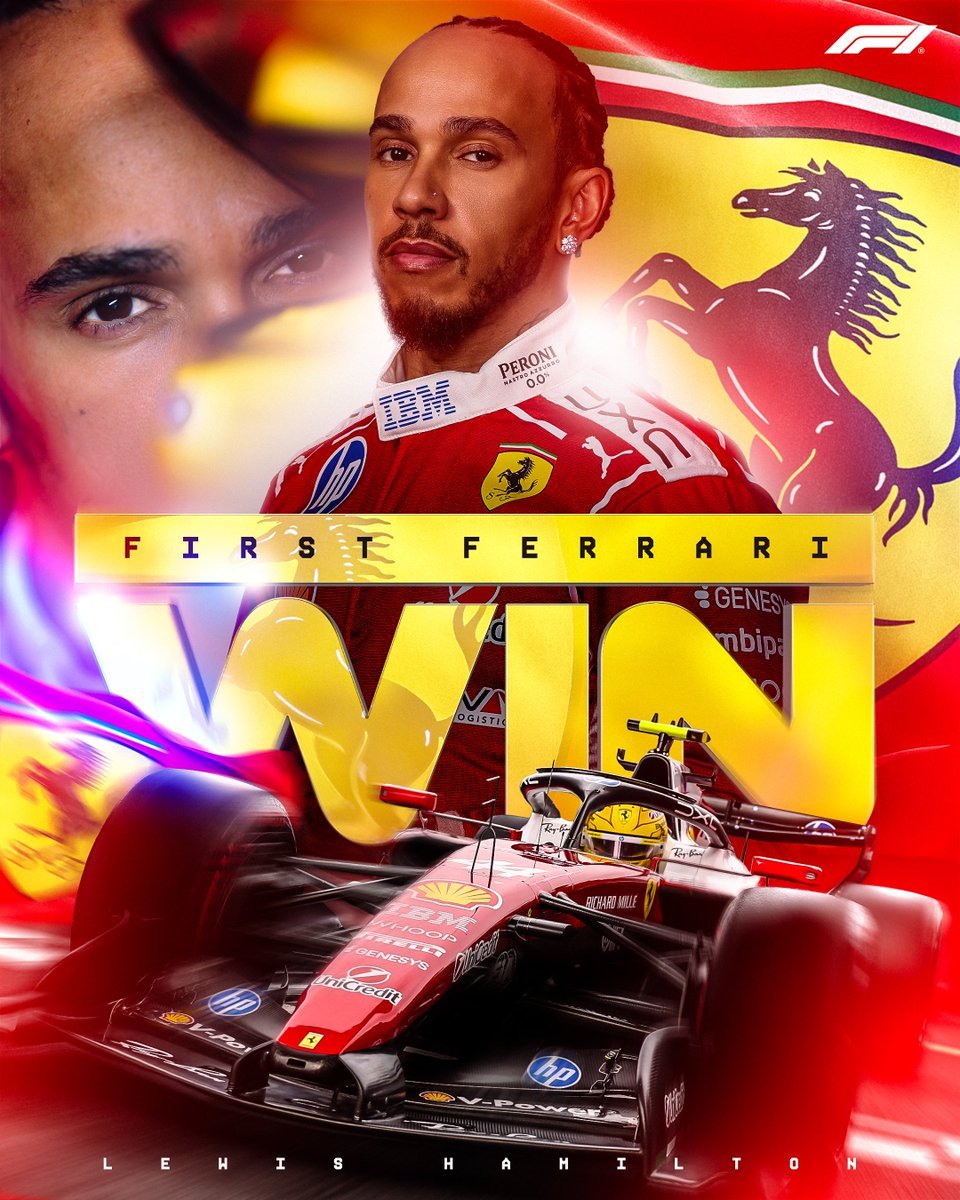
Michael Schumacher got his 1st victory as a Ferrari driver in Barcelona in June 1996.
Lewis Hamilton could get his 1st victory as a Ferrari driver in Barcelona in June 2026.
This would be so poetic.
1
92
welearnSA retweeted

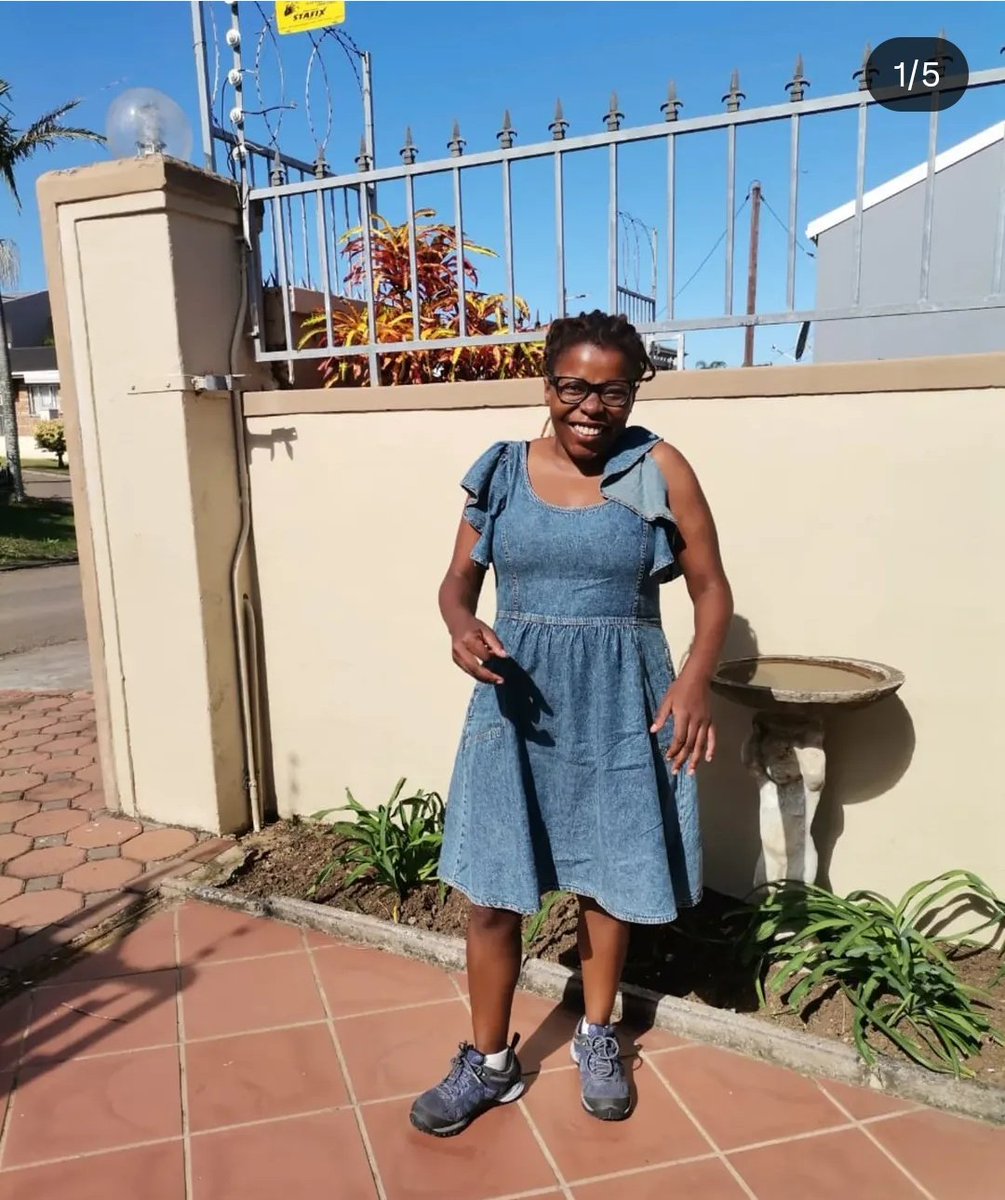
BSc: Mathematics, Statistics and Economics
BSc Hons: Pure Mathematics
Masters: Pure Mathematics (cum laude)
PhD: Pure Mathematics
Jun 12
Hi women, can you post pictures or talk about your academic achievements? I need some motivation this month.
If you see this tweet, share it so women can see it.
566
2,340
14,653
1,000,242
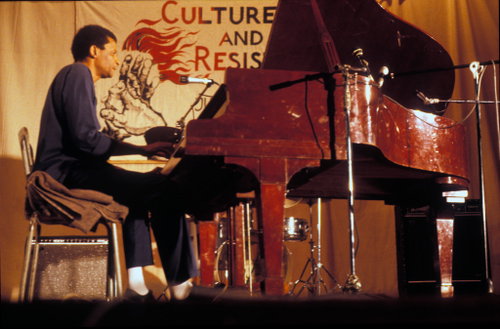
Rejecting the Word "Musician".
Though widely celebrated as one of the world's finest jazz pianists, Dollar Brand famously used his platform at this specific 1982 festival to reject the elite label of "artist" or "musician."
He publicly defined himself as "The Messenger Boy" or simply a "cultural worker."
He famously stated: "I regard myself as a worker... my function is no less or more important than a street sweeper's or a doctor's."
To emphasize this philosophy of humility and collective struggle, he would solemnly join the audience in applauding at the end of his concerts, signaling that the music belonged to the people and the divine, rather than to his own solo ego.
Dollar Brand plays at Culture and Resistance Festival in Botswana, 1982. Credit: Paul Weinberg
4
12
1,052
welearnSA retweeted
13h
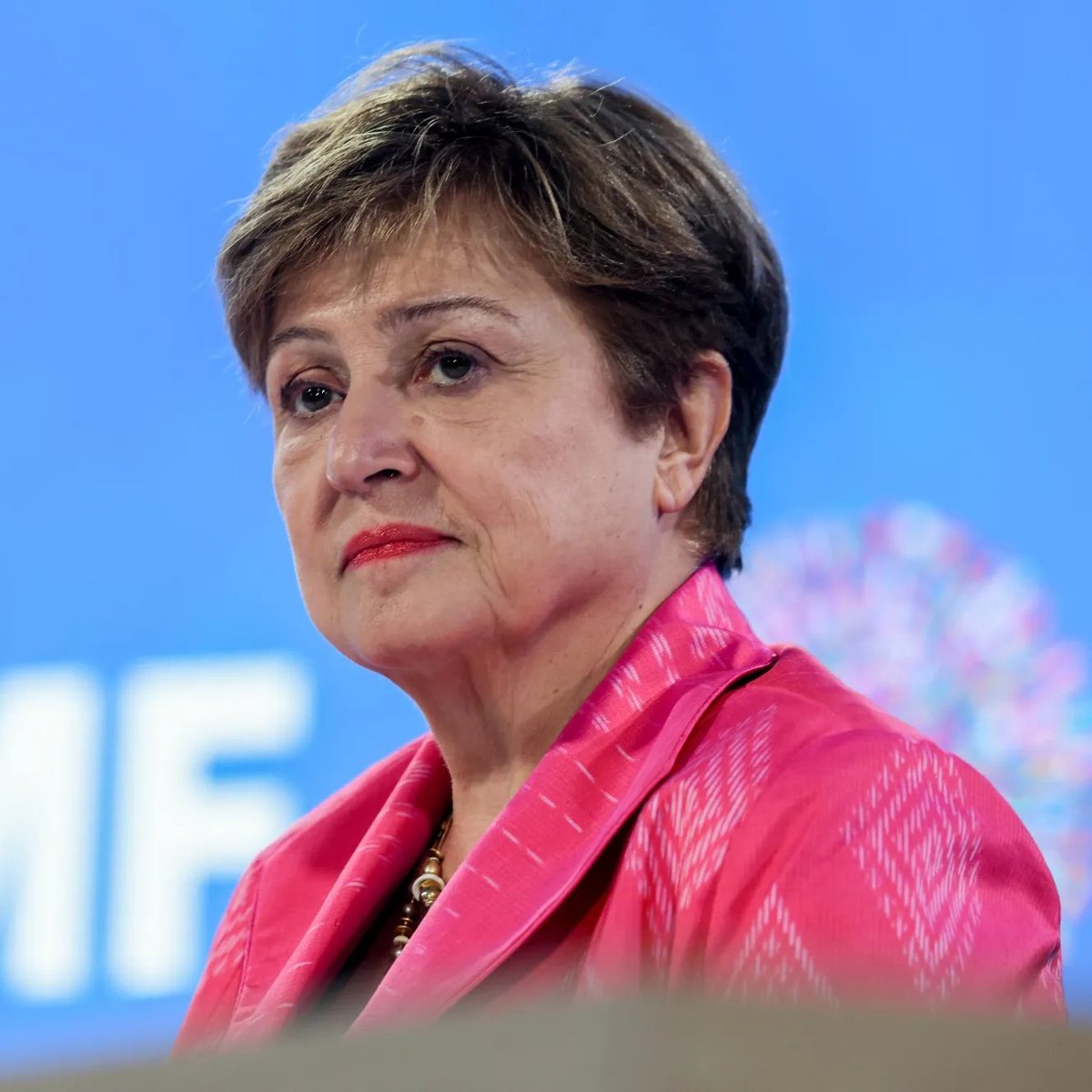
Take the wrong money and they will indirectly rule you.

JUST IN: 🇳🇬 IMF has told the Nigerian government to impose fuel and telecom taxes on Nigerians, to increase government revenue.
Nigeria is currently the number 1 country with the lowest quality of life.

6
8
128