Naturalist - Horse Watcher 🐎 Ethologist 🐺 Behaviorist ABT (Applied Ethology) 🐕🦺 Memes on animal behavior and dabbles in chimpanzee politics 🙊 🇵🇭🇪🇸
Joined January 2012
- Tweets 7,017
- Following 467
- Followers 707
- Likes 12,260
496 Photos and videos
Pinned Tweet

3 Apr 2024
A short note to inform you that my account on Facebook has been shutdown. I'm now on Instagram as vicros_ph. For anyone interested in following my posts, photos and activities. Hope to see you there too.
📷VRos
1
3
324
16 Apr 2024
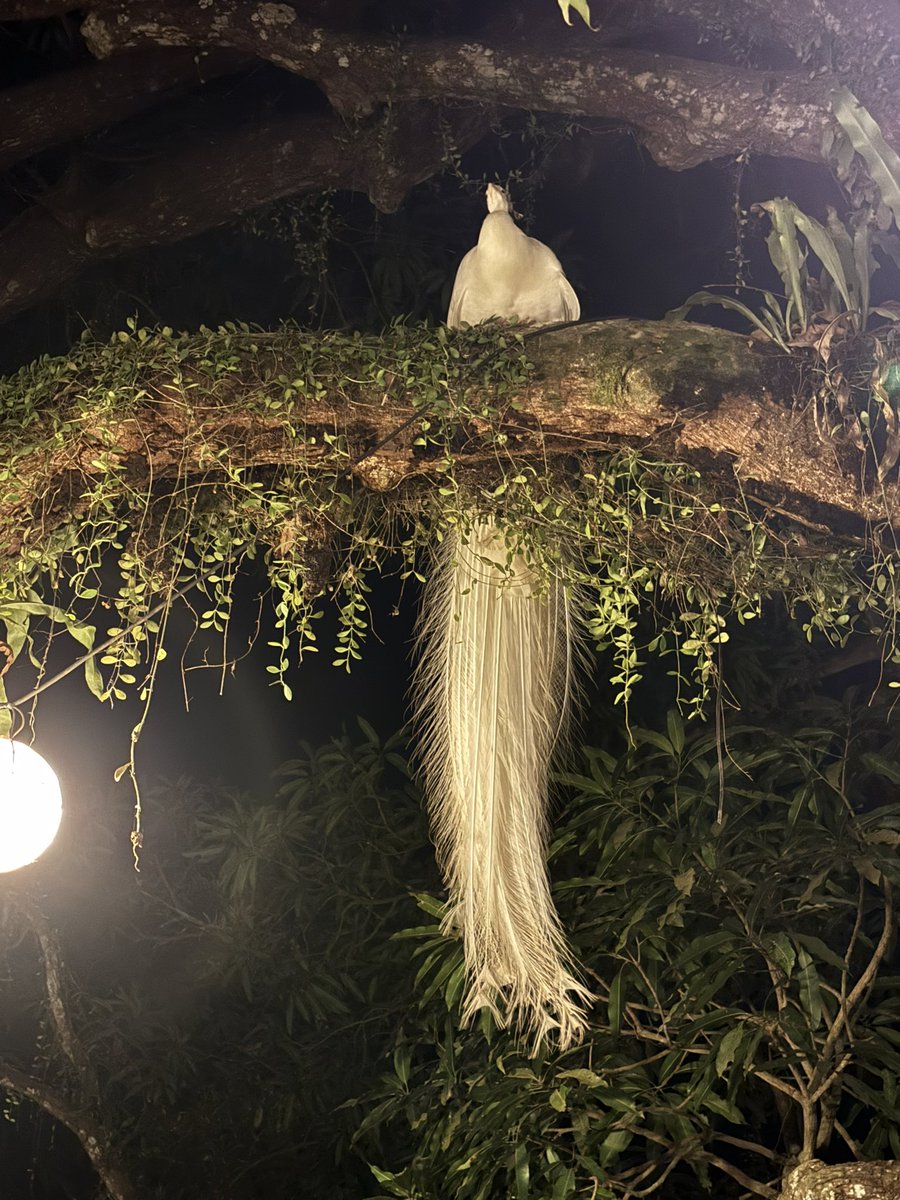
A white Peacock typically symbolizes luck and prosperity. So cool to see this one looking over us. Wishing you all the best of luck and good fortune.
📷VRos
114
5 Apr 2024
Duh!
5 Apr 2024

While people often find horse therapy calming, such interactions may be stressful for horses if they don’t have a choice about whether to be touched. newscientist.com/article/242…
3
154
30 Mar 2024
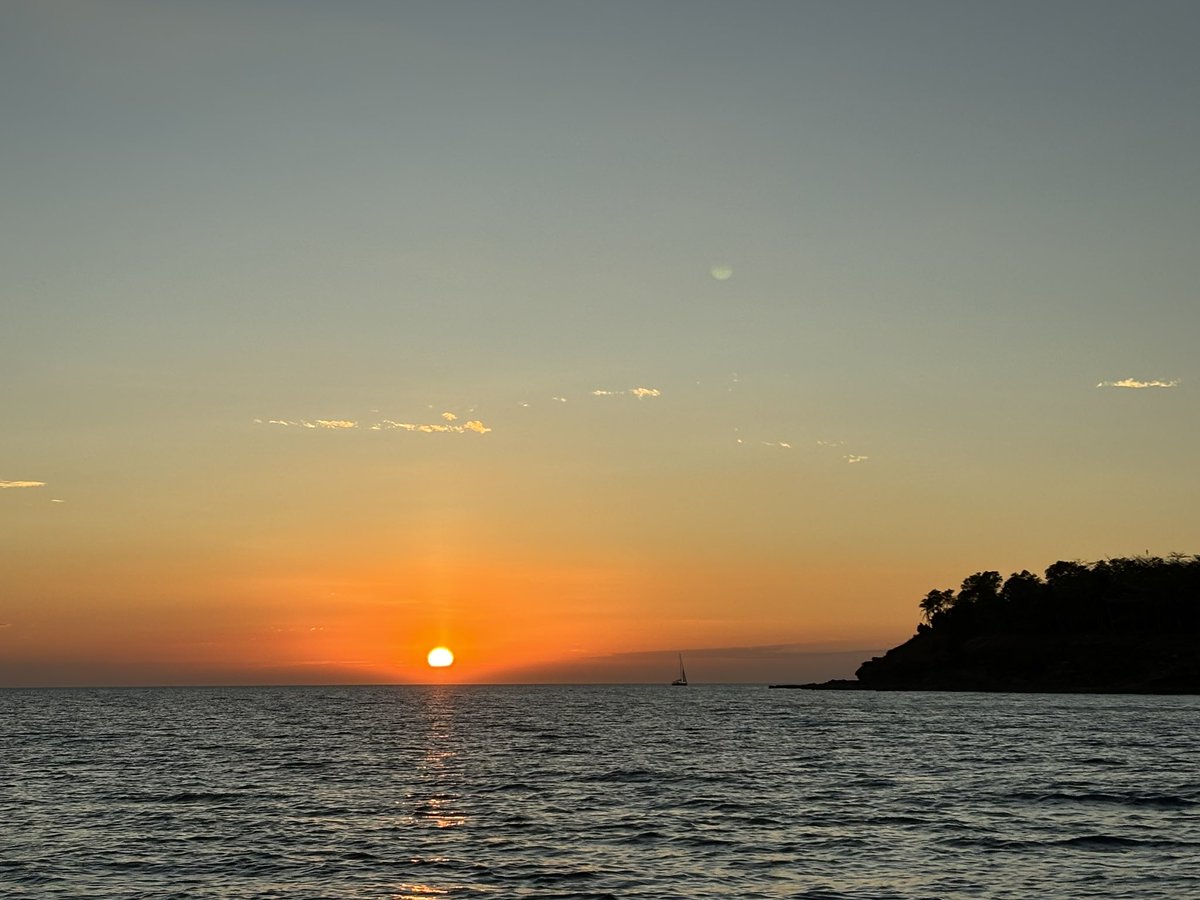
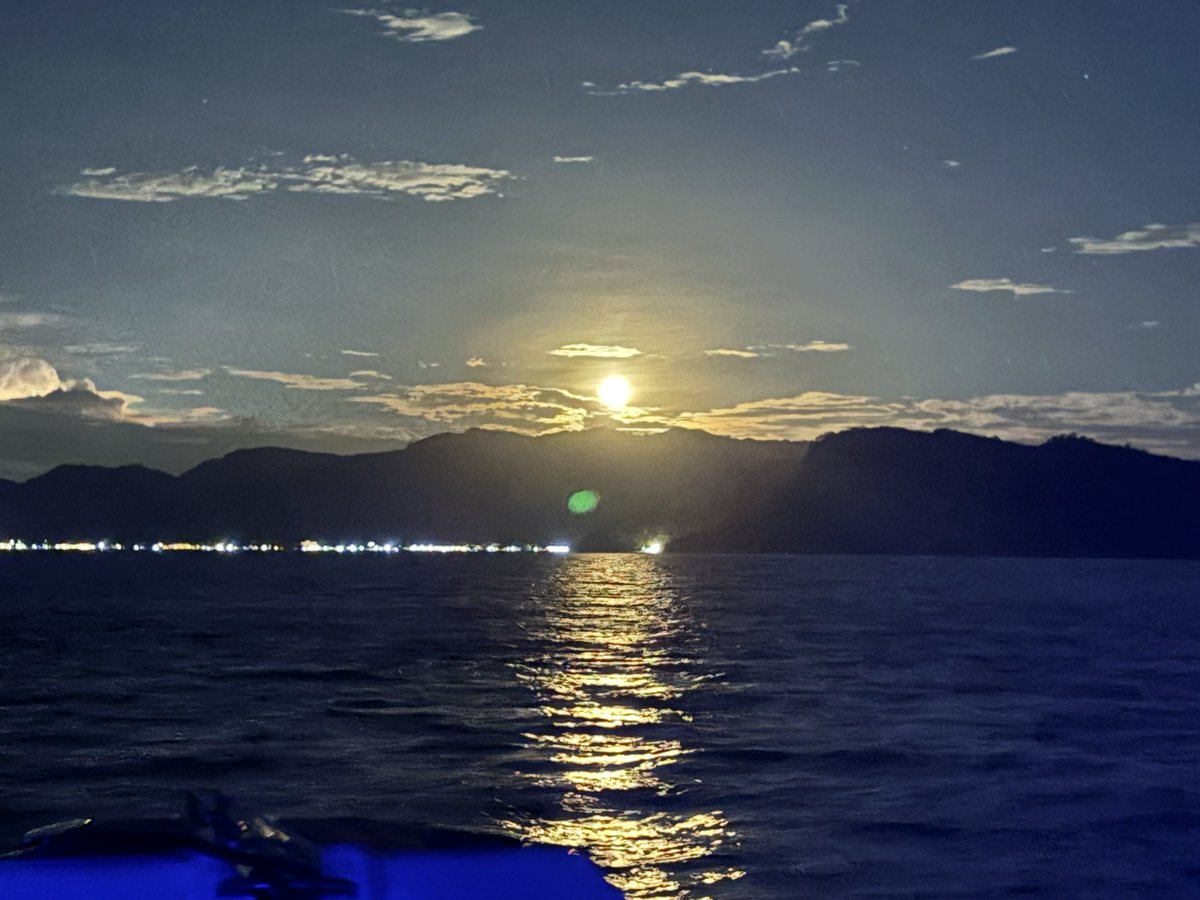
Sunset cruise just before an amazing moonrise. Happy to be back in the Philippines. 🇵🇭 Off of Loren Island, Nasugbu (Batangas).
1
164
10 Feb 2024
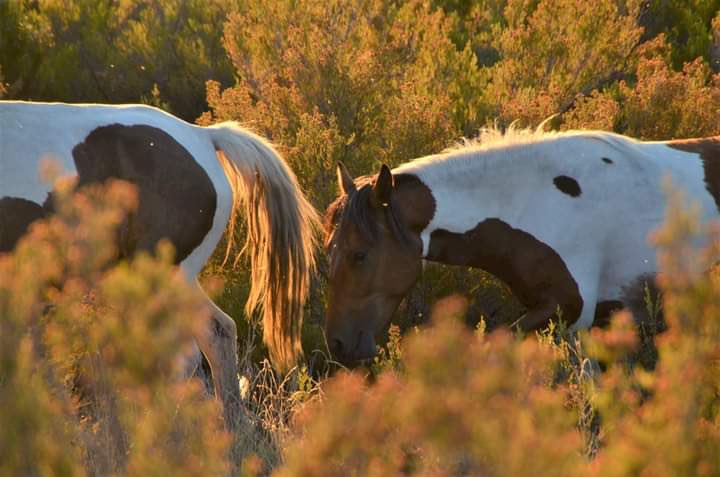
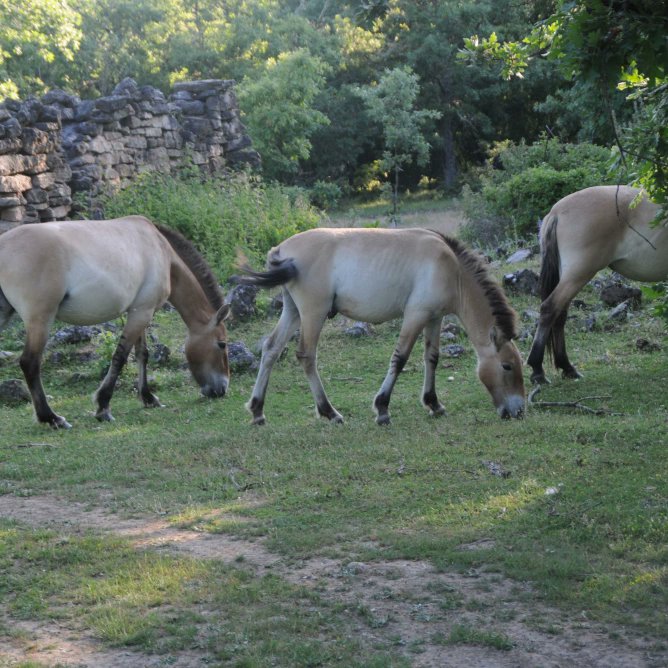
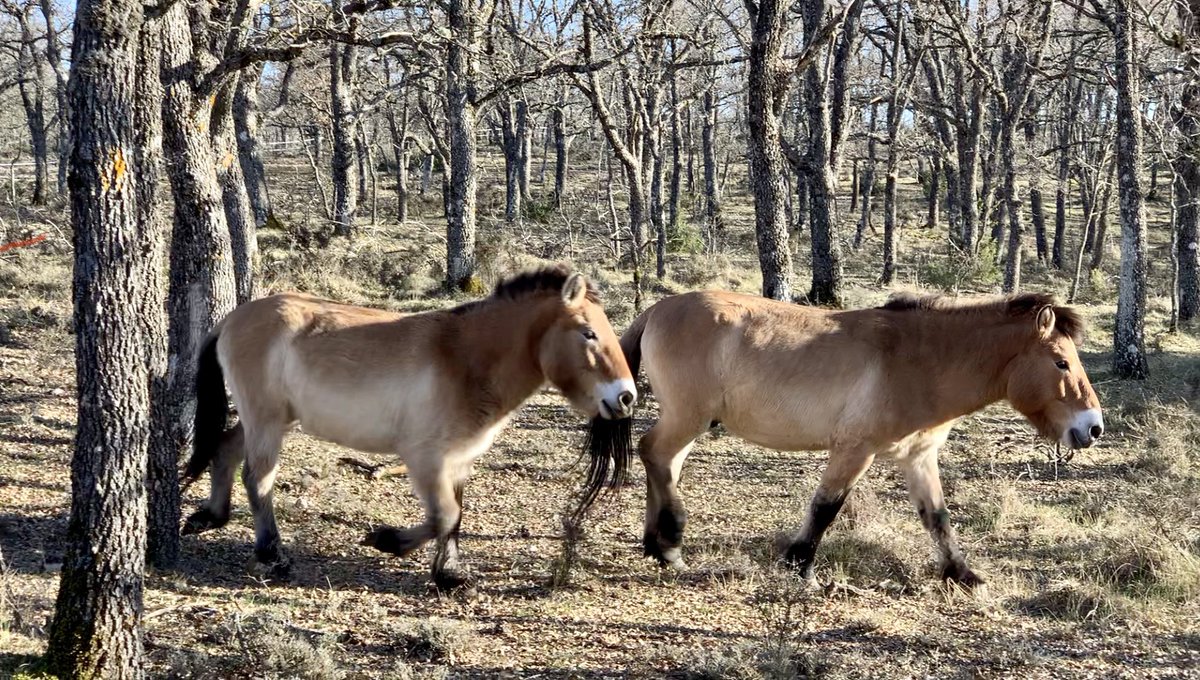
Fascinating Przewalski's Horses in the highlands of Guadalajara (Spain). Looking forward to visiting the site as soon as I can.
9 Feb 2024

Endangered Przewalski’s horses in the Iberian Highlands of Guadalajara! On their way to becoming Spain’s 1st free-roaming herd, & the only such herd W of Chernobyl
It’ll be interesting to see the benefits these horses bring to the landscape’s nature & people
w/ @RewildingSpain_
4
18
633
6 Feb 2024
Horses have no place to roam nor a place to call home.
Free-living horse populations are being decimated all over the world. Even the marginal lands were they once freely roamed the wilds are now being reclaimed, often by spurious interests.
We can and should do better!
6 Feb 2024

*
'One of These Mornings' - lyrics & music by Moby [WHFB Remix]
Between Roundups & Chemical Sterilization via PZP & GonaCon, our Wild Horses are being decimated genetically, leading to extinction
Help Us Save Them!
#WildHorses #iStandwithWildHorses #SaveWildHorses #ReWilding
1
4
319
Victor Ros retweeted

1 Feb 2024
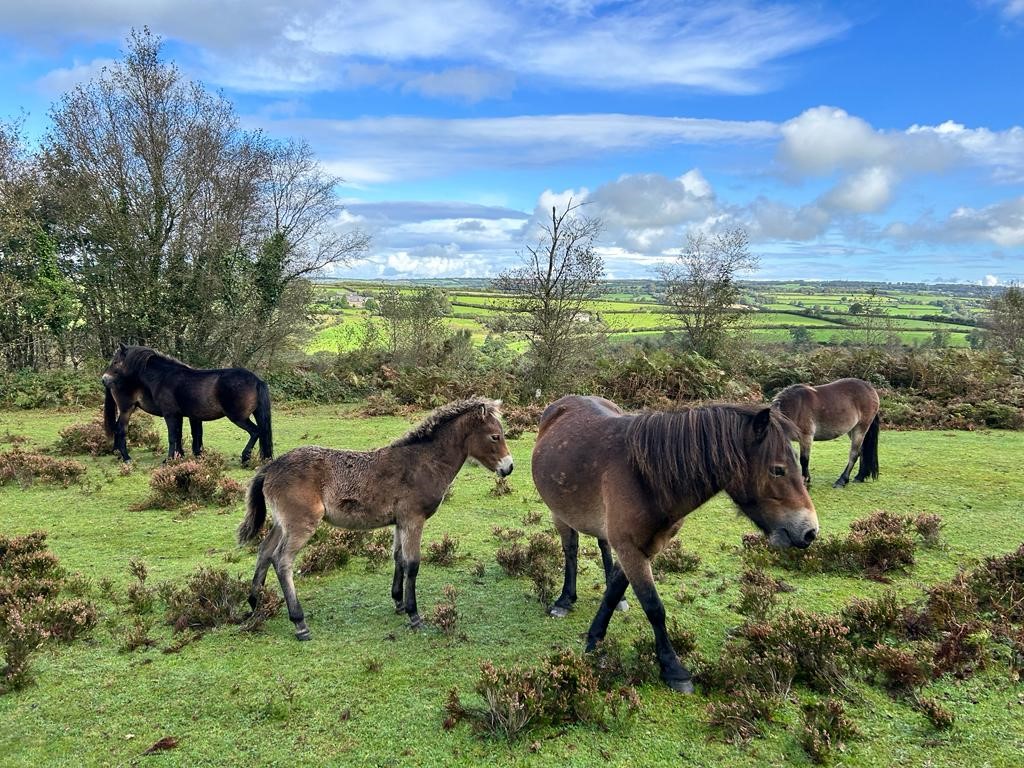
We couldn't agree more - if you see ponies on or near the road, please be patient and please slow down.
#moorcare #exmoorpony #exmoorponies
31 Jan 2024

Please slow down and drive carefully on rural roads to protect our Exmoor ponies and livestock. Thank you.
3
13
297
2 Feb 2024
For all those interested in horses or equine history, there is a super interesting Cheiron Conference coming up in September 2024.
trivent-publishing.eu/100-ch…
1
1
139
1 Feb 2024
Interesting read!
1 Feb 2024

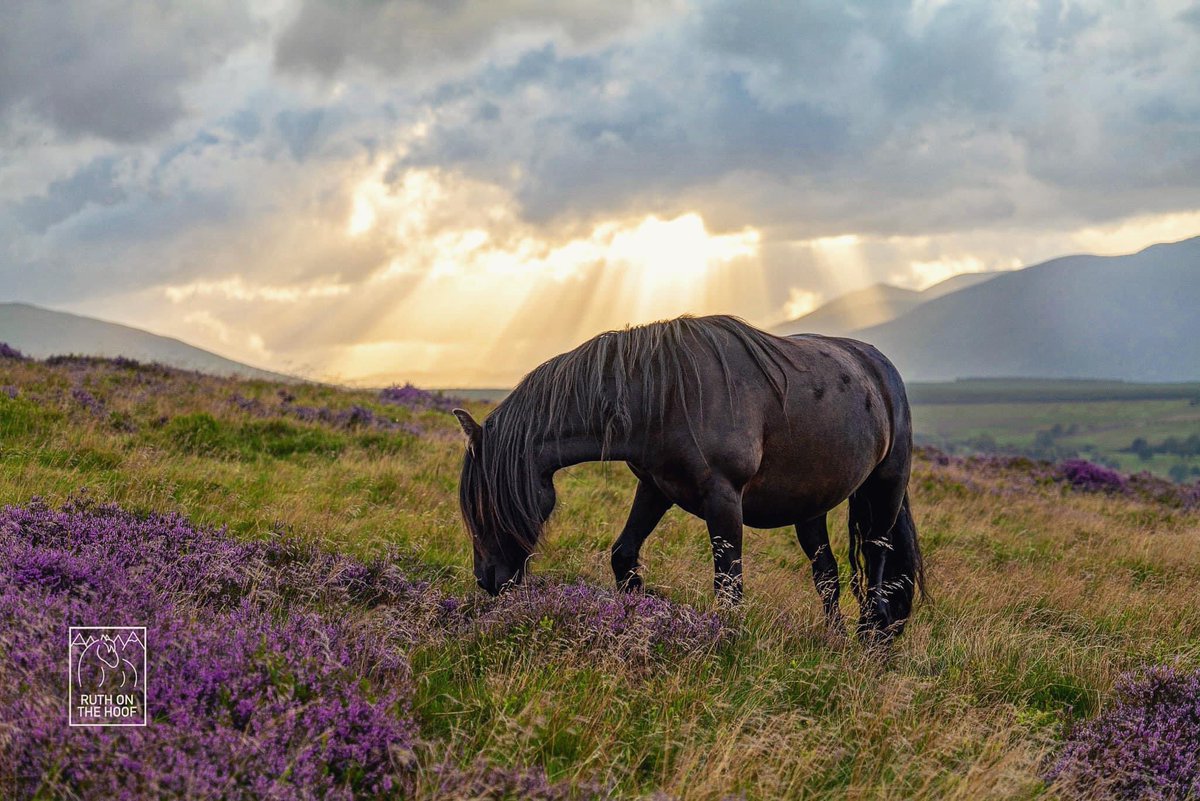
Horses are a native species to the British Isles which is why they’re vital to our ecosystems. They graze differently to cattle etc due to different dentition & digestive systems. They’re wonderful pollinators & habitat providers. Native breeds are the best suited to our climate
2
5
510
31 Jan 2024
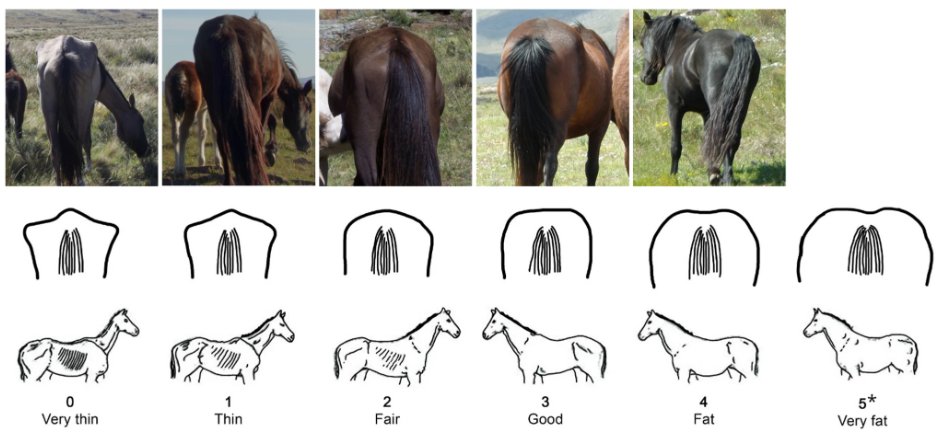
A study of seasonal variations in body condition scores of feral horses in Tornquist Park (Argentina).
26 Jan 2024

New article on Seasonal variation of body condition in feral horses at Tornquist Park by Franco Bostal, Sergio Zalba @SergioZalba and Alberto Scorolli
@takhi2014
doi.org/10.1007/s10344-024-0…
4
5
232
27 Jan 2024
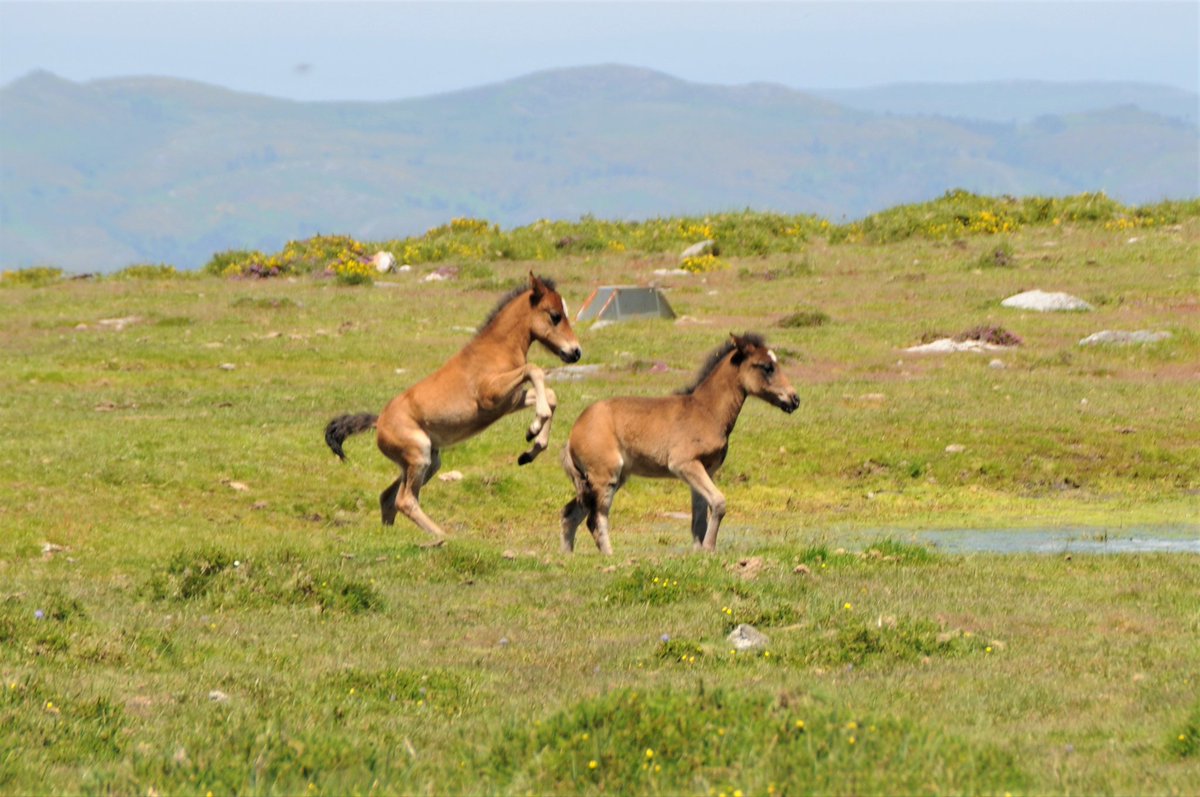
Playtime in horses
Although defining and categorizing play can be challenging, researchers tend to acknowledge that play contributes to the development of motor skills, cognitive abilities, and social interaction skills, as well as likely being an enjoyable activity.
Play behavior can generally be divided into two categories: social play, which involves interaction with others, and solitary play, which involves objects or physical activity. It is more commonly observed in younger animals and less frequently observed in adults.
Foals can exhibit playful behavior within days of being born, and this behavior may often overlap with exploratory behavior. Shortly after birth, the mother's body becomes the primary focus of the foal's attention, and they may nip at her legs, pull on her tail and mane, and engage in other playful activities.
Very young foals, less than a day old, have been observed galloping to and from ('zoomies') their mother as another form of playful behavior. While initially staying close to their mothers, foals begin to increase their distance from her as they develop. By 3-4 weeks old, foals may play up to 30-50 meters away from their mother.
As foals mature, they tend to engage less in solitary play and more in playful interactions with other foals. During their initial encounter foals may stare at each other for extended periods until one approaches the other. They may then sniff and touch muzzles, nibble or groom each other, and sometimes even chase each other. However, if one or both foals feel threatened, they typically retreat until one decides to initiate play again.
Play often starts with a nose-to-nose greeting, followed by behaviors such as nudging, nipping, biting, head tossing, and pawing at the potential playmate.
Play fighting is usually observed among young males like colts or bachelors, and as they mature, they tend to engage less in playful behavior. However, play fighting can be easily confused with real fighting as these share many similarities like neck-wrestling, rearing, kneeling, or even waltzing. In this sense it can be understood as an assessment of fighting ability between males, which likely promotes less true fighting, as outcomes are already established. Sexual elements like mounting or nipping at hocks are also sometimes observed.
During play fights, horses tend to have a more playful and non-threatening approach, and they usually try to avoid causing serious harm to their playmates. The roles of attacker and defender can change (Role reversal) between them during the fight.
Social play has rules, or morals, and if one gets too rough, play ends by the other horse refusing to continue playing and likely leaving the bout.
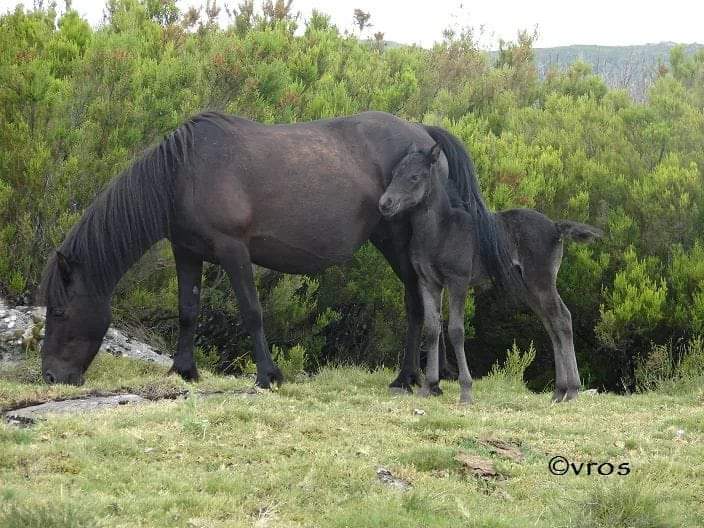
📷VRos - Garranos at Serra do Cando (Galicia, Spain)
2
12
214
26 Jan 2024
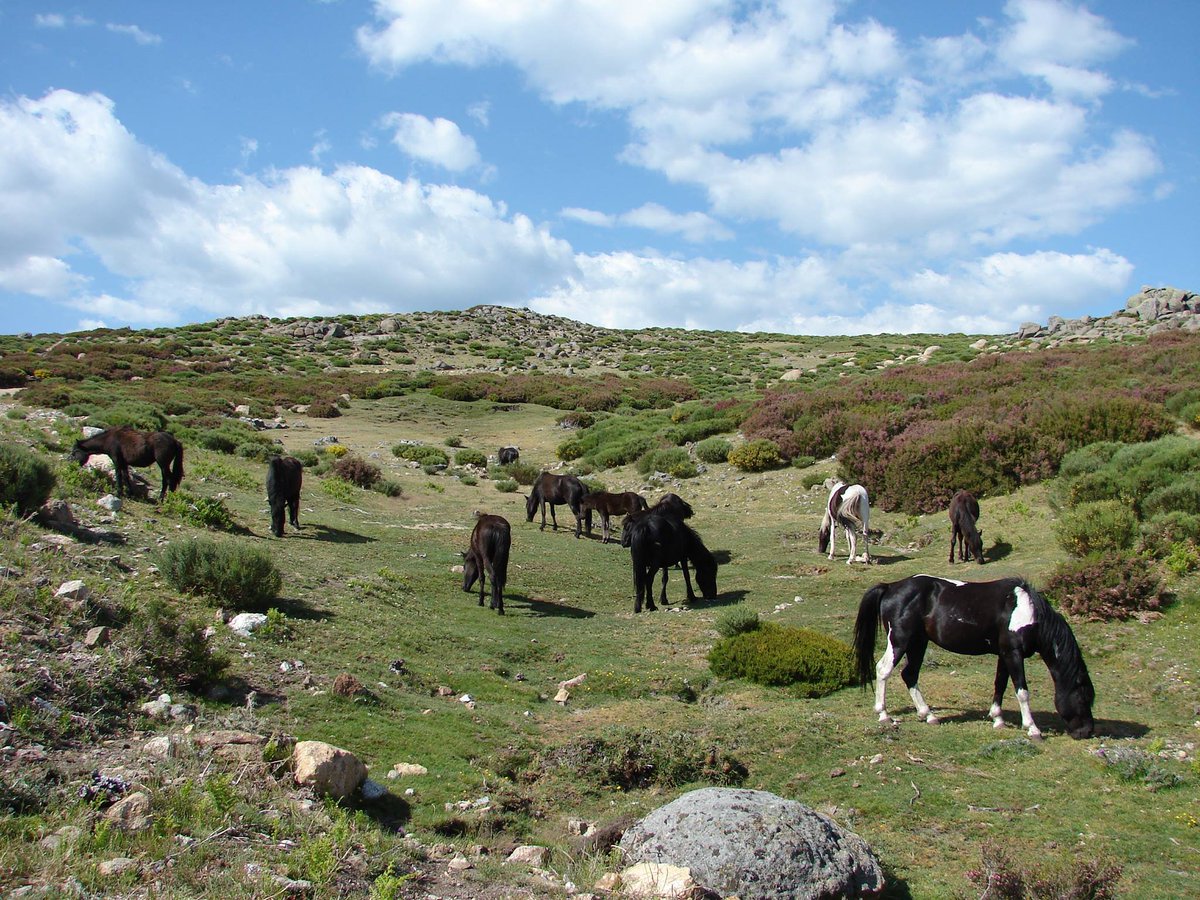
Ethology and horses
Ethology is the biological study of behavior. Particularly, the study of animal behavior in relation to its natural environment. Optimally, in the case of horses, this would be the habitat where wild horses evolved. It is this habitat where horses are expected to reveal their true 'ethos' (character) and the 'logos' (logic) behind their behavior.
Taking an ethological approach to horse behavior is to embark on a comparative global journey, exploring the myriad habitats where horses live a wild way of life, attempting to unravel the behavioral characteristics that define their survival.
The image is of a band of Pottoka Ponies grazing in their home range in the hills of Piornal in Extremadura (Spain).
📷VRos
4
8
352
7 Jan 2024
Great images of Dartmoor Ponies! Stallions are wonderful this way, and the foals know it!
7 Jan 2024

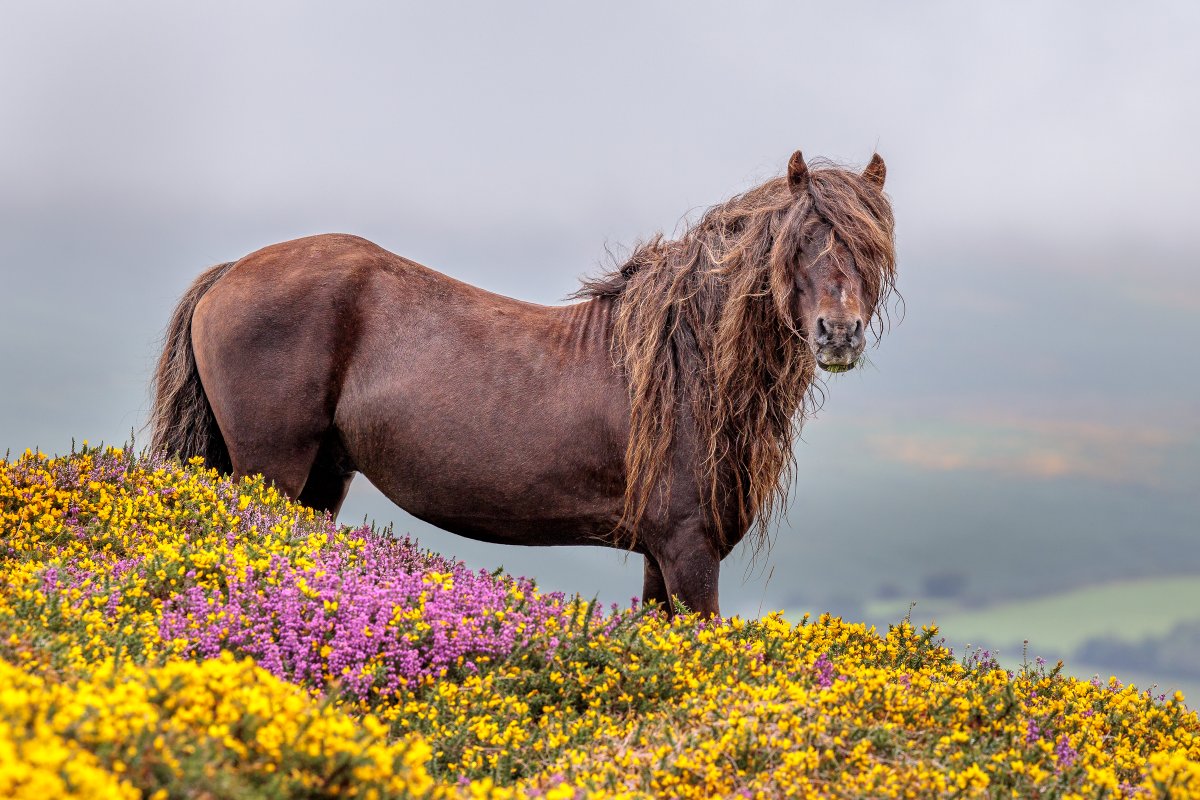
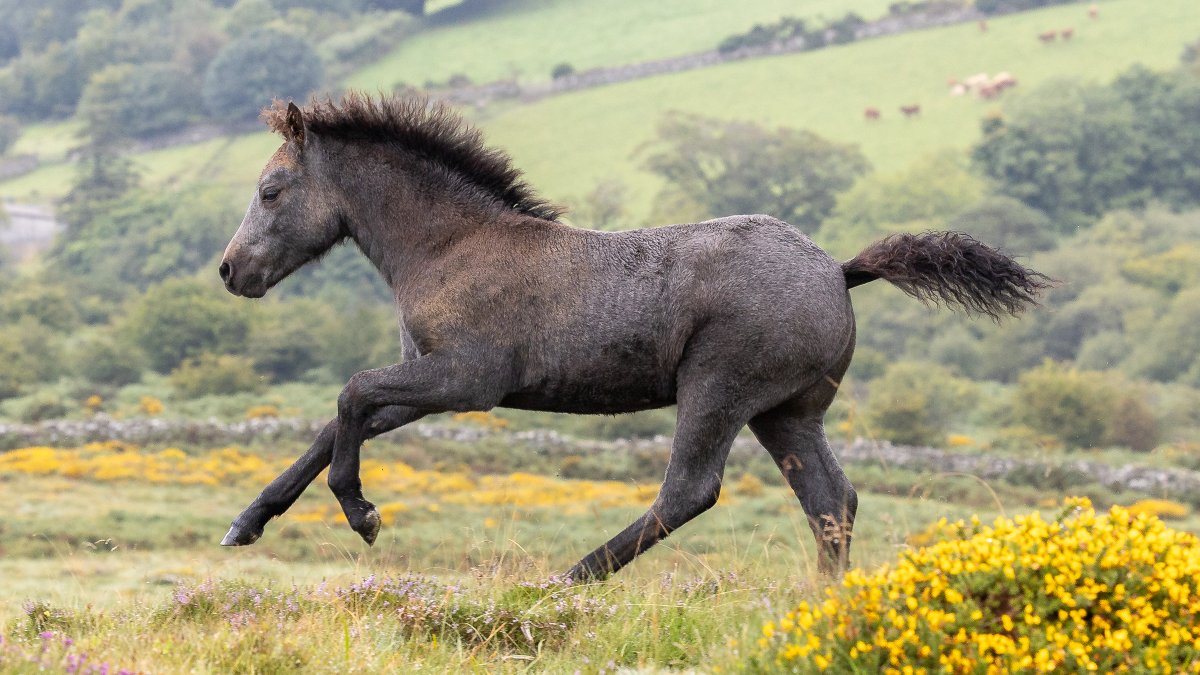
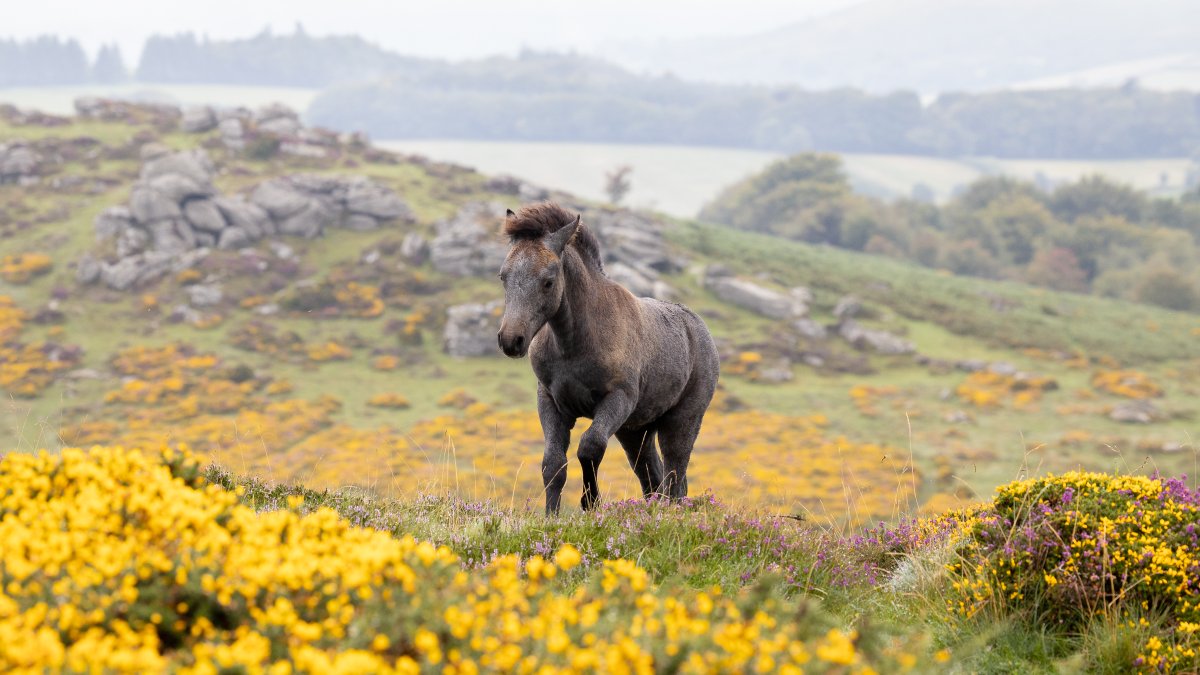
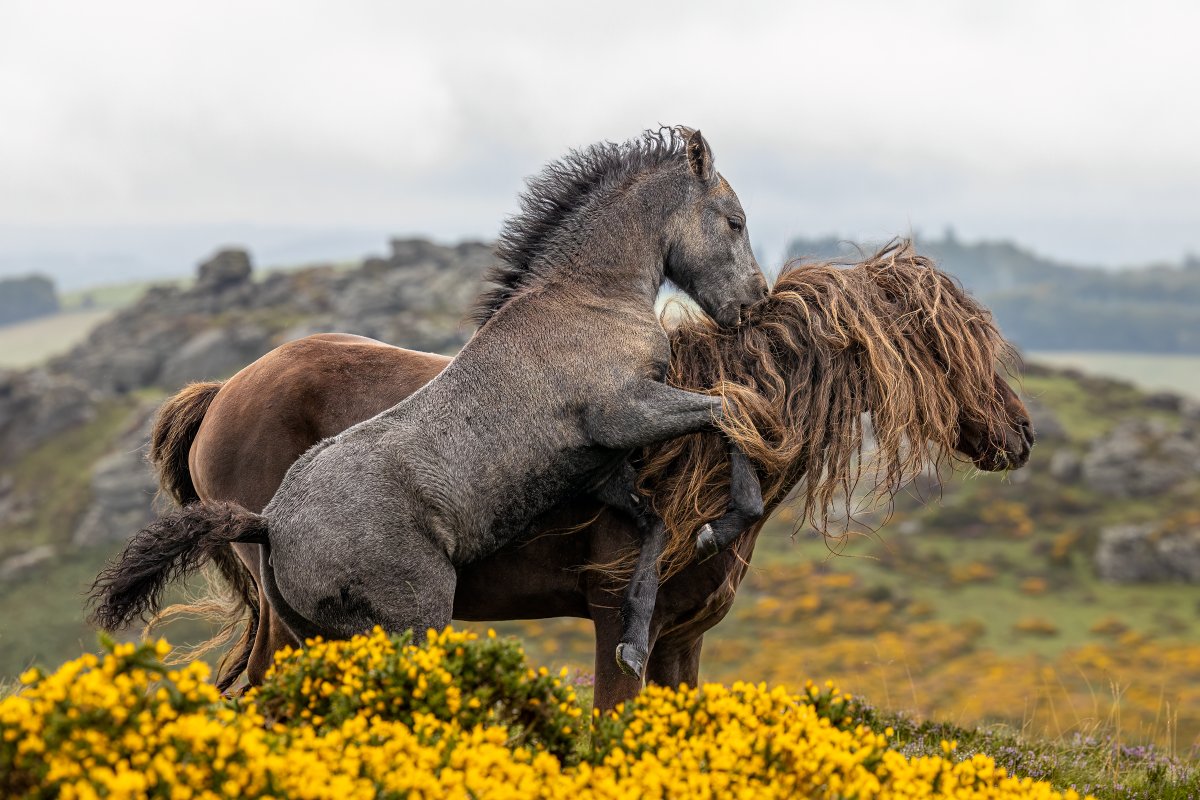
During my time observing & photographing the Dartmoor pony herds on Dartmoor, I couldn't help but notice that the stallions displayed a remarkable sense of tolerance and playful interaction with their young, unlike the mares. Moreover, they seemed to excel in various social interactions, including the endearing acts of friendly sniffing and jaw clapping—a unique behavior among young horses that expressed their deep respect for one another, It is amazing to see the excitement and interaction of the colts when dads arrive and play time starts.
This was one of my favorite zoomies around the Tor and jump on Dad to observe, so lovely to see. 🥰🥰🥰
#snelgrovephotography #dartmoor #imagesofhorses #dartmoornationalpark #dartmoorpony #pedigree #gonative #ConservationGrazing
1
3
248
4 Jan 2024
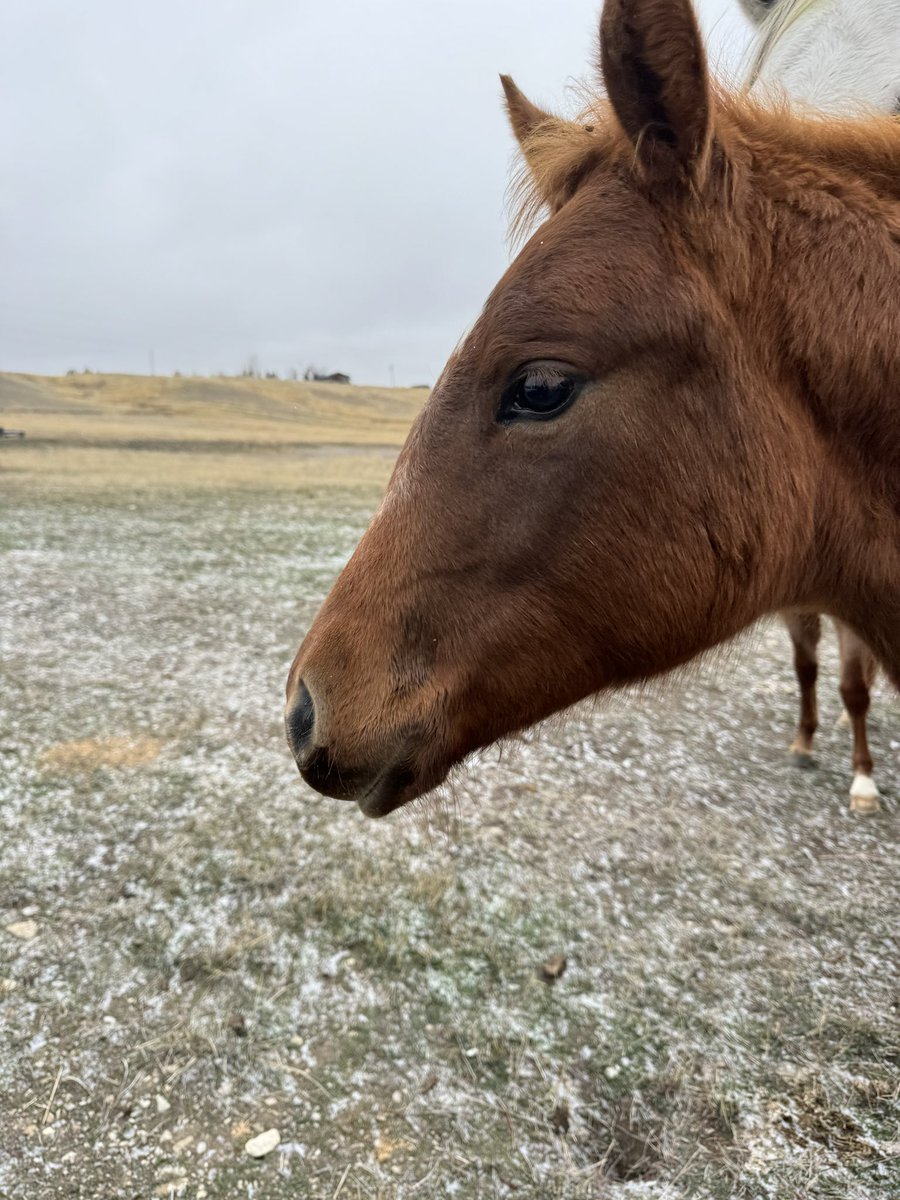
A poem on how to tell a horse's age by inspecting its teeth.
4 Jan 2024

To tell the age of any horse
Inspect the lower jaw of course
Six front teeth the tale will tell
And every fear and doubt dispel
Two middle 'nippers' you behold
Before the colt is two weeks old
Before eight weeks two more will come
At eight months the corners cut the gum
The cupping grooves will disappear
From the middle two in just one year
Two years gone from the second pair,
At three years, the "corners" too, are bare
At two the middle incisors drop
At three the second pair can't stop
When four years old the third pair shows
At five, a full new set she shows
The deep black spots will pass from view
At six years from the middle two
The second pair at seven years
At eight the corner spot disappears
From middle nippers upper jaw
By nine the black spots withdraw
The second pair at ten are bright
Eleven finds the corners' light.
At ten, Galvayne's Groove begins
Outside upper nipper, my friends
From the gum the dark line falls
Until twenty, when time itself calls.
As more years pass, wise horsemen know
The oval nippers, three-sided grow.
The aging incisors loosen and spread,
Until that time, which we all dread.
1
187
3 Jan 2024
A kin friendship of foals!
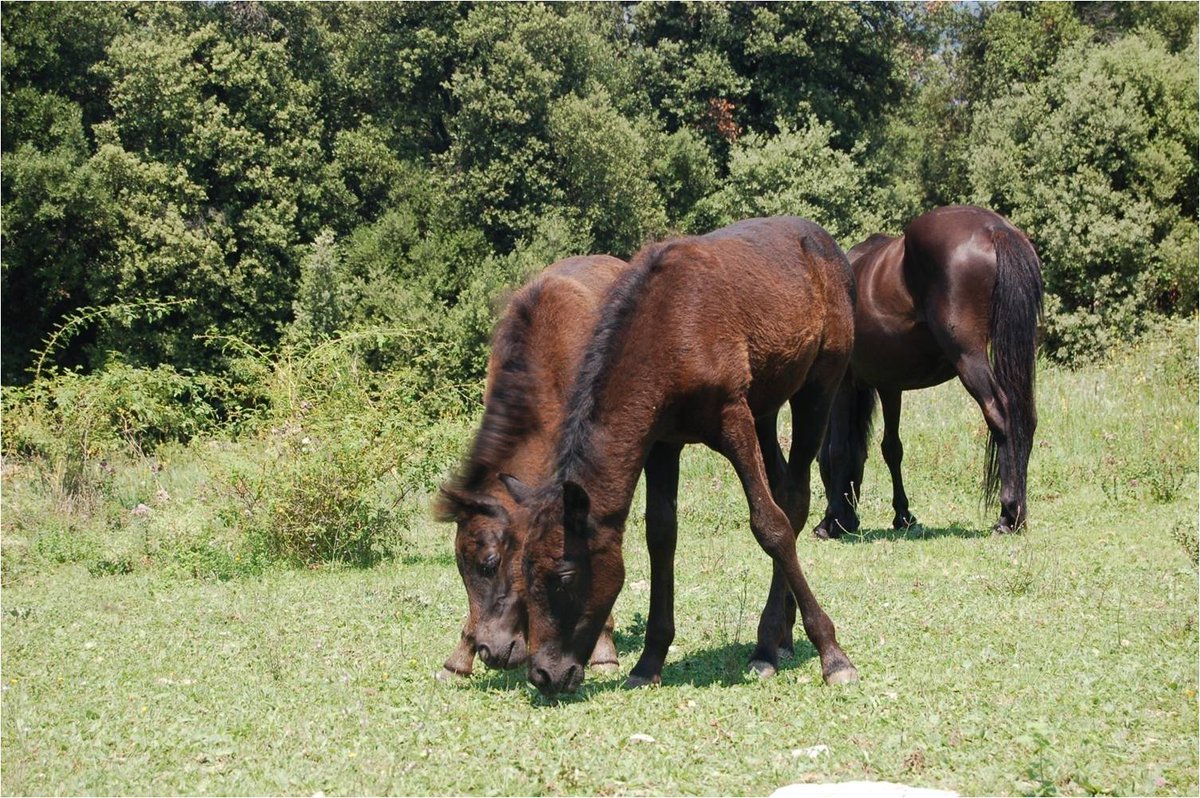
A young Pottoka Pony foal and filly graze together. Both foals are from the same natal band and are from the same stallion (father).
Pottoka Project - Oix (Cataluña) Spain
📷VRos
1
2
177
3 Jan 2024
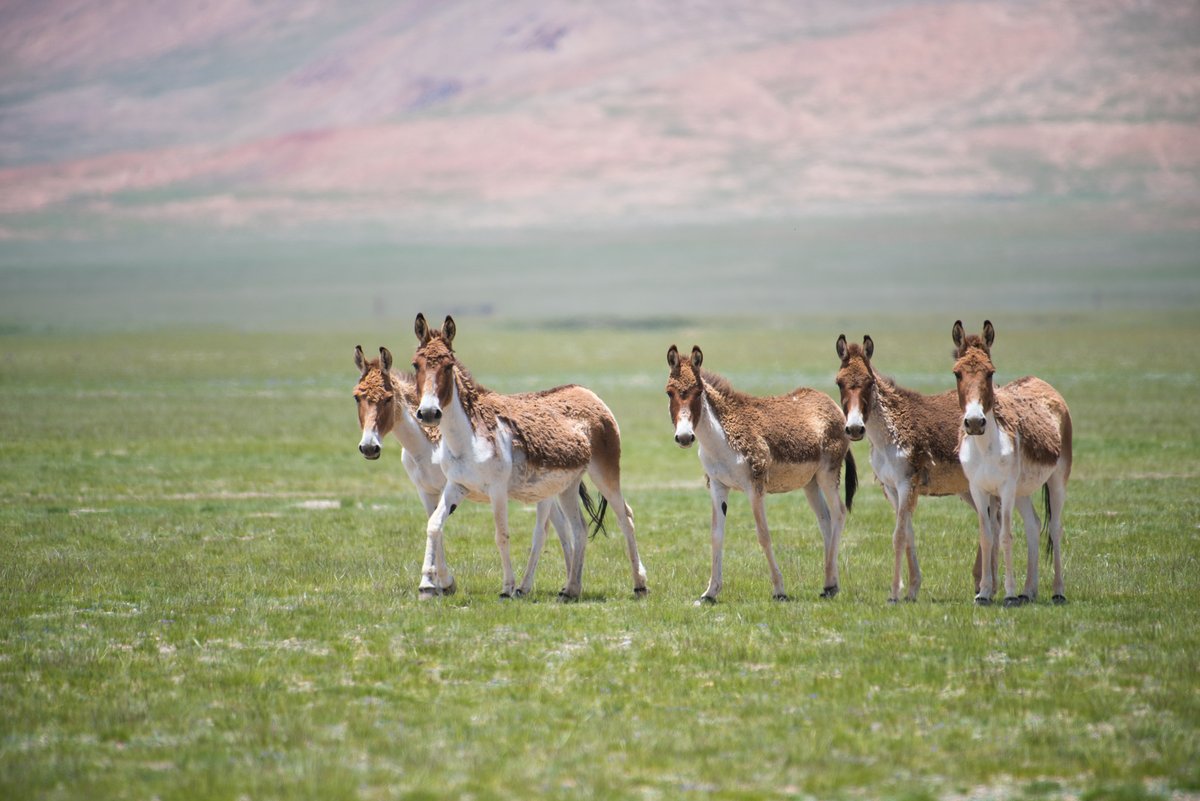
A quintet of Kiang!
Equus kiang or the Tibetan Wild Ass.
5 Oct 2023

Our Observation of the Day is this quintet of Kiang (Equus kiang, 西藏野驴 in Chinese (simplified)), seen in #China by yiqianwu!
More details at: inaturalist.org/observations… #nature #mammals #mammalogy #wildlife #biodiversity
7
167
3 Jan 2024
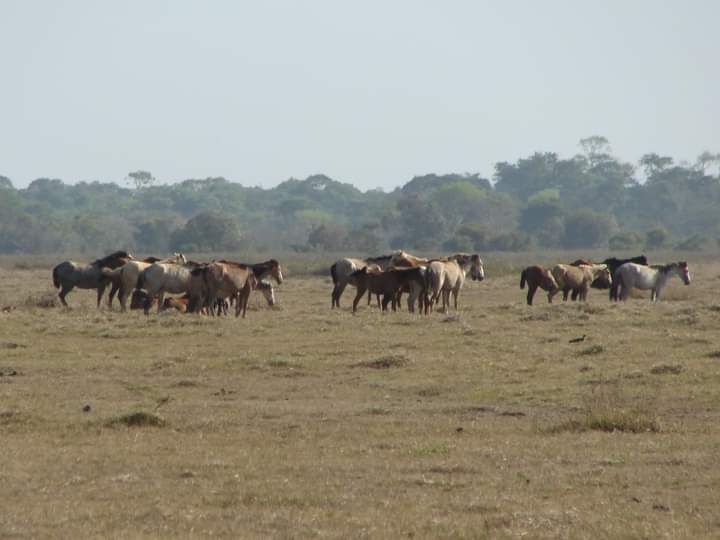
Bands of horses in close proximity to one another during a synchronized bout of rest.
Three of the fifteen bands that comprise this herd of about 150 feral Venezuelan creole horses.
Los Llanos - Venezuela
📷VRos
1
3
181