
Husband & dad (x2), rugged individualist, co-founder/CEO @SpiralDB, project chair @vortexdotdev
Joined May 2009
- Tweets 462
- Following 1,649
- Followers 604
- Likes 24,742
17 Photos and videos









Will Manning retweeted

Jun 12
In awe of SpaceX and its story - past, present and the future. You can think about it in 10 different ways and continue re-blowing your mind in circles. Huge congrats to the team! 🚀
334
993
21,262
852,099
Will Manning retweeted

Jun 11
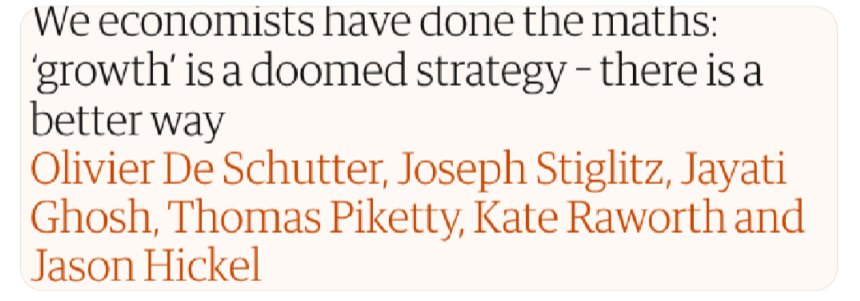
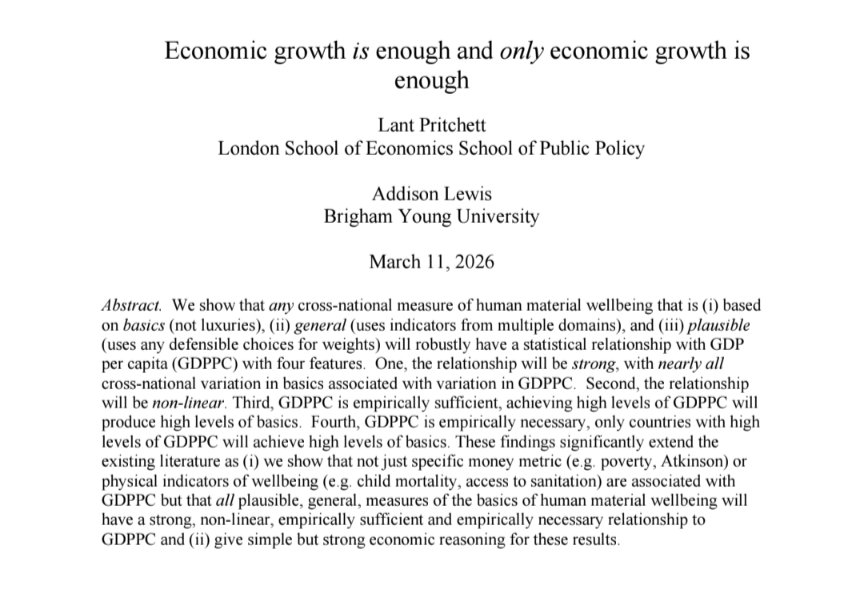
"economists*" who have "done the maths" vs economists who have done the math.
26
167
1,221
108,585
Will Manning retweeted

Jun 11
"Being long humans requires long horizons. Our time horizon is forever." goes hard
Jun 11

in markets, to go long on something is to bet it grows more valuable over time. much of the conversation today is short on humans, wagering that ai makes people redundant. we believe the opposite is true for the industries @ThriveHoldings operates in.
we are long humans.
thriveholdings.com/long-huma…
3
4
84
17,768

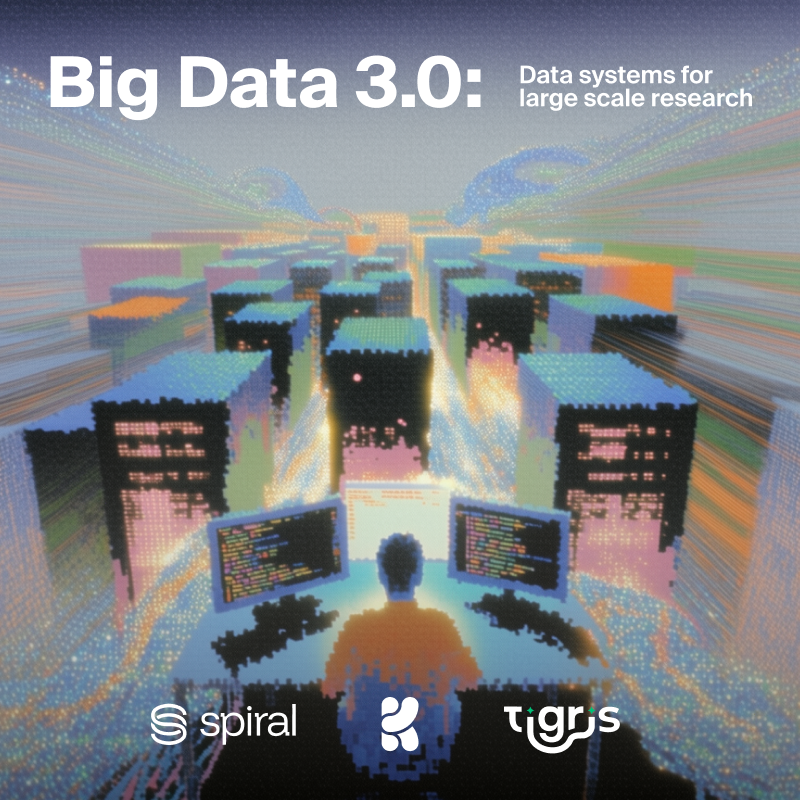
we're hosting a 'Big Data 3.0' next Tuesday (June 16) in our SF office with @SpiralDB and @TigrisData.
we'll have technical deep-dive talks from frontier AI labs about internet-scale distributed data systems for AI research.
details below 👇
4
7
66
7,947

Jun 9
ASI may do many things, but it will never compete with peak nostalgia

The Legend of Zelda: Ocarina of Time will be reborn on Nintendo Switch 2 in 2026. #NintendoDirect
1
3
435
Jun 4
“Corporations are people too” goes the argument

I think you can make an equally convincing argument that waymo, claude, and the Ford Motor Company are conscious
1
107

Will Manning retweeted

May 29
Artificial intelligences do not undergo experiences, do not possess a body, do not feel joy or pain, do not mature through relationships, and do not know from within what love, work, friendship or responsibility mean. Nor do they have a moral conscience, since they do not judge good and evil, grasp the ultimate meaning of situations, or bear responsibility for consequences. They may imitate or even simulate, but they do not understand what they produce, for they lack the affective, relational, and spiritual perspective through which human beings grow in wisdom. #MagnificaHumanitas
4,059
60,359
309,869
14,191,215
Will Manning retweeted

May 29
Google is fighting every final boss at once:
OpenAI & Anthropic in models, Nvidia in chips, AWS & Microsoft in cloud, Meta in ads, Tesla in self-driving, Apple in phones and OS.
At $4.6T, it feels weirdly undervalued.
452
748
13,837
781,940
Will Manning retweeted

May 27
Agents’ data needs will become increasingly complex. I didn't get the filesystems thing at first. I thought it was just hype. But now I believe that file systems are better suited to agents than DBs or object stores. I'm less convinced that today's file systems are...the future.
Talking to senior folks building data infra, I heard some common refrains on why filesystems are right for agents:
1) Training corpora contain lots of file system operations – there are a lot of public Github repos containing file system operations, so these interactions appear frequently in data upon which models are trained. What’s more, filesystem semantics are dead simple. In contrast, database operations appear in training corpora but their semantics are kinda tricky; they are often missing critical context like schemas.
2) File systems do what agents need to work with data – agents typically need high-throughput, low-latency access to specific, small files containing unstructured data. Filesystems support this pattern well. Other data management systems don’t: OLTP databases require too much structure; object storage is too slow.
But while file systems seem to meet the needs of agents, that wil probably change imminently. Specifically, I expect agents will need 4 capabilities:
1) Transactions – when thousands of agents operate simultaneously, reading from and modifying shared state, and writing it back, the file system must store data reliably and mediate interactions between independent processes. Traditional distributed file systems weren't designed for highly concurrent, fine-grained mutation of shared state.
2) Queries – today, an agent might retrieve a single file and make a single update. But as agentic retrieval advances, agents will need to pull data from multiple files, materialize intermediate results, and run operations across those results. As Claude might say, this is not retrieval; it is a query problem.
3) ACLs – file systems do support ACLs, but they’re typically defined at the level of files, directories, users, and groups. Permissions are static, evaluated at access time, and don’t extend to how data is used once it’s read.
4) File scale – today’s agent workloads operate over small files, modest context windows, limited working memory, and bounded outputs. As models improve and context windows expand, agents will start working over much larger artifacts. A coding agent won’t operate file by file, it will need to understand and modify entire codebases.
There are teams starting to build the post-modern data stack for agents (so unoriginal, but I had to sneak some slop in here). @archildata gives agents fast, consistent access to data across environments, while explicitly meeting the latency requirements agents have and will have in the future. @SpiralDB built a columnar file format for extremely fast reads, including random access, selective reads, and large batch scans - it can give agents analytics capabilities.
To be honest, I’m in awe that data infra has held up so well as agents become more prevalent. But this won’t last forever. Agents will need more. Concurrency needs stronger guarantees. Retrieval becomes a query problem over unstructured data. Access control moves from static ACLs to dynamic, execution-aware policies. And file systems need to support efficient operations over much larger artifacts.
We’re starting to see early answers, but no dominant design. The choices we make now about how agents interact with data will harden quickly, so it’s worth getting them right.
More in my latest blog post: amplifypartners.com/blog-pos…
16
17
118
26,090
Will Manning retweeted

May 26
at long last, our nation's enemies have stolen the most dangerous technology in America's arsenal: the California Environmental Quality Act
May 25

JUST IN: Iran declares it will not charge tolls in the Strait of Hormuz, will instead charge “environmental protection fees”
34
837
11,827
430,849
Will Manning retweeted

“Pope Leo was a math major? I wonder what his encyclicals will be like”
Like this

128
4,088
43,055
836,526
Will Manning retweeted
May 23
Can’t believe I coded by hand for 15 years.
15 years of memorizing syntax, Vim, Stack Overflow, broken builds, cursed dependencies, merge conflicts, and “one last bug before sleep.”
All of that just to end up typing “fix this” into a chat box and watching an agent do crimes.
316
446
8,515
288,645
Will Manning retweeted

May 21
Just found out that Berkeley course staff are writing hooks inside course repos so if a student opens an assignment in Claude Code or Cursor the agent will automatically ping the staff 😵💫 well played
82
644
18,556
878,764


The pattern across all of these:
- Modest statute creates a right to sue
- Courts expand what compliance requires
- New plaintiffs use the expanded precedent to extract more
- Agencies over-comply defensively
- No one has standing to sue for "too much process"
4
56
563
26,103
Will Manning retweeted

May 19
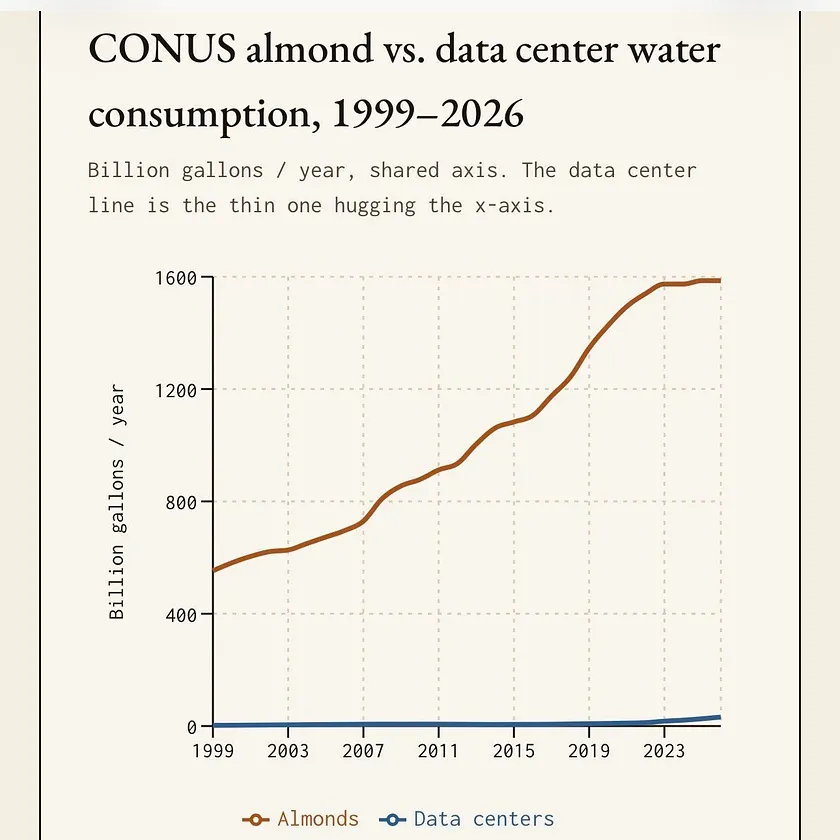
Over at Substack, @JoshEakle asks: "It's 2026, and I have yet to see an anti-almond farm protest."
200
686
3,769
974,024
Will Manning retweeted

May 19
this is KD joining the warriors for people who know linear algebra

84
784
10,740
649,598
Will Manning retweeted

May 18
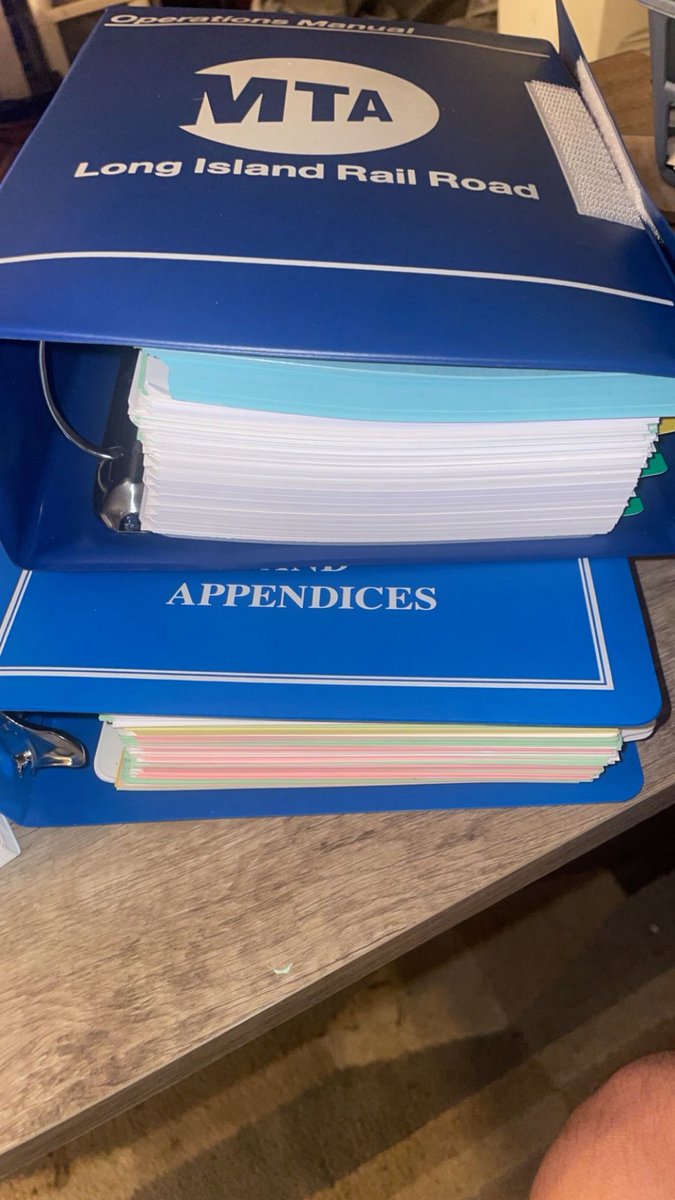
Wow! If anyone ever invented a machine that could take symbolic inputs and then follow rules to produce outputs, they’d be able to rent those suckers out for a quarter-million a year apiece and still save the LIRR money on pensions!
May 18

If anyone is curious, to be a Conductor on the LIRR, you need the memories verbatim every single rule in this book (250 ) on top of every single track/switch from Montauk to manhattan, 128 signals verbatim, every fee schedule, etc. not advocating for the strike, but many people
6
31
1,231
63,892
Will Manning retweeted

May 17
What's happening right now is that the coding agents are promoting feature maximalism and making it easier to introduce paper cuts. Lower layers of the stack need opinionated design, minimalism, and robustness.
May 15

I strongly believe there are entire companies right now under heavy AI psychosis and its impossible to have rational conversations about it with them. I can't name any specific people because they include personal friends I deeply respect, but I worry about how this plays out.
I lived through the great MTBF vs MTTR (mean-time-between-failure vs. mean-time-to-recovery) reckoning of infrastructure during the transition to cloud and cloud automation. All those arguments are rearing their ugly heads again but now its... the whole software development industry (maybe the whole world, really).
It's frightening, because the psychosis folks operate under an almost absolute "MTTR is all you need" mentality: "its fine to ship bugs because the agents will fix them so quickly and at a scale humans can't do!" We learned in infrastructure that MTTR is great but you can't yeet resilient systems entirely.
The main issue is I don't even know how to bring this up to people I know personally, because bringing this topic up leads to immediately dismissals like "no no, it has full test coverage" or "bug reports are going down" or something, which just don't paint the whole picture.
We already learned this lesson once in infrastructure: you can automate yourself into a very resilient catastrophe machine. Systems can appear healthy by local metrics while globally becoming incomprehensible. Bug reports can go down while latent risk explodes. Test coverage can rise while semantic understanding falls. Changes happens so fast that nobody notices the underlying architecture decaying.
I worry.
21
28
403
47,023