
information, thinking, expression, text, rules, crises of faith
- Tweets 146
- Following 479
- Followers 98
- Likes 540

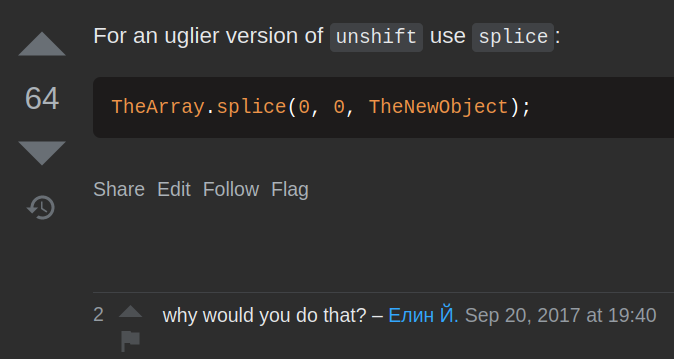

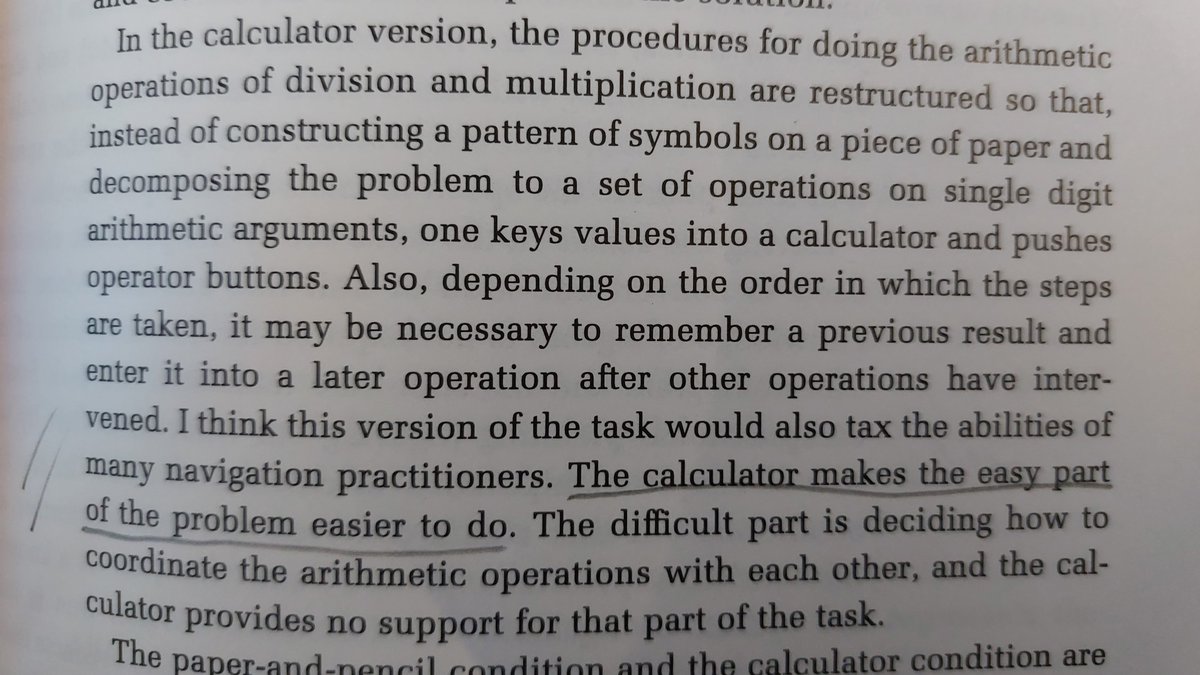
ALT A screenshot from Stack Overflow. The answer reads, "For an uglier version of unshift use splice:" and provides a code example. The first comment reads, "why would you do that?"
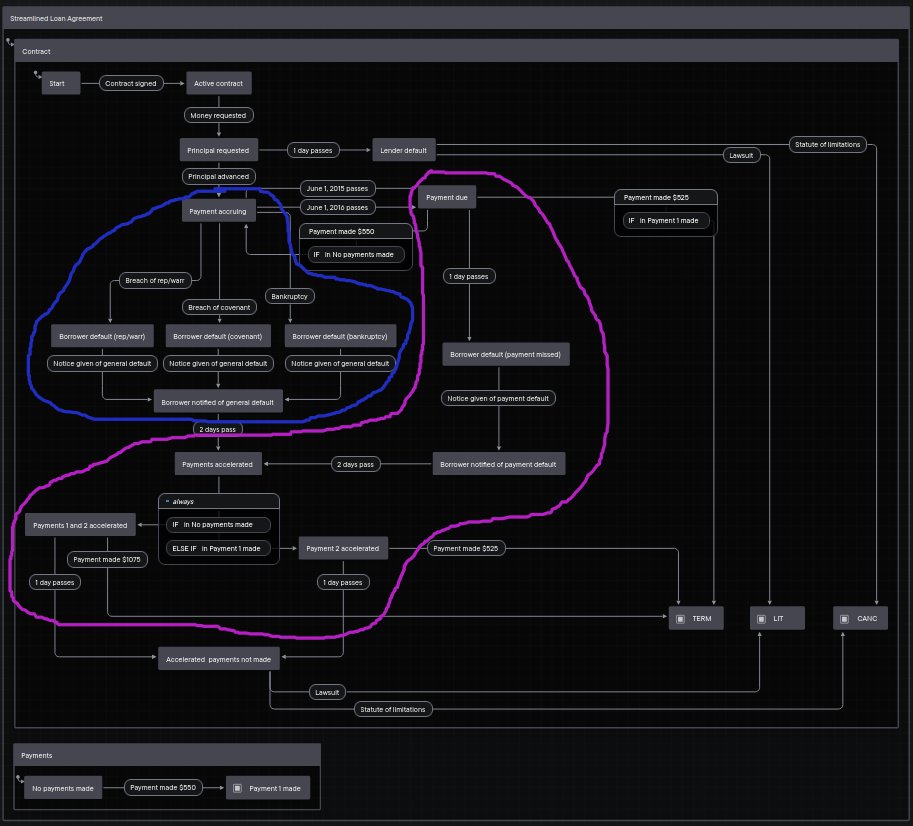
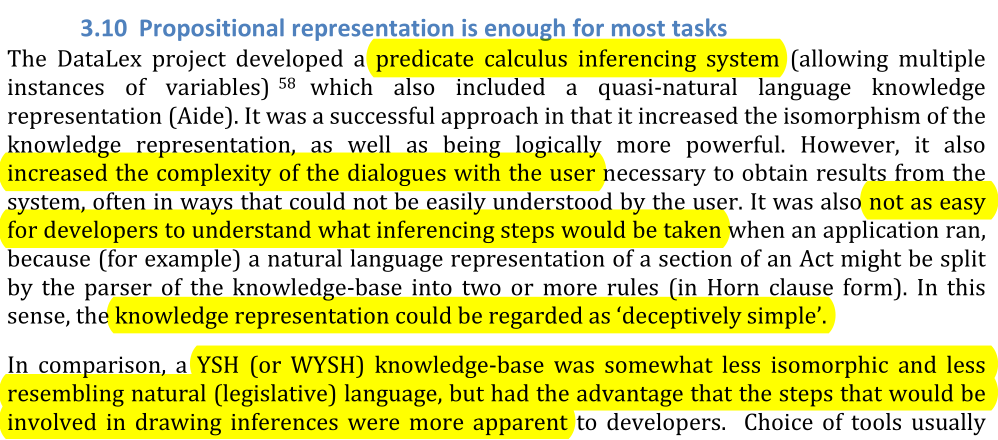
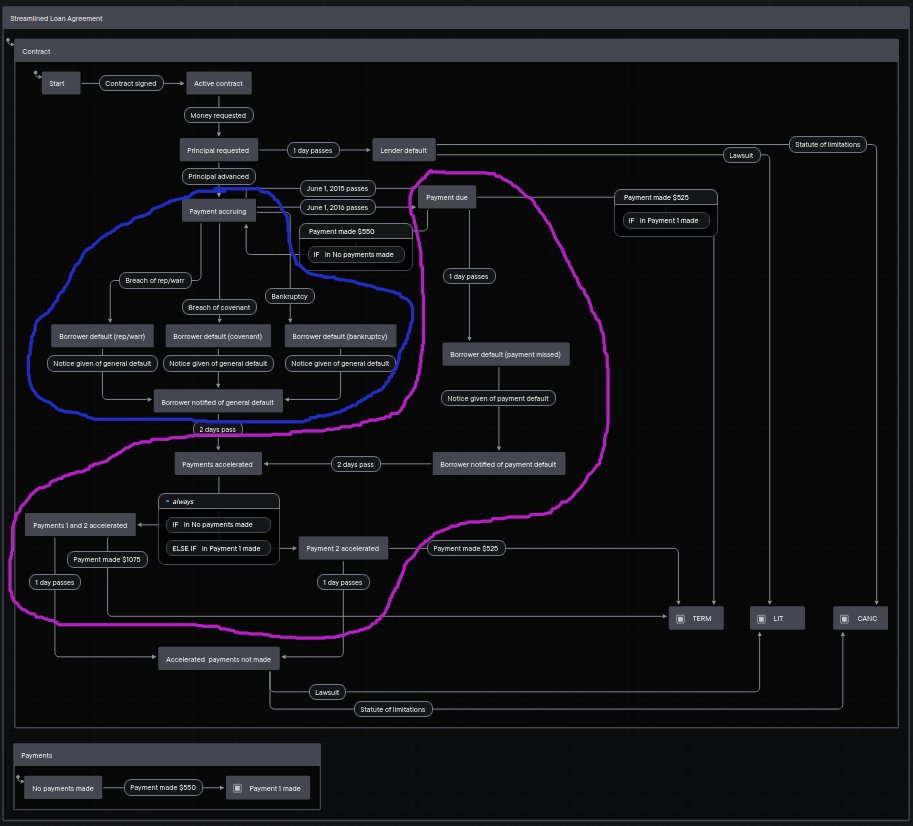
ALT The DataLex project developed a predicate calculus inferencing system (allowing multiple instances of variables) which also included a quasi-‐natural language knowledge representation (Aide). It was a successful approach in that it increased the isomorphism of the knowledge representation, as well as being logically more powerful. However, it also increased the complexity of the dialogues with the user necessary to obtain results from the system, often in ways that could not be easily understood by the user. It was also not as easy for developers to understand what inferencing steps would be taken when an application ran, because (for example) a natural language representation of a section of an Act might be split by the parser of the knowledge-‐base into two or more rules (in Horn clause form). In this sense, the knowledge representation could be regarded as ‘deceptively simple’.
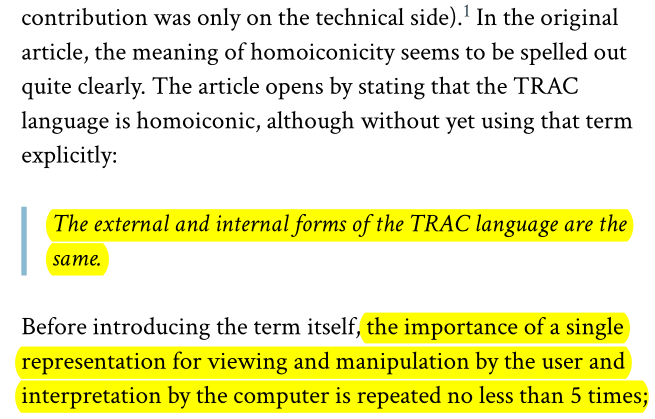
ALT In the original article, the meaning of homoiconicity seems to be spelled out quite clearly. The article opens by stating that the TRAC language is homoiconic, although without yet using that term explicitly: The external and internal forms of the TRAC language are the same. Before introducing the term itself, the importance of a single representation for viewing and manipulation by the user and interpretation by the computer is repeated no less than 5 times
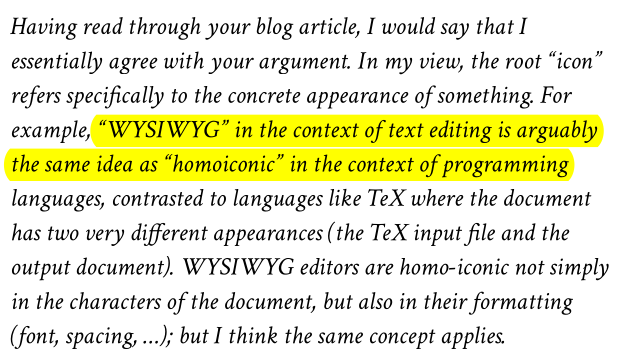
ALT Having read through your blog article, I would say that I essentially agree with your argument. In my view, the root “icon” refers specifically to the concrete appearance of something. For example, “WYSIWYG” in the context of text editing is arguably the same idea as “homoiconic” in the context of programming languages, contrasted to languages like TeX where the document has two very different appearances (the TeX input file and the output document). WYSIWYG editors are homo-iconic not simply in the characters of the document, but also in their formatting (font, spacing, …); but I think the same concept applies.
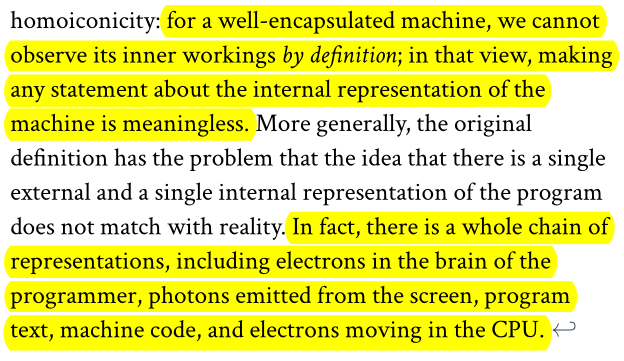
ALT for a well-encapsulated machine, we cannot observe its inner workings by definition; in that view, making any statement about the internal representation of the machine is meaningless. More generally, the original definition has the problem that the idea that there is a single external and a single internal representation of the program does not match with reality. In fact, there is a whole chain of representations, including electrons in the brain of the programmer, photons emitted from the screen, program text, machine code, and electrons moving in the CPU.