
Using AI and advanced technology to monitor bee, pollinator and environmental health to find long-term solutions to benefit both nature and people.
Joined October 2015
- Tweets 13,267
- Following 4,948
- Followers 5,184
- Likes 32,890
3,722 Photos and videos
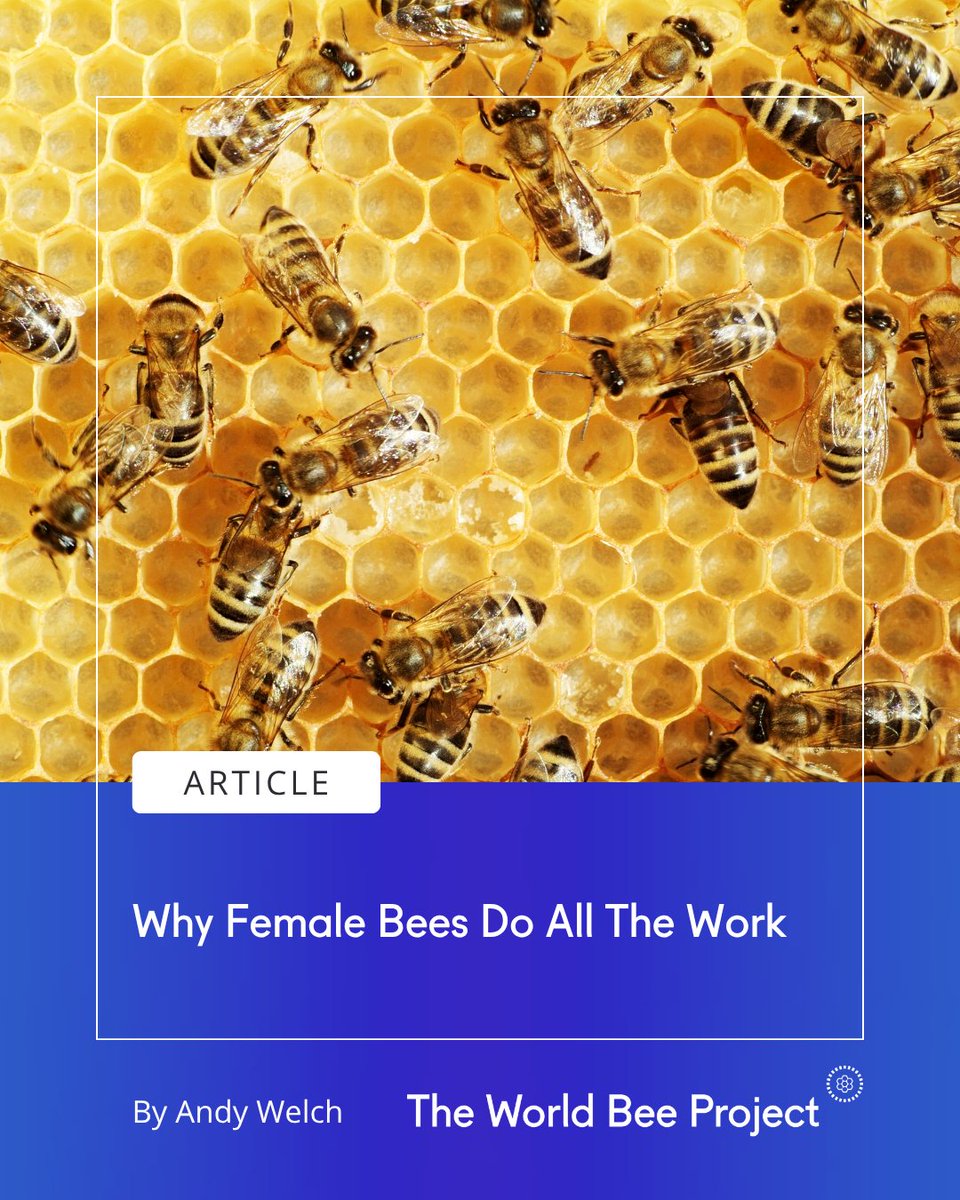

In a honey bee hive, it’s the females who keep everything running.
From feeding the queen to defending the colony, female worker bees carry the weight of survival — not by chance, but by design.
Female workers don’t reproduce.
So instead, they ensure their genes live on by helping their sisters thrive and their brothers survive.
Every act — gathering nectar, cleaning the hive, even sacrificing themselves — is driven by one purpose: protecting the future of the colony.
Read more: worldbeeproject.org/2026/01/…
#SaveTheBees #Pollinators #Biodiversity #BeeFacts
23
Did you know:
- Honey bees have been around for roughly 120 million years.
-Honey bee behaviour shaped the relationship between flowering plants and ecosystems.
- Almost 90% of wild plants and 75% of global crops depend on pollination by bees.
-To stay healthy, honey bees forage on a variety of flowers to make honey that contains enzymes, minerals, and beneficial plant compounds.
#HoneyBees #DidYouKnow #Nature
1
30
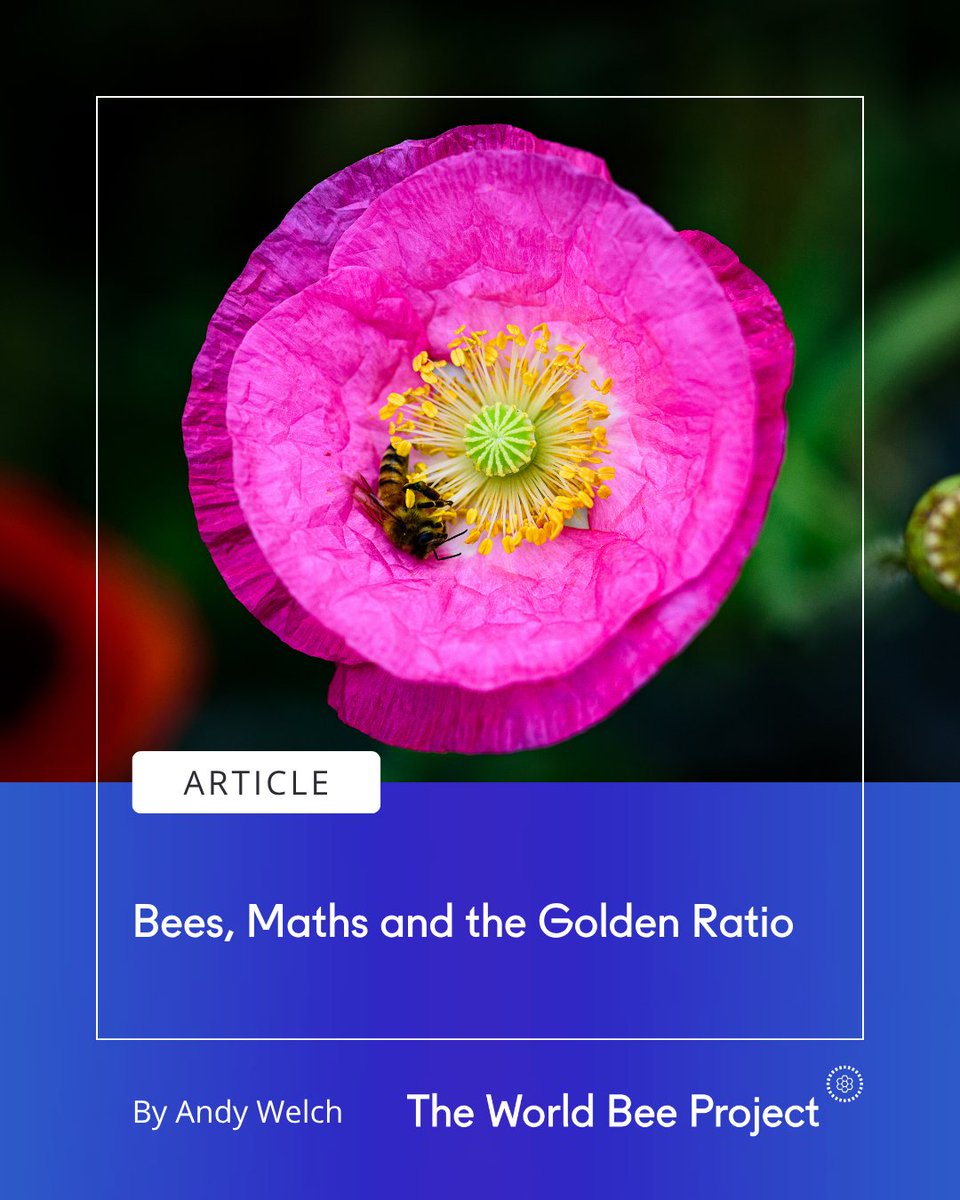
Bees don’t just pollinate our planet; they understand patterns that shape it. 🐝✨
From solving sequences to reflecting the beauty of the Fibonacci sequence, bees reveal something extraordinary: nature runs on maths.
In a fascinating experiment, bees learned to follow a growing pattern, arriving at the next location before researchers placed the reward.
Not instinct. Not chance. Pattern recognition.
Protecting bees means protecting the natural systems.
Read more: worldbeeproject.org/2025/12/…
#SaveTheBees #GoldenRatio #Biodiversity #Pollinators
2
44
A single grain of dust can travel thousands of miles…
…and end up nourishing life somewhere else.
Ecosystems aren’t isolated—they’re deeply interconnected.
#NatureFacts #Sustainability #Science
1
36
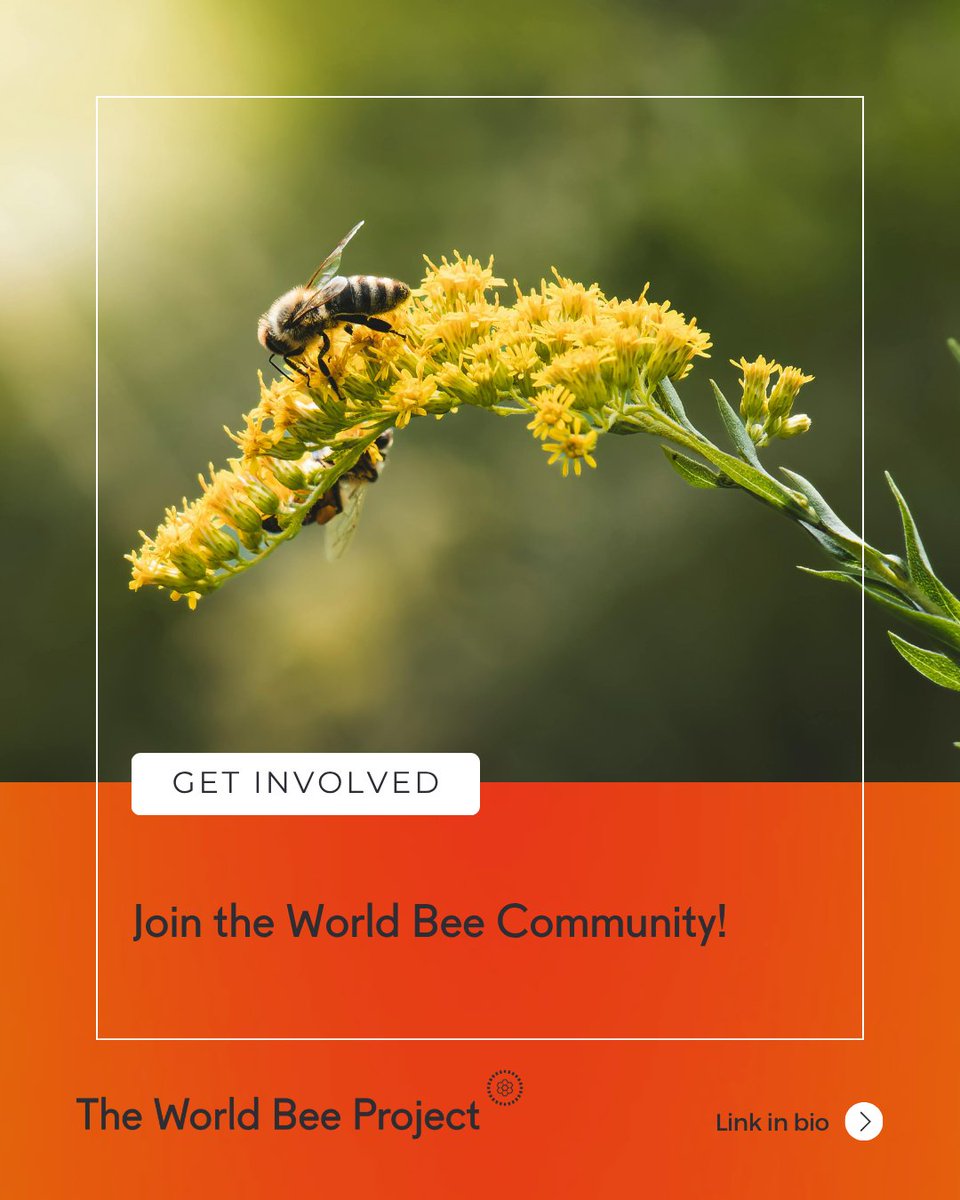
Imagine a world where ecosystems flourish, food systems are secure, and communities live in harmony with nature. 🐝
It starts with protecting our pollinators.
Join the World Bee Community and be part of building that future:
worldbeeproject.org/world-be…
1
1
55
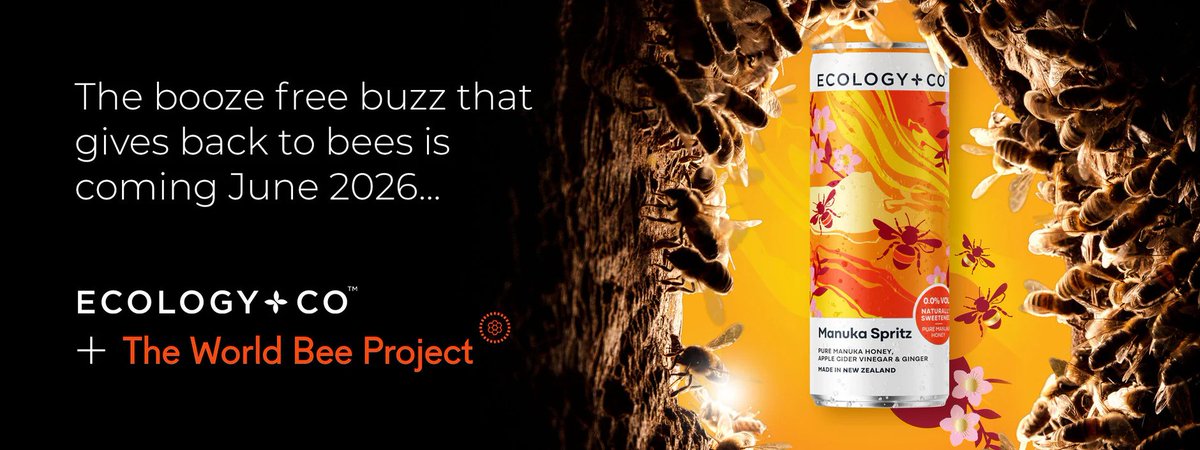
On #WorldBeeDay2026, The World Bee Project and Ecology & Co joined forces.
1% of every Ecology & Co can and bottle sold globally will support bees.
No Bees = No Biodiversity = No Life.
Drink Manuka Spritz. Drink to Life.
Find out more: ecologyandco.com/pages/world…
#pollinators #bees #biodiversity #ecologyandco #EnvironmentalSocialResponsabilty
1
4
75
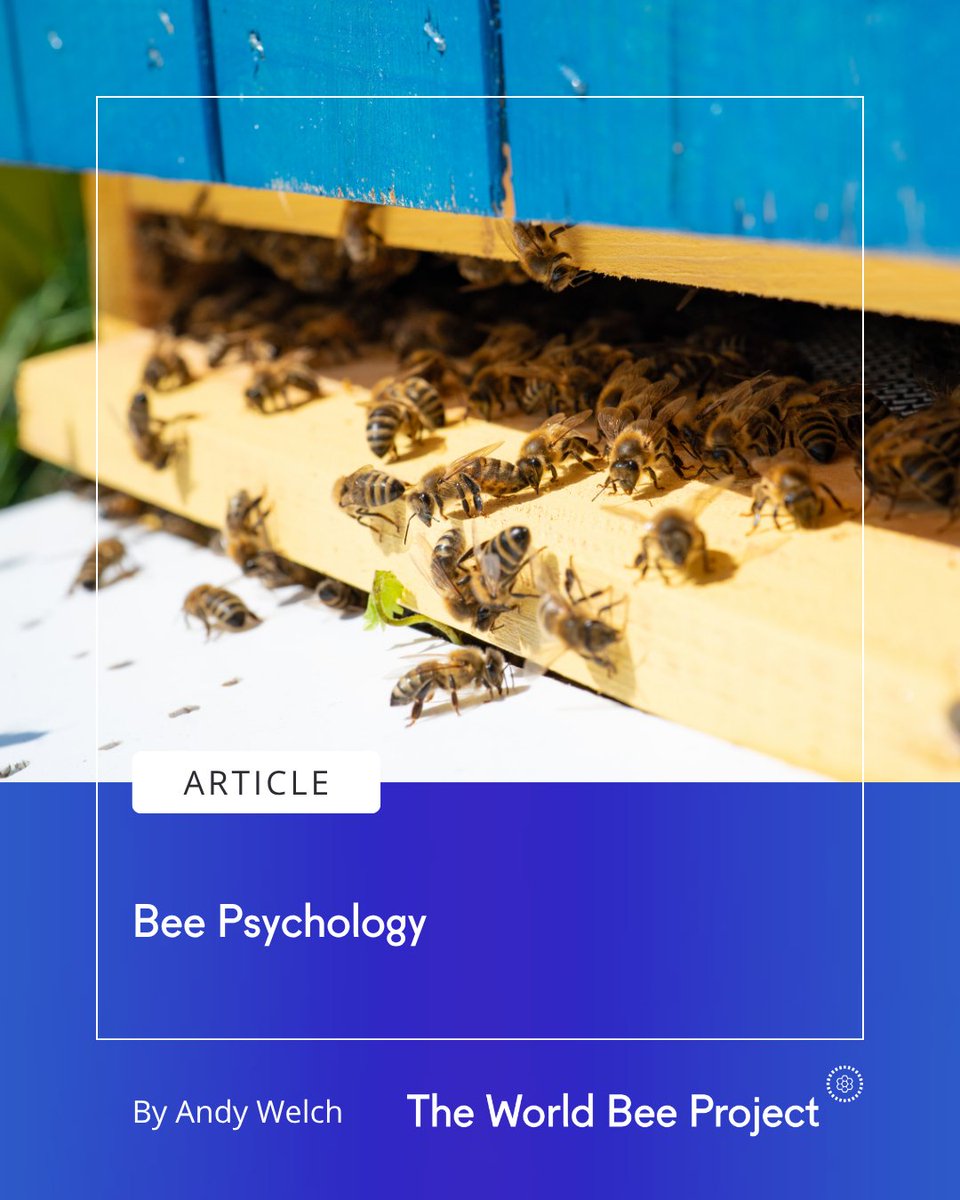
New insights into bee psychology reveal that bees don’t just react, they experience.
From anticipation and reward to stress-induced pessimism, their behaviour suggests emotional states not so different from our own.
Through experiments inspired by Pavlov’s dog experiment, scientists discovered that bees can shift from “optimistic” to “pessimistic” after stressful events.
A response that may even be linked to challenges like Colony Collapse Disorder.
Read more: worldbeeproject.org/2025/12/…
#SaveTheBees #BeeIntelligence #Pollinators #Sustainability
2
4
57
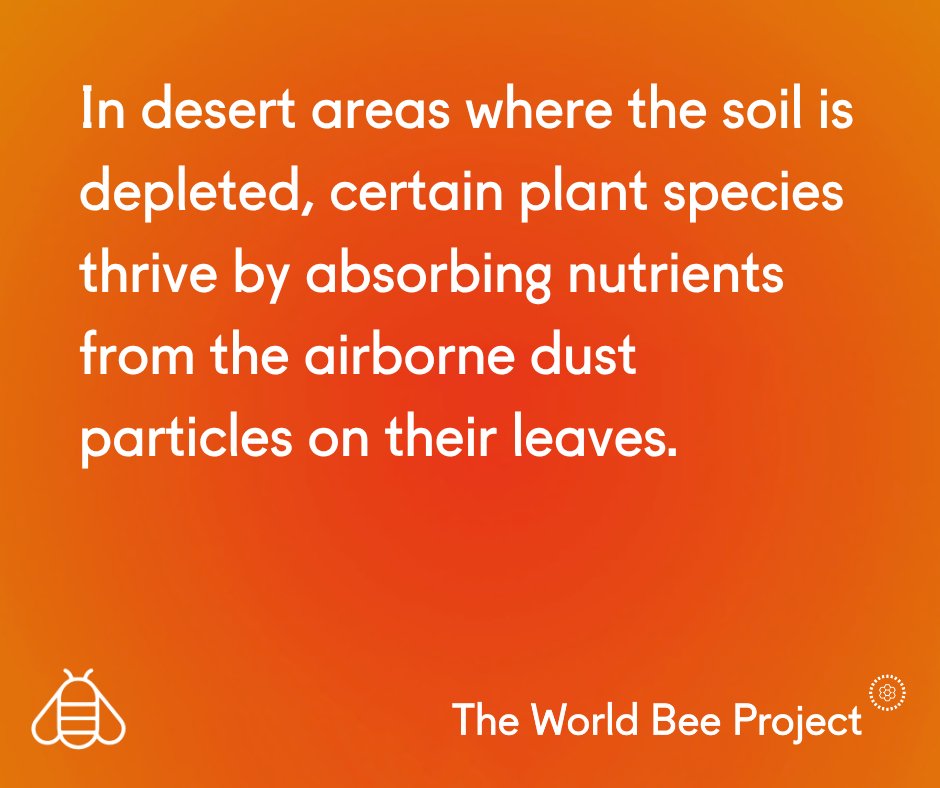
When desert storms blow dust across regions, some plant species absorb nutrients in the dust particles through their leaves.
Desert dust can be a good source of nutrients.
#Science #Nature #Ecosystems
1
3
46
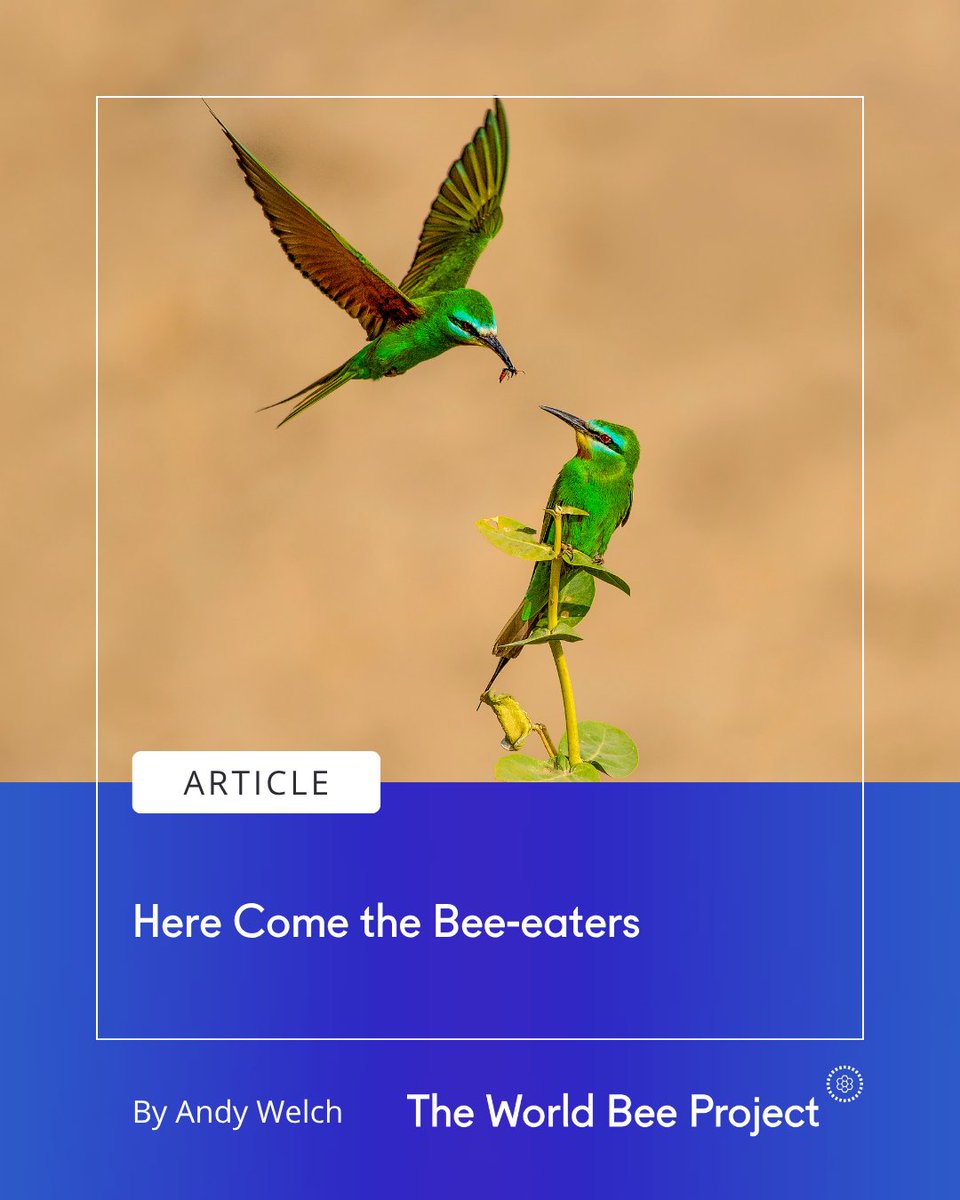
As our climate shifts, species like the bee-eater (Merops apiaster) may soon become more common in places they’ve never been seen before.
But what does their arrival really mean for bees?
Despite their name, bee-eaters don’t spell disaster for pollinators.
They hunt in flight, rarely target hives, and bees are proving more resilient than we think, often adapting their behaviour rather than retreating.
Read more: worldbeeproject.org/2025/10/…
1
1
86
Plants can “eat” dust.
In nutrient-poor regions, some plants absorb essential minerals directly through their leaves from airborne particles.
A reminder: innovation isn’t always loud - sometimes it’s quietly happening in nature.
#Science #Nature #DidYouKnow
1
39
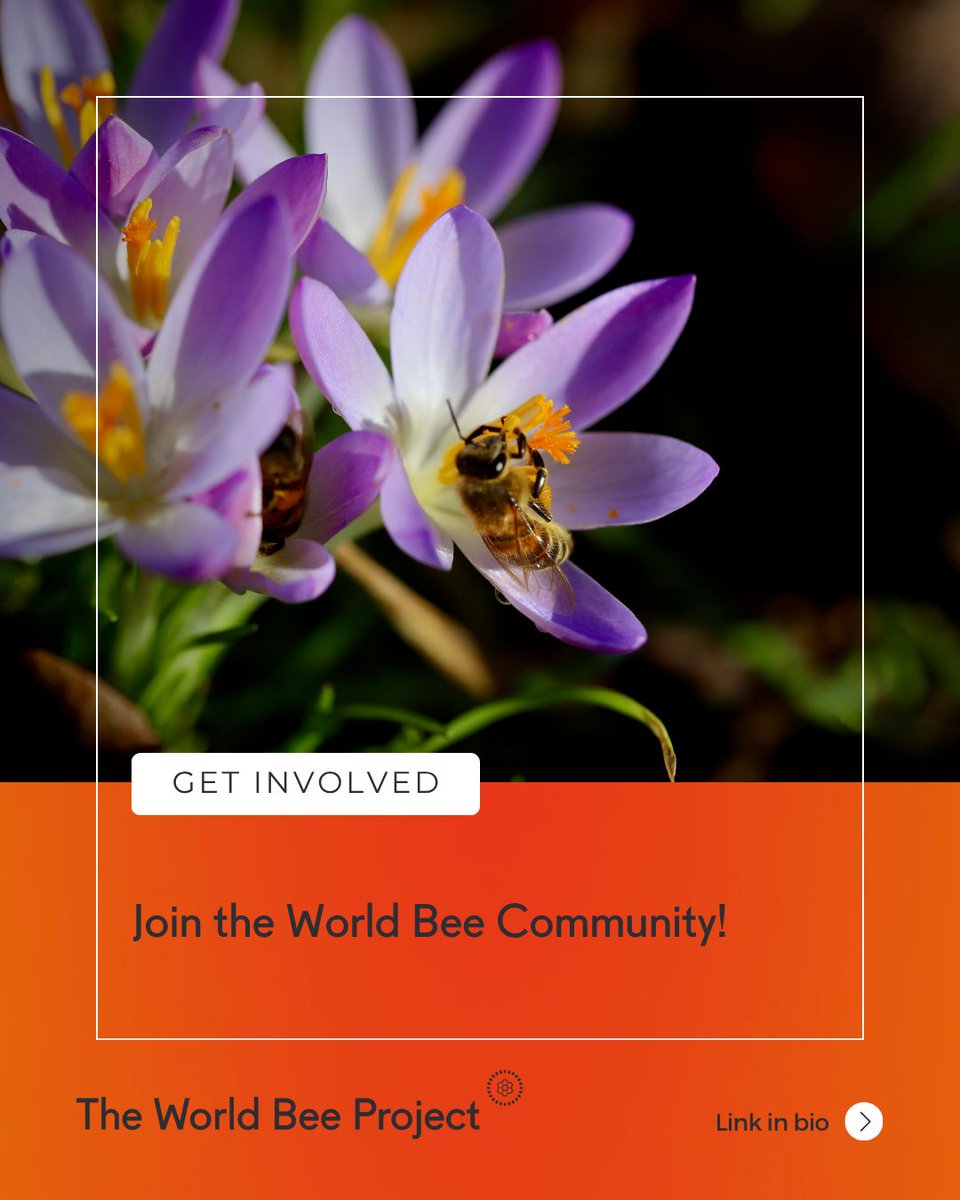
Every bee counts. Every voice matters. 🐝
Join the World Bee Community and connect with people worldwide who are taking action to protect pollinators, restore ecosystems, and support communities that rely on them.
Be part of the change: worldbeeproject.org/world-be…
1
30
Plants teach us survival. 🌿
Epigenetic “memory” microbial allies = crops ready for future stress.
Nature’s solution to climate change? Smarter, stronger plants.
This natural memory could help reduce pesticide use.
#ClimateResilience #FoodSecurity #PlantScience #NatureInnovation
1
31
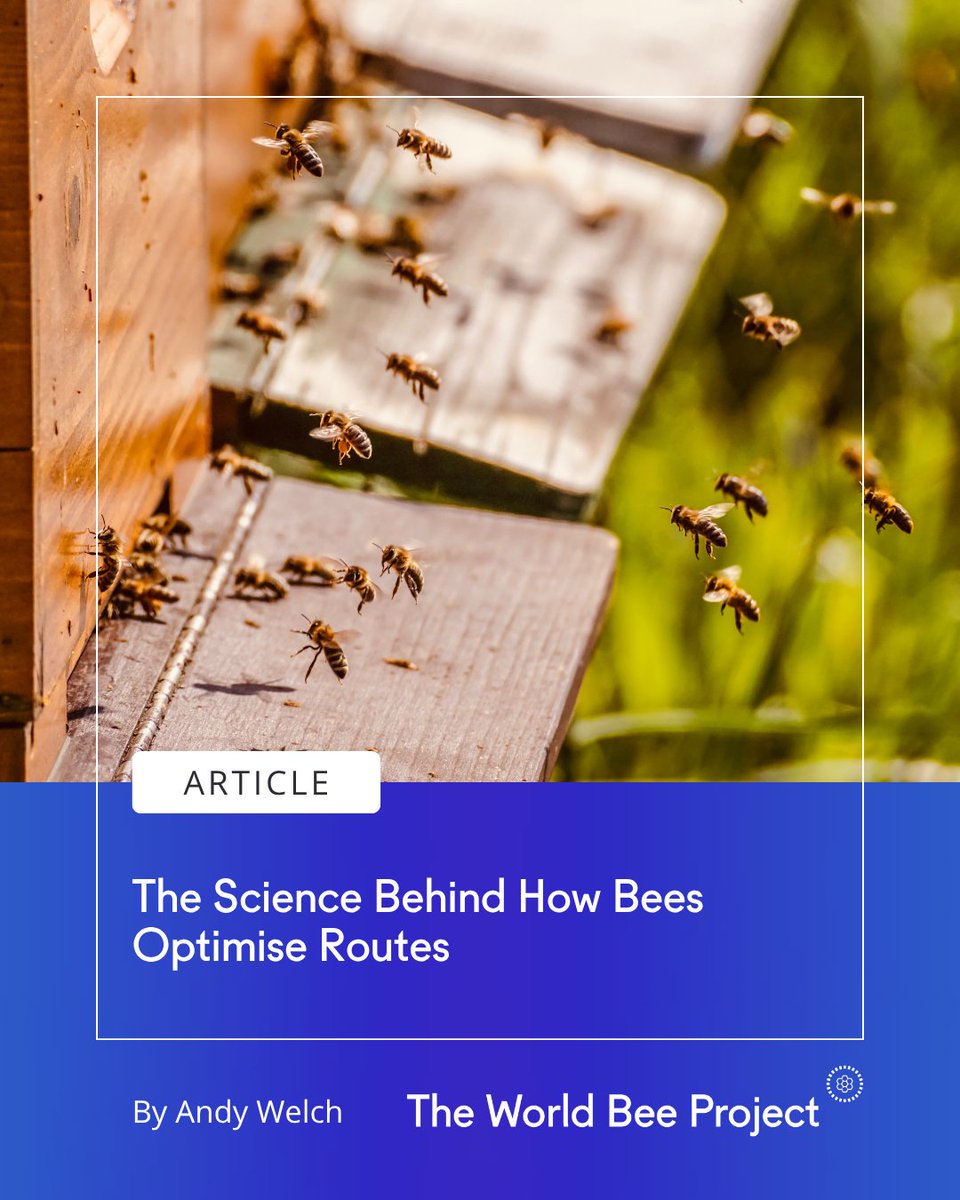
Did you know bees are solving complex maths problems every time they forage?
From finding the shortest route between flowers to collectively deciding the best new hive location, bees use a “hive mind” approach that inspires real-world algorithms like the Artificial Bee Colony method.
Discover how these tiny creatures are not just pollinators, but also brilliant problem-solvers.
Read more: worldbeeproject.org/2025/09/…
1
49
Stress leaves a mark… in plant DNA. 🌱
Immune priming helps plants respond faster to pests, disease, and environmental threats.
Harnessing this memory could reduce chemical use and boost crop resilience.
#SustainableFarming #PlantPower #Innovation
1
20
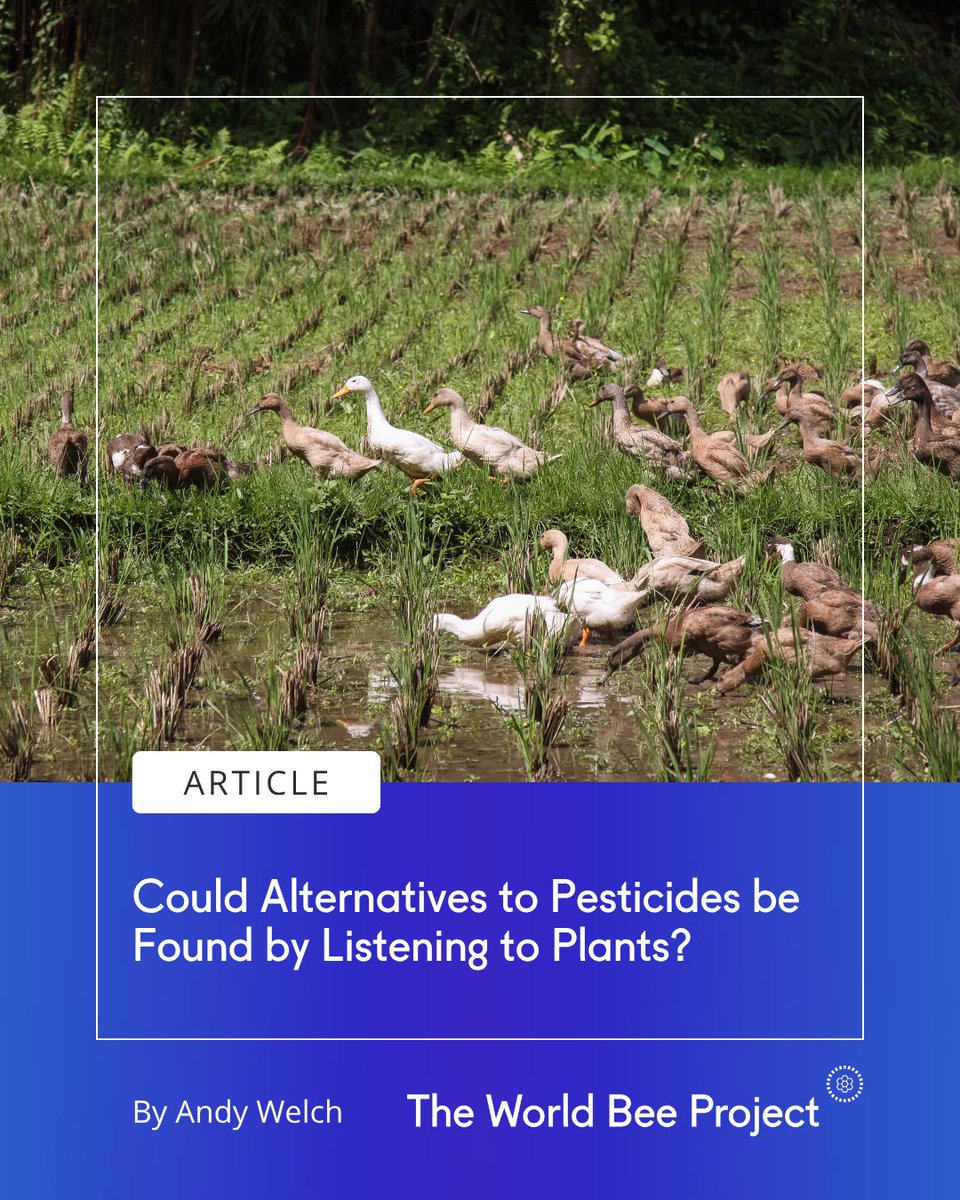
Recent research shows that rice plants aren’t as silent as we thought.
When attacked by pests like the yellow stem borer, they release chemical signals that warn neighboring plants and even attract natural predators like spiders to defend the crop.
This natural “plant communication” could be the key to reducing harmful pesticides, protecting both biodiversity and farmers’ livelihoods.
Could we one day “vaccinate” fields with plant signals instead of chemicals?
Read more: worldbeeproject.org/2025/08/…
#SustainableFarming #PlantScience #Pollinators
1
45
Plants have memory without brains. 🌿
Stress triggers epigenetic changes that “prime” their defences.
Some even recruit helpful microbes in the soil for future crops.
Could this natural intelligence help us grow stronger, pesticide-free food?
#PlantScience #FoodSecurity #ClimateResilience
1
38
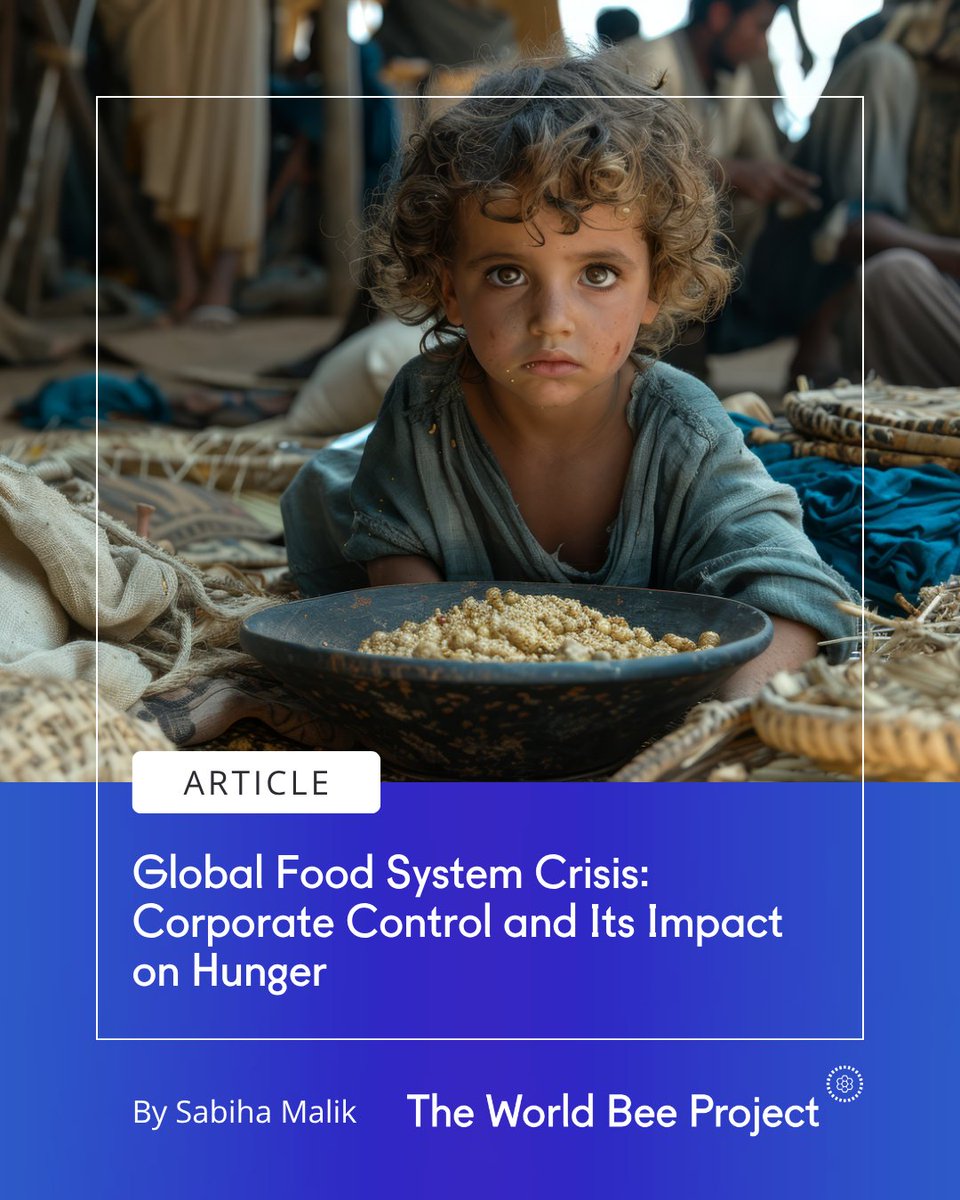
Despite producing enough food for everyone, over 2 billion people still face food scarcity.
The hidden culprit?
Corporate control and market concentration are shaping what we grow, sell, and eat.
Let's explore the root causes, consequences, and solutions.
It’s time to support local farmers, advocate for fair policies, and rethink the system that feeds the world. 🌱🐝
Read more: worldbeeproject.org/2025/03/…
#FoodSecurity #SustainableFarming #GlobalFoodSystem
1
29
Plants can “remember” stress.
Through immune priming and epigenetic changes, they respond faster to pests and disease - even recruiting helpful microbes in the soil.
This natural memory could help create climate-resilient crops and reduce pesticide use.
Nature is smarter than we think.
1
43