
Design ✦ Code ✦ Bugs
Joined August 2021
- Tweets 2,085
- Following 817
- Followers 3,193
- Likes 2,387
314 Photos and videos




Jun 11
Finally after years of waiting we have something official

Imagine a world where you could copy/paste websites into editable Figma layers (jk you don’t have to imagine you can do this now with our Chrome extension)
2
21
3,507
Jun 11
Launch videos are all over X
I wanna get into editing but my main skills are design and dev.
any good editor in my network who wants to partner up and explore this niche?
Also thinking of training a custom model and wrapping this around a saas.
dms open!
13
34
2,085
Jun 10
My brother is literally 19 and created a new editing style. It all over instagram.

167
20,421
Jun 4
Looking for freelance pitch deck / visual designers for a 1-month project.
If you've built investor decks, fundraising presentations, DM my friend @dvabhishek with your portfolio.
Pavo AI is building AI systems that can take ownership of business outcomes through self-evolving knowledge systems, agent societies, and adaptive world models.
Super cool company, and a great group of people to work with.
Jun 2

Looking for freelance pitch deck designers/visual designers for a month-long engagement. Pls DM with portfolio.
IST/GMT.
1
4
511
Jun 2
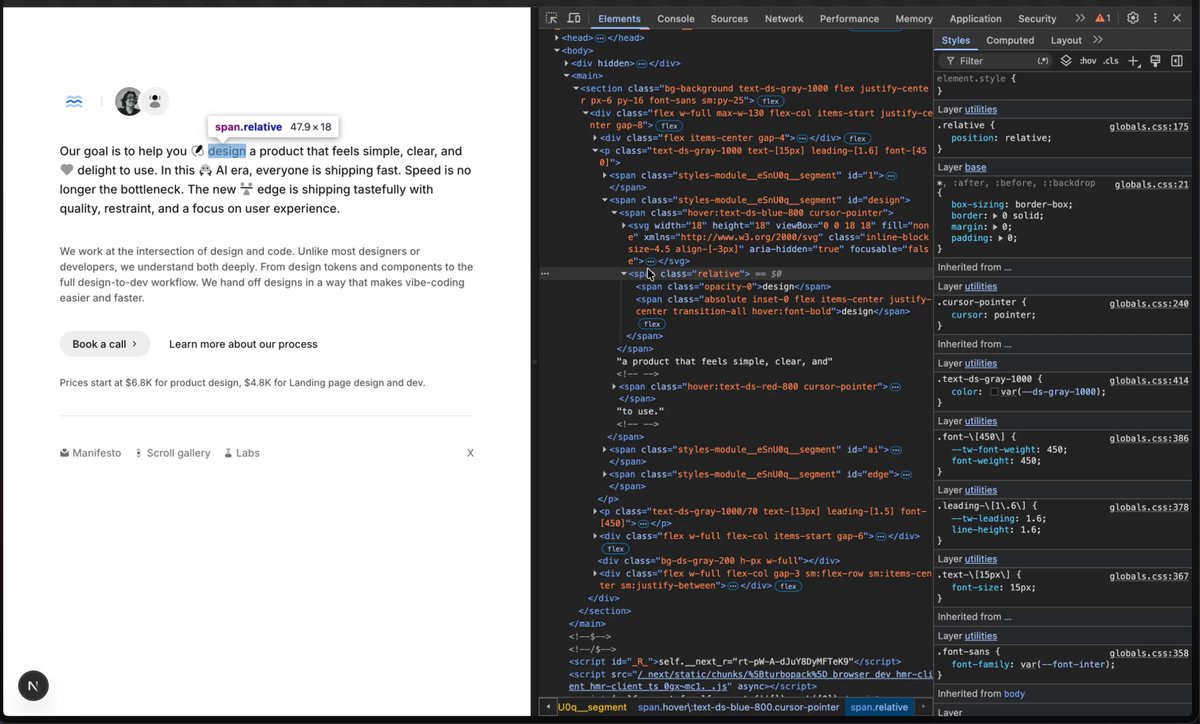
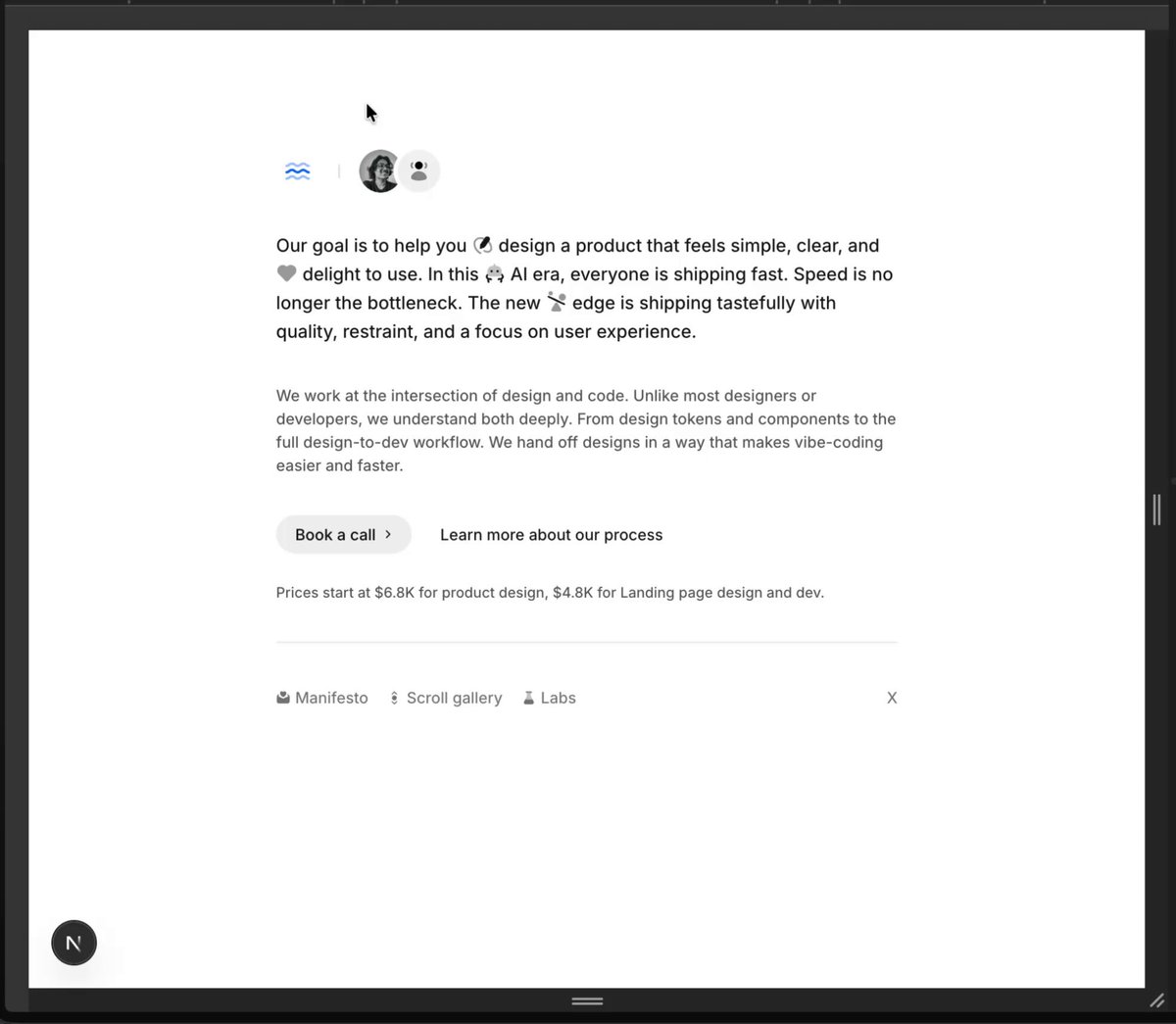
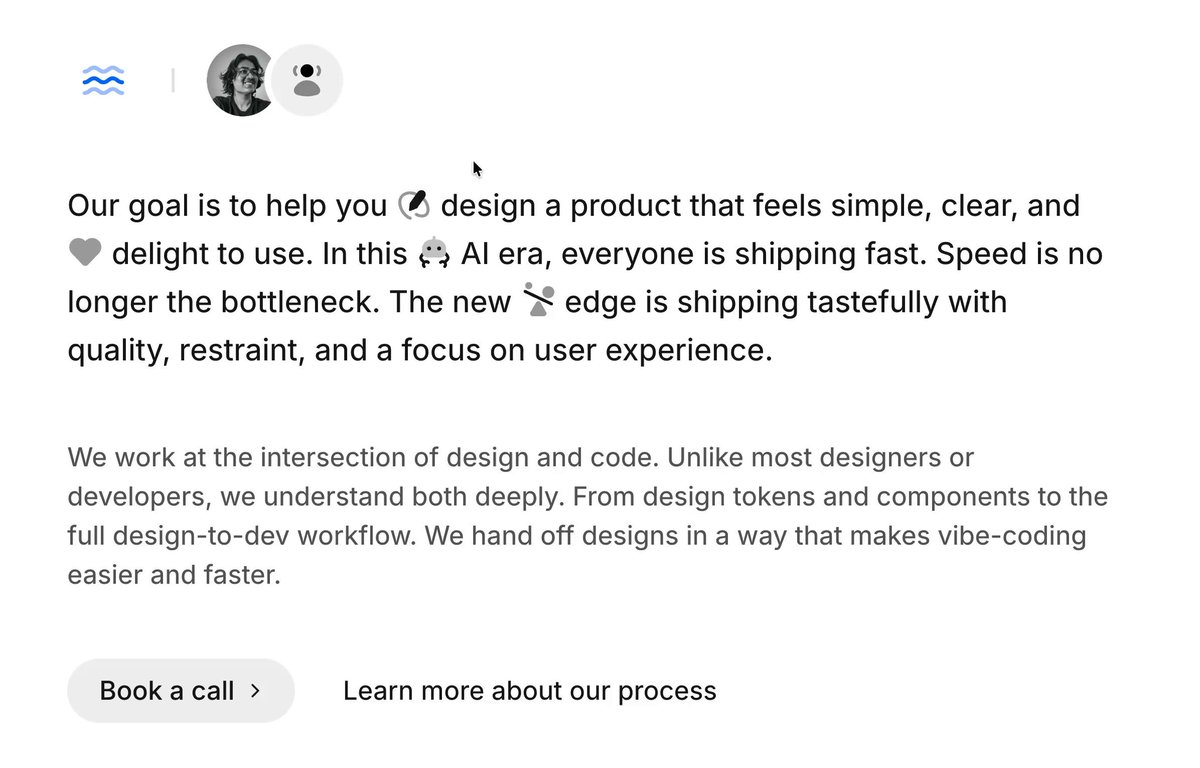
so here's the fun part, I'm not using any custom plugin for this.
it's just a span wrapper around multiple words.
The icons and the word after are in a inline-flex.
this way everything is responsive and dynamic.
here's a breakdown of how I wrapped everything 👇

Curious how you’re making it responsive between mobile, tablet and desktop. I typically use GSAP’s SplitText plugin with its built-in text-wrapping features, but if you’re using absolute positioning, it’ll be quite different!
9
219
24,303
Jun 2
Here's a breakdown of how the font-weight transition prevents the layout shifts
19
1,588
Jun 2
Doing this still gives some minor layout shifts.
rather use a absolute positioned flex centered element in a container with the original element to keep track of the width.
Gives 0 layouts shifts and also works great with large font weights transitions

when animating variable font weights remember to include tighter optical sizing to maintain the width of the text
17
13
803
61,200
May 29
Vibe-coded this cool animation by generating a sprite sequence from gpt.
1
22
710
May 28
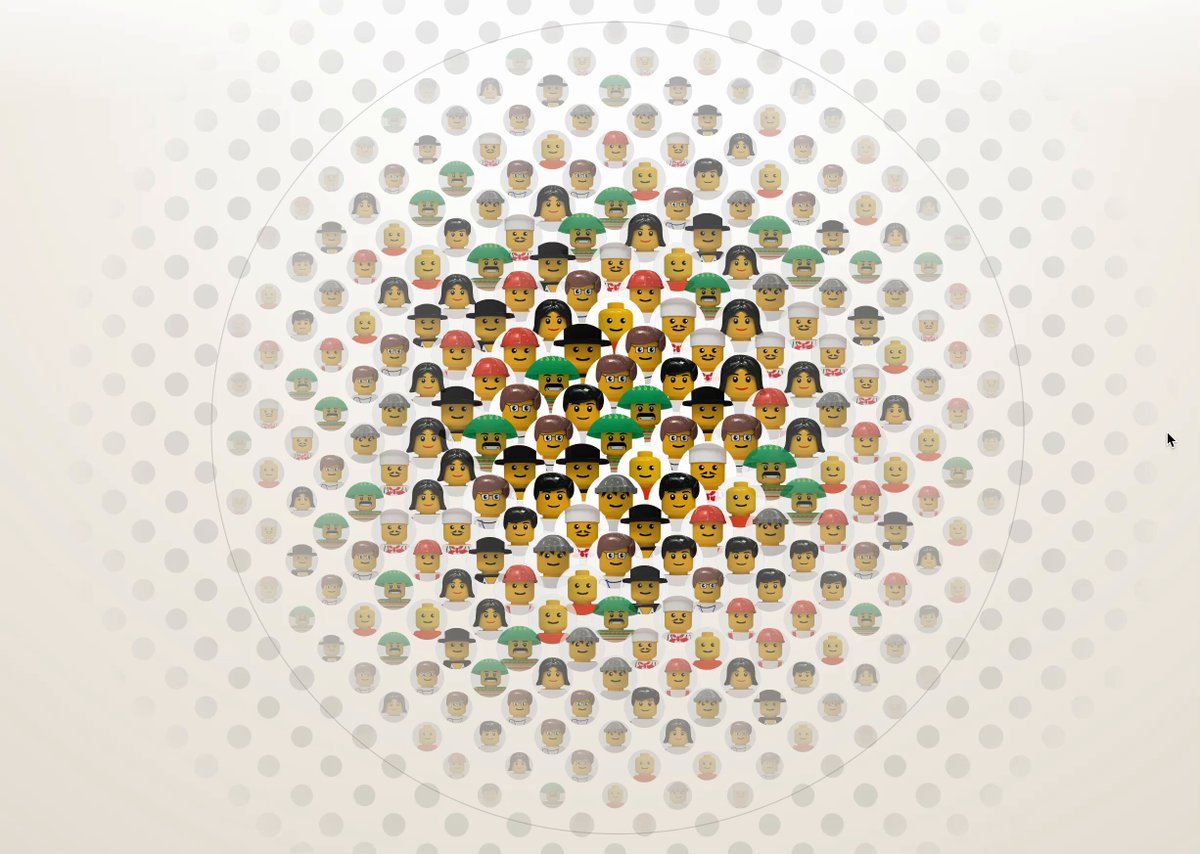
Here's another quick one on how can you create dithered masks.

5
18
489
32,360
May 27
great designers are always in tutorial hell
gotta learn it all
1
5
496
May 27
You can also use this trick to add blurred dithering to subjects.

May 26

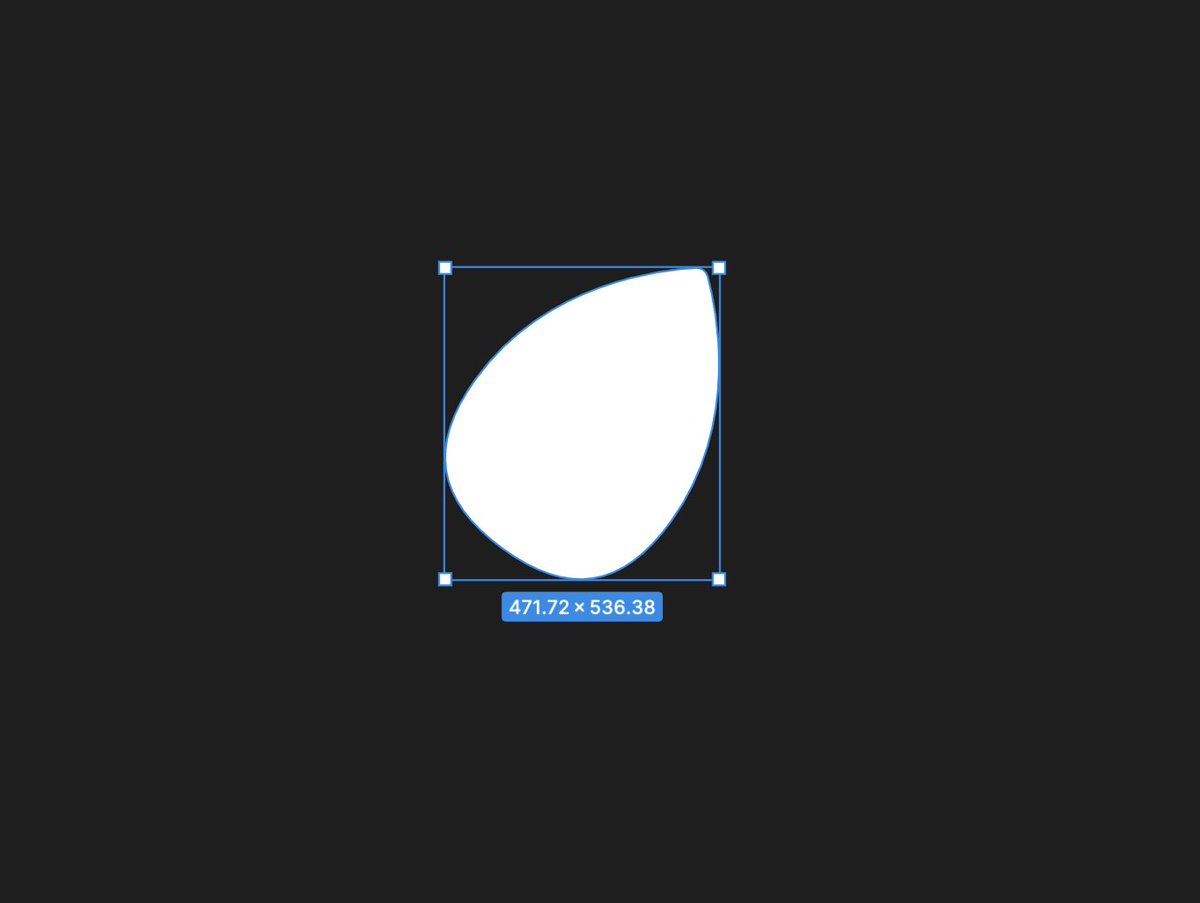
A lot of people asked how I achieved this effect, its actually pretty simple mask effect 🧵
1. Create your shape
10
250
2,449
171,642
Apr 29
I also love using open superwhisper with codex.
When I'm attaching files in a new thread I need to type, but when I'm following up, I just love to speak and it's so much faster.
I tried Superwhisper and WhisperFlow as well, but Nvidia has an open source model so I don't think it makes sense to pay for a open source model.
Open superwishper is an open source project. Links in the comments.
Apr 29
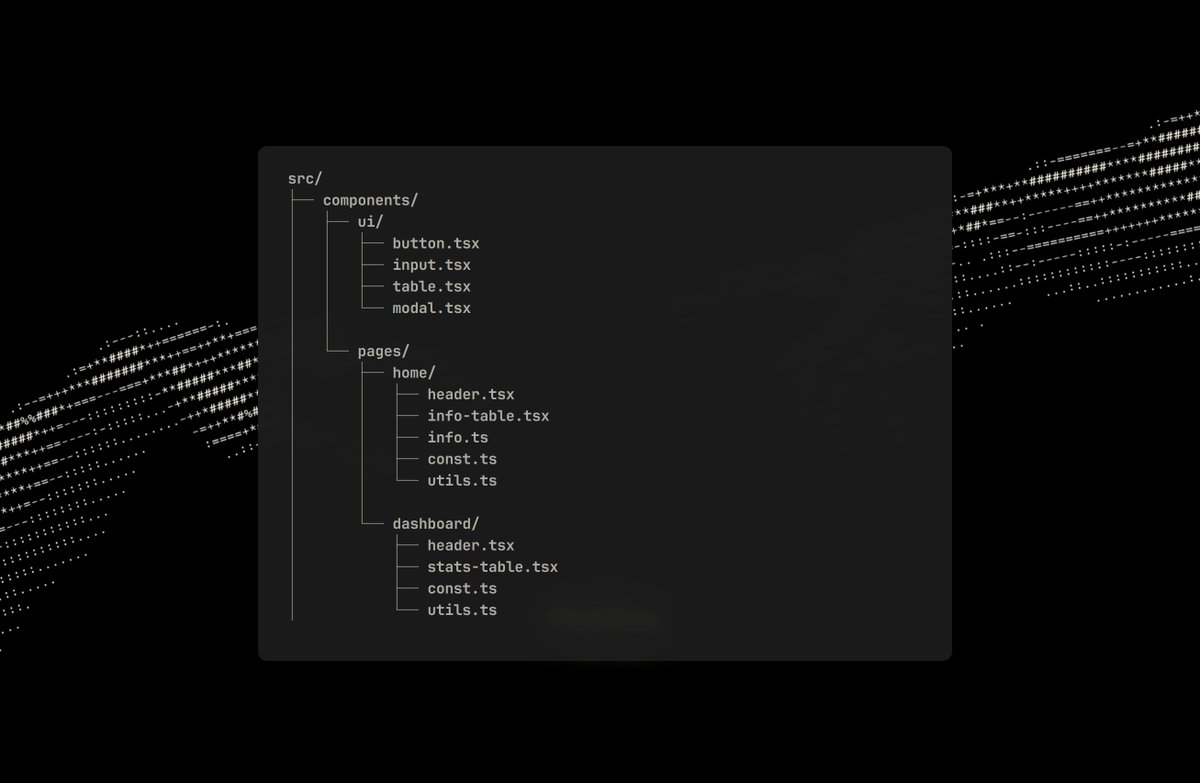
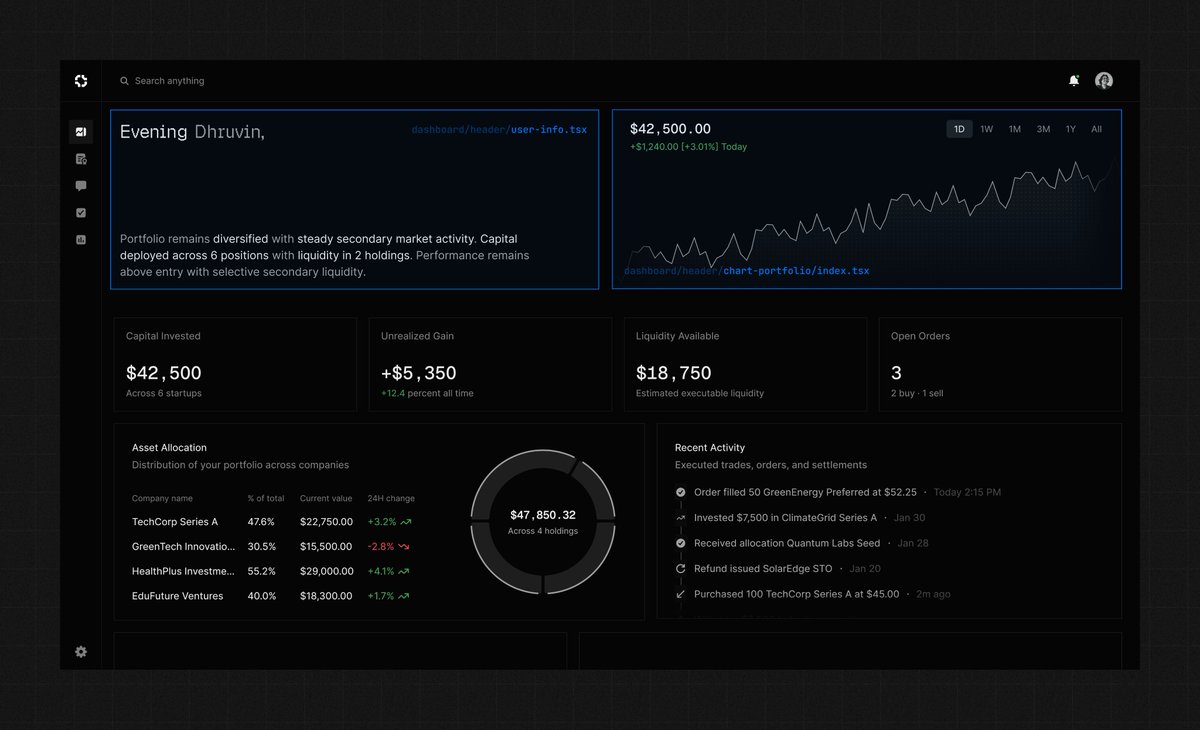
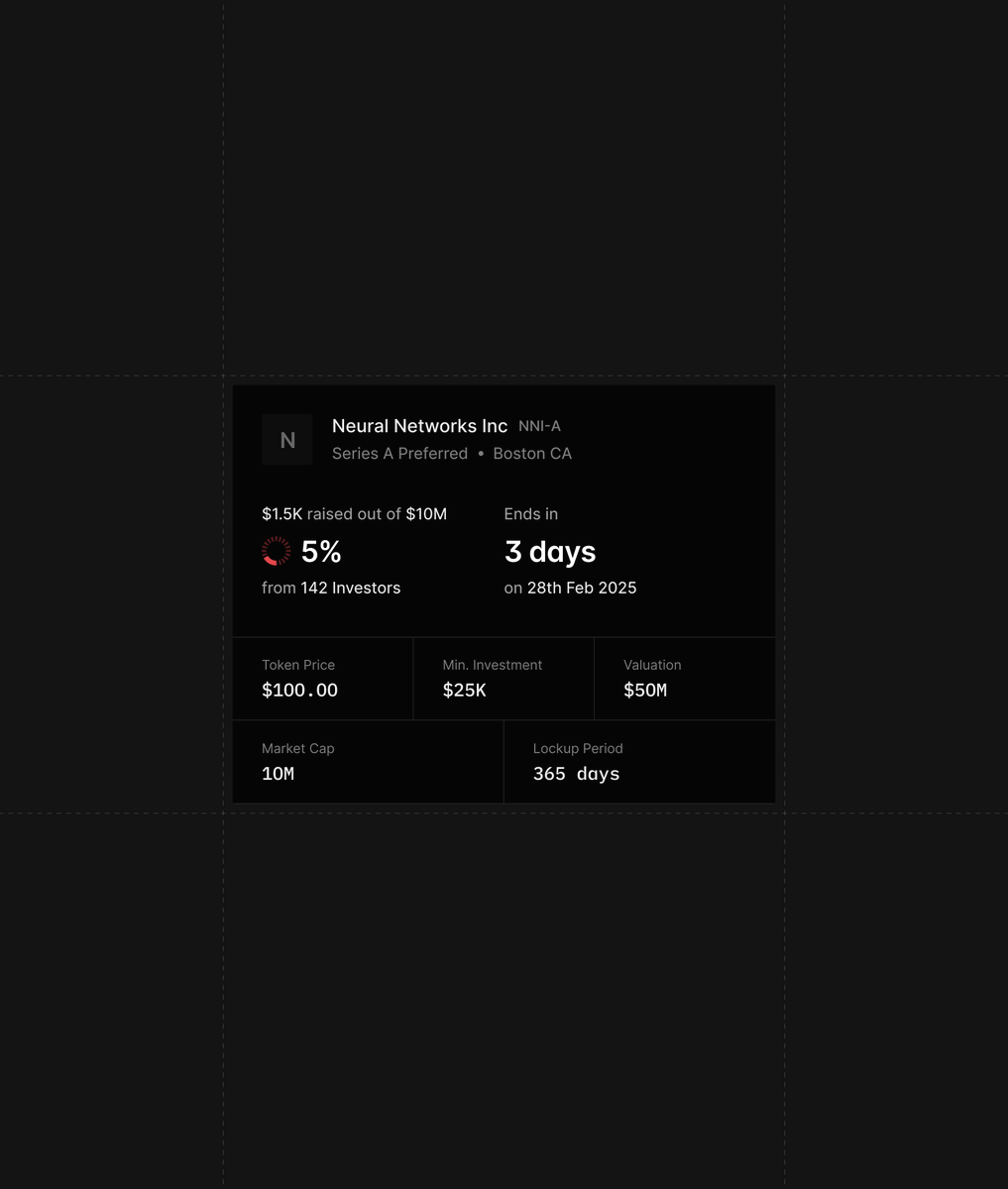
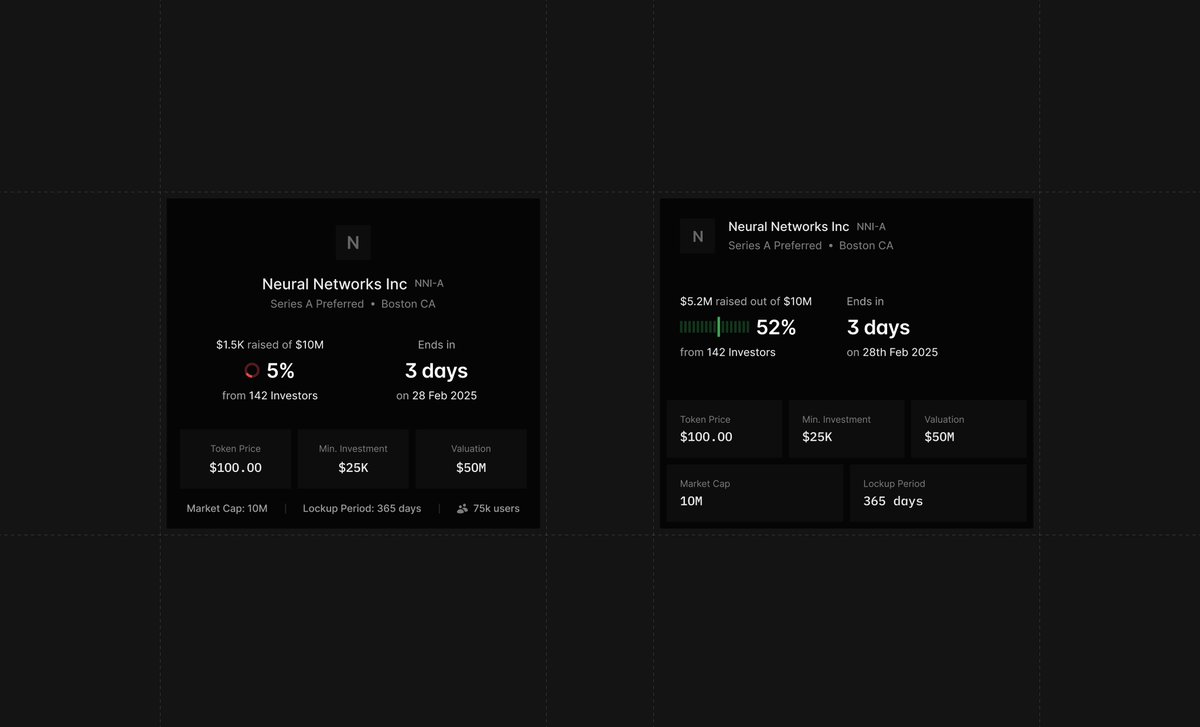
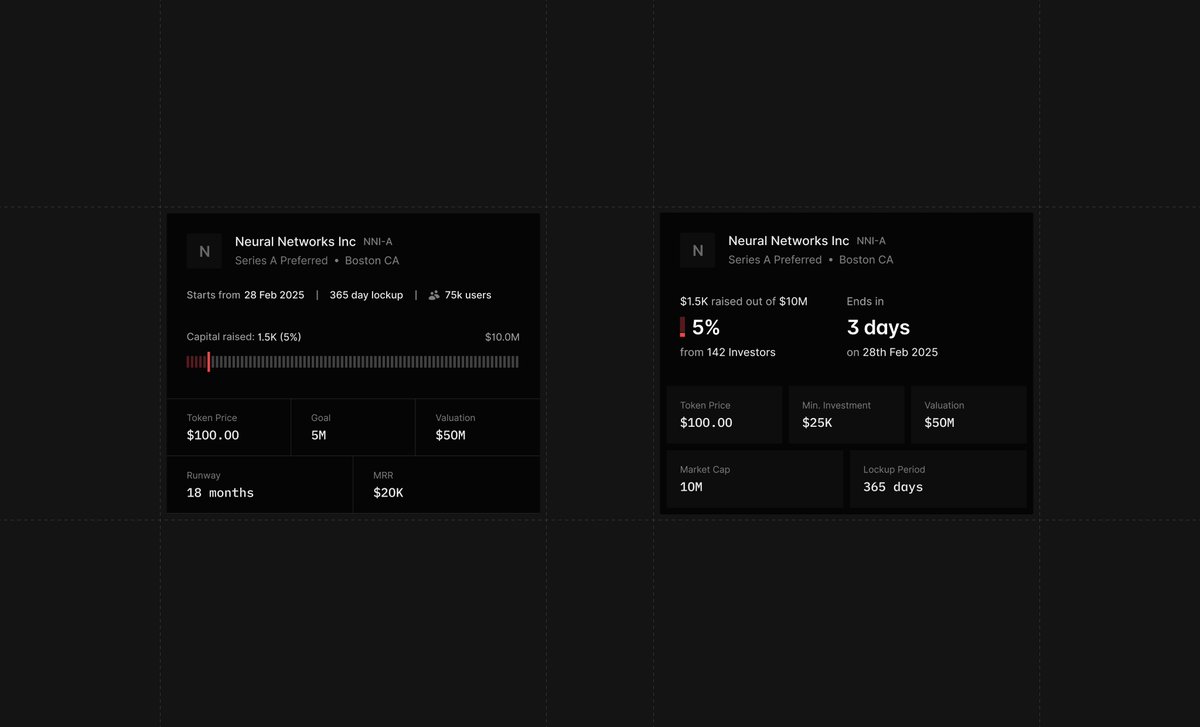
Here's how to get pixel perfect screens from Figma with clean maintainable code using codex.
You need to use the atomic design paradigm.
It forces every component to own its logic. Debugging gets a lot easier after that. LLMs tend to create fewer bugs when the repo follows atomic design.
If you repo does not have proper components, you should just use a existing system like shadcn or mantine.
For Figma
Don’t treat the screen as one thing.
Break it into layout components. Then prompt each part separately.
In a mono frontend/backend repo, I get almost pixel perfect UI with barely any bugs. Everything just connects properly.
For bigger, more complex screens
Go one level deeper.
Start with the layout. Break down every component. Each component gets its own thread.
You get way more control this way. Things stop randomly breaking, and when they do break, you know exactly where to look.
Use this with git worktrees, and multiple threads for multiple component.
2
5
951
Apr 29
Here's how to get pixel perfect screens from Figma with clean maintainable code using codex.
You need to use the atomic design paradigm.
It forces every component to own its logic. Debugging gets a lot easier after that. LLMs tend to create fewer bugs when the repo follows atomic design.
If you repo does not have proper components, you should just use a existing system like shadcn or mantine.
For Figma
Don’t treat the screen as one thing.
Break it into layout components. Then prompt each part separately.
In a mono frontend/backend repo, I get almost pixel perfect UI with barely any bugs. Everything just connects properly.
For bigger, more complex screens
Go one level deeper.
Start with the layout. Break down every component. Each component gets its own thread.
You get way more control this way. Things stop randomly breaking, and when they do break, you know exactly where to look.
Use this with git worktrees, and multiple threads for multiple component.
6
2
59
3,433