
Designer of some sort... sierra.ai
Joined March 2008
- Tweets 5,478
- Following 401
- Followers 1,651
- Likes 7,775
959 Photos and videos
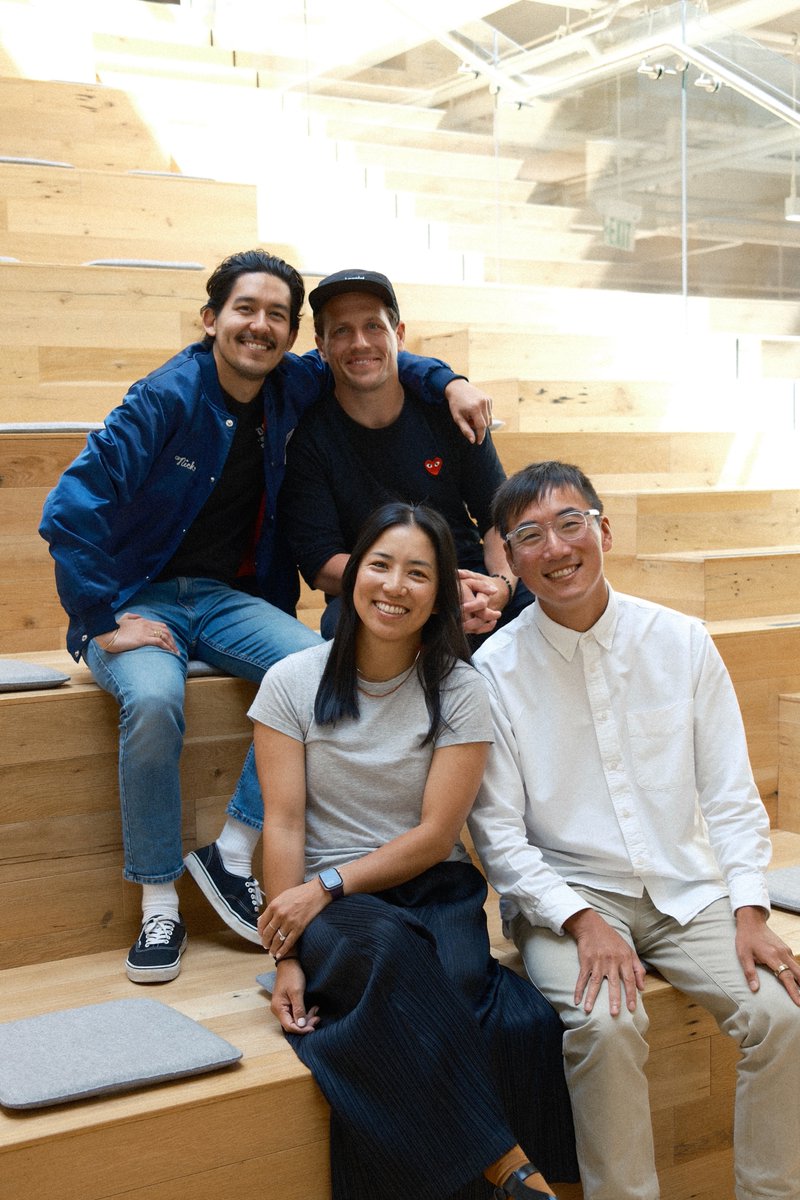



It's here and it's gorgeous! ✨
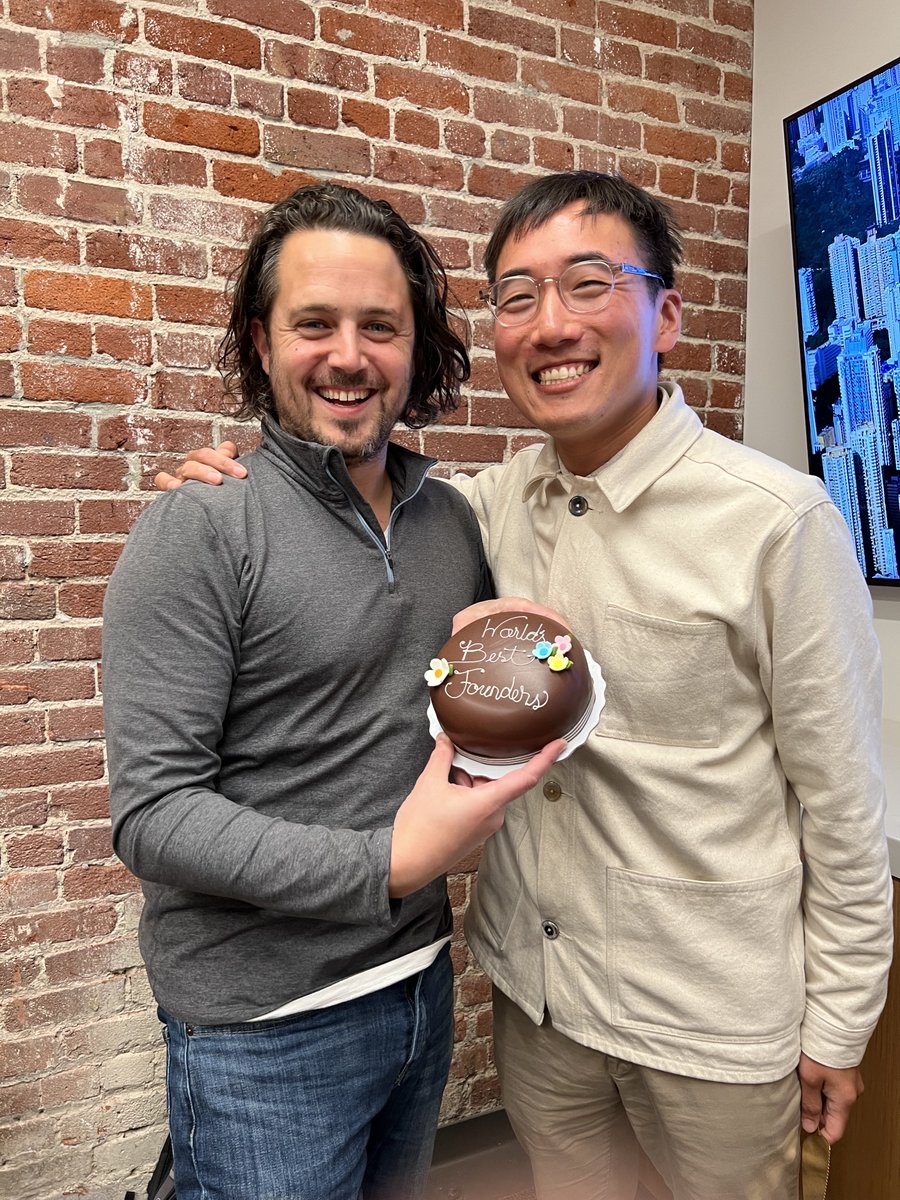
Thanks for having us @designerfund and all the cat herding @robynxpark and @benblumenrose had to do...
May 20

Our 2026 Design in AI Report is now live!
This report is the culmination of thousands of people hours and many late nights to create what we believe is the most comprehensive, well-researched report capturing and synthesizing the state of Design AI today.
While we used AI in many areas, a report like this still required deep thinking, grit, and humans coming together to do what they do best.
The final report spans nearly 20k words covering the survey results of over 900 people paired with dozens of qualitative interviews.
Over the coming months we will also release 7 beautiful case studies showing how top design teams are working on the ground featuring designers at @AnthropicAI, @framer, @linear, @NotionHQ, @Shopify, @SierraPlatform, and @stripe.
This work is a true labor of love to help guide a design community we hold so dear.
Link in the comments and please let us know what you think. Your feedback helps us shape how we will evolve this work over the coming years...
2
1
4
846
Wayne Fan retweeted

May 20
Our 2026 Design in AI Report is now live!
This report is the culmination of thousands of people hours and many late nights to create what we believe is the most comprehensive, well-researched report capturing and synthesizing the state of Design AI today.
While we used AI in many areas, a report like this still required deep thinking, grit, and humans coming together to do what they do best.
The final report spans nearly 20k words covering the survey results of over 900 people paired with dozens of qualitative interviews.
Over the coming months we will also release 7 beautiful case studies showing how top design teams are working on the ground featuring designers at @AnthropicAI, @framer, @linear, @NotionHQ, @Shopify, @SierraPlatform, and @stripe.
This work is a true labor of love to help guide a design community we hold so dear.
Link in the comments and please let us know what you think. Your feedback helps us shape how we will evolve this work over the coming years...
61
179
1,476
232,323
Wayne Fan retweeted
May 12
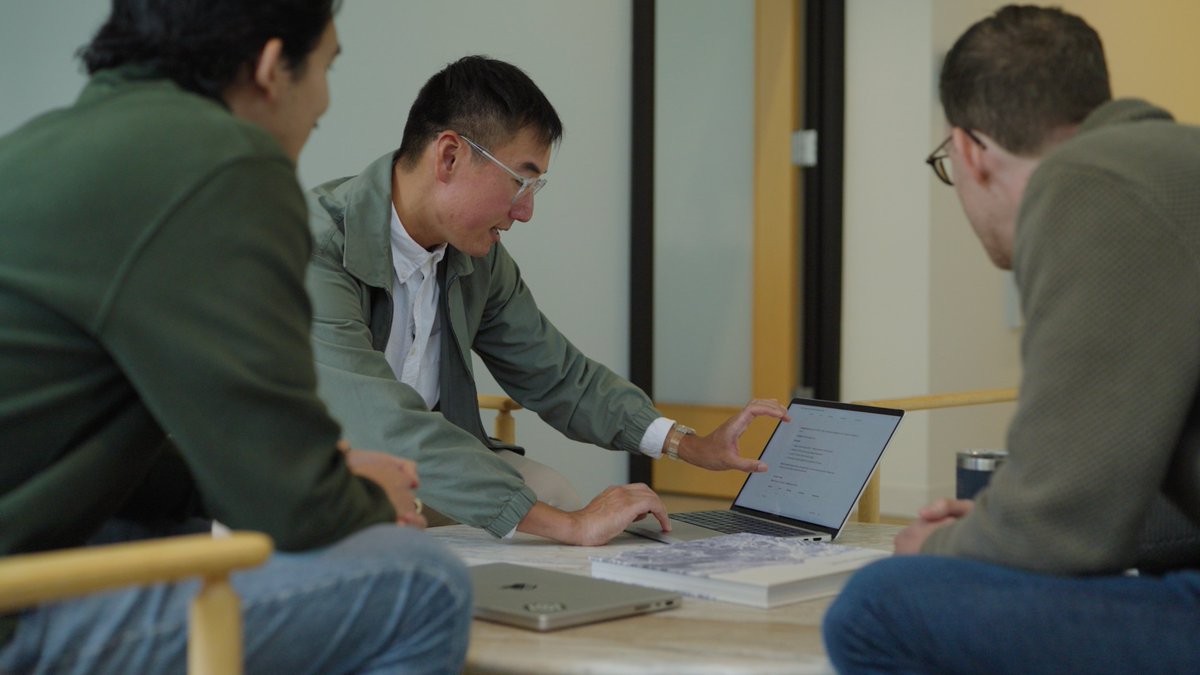
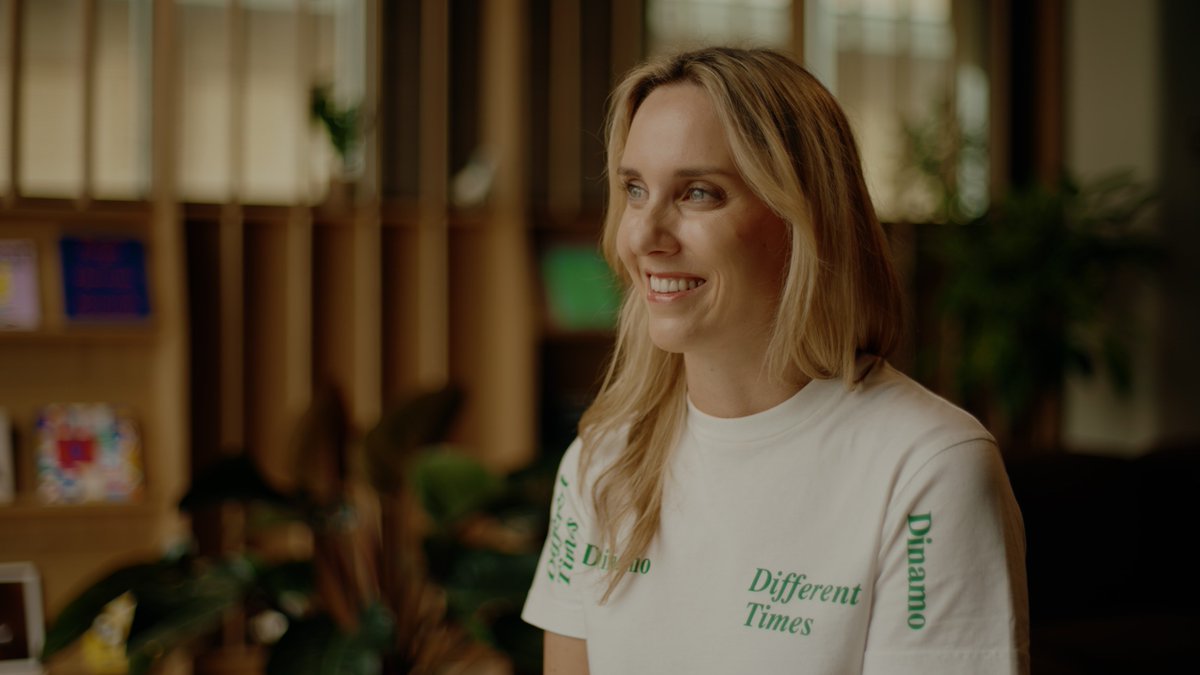
For our State of AI report we not only will bring you the full report with insights data but will be sharing HOW the best do this work in beautifully shot case studies showing internal tools, output, and tons more. 7 incredible partners... get ready.
10
4
75
9,341
Wayne Fan retweeted

19 Aug 2025
Simulations are a new kind of testing for a new kind of software, simulating conversations between AI agents and mock personas ensure reliability at scale sierra.ai/blog/simulations-t…
16
60
672
89,538
🟩🟩🟨🟨🟧🟧🟥⬜⬜ 78% #Config2024

Have to start checking my new work against AI to see how much time I have left in my career
🟩🟩🟨🟨🟧⬜⬜⬜⬜ 54%
1
4
793
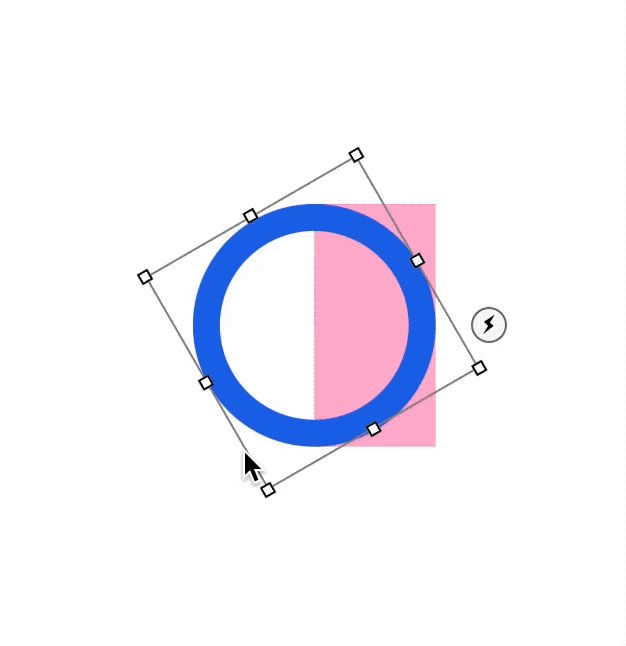
Came up with a completely diabolical way to make pie charts in @principleapp
Basically export a 33% pie chart asset and masking them with rects so they can be rotated in and out when needed. Then just duplicate the rectangle so I can get a 2-step 0→33%→66% pie chart animation
1
2
715
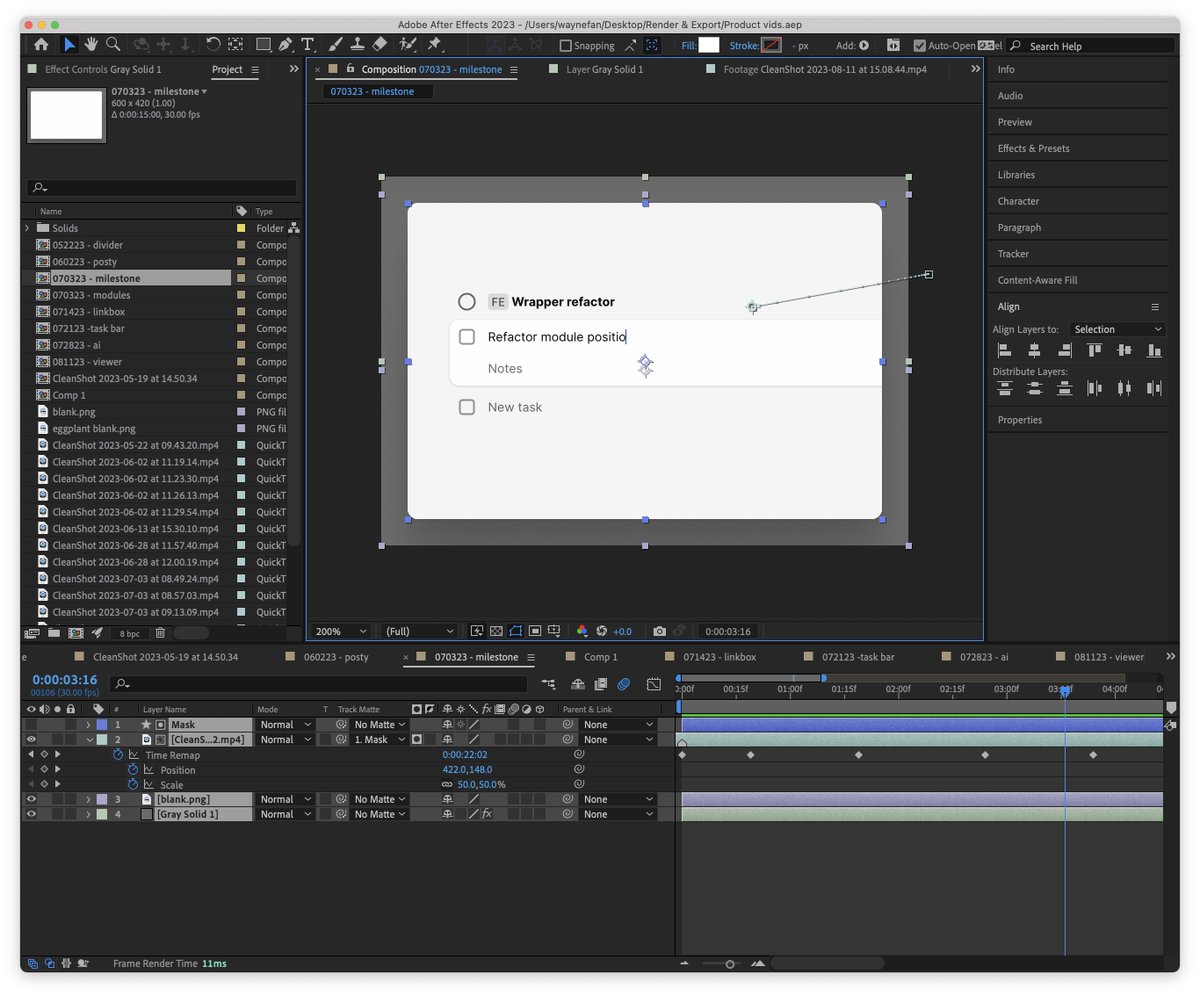
Demo GIF for a new feature. After Effects was freaking out so this just a screen recording of me clicking through a Figma prototype. Not too bad? 🥲
balsa.com/feat-tasks
1
20
2,002

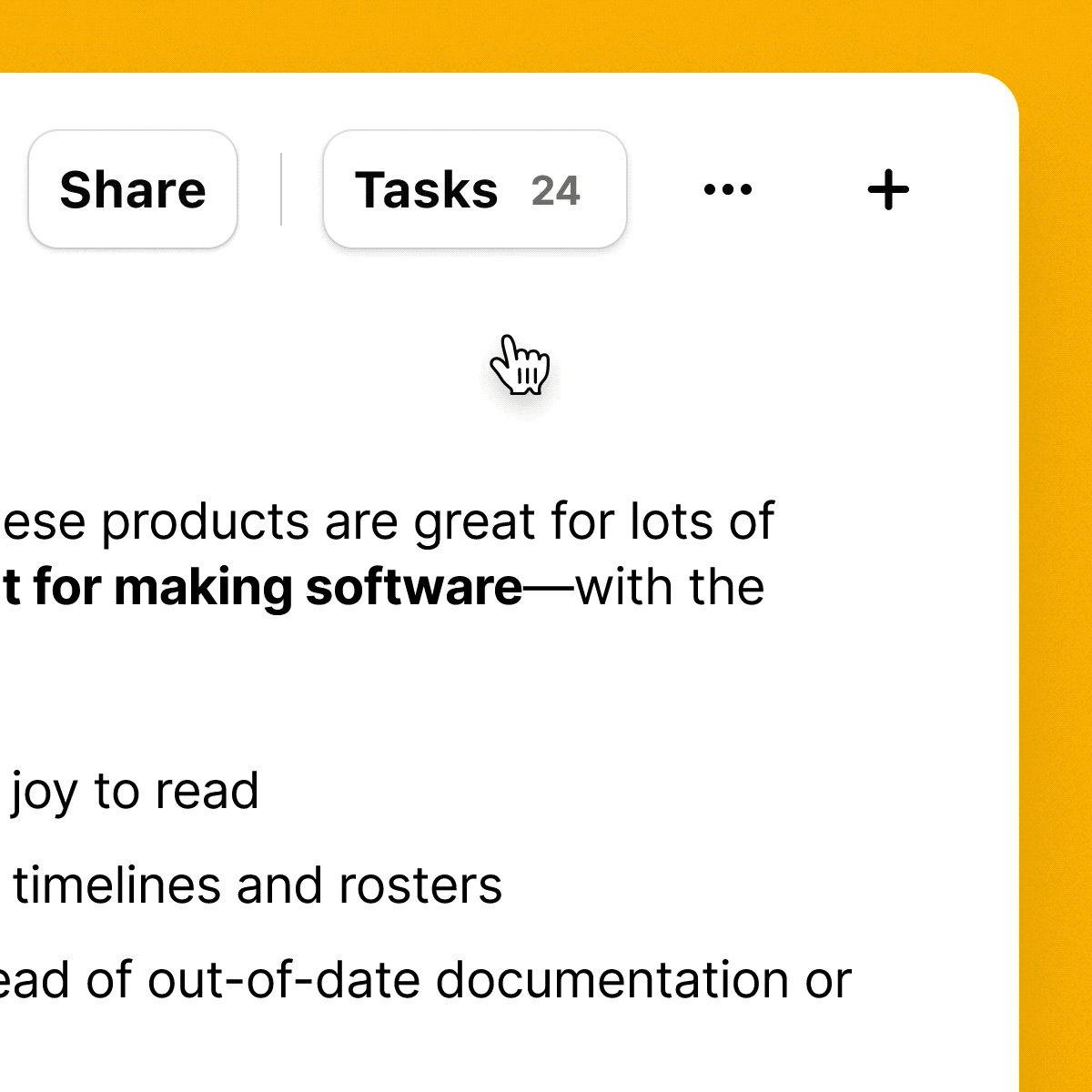
Introducing Tasks view!!
✏️ ✅ Click on “Tasks” and get a breakdown of all your project’s tasks at a glance—sort, filter, and get work done. Learn more: balsa.com/feat-tasks
2
2
13
2,085
“Where is that design.... I think it’s in this task... wait, no.. that’s not it.. Did I delete it? Hold on 2 seconds. brb.”
Great news! Our new link box finds and organizes all the links in your doc in one place. Search and more goodies coming soon. 🔗 📦
1
5
3,606

When I tell people we didn't use an issue tracker at Slack, I typically get one of two reactions, either "oh thank god" or "how tf did you stay organized?" Here's the thing: we were incredibly organized. Here was our system:
Use a document (and checklists) to track your work.
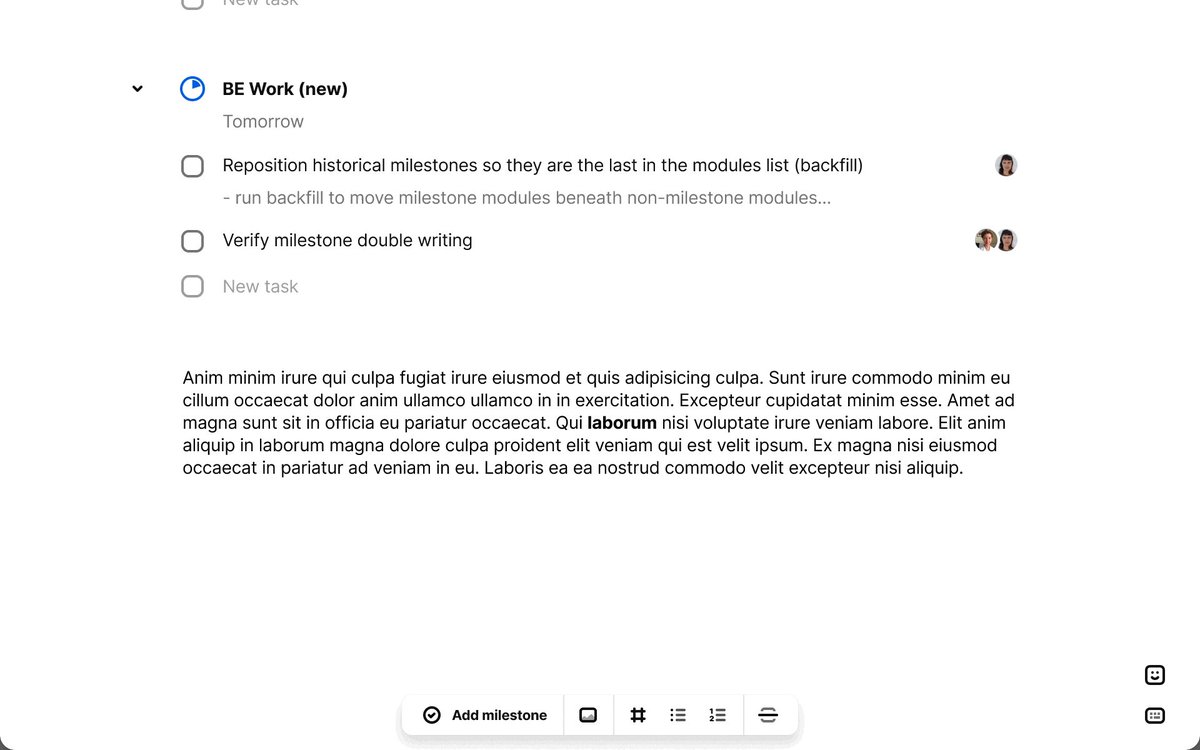
We used a tool called Hackpad, which Dropbox acquired and became the bones of Dropbox Paper. With Paper we could keep the product brief, designs, and engineering tasks in a single spot. This was immensely helpful for keeping everyone aligned -- there was just one place to check, and no risk of things being out of sync across multiple tools. We'd project the doc during team meetings, and the whole team worked out of this document throughout the day. (This was so effective that it motivated us to build @Balsa to implement the patterns we used at Slack.)
Use a spreadsheet to track status.
We used a simple Google Sheet, with a row for each project, the PM/EM working on it, launch date, project status (red/yellow/green), and a column for comments, which contained a weekly note on how things were going. We reviewed this spreadsheet every Monday in an all-PM/EM meeting with the CPO, CTO, and VPs of Eng and Design.
Use your issue tracker as a bug database.
Issue trackers are great at remembering, but they suck for keeping track of what's happening now. Eng tasks related to a project we were actively working on, including bugs caught in QA, were all kept in a checklist in the project document. Things we knew we weren't going to fix, or that needed to be done by other teams would go into an issue tracker we built ourselves. (We eventually migrated this to Jira.) The issue tracker was helpful for cataloguing things and giving Customer Support a place to search for known defects, but we never worked out of it for active project work.
Closing thought: Most of the time, you just need a document.
Lightweight product process is not anarchy.
As an industry we've been brainwashed for 20 years by giants like Atlassian telling us the only way to stay organized is to use Jira (or issue trackers like it). This is outdated advice. Issue trackers are designed for a bygone era. Nowadays projects change daily or hourly as designers, engineers, and PMs adapt in real time, tweaking designs, running experiments, and incorporating feedback between research sessions. When your whole team is coordinating in Slack, chiseling tasks into your bug database slows you down and makes you less adaptable.
A doc and checklists. It's all you need. (We're building @Balsa as a builder-focused, dedicated tool for this workflow, but you can do this with Dropbox Paper, Notion, or even Word or Google Docs.)
11
19
186
47,324
Ooooshitttt new stripe website dropped!!
14 Jun 2023

Stripe helps companies of all sizes build, grow, and accelerate. This week we put the story of our work with Enterprise into pixels:
1. 🏬 50 category leaders w/ over $1B on Stripe today
2. ☀️99.999% uptime
3. 📈10% revenue uplift using @stripe
👉stripe.com/enterprise
2
529
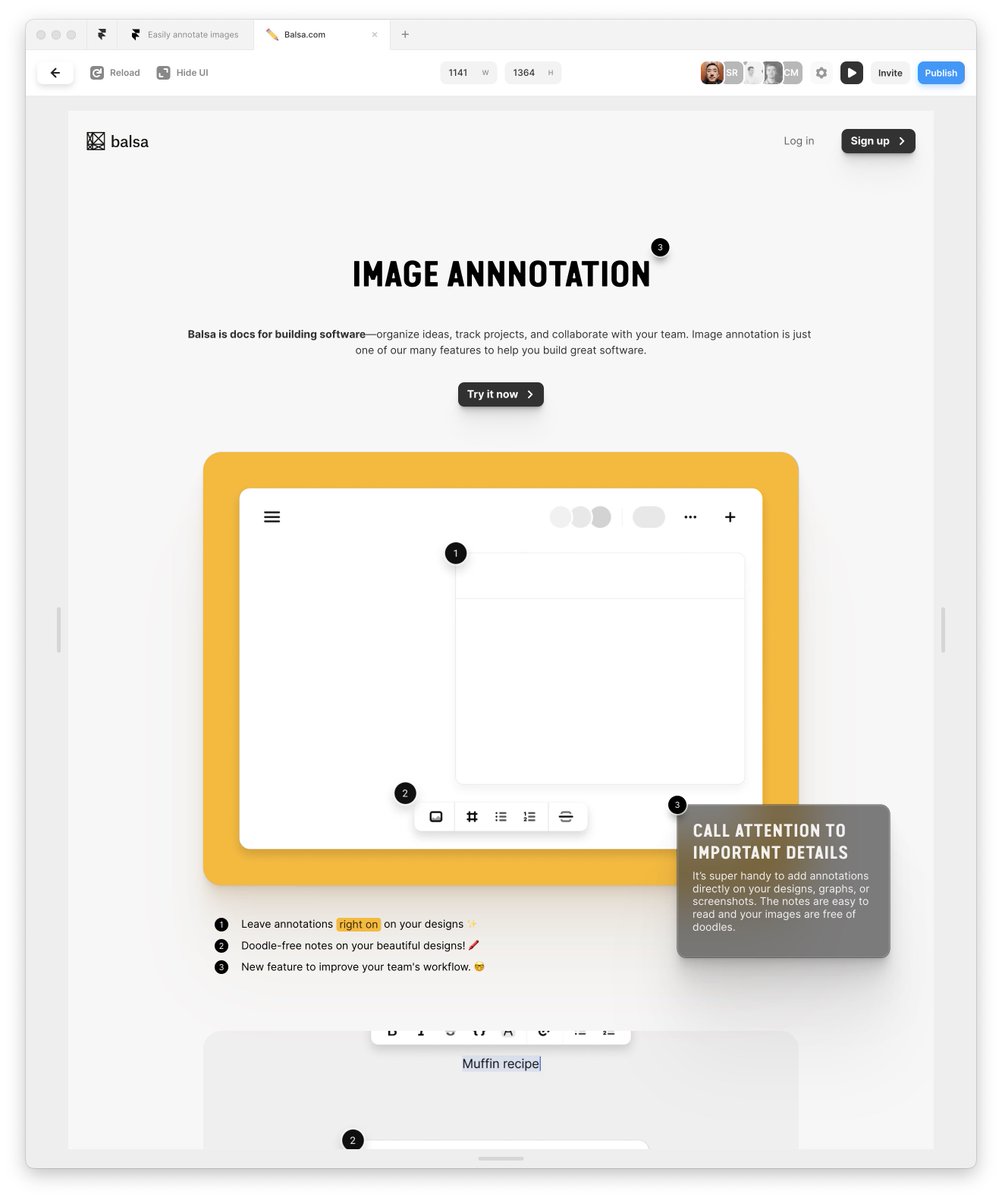
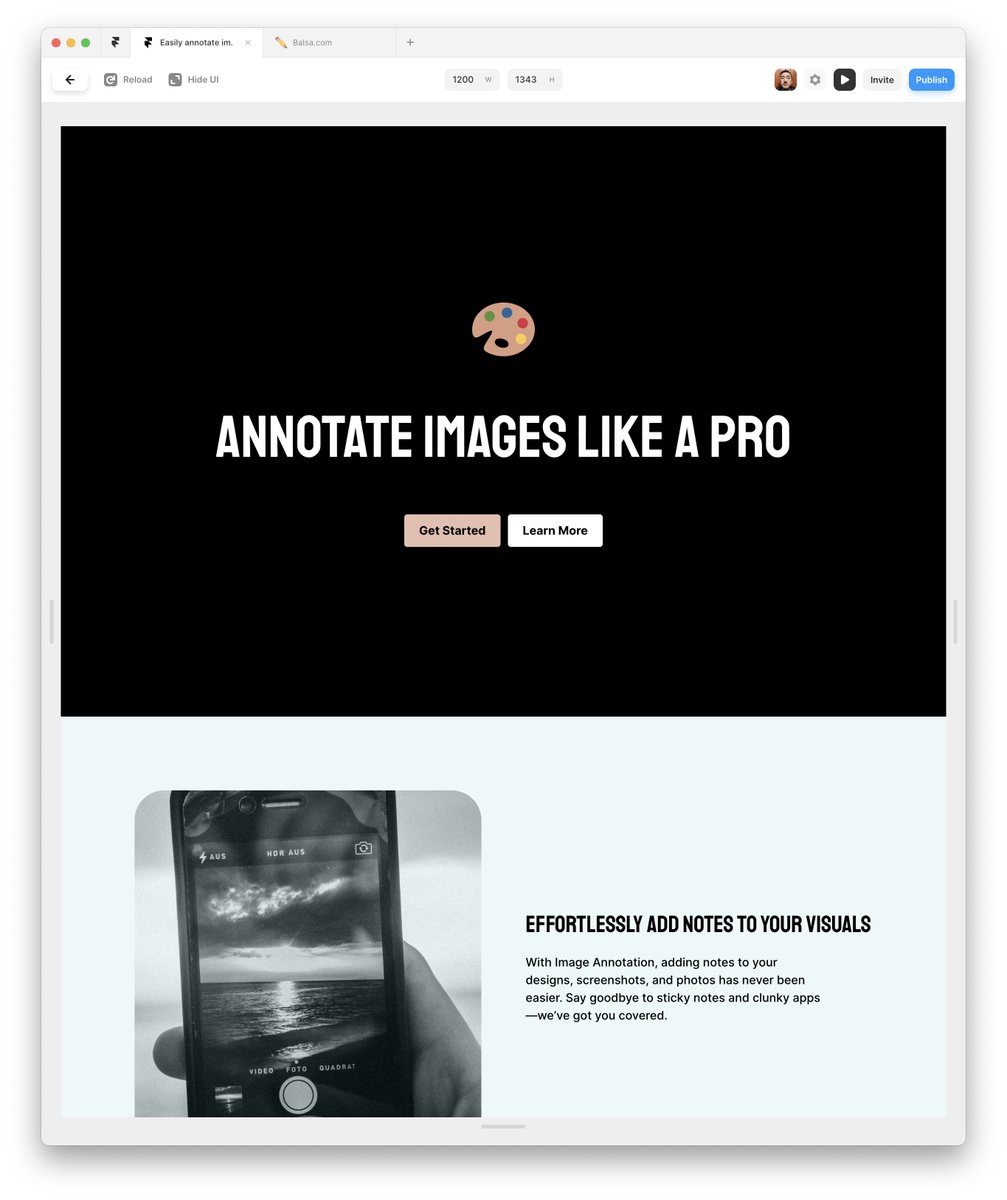
SO much better than pre-annotating designs in Figma and then exporting PNGs to your doc/tix.

🆕 You can now add annotations directly on your designs, graphs, or screenshots. The notes are easy to read and your images are left free of doodles. 🖍️ #changelog
1
511
We updated the onboarding tutorial from a dozen little tooltips littered across the app to one gigantic one and named her Posty. 💛 #changelog
1
3
735
Untitled-12.psd already exist. Do you want to replace it?
Tech spec, design files, Slack channels, analytics dashboard, pizza party menu, launch day plans, launch day incident post mortem notes…
You can keep all of your project’s links nice and tidy with Balsa. 🍕
1
582