
Thought Criminal
Joined February 2024
- Tweets 13,788
- Following 537
- Followers 1,030
- Likes 25,335
275 Photos and videos














Wolfgang Wüst retweeted

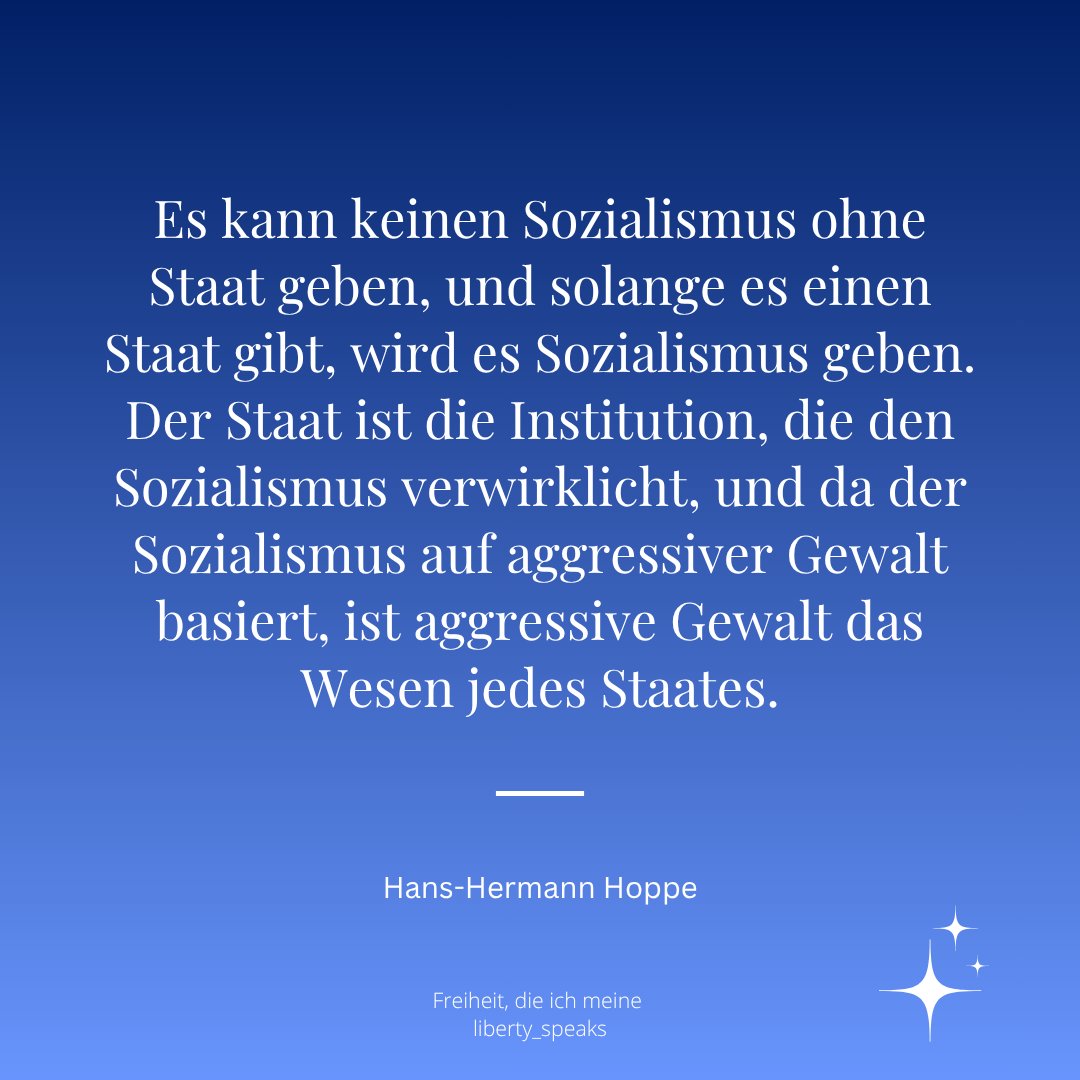
Es kann keinen Sozialismus ohne Staat geben, und solange es einen Staat gibt, wird es Sozialismus geben. Der Staat ist die Institution, die den Sozialismus verwirklicht, und da der Sozialismus auf aggressiver Gewalt basiert, ist aggressive Gewalt das Wesen jedes Staates.
|Hoppe
12
34
1,166


Wolfgang Wüst retweeted

Jun 13
About to watch the World Cup in the pub when a fella said to me ‘I bet you can’t name 3 Qatar players’
I replied - George Harrison, Jimi Hendrix and Eric Clapton
#worldcup
221
2,004
43,412
1,498,059

Wolfgang Wüst retweeted

Jun 10
Russophobie ist eine Geisteskrankheit
9
22
914
5,607
Wolfgang Wüst retweeted

Jun 8
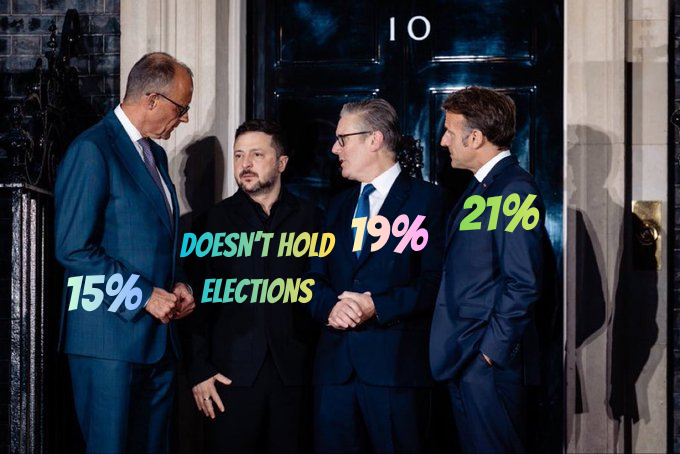
The champions of democracy and liberalism:
379
5,262
26,930
340,183
Wolfgang Wüst retweeted

Jun 7
„Der Sozialismus ist die Kunst, Neid in eine Tugend und Faulheit in ein Recht zu verwandeln.“
33
531
2,479
33,108
Wolfgang Wüst retweeted
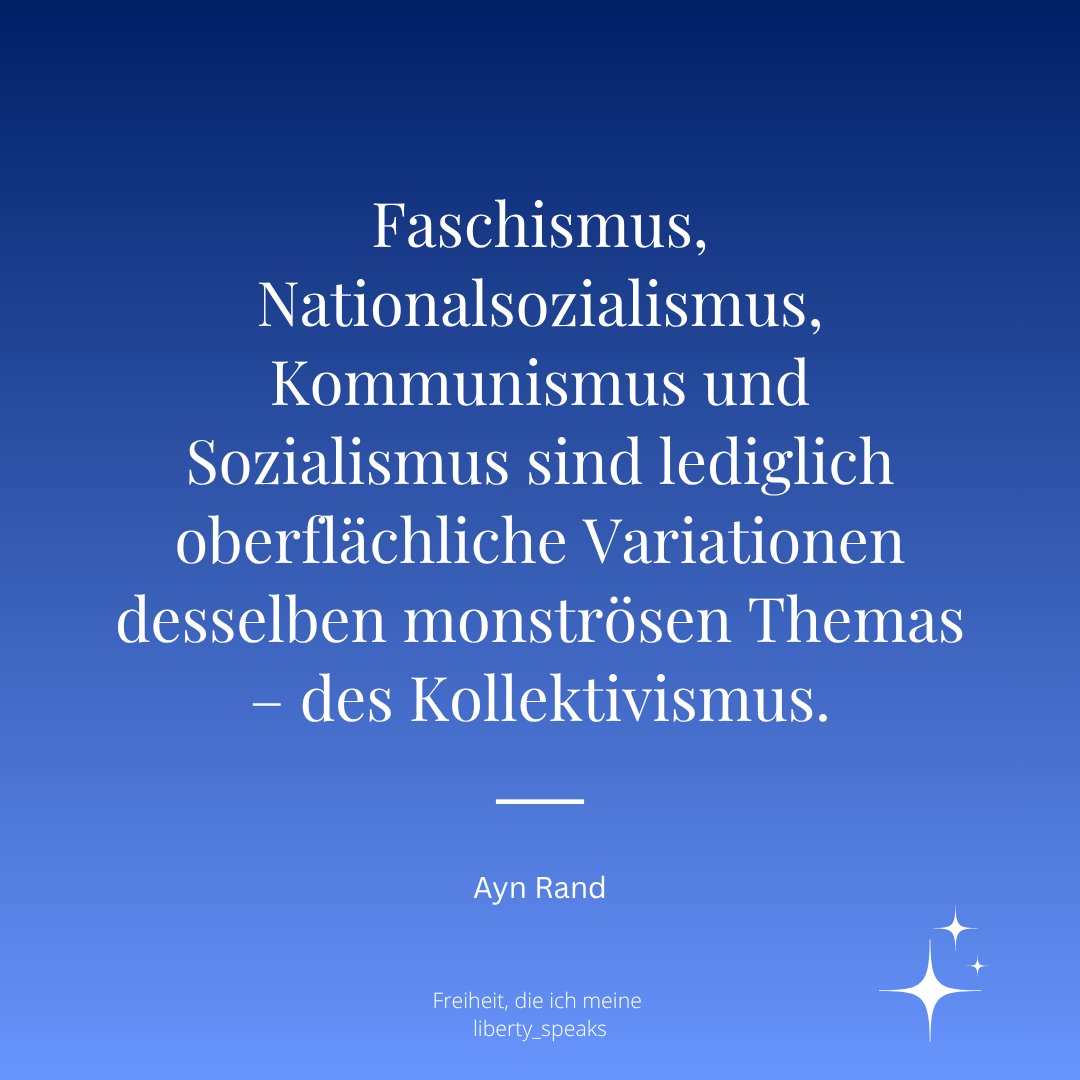
Faschismus, Nationalsozialismus, Kommunismus und Sozialismus sind lediglich oberflächliche Variationen desselben monströsen Themas – des Kollektivismus.
|Ayn Rand
19
47
2,338


Wolfgang Wüst retweeted

May 13
DIE LIBERTÄREN stellen ihr Grundsatzprogramm vor:
- Alles weg.
Kompromissvorschlag:
über die Reihenfolge können wir uns streiten.
Danke für die Aufmerksamkeit.
11
33
371
4,731
Wolfgang Wüst retweeted

May 11
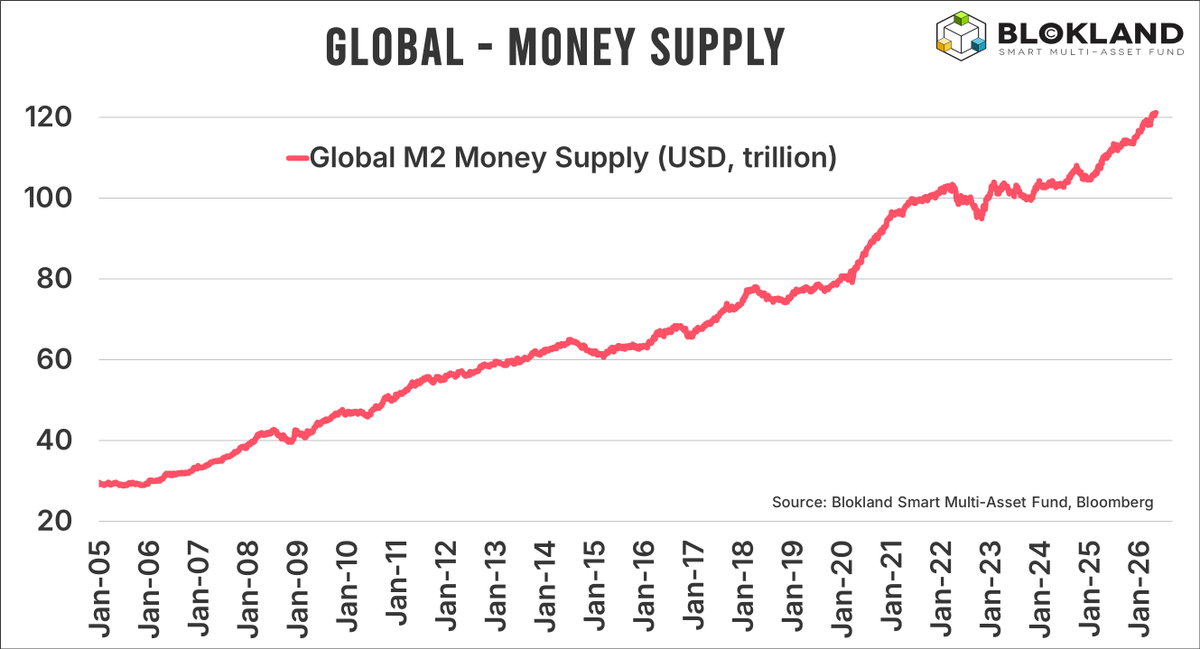
Global money supply is rising at an annual pace of 11%.
50% faster than the average since the Great Financial Crisis (7%), which was already pretty impressive.
Meanwhile, there is no recession, no economic downturn, no major (credit) event.
Imagine what would happen if there were.
May 10

The investment world is full of assumptions, clichés, false narratives, and a striking lack of understanding about what truly drives returns and value.
Inflation, despite constantly being discussed in financial media, is perhaps one of the least understood forces determining your long-term wealth.
Take the way inflation is presented. We are told it is captured by some arbitrary index that supposedly reflects the average basket of goods and services consumers buy.
But there is no such universal basket. Your inflation is different from that of your neighbor. More importantly, while high inflation is constantly framed as “bad,” there is rarely a direct translation to what inflation actually does to your savings and wealth.
Not a single bank, asset manager, or financial institution shows you the value of your savings or investments in real terms.
When you compare savings rates online, all numbers are nominal. When you open your banking app, all numbers are nominal. Even pensions show you nominal future income. Nobody shows you the estimated real return after inflation, even though the real value of your wealth is the only thing that actually determines your purchasing power.
That alone is remarkable. In addition, the modern definition of inflation has become incredibly narrow. Almost nobody asks what inflation originally meant, or whether other forms of inflation matter far more than short-term changes in consumer prices.
Historically, inflation referred to the expansion of the money supply. The word comes from the Latin “inflatio,” meaning swelling or blowing up. For a long time, inflation literally meant the pace of money growth in the system.
Very few investors, let alone ordinary people, have any feel for this measure. And even fewer understand that, in a fiat monetary system, money with no intrinsic value and largely consisting of digital entries on a screen, money supply growth may be a far better measure of inflation for the future value of your savings and wealth.
Global money supply is currently growing at an annualized pace of roughly 11%. Since COVID, global money supply has risen by approximately 53%, equal to about 7% annual growth. Since the Great Financial Crisis in 2008, the global money supply has nearly tripled, also compounding at an average annual rate of 7%.
Yet because central banks remain narrowly focused on consumer price indices, and because there is so little understanding of the historical meaning of inflation and its direct relationship with money creation, very few people truly grasp how enormous inflation actually is.
17
79
256
44,100

May 10
RT @Florian98168458: FHANTAVIRUS
A Bergamo la situazione è già drammatica…
(autore sconosciuto, ma è un genio)
(Covid truffa, 10 maggio 2…
2,848
Wolfgang Wüst retweeted

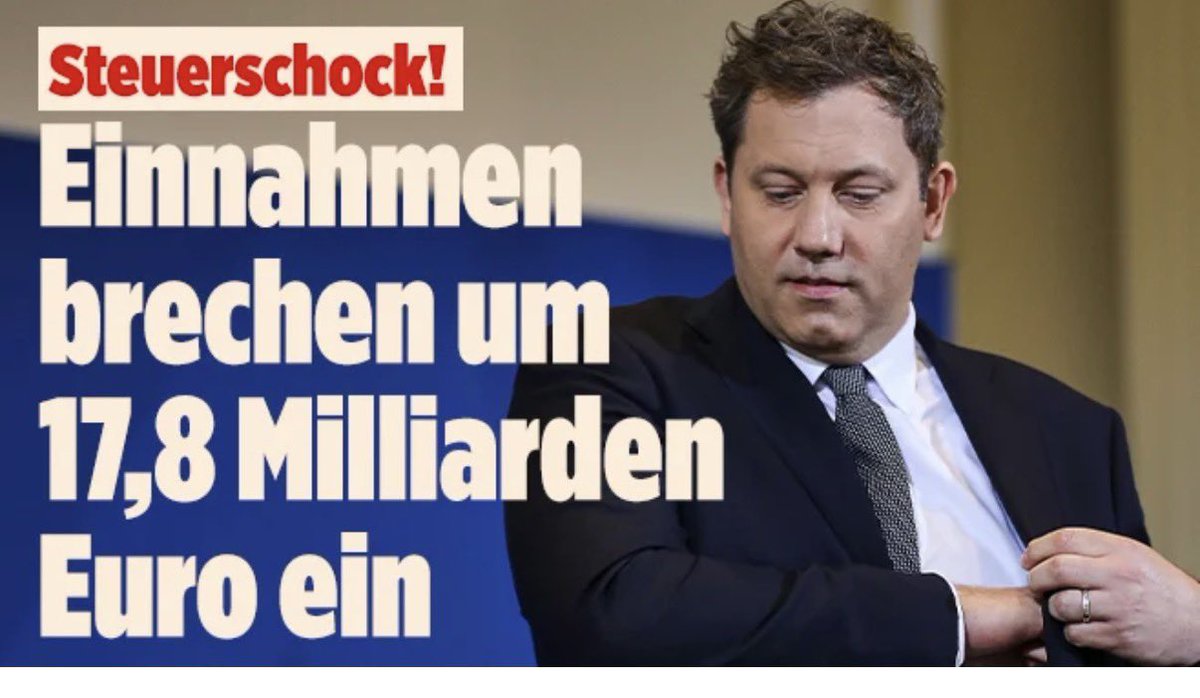
Jeder Euro, den der Staat nicht bekommt, ist ein guter Euro.

34
113
1,606
23,180
Wolfgang Wüst retweeted

May 2
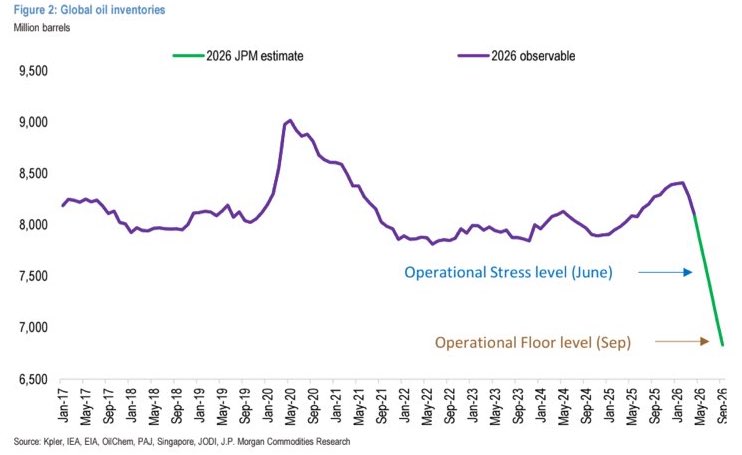
1/ The world faces a catastrophic cliff-edge shortage of oil due to the Strait of Hormuz blockade in the next four weeks, analysts warn. This will cause a deep recession, fuel rationing, the shutdown of entire industries, and oil prices potentially as high as $370 per barrel. ⬇️
111
1,118
3,469
614,613



Wolfgang Wüst retweeted

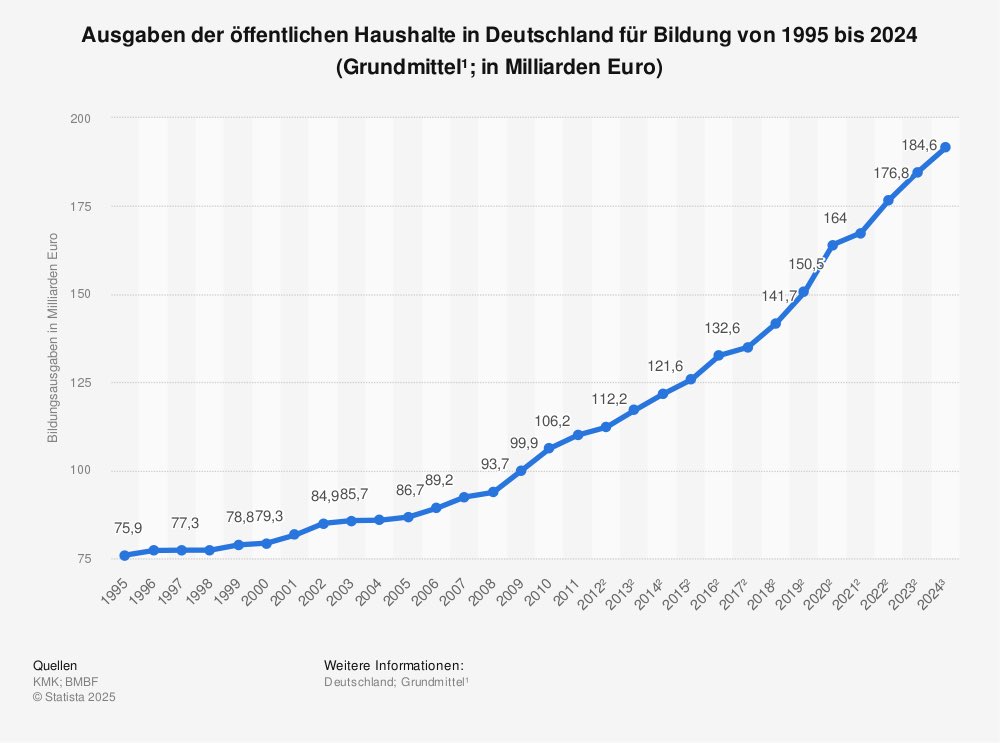
Kaputtgespart
41
93
903
13,798