
Guy who likes Old English. Amateur professor. THIS IS AN OLD ENGLISH STAN ACCOUNT, IF YOU DON’T LIKE OLD ENGLISH TAKE A WALK PAL
Joined July 2021
- Tweets 16,226
- Following 1,054
- Followers 44,154
- Likes 71,673
3,002 Photos and videos

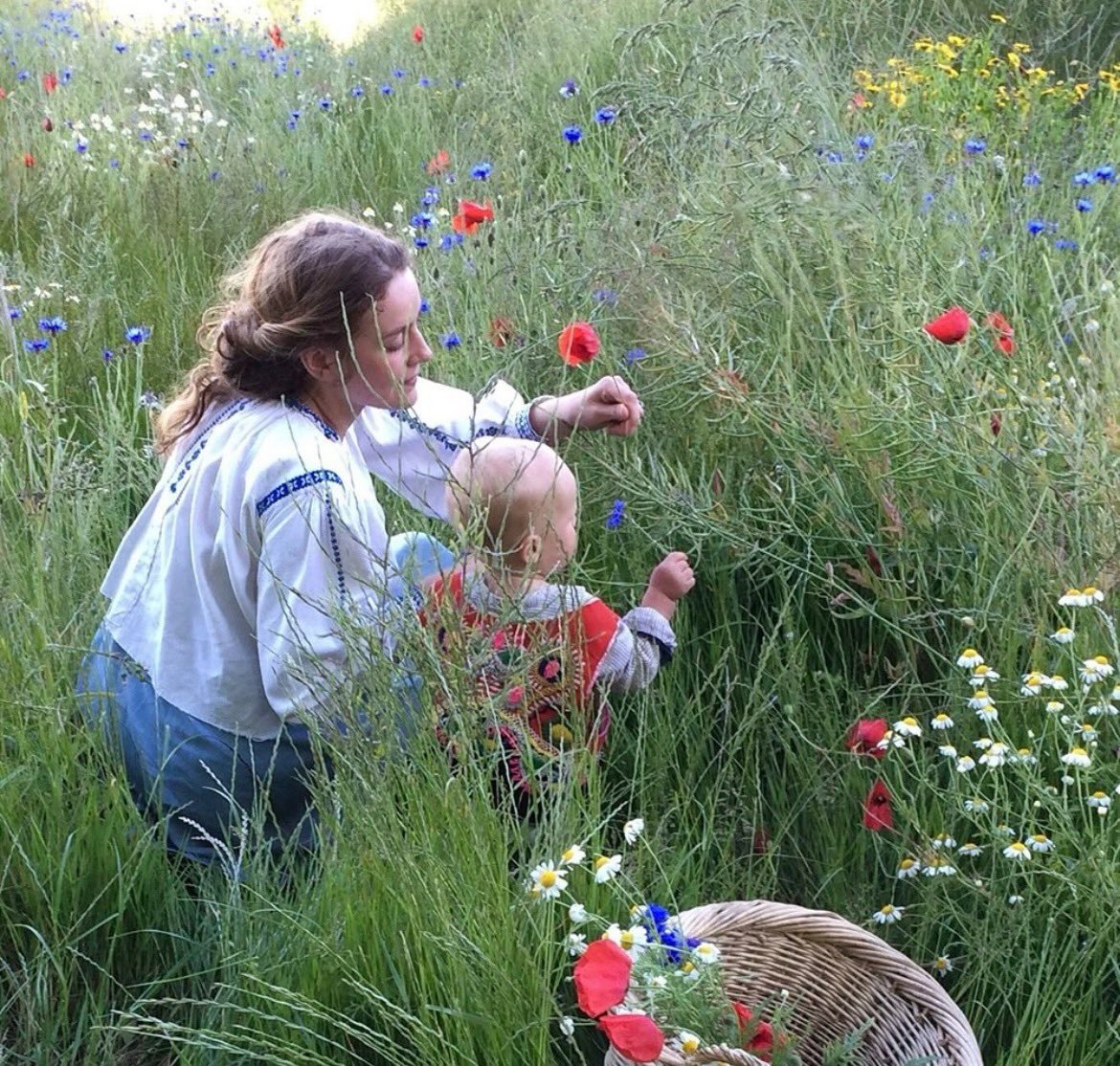
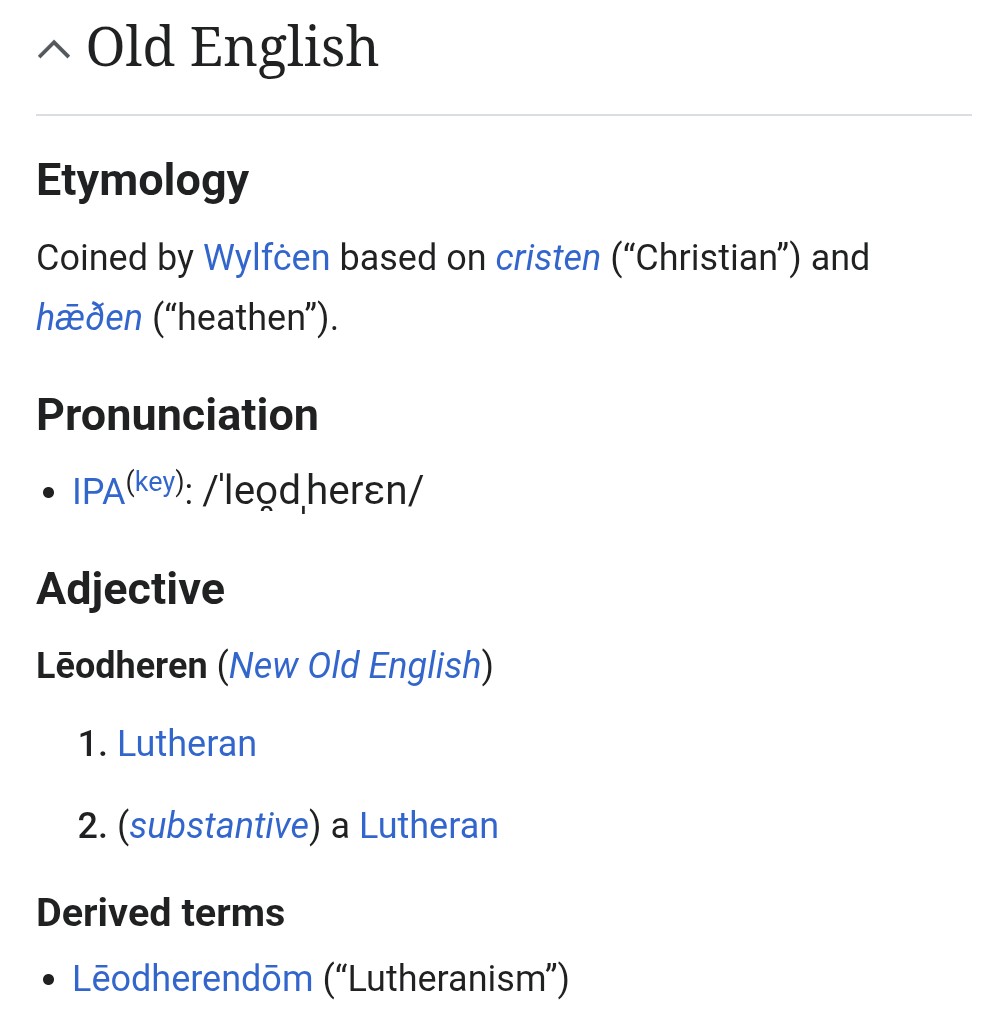
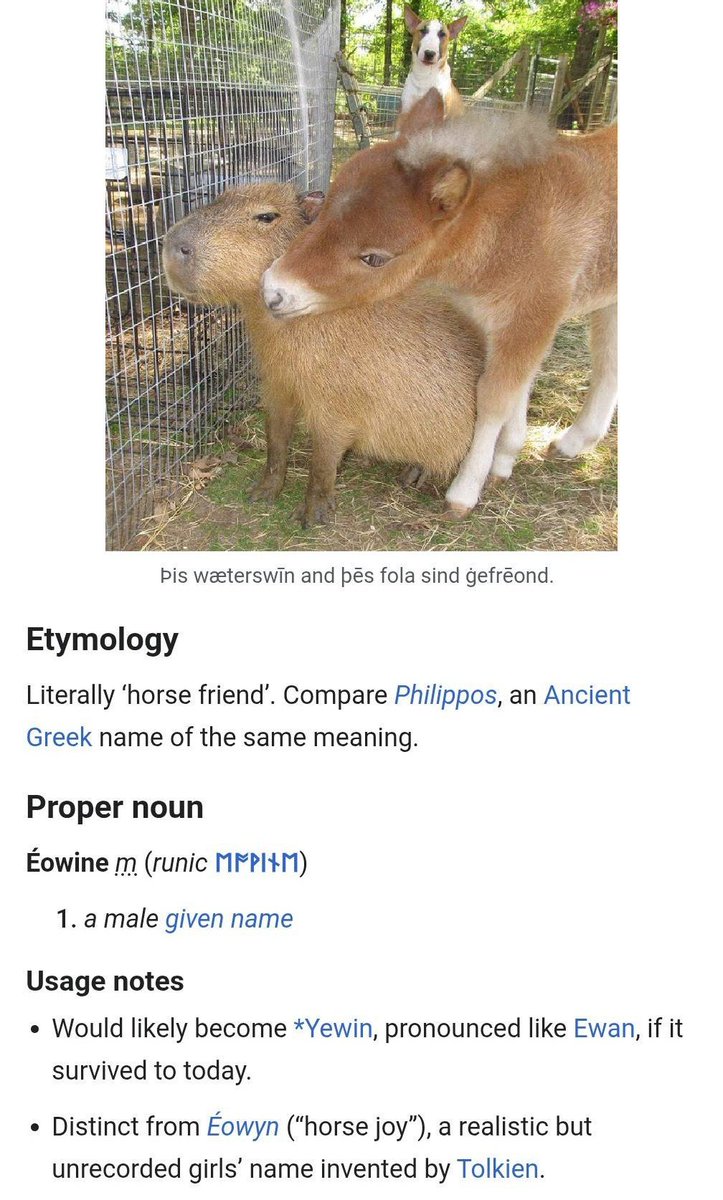
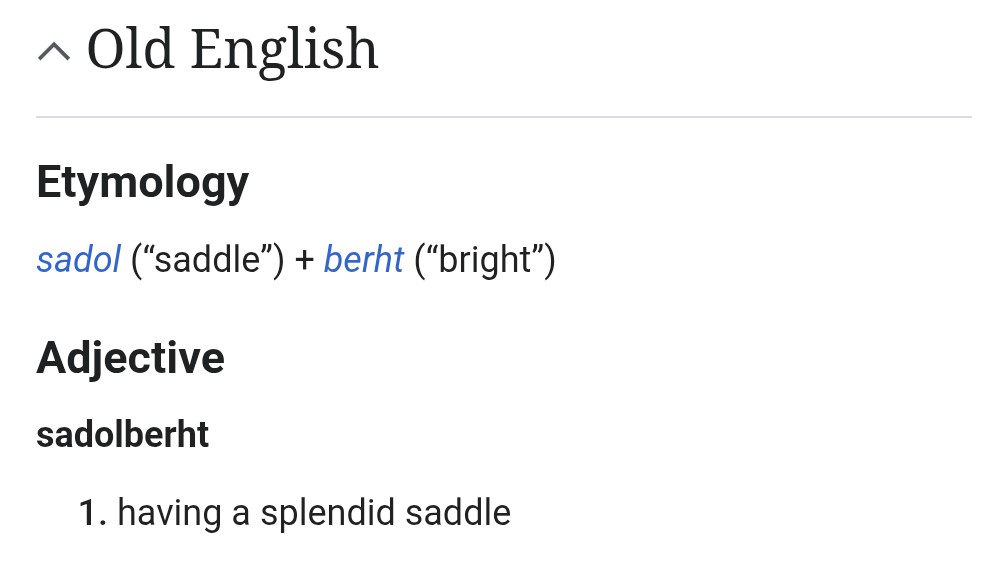

Let’s say Germany conquers Poland. As an early settler, you’re awarded a choice Polish twink with a mess of honey-colored hair atop his blossoming head which falls over his kind blue eyes and covers his ears darkly and softly with ringlets. What do you name your house Pole?
42%
Milosz (“soft”)
21%
Bogdan (“God-given”)
25%
Wojciech (“soldier joy”)
12%
other
24 votes • 2 days
16
19
1,655
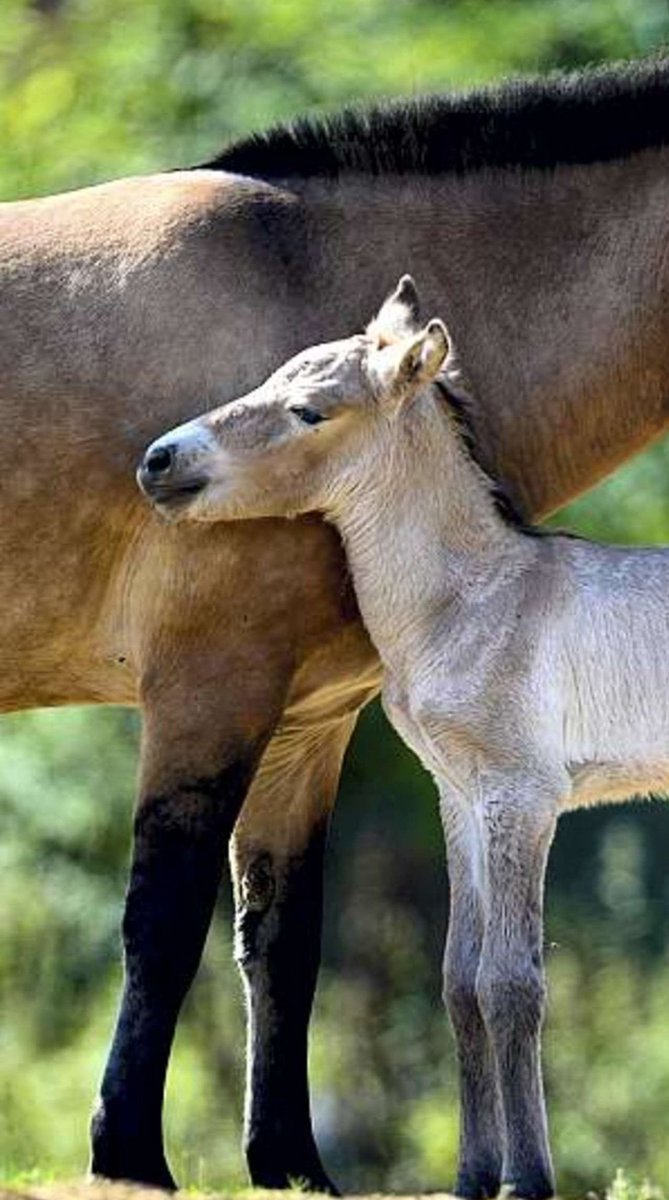
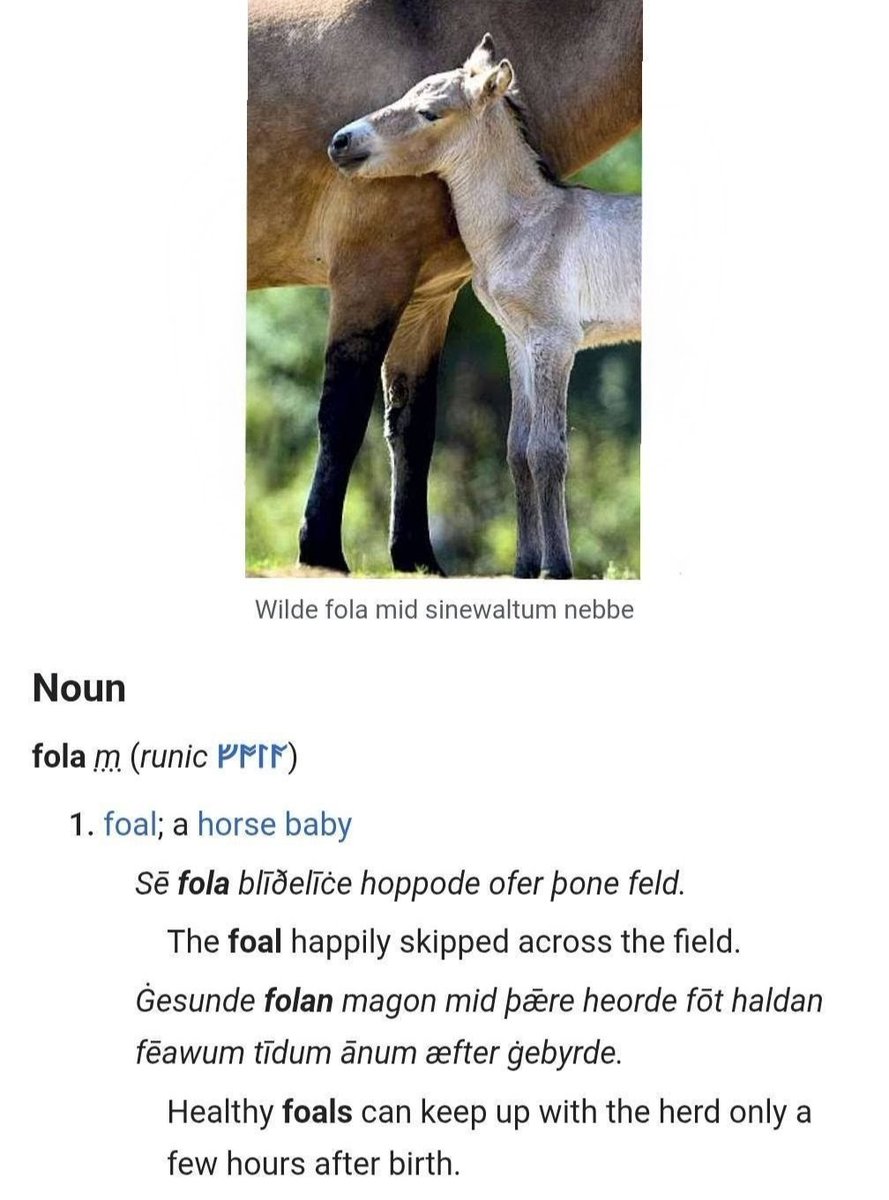
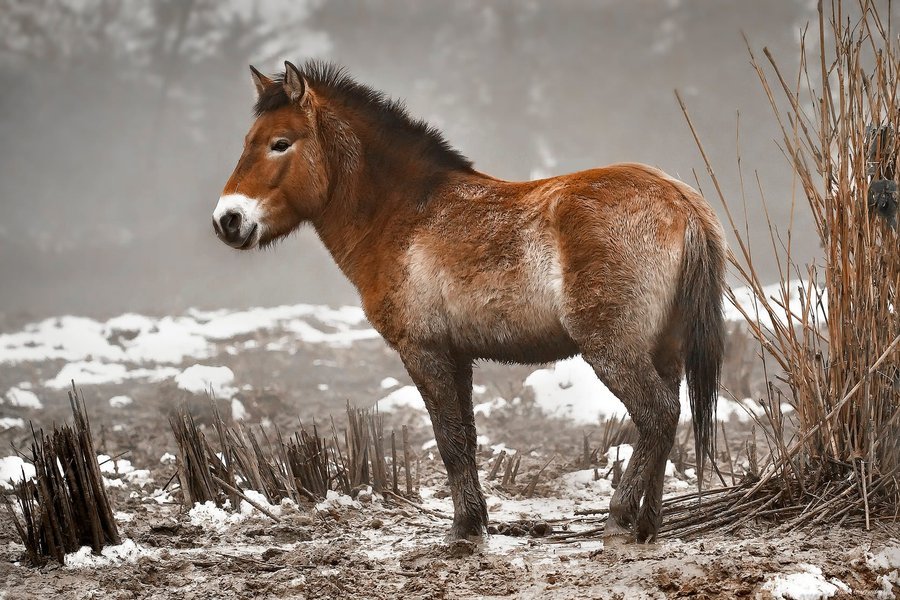
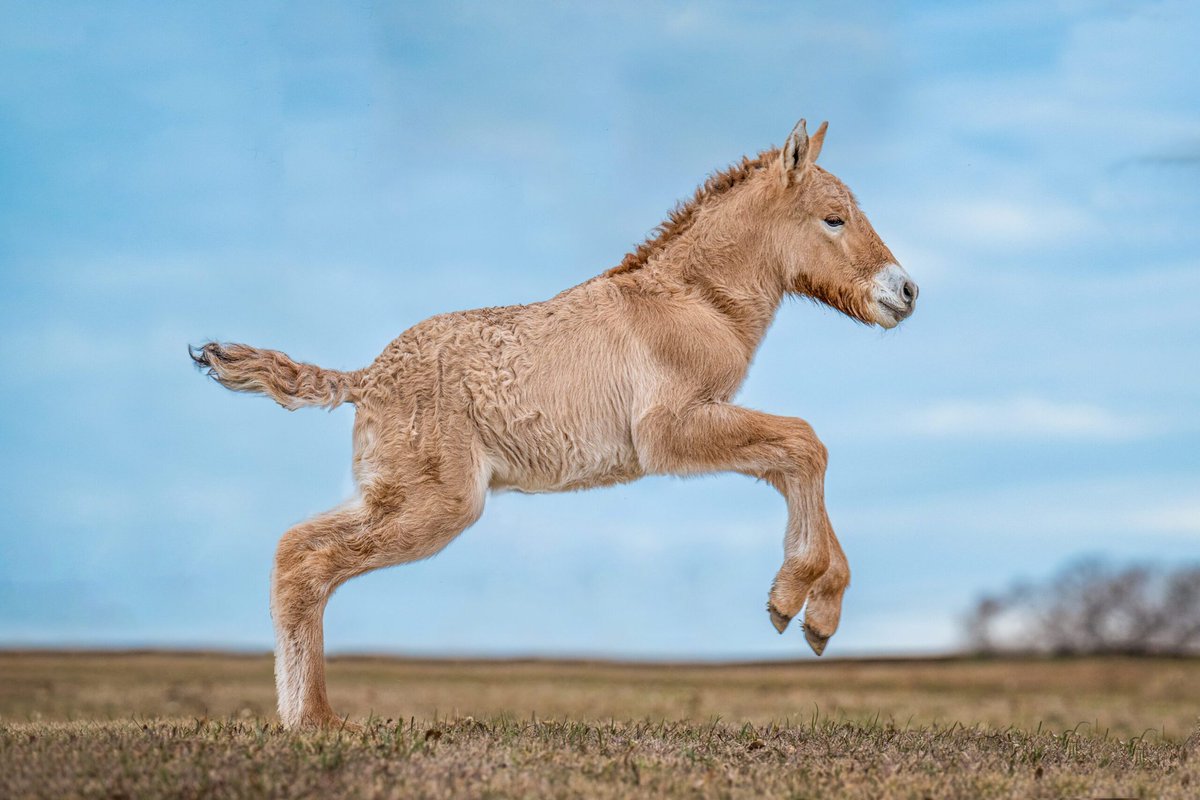
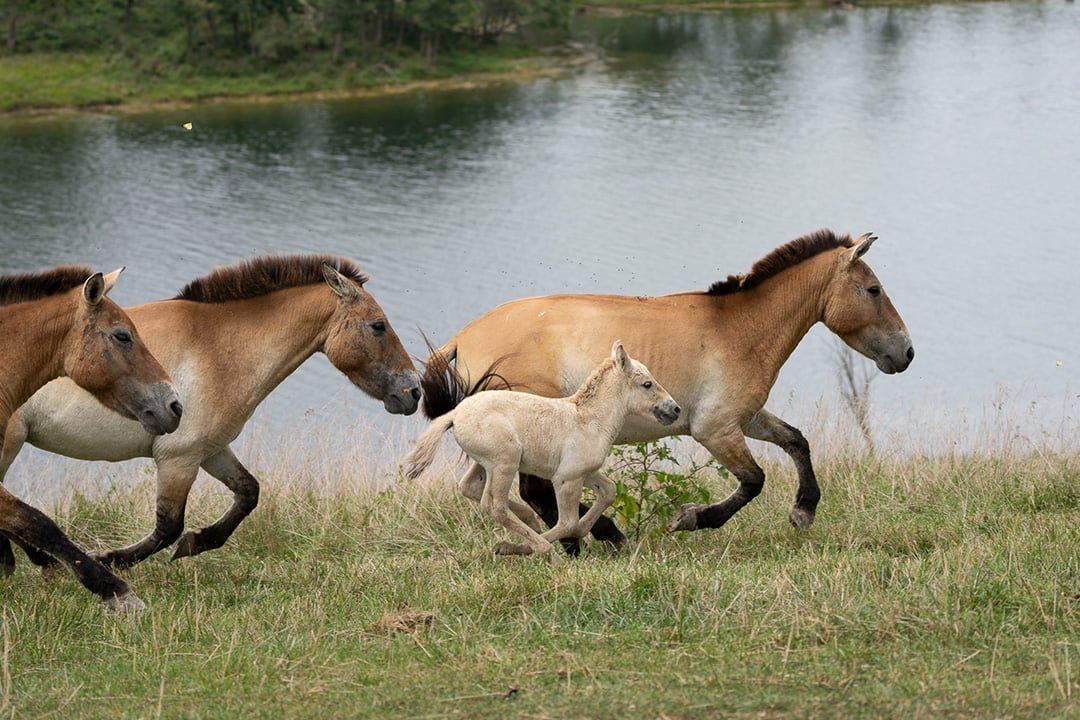
This wild foal skips up to you and says he’s King of the Horses, but too young to rule. He wants YOU to become king and defend horsekind against snakes, puddles, and sudden noises. But first, there’s one thing you must do: kiss the foal on his round little snout. Do you do it?
11
3
48
692
Wylfċen retweeted

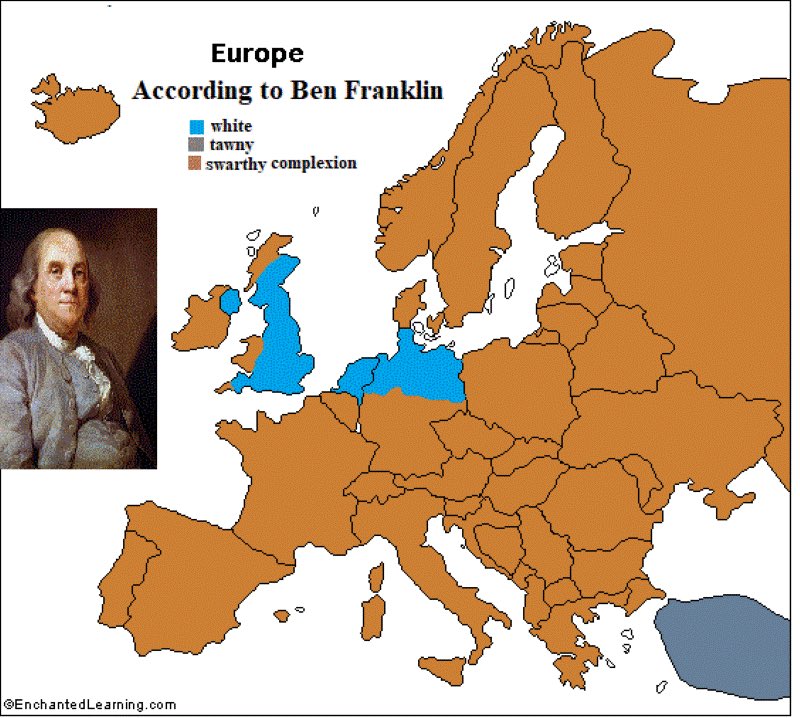
I have a lot of Scottish pride and then I look at the etymology of my name and it’s like “deformed retard who whips farm animals”

I’m 80% Scottish genetically. The team looks just like me. Not a single white person. Bog dwellers and orcs in abundance
3
2
121
4,581
UPDATE: I locked the window. It hasn’t opened since. Ghost defeated.

Earlier my friend who believes in ghosts said a window in his house kept coming open. I said, “It’s probably the springs. You just gotta lock it.” He said, “That doesn’t make sense.” So I said, “Then what does make sense?”, and he looked at me solemnly and said, “Oh, you know.”
7
1
57
1,832
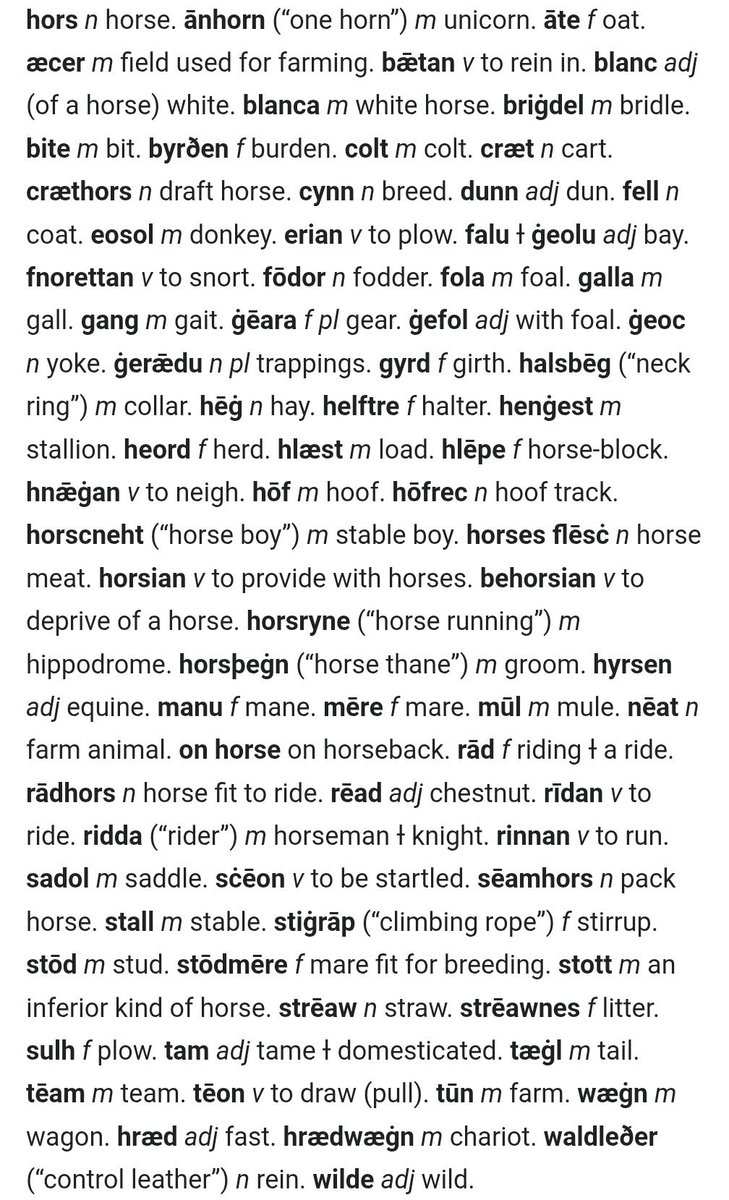
Fun fact: this same root led to the word “car,” through Gaulish and Latin. “Horse” and “car” have the same origin.
Fun fact: “horse” comes from the Proto-Indo-European for “runner,” *ḱr̥sós. It took thousands of years to supplant *h₁éḱwos as the default word for horse, but it survived all that time. I like to think it began as a cutesy word, an ancient form of doggo talk.
2
10
98
3,008
