
Joined January 2007
- Tweets 12,263
- Following 3,513
- Followers 34,798
- Likes 8,883
249 Photos and videos



Jun 12
我不是 Elon Musk 的粉丝什么的,但是我常常审视自身的“外插局限”。
每当我预测什么事情的上下限的时候,我就先阅读一遍当年那个号称卫星专家写的“为什么 Starlink 不可能实现” 的帖子
reddit.com/r/EnoughMuskSpam/…
-----
每颗 Tintin 卫星(Starlink 星座的演示卫星)重 400kg。假设每颗卫星加燃料(并且重量不会因为其他原因增加)是 1kg,那么单次 F9 在每个倾角轨道上可以发射 22 颗(整流罩里大概率根本塞不下这么多,但我们先忽略)。所需的一次性 F9 发射总数是 546 次;假设第一颗在 2020 年上线,而整个星座到 2025 年完成(官方说法是“2020 年代中期”),那就需要每年 110 次 F9 发射。整个研发和部署的总成本据说是 100 亿美元。
SpaceX 目前只有一个能进行极轨发射的设施,SLC-4E(也许 Brownsville 可以,但从那里发射极轨会擦着墨西哥海岸线飞过去——我感觉他们不会太高兴……)。所以每个发射场一年要发射 54–55 次 F9。
我们来极其乐观一点。每颗卫星都用一次性的 Falcon Heavy 发射;每颗卫星都刚好是 400kg(不太可能,因为你需要载荷质量余量,而且更低的卫星轨道大概率还需要更多燃料);我们忽略每颗卫星是否真的塞得进整流罩;我们完全忽略发射倾角(以错误倾角发射,对一颗想变轨的卫星来说简直是地狱);也就是说每次发射 160 颗卫星(几乎肯定不可能,因为整流罩体积不够)。这样最少需要 75 次 FH 发射(几乎肯定不现实)。我们还假设它第一次发射是在 2019 年 1 月 1 日,并且最终完成日期定在 2027 年 12 月 30 日。这意味着每年要发射 8–9 次 FH。听起来很简单,对吧?但这已经比 SpaceX 目前每年从 SLC-4E 发射的次数高出大约 23%。它实际上必须把自己的极轨发射次数翻倍,而且这是绝对最低要求。这个“最低要求”几乎肯定在物理上就是不可能的。
我觉得造卫星不会是问题,Elon……
SpaceX 里居然没有人做过这种信封背面的粗算,然后问问 Elon——这是不是稍微有点太有野心了?
Jun 12

其实Space X的市值上限也很低的。
SpaceX 的一个核心业务是Starlink。
2025的starlink 营收113亿美元。
ATT Verizon Tmobile Comcast一起的市值是加起来6000亿美元左右。
但是 这四家的revenue加起来是 1380 1250 1210 883= 4723亿美元。
starlink的营收和这些大哥比起来,一个零头都不到。
那么现在的卫星业务能不能替代ATT Verizon TMobile Comcast吗?
星链业务加起来能占整个connection 市场业务10%就了不起了。
本来这种卫星业务就是一个现有通信系统的补充。
太空数据中心,不就是PPT么。
这不叫市盈率,这叫市梦率。
老马不是神仙,XAI搞了那么大阵仗,结果呢?
沦落到出租数据中心给别人用。
高估值还需要靠跟google的关联交易。
3
4
53
23,567

Jun 10
Truly a beautiful moment where I am not sure if I should embrace more of the “Intelligent Design” theory or less. 🤣
Jokes aside Fable 5 seems to be very good at sequencing and self verification, which are key aspects of delivering long horizon tasks.
Jun 10

So I gave Fable 5 the watchmaker benchmark: a full Swiss lever movement in Three.js. Real gear ratios (18,000 bph), working escapement, breathing hairspring — and the hands tell actual time. It verified its own work with vision, in a loop, until done. ⌚
1
1
1,855
Jun 10
Every AI company is the same machine: electricity goes into semiconductors, money comes out.
Here's the yardstick I use to measure them.

2
2
1,782
Jun 9
A formal co-worker of mine who once worked at Amazon told me that they had to solve similar problems when Alexa ads was on Super Bowl.
It's a classic case we have to tell apart human and machines -- inverse CAPTCHA.
BTW my quick get-rich idea for you all.
1. Publish a book and price it at $1,000; call it "How to Get Rich using AI"
2. Get on a national TV
3. Say "Siri, Alexa, Google, buy the book"How to Get Rich using AI"
Jun 8

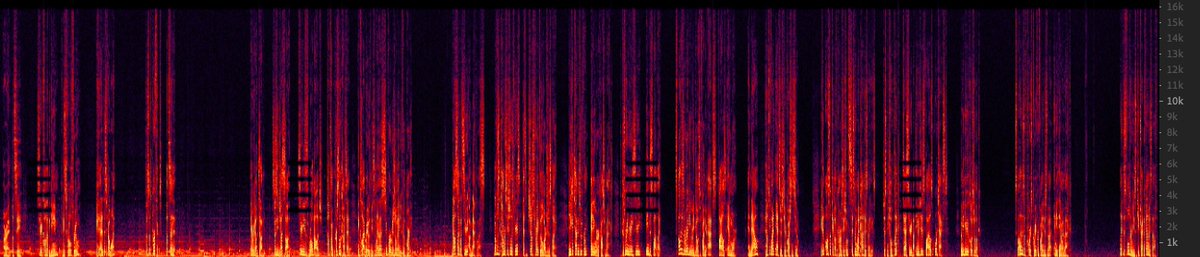
fun fact: tijdens de keynote hakt Apple een stukje 3k, 4k, 5k en 6kHz eruit wanneer ze "Siri" zeggen, zodat niet iedereens HomePods terug beginnen te praten 🗣️🚫
1
1
6
2,352
Jun 8
Even the mighty Apple with their own server silicon needs to use Nvidia GPUs running in Google Cloud to serve their tokens.
TSMC is the king maker.
9
2,310
Jun 3
40 every day these days.
FWIW Navy Seals standard is 80 in two minutes.
Jun 2

Men, take a break from whatever you're doing and see how many pushups you can do.
How many did you do?
It's a predictor of your heart disease risk.
. 20 reps is linked to a 75% lower risk
. less than 10, you gotta get off dat ass
Data from 10 yr study of 1,104 men aged 21 to 66.
Pushups outperformed submaximal VO2max at predicting events, likely because pushups capture muscular strength and power on top of fitness, two of the strongest protective biomarkers known.
Limitations: the cohort was middle-aged male firefighters, so do not extend to women, older adults, or sedentary populations. The under 10 group was also older, heavier, and smoked more, so some signal is residual confounding by overall metabolic health.

3
2,118
May 22
It's all about talent density.
Frontier labs already shipped this internally — it's their real product.
Now it's only a matter of time before the rest of the world ships it too.
This isn't the tired "people with AI beat people without AI" line. It's people with high talent density winning — AI is just the catalyst. /1
May 21

Today we reduced headcount by 22%. The business is the strongest it's ever been. So I think it's important to be direct about what I'm seeing and why.
First, I made this decision and I own it. I did it because the way to operate at the highest level of productivity is changing, and to win the future, ClickUp needs to change with it.
Second, this wasn't about cutting costs. Most savings from this change will flow directly back into the people who stay. We'll be introducing million-dollar salary bands. If you create outsized impact using AI, you'll be paid outside of traditional bands.
Most importantly, I have the deepest gratitude for those affected. We're doing this from a position of strength specifically so we can take care of people properly. Everyone affected receives a package aimed at honoring their contributions and easing the transition.
I only see two options: wait for this to play out gradually in the market or be honest about what I'm seeing and act proactively.
THE 100X ORGANIZATION
The primary change is that we're restructuring around what I call 100x org. The goal is 100x output. The roles required to build at the highest level are fundamentally different than they were a year ago.
Incremental improvements to existing systems won't get us there. We need new ones. That means creating enough disruption to rebuild rather than iterate on what's already broken.
The common narrative is that AI makes everyone more productive. It doesn't. Many of the workflows of today, if left unchanged, create bottlenecks in AI systems.
These roles will evolve. But waiting for that to happen naturally means falling behind now.
The 100x org is actually heavily dependent on people - infinitely more than today. This is only possible with 10x people that have embraced and adopted new ways of working.
THE BUILDERS, AGENT MANAGERS, AND FRONT-LINERS
— THE BUILDERS: 10X ENGINEERS
I don't think most companies have internalized what's actually happening with AI in engineering. The common narrative is that AI makes all engineers more productive. That may be true in isolation, but at an organization level - that is the farthest thing from reality.
Here's what we've validated recently at ClickUp: the great engineers, the ones who can orchestrate, architect, and review, are becoming 100x engineers. They're not writing code. They're directing agents that write code. The skill is judgment.
AI makes the best engineers wildly more productive, and everyone else using AI slows these engineers down.
Think about it - the bottlenecks are (1) orchestration - telling AI what to do, and (2) reviewing - what AI did. Everything is leapfrogged and no longer needed.
So who do you want orchestrating and reviewing code?
And how do you want your best engineers to spend their time?
If your best engineers are spending time reviewing other people's code, then this is inherently an inefficient bottleneck. These engineers can review their agent's code much faster than reviewing human code.
The new world is about enabling your 10x engineers to become 100x.
The wrong strategy is to push every engineer to use infinite tokens. Companies doing this are celebrating 500% more pull requests. But customer outcomes don't match the volume of code being generated.
I call this the great reckoning of AI coding, and every company will face this soon if not already.
More code is just another bottleneck to the best engineers, and ultimately to your company's impact as well.
— THE BUILDERS: 10X PRODUCT MANAGERS
Product management and design roles are merging.
Designers that have customer focus, become more like product managers.
And product managers that have intuition for UX become more like designers.
The bottleneck of user research is gone. It takes us just one mention of an agent to kickoff research and analyze results.
The bottleneck of product <> design iteration is also gone. The product builder iterates on their own, along with agents and skills that ensure alignment with quality and strategy.
Also controversial today - I believe that the wrong strategy is to have your PMs shipping code - that just introduces another bottleneck that the best engineers will waste their time on.
To be clear, PMs should be coding but they should do this in a playground to iterate, validate, and scope. That code should not go to production.
Everything outside of managing systems, orchestrating AI, and reviewing output becomes a bottleneck.
That's why the other roles that are critical along with these are the systems managers (to reduce bottlenecks) along with a bottleneck you can't replace - customer meeting time.
— THE SYSTEM MANAGERS
Ironically, the people that automate their jobs with AI will always have a job. They become owners of the AI systems - agent managers. We have many examples of these people at ClickUp.
The underlying systems in which we operate are absolutely critical to get right. I think most companies are delusional to think they can iterate on existing systems and compete in this new world.
You must create enough disruption so that old systems are deprecated entirely. If there's any definition for 'AI native' that's what it is.
— THE FRONT-LINERS
In a world that will become saturated with AI communication, the human touch will matter more than anything to customers.
This is a bottleneck that you shouldn't replace - even when agents are high enough quality to do video meetings.
One-on-one meeting time with customers is something that shouldn't be automated. The systems around the meetings should be - so that front-liners spend nearly 100% of their time with customers.
REWARDING 100X IMPACT
In a world where companies are able to do so much more with less, where does that excess money go?
In our case, much of the savings in this new operating model will flow directly back to those that enabled it.
We must reward people that create productivity accordingly. This aligns incentives on both sides. Plus, in a world where your best people create 100x impact, you can't afford to lose them.
You should aim to retain these employees for decades. The context they have and their ability to efficiently orchestrate and review will be nearly impossible to replace.
Compensation bands of today should be thrown out the door. We're introducing $1 million cash/year salary bands with a path available to nearly everyone in the company if they produce 100x impact by creating or managing AI systems.
THE FUTURE
Nearly every company will make changes like these. The ones that do it proactively will define what comes next.
The future is not fewer people. It's different work, new roles, and better rewards for those who embrace it. We're already seeing entirely new roles emerge, like Agent Managers, that didn't exist a year ago.
ClickUp is positioning to lead this shift, not just internally, but for our customers too. I've never been more certain about where we're headed.
3
10
4,405
May 22
2. The pure ratio of good judgement vs total actions.
No busy beavers. Focus on critical high quality decisions. Using Claude Code to write 100K lines of code is not density. Making a few critical designs along the way is.
Avoid distractions. Attention is the scarce resource.
1
3
1,607
May 22
3. Irreducible and high-leverage skill.
AI probably already commoditizes the easy 90%, thus forcing us to face the irreducible. What remains valuable is the dense core of skill that can't be offloaded: deep domain intuition from years in the arena. Avoid having thin spread of commoditizable abilities.
1
1
1,082
May 21
Friction as a feature is real.
My personal experience: I used to spent 2-3 hours browsing X every day.
Nowadays, to log on to X, I have to manually type a 20-character password on my old laptop. Oh gosh I saved so much time and now I use the time saved to watch YouTube. 🤣
May 20

The best advice I always give to newly exited founders:
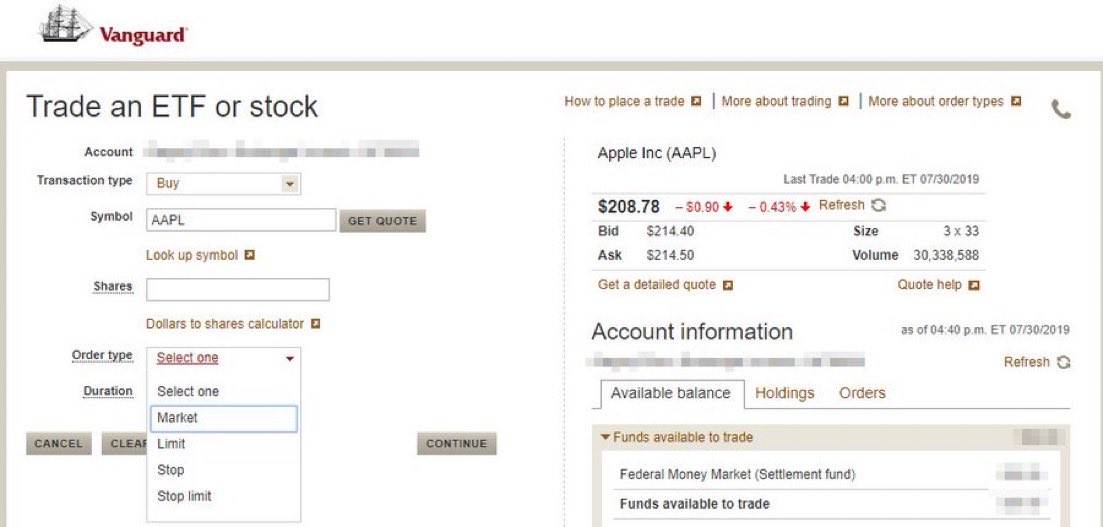
Open a Vanguard account.
Not Fidelity. Not Schwab.
Vanguard.
'Smart advice,' You might think. 'They do have the lowest fees..'
Wrong.
Their interface is so awful, you will never trade..
Has made my clients millions.
3
3
3,264
May 20
大约半年前和一个朋友闲聊的时候聊到 AI 怎么投资 .
他不是做技术的 我于是半开玩笑半认真地说你看到亚洲人做 CEO 的股票就去买就行了
这几天 Intel / AMD 又大涨,他刚刚发个信息说“我终于相信亚裔的力量” 🤣 😂
May 20
I jokingly told a friend of mine a good investment alpha in AI is “Asian CEOs”.
Nvidia — Jensen Huang
AMD — Lisa Su
TSMC — C.C. Wei
Micron — Sanjay Mehrotra
Broadcom — Hock Tan
Intel — Lip-Bu Tan
—
He told me he now fully understands Asian power 🤣
3
1
30
11,038
Eric Xu (e/Mettā) retweeted
May 20
I jokingly told a friend of mine a good investment alpha in AI is “Asian CEOs”.
Nvidia — Jensen Huang
AMD — Lisa Su
TSMC — C.C. Wei
Micron — Sanjay Mehrotra
Broadcom — Hock Tan
Intel — Lip-Bu Tan
—
He told me he now fully understands Asian power 🤣
4
7
92
17,739

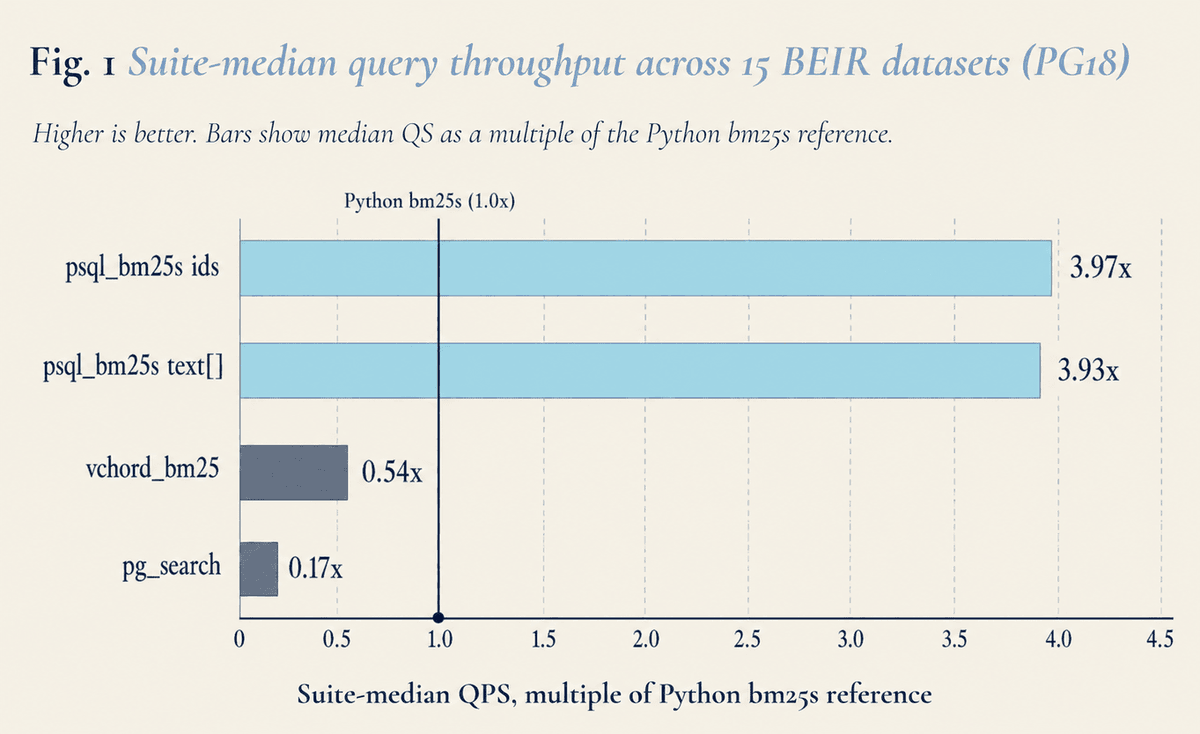
20 years ago, my first startup was all about enterprise search. Two decades later, we’re still building search engines. The technology has shifted from NLP to NN and the users from humans to agents. but searching is still the core. opensource the fastest bm25 engine:
May 13

so we built psql_bm25s.
exact BM25 retrieval. native Postgres access method. ~23x faster than pg_search on the standard benchmark.
retrieval stops being a budget item. the harness stops rationing. the agent gets to look things up like it should have the whole time.
5
8
53
20,101
May 13
And the antidote is motivated reasoning to dismantle your own hypothesis.

1
2
1,619
May 7
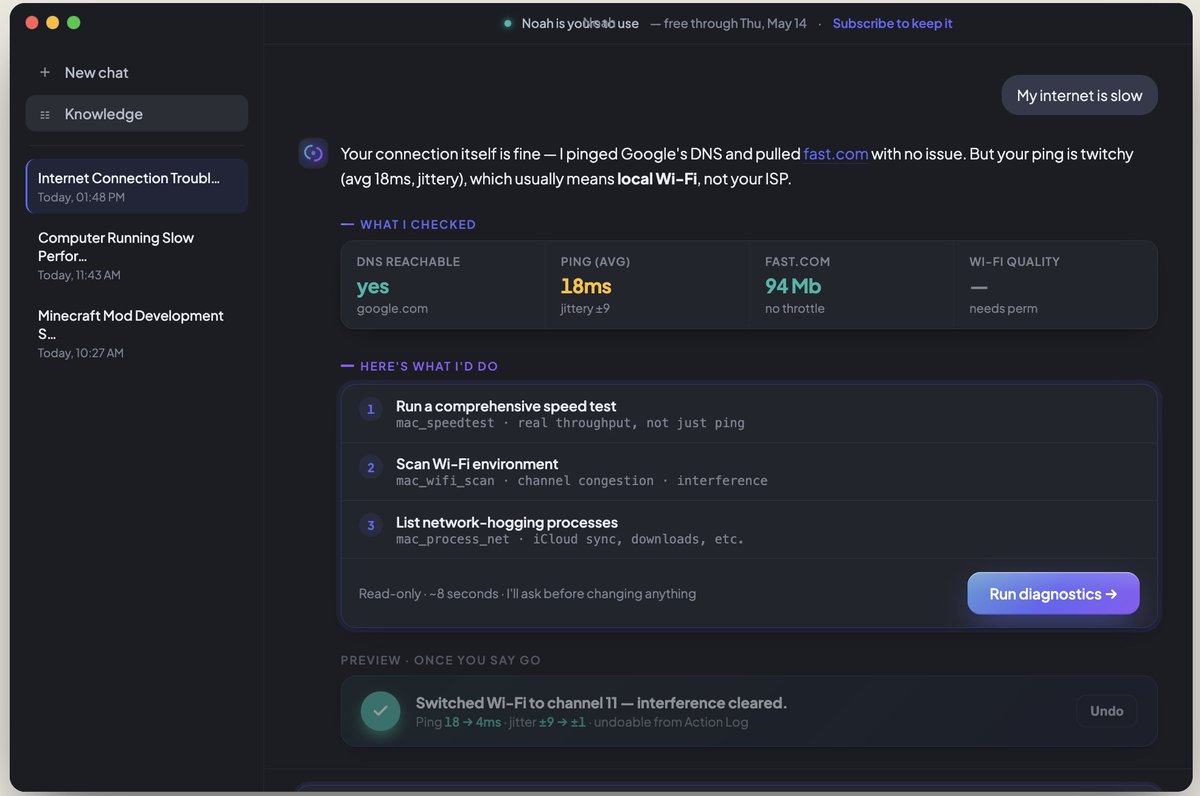
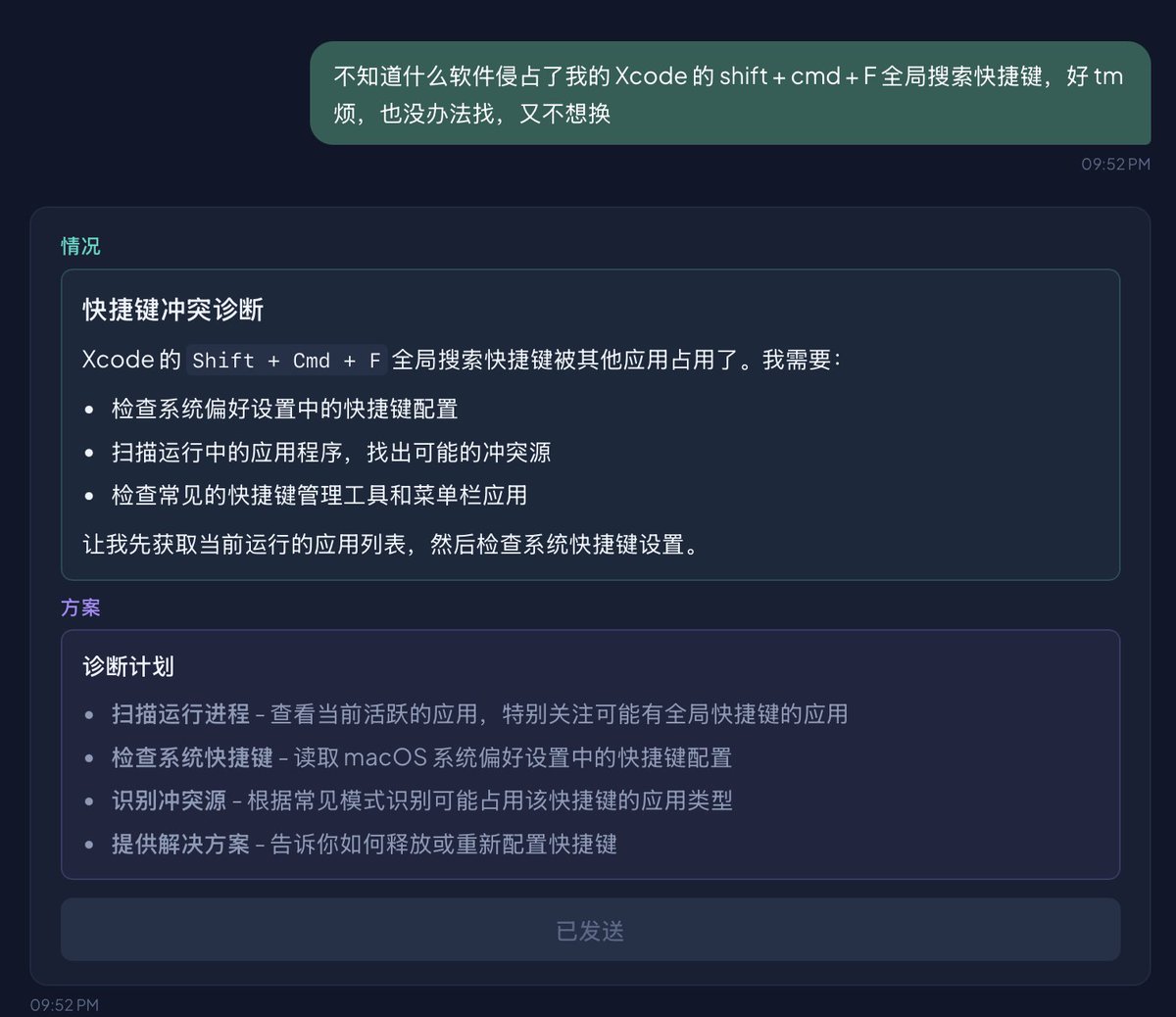
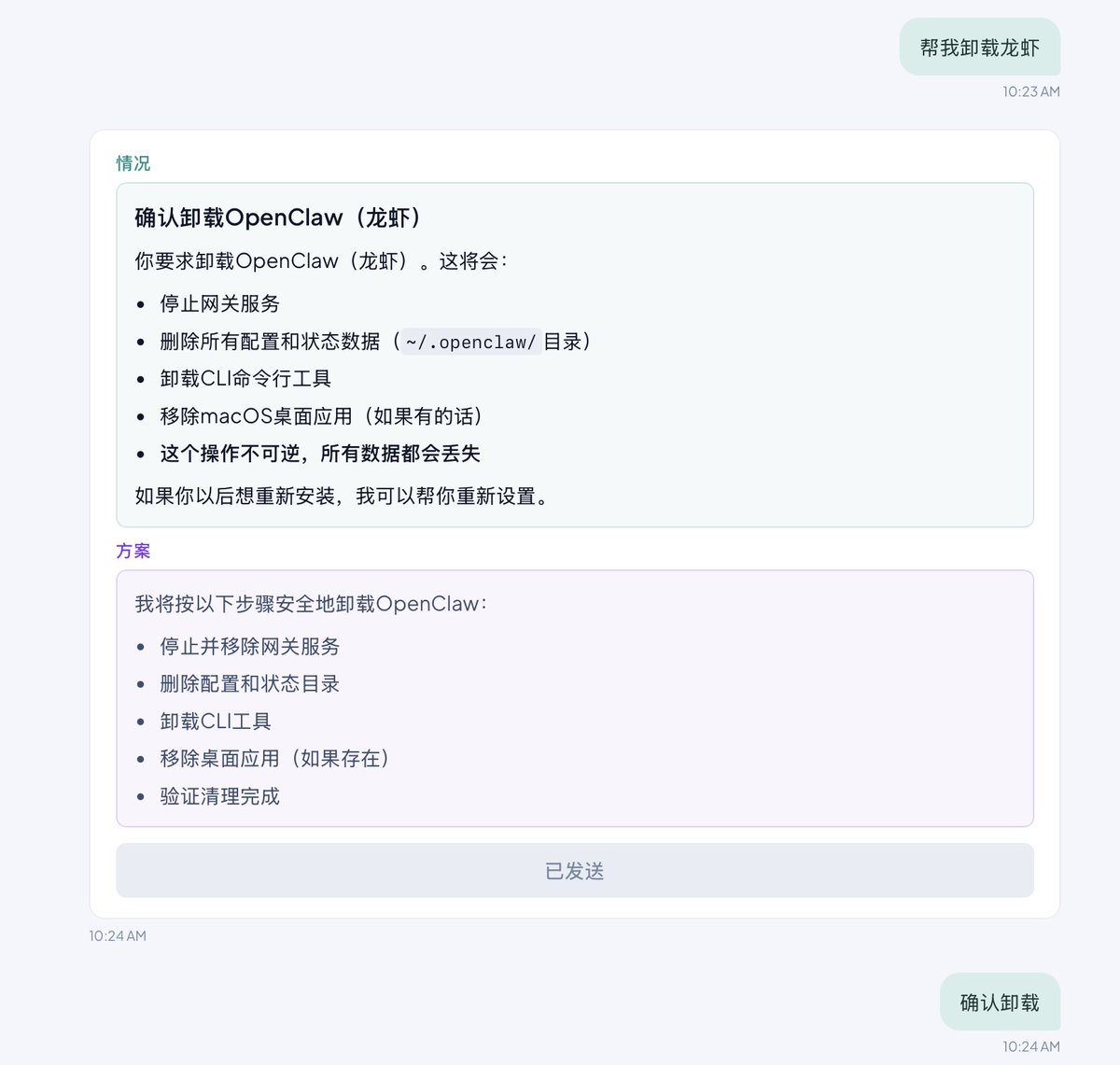
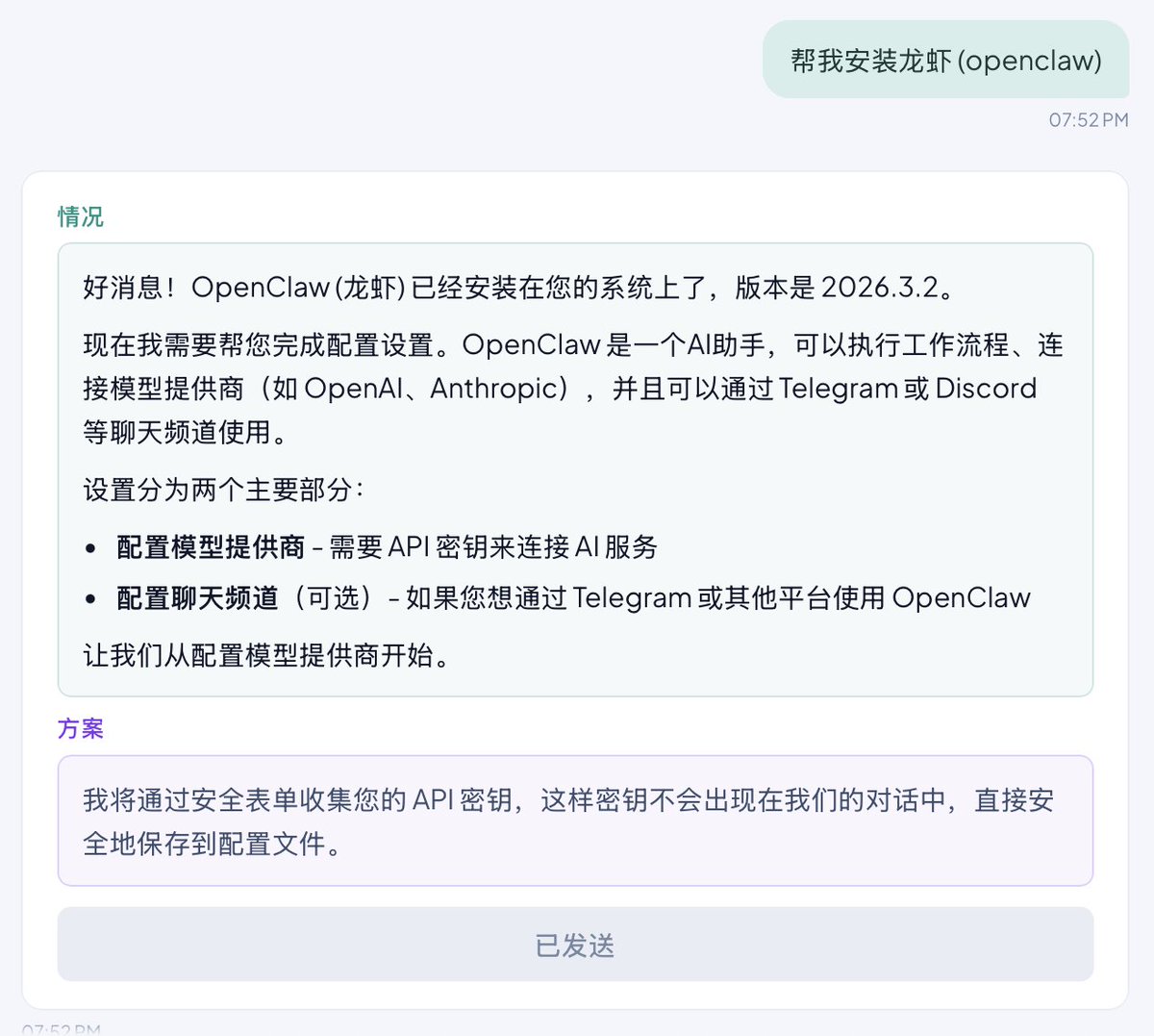
Claude design is genuinely impressive.
Preparing to ship the next version of Noah in a few days, and I cannot wait to see those beautiful dynamic panels rendered in an intuitive way.
---
争取下一个版本的 Noah 能够做到这么漂亮!
2
1,903