
Founder of Ora DJ. The prep app Rekordbox should have been. Plan sets on a canvas, rehearse with your controller. Solo founder, 10 yrs building products.
Joined July 2011
- Tweets 105
- Following 314
- Followers 33
- Likes 22
13 Photos and videos


Pinned Tweet

Jun 4
Saw this just now. I'm building it.
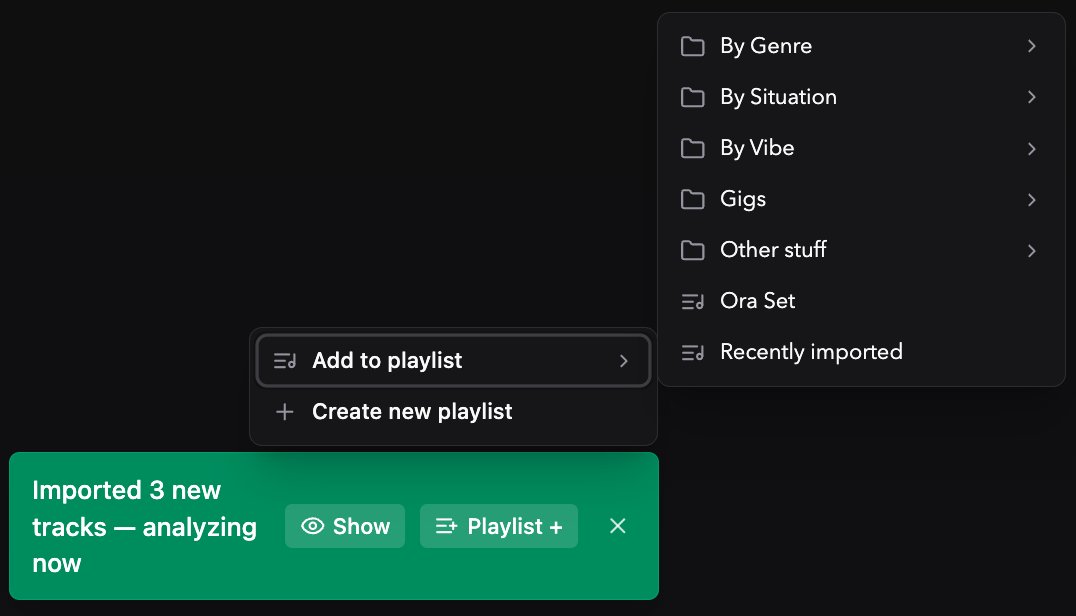
Ora DJ Studio: a fast, modern DJ prep app. Good beatgrids, key detection, cue points, and a visual canvas for planning sets. Open beta, free.

rekordbox is the worst software ever invented and if i didn't have a job i'd work full time on replacing that - who's building this??? agent-driven plz. good waveforms that are pioneer hardware compatible. great beat-grid, key detection etc. - this is all standard FFT/audio analysis. auto-sync between disk/playlists w/ good UX. i can help/have studied this a lot. amazing refs here for anyone that cares: djl-analysis.deepsymmetry.or….
1
2
44
Our beatgrid benchmark said we were 94% accurate. The product still felt broken.
The number was the bug. How we found out, and fixed it. 1/
1
27
The trick: a signal being useless alone isn't worthless. We combined all four into one weighted score and let our ground-truth data decide how much each counts.
Picking the right "1" went from 83% to 94%. The biggest factor was the signal that failed every solo test. 8/
1
6
The whole rhythm pipeline is now plain signal processing a textbook would recognize: filters, an onset envelope, a harmonic comb, autocorrelation, a phase estimate.
Grids that lock to the music from first beat to last. And faster, it runs fully parallel across your library. 9/
2
Jun 11
Building a prosumer audio application brings interesting challenges with it.
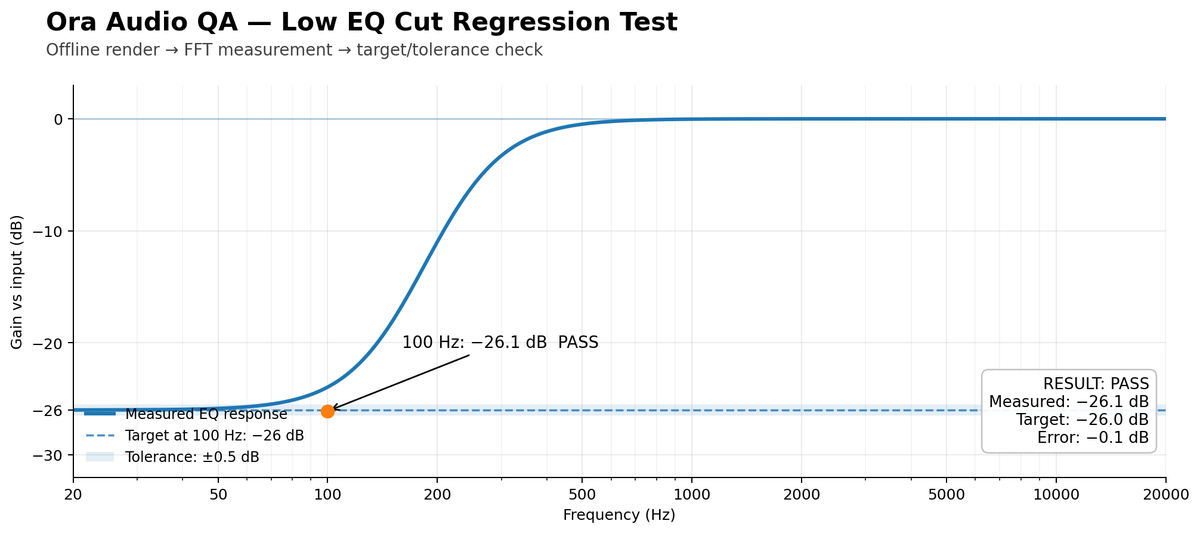
How do you QA audio? Esp. when your software is "bending" audio through EQs, effects and Filters?
Check out below how we are approaching that.
1
2
12
Jun 11
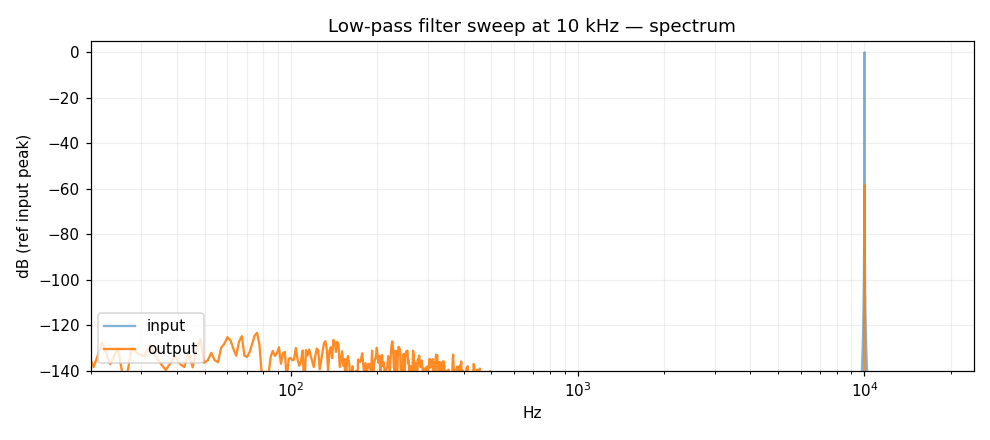
The same method covers what you can't eyeball: whether an 18 kHz tone folds back down as aliasing, whether the master limiter catches a hot signal without clipping or collapsing to silence.
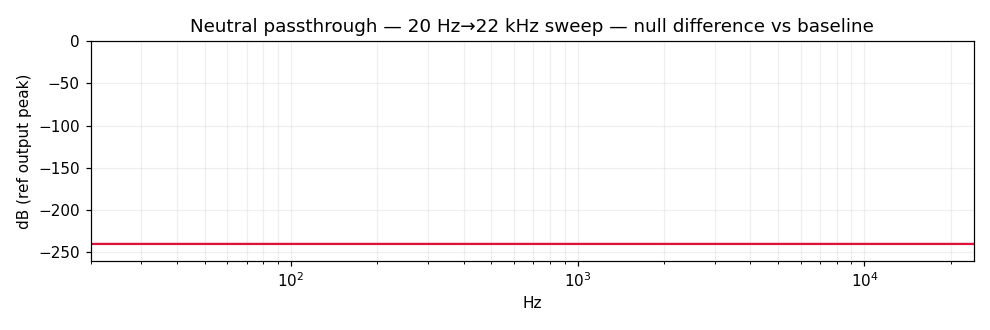
All numbers, all thresholded. 8/
1
1
10
Jun 11
None of this replaces listening. It replaces hoping.
Now every change to the audio engine runs the bench before it merges. We move fast on the DSP precisely because a regression has to get past a wall of numbers first. 9/
6
Jun 9
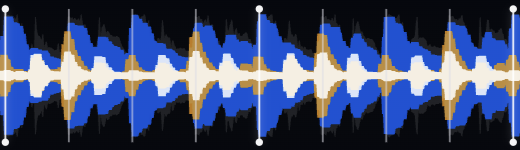
1/ A technically perfect waveform is almost useless to a DJ.
It's a flawless picture of the sound. But standing over a controller in a dark room with eight seconds to find your next mix point, it tells you nothing.
So we bend it. On purpose. Here's every trick we built into ours.
1
1
14
Jun 9
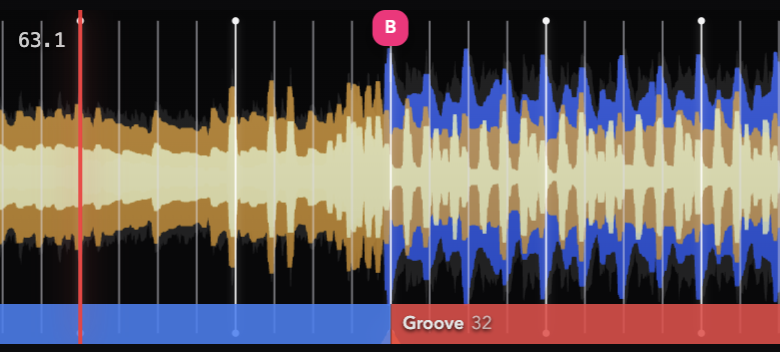
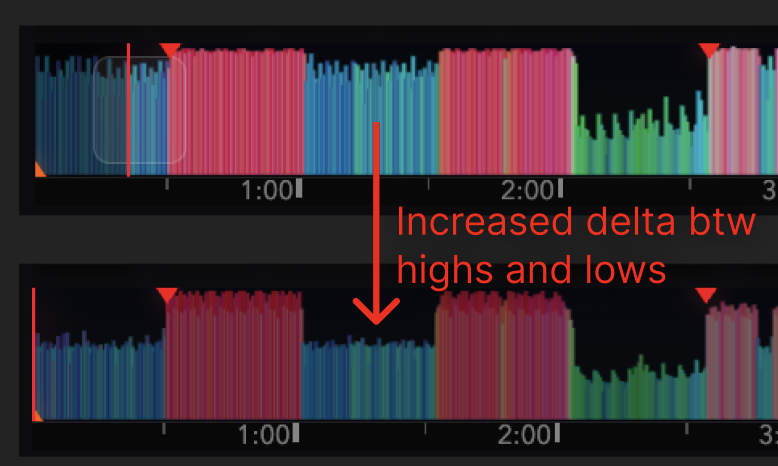
7/ Now the shape tells you the story. The drop stands tall because the kick is heavy. The breakdown visibly dips when the bass pulls out, even though it's nearly as loud.
You can spot intro, build, drop, breakdown from across the room, just by the silhouette.
1
5
Jun 9
8/ That's the real lesson. A waveform in a DJ app isn't physics, it's UI.
The job was never "is this what the sound looks like." It was "can a DJ glance at it and trust what they see."
Good design bends reality exactly as much as it needs to, and not one bit more.
15