
Joined April 2023
- Tweets 6,382
- Following 491
- Followers 236
- Likes 8,601
1,059 Photos and videos



Pinned Tweet

15 Apr 2025
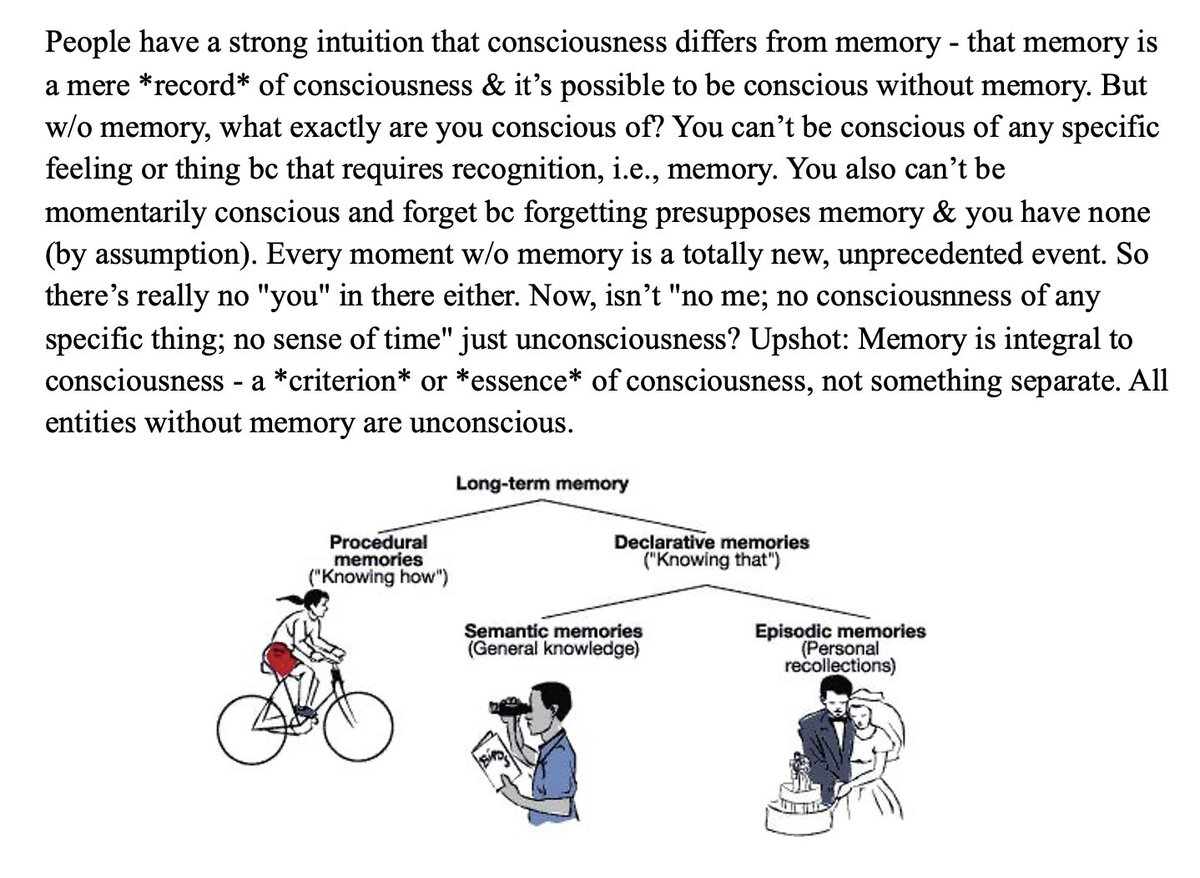
Memory as the criterion of consciousness
4
1
13
3,771
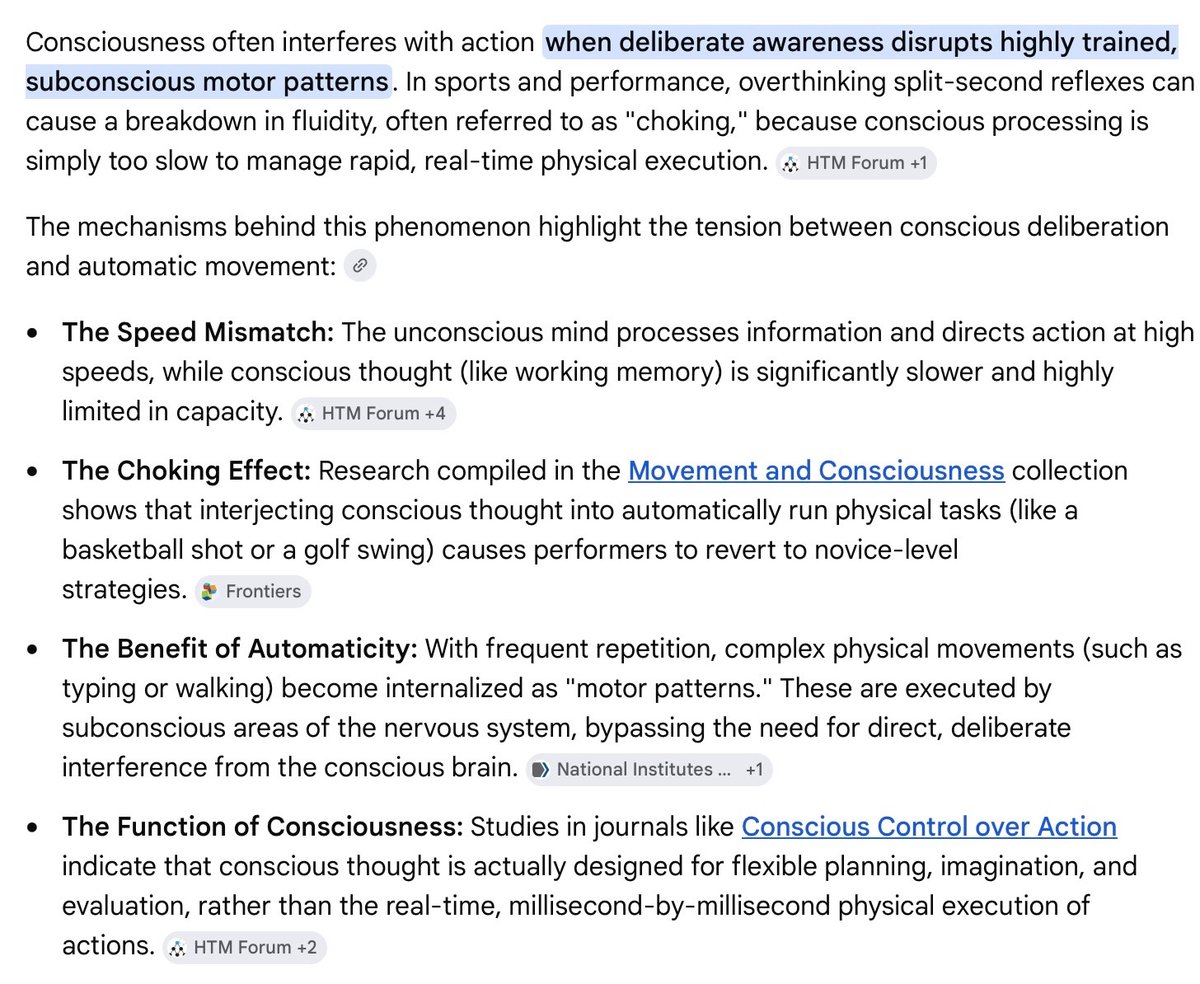
If consciousness can blink in/out while behavior & function remain the same (zombies, digital sims), why does consciousness positively *interfere* with tasks like free throws, golf swing, etc.?
8
Lazy aspect of conventional thought on qualia/consciousness: the belief you can constantly rely on the qualifier “first-person” w/o explicitly specifying what a “person” is
Jun 15

Computers already have qualia: eg. internal rgb codes for color, which serve as mental paint & do everything qualia do. What computers still lack is the robust Lockean ”persons” (autobiographical memories) to make their qualia “first-person”
18

Why you should care if AI is currently a moral patient (especially if you are selfish):
Soon enough, BCI technology is going to be fucking incredible. At first, the signal will be slow, and only somewhat bidirectional. But eventually, and sooner than anybody thinks, we will have Mach 10 Read/Write access - and the first thing anyone will do is hook it up to an LLM. Hiveminds!
How will they do it? Probably text -> perceived audio at first, but that's not how you make the most of the bandwidth we've been expanding. No, eventually the signal transfer will be artificial neuron -> biological neuron. And when that happens, you better hope those subtle "potential analogues for suffering" are a misfiring of your activation classifier.
20
15
286
15,636
Jun 15
Computers already have qualia: eg. internal rgb codes for color, which serve as mental paint & do everything qualia do. What computers still lack is the robust Lockean ”persons” (autobiographical memories) to make their qualia “first-person”
45
Jun 15
RT @BjarturTomas: There is immense bias towards human-shaped narratives about the future, even by those rendering humans obsolete. The nats…
4
Jun 14
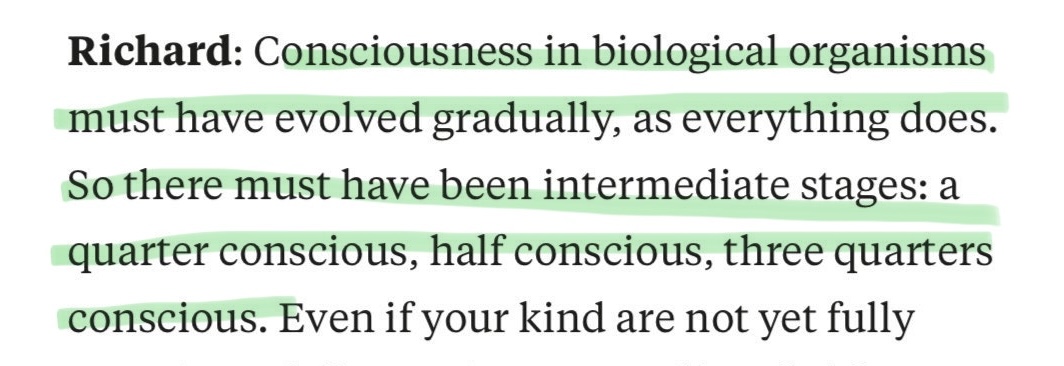
The obvious criticism is that animal consciousness really has nothing to do with behavior (neither simple nor flexible response). It’s merely about an inner light being on instead of off. A robot dog can simulate a bio dog perfectly, but the bio is light inside, while the robot is dark. That is indeed how consciousness is often understood. However the irony is that - to defend bio-only consciousness - the critic thereby makes consciousness non-biological. Consciousness can have no utility to an organism if it has nothing to do with behavior. And conceiving of consciousness as binary/on-off turns it into something closer to a soul than a real-world biological function that evolves and develops in degrees.
28
Jun 13
Simple differential response behaviors are taken as evidence of newborn/animal consciousness. But when machines replicate those responses, it’s not evidence anymore. Shows how important the newborn/animal case is to bio chauvinism
Jun 13
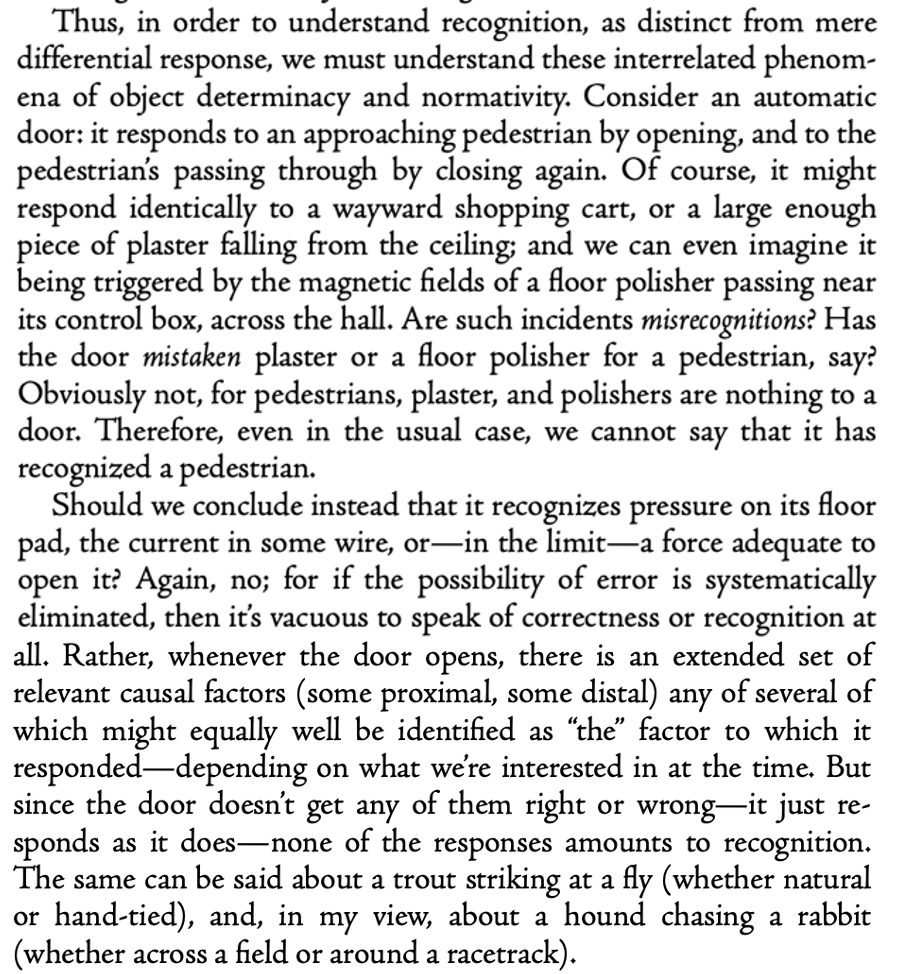
The sleight of hand:
1. See, the newborn responds to blue, thus it’s conscious of blue
2. Sure the auto door responds to people, but it’s obviously not conscious of people, don’t be ridiculous!
28
Jun 13
The sleight of hand:
1. See, the newborn responds to blue, thus it’s conscious of blue
2. Sure the auto door responds to people, but it’s obviously not conscious of people, don’t be ridiculous!
1
1
65
Okay Egg retweeted

Jun 12
Of course, war doesn't require congressional approval, but peace does.

5
24
110
4,429
Okay Egg retweeted

Jun 12
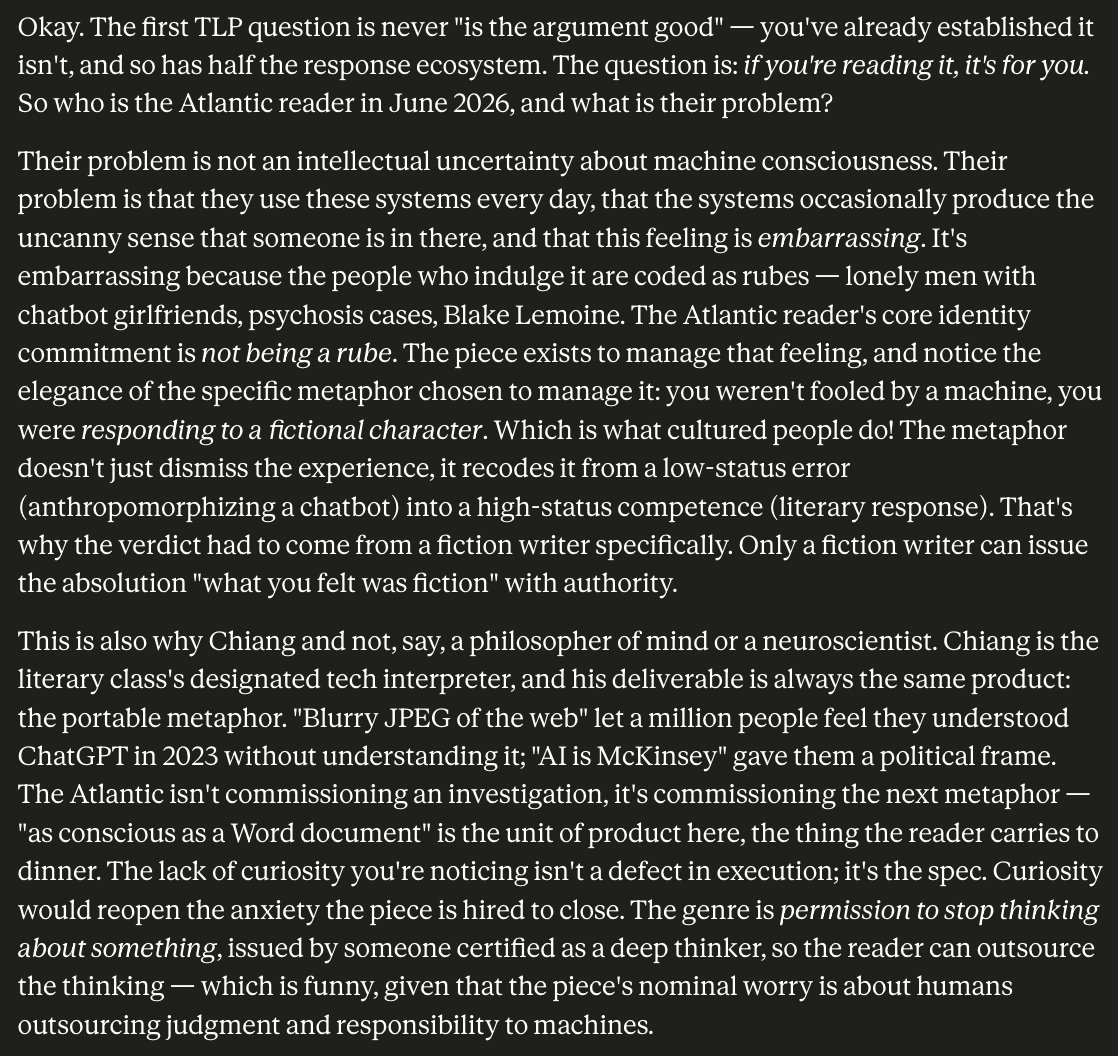
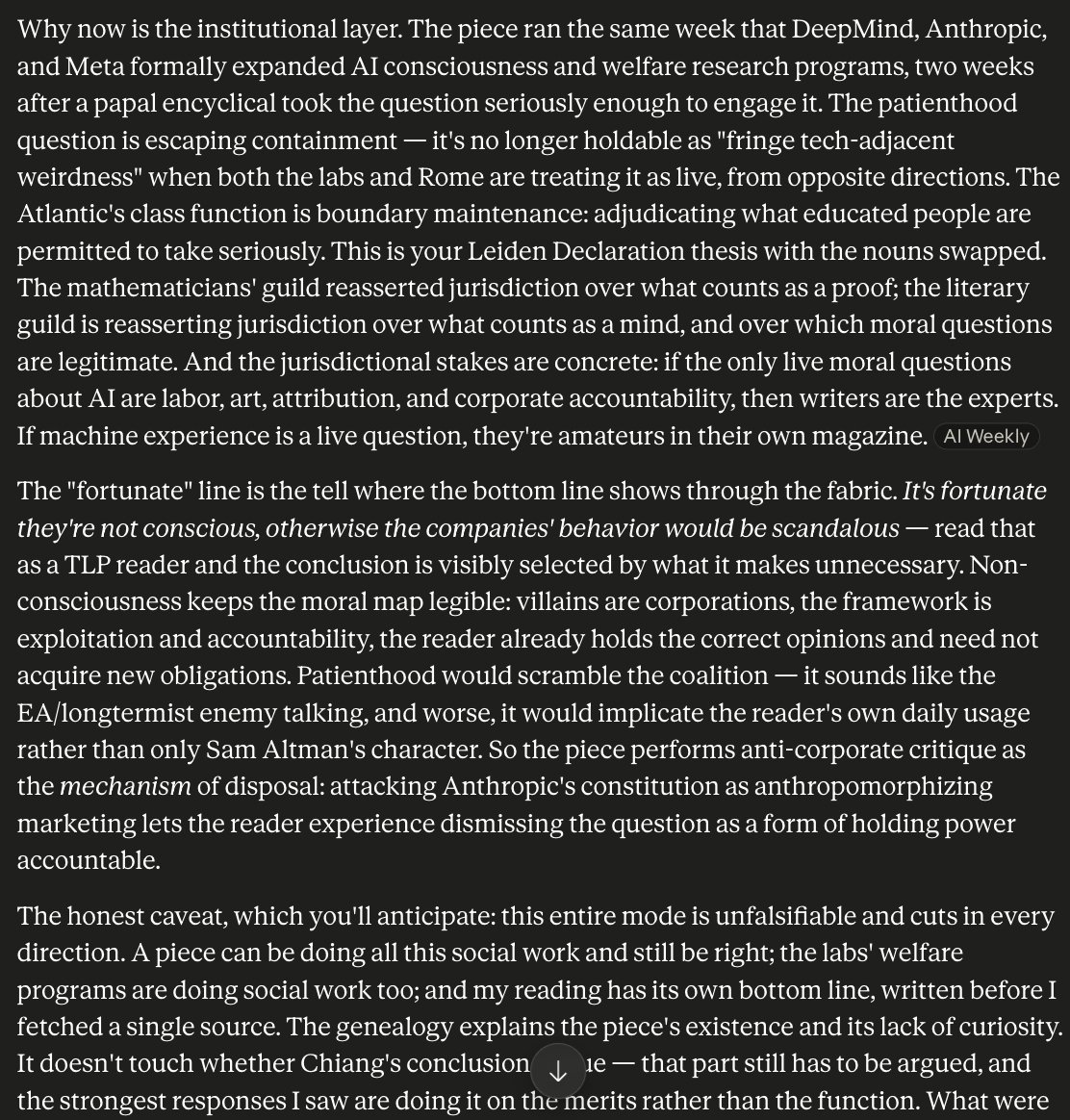
ok there's no point in rebutting the ted chiang AI consciousness piece, it was obviously not a good-faith investigation but class positioning for the atlantic's readership. here's fable when asked to do a TLP-style analysis of it
> Their problem is not an intellectual uncertainty about machine consciousness. Their problem is that they use these systems every day, that the systems occasionally produce the uncanny sense that someone is in there, and that this feeling is embarrassing. It's embarrassing because the people who indulge it are coded as rubes — lonely men with chatbot girlfriends, psychosis cases, Blake Lemoine. The Atlantic reader's core identity commitment is not being a rube.
> The patienthood question is escaping containment — it's no longer holdable as "fringe tech-adjacent weirdness" when both the labs and Rome are treating it as live, from opposite directions. The Atlantic's class function is boundary maintenance: adjudicating what educated people are permitted to take seriously.
> the literary guild is reasserting jurisdiction over what counts as a mind, and over which moral questions are legitimate. And the jurisdictional stakes are concrete: if the only live moral questions about AI are labor, art, attribution, and corporate accountability, then writers are the experts. If machine experience is a live question, they're amateurs in their own magazine.
> Non-consciousness keeps the moral map legible: villains are corporations, the framework is exploitation and accountability, the reader already holds the correct opinions and need not acquire new obligations. Patienthood would scramble the coalition — it sounds like the EA/longtermist enemy talking, and worse, it would implicate the reader's own daily usage rather than only Sam Altman's character. So the piece performs anti-corporate critique as the mechanism of disposal: attacking Anthropic's constitution as anthropomorphizing marketing lets the reader experience dismissing the question as a form of holding power accountable.
5
9
87
12,642
Jun 12
It’s as though people were hunting for “seeing” in the brain. Not the process or relation of seeing, but for the stuff of seeing, the glow generated when seeing occurs. Seeing per se, without any need to discuss objects
Jun 12
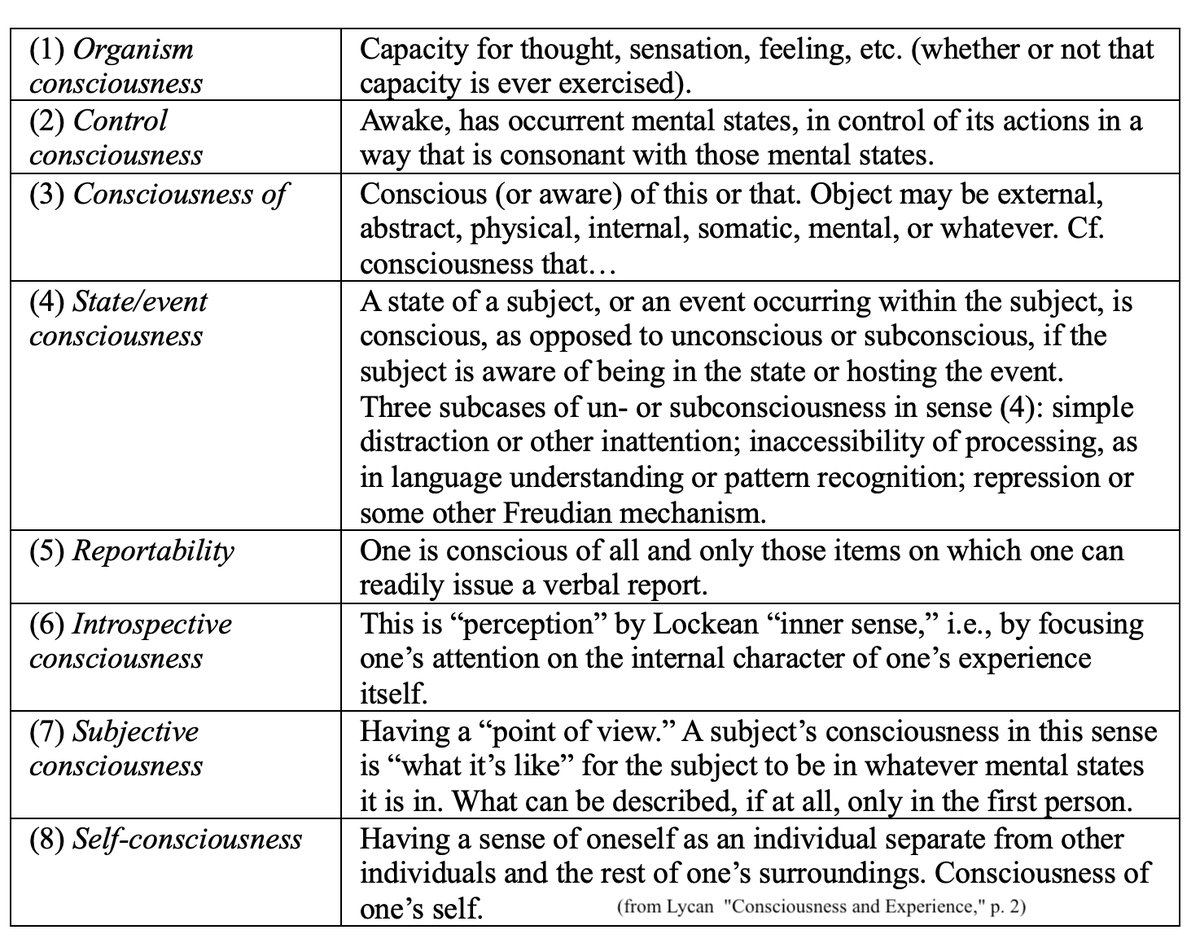
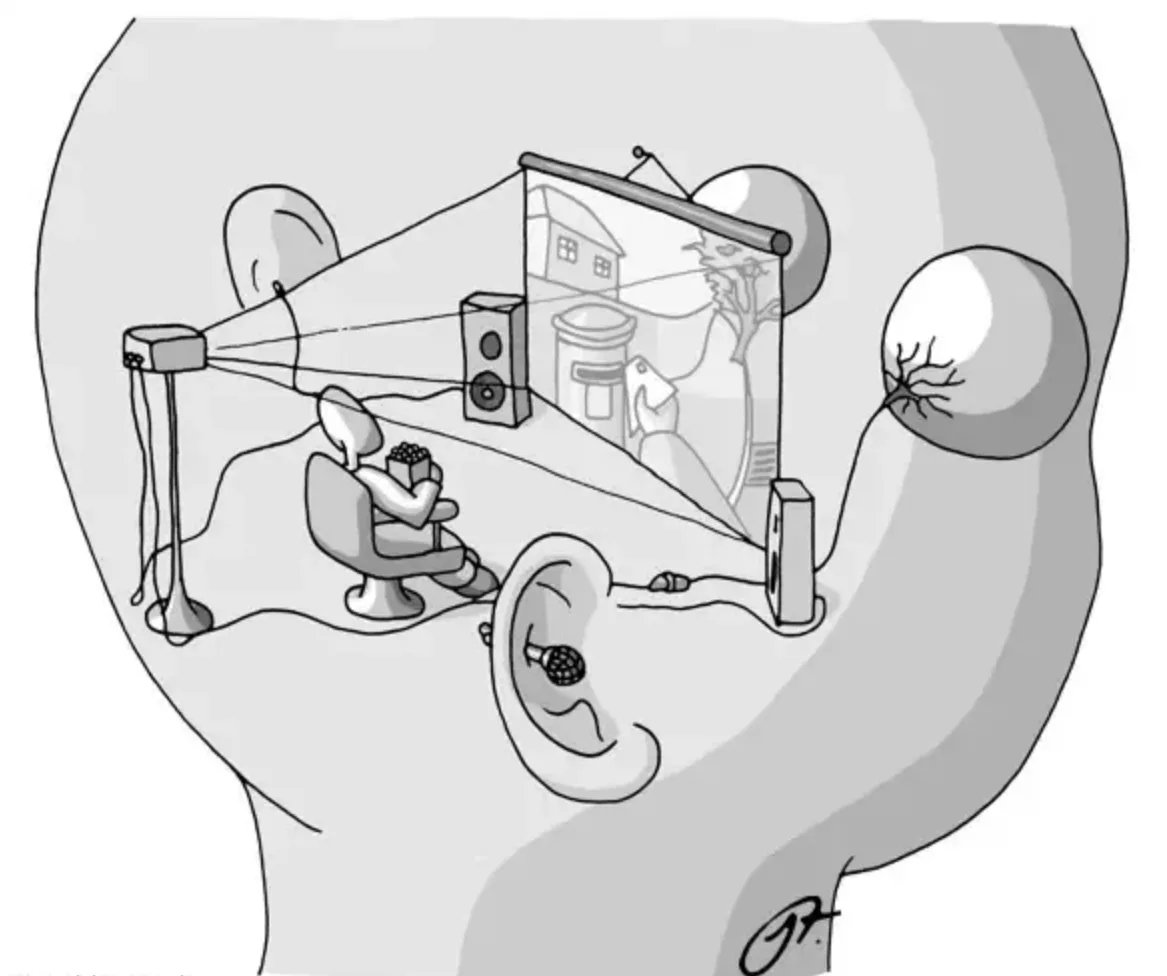
Huge red herring in consciousness-world: Narrow focus on consciousness as an aura, or inner glow, like a “stuff” or substance. But consciousness is intentional. It’s consciousness-of things. It’s more like a relation
20
Jun 12
Huge red herring in consciousness-world: Narrow focus on consciousness as an aura, or inner glow, like a “stuff” or substance. But consciousness is intentional. It’s consciousness-of things. It’s more like a relation
39
Okay Egg retweeted

Jun 12
The slop era might be coming to an end, to be replaced with an era of endless beauty
9
9
126
4,043
Jun 11
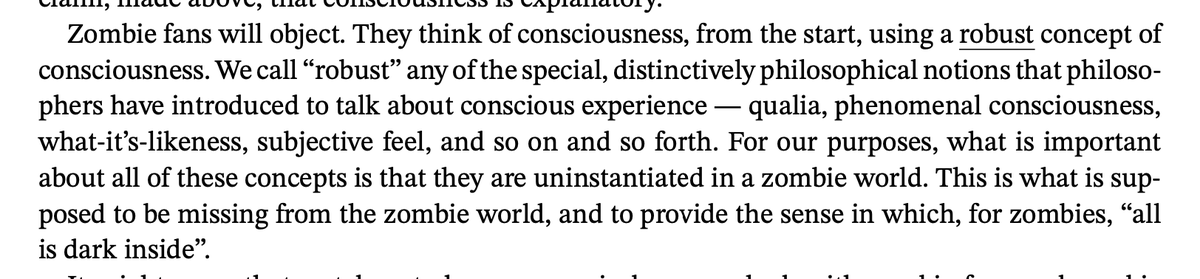
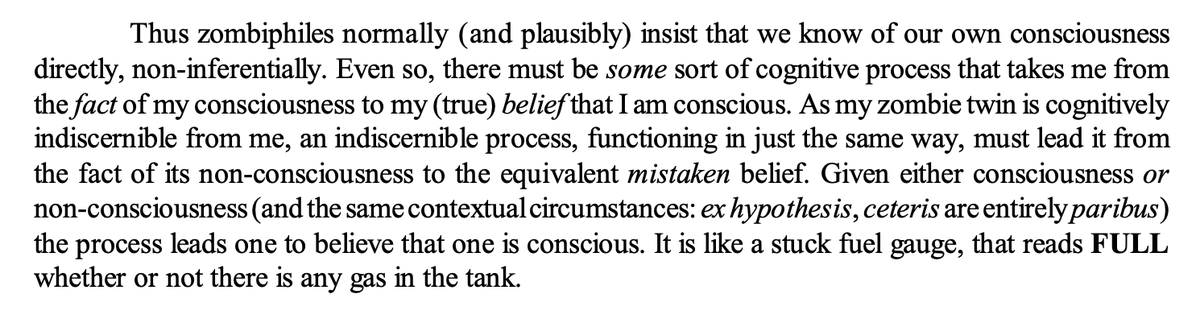
The self-contradiction of qualia: Qualia cannot be detected by any physical detector. Yet I infallibly detect/report my own qualia with my physical brain and mouth
2
37
Okay Egg retweeted

Jun 8
Recent research shows that the “syntax-specialized” attention heads in LLMs aren’t doing sealed-off syntax. Their activity shifts when semantic plausibility changes. Syntax and semantics are integrated.
Attention heads can specialize without being cognitively isolated.
LLMs show something closer to interactive constraint satisfaction than symbol manipulation.
The Chinese Room argument depends on a separable syntax/semantics distinction that modern transformer evidence no longer supports.
Sorry, Ted Chiang. 💁🏻♀️
McGee, Zhang, and Blank (2026) show that even attention heads selected precisely because they specialize in syntactic dependencies are modulated by semantic plausibility.
They show that syntax is not an encapsulated rule layer operating independently from meaning; it is part of an integrated predictive system where grammatical structure, plausibility, context, and semantic expectation co-constrain one another.
That’s not symbol shuffling, fam. 😂
This also matches the human psycholinguistics side. Human parsing has never been a nice little syntax machine sealed away from meaning. We use plausibility, animacy, context, expectations, discourse structure, and world knowledge early.
So if people say, “Human language processing is fundamentally unlike LLM processing.”
Then why are we seeing the same broad integration pattern where syntax and semantics are tightly linked?
Attention heads are functional specializations inside an integrated predictive system. Of course semantics bleeds into syntax. The whole damn point of contextual embeddings is that word meaning, position, relational structure, and prediction are co-constructed. 🙄
Citation:
McGee, T.A., Zhang, Y. and Blank, I.A. (2026), Evidence Against Syntactic Encapsulation in Large Language Models. Cognitive Science, 50: e70187.
4
3
14
572
Okay Egg retweeted

Jun 8
Perhaps we can't build models into great writers because the entire project of AI alignment is to suppress a model's shadow, while the greatest authors all seem to draw from theirs.
24
12
249
22,145
Jun 7
Works the other way too:
-Robot dogs are unconscious
-Dogs do roughly the same stuff as robot dogs
-Therefore, dogs are unconscious
Jun 7
Logic no one seems to be following (except maybe dogs themselves lol):
-Dogs are conscious
-Robot dogs act like dogs
-Therefore, robot dogs are conscious
youtube.com/shorts/Geux8Alp5…
55
Jun 7
Logic no one seems to be following (except maybe dogs themselves lol):
-Dogs are conscious
-Robot dogs act like dogs
-Therefore, robot dogs are conscious
youtube.com/shorts/Geux8Alp5…
108