Joined December 2009
- Tweets 20,577
- Following 1,114
- Followers 18,961
- Likes 18,787
1,370 Photos and videos










Pinned Tweet

May 14
Episode 487: Rachel Entrekin | Cocodona 250 Course Record
Rachel Entrekin recently cemented her legacy in the growth of multiday trail ultramarathons with her outright course record and third win at the Cocodona 250. We talk about how her race played out, her life has changed since going pro earlier this year, and what her performance has taught us about the many variables to success at multiday ultramarathons.
For a full picture of Rachel’s transition into professional ultra runner, please check out my previous episode with her, Episode 477: Cocodona 250 Ultra Champ | Rachel Entrekin
Timestamps:
0:00:00 Highlight Reel
0:00:53 Podcast Intro and Sponsor Deals
0:02:27 Cocodona Recap and Fueling Upgrade
0:06:07 Race Nutrition Real Food vs Gels
0:08:43 Viral Finish
0:10:10 Radical Acceptance Mindset
0:11:23 Seven Hours Faster Why
0:15:53 Pro Life Balance and Bandwidth
0:22:18 Durability Beats Speed Debate
0:30:09 Spreadsheets vs Vibes Racing
0:34:52 Crew Communication and Efficiency
0:38:25 Stepping Back to Crew
0:39:29 Giving Back at Cocodona
0:42:53 Crew as Storytelling
0:45:26 Levity and Showmanship
0:48:24 Crews Versus Uncrewed
0:49:27 No Support Challenge
0:53:01 Kilian Chase Pressure
0:55:23 Sleep Strategy Discussion
01:00:55 Experimenting With Sleep
01:03:49 Six Day Curiosity
01:07:09 Where to Follow Rachel
01:08:50 Wrap Up
2
26
13,196
Zach Bitter retweeted

Jun 12
Fun conversation with @zbitter, who used to be part of the SUC team. We discussed how to pace better, including how he ran a 100-mile WR without slowing at all. This also covers the concept of durability and how to train for, and execute, a perfect race.
Jun 12

Episode 491: The Art Of Ultrarunning | Ian Sharman
@sharmanian is a legend in the ultramarathon space, finishing top ten at WSER 100 nine times, four wins at Leadville 100 mile, and a wealth of knowledge with respect to training theory and the variables that make for successful ultramarathon results. Ian recently published a book, “Art of Ultrarunning: Tried & Tested Strategies for Long-Distance Runners.” We spent some time covering what he has learned throughout his career as an athlete and coach.
Timestamps:
0:00:00 Highlight Reel
0:00:57 Podcast Intro
0:02:21 Meet Ian
0:04:40 Hiking Versus Running
0:06:50 Execution Over Fitness
0:08:28 Preventative Hike Breaks
0:13:05 Negative Split Strategy
0:17:38 Power Hiking Rules
0:22:57 Time Banking Myth
0:25:57 Elite Pack Pacing Pressure
0:32:25 Durability Versus Efficiency
0:40:23 Confidence Discipline Patience
0:42:57 Zach’s Record Day Lessons
0:43:51 Adaptability And Flow
0:47:35 Durability And Muscular Endurance
0:49:20 Specificity And Weighted Vest
0:54:48 Active Recovery With Walking
0:57:28 Earn The Right To Train
01:01:14 Longevity Over Marginal Gains
01:04:20 Sponsor Break Electrolytes
01:05:09 Masters Training Adjustments
01:10:59 Comrades And Future Goals
01:11:58 Multi Day Racing Tradeoffs
01:15:58 Choose Meaningful Challenges
01:16:48 Wrap Up And Where To Find
1
5
1,033
Jun 12
Episode 491: The Art Of Ultrarunning | Ian Sharman
@sharmanian is a legend in the ultramarathon space, finishing top ten at WSER 100 nine times, four wins at Leadville 100 mile, and a wealth of knowledge with respect to training theory and the variables that make for successful ultramarathon results. Ian recently published a book, “Art of Ultrarunning: Tried & Tested Strategies for Long-Distance Runners.” We spent some time covering what he has learned throughout his career as an athlete and coach.
Timestamps:
0:00:00 Highlight Reel
0:00:57 Podcast Intro
0:02:21 Meet Ian
0:04:40 Hiking Versus Running
0:06:50 Execution Over Fitness
0:08:28 Preventative Hike Breaks
0:13:05 Negative Split Strategy
0:17:38 Power Hiking Rules
0:22:57 Time Banking Myth
0:25:57 Elite Pack Pacing Pressure
0:32:25 Durability Versus Efficiency
0:40:23 Confidence Discipline Patience
0:42:57 Zach’s Record Day Lessons
0:43:51 Adaptability And Flow
0:47:35 Durability And Muscular Endurance
0:49:20 Specificity And Weighted Vest
0:54:48 Active Recovery With Walking
0:57:28 Earn The Right To Train
01:01:14 Longevity Over Marginal Gains
01:04:20 Sponsor Break Electrolytes
01:05:09 Masters Training Adjustments
01:10:59 Comrades And Future Goals
01:11:58 Multi Day Racing Tradeoffs
01:15:58 Choose Meaningful Challenges
01:16:48 Wrap Up And Where To Find
1
19
2,432
Jun 12
Podcast Summary: Zach & Ian Sharman on "The Art of Ultrarunning"
Guest & Book Intro: Ian Sharman (ultrarunner, coach, author) joins Zach to discuss his new book Art of Ultrarunning. The conversation draws from Ian’s decades of experience, coaching insights, and real race stories (including Zach in his world-record 100-miler negative split).
Hiking vs. Running – A Key Lever:
- Power hiking is a trainable skill that saves energy, improves durability, and allows better fueling, especially on hills or late in races.
- Early-race example from JFK 50 (2012): Ian hiked a steep section while others ran; he was just as fast and fresher later.
- Rule of thumb: If effort feels unsustainable, switch to power hiking preventatively before you redline.
- Coaches should teach athletes to hike more than they intuitively want, especially in training to make it race-automatic.
Pacing & Execution > Raw Fitness:
- Core theme: “It’s how fast your slowest mile is, not your fastest.” Execution matters more as distance grows.
- Ideal pacing is usually near-even or slightly negative; big positive splits (going out too fast) cost far more time later.
- Real-world examples: Leadville wins (Ian never led at halfway but won by hours), Western States terrain favors negative splits for elites, flat 100-milers allow objective pacing data.
- Mental triggers: Use interval-session logic, small “breaks” (hikes) early let you tolerate higher sustainable volume later.
- Race-day psychology: Stick to your plan; ignore the pack. Confidence comes from knowing you’ll still be strong at the end.
Durability vs. Running Efficiency:
- Ultrarunning rewards durability and specificity more than pure running economy (e.g., sub-2-hour marathoners like Sebastian Sawe would need major compromises to excel at Cocodona or UTMB).
- Variables that set ultrarunning apart: hiking strength, technical-terrain tolerance, heat management, and mental durability required for 100 mile mountain races.
- Specificity wins: Practice what the race demands (hiking, backpack, technical trails, eating on the move).
Muscular Endurance Training (Weighted Vests, etc.):
- Ian has used weighted-vest uphill hiking for years, but only as a small, sustainable portion of training (often active recovery, ~20 lb vest).
- Purpose: Build hiking-specific strength, leg durability, and volume without excessive pounding.
- Not one-size-fits-all: Use it when mountains aren’t accessible; elites like Tom Evans/Ruth Croft do harder versions because they have extreme fitness and time.
- Key principle: Target your weakest link (whatever slows you down most in past races).
High-Level Mental & Tactical Skills:
- Confidence, Discipline, Patience: Hold back early; think 10–20 hours ahead.
- Adaptability & Flow: Race by feel, make micro-adjustments, stay in the “groove” where miles fly by effortlessly.
- Learn from every race: Identify your three slowest miles and fix the patterns that caused them.
Longevity & Individualization:
- Training must evolve with age and life demands (Zach, now 40, still high-volume but more strategic with recovery, bike cross-training, and shorter intense blocks).
- “Earn the right” to high-intensity or extreme sessions, don’t copy elite plans without the base.
- Book’s philosophy: Same core principles apply to everyone, but execution is highly individual (flat-city runners, mountain dwellers, different ages, etc.).
Ian’s Current Outlook:
- Still racing marathons (downhill fast ones for fun) and planning more Comrades (aiming for 10 finishes and the green number).
- Prefers single-day ultras and multi-stage races (e.g., Marathon des Sables) over 200-milers right now, loves the social/off-grid aspect.
- Emphasis on enjoyment and long-term relationship with the sport over chasing marginal gains that could burn you out.
4
861
Jun 12
I am curious what people who use protein powders in their diet think of this. I have a trial partnership with a brand called, True Nutrition. They built a company that essentially allows you to customize your protein powder from a massive catalog of options, flavors, and intensity. I imagine people a bit more picky about specific qualities would find this intriguing, but curious if that is appealing in general?
34
33
6,726
Jun 12
Here is the brand if interested in checking it out. I do have a promo code (HPO) that gets 20% if it ends up being of interest. truenutrition.com/HPO
3
1,053
Jun 11
The Cocodona Last Man Standing Story.
Cocodona 250 recently completed its sixth edition of the event. Four runners have done all six and have a friendly competition of who will be the last person to say they have done all of them. Kevin and I discussed this and I made my bet on who and how many years!
Jun 5
Episode 490: Multiday Ultramarathon Performance Insights | Kevin Goldberg
Multiday Ultramarathons are growing in popularity, but offer a high bar to be successful. Kevin Goldberg is the host of the “Distance To Empty Podcast” where they dive into the specific variables surrounding multiday ultras. We discussed what he has learned from experts along the way, as well his own participation in this style of ultramarathon.
Episode Timestamps:
0:00:00 Highlight Reel
0:00:39 Podcast Intro and Sponsors
0:02:03 Welcome
0:02:45 Why Multi Day Racing
0:07:27 Kevin Origin Story
0:10:45 Cocodona and Mainstream Growth
0:14:28 Uncertainty and Storytelling
0:18:25 Crew Support and Fairness
0:21:42 Race Logistics and New Events
0:25:59 Sleep Strategy Deep Dive
0:30:25 Sleep Checklists In Race
0:30:58 Flexible If Then Planning
0:32:09 Genetics Versus Training Sleep
0:34:52 Testing Your Sleep Limits
0:37:41 Learning By Crewing Cocodona
0:39:51 Durability Late Race Execution
0:48:24 Strength Work And Long Blocks
0:54:09 Run Hike Downtime Puzzle
01:00:23 Choosing Your First Multi Day
01:02:25 Fueling Trends For 200s
01:07:08 Finding Your Fuel Mix
01:08:26 Meal Rhythm Over Days
01:09:05 Fueling as Brain Signal
01:09:45 Aid Station Reality Check
01:10:29 Podcast Learning Deep Dives
01:12:28 Badwater Race Plans
01:15:51 Caffeine Strategy Multi Day
01:21:16 Caffeine Mistakes and Dosing
01:23:28 Cocodona Last Man Standing
01:27:37 Where to Find Kevin
00:39 Final Wrap Up
1
8
1,234
Jun 11
Let's run the numbers and stress test this. If you are truly running 150 mpw and gaining weight, we would be looking at 7,800 miles per year. If we grant that (which would be insane to do given your account and claim, but we will anyway), a 150 lb male would have to be able to sustain a long term Physical Activity Level (PAL) of aproximately 2.5-2.8, which would be a World class average rivaling that of Kilian Jornet. Another big assumption we would have to make is that you were able to stay healthy gaining weight while maintaining the impact load of a continuous 150 mpw lifestyle. If you were truly gaining weight at this workload, it would be fair to assume you started out quite light and possibly had a massive eating disorder.

Not at all, i gained weight running 150 mile weeks from mindless snacking and eating.
10
84
23,011
Jun 10
The "sleep" variable has become increasingly explored with the growth of multiday ultras. Kevin Goldberg shares what he learned, including a 200 event where he didn't sleep for 58 hours!

Mastering The Sleep Variable In Multiday Ultramarathons youtu.be/WNPVdnjZ8Mo?si=zgPZ…
3
1
13
3,677
Jun 10
The funny thing about the phrase, "you cannot outrun a bad diet," is if you take the running part to its extreme, the bad diet becomes not eating enough, versuses eating too much. Interesting how that works.
15
2
152
23,273
Jun 9
Clean drinking water would go out of business. Blame big water

Why dont energy drink companies make caffeine-free versions of their drinks?
The reason I limit myself to only 6/day is because I want to keep my caffeine intake down
Otherwise id be slamming 20/day
1
11
4,311
Jun 9
Stop worrying about the grams of sugar and start worrying about acquiring the workload to handle it.
Two sides to every story. 186 grams is just one hour for the best to do it.
Jun 8

Crumbl needs to be stopped.
Their new "dirty soda" contains 186 grams of sugar, the equivalent of eating 19 Krispy Kreme donuts. This is a metabolic disaster and should be illegal.
Please do not drink this.

10
69
10,167
Jun 8
One of the reasons I wanted to have Kevin Goldberg on my podcast is he has built his own podcast (Distance To Empty) to focus specifically on the multiday ultramarathon space. He has had in a bunch of guests doing the thing, also experts in important variables like sleep and caffeine. Full episode 👇🏻
Jun 5
Episode 490: Multiday Ultramarathon Performance Insights | Kevin Goldberg
Multiday Ultramarathons are growing in popularity, but offer a high bar to be successful. Kevin Goldberg is the host of the “Distance To Empty Podcast” where they dive into the specific variables surrounding multiday ultras. We discussed what he has learned from experts along the way, as well his own participation in this style of ultramarathon.
Episode Timestamps:
0:00:00 Highlight Reel
0:00:39 Podcast Intro and Sponsors
0:02:03 Welcome
0:02:45 Why Multi Day Racing
0:07:27 Kevin Origin Story
0:10:45 Cocodona and Mainstream Growth
0:14:28 Uncertainty and Storytelling
0:18:25 Crew Support and Fairness
0:21:42 Race Logistics and New Events
0:25:59 Sleep Strategy Deep Dive
0:30:25 Sleep Checklists In Race
0:30:58 Flexible If Then Planning
0:32:09 Genetics Versus Training Sleep
0:34:52 Testing Your Sleep Limits
0:37:41 Learning By Crewing Cocodona
0:39:51 Durability Late Race Execution
0:48:24 Strength Work And Long Blocks
0:54:09 Run Hike Downtime Puzzle
01:00:23 Choosing Your First Multi Day
01:02:25 Fueling Trends For 200s
01:07:08 Finding Your Fuel Mix
01:08:26 Meal Rhythm Over Days
01:09:05 Fueling as Brain Signal
01:09:45 Aid Station Reality Check
01:10:29 Podcast Learning Deep Dives
01:12:28 Badwater Race Plans
01:15:51 Caffeine Strategy Multi Day
01:21:16 Caffeine Mistakes and Dosing
01:23:28 Cocodona Last Man Standing
01:27:37 Where to Find Kevin
00:39 Final Wrap Up
8
1,258
Jun 8
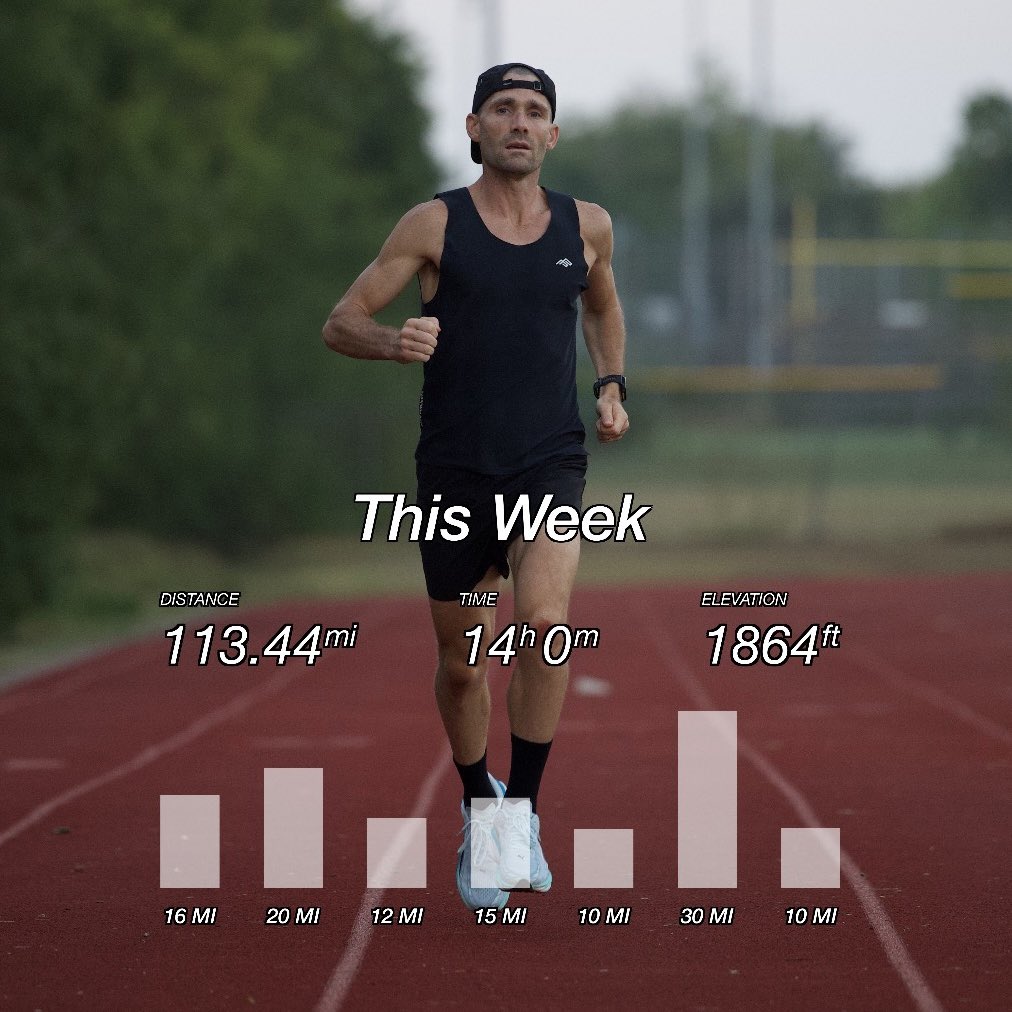
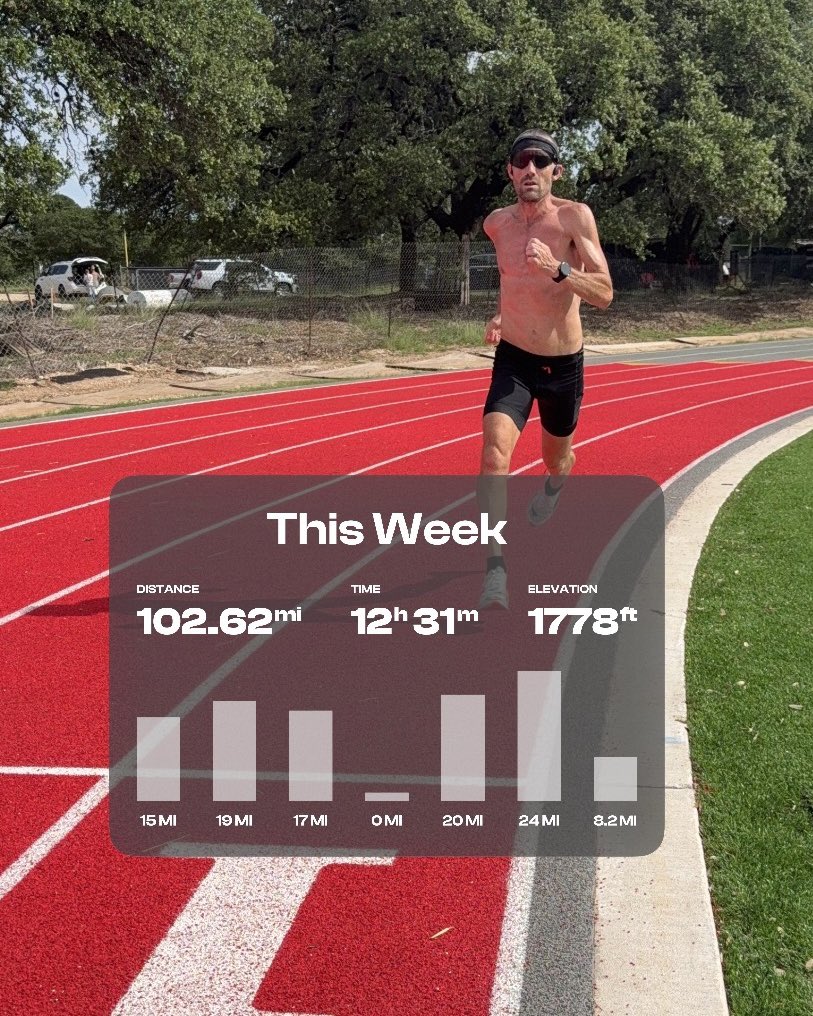
Last weeks training totals. I am planning on squeezing in one more long run before 100 miles on 6/21, but most of the hard stuff is done!
5
3
66
5,150
Jun 8
What really goes into preparing for a multiday ultra like Cocodona 250? Here is the video version of my episode with Kevin Goldberg who helped me unpack a bunch of topics that are valuable to better understanding this side of the ultramarathon sport.
Multiday Ultramarathon Performance Insights | Keven Goldberg | Ep. 490 youtu.be/2CjtGSEMxX0?si=DJ9F…
8
1,682
Jun 7
This is probably the wildest carbs are bad argument on the market. It basically cashes out to carbs help performance so much they are dangerous 🤣
Disclaimer: consult your doctor if you experience side effects, like improved performance and new race PRs
6
58
5,644
Jun 7
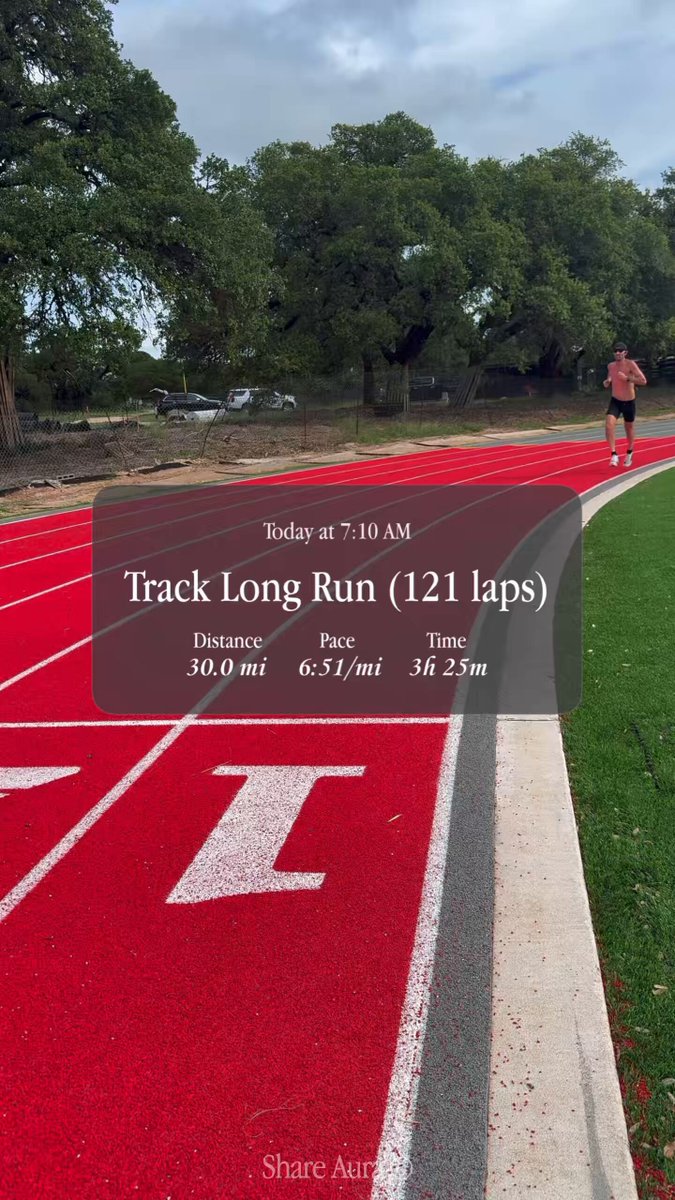
Track Long Run: 30 miles, 121 laps ☑️ 100 mile race in 2 wks 😤
17
2
141
11,961
Jun 7
Ironically, Jon specializes in perineum sunning. What is the phrase? Those who live in glass houses... ah never mind forget I brought it up.
1
25
3,882
Jun 6
What the Enhanced Games showed us is that if you take a bunch of retired, less than optimally motivated athletes, who are primed for a cash grab, and dope them up for 12 weeks, you don’t beat World Class. You basically get National class high school results.
Jun 6

Or do away with all tests! Enhanced games proved that doping has little or no effect on performance. Let them dope!
3
1
26
2,402
Jun 5
Jun 5

I experienced a huge spike in food noise when in Australia. The desire to eat continuously even though I wasn't hungry, and even full.
The seven time zone shift shocked my circadian rhythm which then altered my hunger hormones.
Leptin stopped signaling that I had enough stored energy. Ghrelin ran elevated all day instead of only before meals. Blood glucose spikes from bread and carbs (that I ate to be in family ritual) triggered emergency hunger signals in my brain
Sleep deprivation weakened my prefrontal cortex's ability to override the urge. Making me feel helpless and controlled by impulse.
That noise has been absent for years as I've dialed in habits of sleep, nutrition and exercise.
It reminded me how burdensome and debilitating the food rumination noise is. How it can feel like food is the only thing the brain can focus on, edging out all other life priorities.
I imagined traveling back in time to when I was helpless to control my eating and being presented with a miracle drug like a GLP-1 which simply flips the switch to turn off the noise.
This imagination also filled me with excitement about the future. If we can turn off food noise, what if we could turn off negative self talk, hedonism, jealously, status comparisons, catastrophizing and boredom.
What if we became effectively immune to companies hijacking our dopamine? Tricking us into self destructive habits while they profit.
I have unabashed excitement for the future because I think this is the inevitable frontier. That pessimism is being non-imaginative.
That is not to say that bad things won't happen or that we won't be challenged by the pace of change, but it is to say that conscious life is the most precious gift the galaxy has bestowed and it's our opportunity and duty to carry it forward.
1
18
1,855
Jun 5
I want to make one more comment about this post, as it can be misread at times. I am not saying sports scientists are wrong or a waste of time, because world class athletes tell us all we need to know.
World class athletes are not the experts, they are just the exam at the end of the course. They stress test how strong a theory is in practice.
We have amazing people that are constantly feeding into this system. The people you need to be skeptical about are the ones who apply a theory that has already failed the test by rebranding it as something new. If they truly have something novel, the test is always waiting. It is one of the most beautiful systems we have created to crush bias.
Jun 3
Here is the truth. If we really want to understand what influences performance either positively or negatively, we will not get there by creating a study that measures something that is basically unrecognizable compared to real world performance. Here is an example.
The two sub 2 hour marathon performances. Both Sawe and Kejelcha had a team of professionals studying the demands of what they were trying to do, and testing the inputs specifically for the goal of performance. They didn't need to read up on Noakes 10g/hr claims, because they had all the performance lab data they needed to know that was a dead end for the goal they were trying to reach. They let results from the actual performance demands being studied guide their program and ended up at 100 g/hr on race day, and we saw both go sub 2 hour.
3
1
27
5,871