Joined January 2024
- Tweets 2,945
- Following 217
- Followers 281
- Likes 1,586
410 Photos and videos



RecombinationNation retweeted

Jun 13
Breast cancer screening via mammography is now openly debated for overdiagnosis at the highest levels of oncology
Prostate cancer screening via PSA has been walked back officially
Melanoma screening has never undergone the same scrutiny despite NEJM authors explicitly calling it the poster child for overdiagnosis
2
8
94
4,213


Each new day convinces me further than language is simply not fit for purpose.
2
2
47

AI, but it never uses the letter A, C, T or G to prevent people making bioweapons.
1
1
5
127
How do you know if you are the right person to try creating a new religion?
Or is such work best left to people incapable of asking such questions of themselves?
2
4
98
RecombinationNation retweeted

Jun 11
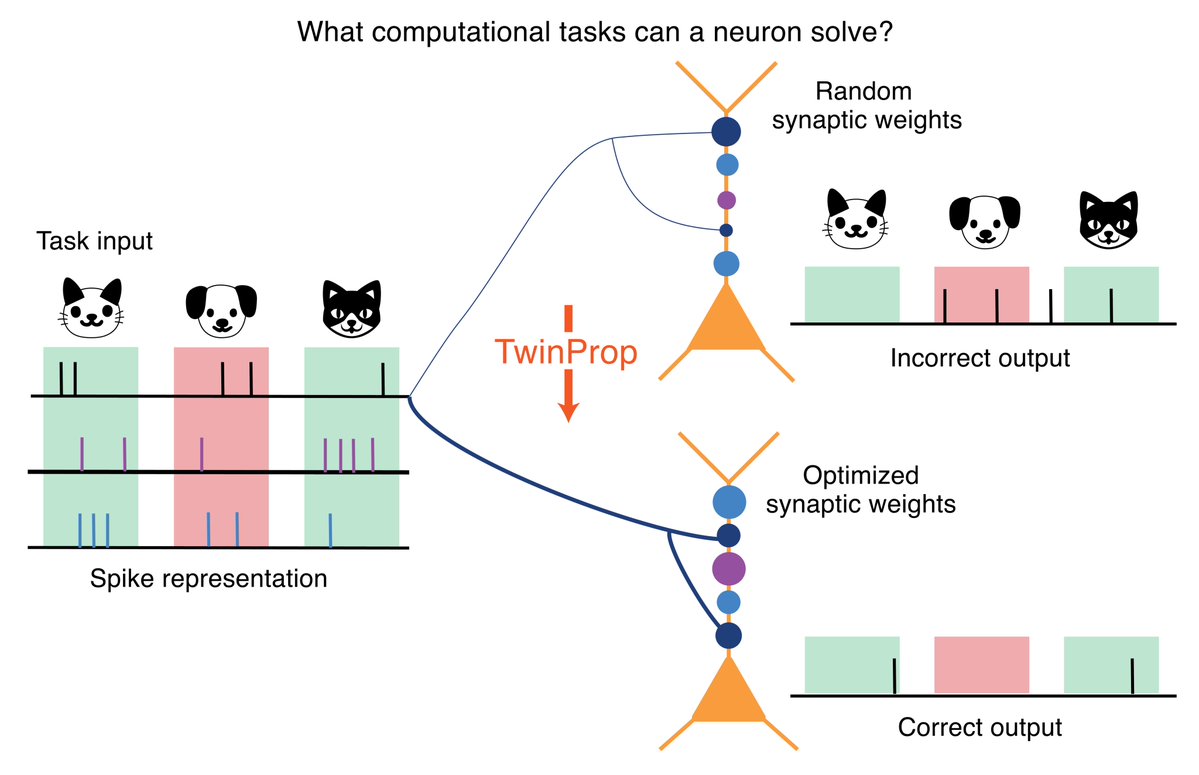
What can a neuron compute?
Real biological neurons are complex, but how capable are they?
Using a new method, we found that a single cortical neuron can classify cats vs dogs, recognize spoken words, and solve 10-bit parity, all tasks thought to require entire networks. (1/15)
51
359
1,877
286,085
RecombinationNation retweeted

Jun 11
Lmao would anyone even notice this in SF?
I want to hear more about wireflow honestly…
118
457
12,813
1,298,808
Nothing can be truly measured.
Nothing can be truly calculated.
Mathematical physics is a soggy bandaid across those two sucking chest wounds.
1
12
RecombinationNation retweeted

Jun 11
maybe sci-fi authors all seem to hate actual AI progress because it legitimately makes it dramatically harder to write sci-fi. setting a halfway realistic story even 5 years into the future now, let alone 10 , forces you to have opinions about how the singularity will go. otherwise you are writing alternate history in a timeline that is probably less interesting than just the actual facts on the ground about what's already happening
generally the closer we get to the singularity the harder it will become to write sci-fi without being an expert on a bunch of things that, if you really were an expert on those things, you'd probably have more lucrative things to do with your time than write sci-fi. in the limit only frontier lab employees and frontier models will be capable of writing sci-fi
56
36
537
46,366
Fish catch size limits would be a good example of a continuous criteria where it is easy to get into arguments over enforcing marginal cases.
14
The Christianisation of the Roman Empire proves history is not only written by the victors, but more importantly unwritten by the looters and vandals.
2
13
When you realise what modern culture considers to be the bedrock of good taste and high art (Italian renaissance) was actually high price propaganda to clean up the image of a cut throat banking cartel, then everything afterwards in Western culture makes a lot more sense.
2
51
RecombinationNation retweeted

Jun 5
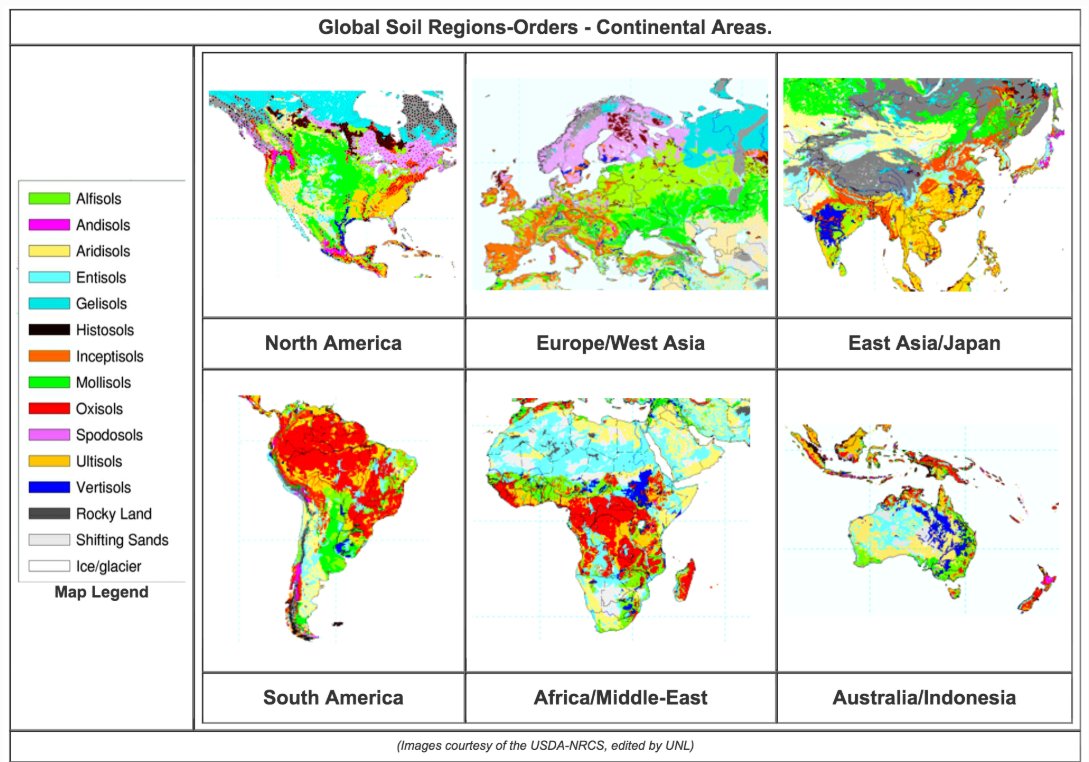
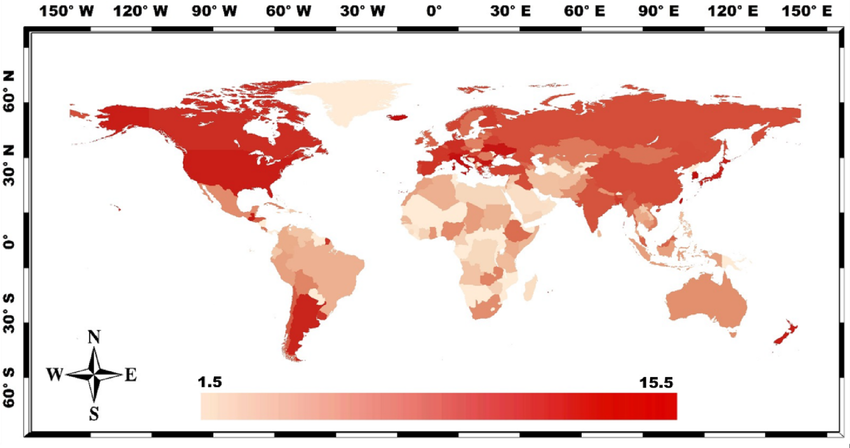
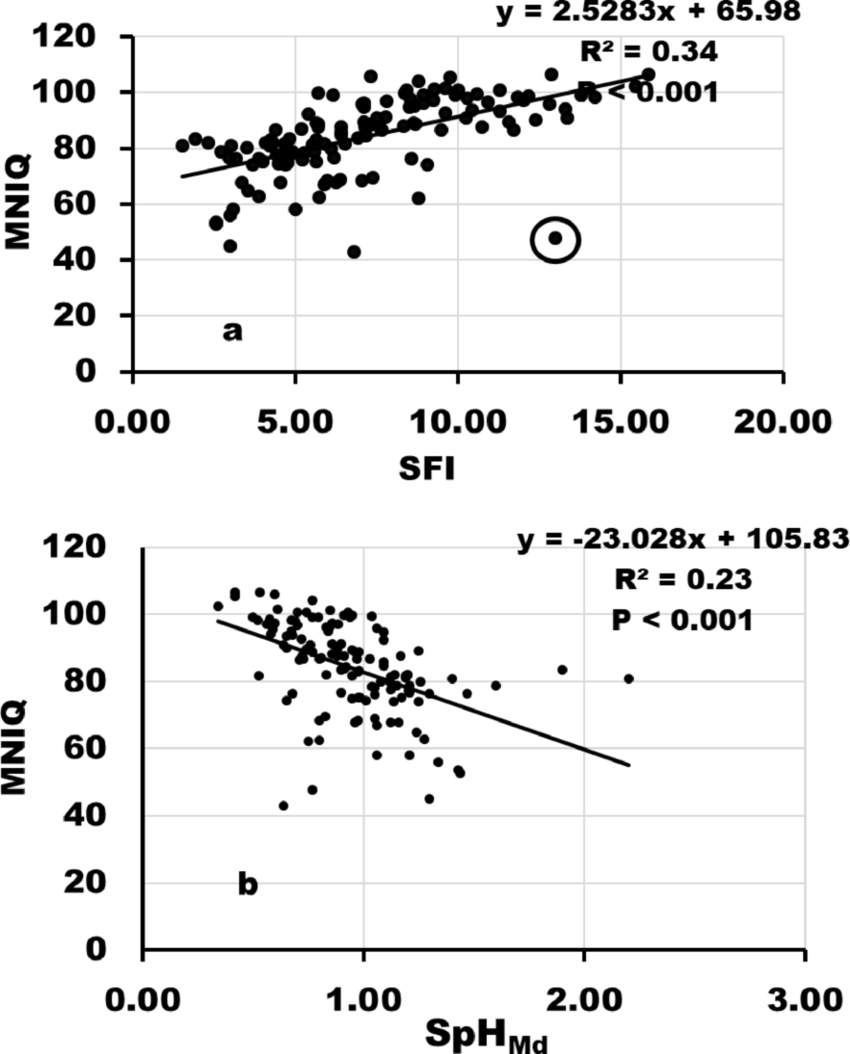
Soil fertility alone explains 34% of the differences in national IQ. Countries on the best soils (Mollisols, Andisols) average 10–15 IQ points higher than those on the wort soils (Oxisols, Ultisols), even before accounting for education or income.
This geographic pattern is visible in real populations. Japan and Taiwan sit on volcanic Andisols and consistently rank among the highest in global intelligence metrics due to their nutrient‑rich, high‑CEC soils. Meanwhile, much of equatorial Africa rests on Oxisols, soils so weathered and nutrient‑stripped that they produce chronically low micronutrient availability.
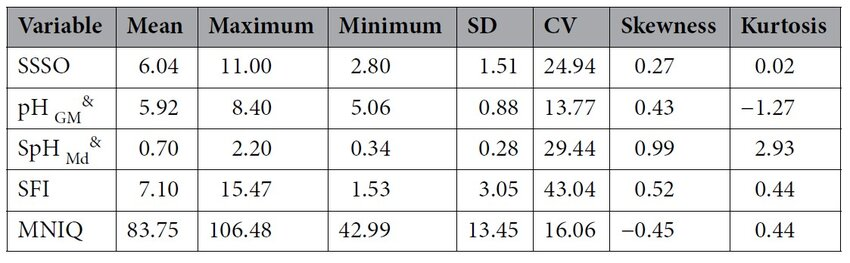
The further a soil’s pH drifts from 6.5, the more national IQ (MNIQ) declines. If your soil is too acidic (like much of the tropics), zinc and iron become unavailable. If your soil is too alkaline (like the Middle East), micronutrients get locked up too. The correlation between soil fertility and national IQ is r = 0.58, meaning soil alone accounts for 34% of the variation. Explaining 34% of a complex human trait is extremely high.
113
294
1,722
109,160
Is communism a form of programmed cell death for failing civilisations?
17
Remember when people debated and warred for 1000 years over whether eternal souls went up or down in response to any number of sins?
That's what the current AI consciousness debate feels like to me.
I stopped believing in consciousness itself so I can tune it all out...
2
3
321