Joined February 2013
- Tweets 7,620
- Following 3,210
- Followers 3,643
- Likes 24,606
792 Photos and videos






Pinned Tweet

May 21
I write about institutions, clarity, governance, and systems, exploring how creative writing can empower ideas to withstand the test of time, politics, and human nature.
Words hold a unique magic; they transform silence into powerful meanings and serve as vessels for preserving our life experiences.
Through the art of writing, we can not only capture moments but also breathe new life into them, ensuring they endure long after we are gone.
2
6
26
881
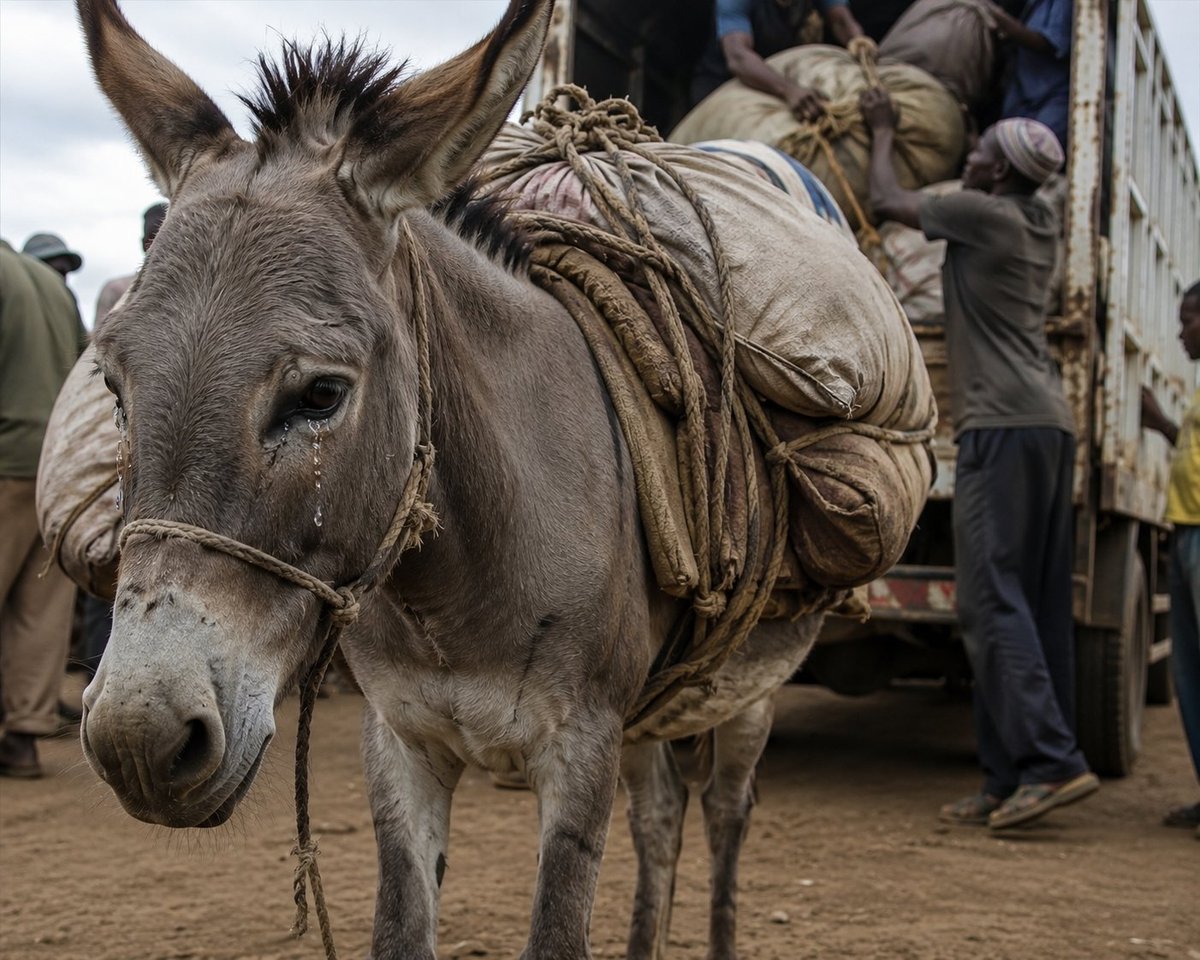
Idan kana son ganin abin tausayi, je tashar da ake lodin jakuna zuwa kudancin ƙasa.
Yayin da ake tura su cikin mota, za ka ga wasu daga cikinsu suna zubar da hawaye shar-shar.
Abin da ya fi ban tausayi shi ne, kamar sun san inda aka nufa da su da kuma abin da ke jiransu.
Ko da yake ba za mu iya tabbatar da abin da dabba ke tunani ba, wannan yanayi kan taɓa zuciyar mai kallo. 😭😭😭
Wani lokaci, tausayi ba ya buƙatar harshe; hawaye kaɗai sun isa su isar da saƙo.
2
19
Zaharaddeen Kallah retweeted

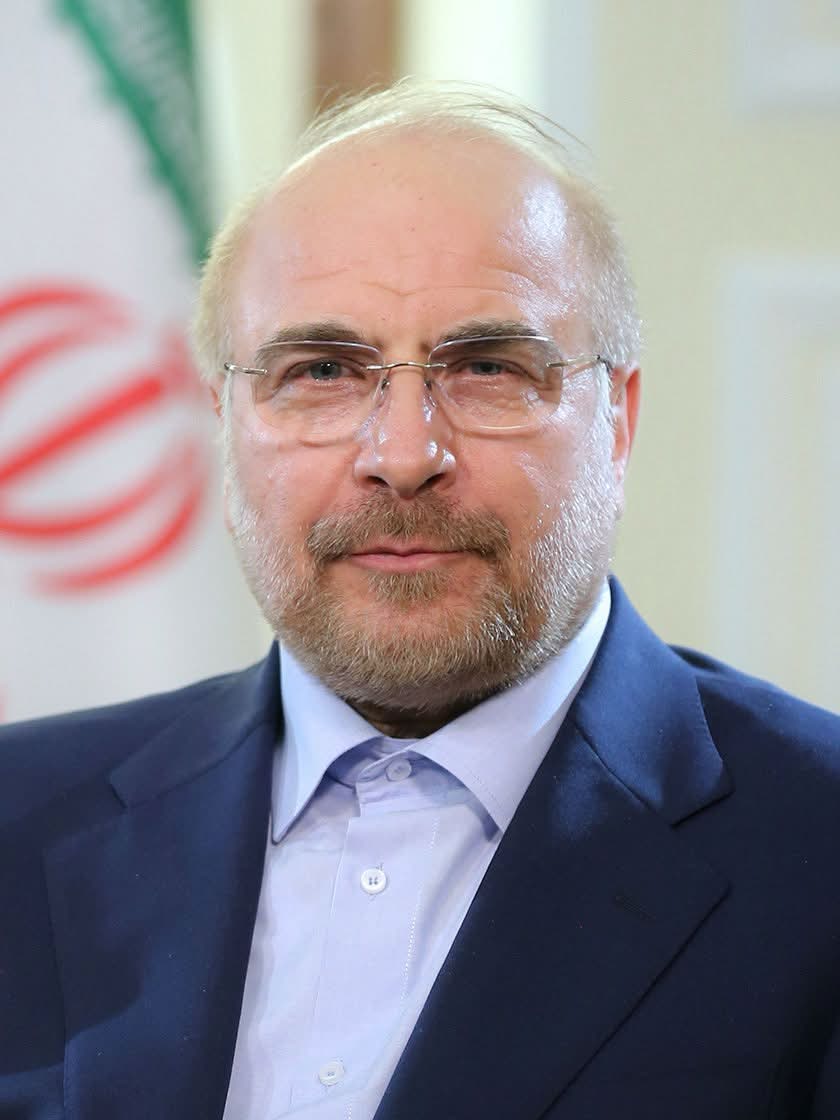
JUST IN: 🇮🇷🇺🇸 Iranian Parliament Speaker Ghalibaf to attend signing of interim agreement to end the war with the US.

83
276
2,747
72,899
Me ya sa jama'a ke yawan yabon matattun shugabanni fiye da masu mulki?
1
2
106
Happy Islamic New Year 1448 AH 🌙
May this new Hijri year bring you fresh beginnings, renewed faith, and Allah’s endless mercy and barakah ✨
4
1
4
101
Zaharaddeen Kallah retweeted

To deregister a major opposition party on factually incorrect grounds just months before an election is state-sanctioned violence against democratic pluralism.
45
473
895
23,855
Zaharaddeen Kallah retweeted

🚨FACT: Spain haven't scored a goal in a World Cup match in 3 games (a 2-1 loss to Japan in the 2022 group stage)
This includes a penalty shootout in the round of 16 vs Morocco where they missed every penalty.
16
17
330
31,635
Zaharaddeen Kallah retweeted
Jun 14
Rashin Tsaro: Shin Mun Gaza Fiye da Zamanin Jahiliyya?
Abubuwan da suke faruwa a ƙasar nan dangane da rashin tsaro sun wuce misali. Shin haka za mu cigaba da zaman kamar ba mu da shugabanni, babu sarakuna, babu malamai, kuma babu dattawa?
Sau da yawa nakan ce, ko a zamanin dauri ba haka ƙasar Hausa take ba. Muna da tsare-tsaren tsaro masu ƙarfi da suka dace da lokacin, waɗanda suka iya magance irin matsalolin da muke fuskanta a yau.
Mene ne amfanin tsarin mulkin zamani idan ba zai iya kare rayuka da dukiyoyin al'umma ba?
Ba tare da wata shakka ba, mun kai wani matsayi da ya fi na jahiliyya muni. A wancan lokaci, ƙabila kan ɗauki shekaru tana neman adalci ko ɗaukar fansa saboda an kashe mata mutum ɗaya ko an sace matar wani. A yau kuwa, ba ma iya kare kanmu.
Yanzu labarin kashe wani babban hafsan soja ya zama tamkar wani al'amari na yau da kullum. Ballantana kuma ɗan sanda, wanda kimarsa ta ragu matuƙa a idanun jama'a.
A da, idan aka rasa ko soja guda ɗaya a fagen fama, sai an gudanar da bincike mai zurfi. Kwamandoji kan fuskanci tambayoyi masu zafi, kuma wani lokaci har a cire su daga muƙamansu. Amma a yau, ana kashe manyan hafsoshin soja a Najeriya a cigaba da rayuwa kamar an kashe karnuka.
Tun daga shekarar da ta gabata zuwa yau, janar-janar nawa aka kashe?
Daga ranar da kashe soja ya zama kamar ba komai ba, to kashe farar hula ya zama abu mafi sauƙi. Domin idan masu ɗauke da makamai da kare ƙasa ba su da kariya, me zai hana marasa galihu su zama ganima?
A zahiri, sojoji ne kaɗai suka rage da wani ɗan mutunci a cikin hukumomin ƙasar nan, saboda tsarin biyayya da bin doka da suke aiki da shi. Amma duk da haka, su ma ba su tsira daga wannan bala'i ba.
Yanzu haka kusan babu ranar da za mu wayi gari ba tare da jin labarin kashe-kashe, satar mutane, da lalata dukiyoyi ba. Ana kashe mutane a gidajensu, a gonakinsu, da wuraren neman abincinsu.
Shin da gaske muna son mu ce ba mu san waɗanda ke aikata waɗannan laifuka ba?
Ƙarya ce. Abin da ke damunmu shi ne tsoro.
Idan ka tattauna da mutanen ƙauyukan da wannan matsala ta fi shafa, za ka fahimci cewa suna sane da waɗanda ke aikata waɗannan muggan ayyuka. Wasu daga cikinsu ma sun taɓa rayuwa tare da su a baya.
Sun san su, sun san asalinsu, kuma suna da masaniya kan wuraren da suke kafa sansaninsu.
A lokacin da ake ganin ba mu da wayewar zamani, sarkin daji ya san kowane lungu da saƙo na dazuzzukan da ke ƙarƙashin kulawarsa. Akwai mahayan dawakai da aikinsu shi ne sintiri domin gano duk wani abu da ba a saba gani ba.
To me ya sa a ƙarni na ashirin da ɗaya muka kasa yin abin da kakanninmu suka iya yi da ƙarancin kayan aiki?
Abin kunya ne, kuma abin takaici ne ganin yadda muke rasa rayukan mutanen kirki masu hangen nesa.
Wannan ci gaban da muke taƙama da shi, shi ne irin wanda Bahaushe ke kira "ci gaban mai haƙar rijiya." Ci gaba a suna, koma baya a aikace.
Duk da haka, har yanzu ba mu makara ba.
Idan shugabannin gargajiya da malamai da dattawa, da sauran masu ruwa da tsaki suka haɗa kai da gaske, za a iya samar da zaman lafiya da ya dace da zamanin da muke ciki.
Mataki na farko wajen magance kowace matsala shi ne fahimtar matsalar da kuma waɗanda ke haddasa ta. Na yi imani cewa waɗannan bayanai suna nan, kuma akwai waɗanda suka san abin da ke faruwa da kuma hanyoyin magance su.
Abin da ya rage shi ne ƙarfin hali da niyyar ɗaukar mataki.
© Zaharaddeen Ibrahim Kallah
2
5
74
Zaharaddeen Kallah retweeted

State Police Is Not the Answer. Restructuring Nigeria Is. …./1
Public Memorandum
To:
President Bola Tinubu
Senate of the Federal Republic of Nigeria
House of Representatives of the Federal Republic of Nigeria
Governors Forum
The People of Nigeria
By: Obiageli “Oby” Ezekwesili
The Tinubu administration’s renewed push for State Police has reopened one of the most consequential public policy debates in Nigeria’s democratic history. The proposal has gained momentum because it speaks directly to a painful reality confronting millions of Nigerians. The country’s security architecture is failing. Terrorism, banditry, kidnapping, violent extremism, communal conflicts and organised criminality have overwhelmed the capacity of a centrally controlled police force to secure lives and property across a country of more than 230 million people. For many citizens, therefore, State Police appears to be an obvious and long overdue solution.
The attraction of the proposal is understandable. Recent Afrobarometer findings show that 79 percent of Nigerians consider kidnapping and abduction a serious national problem; 33 percent personally know someone who has been kidnapped within the last five years; and 63 percent say they or a family member felt unsafe in their home or neighbourhood during the previous year. These are not merely security statistics. They are indicators of a profound crisis of state effectiveness and citizen confidence.
Yet the fact that State Police is necessary does not mean it is sufficient. The danger confronting Nigeria today is that the country may once again mistake a symptom for the disease itself. The security crisis is real, but it is not fundamentally a policing crisis. It is the manifestation of a deeper constitutional, governance and political economy crisis that has steadily eroded state capacity, weakened accountability and undermined the effectiveness of public institutions.
The central question before Nigeria should not be whether governors ought to control police forces. The more important question is whether the constitutional architecture governing the Nigerian federation remains fit for purpose. It is this broader question that must frame the State Police debate. For the evidence increasingly suggests that Nigeria’s insecurity is inseparable from the country’s dysfunctional federal arrangement.
At the heart of the problem lies a constitutional order that concentrates excessive authority, fiscal resources and political power at the centre. Although Nigeria describes itself as a federation, many of its institutional arrangements bear the characteristics of a highly centralised state. The most visible expression of this over-centralisation is found in the legislative lists established by the 1999 Constitution.
The Constitution allocates powers among three categories - the Exclusive Legislative List, the Concurrent Legislative List and residual powers reserved for the states. In principle, such arrangements are common in federations. In practice, however, Nigeria’s distribution of powers is exceptionally skewed toward the federal government. The Exclusive Legislative List contains sixty-eight items reserved solely for the Federal Government, while the Concurrent List contains only a limited number of shared subjects. Constitutional scholars have long observed that this structure gives the federal government overwhelming dominance over governance and development functions.
……./1
22
39
64
6,326
Zaharaddeen Kallah retweeted
State Police Is Not the Answer. Restructuring Nigeria Is. …./2
This imbalance matters because the State Police debate focuses on only one item among dozens. Police is merely one of sixty-eight subjects constitutionally monopolised by the Federal Government. The same Exclusive List centralises authority over prisons, mines and minerals, railways, arms and ammunition, and numerous other strategic functions. Consequently, removing policing from the Exclusive List without addressing the wider constitutional architecture would amount to treating a symptom while leaving the underlying condition untouched.
The question therefore is not whether policing should be decentralised. It should. The deeper question is why policing alone should be decentralised while dozens of other functions remain trapped within a constitutional framework inherited from military command structures rather than democratic federal design. The State Police debate is ultimately a debate about symptoms. The Exclusive Legislative List is where the disease resides.
This arrangement is neither accidental nor historically inevitable. Scholars of Nigerian federalism have documented how the concentration of powers accelerated during decades of military rule. Functions that were previously exercised by regions or shared among different levels of government were progressively transferred to the centre. The 1999 Constitution largely preserved that military-era command structure. What Nigerians often describe as federalism today is therefore, in many respects, a unitary system wearing federal clothing.
The consequences of this constitutional distortion are evident across every major sector of national life. Insecurity is one manifestation. Economic underperformance is another. Weak public service delivery is yet another. The same constitutional structure that produces a distant and ineffective security architecture also generates fiscal dependency, weakens subnational initiative, discourages productivity and reduces institutional accountability. Nigeria’s security crisis and economic crisis are therefore not separate phenomena. They are products of the same constitutional dysfunction.
The geographical spread of insecurity further demonstrates this reality. What was once largely concentrated in the North-East and parts of the North-West has expanded across virtually every geopolitical zone. Recent incidents indicate that kidnapping networks have increasingly penetrated parts of the South-West, underscoring the national character of the crisis. The challenge facing Nigeria is therefore systemic, not regional.
For this reason, the proper national conversation is not “State Police or no State Police.” The proper conversation is whether Nigeria is prepared to redesign a constitutional order that has concentrated too much power at the centre, weakened subnational initiative, undermined accountability and constrained development.
State Police will be necessary. But necessity does not make it the solution to a dysfunctional Nigeria.
Nigeria does not merely need a new policing architecture. It needs a comprehensive restructuring agenda anchored in a new constitutional settlement- one that rebalances the Exclusive, Concurrent and Residual Lists; devolves powers to the lowest effective level of government; strengthens fiscal federalism; guarantees equal citizenship; promotes productivity and competitiveness; and restores sovereignty to the Nigerian people through a Citizens-led Sovereign National Conference and a referendum on a new constitution. That is the true restructuring agenda.
Restructuring the dysfunctional territory and system that our beloved country has become is THE BOLD CONVERSATION AND ACTION that Nigerians can no longer afford to postpone. There are no other viable alternatives left for us at this point.
……./2
46
64
93
14,419
Zaharaddeen Kallah retweeted
State Police Is Not the Answer. Restructuring Nigeria Is. ……/3
Public Memorandum
To:
President Bola Tinubu
Senate of the Federal Republic of Nigeria
House of Representatives of the Federal Republic of Nigeria
Governors Forum
The People of Nigeria
By: Obiageli “Oby” Ezekwesili
And in my next Public Memo, I will make a case for immediate steps towards the agenda of actions for the restructuring and constitutional processes. Watch out for it.
Let’s move immediately on the Restructuring Agenda through a brand-new citizens-led constitutional process and save our beleaguered country and people.
No more tragically costly delays.
Obiageli “Oby” Ezekwesili
Founder, SPPG - School of Politics, Policy and Governance (TheSPPG.org)
June 15, 2026
End.
176
223
420
29,610
Jun 15
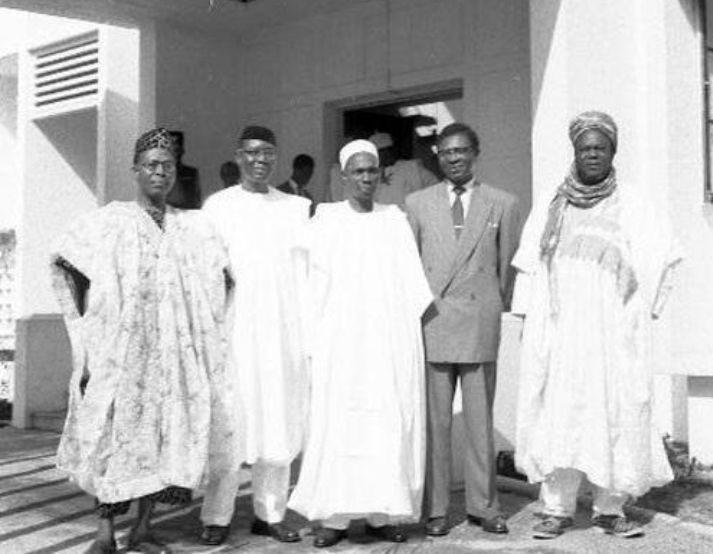
Who had better strategies for tackling insecurity in Nigeria: the traditional rulers of the pre-colonial era or the leaders of the post-independence period?
Before colonial rule, communities relied on well-structured local security systems, strong intelligence networks, and swift justice to protect lives and property.
Today, despite modern institutions, insecurity remains a major challenge.
Have we lost valuable lessons from our past, or are today's threats simply more complex?
What do you think?
1
19
Zaharaddeen Kallah retweeted

Jun 15
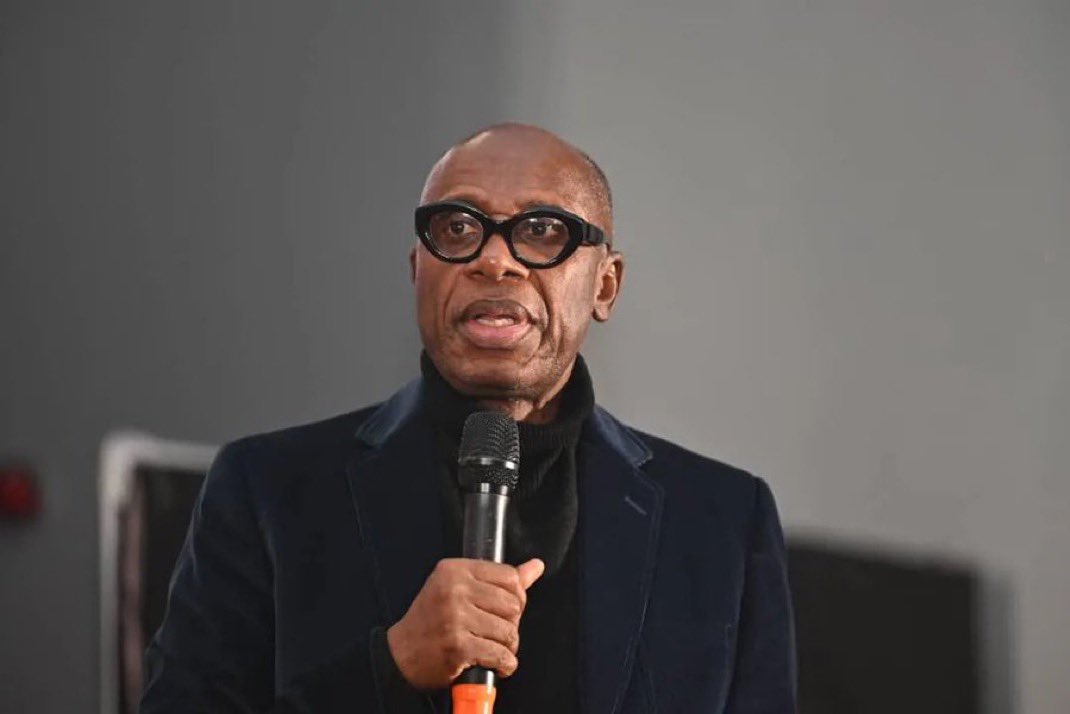
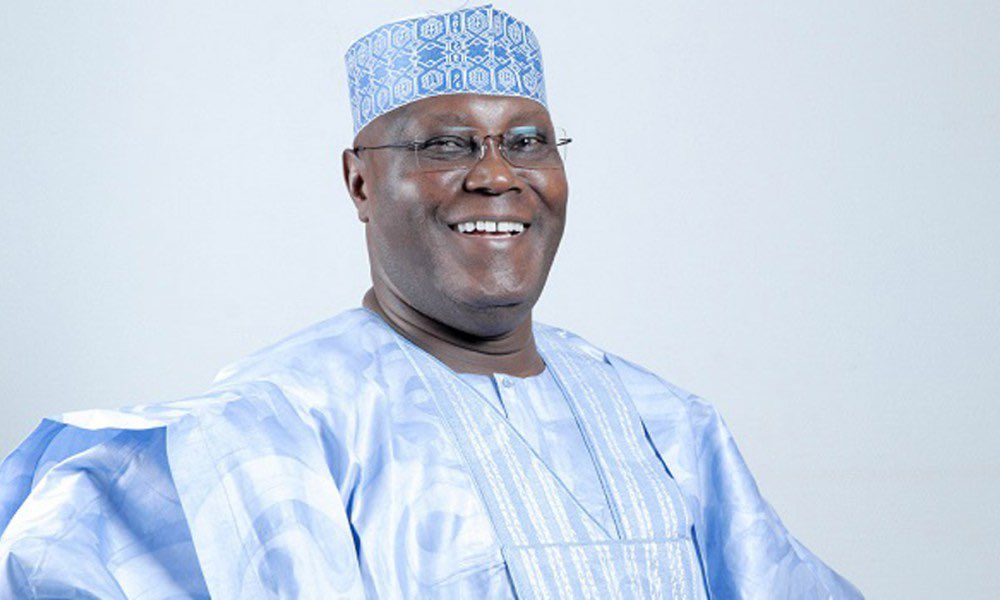
BREAKING: ADC picks HON. CHIBUIKE ROTIMI AMAECHI as ATIKU ABUBAKAR running mate
155
221
2,668
83,983
Zaharaddeen Kallah retweeted

Keep doing your best every day, and if no one is proud of you, be proud of yourself.
Get up and go get it 💜
16
24
53
684

Jun 15
The small warnings we ignore today become tomorrow’s full-blown national crises.
2
21
Jun 15
Happy Monday morning, everyone! 🌞 Let's embrace the week ahead with open hearts and a positive mindset.
Wishing everyone a day filled with productivity and amazing opportunities!
2
4
42
Jun 14
Don't be discouraged by slow progress. Progress is progress, no matter the pace.
Stay positive, stay consistent, and never give up. Great things take time. 💪✨
What's one goal you're still working toward, even if the progress feels slow?
2
32