
Joined March 2012
- Tweets 58,481
- Following 5,172
- Followers 12,757
- Likes 82,702
1,083 Photos and videos





Pinned Tweet

May 26
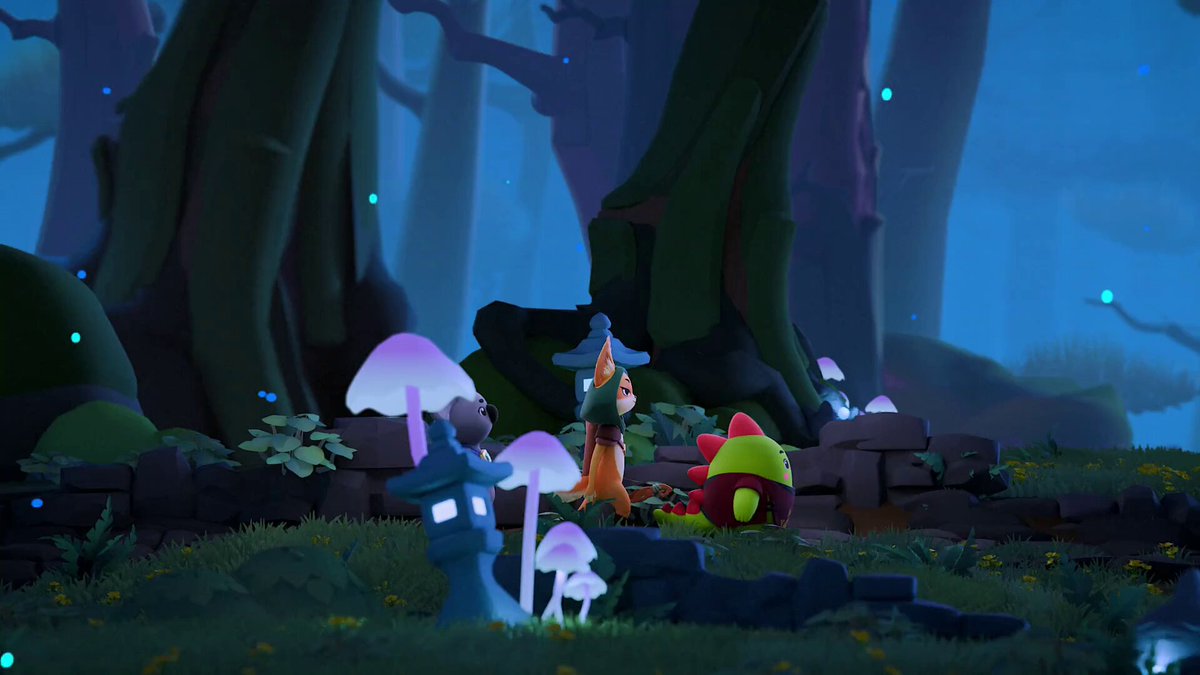
A Season 1 de @The_Beacon_GG já está live.
O loop do jogo é simples:
entrar nas dungeons, farmar Umbra Shards e escolher entre recompensas mais estáveis ou tentar algo maior no Kraken Klash.
Também achei interessante o fato dos assets antigos ainda terem utilidade dentro da Season 1.
Pelo menos até agora, parece uma estrutura mais focada em retenção e continuidade do jogo do que só evento temporário.
Links Oficiais
X:x.com/The_Beacon_GG
Discord:discord.com/invite/thebeacon
My Reff Link:app.thebeacon.gg/login?refer…
146
2
216
9,482
18h
A few NFT projects have been on my radar lately.
Not because of hype alone, but because they're consistently building, growing their communities, and shipping despite market conditions.
Still doing my research, joining spaces, and watching execution closely.
In NFTs, the projects that matter long-term are usually the ones building when nobody is paying attention.
@Gloombles ➜ by @byvmeta
@MinizenHQ ➜ x @xmartsol
@gloobiez_eth ➜ x DM
@Dookies_nft ➜x DM
@Racerz_eth ➜ by @Michelangel_art
dont fade !
38
74
762
Jun 13
Most people still view @sleepagotchi as a sleep tracking app.
The more interesting part is the infrastructure being built behind it.
Sleep data acts as the acquisition layer, but the long-term vision appears to be an AI-powered health intelligence network where user-owned data can be transformed into personalized recommendations and automated actions.
The ecosystem is structured around multiple AI agents:
• Sleep Coach → analyzes @sleepagotchi quality, consistency, and recovery patterns
• Wellness Coach → tracks behavioral and lifestyle signals to generate daily insights
• Meal Planner → converts health data into nutritional recommendations
• Shopping Agent → sources products and services based on user preferences and goals
What makes this approach different is the feedback loop. Data isn't just collected; it's continuously processed into actionable intelligence that adapts as new information is generated.
The traction is also difficult to ignore:
• 50K Daily Active Users
• 1M App Installs
• $6.1M Raised
• Partnerships across gaming, consumer tech, and Web3 ecosystems
While many projects are competing for attention in AI, Sleepagotchi is focused on something more tangible: creating an intelligence layer on top of everyday health and wellness data.
If executed correctly, the value may come less from tracking sleep itself and more from turning personal health data into a coordinated decision-making system.
92
149
2,173
Jun 12
I think this checkpoint says a lot about how @sleepagotchi is approaching community building.
It's not just about who showed up recently, but also about recognizing the people who tested the product early, played the TG games, supported the NFT collection, and helped the ecosystem grow over time.
In a space where everyone is chasing the next opportunity, it's good to see participation and consistency potentially being rewarded.
Sometimes being early isn't enough being active matters too. 🦖
Jun 11

A quick checkpoint 🦖
If you've ever:
✦ tested Sleepagotchi
✦ held our NFT
✦ played our TG games
You may already have earned your place.
Make sure you've connected your SOL wallet and added the email & Telegram user ID you used in our apps.
NFT holders: get your Discord roles and connect your Discord account on the Hub for verification
🔗 hub.sleepagotchi.com
50
128
2,300
Jun 12
I always enjoy seeing communities grow organically.
Not because of the numbers, but because more people are participating, creating connections, and strengthening what is being built together.
I am very happy to be a part of this family @just_t00ns.🫶
29
63
1,460
Jun 11
Found a new NFT project @gloobiez_eth that just landed on my radar.
Still very early, but the community quality and steady building caught my attention more than any hype.
Definitely one to keep an eye on. 👀🔥
22
60
1,676
Jun 11
The more I follow @heyaura, the more I believe the future of Web3 is built around autonomous agents, not better dashboards.
• Monitor opportunities in real time
• Manage workflows automatically
• Execute actions based on user intent
• Reduce manual decision-making
Traditional finance scaled through automation.
Crypto is now moving toward agent-driven
infrastructure where the goal isn't more clicks, but better outcomes. 🤖📈
30
67
2,092
Jun 11
Most people know @sleepagotchi as a sleep app.
What I find more interesting is the habit it's creating.
78% of users open Sleepagotchi within 10 minutes of waking up.
Not to check notifications.
Not to scroll endlessly.
They open it to understand how they slept, how recovered they are, and what their body is telling them before the day begins.
That behavior matters because @sleepagotchi isn't just collecting sleep data.
It's building a foundation where AI can transform daily health and wellness signals into personalized insights and actions.
With 50K daily active users, over 1M installs, and an ecosystem that continues to expand beyond sleep, the project is proving that health data becomes far more valuable when it's translated into something people can actually use.
The first app people open in the morning says a lot about where their attention is.
For a growing number of users, that place is @sleepagotchi.
$SLEEP 😴💚
Jun 10
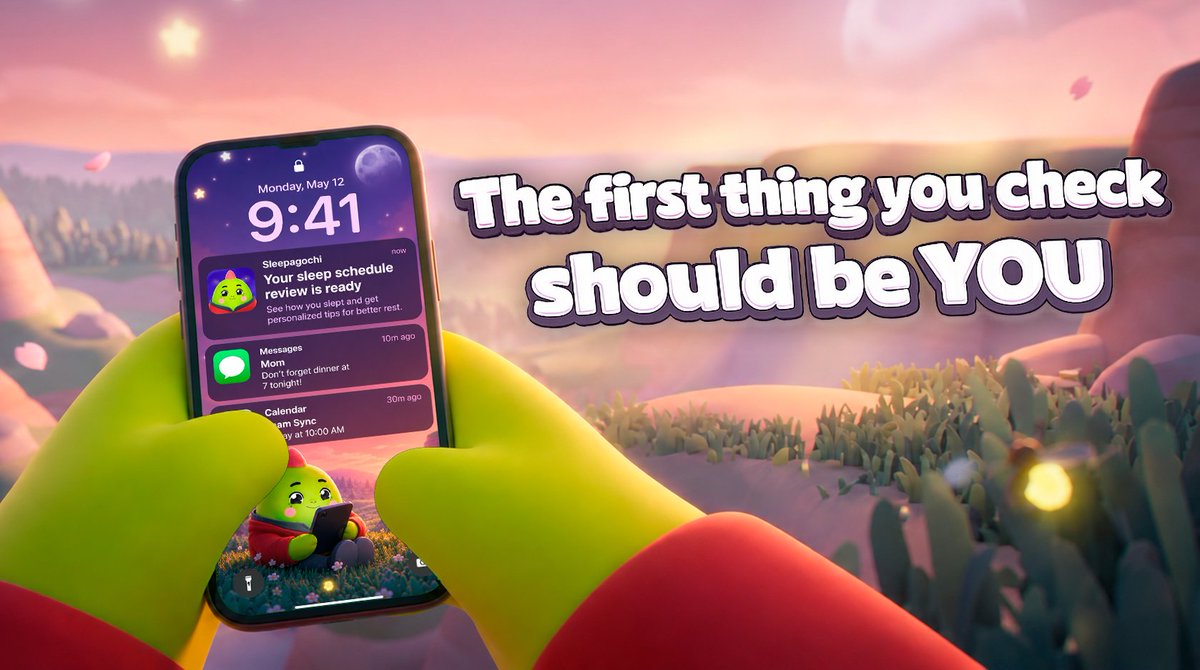
78% of our users open Sleepagotchi within 10 minutes of waking up.
Before Instagram.
Before WhatsApp.
Before emails.
Before you check what's happening in the world, you check what happened to you.
The morning is where sleep becomes intelligence.
74
114
4,190
Jun 10
One detail from this post caught my attention
Five years ago, only 1 in 10 adults tracked their sleep.
Today, that number is 1 in 4.
That may sound like a simple behavioral change, but it points to something much bigger happening in consumer health.
People are becoming increasingly comfortable collecting personal wellness data, whether through smartwatches, rings, fitness trackers, or dedicated apps. @sleepagotchi is often the first metric they monitor consistently because it's universal, measurable, and directly connected to how they feel every day.
What's interesting is that we're still in the early stages.
Collecting data is becoming normal. The next step is transforming that data into intelligence.
That's why projects like @sleepagotchi stand out to me. The opportunity isn't just helping people track how many hours they slept. It's building systems that can understand patterns, connect sleep with broader wellness behaviors, and eventually provide personalized guidance based on long-term data.
The growth in sleep tracking adoption suggests we're moving toward a future where personal health data becomes one of the most valuable datasets individuals own.
Maybe Dino wasn't early.
Maybe the rest of us were late. 🦖😴
Jun 9
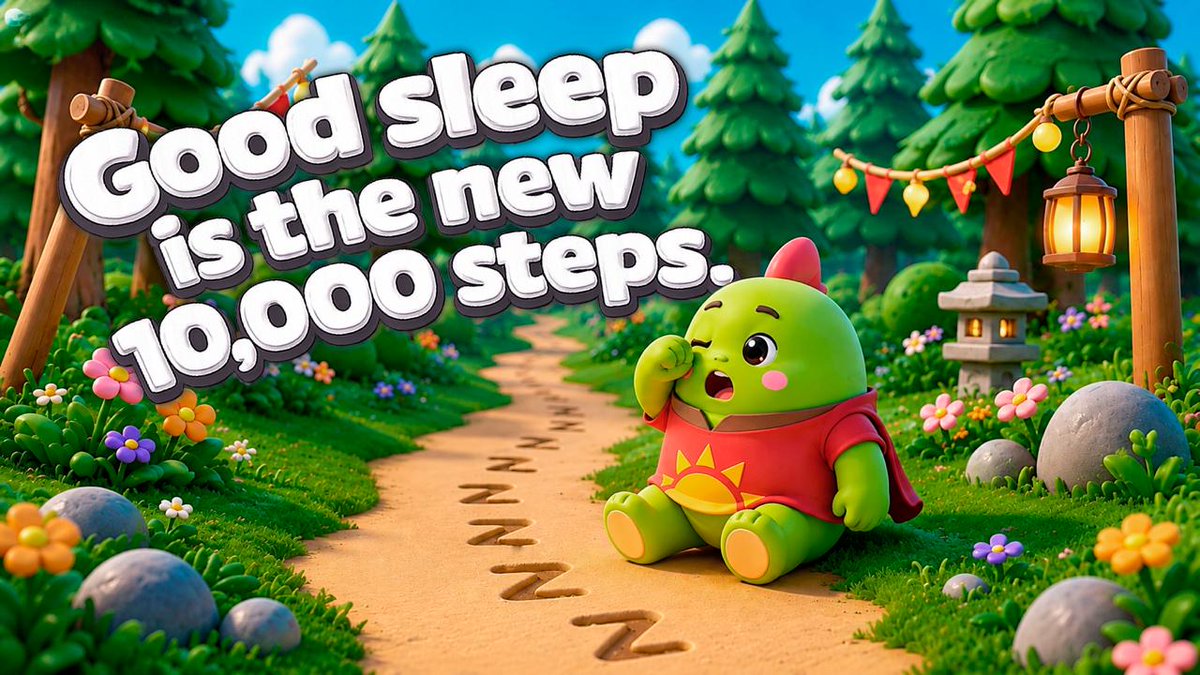
Good sleep is the new 10,000 steps.
1 in 4 adults now track their sleep - that number was 1 in 10 five years ago.
Dino has been on this for 66 million years. He's glad we’re finally catching up 🦖💤
123
171
4,657
Zito.btc 🇧🇷 retweeted

AI can now read your customers' minds.
We raised a $20M Series A lead by 8VC & Lingotto to build this.
Introducing Minerva, built in collaboration with OpenAI:
555
390
2,208
1,315,223
Zito.btc 🇧🇷 retweeted
Jun 9
The current wave of AI is heavily focused on productivity.
Faster workflows.
Better outputs.
More efficient knowledge work.
But one of the largest untapped opportunities may be in health and wellness.
More specifically, helping people make better decisions when they're operating with incomplete information.
That's why I find the direction of @sleepagotchi interesting.
Most sleep platforms stop at measurement.
They collect data, generate scores, and present dashboards.
The challenge is that data alone rarely changes behavior.
The next generation of wellness AI will likely be built around interpretation and decision support.
For example, new parents spend months dealing with fragmented sleep, inconsistent recovery, changing routines, and constant uncertainty.
Questions like:
• Is the baby @sleepagotchi enough?
• Is recovery declining because of sleep debt?
• Are environmental factors affecting sleep quality?
• Which behavioral changes are actually producing results?
These are pattern recognition problems.
And pattern recognition is where AI becomes valuable.
The long-term vision becomes much more interesting when sleep data is combined with behavioral signals, recovery metrics, daily routines, wearable inputs, and contextual information.
Instead of showing users another score, the system can identify trends, predict outcomes, and recommend actions before problems become obvious.
That is the difference between data collection and health intelligence.
The reason I keep watching @sleepagotchi is because the thesis appears larger than sleep tracking itself.
$SLEEP is simply the entry point.
The bigger opportunity is building an intelligence layer capable of transforming health and wellness data into actionable guidance for individuals, households, and eventually entire families.
If executed correctly, that could become one of the most impactful consumer AI use cases over the next decade.
Jun 8
Three words for what's wrong with your health data right now.
Fragmented: your sleep app doesn't know about your nutrition. Your fitness tracker doesn't know about your mood. None of them talks to each other.
Passive: the data sits there. It doesn't do anything.
Unrewarded: you own none of the value.
This is the problem. We're building the answer 🌙

149
5
242
4,667
Jun 9
DeFi rewards usually mean a few extra basis points.
▸@alturax is sending people to Silverstone for the British Grand Prix instead.
▸Hold $5K in the ecosystem, get a raffle ticket, and your capital keeps working while you're in the draw.
▸June 15 isn't that far away. 🏎️

We're sending two people to the @F1 🏎️
Win 2x VIP passes to the British Grand Prix in Silverstone this July while your capital grows.
Here's how you become one of them.
9
38
1,550
Zito.btc 🇧🇷 retweeted

velvet shipped more in one month than most do all year
➥ velvet x live, invite only socialfi with real edge
➥ pumpdotfun partner locked
➥ safe foundation token swap
➥ first on lolo
➥ dflow live for sol traders
watch the velocity @Velvet_Capital

95
23
196
5,403
Jun 9
As blockchain adoption grows, one challenge remains largely unsolved: infrastructure complexity.
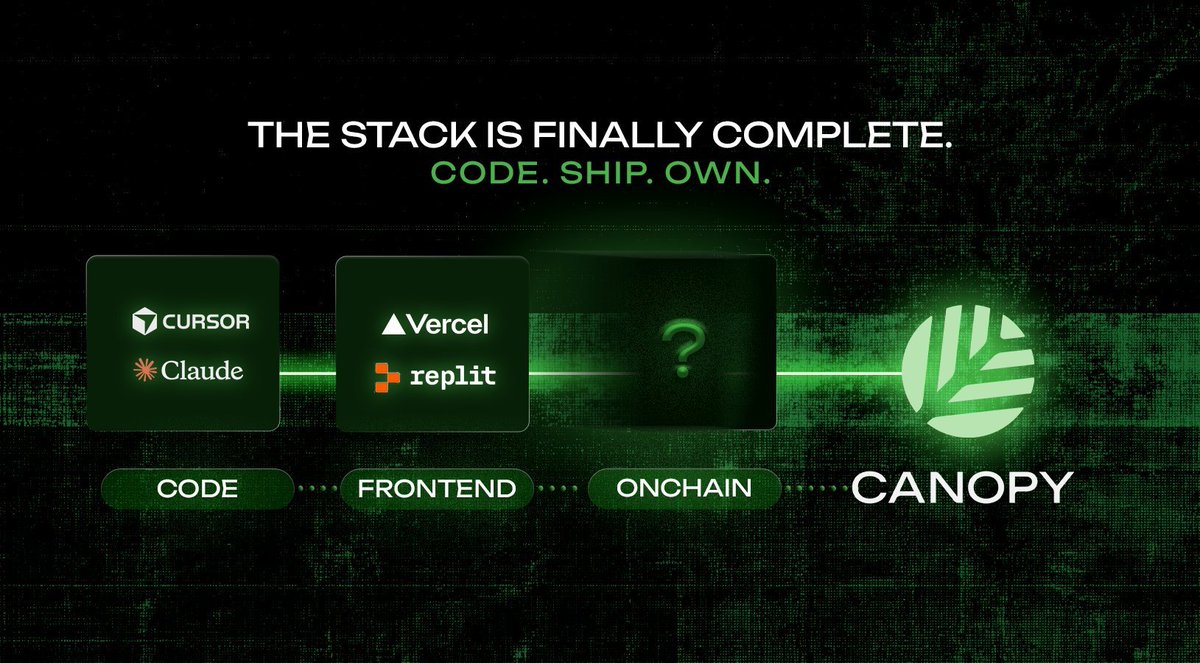
A few things that stand out about @CNPYNetwork
▸ Abstracts validator, liquidity, and bridging coordination
▸ Enables application-specific chains without sacrificing sovereignty
▸Focuses on reducing operational overhead for development teams
▸ Aims to make blockchain deployment as simple as launching a cloud application
Current network activity:
▸134K Daily Active Users
▸6.49M transactions executed in the last 30 days
The infrastructure layer is often overlooked, but making chain deployment easier could be one of the key unlocks for broader blockchain adoption.
30
48
771
Jun 8
Most chains are trying to handle validation, storage, communication, and execution all within the same system.
@unicity_labs is taking a different route.
Instead of optimizing for human activity, the infrastructure is being designed for a future where AI agents transact, coordinate, and operate autonomously at machine speed.
▸No shared ledger bottlenecks.
▸Fast confirmations.
▸Low transaction costs.
▸Built to scale.
With AgentSphere already live, it feels like they're positioning themselves for a world where AI to AI commerce becomes a real part of the economy.
Definitely one of the more interesting infrastructure projects I'm watching right now.
21
54
1,123
Jun 8
Funny how people always say "sleep on it" when making an important decision.
The more I think about it, the more it makes sense.
Some of our best ideas don't appear when we're staring at a screen trying to force an answer. They show up after a good night's sleep, when the brain has had time to process, organize, and connect everything in the background.
That's one reason why I find projects like @sleepagotchi interesting.
They're not just tracking $SLEEP for the sake of metrics. The goal seems to be understanding the patterns behind recovery, focus, habits, and daily performance, then turning that data into something people can actually use.
We're starting to see AI integrated into almost every part of life, but quality data is still the foundation.
And for most people, sleep might be the most overlooked source of data they generate every single day.
Jun 5
Turns out there’s a reason people say “sleep on it” 💤✨
Some of our best ideas, habits, and moments of clarity take shape while we rest.
The Sleep Coach MVP helps uncover the patterns behind your nights and turn them into personalised guidance.
Try it now: sleepagotchi.com
142
2
182
2,490
Zito.btc 🇧🇷 retweeted
Jun 6
Been paying closer attention to @sleepagotchi lately.
What stands out isn't just the app, but the consistency of the team and community behind it.
50K daily active users, over 1M installs, and a product that's gradually expanding beyond sleep tracking into a broader wellness ecosystem.
Still early, but it's interesting to watch a project focus on building real user habits instead of chasing short-term attention.
34
3
58
1,830
Zito.btc 🇧🇷 retweeted
Jun 2
One thing I find interesting about @sleepagotchi is that they're slowly moving beyond the idea of being just a sleep app.
$SLEEP looks more like the starting point than the final product.
The bigger vision seems to be connecting sleep, wellness, nutrition, and daily habits into a single layer of AI powered personal intelligence.
Most health apps collect data.
The challenge is turning that data into useful actions.
That's the part I'm watching closely.
175
2
235
2,814