
Product creator, software engineer, coffee obsessed.
Joined January 2019
- Tweets 43
- Following 45
- Followers 19
- Likes 71
5 Photos and videos


Last night I published a tool for running CLIs in Docker containers in YOLO mode 🚀 and a bit later I came across this article about agentic loops that talks about exactly that.
Seems like I was on the right track 💪
🔗 github.com/zzev/ai-cli
📝 simonwillison.net/2025/Sep/3…
30
Lately I’ve seen some products claim:
“Just connect your OpenAPI and voilà — instant tools for your LLM!”
But that’s rarely the case. OpenAPI shows what endpoints exist — but not how to use them, when to call them, or what shape the output should take. Tools need real design.
1
36
This article breaks it down perfectly → utkarshkanwat.com/writing/be…
24
Came across an excellent article on this topic:
netapinotes.com/api-product-…
1
20
🚀 API-first companies & dev teams: We’re researching API onboarding challenges to build better tools!
⏳ How long does the integration take? What are your biggest blockers?
Take our 5-min survey & help shape the future of API onboarding! 👇
🔗 tally.so/r/m6M8Bk
102
A dear friend, CTO of a cybersecurity startup is looking for a mid-level DevOps to join the team. Completely remote. If you are interested, DM for more details. #devops #job #remotejob
2
1
103
I'm done with @MaterialUI. I've been a heavy user for years, even opened a few issues on their GitHub, but it's become increasingly complex to implement, debug and maintain. Also, it's not very NextJS friendly.
1
1
58
A few months ago I tried @tailwindcss and it's been so simple and smooth to use and I'm so in love, I'll build all my components from now on on top of it. In fact, I've already started with the transition. No more drama!
50
zeta retweeted

3 Sep 2024
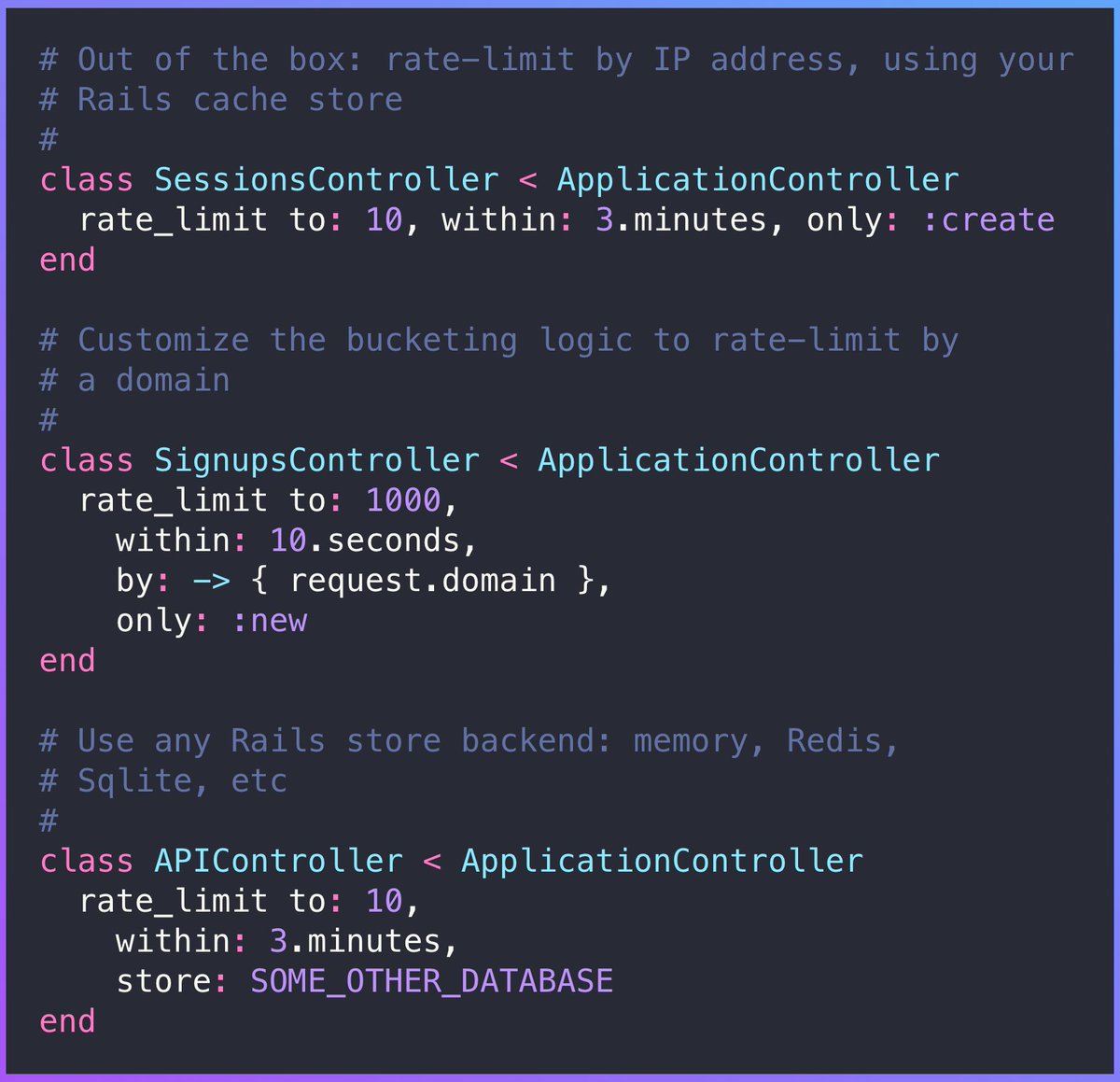
People are out here depending on an external service and paying PER-REQUEST for API calls to do rate-limiting...
Rails 7.2 lets you do all that with your existing app infra for free with one line of code
34
42
545
46,379
zeta retweeted

19 Jun 2024
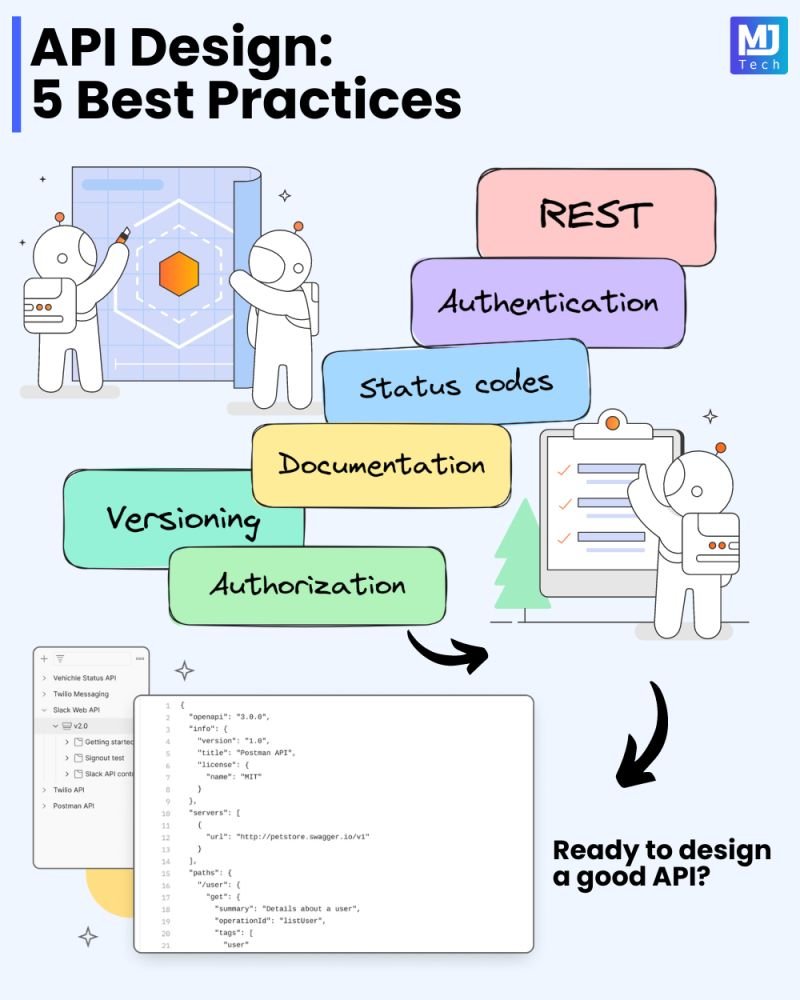
𝟱 𝘁𝗶𝗽𝘀 𝗳𝗼𝗿 𝗱𝗲𝘀𝗶𝗴𝗻𝗶𝗻𝗴 𝗮 𝗾𝘂𝗮𝗹𝗶𝘁𝘆 𝗔𝗣𝗜 👇
How do you design a good API?
API design is deciding how your API will expose data and functionality to consumers. A good API design describes the API endpoints and resources in some standard format.
There are 4 key stages of API design:
1 - Determine what the API should do
2 - Define the API contracts (OpenAPI)
3 - Validate your assumptions with tests
4 - Document the API (endpoints, error codes, etc.)
Here are 5 more tips for designing a good API.
1) 𝗣𝗿𝗶𝗼𝗿𝗶𝘁𝗶𝘇𝗲 𝗖𝗼𝗻𝘀𝗶𝘀𝘁𝗲𝗻𝗰𝘆 𝗮𝗻𝗱 𝗦𝗶𝗺𝗽𝗹𝗶𝗰𝗶𝘁𝘆
Your API should have consistent naming conventions, response formats, and an error-handling strategy. Simplicity in API design makes it easier for developers to understand and integrate with your API.
2) 𝗘𝗺𝗯𝗿𝗮𝗰𝗲 𝗥𝗘𝗦𝗧𝗳𝘂𝗹 𝗣𝗿𝗶𝗻𝗰𝗶𝗽𝗹𝗲𝘀
You should design your API according to RESTful principles, emphasizing statelessness, a client-server architecture, and a uniform interface. REST APIs are the standard in most .NET applications.
3) 𝗨𝘀𝗲 𝘁𝗵𝗲 𝗰𝗼𝗿𝗿𝗲𝗰𝘁 𝗛𝗧𝗧𝗣 𝗦𝘁𝗮𝘁𝘂𝘀 𝗖𝗼𝗱𝗲𝘀
You should use the correct HTTP status codes to communicate the outcome of API requests. This includes successful operations (2xx), client errors (4xx), and server errors (5xx). It helps consumers of your API understand what went wrong and how to rectify it.
4) 𝗜𝗺𝗽𝗹𝗲𝗺𝗲𝗻𝘁 𝗔𝗣𝗜 𝗩𝗲𝗿𝘀𝗶𝗼𝗻𝗶𝗻𝗴
Implement versioning in your API to plan for future changes. This allows you to make improvements and changes without breaking existing client integrations. The most common approach is URL versioning.
5) 𝗔𝘂𝘁𝗵𝗡 𝗮𝗻𝗱 𝗔𝘂𝘁𝗵𝗭
Implement authentication, authorization, and data encryption where necessary. Protecting sensitive data and ensuring that only authorized users can access specific API endpoints is crucial for maintaining the trust and integrity of your API.
What is something you do to design a good API?
Learn more about API design here: postman.com/api-platform/api…
1
63
304
24,428
zeta retweeted
18 Jun 2024
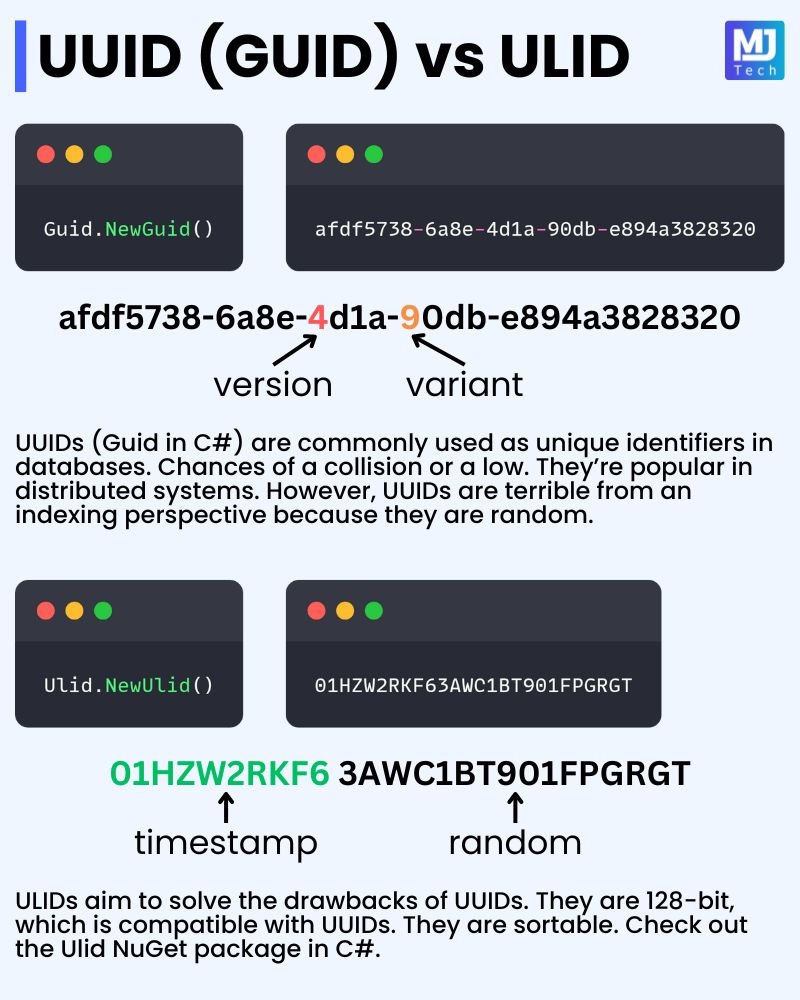
𝗦𝗵𝗼𝘂𝗹𝗱 𝘆𝗼𝘂 𝘀𝘁𝗼𝗽 𝘂𝘀𝗶𝗻𝗴 𝗨𝗨𝗜𝗗𝘀?
UUIDs (Guid in C#) are widely used as unique identifiers in databases. UUIDs are random, which makes them popular in distributed systems.
However, UUIDs have some drawbacks:
1. UUIDs slow down database inserts. Each insert must update the clustered index, a B tree. Because UUIDs are random, this is an expensive operation as it requires rebalancing the tree
2. Higher storage costs. A UUID is 128 bits long, and it's even longer if you store it in human-readable format as a string.
So, let me introduce you to ULIDs.
ULID attempts to solve the drawbacks of UUID. It's also 128-bit, so it's compatible with a UUID. However, unlike a UUID, ULIDs are sortable. The first 40 bits of a ULID represent a timestamp, making ULIDs monotonically increasing.
There's a .NET package that implements the ULID spec, so you can start using it immediately. However, you'll need to write some code if you want ULID to work with popular ORMs.
What do you think about ULIDs?
---
Subscribe to my weekly newsletter to accelerate your .NET skills: milanjovanovic.tech/?utm_sou…
65
398
2,965
458,290