
Husband. Father. A laboratory mouse involved in an elaborate scheme to take over the Earth—Ceph, Ubuntu Server, AWS. Cloud and Linux with a dab of Open Hardware
Joined December 2008
- Tweets 82,417
- Following 1,107
- Followers 16,921
- Likes 68,399
4,406 Photos and videos





F2 retweeted

Jun 14
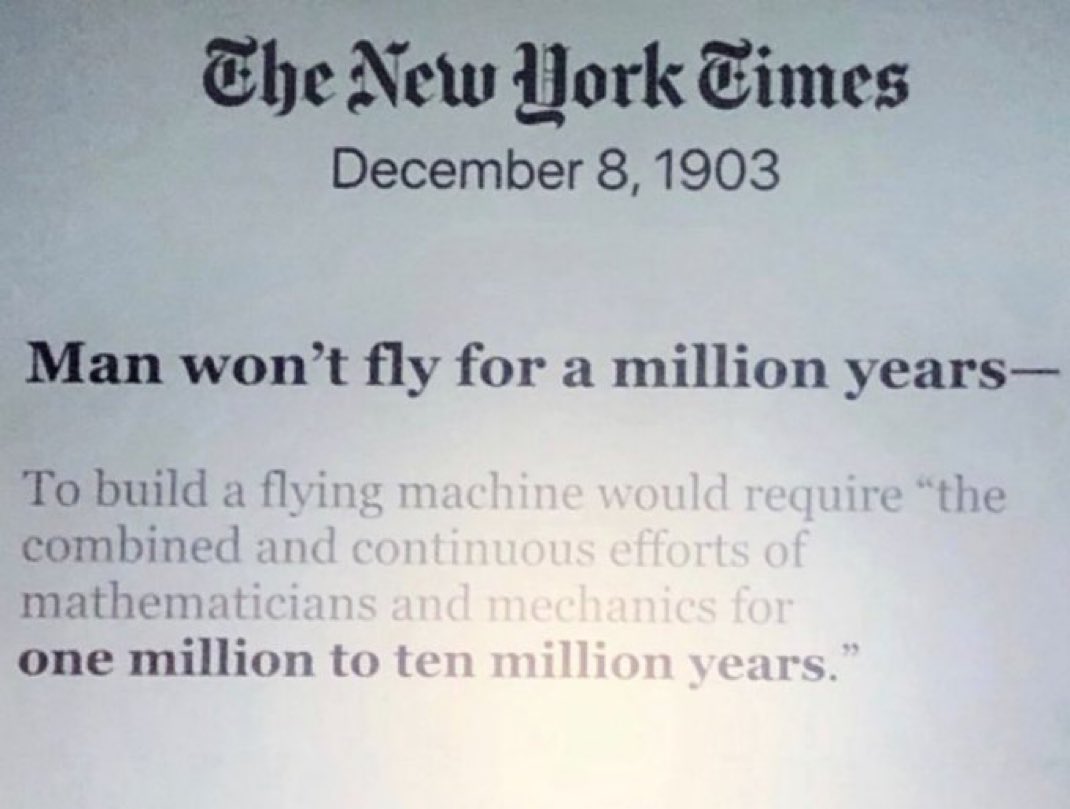
This was published 9 days before Wright brothers’ Kitty Hawk made its first successful flight.
44
161
886
44,049
F2 retweeted

Jun 13
This idea seems pretty cool to me, although I'm sure it's been done many times before 😂
What do you think?
@StairwayToRetro @Supmsx @greayson2532 @XRPee1983
#crt #msx #retrogaming #basic
4
2
22
560
F2 retweeted

Jun 13
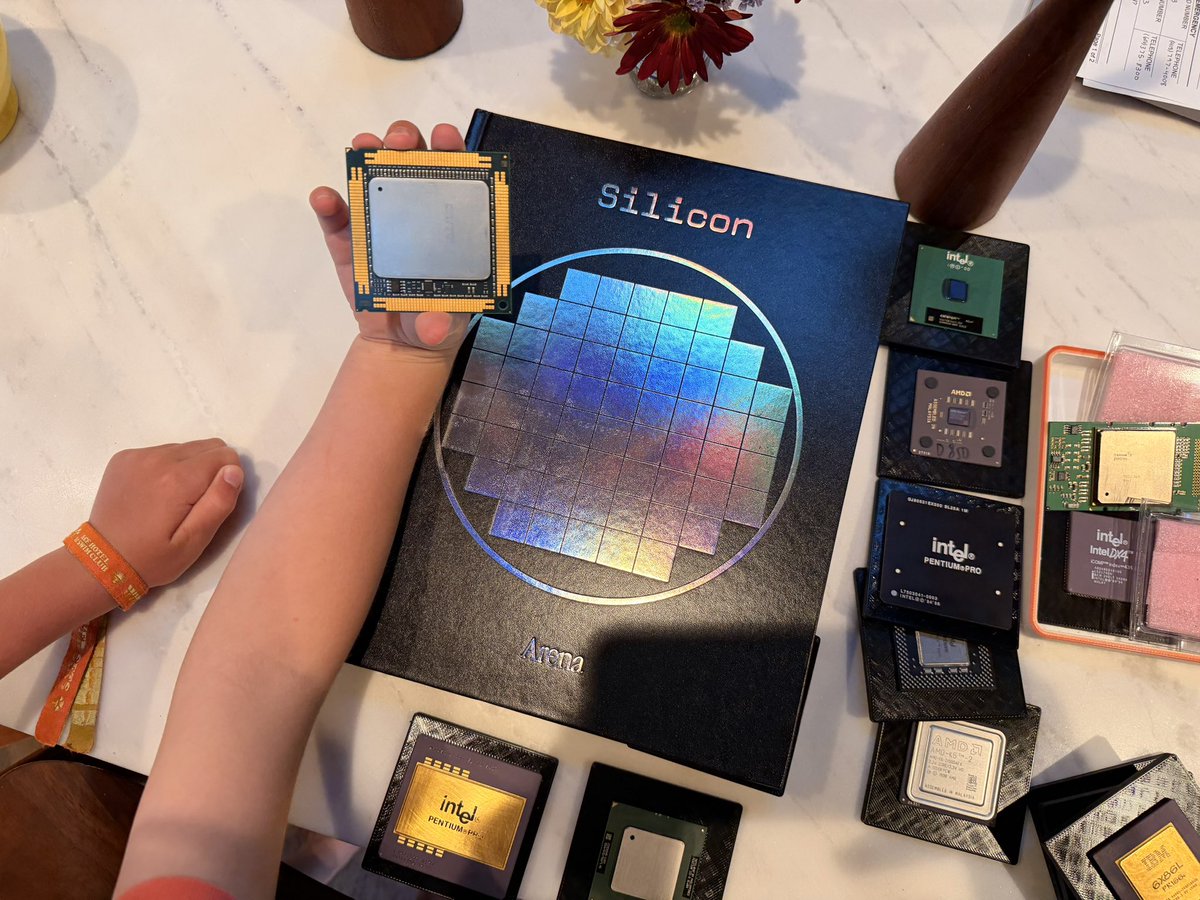
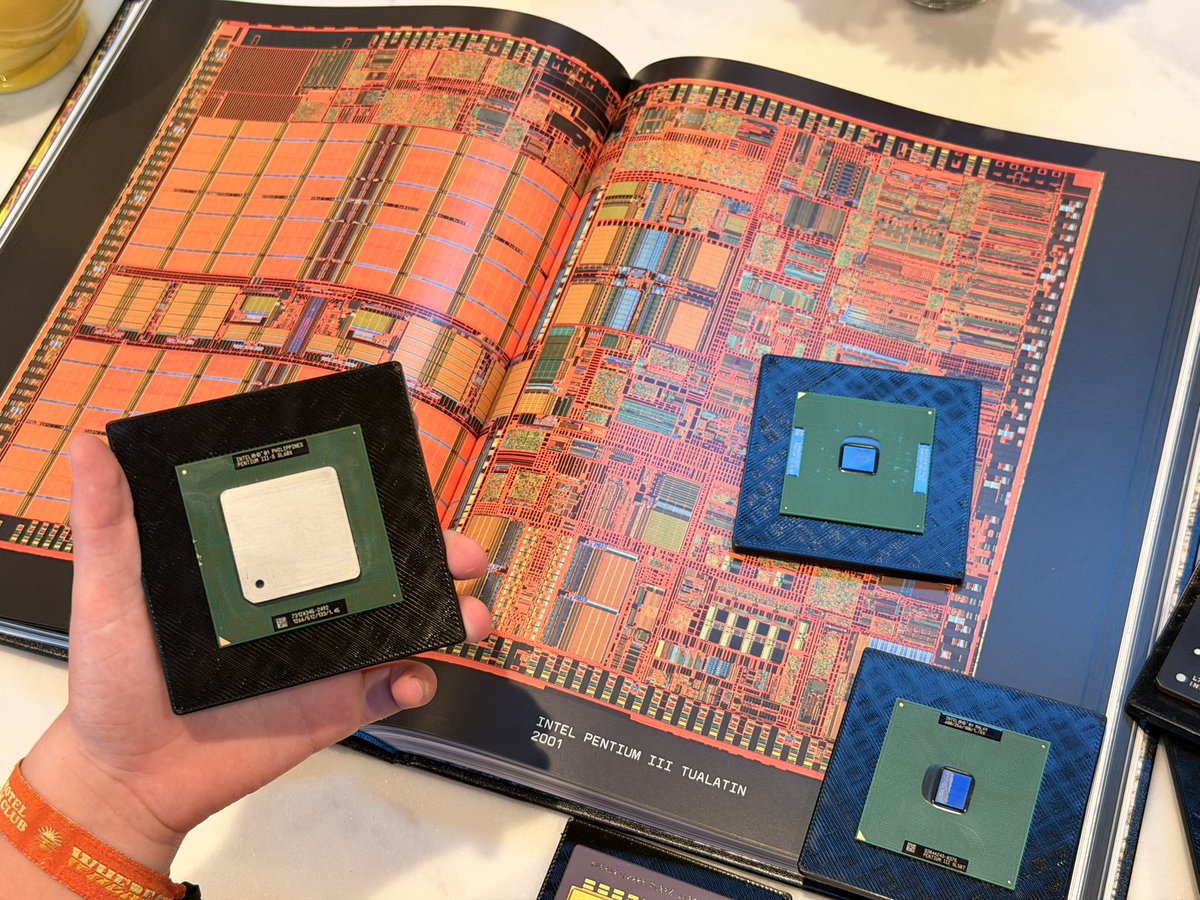
That feeling when your 6 yo is interested in your book about silicon transistors and you rush to get your cpu collection to show it to them.
36
135
2,243
86,078
F2 retweeted

Jun 13
Fable isn't the first.
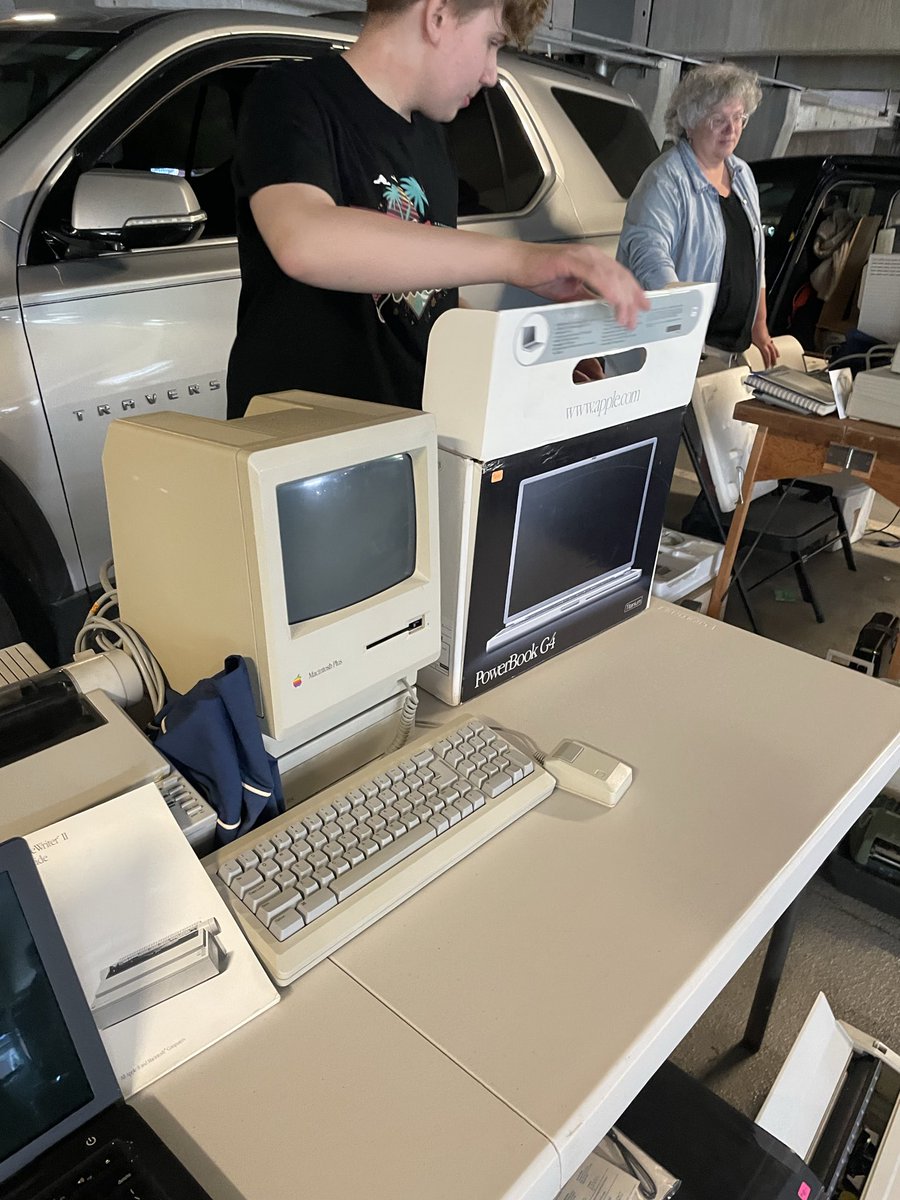
In 1999 the department of defense blocked exports of the PowerMac G4 for crossing the 1 gigaflop threshold.
Steve Jobs turned it into an ad.
217
1,650
20,787
1,635,294
F2 retweeted

Commander Dave Scott of Apollo 15 validates Galileo's theory on the Moon by dropping a hammer and a feather, proving that objects fall at the same speed, independent of their mass.
31
152
1,130
126,898
F2 retweeted

Jun 13
A DEVELOPER PROVED THAT MOST OF THE LANGUAGE RUNNING EVERY WEBSITE YOU USE IS A MINEFIELD AND THAT ALMOST NO ONE WAS EVER TAUGHT WHICH PARTS ARE SAFE
An hour from Douglas Crockford, the man who invented JSON, on the good parts of JavaScript buried under a pile of blunders nobody warned you about.
-> The moment it lands, every weird bug makes sense. The language never had time to be polished. It went global in months, bad parts and all, and you inherited every one of them.
Global variables. Silent semicolon insertion. eval. Coercion that turns a simple comparison into a coin flip. Most people never learned to avoid them -- they just lose hours and blame themselves.
Writing JavaScript that runs was never the skill -> knowing which half of it to never touch is. And when an AI agent happily generates the bad parts at scale, the person who knows the safe subset is the one who catches it before it ships.
Everyone writes JavaScript. Almost no one was shown the line between the parts that save you and the parts that quietly burn you.
Bookmark and Watch it ↓
Jun 13

A DEVELOPER PROVED YOU CAN FIND THE EXACT COMMIT THAT BROKE YOUR CODE IN A HISTORY OF 10,000 -- IN ABOUT 13 STEPS, AUTOMATICALLY..
33 minutes from a Google engineer on git bisect: the built-in command that binary-searches your entire history to hunt down the one commit that introduced a bug.
-> The moment it lands, "When did this break?" stops being an afternoon of guessing. You hand git a good commit, a bad one, and a test and it finds the culprit while you watch.
Most people debug a regression by reading diffs by hand, blaming the obvious file, and hoping. Bisect doesn't hope. It cuts the search in half, then in half again, until only the guilty commit is left standing.
Reading history by hand was never the skill -> letting git do the binary search for you is. And when an AI agent dumps hundreds of commits into your repo and one quietly breaks production, bisect is what finds the needle without you reading a single line.
The bug isn't hiding. It's sitting in one exact commit. Most people just never learned to make git point at it.
Bookmark & Watch it today ↓
19
23
156
13,010
F2 retweeted

Jun 12
A free MIT course breaking down fundamental math concepts in computer science: bit.ly/4kXuqQ6
Here, MIT prof. Erik Demaine breaks down state machines (Lecture 4).
v/@MITOCW
13
180
1,288
75,670
F2 retweeted

Jun 13
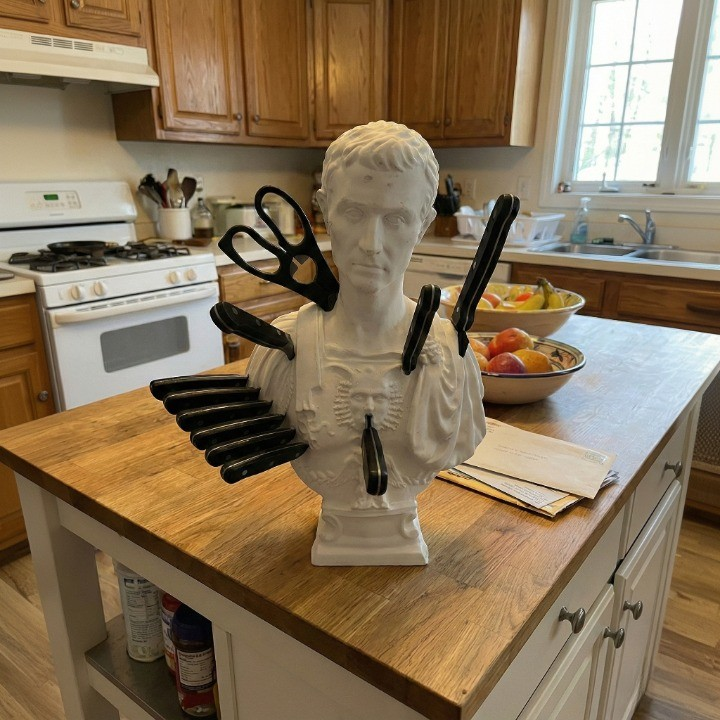
Julius Caesar knife block.
1,227
10,582
110,200
3,615,705
F2 retweeted

Jun 14
Absolutely love this. A US police officer does keepie-uppie and is cheered on by the Tartan Army in Boston. 🏴♥️🇺🇸
146
1,988
18,259
364,669
F2 retweeted

Jun 14
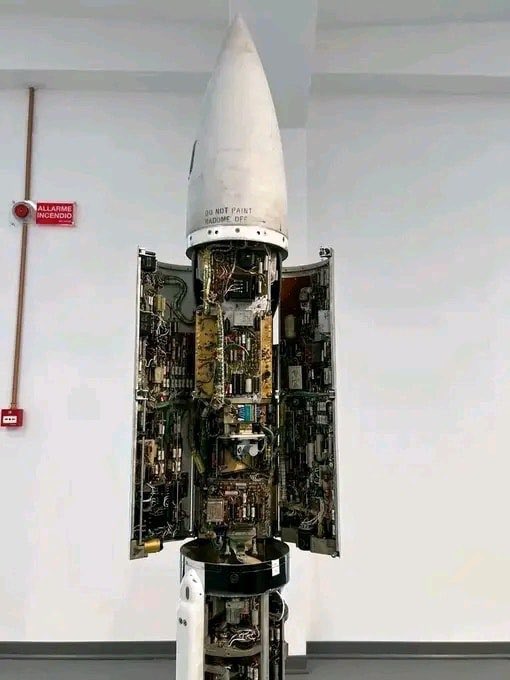
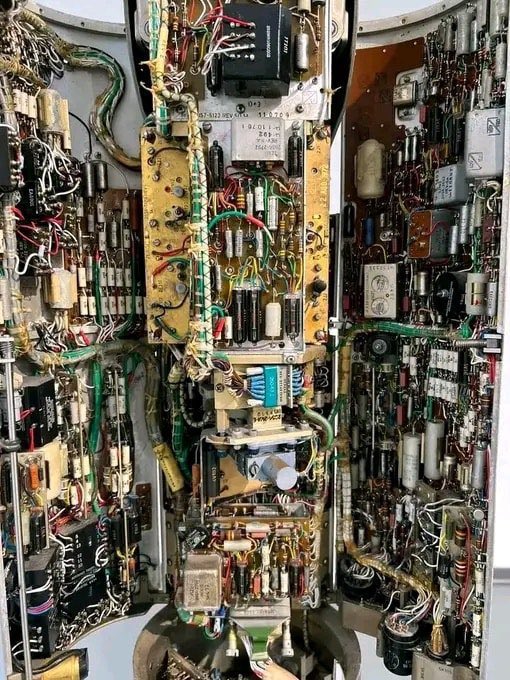
Guided missile of early 1960. Note how much electronics you need when there is no Microprocessor available
8
32
225
9,475

F2 retweeted

Jun 14
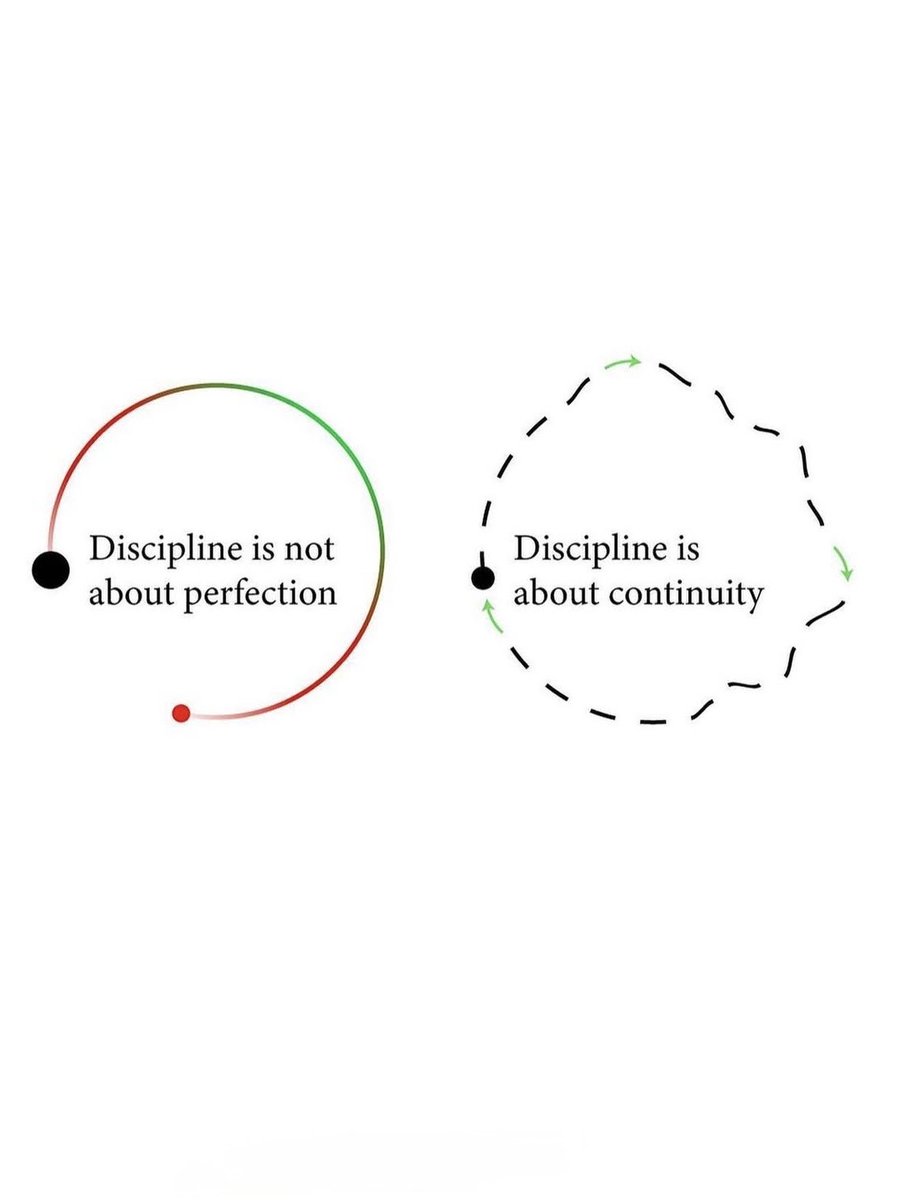
Discipline is about continuity.
21
429
3,721
50,868
F2 retweeted

Jun 12
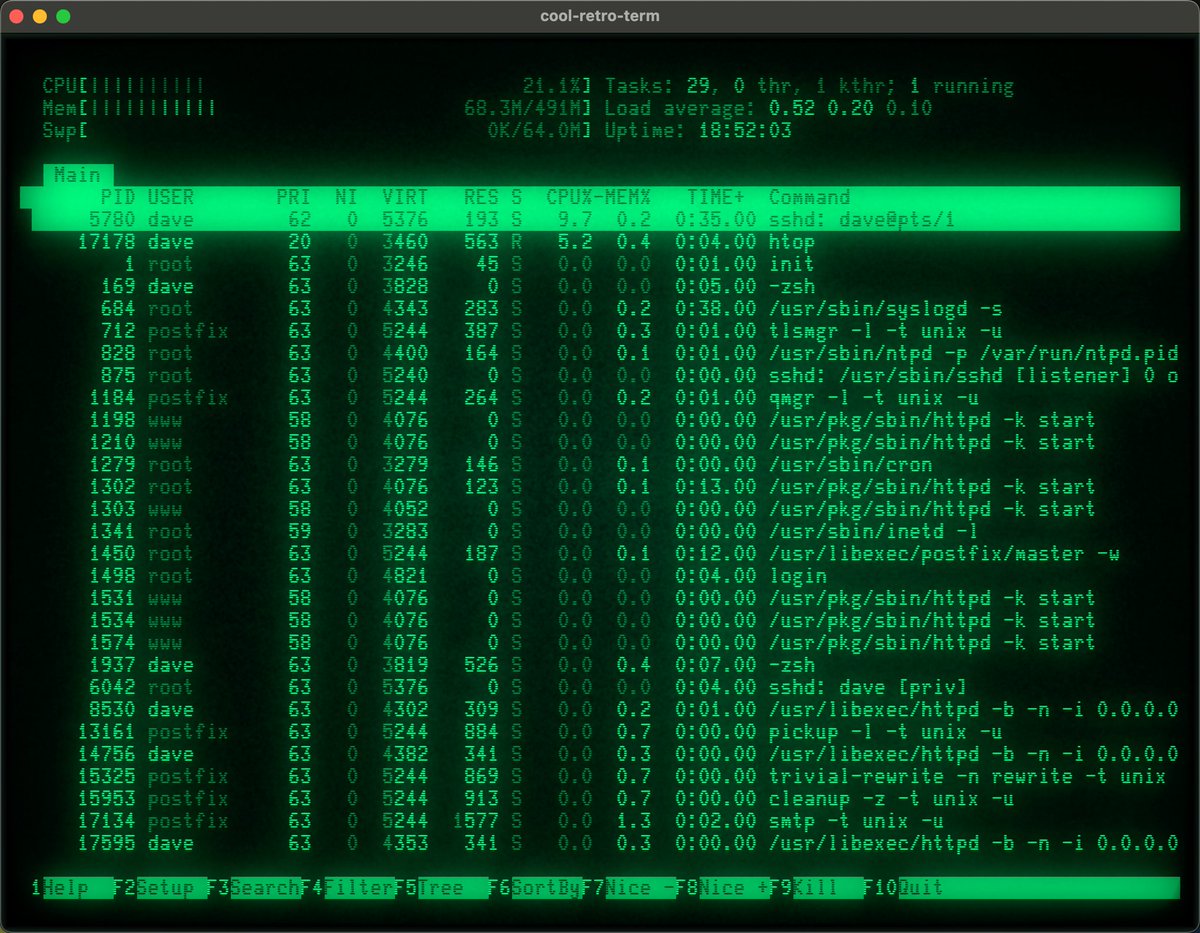
A little screenshot of my VAX running htop. It runs at 111MHz, has the max 512MB of RAM, and, of course, a single CPU core. But it still gets a lot done :-)
40
53
651
18,459
F2 retweeted

Jun 14
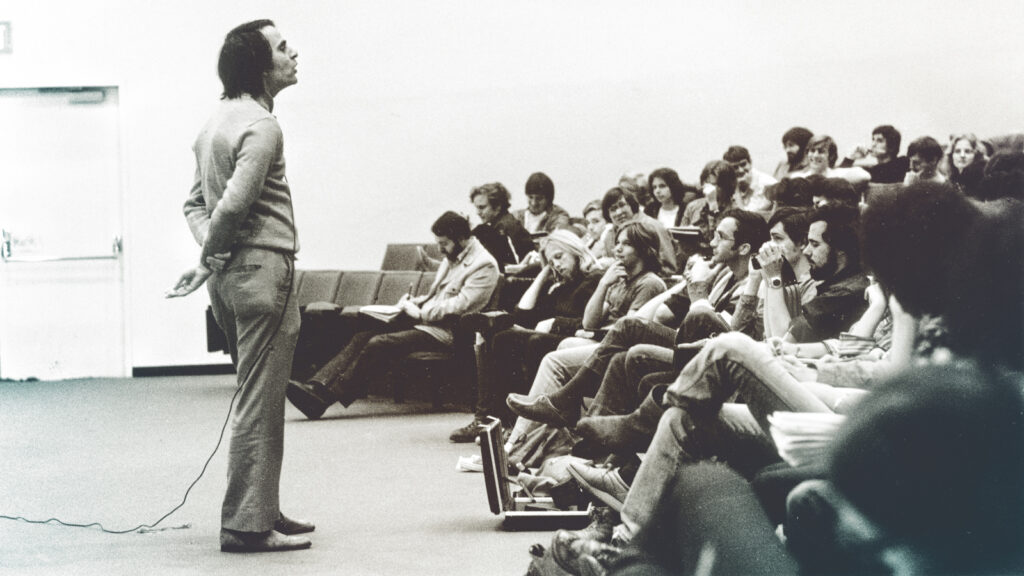
While millions knew Carl Sagan from television, his students at Cornell University experienced his philosophy firsthand.
He famously taught an undergraduate introductory seminar where the entire grade depended on challenging assumptions.
The unwritten rule was simple: students could earn an “A” for completely disagreeing with Sagan on a scientific or philosophical point, provided they used strict empirical logic to support their claim.
The lesson was intellectual humility.
Sagan would deliberately present a convincing but flawed scientific argument, wait to see who blindly accepted it because of his authority, and then dismantle it to show how easily the human mind can be swayed by a famous title or confident delivery.
27
383
1,354
43,541
F2 retweeted

Jun 14
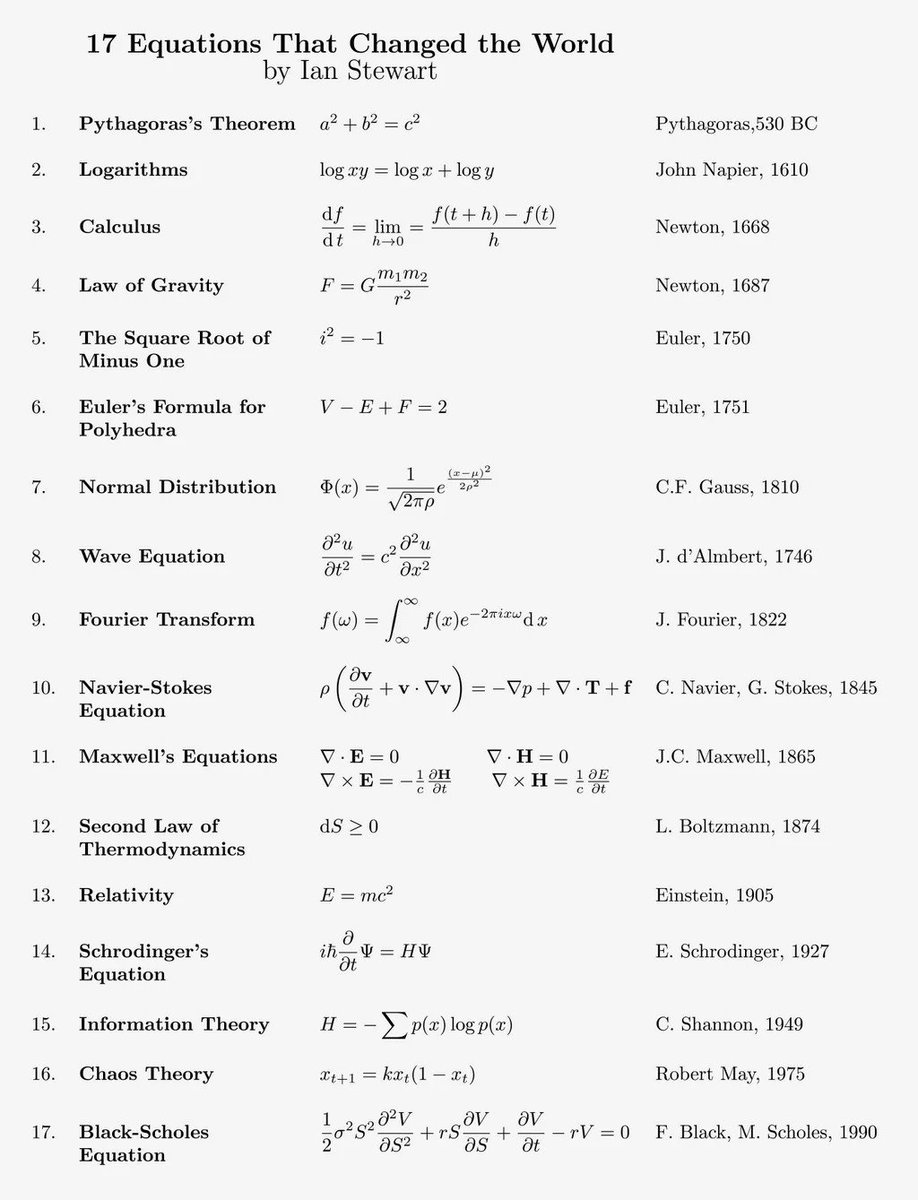
17 equations that changed the world by Ian Stewart
24
300
1,727
56,707

F2 retweeted

Jun 14
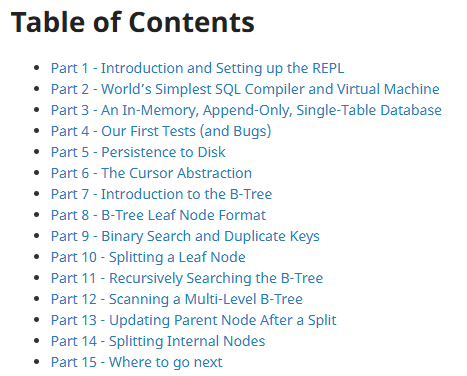
Build Your Own Database From Scratch in C
it walks you through building SQLite from scratch. starts with a REPL, then adds a B-tree, then paging, then persistence to disk
by the end you understand why databases are structured the way they are. not just how to use them
8
133
1,055
29,827
F2 retweeted
Jun 13
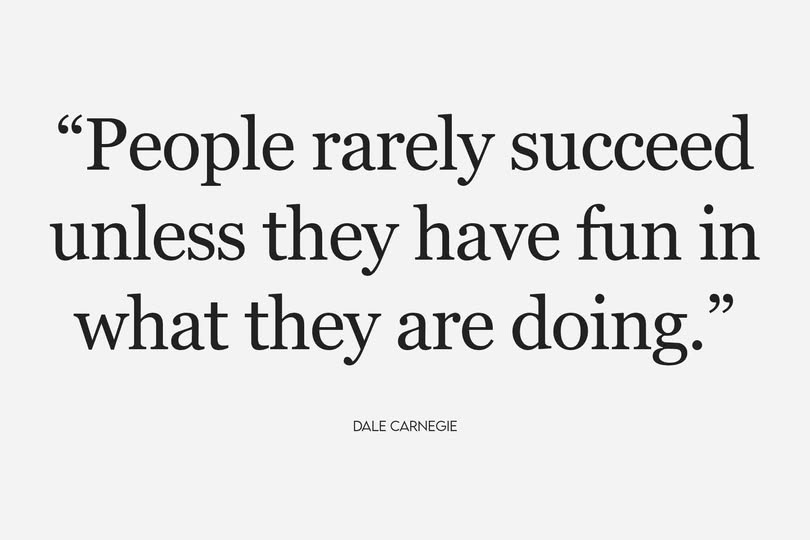
“The meaning of life is to find your gift. The purpose of life is to give it away.”
— Pablo Picasso

17
137
861
19,792
F2 retweeted

Jun 13
Digital microfluidics: The art of controlling droplets with electricity
10
228
1,387
101,974
F2 retweeted

Jun 14
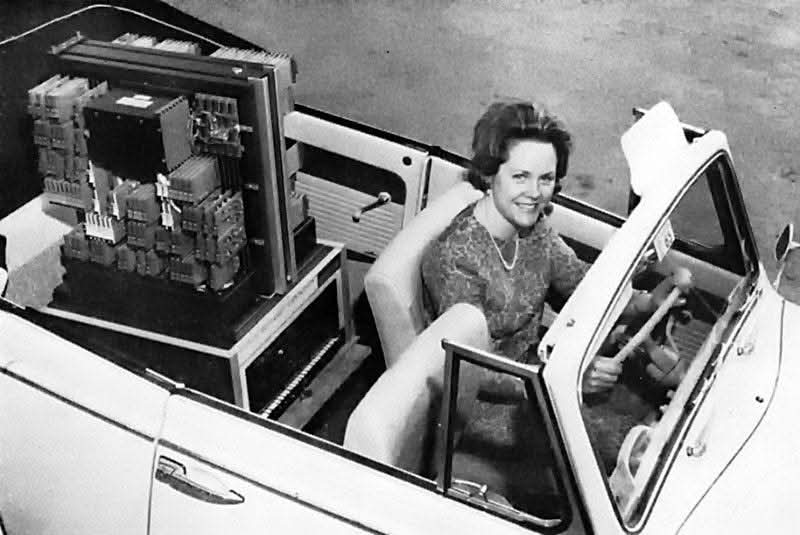
PDP-8 Minicomputer
The machine that started a revolution.In 1957, two engineers named Ken Olsen and Harlan Anderson founded Digital Equipment Corporation (DEC). What began as a small startup grew into one of the most influential technology giants of the 20th century — peaking at nearly $14 billion in revenue and employing over 120,000 people worldwide.DEC’s greatest legacy? They didn’t just build computers. They democratized them.While massive, million-dollar mainframes ruled the world from behind glass walls guarded by specialists, DEC created the minicomputer — a radical new class of machines that were smaller, faster, cheaper, and actually usable by normal humans.And the star of the show was the PDP-8.Introduced in 1965, the 12-bit PDP-8 became the first commercially successful minicomputer in history. It was compact enough to fit in a single cabinet, cost a fraction of a mainframe, and sold like crazy — over 50,000 units in total.Suddenly, universities, laboratories, factories, and even smaller companies could afford real computing power. The PDP-8 didn’t just crunch numbers — it helped launch entire new industries, inspired a generation of programmers, and served as the crucial bridge between the giant mainframes of the 1960s and the personal computers that would change the world in the decades to follow.Many of the pioneers who later built Silicon Valley cut their teeth on a PDP-8.It wasn’t just a computer.
It was the spark that made computing personal.
4
22
99
7,575