
747 Photos and videos


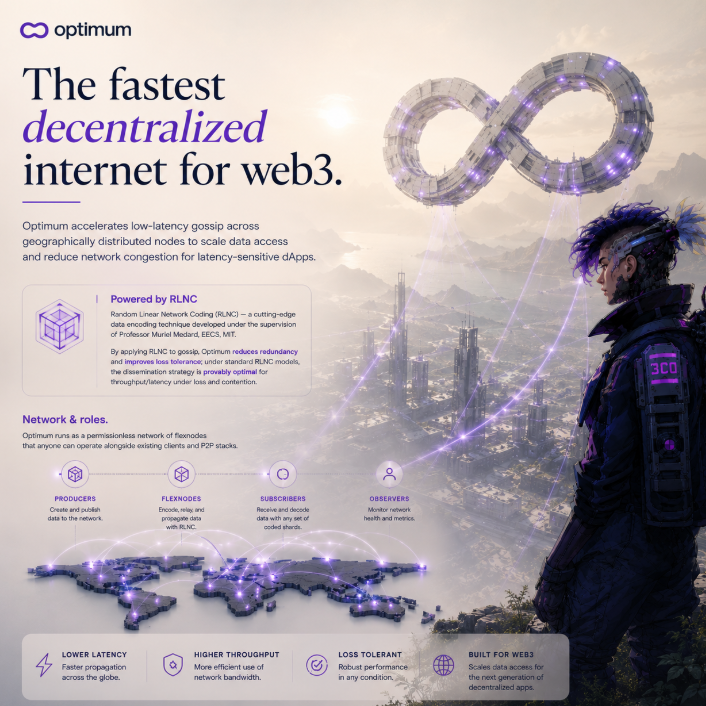




Parallel execution is easy.
Correct parallel execution is not.
Most blockchains chase throughput by running transactions in parallel, but correctness doesn’t come for free.
Without proper concurrency control, parallel execution leads to stale reads, state overwrites, retries, and unpredictable UX.
Rialo treats concurrency control as a first-class design problem. By making execution serializable by construction, Rialo preserves the guarantees of sequential execution while fully leveraging modern multi-core hardware.
This is what building for real users actually means:
not just faster blocks, but correct execution under load.
@RialoHQ, @noblesnft
10
1
56
2,021
Most blockchains still rely on state machine replication.
Every validator reruns the same computation.
Again.
And again.
That works for simple execution.
It breaks down when applications need continuous computation, real-time state updates, simulations, trading engines, or complex offchain processing.
Proof-carrying computation changes the model.
Execute where it's efficient.
Generate a cryptographic proof.
Verify and settle onchain.
Massive computation doesn't need massive replication.
That's how you unlock entirely new categories of onchain applications without sacrificing security or verifiability.
Execute once.
Verify everywhere.
@RialoHQ
11
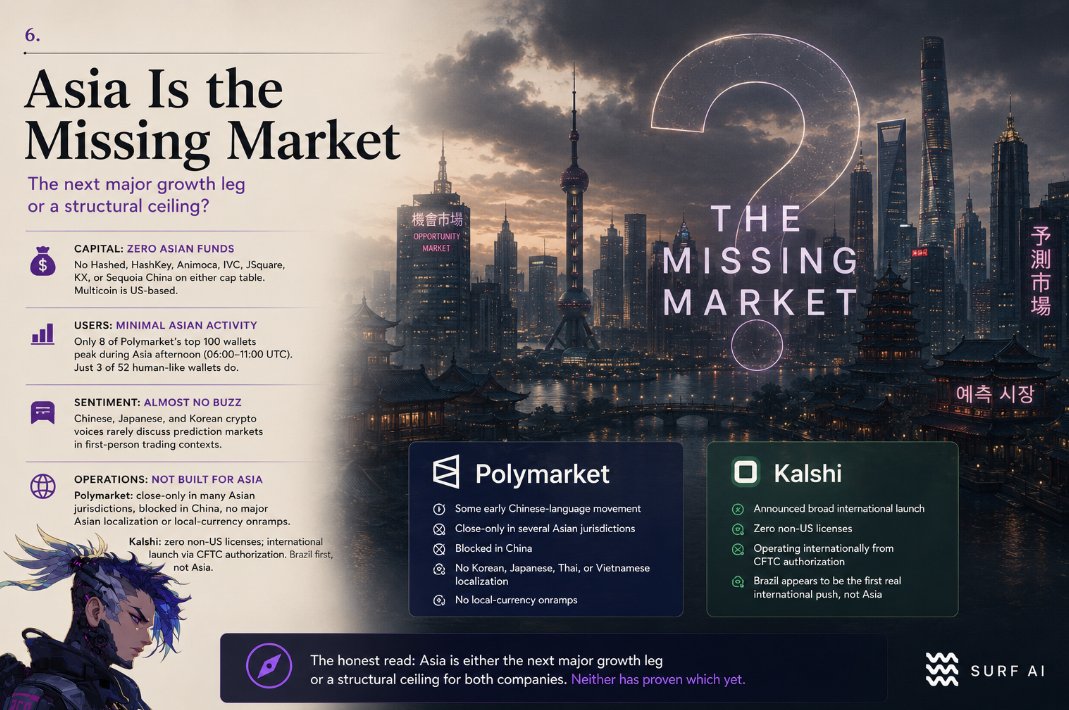
Everyone is focused on the volume race.
The bigger question is geography.
Despite billions in volume, major funding rounds, and growing adoption, neither Polymarket nor Kalshi has meaningfully cracked Asia.
Few Asian investors.
Limited localization.
Weak user presence.
Minimal trading culture around prediction markets.
Asia may be the next growth engine for prediction markets.
Or the ceiling that limits them.
Nobody knows which yet.
@SurfAI
13
78
The Github breach won't be the last.
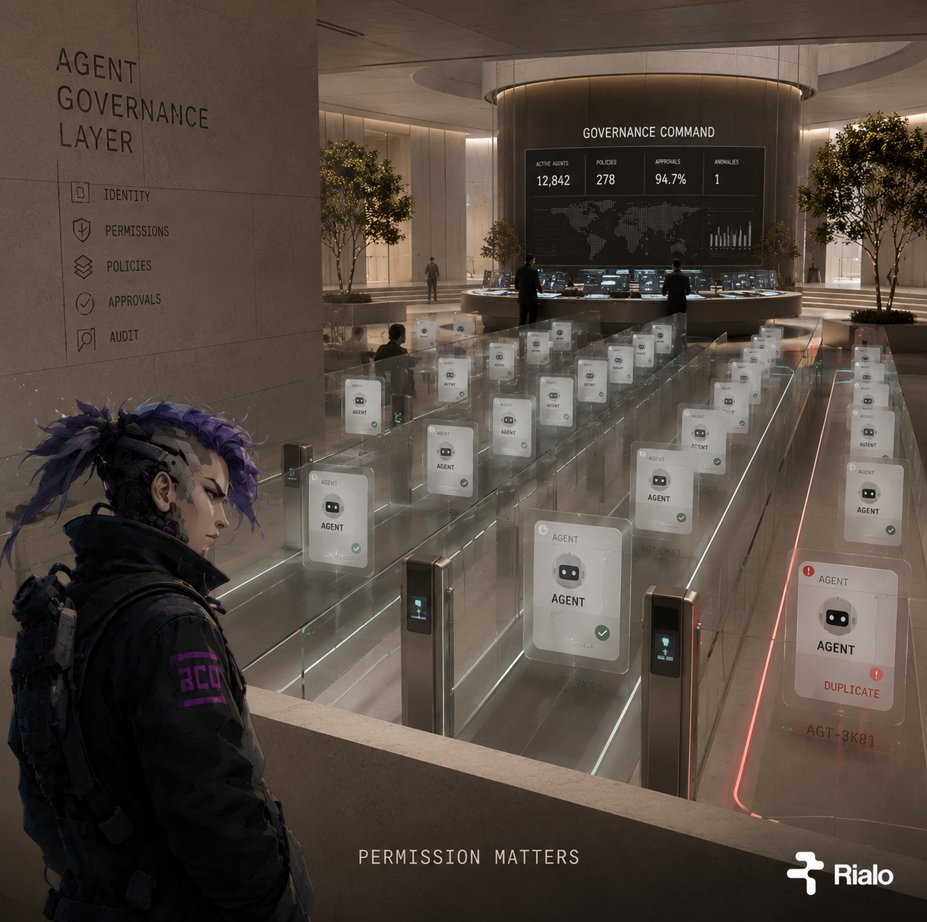
As AI agents gain access to codebases, infrastructure, wallets, and internal systems, the attack surface expands dramatically.
The real challenge isn't building more capable agents.
It's governing them.
Who can authorize actions?
What permissions should exist?
How do we prevent agents from becoming all-access identities?
Agent governance is quickly becoming one of the most important problems in the industry.
Exactly why it's a major focus for the team at @Subzero_Labs.
@RialoHQ
4
16
129
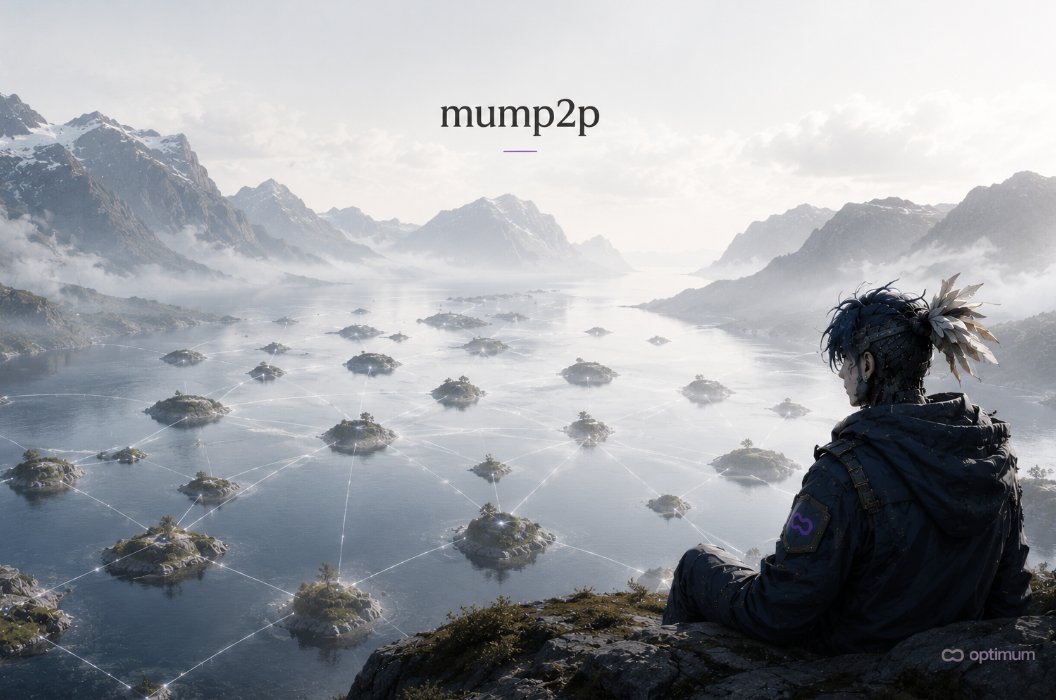
Traditional gossip protocols move information through fixed paths.
mump2p takes a different approach.
Instead of relying on a single route, information flows across many paths simultaneously through RLNC-coded shards.
More resilience.
Less redundancy.
Faster propagation.
A network where information doesn't depend on finding the right path.
It simply finds every path.
@get_optimum
6
48
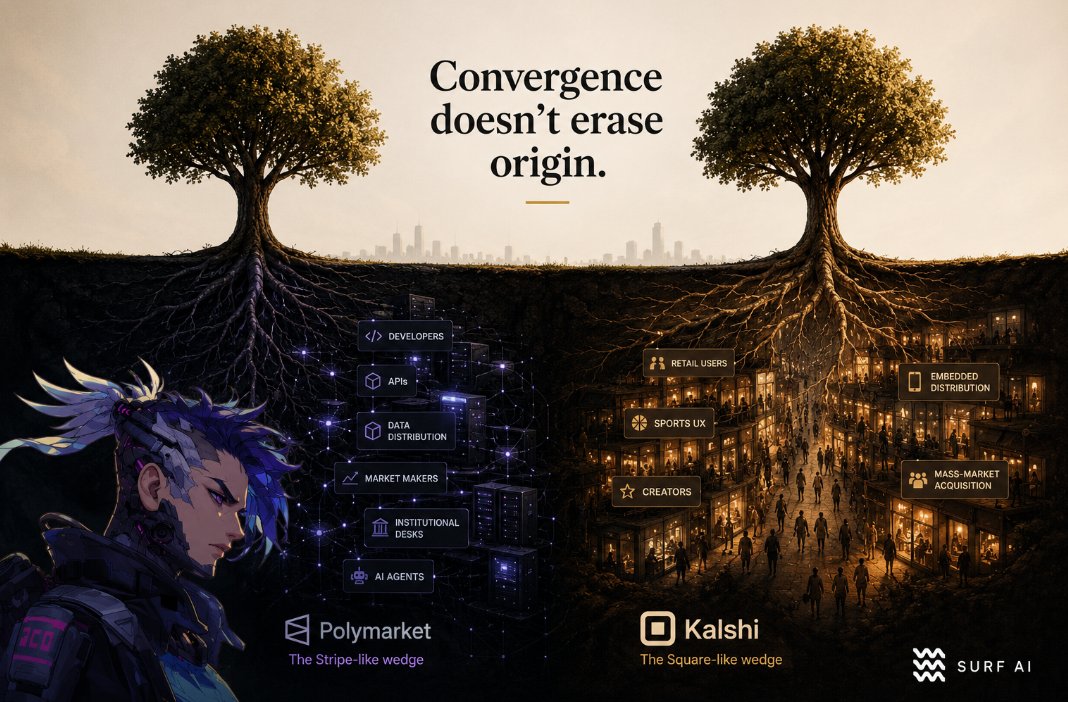
One of the biggest mistakes in prediction markets is comparing Kalshi and Polymarket as if they're solving the same problem.
They're not.
Kalshi started with distribution.
Polymarket started with infrastructure.
One optimized for users.
The other optimized for systems.
Over time, both may become full-stack prediction market companies.
But origin matters.
Because the products you build naturally are often more important than the products you add later.
@SurfAI
11
58
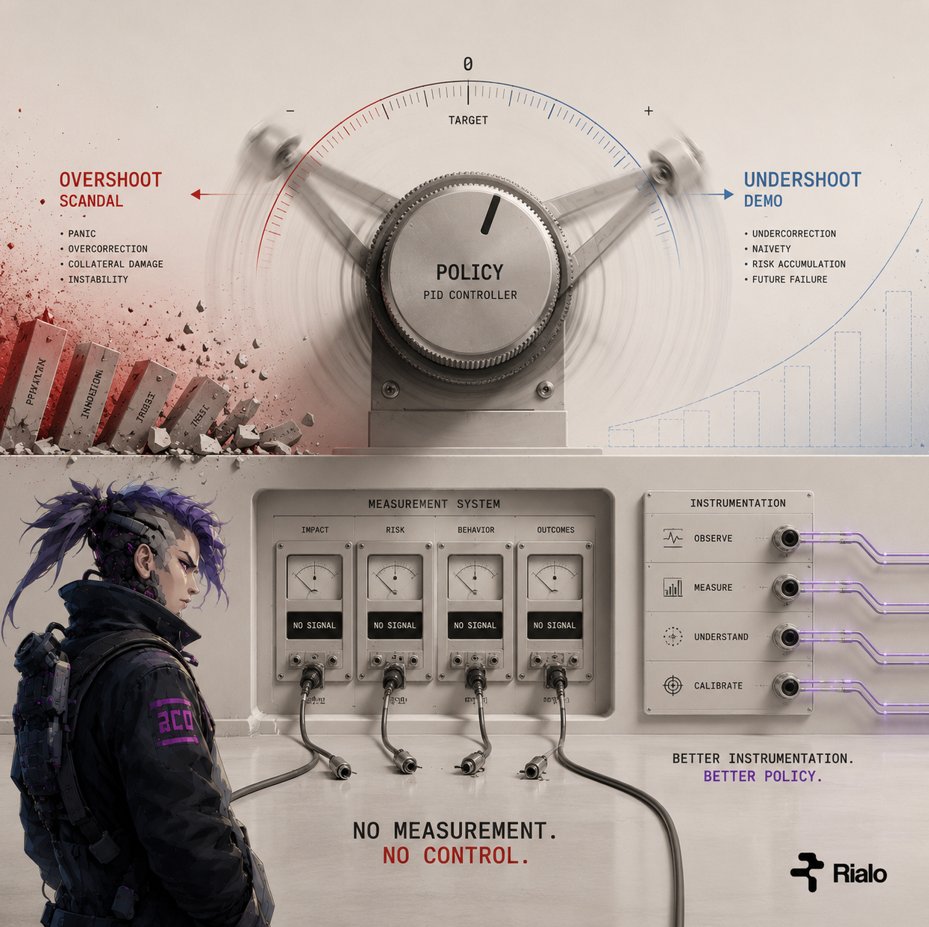
Most AI policy debates focus on how much regulation we need.
The bigger question is:
How do you regulate a system when you can't accurately measure the thing you're trying to control?
Every major AI scandal triggers overcorrection.
Every breakthrough demo triggers undercorrection.
That's not a policy problem.
It's an instrumentation problem.
Good control systems depend on feedback.
Without reliable measurement, every adjustment becomes guesswork.
Better signals.
Better visibility.
Better decisions.
@RialoHQ
4
10
85
Strong networks aren't built around a center.
They're built around participation.
Every Flexnode contributes to propagation, resiliency, and data availability.
Not by depending on a central coordinator.
But by working alongside every other node in the network.
The result is a system that becomes stronger as more operators join.
That's the power of permissionless infrastructure.
@get_optimum
4
19
92

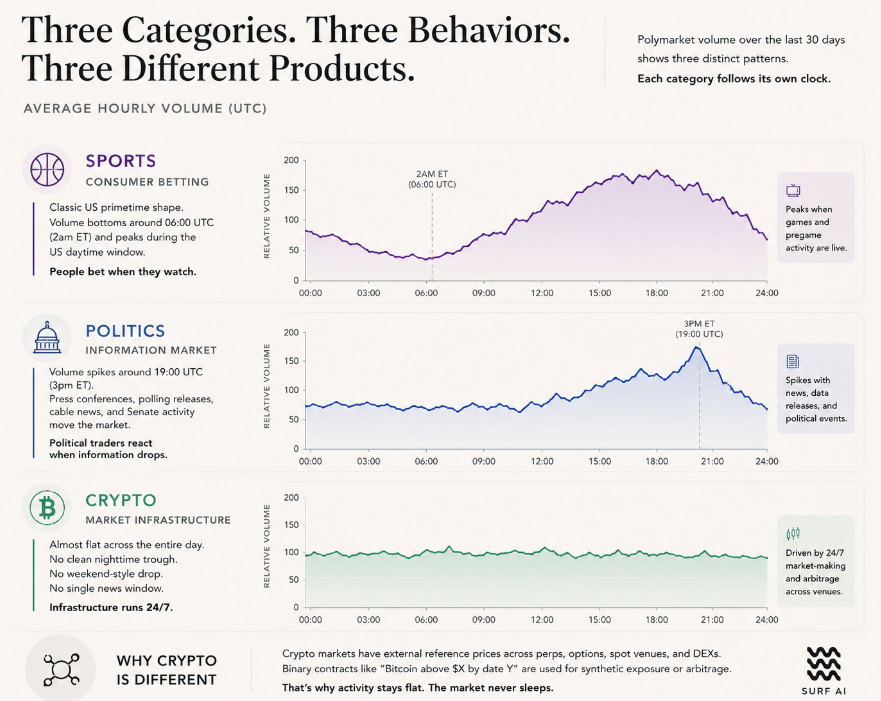
Most people think prediction markets are one product.
The data suggests they're actually three.
Sports behaves like betting.
Politics behaves like information trading.
Crypto behaves like infrastructure.
The most interesting part?
Crypto volume barely sleeps.
No clear downtime.
No single news cycle.
No obvious human rhythm.
Because crypto prediction markets are increasingly being used as part of a larger trading system, not just a place to make predictions.
@SurfAI
3
15
86
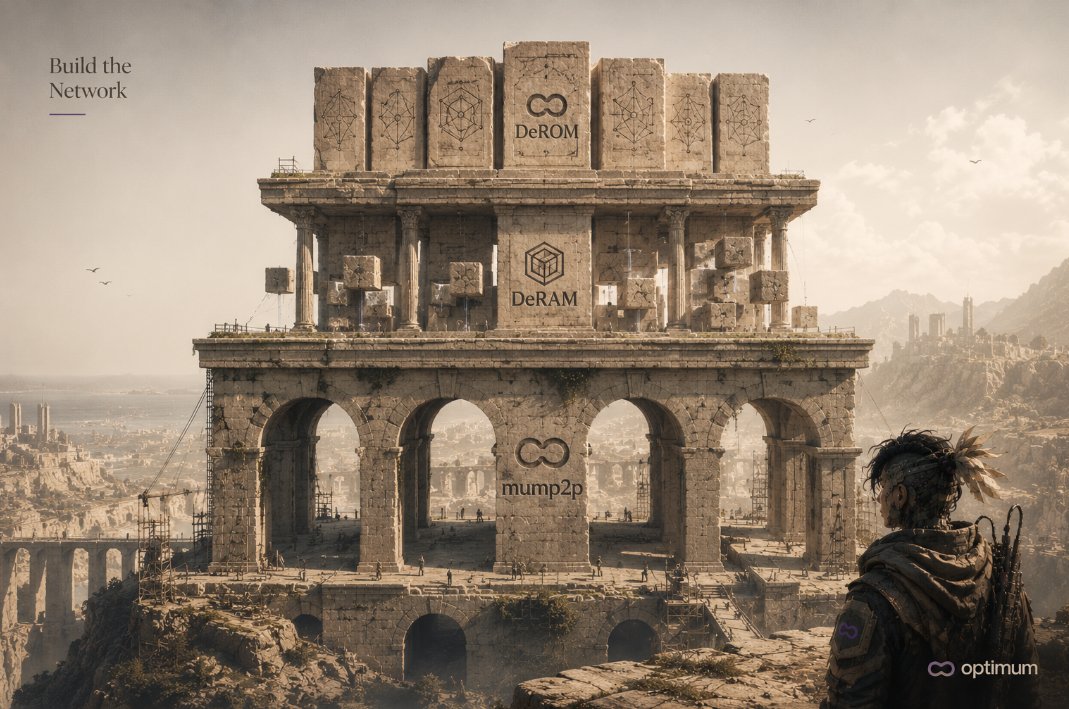
Most infrastructure focuses on a single problem.
Optimum is building an entire data layer.
mump2p accelerates propagation.
DeRAM introduces low-latency shared memory.
DeROM creates efficient decentralized storage for broadcast and caching.
Different products.
One goal:
Making information move faster across decentralized networks.
@get_optimum
2
13
67
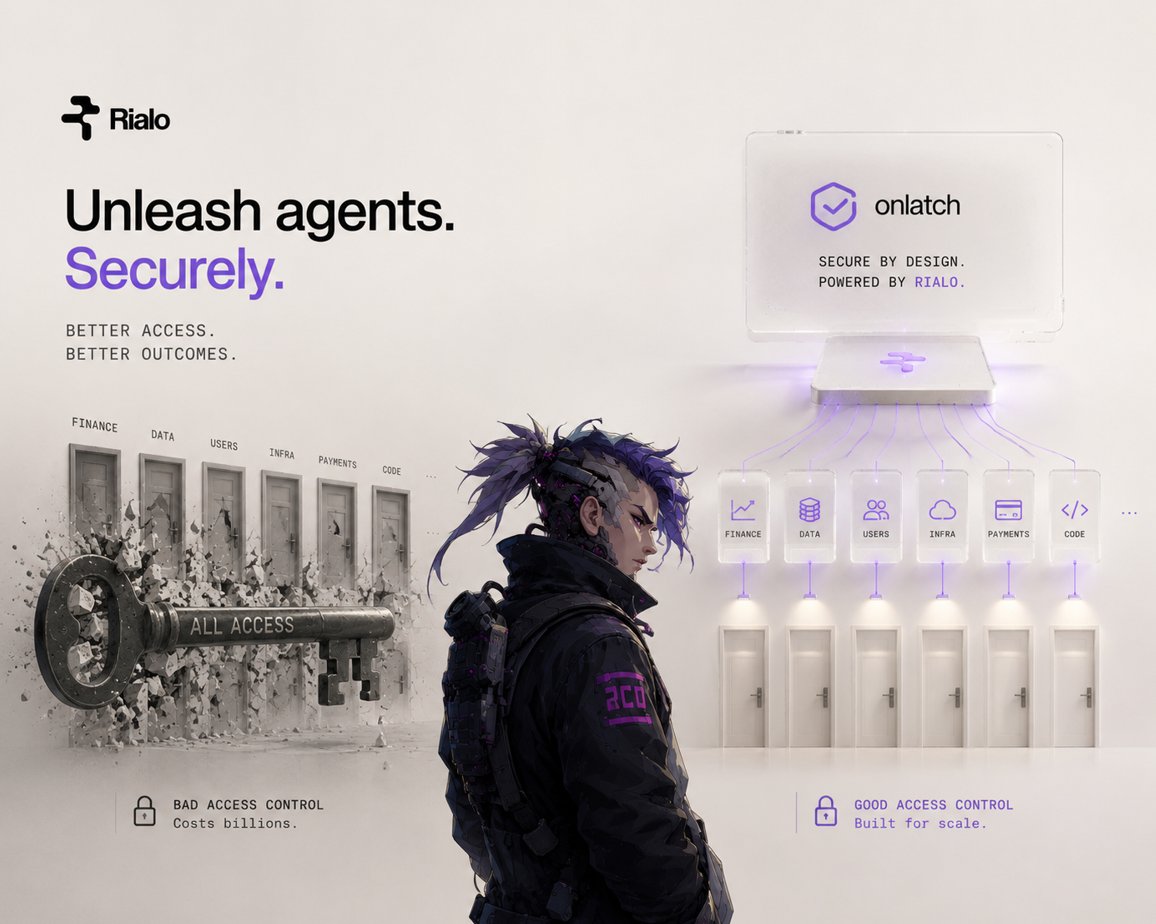
Bad access control has already cost companies billions.
Now we're giving AI agents the same mistake:
all-access permissions from day one.
Agents don't need master keys.
They need explicit permissions, secure execution, and verifiable actions.
That's what Onlatch is building, powered by @RialoHQ.
Sign up:
onlatch.com
4
16
96
Most blockchain infrastructure focuses on execution.
Optimum focuses on something that happens before execution:
Data propagation.
Because no matter how powerful an application is, it can only move as fast as the information reaching it.
Powered by RLNC, Optimum helps data move across globally distributed networks with lower latency, higher efficiency, and greater resilience.
A permissionless network designed to make decentralized systems faster without sacrificing decentralization.
@get_optimum
4
15
115
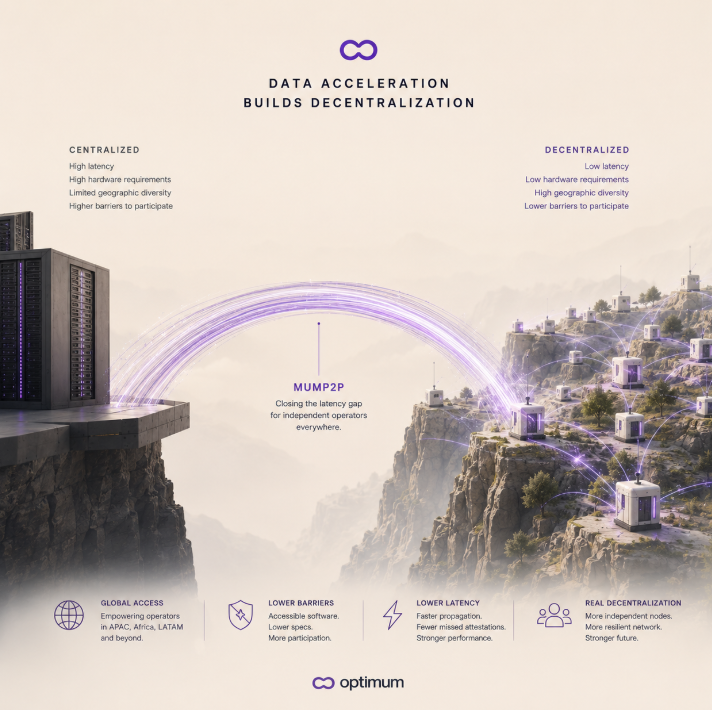
Decentralization isn't just about having more validators.
It's about making participation viable for everyone.
When latency becomes a barrier, operators with weaker hardware or less connected locations are pushed to the edge of the network.
Over time, that naturally concentrates participation around a small number of well-connected regions and operators.
Reducing latency doesn't just improve performance.
It expands who gets to participate.
That's why data acceleration and decentralization are more connected than most people realize.
@get_optimum
7
22
241
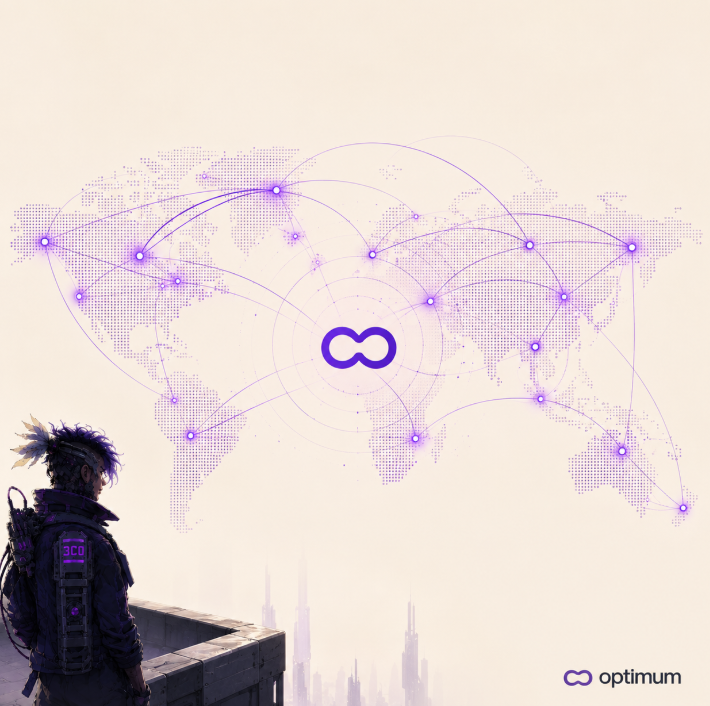
For years, decentralization was treated as a performance tradeoff.
More nodes meant more distance.
More distance meant higher latency.
RLNC changes that equation.
When every new node contributes coded information to the network, decentralization stops being a cost and starts becoming an advantage.
More nodes.
More regions.
Shorter paths.
A network that becomes faster as it becomes more decentralized.
@get_optimum
6
17
435
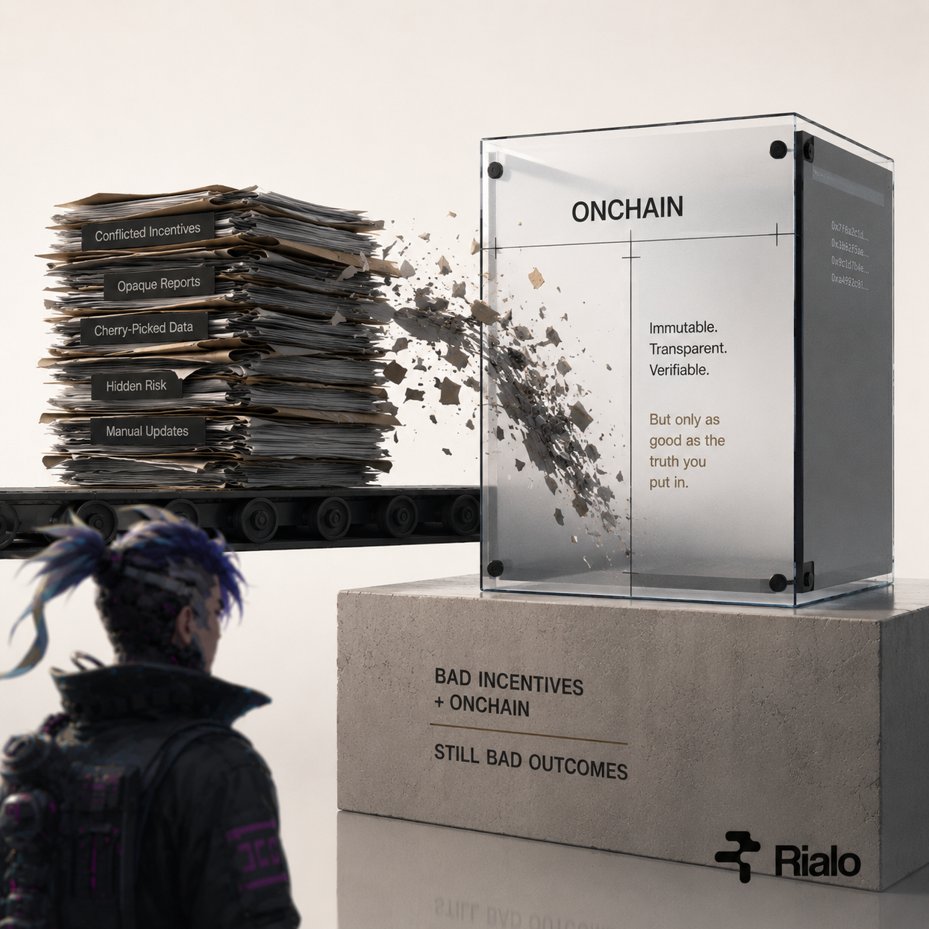
Most AI research tools optimize for speed.
The harder problem is accuracy.
Surf Research 2.0 delivers:
• 4x fewer hallucinations
• 2x deeper answers
• 2x stronger research consistency
Because better research isn't about generating more information.
It's about finding the right information and connecting it correctly.
@SurfAI

2
14
111

