
Marketing @boltliquidity ϟ God, Family, Country ϟ Prev. Professional Drummer
Joined November 2024
- Tweets 1,366
- Following 59
- Followers 283
- Likes 3,764
300 Photos and videos
















Too many liquidity debates collapse entirely different problems into one conversation.
This article explores what opens up once pricing and settlement stop being treated as the same primitive.

6
428
TVL measures how much capital you have.
Capital velocity measures how hard that capital is working.
The future belongs to architectures that maximize execution, not idle capital. 👇
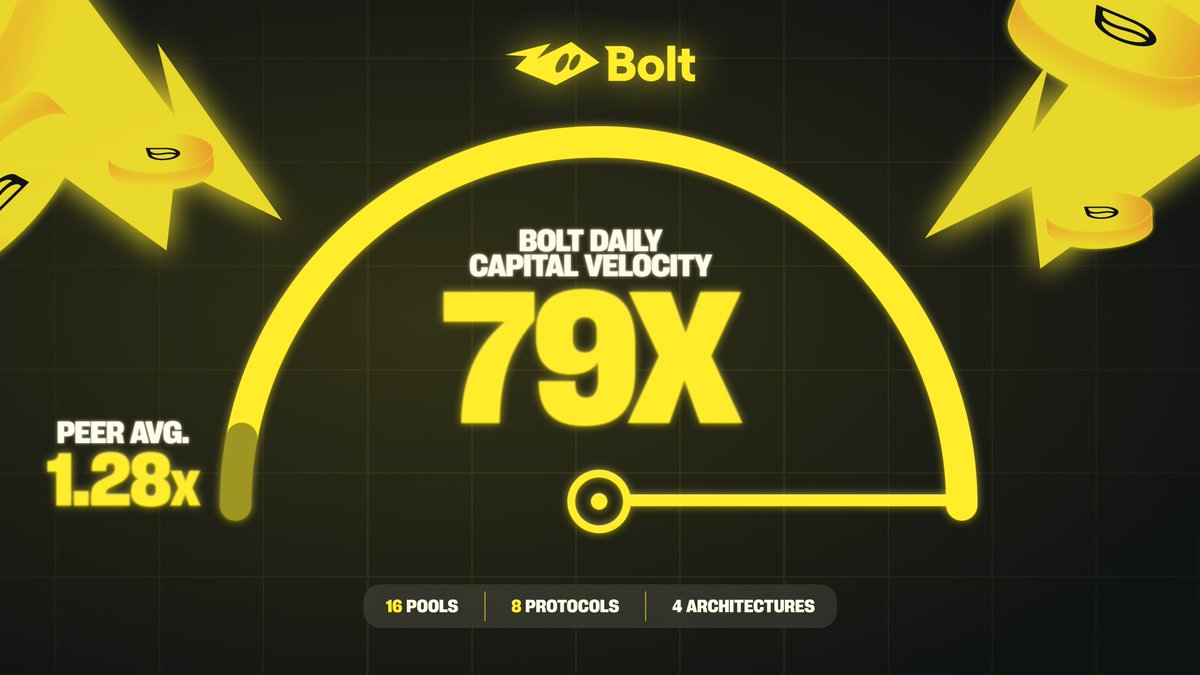
79x daily capital velocity.
The peer average across 15 other $SUI/USDC pools on Sui: 1.28x.
Here's what that number actually means for aggregators, LPs, and anyone routing volume on Sui 🧵
3
12
Capital velocity is a far more meaningful metric than Total Value Locked.
Tell me how efficient your capital is, not how much capital you need to become efficient.
Jun 9
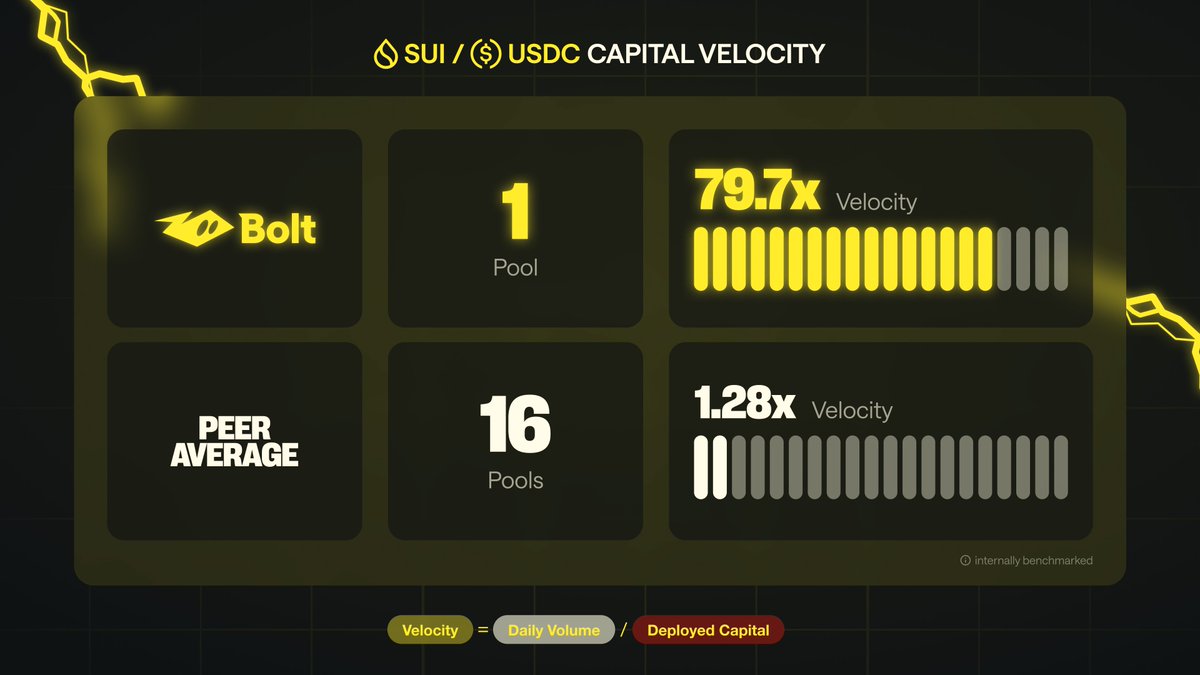
Capital velocity measures how hard your liquidity works.
Bolt's in May: 79.7x per day. The average across 16 other SUI/USDC pools on Sui: 1.28x.
Not a marginal improvement. A different model.
1
5
72
Bolt is quietly becoming embedded across a meaningful portion of @SuiNetwork's liquidity stack.
Jun 8
4 integrations live on @SuiNetwork: Cetus, FlowX, Aftermath, Hop
Aggregators follow fills, not narratives.

2
61
john retweeted

Jun 5
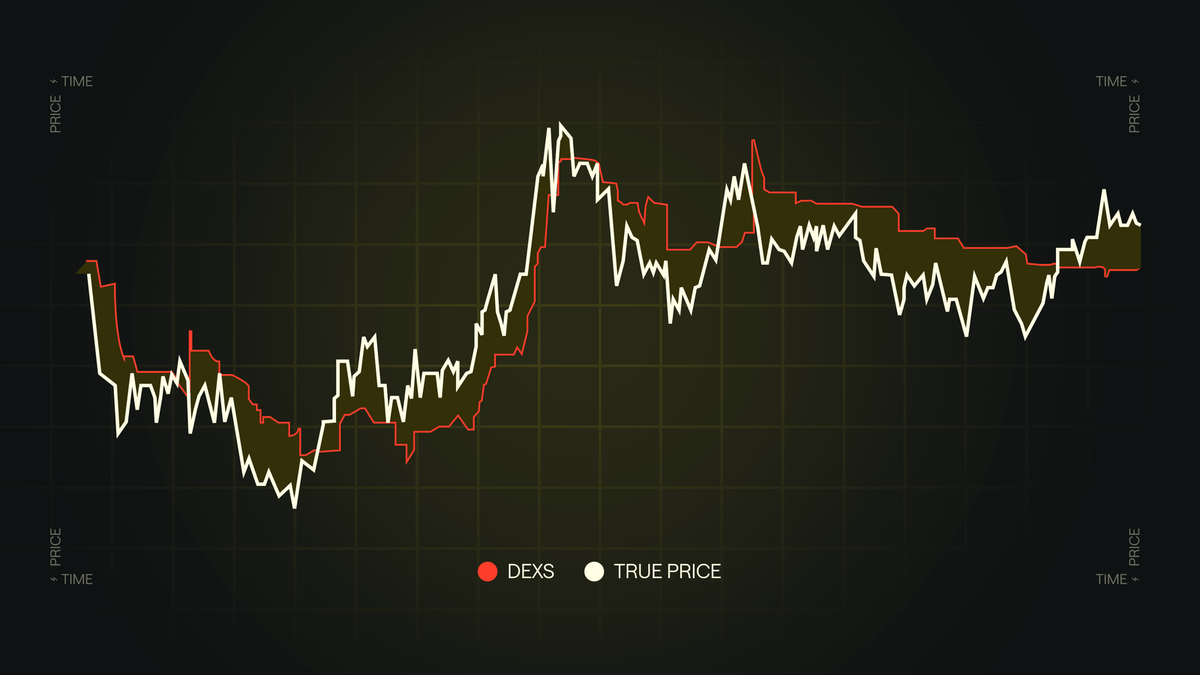
When markets are volatile, execution quality matters way more.
@BoltLiquidity gives Sui users access to deterministic, oracle-aligned pricing through Sui aggregators to reduce slippage and improve fill quality if you're trying to get in or out of a spot position.
1
4
15
440

Months of 'DeFi pricing is broken' tweets.
Now the receipts 👇
Jun 3
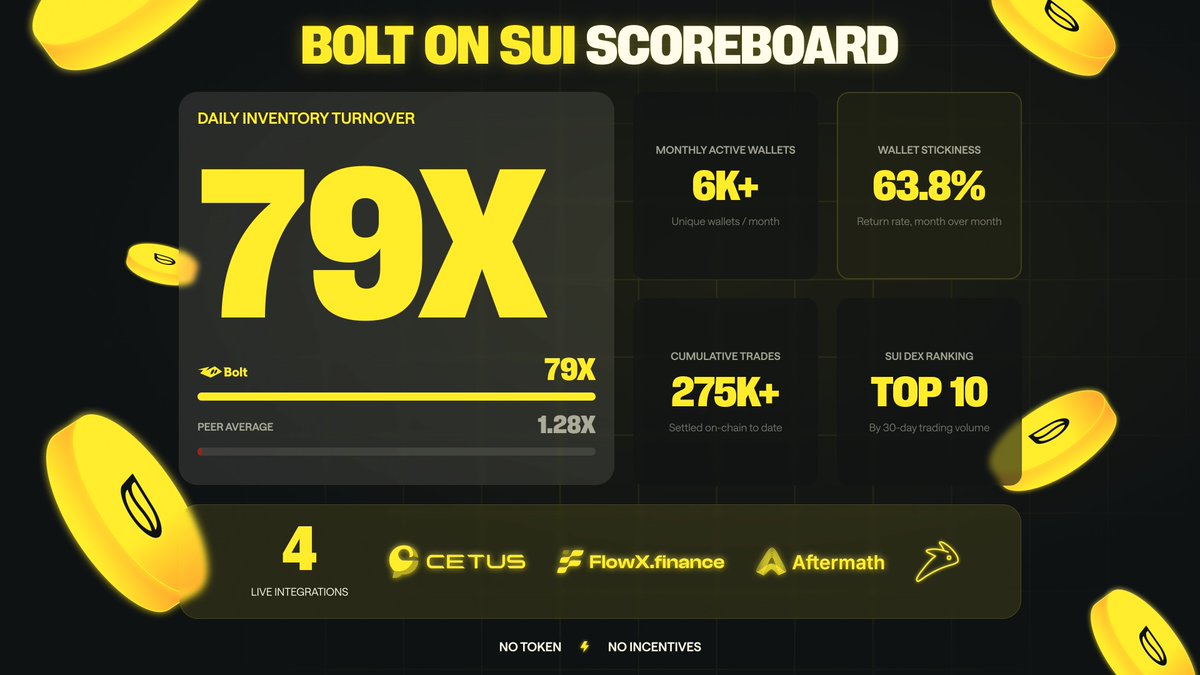
79x daily inventory turnover. Peer average: 1.28x.
No token. No incentives.
The first Bolt Scoreboard.
5
148
Ask your favorite protocol how many wallets they'd keep if they turned off incentives tomorrow.
Jun 2
10,000 wallets.
No airdrops. No points programs. No incentive spend.
When execution quality is the product, users find it.

4
53
Bolt's core innovation is decoupling pricing from liquidity depth, allowing DeFi applications to finally produce predictable outcomes.

6
85
straight into my veins pls

1
56
john retweeted

May 26
The DeFi execution debate centers on speed.
Speed of what? A worse price, faster?
Execution quality starts with the price being right. Everything else is a distraction.
1
1
7
201
lol


1
1
50
today i chose violence
May 22
"Needing massive TVL to avoid terrible execution is not the flex you think it is."

2
26
I plan to finally roll out some of the many internal metrics we're observing around Bolt's radically efficient architecture.
Let's start with wallet stickiness 👇
People not only try Bolt, but they continue using it.
May 21
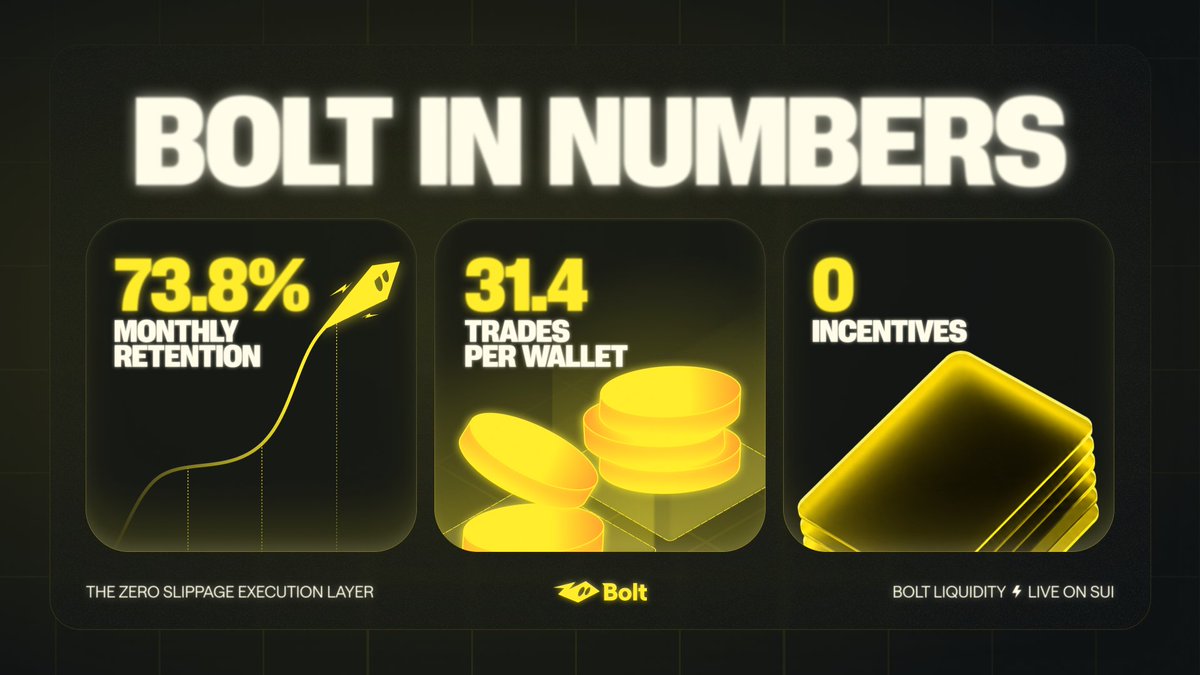
Wallets don't come back for narratives. They come back for quality fills.
~73% of Bolt wallets return monthly.
~31 average trades per wallet (and counting).
1
7
71