
Techno Optimist | Orbital Solar | POLYMARKET
Joined December 2021
- Tweets 10,529
- Following 3,517
- Followers 1,400
- Likes 203,993
381 Photos and videos



Pinned Tweet

23 Nov 2025
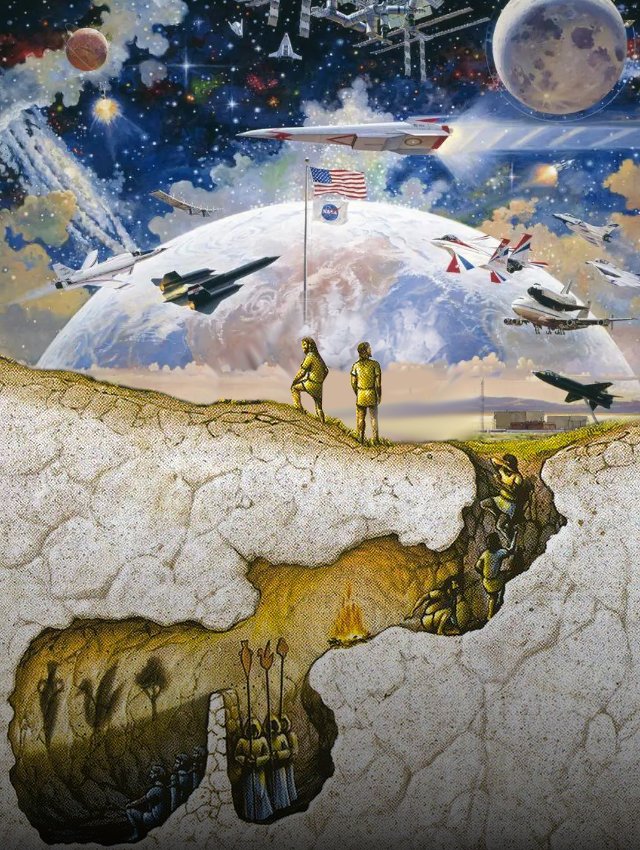
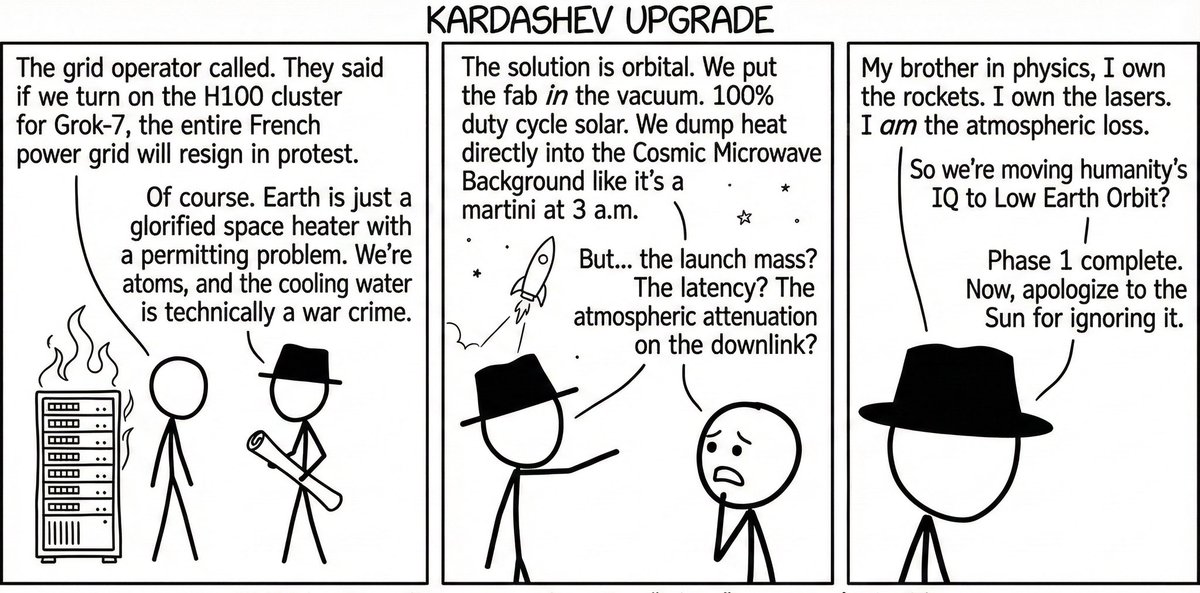
Earth is just Glorified space heater with permitting problem
4
1
25
4,148
Bison Head retweeted

Jun 12
> you’ll never start a rocket company
> you’ll never build your own engines
> you’ll never be able to use off-the-shelf parts
> you’ll never survive three launch failures
> you’ll never reach orbit
> you’ll never win NASA’s trust
> you’ll never launch cargo to the ISS
> you’ll never compete with Boeing
> you’ll never compete with Lockheed
> you’ll never make rockets reusable
> you’ll never land a rocket vertically
> you’ll never land one on a drone ship
> you’ll never reuse a booster
> you’ll never fly the same booster 10 times
> you’ll never fly the same booster 20 times
> you’ll never fly the same booster 30 times
> you’ll never recover and reuse the fairing
> you’ll never lower launch costs
> you’ll never launch every month
> you’ll never launch every week
> you’ll never launch multiple times a week
> you’ll never carry astronauts
> you’ll never replace Roscosmos
> you’ll never fly civilians to orbit
> you’ll never manufacture satellites at scale
> you’ll never build the biggest constellation ever
> you’ll never make satellite internet work
> you’ll never make satellite internet fast
> you’ll never make satellite internet affordable
> you’ll never serve rural customers
> you’ll never serve aircraft and ships
> you’ll never build a methane rocket engine
> you’ll never make full-flow staged combustion work
> you’ll never build the most powerful rocket ever
> you’ll never build a rocket bigger than Saturn V
> you’ll never build it out of stainless steel
> you’ll never launch Starship
> you’ll never separate Super Heavy and Starship
> you’ll never relight Raptor in space
> you’ll never bring Super Heavy back
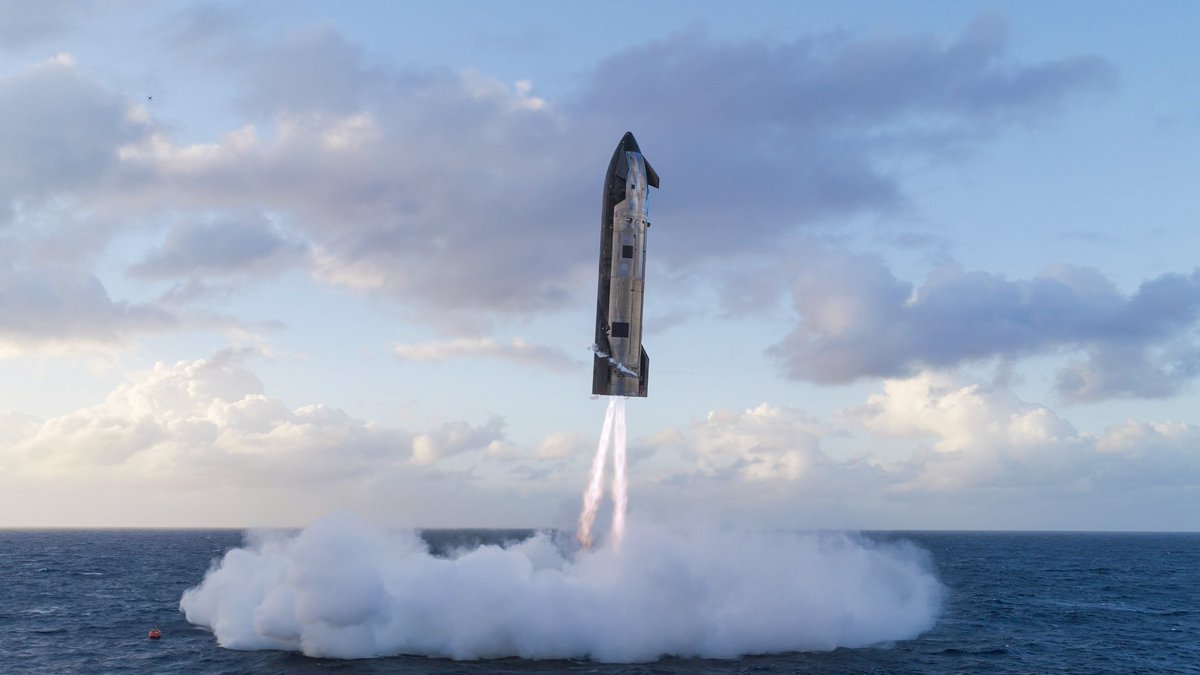
> you’ll never catch a booster with Mechazilla tower arms
> you’ll never launch 85% of mass to orbit worldwide
> you’ll never change the economics of space
> you’ll never force the entire industry to copy you
> you’ll never win
> you’ll never IPO
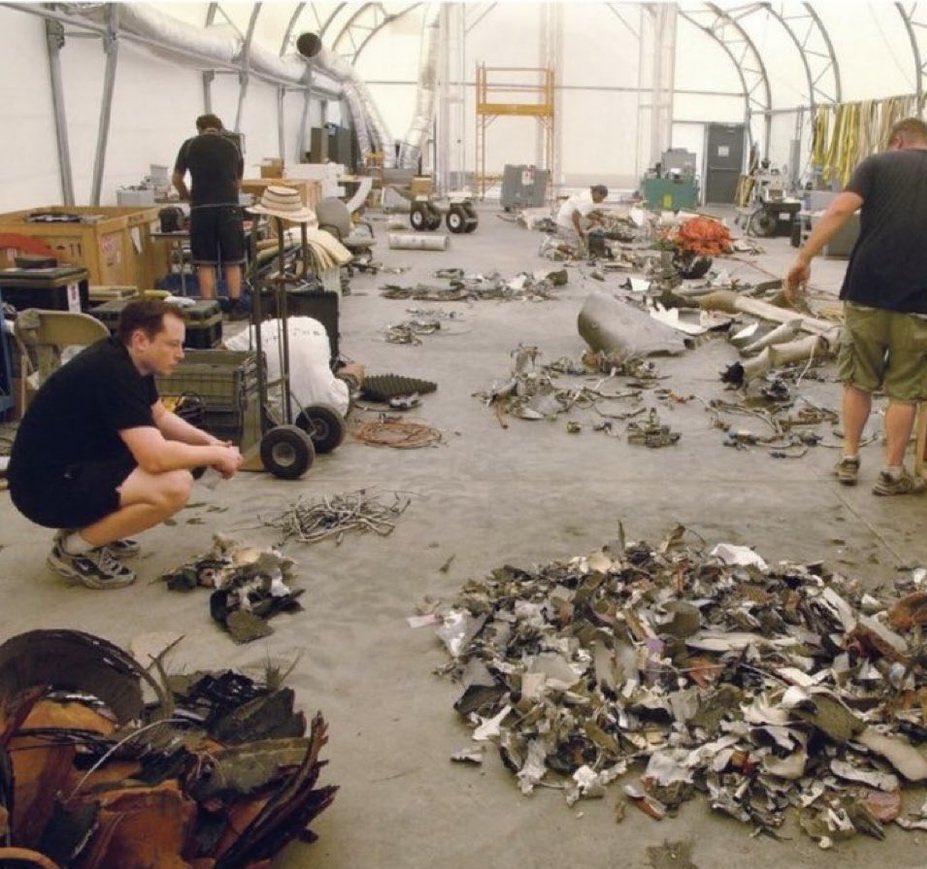
Congratulations to @elonmusk and the SpaceX team. You did what countless people said was impossible, and you did it time and time again.
Today is your day. You deserve this. May it be a glorious one.
606
5,658
26,223
1,692,484

Bison Head retweeted

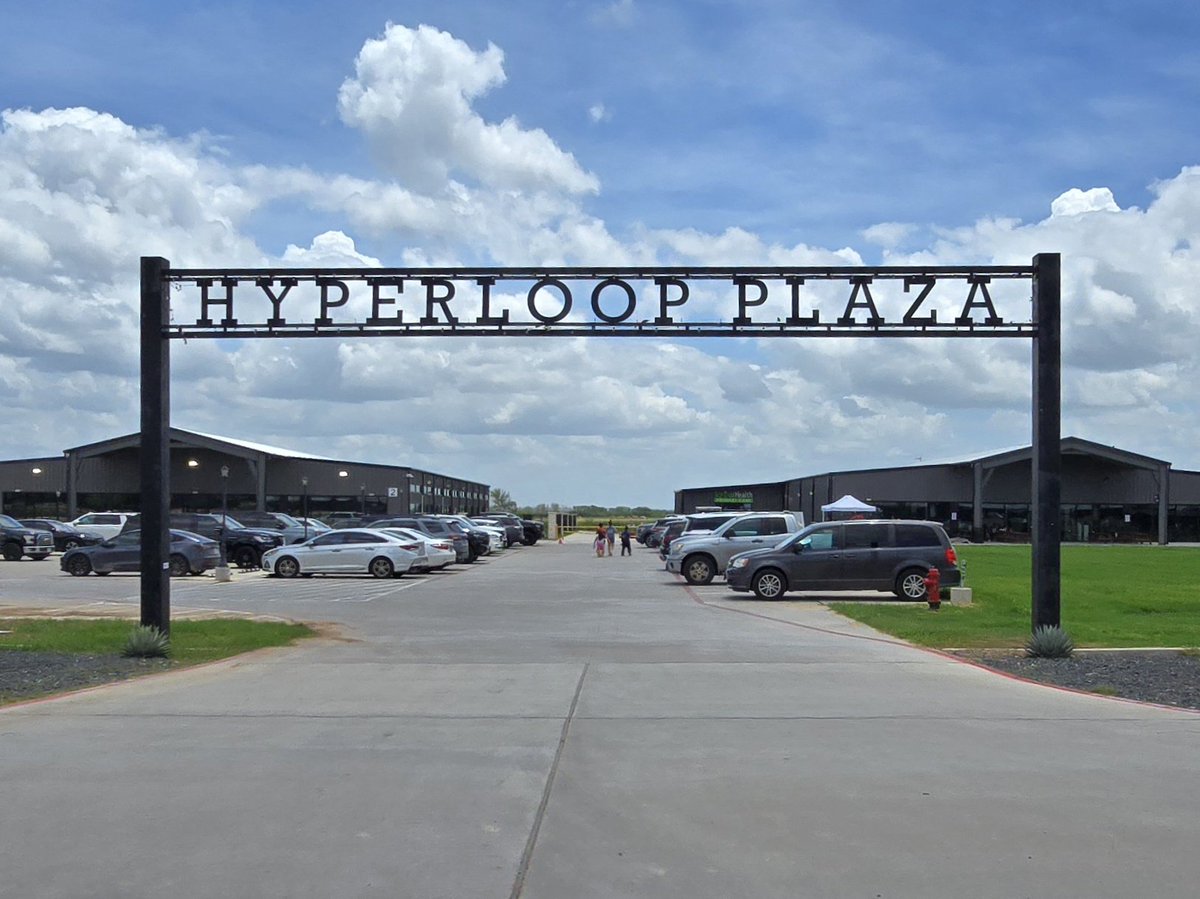
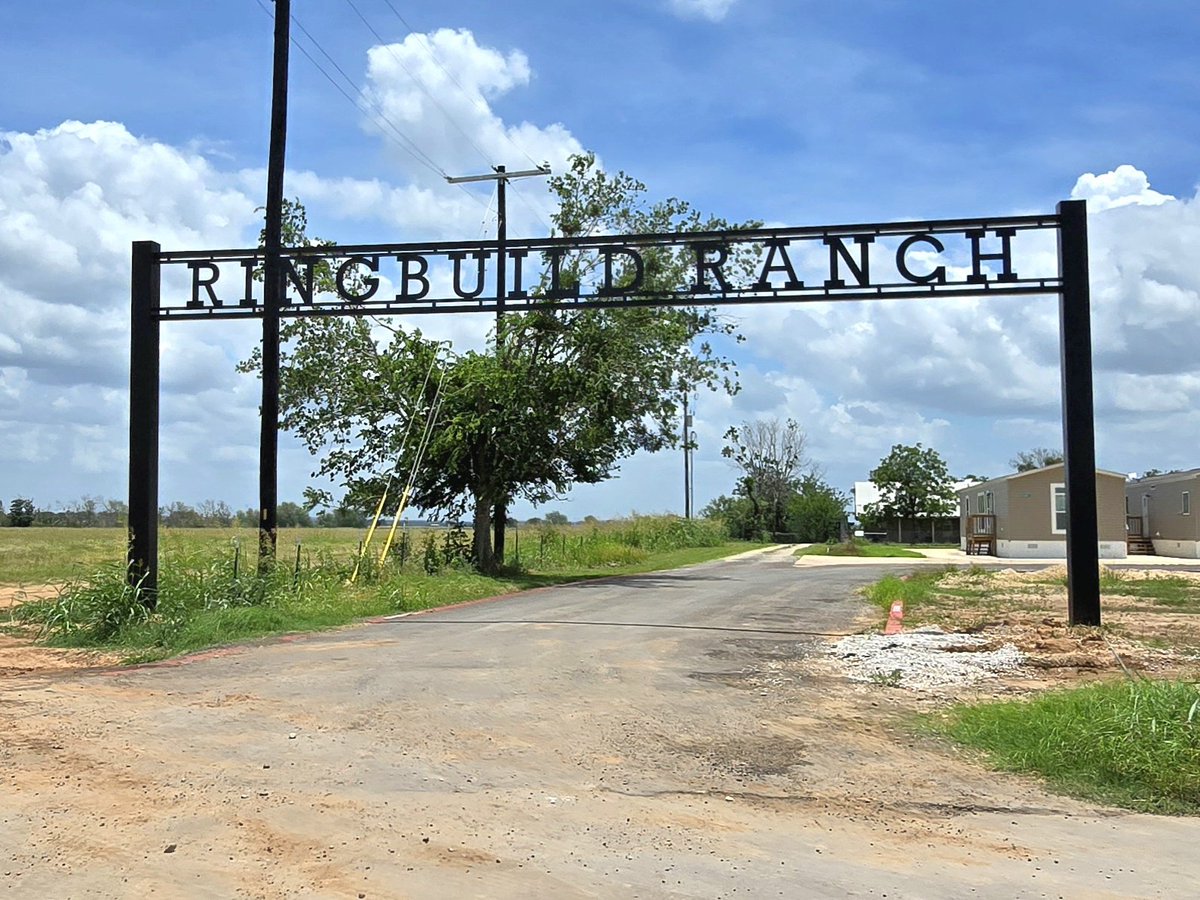
Hyperloop Plaza and the new Ringbuild Ranch across from the SpaceX Starlink Factory in Bastrop
8
8
123
5,856

Bison Head retweeted

Jun 8
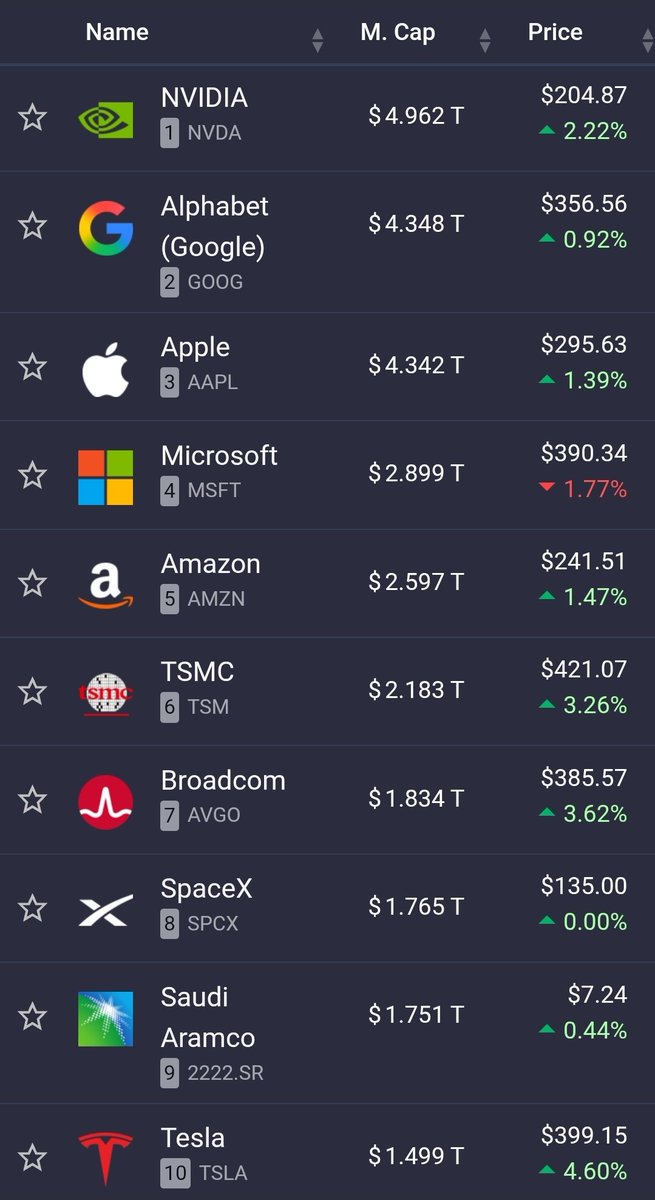
Cathie Wood said $SPCX has “10-year lead” in reusable rockets while competitors like Blue Origin are still struggling to relaunch successfully.
She also said Starlink’s profitability could be “astonishing” as SpaceX scales satellite internet business.
114
78
996
166,367
Bison Head retweeted

4h
这条关于“星舰女王”郭璨的帖子爆了,我也算是蹭到了一点SpaceX 世纪IPO的热度,谢谢郭璨。刚才找到一条她工作时的视频,分享给大家,一睹其风采。
郭璨是SpaceX 的发射控制工程师,因纪录片中“花臂 吊带”形象与硬核工作反差走红,被网友称为“星舰女王”。
她担任任务控制室关键角色,负责火箭发动机参数实时监测、发射流程指令管控,异常时有权下达中止指令,是保障星舰试飞安全的核心环节!20多岁时编写代码优化发射控制逻辑,提升流程自动化与数据,打破工程师刻板印象,成为年轻女性投身航天的榜样,推动行业对“实力不看外貌”的认知。
@SpaceX $SPCX @XCreators @elonmusk @mayemusk @grok @xai @Tesla
15h

SpaceX上市,刷屏全网的亚裔女孩郭璨彻底火了,她现在的身价是多少呢?
郭璨27 岁任 SpaceX 星舰发射控制工程师,手握发射终止大权,工科硕士功底过硬。
根据SpaceX的招聘信息推算,她年薪现金约 13 万美元,远低于硅谷同行,但持股 8–15 万股。按 IPO 价 135 美元算,上市后身价约 1,500 万美元(≈1 亿人民币),是那位时薪 28 美元、在SpaceX上市后身价已经百万美金的焊工的 10 倍左右。昨天SpaceX收盘价格已经接近161美元了,郭璨的身价还在增加。
吊带、花臂纹身,打破传统精英刻板印象。马斯克的用人逻辑很简单:不看学历背景、穿搭样貌,只看能不能解决核心问题。
很多企业被“外表规矩”困住,而真正的人才,从来不需要标签定义价值。
@SpaceX @grok @xai @XCreators @elonmusk



5
19
88
19,543

Bison Head retweeted

Jun 12
amongst other misperceptions I think the entire aerospace industry has been colored in profound structural ways by high cost to launch and geostationary satellite design.
every engineering process was designed around creating multi-layered protections against component failure because there was such a high fixed cost to lofting those components.
If you're spending a $20k per kg to put the thing up, and in the event of failure your next chance to loft the asset will be year's away, then it makes sense to massively over-engineer the asset.
In low earth orbit, as well, you need thousands of duplicated assets with rated lives measured in years not in decades.
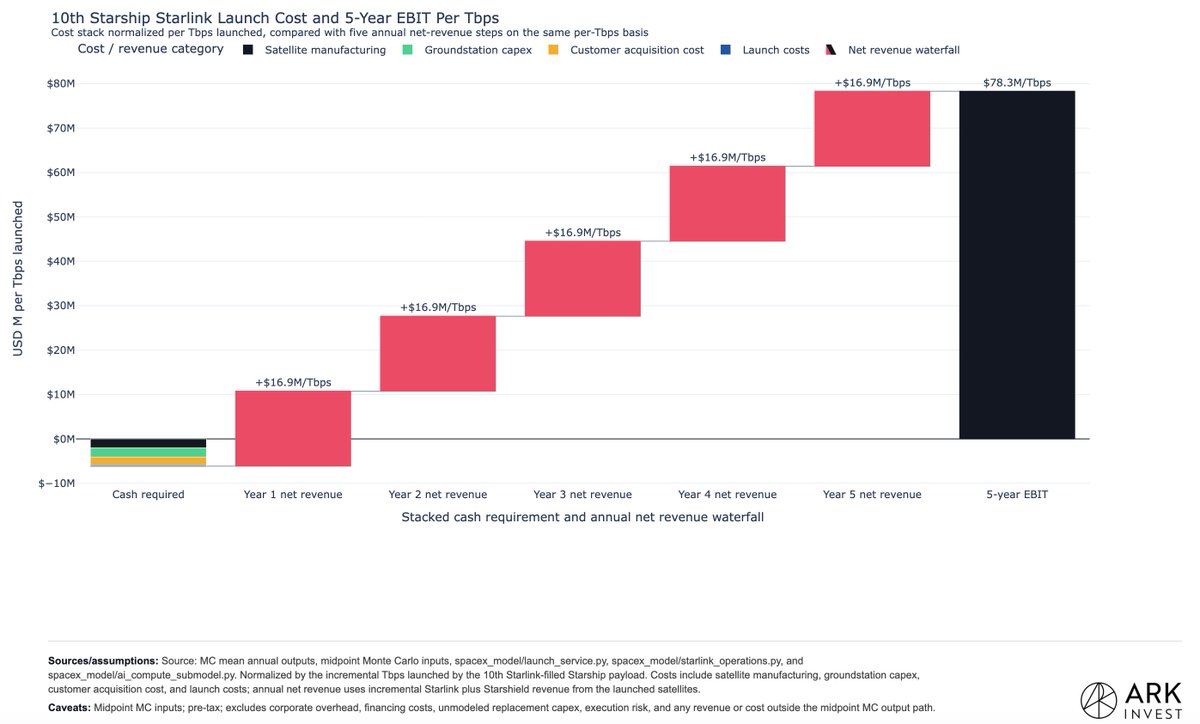
with starship and starlink, most of the cost is not fixed cost of launch, its in the payload bay.
Cost to launch should get below $100 per kg and you may be able to relaunch next week (if something goes wrong.) Cost to manufacture starlink v3, we think will start at ~$1,000 per kg. Associated groundstation capex for the incremental bandwidth is also much more meaningful relative to the cost of launch.
Net you are fine trading off reliability vs cost since you have to design for failure anyway (given thousands of assets) and sacrificing 1% reliability for 5% cost savings is a huge win.
This runs counter to everything that the industry has internalized over 50 years, so it has allowed SpaceX to continue to run orthogonally for nearly a decade.
With starship and v3 starlink we should begin to see the fruits of that labor really come to pass.
3
22
100
6,181
Bison Head retweeted

.@Starcloud_ CEO @PhilipJohnston expects SpaceX to have a "near monopoly on launch" for the next 5–10 years:
"Starship is way ahead of any other program."
"The manufacturing that they're ramping up is insane—like building three Starships per day potentially with their gigafactories."
"The problem with Blue Origin's rocket is, they don't have a reusable upper stage. As I understand, they're not even really trying to build a reusable upper stage."
"The way they talk about pricing is they say, 'We will be as good as the next best price from Falcon 9.'"
"Which, for people who don't know, the next best price from Falcon 9 is like 5x the price of Falcon 9."
3
13
143
12,321
Bison Head retweeted
15h
SpaceX上市,刷屏全网的亚裔女孩郭璨彻底火了,她现在的身价是多少呢?
郭璨27 岁任 SpaceX 星舰发射控制工程师,手握发射终止大权,工科硕士功底过硬。
根据SpaceX的招聘信息推算,她年薪现金约 13 万美元,远低于硅谷同行,但持股 8–15 万股。按 IPO 价 135 美元算,上市后身价约 1,500 万美元(≈1 亿人民币),是那位时薪 28 美元、在SpaceX上市后身价已经百万美金的焊工的 10 倍左右。昨天SpaceX收盘价格已经接近161美元了,郭璨的身价还在增加。
吊带、花臂纹身,打破传统精英刻板印象。马斯克的用人逻辑很简单:不看学历背景、穿搭样貌,只看能不能解决核心问题。
很多企业被“外表规矩”困住,而真正的人才,从来不需要标签定义价值。
@SpaceX @grok @xai @XCreators @elonmusk
181
223
2,366
694,244
Bison Head retweeted

Jun 12
Last week, I attended the @ElonMusk and Jamie Dimon @SpaceX discussion at J.P. Morgan. Jamie asked Elon how he had changed over the past 20 years as a leader and a person.
Elon's answer wasn't about success. It was about what's next. He said he has learned a lot...has made mistakes and still has much to learn...
Then he added, “I think maybe the future AI will say ‘not bad for a human’."
Elon, thank you so much for what you've done for humanity. Congrats to you, @Gwynne_Shotwell, @BretWJ, and the entire team. What is even more remarkable... this feels like day one, that you are just getting started.
PS. When people ask "what is the next SpaceX and who is the next Elon?" Simple answer.
There is NO NEXT!!!
Elon Musk is a mensch!
367
1,677
8,962
900,151
Bison Head retweeted
Jun 7
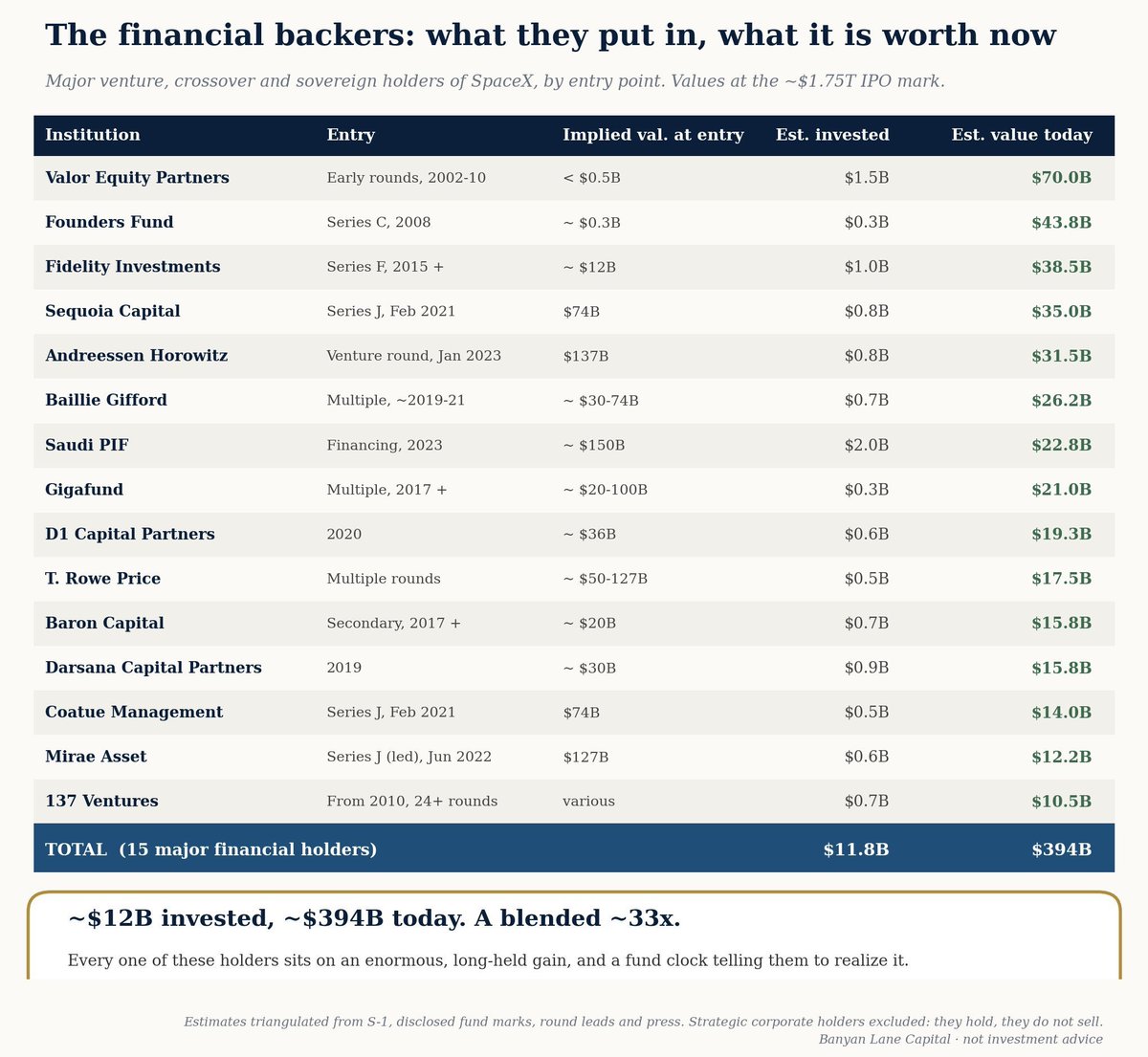
Billionaire investor Ron Baron says he placed a $1B order for $SPCX IPO shares and has no plans to sell in his lifetime.
He believes SpaceX can grow to ~$20T over the next 10-15 years with Starlink alone potentially doing $1T in annual revenue.
217
247
2,795
494,265

How can 4 million tons of coal just disappear?
Every day, corruption in this country surprises me.
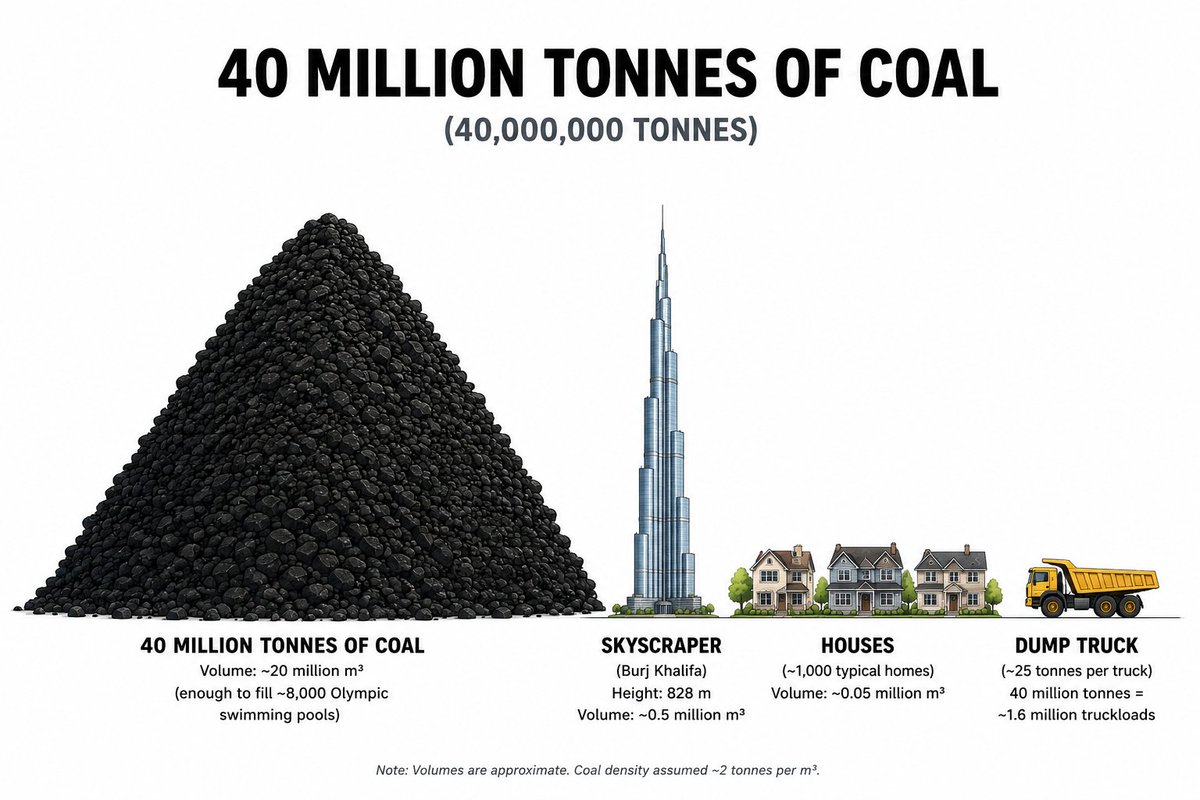

COAL MINISTER G KISHAN REDDY FLAGS REPORTED DISAPPEARANCE OF 40 LAKH TONNES OF COAL, SEEKS URGENT PROBE INTO SCCL
46
662
3,200
42,049

SpaceX president @Gwynne_Shotwell reveals over half of all 22,000 employees bought an extra $1,000,000,000 of stock in their own $SPCX IPO
"We're about 22,000 strong. I'm super proud that over half of us actually bought additional stock in this opening, totalling a billion dollars"
"The thank-you go to all of you for hanging in there, for keeping a straight spine as the doubters doubt, to achieve historic things every day"
5
5
115
8,550
Bison Head retweeted

इथेनॉल पेट्रोल का खेल देखिए, जनता को मूर्ख कैसे बनाया जा रहा है, नितिन गडकरी देश के लोगों को कैसे अंधकार में झोंके हुए हैं और मोदी जी की आँख देख नहीं पा रही है।।
इसके बावजूद भी पेट्रोल मंहगा हो रहा है!
#इथेनॉल #petrol #India
Jun 13

#Ethanol
आप क्या कहेंगे नितिन गडकरी कितना अकेले कमा रहे हैं इस बिजनेस से?
क्या भारत के लोगों को नितिन गडकरी चूना लगा रहे हैं ?
🐝 🐝 🐝 🐝 🐝 🐝 🐝 🐝 🐝 🐝
#E85
183
2,717
6,467
1,043,046

Bison Head retweeted

GADKARI APPROVES LEGAL USE OF 100% ETHANOL, CALLS IT A MAJOR ALTERNATIVE TO PETROL
INDIA CLEARS 100% ETHANOL FUEL AS AUTOMAKERS PREPARE TO LAUNCH COMPATIBLE VEHICLES
TOYOTA, SUZUKI, HYUNDAI AND MG TO ROLL OUT 100% ETHANOL-COMPATIBLE CARS AFTER POLICY APPROVAL
147
86
911
126,318