
Joined November 2023
- Tweets 16,349
- Following 2,428
- Followers 667
- Likes 123,652
2,775 Photos and videos



Pinned Tweet

Jan 15
@HouseDemocrats @HouseGOP @SenateDems @SenateGOP @jpmorgan @Citibank @BankofAmerica @WellsFargo @usbank @TruistPark @PNCBank @GoldmanSachs @MorganStanley @MerrillLynch @CapitalOne
"Banking establishments are more dangerous than standing armies..." Thomas Jefferson
2
3
10
752
Crypto1775 retweeted
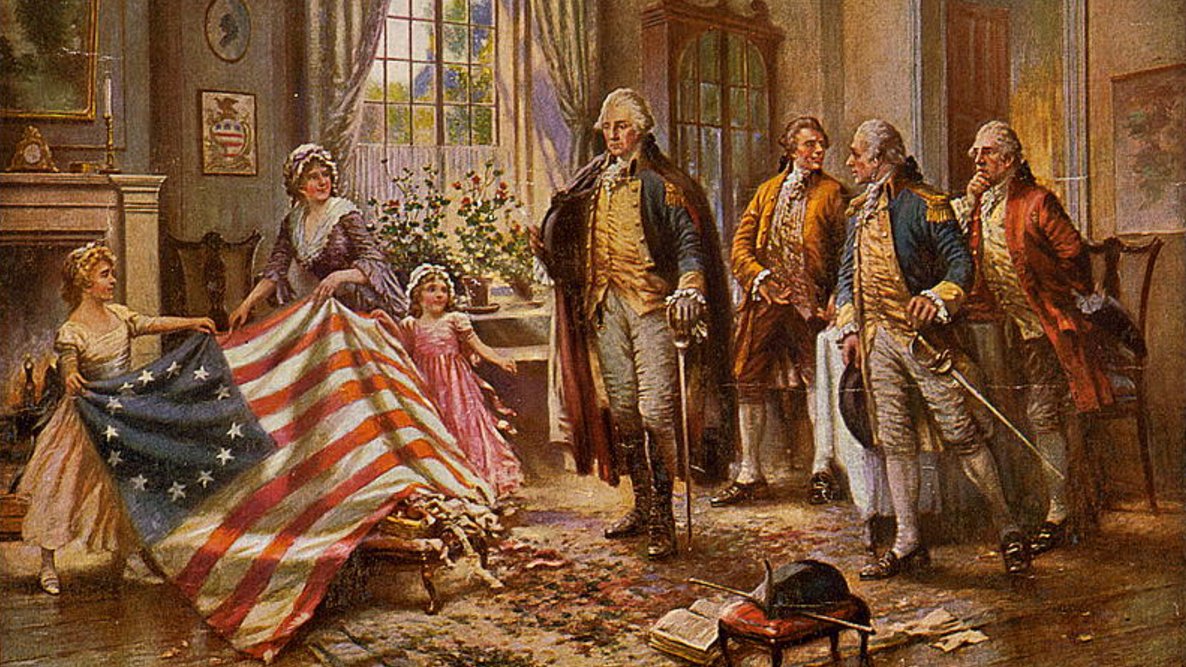
On this day in 1777, the United States chose its flag in one sentence, and the men who voted on it had no idea what they had just done.
The timing could not have been worse. The country was barely a year removed from declaring independence and it was losing. The British had taken New York. Washington's army was battered and short on everything. Congress was drowning in crises: no money, restless officers, a war that might collapse at any moment. Survival, not symbolism, was the daily business.
Yet on June 14, 1777, in the middle of all that, the Marine Committee tucked a brief resolution into the day's work. The full text was almost absurdly simple. "Resolved, that the flag of the thirteen United States be thirteen stripes, alternate red and white, that the union be thirteen stars, white in a blue field, representing a new constellation."
That was the entire thing. No record of debate. No designer credited. The popular story that Betsy Ross sewed the first one is a charming legend that appeared a full century later, told by her grandson, with no solid evidence behind it. The resolution did not even specify how the stars should be arranged, which is why early American flags came in wild variety, stars in circles, rows, and scattered patterns, each maker improvising.
These exhausted men, fighting for their lives, voting between a dozen other emergencies, accidentally created one of the most recognized symbols on the planet. That flag would go on to survive a civil war, fly through two world wars, get planted on the summit of Mount Everest, and be driven into the gray dust of the moon, where it still stands today.
249 years ago it was a single afterthought in the minutes of a desperate Congress. That sentence is why we celebrate Flag Day. Happy Flag Day.
9
21
375
Crypto1775 retweeted

The "peace deal" didn't even last one minute.
As always, Trump is completely delusional. Every time he announces a peace deal, Israel sabotages it.
This will continue ad infinitum, or until either Trump or Netanyahu is out of the picture.

🚨 BREAKING
🇮🇷IRAN WILL LAUNCH NEW STRIKES ON ISRAEL AFTER THE BEIRUT ATTACK.
ALSO, THE US-IRAN PEACE MEMORANDUM SIGNING IS GETTING REJECTED.
THIS IS EXTREMELY BAD FOR MARKETS...
68
144
369
8,533
Crypto1775 retweeted

13h
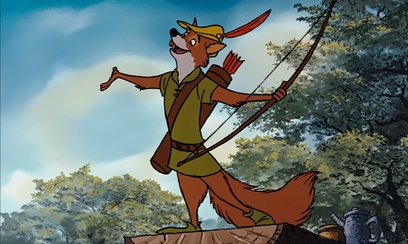
>Plot centers entirely around fighting extreme government taxation and overreach
>The Sheriff of Nottingham literally collects taxes from the church poor box
>Friar Tuck gets so fed up with the state disrespecting the Church that he physically throws hands with the Sheriff
>Casts the Crusades in a positive light
>Male protagonist who risks his life for his people
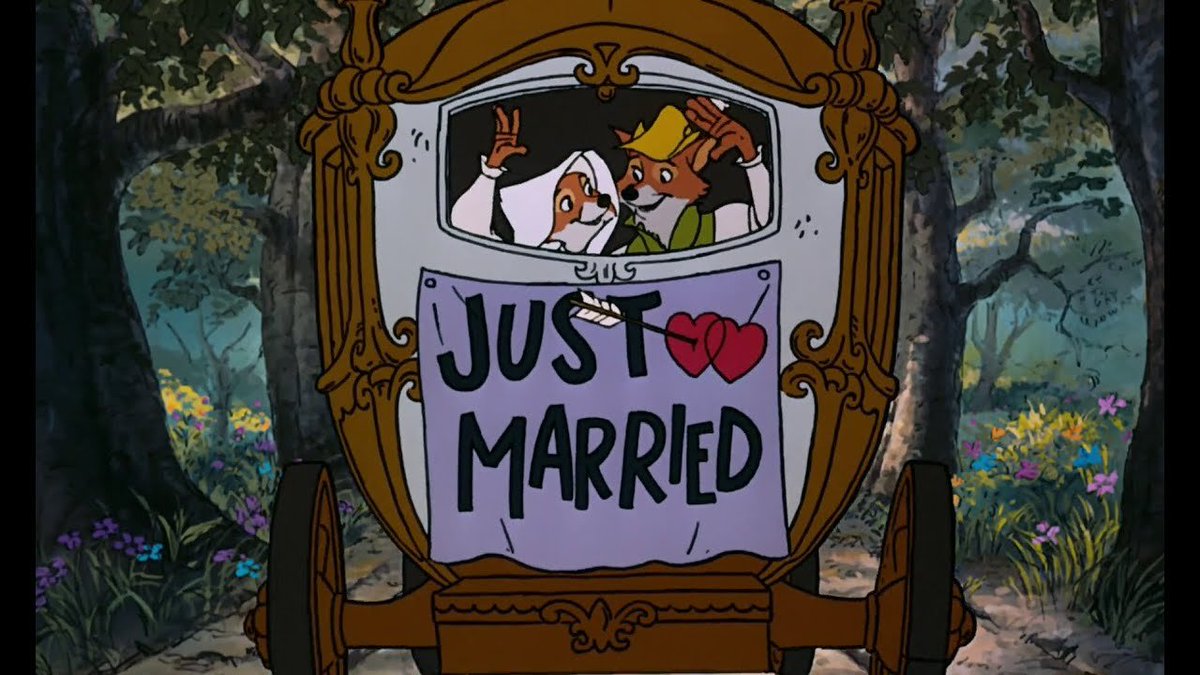
>Unapologetically traditional romance with Maid Marian without any modern subversion
>Climax is literally a raid to break political prisoners out of a corrupt jail
>Story resolves when the rightful, divinely-appointed monarch returns from the Holy Land to crush the corrupt politicians
>Ends with a beautiful church wedding and a happily ever after
We need to make Kid's stories based again
165
1,588
15,388
208,501
Crypto1775 retweeted
A-. He defeated the most powerful military in the world at the time. He did this with no navy and no experience in strategic command.
I would be critical of Washington during the Long Island Campaign and at Brandywine. Howe defeats Washington every time in direct confrontation.
1
1
2
13
Crypto1775 retweeted
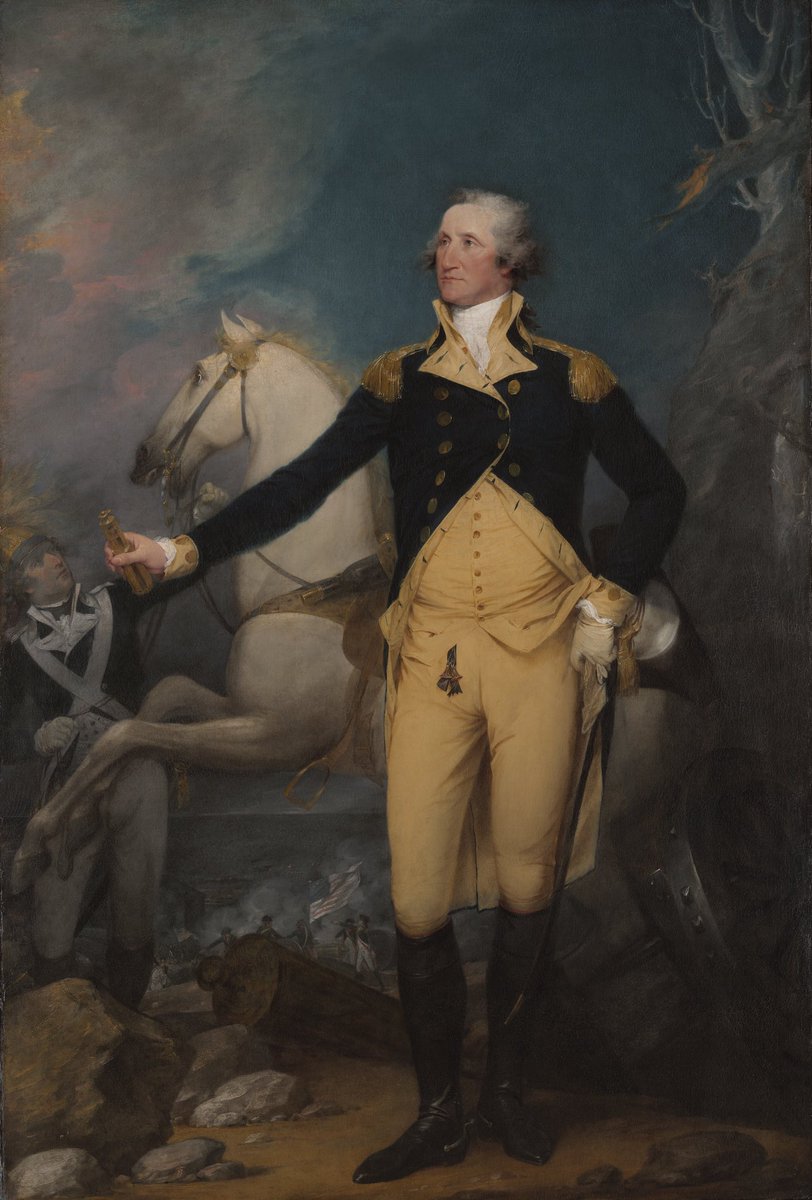
How would you grade George Washington’s command of the Continental Army?
54
5
80
4,657
Crypto1775 retweeted

Jun 11
I’ve paid over $150k into social security
So boomers can enjoy their retirement
Social security runs out of $$$ by 2032
Who is paying to make sure millennials can enjoy their retirement? 🤔
1,673
204
2,232
223,351
Crypto1775 retweeted
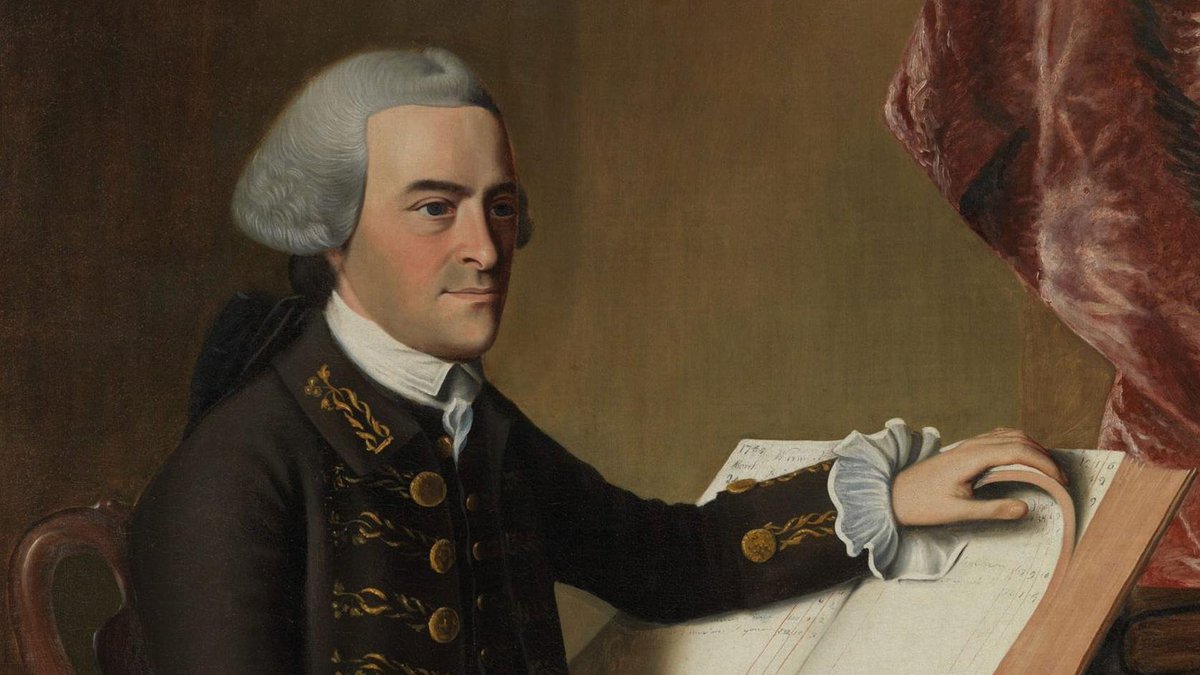
Everyone knows John Hancock for his giant signature. Almost nobody knows the actual man, and his real life was wilder than the legend.
He was an orphan. His father died when he was 7, and he was taken in by his uncle Thomas, the richest merchant in Boston. John was groomed to run the family shipping empire, inherited the whole thing in 1764, and became one of the wealthiest men in all of America before most people his age owned anything at all.
He was also, by the crown's definition, a criminal. In 1768 the British seized his ship Liberty for smuggling, and Boston rioted in his defense. The man we now put on patriotic posters was, to London, a wealthy smuggler dodging customs.
He didn't just resent the crown quietly. He bankrolled resistance and became such a thorn that the British wanted him gone. On the night of April 18, 1775, when Paul Revere made his famous ride, the warning was not vague. He rode to Lexington specifically to warn two men that the British were coming to arrest them: Samuel Adams and John Hancock. The opening night of the Revolutionary War was, in part, a manhunt for Hancock.
Weeks later, General Gage offered a pardon to every rebel in Massachusetts who would lay down arms, with exactly two exceptions: Samuel Adams and John Hancock. Being left off that list was essentially a public death warrant.
Here is the part nobody tells you. As president of the Continental Congress, Hancock actually wanted to be named commander of the army himself. He sat in the chair and watched as the Adams cousins instead rose to nominate George Washington. He was reportedly stung by it. Then he did the thing most people never manage. He swallowed his pride, signed Washington's commission, and spent the next eight years pouring his personal fortune into the war he could not lead.
So when Hancock signed the Declaration of Independence first, big and bold across the top, it was not a cute flourish. He was already a hunted man with a price on his head, putting his name, his fortune, and his neck on the line before anyone else dared lift a pen.
And that famous line about signing large "so King George can read it without his spectacles"? He almost certainly never said it. It is a myth stitched onto him generations later. The real story is better. He just signed first, as president, knowing exactly what it could cost him.
The flamboyance was real, though. He lived in princely splendor in a granite mansion on Beacon Hill overlooking the harbor, with imported mahogany furniture and apricot trees shipped from Spain. In 1775 he married Dorothy Quincy, and the two became one of Massachusetts' first political celebrity couples, famous for endless lavish dinners that slowly drained his fortune.
He went on to become the first Governor of Massachusetts, serving roughly eleven years, and died in office in 1793. His funeral was one of the grandest ever given to an American up to that point. Samuel Adams declared the day a state holiday.
The orphaned smuggler with a target on his back had become the face of American defiance.
That is why, 250 years later, we still say "put your John Hancock right here."
15
245
824
13,514
Crypto1775 retweeted
Anyone who believes a word Chicken Little Trump says is an imbecile. This man has cried wolf on Iran going on sixty times since the initial strike that murdered the Ayatollah & his family. Trump has zero honor & zero civility. He is a bitch of Netanyahu and the Epstein Class.
1
5
349
Crypto1775 retweeted

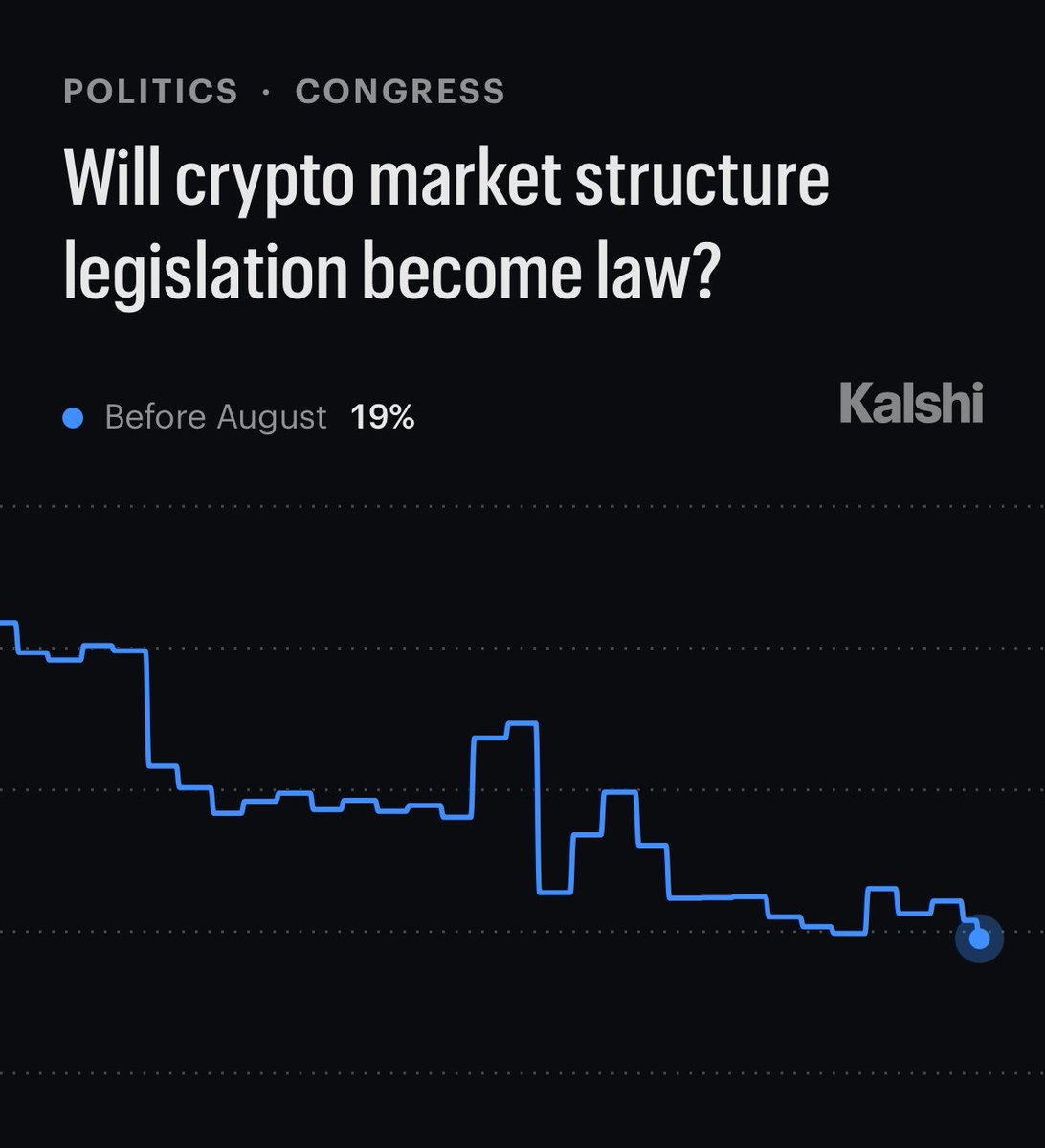
JUST IN: Odds of crypto market structure legislation becoming law before August have fallen to 19%, per Kalshi traders.
60
25
199
19,525
Crypto1775 retweeted

Mark it: crypto enters a bull market later this year, and the fuel is political. The hate against @elonmusk makes me very bullish bitcoin:native
The average person hates Elon and his success and they definitely hate AI!!!
The left will target AI bros next, AI stocks won’t continue to pump every day if politicians start floating 50% taxes on AI profits. USG already started with AI export controls.
The AI capital will rotate to crypto next…
51
26
398
21,044
Crypto1775 retweeted

Jun 12
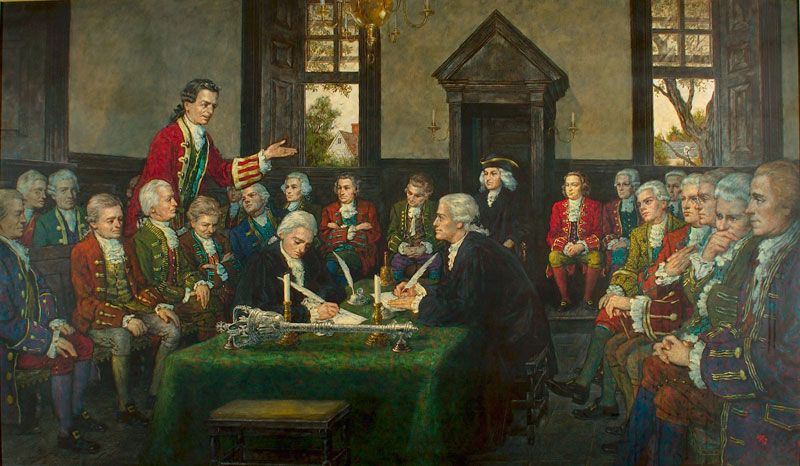
The most important American document you were never taught in school was adopted on June 12, 1776.
Three weeks before the Declaration of Independence, Virginia adopted the Declaration of Rights, written by a man most people can't name: George Mason.
Read the opening line: "All men are by nature equally free and independent and have certain inherent rights."
Sound familiar? Thomas Jefferson was writing the Declaration of Independence in Philadelphia at that exact moment, and he borrowed heavily from it.
Then it happened again. When James Madison drafted the Bill of Rights in 1789, he used Mason's document as his blueprint. Freedom of the press, religious liberty, no cruel and unusual punishment, jury trials. Mason had all of it first.
The document even crossed the ocean. Lafayette leaned on it when drafting France's Declaration of the Rights of Man in 1789.
And here's the kicker: Mason later refused to sign the Constitution. Why? It had no bill of rights and didn't end the slave trade. He died politically isolated for it. Then the country added the Bill of Rights, proving him right.
One Virginia farmer wrote the rough draft of American freedom, influenced two revolutions, and got almost zero credit.
250 years ago today. Raise a glass to George Mason.
26
548
1,658
36,110
Crypto1775 retweeted
Jun 13
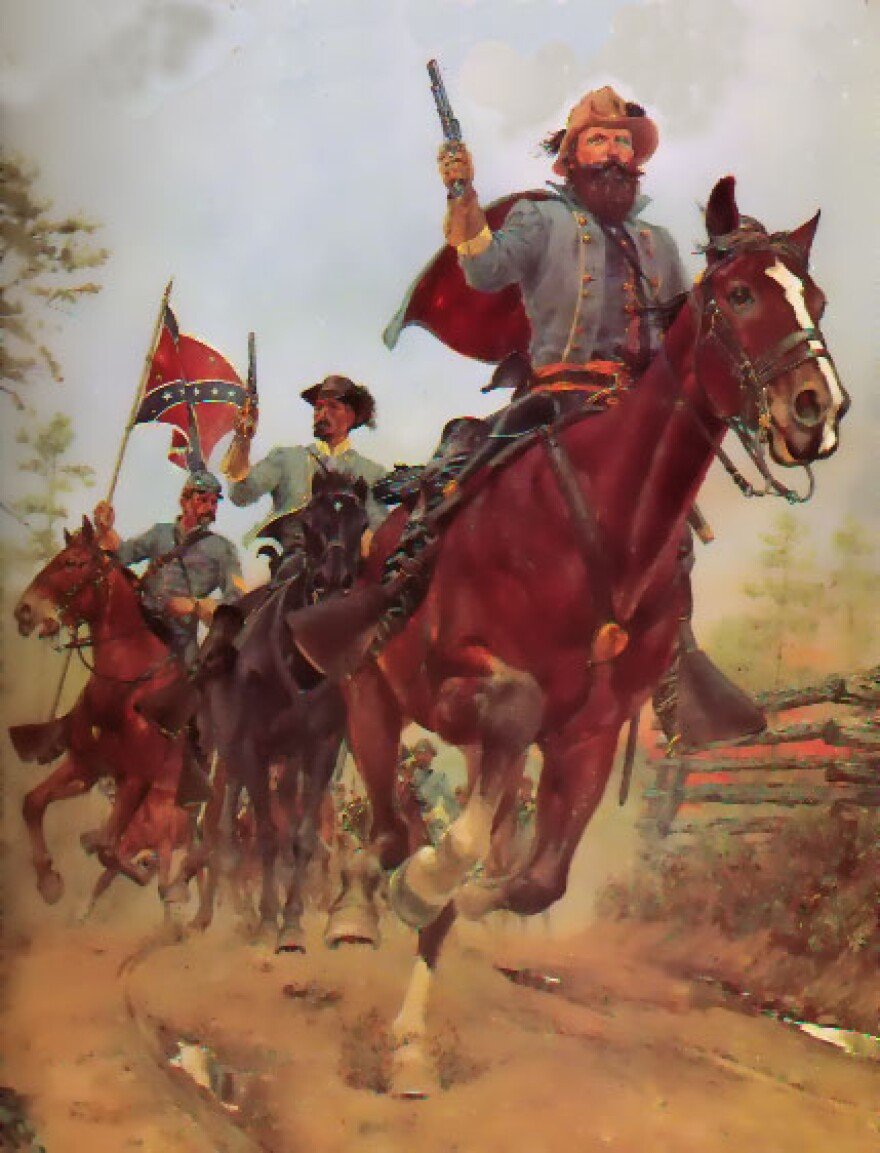
OTD in 1862: Day two of JEB Stuart's legendary ride around the entire Union army, and this is the day it turned from a scouting mission into a raid that humiliated the North.
Stuart had left Richmond on June 12 with 1,200 troopers. By the 13th he had already confirmed what Lee needed: McClellan's right flank was hanging in the air. Mission done. A sane man turns around.
Stuart instead decides to ride all the way around the 100,000-man Army of the Potomac, and on June 13 he goes to work. His men strike Tunstall's Station on the York River Railroad, McClellan's own supply line. They tear up track and ambush a Union supply train. The engineer guns the throttle and barrels through the gunfire to escape, but the message is sent: the Confederates are loose in the Union rear, hitting the railroad that feeds the whole invasion.
They burn wagons, capture supplies, and torch a massive Union depot. The glow is reportedly visible for miles. Union commanders are thrown into confusion, unsure how large this force is or where it will strike next.
The pursuit is led, almost unbelievably, by Brigadier General Philip St. George Cooke, who happened to be the father of Stuart's own wife. Stuart was riding rings around his father-in-law.
Total Confederate losses for the entire three-day ride: one man. Stuart came home a superstar, and the intelligence he gathered set up the Seven Days Battles that drove McClellan away from Richmond.
3
16
124
2,597
Crypto1775 retweeted

Jun 12
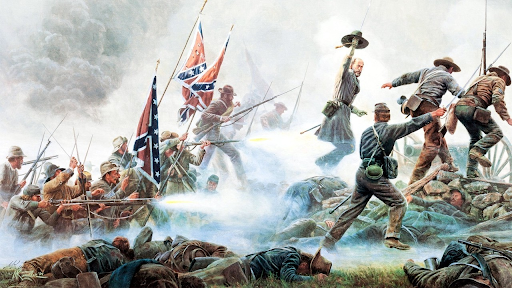
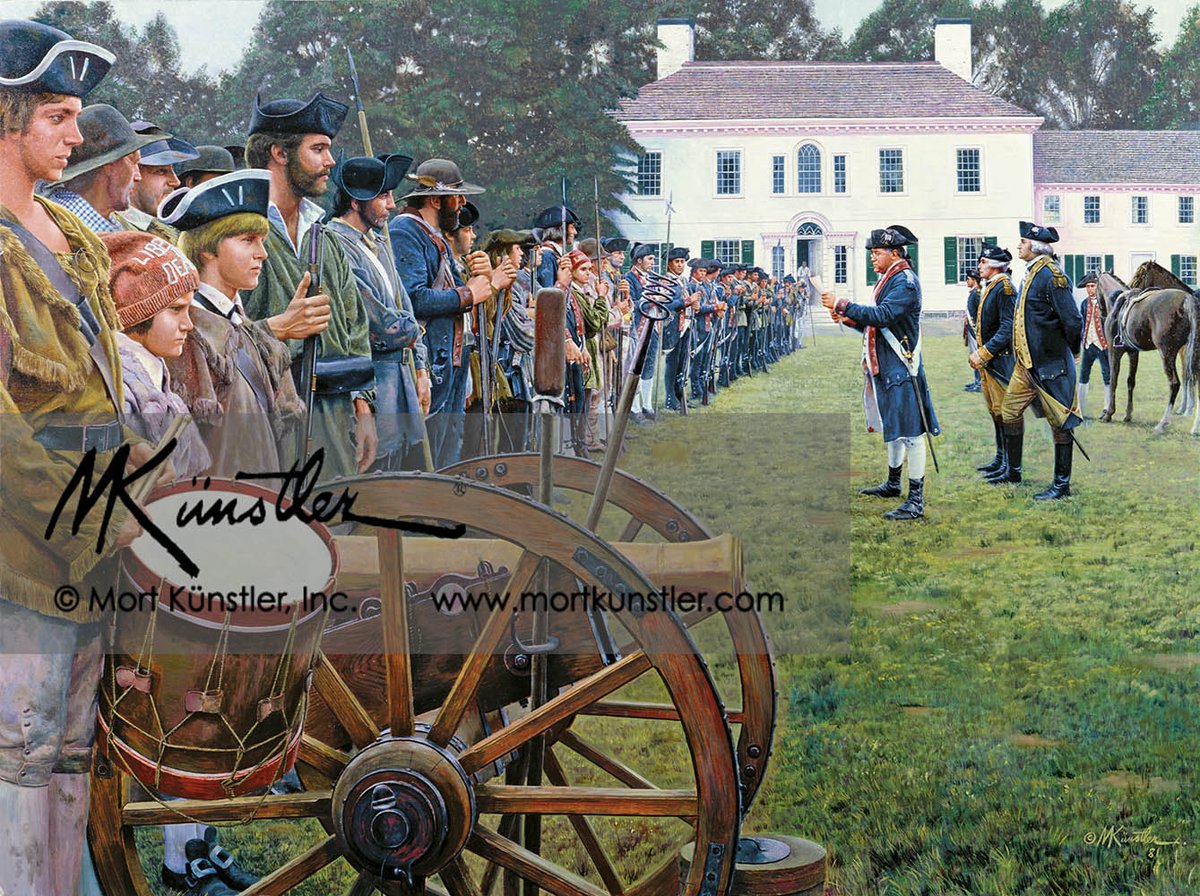
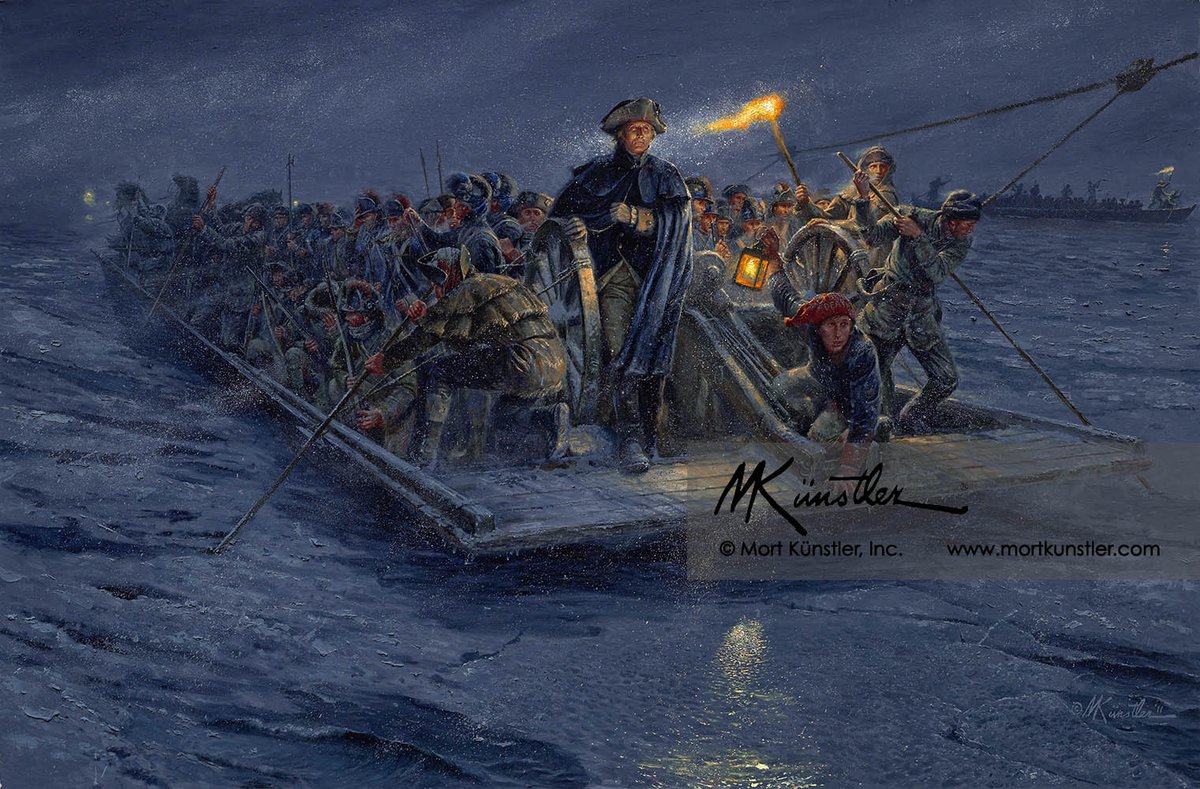
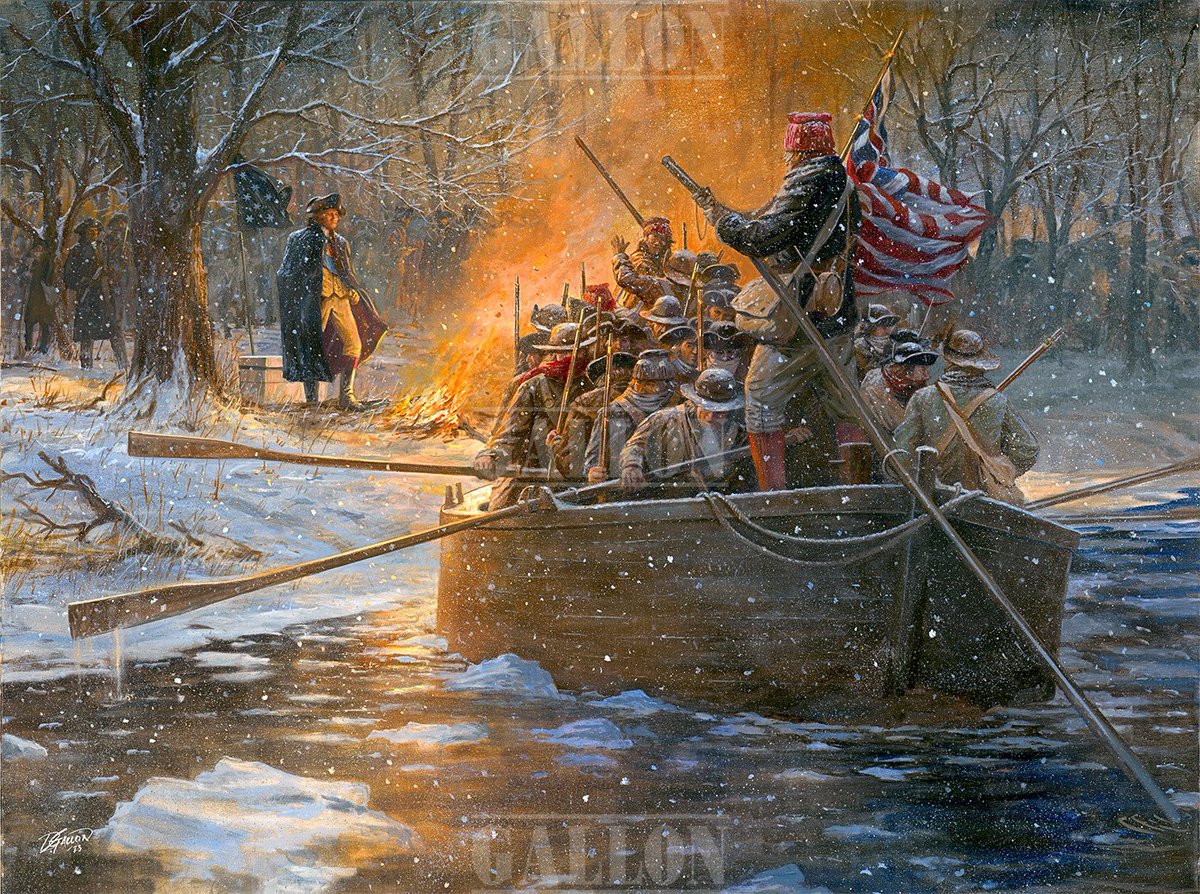
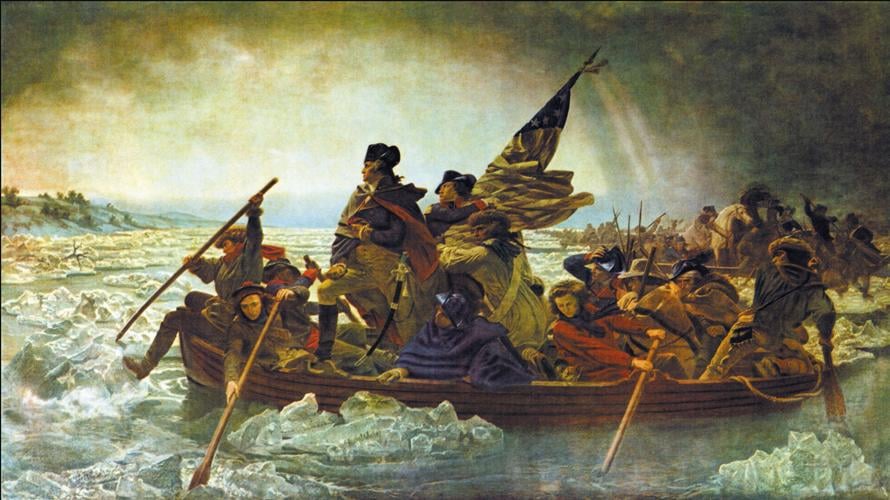
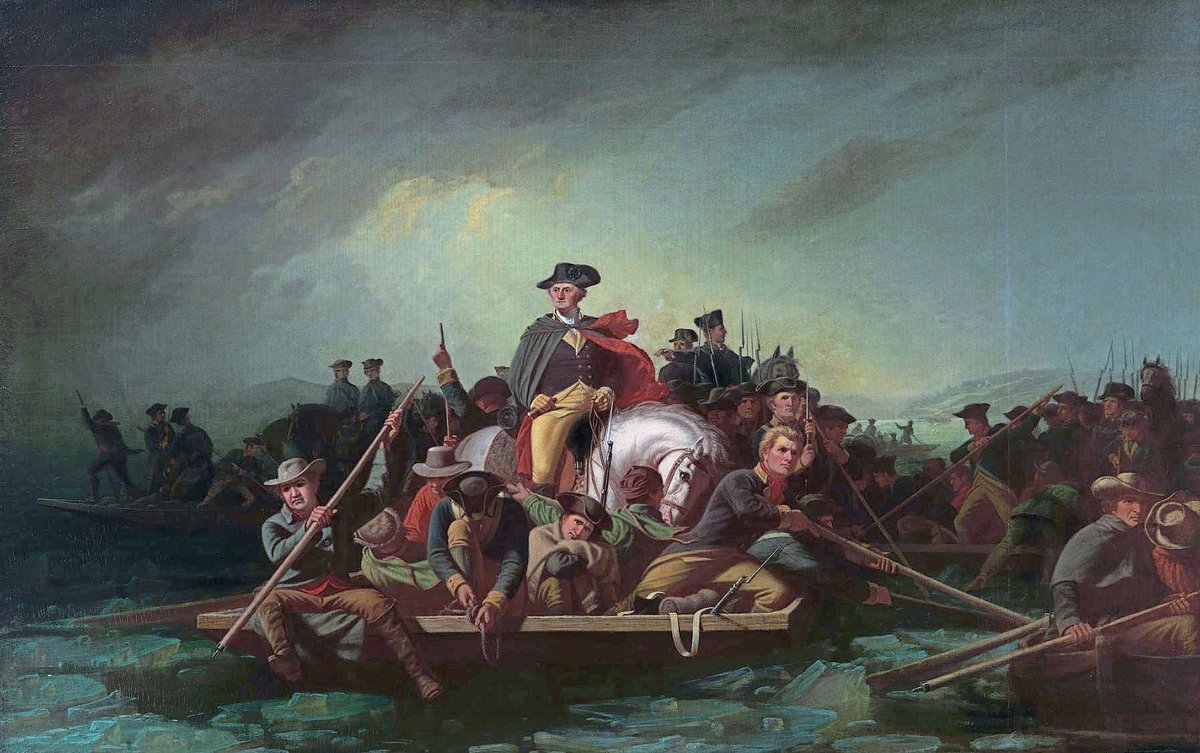
Which painting of the Delaware Crossing is your favorite?
A. Mort Kunstler
B. Dale Gallon
C. Emanuel Leutze
D. George Caleb Bingham
80
15
275
18,450
Crypto1775 retweeted

Jun 12
Trump may as well have called the rest of us peasants.
According to him, it wasn’t workers who built America. It was rich guys like him and his cabinet:
“These people built the country, not the complainers. The complainers didn’t build the country…. Whether it’s fishermen or farmers or anything else. Me. Guys like me, they built the country. And you know, I watch all these ingrates, they’re always complaining, complaining. They didn’t build anything, they couldn’t build anything.”
2,971
8,042
18,585
1,314,369
Crypto1775 retweeted

Jun 11
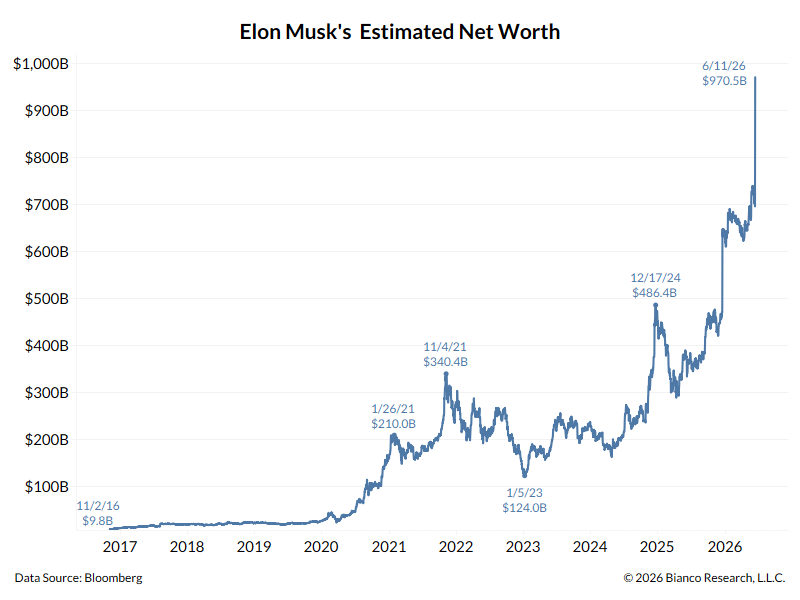
With SpaceX getting priced at $135 today, Bloomberg estimates Musk's net worth is now $970.5B
Tomorrow, any pop above the IPO price (or a Tesla rally) could make him the first Trillionaire!
153
186
2,251
435,499
Crypto1775 retweeted
Jun 11
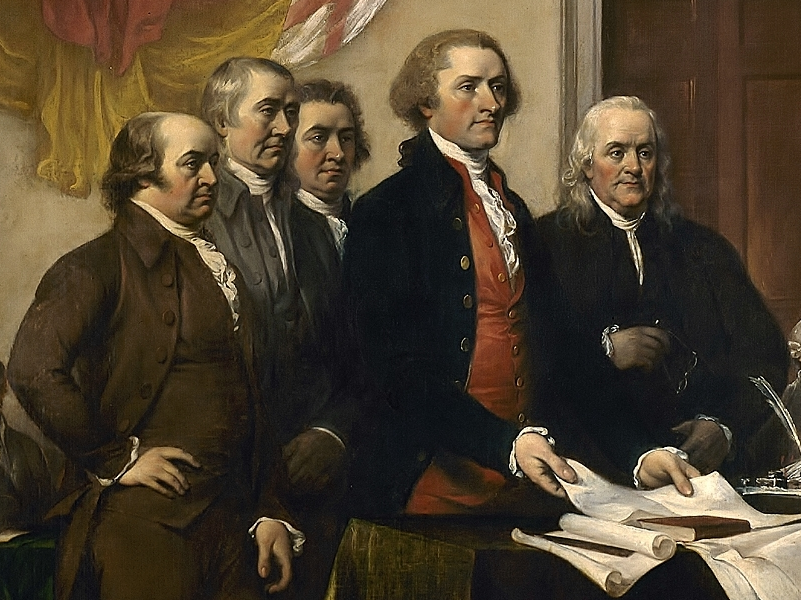
On this day in 1776, five men were handed an impossible assignment.
Write the document that would declare war on the most powerful empire on Earth.
They had 17 days.
The Committee of Five: John Adams, Benjamin Franklin, Thomas Jefferson, Robert Livingston, Roger Sherman.
They gave the job to Jefferson. He was 33 years old.
Adams later wrote that he pushed for Jefferson because Jefferson was a better writer and because Adams knew he himself had too many enemies in Congress.
Jefferson wrote the draft in about two weeks, alone, in a rented room in Philadelphia.
Congress then proceeded to argue about it for two days straight and cut roughly 25% of his original text. Jefferson sat in silence and watched them do it.
The part they cut the hardest? His condemnation of slavery.
The document we celebrate every July 4th is the edited version. Jefferson went to his grave preferring the original.
10
134
523
7,931
Crypto1775 retweeted

Jun 11
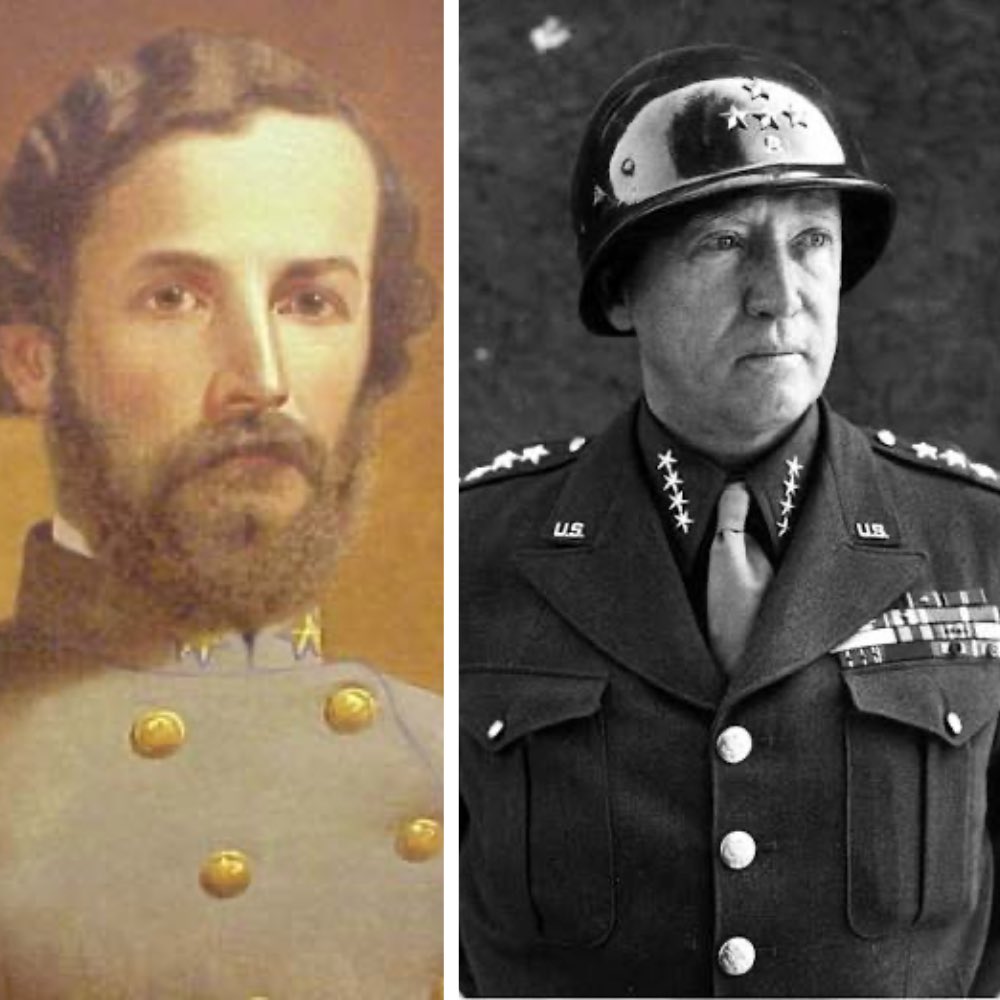
George Patton, the grandfather of the famous WWII general, was a warrior in his own right.
A Virginia Military Institute graduate of 1852 who studied under Stonewall Jackson, Colonel George S. Patton Sr. commanded the 22nd Virginia Infantry. He led his men through the Shenandoah Valley campaigns. At the Third Battle of Winchester in September 1864, he was mortally wounded while at the head of his regiment and died days later — more than twenty years before his grandson was born.
The two never met. Yet young George S. Patton Jr. grew up in awe of him, playing with his grandfather’s sword and hearing tales of his courage. That example stayed with him. When Patton was wounded in World War I, he said the memory of his ancestors gave him strength to push forward.
Driven to live up to, and perhaps surpass, that legacy of honor and leadership, Patton forged one of the greatest military careers in American history.
Two generations of that warrior spirit.
29
233
1,515
28,979
Crypto1775 retweeted

Jun 10
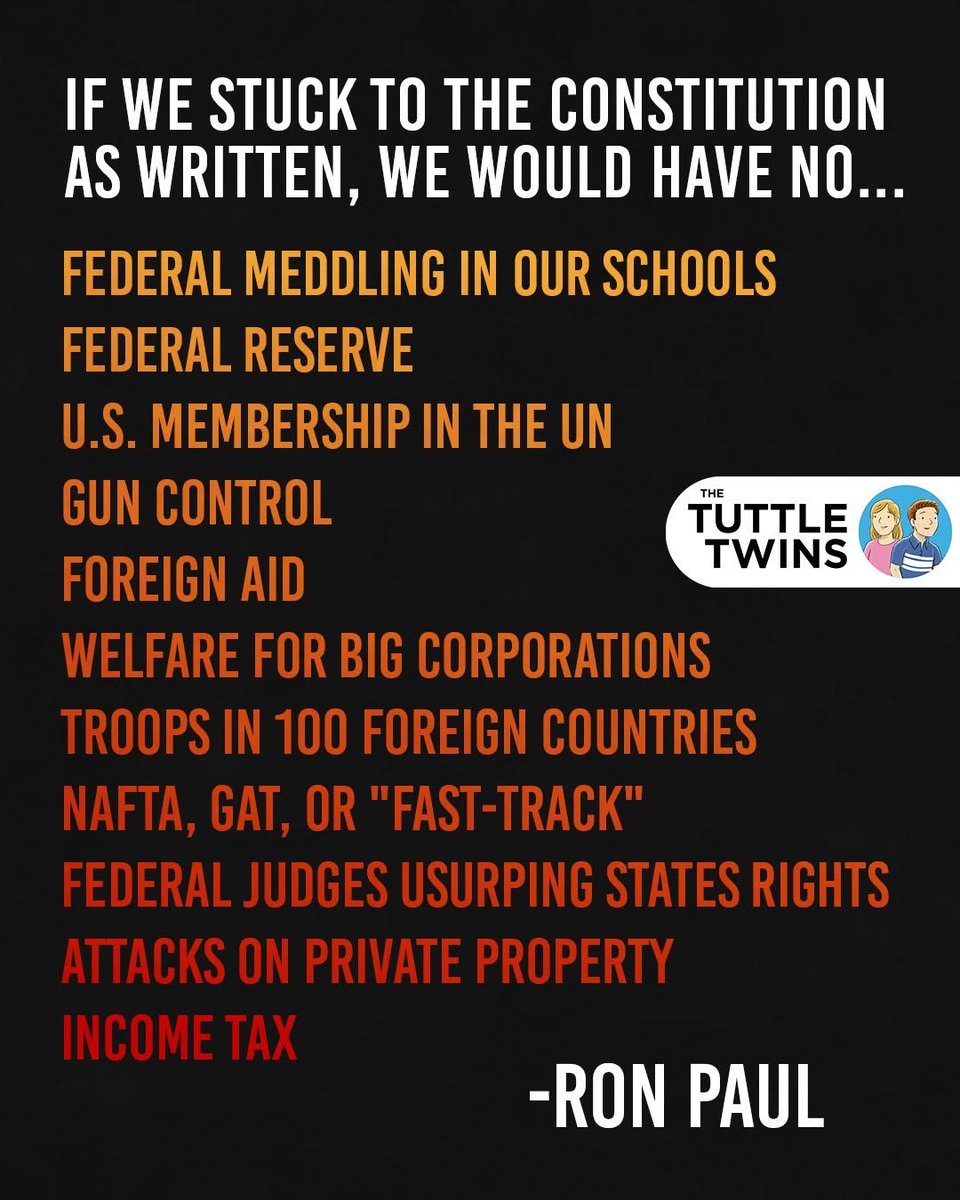
Remember, the Southern states before the "Civil War" took great issue with the North's deviation from the Constitution as Yankees came to dominate the government, which was a significant motivation for secession. The Union victory at Appomattox that crushed states' rights opened the door to gargantuan big government that intrudes in the lives of Americans and everything on this list, and more, including the massive federal debt.
12
56
202
3,257
Crypto1775 retweeted

Jun 11
Tucker Carlson on Iran:
What we're really learning is not simply that Trump is a spotty commander-in-chief and certainly no diplomat and obviously not a dealmaker.
If you announce a deal 38 times and it doesn't materialize, you're not a dealmaker.
What we're beginning to understand, unfortunately, for the rest of us, are not just the limits of Trump, but the limits of American power.
133
823
4,082
230,164
Crypto1775 retweeted

Jun 10
TRUMP: “I’m not concerned about the latest inflation numbers that came out this morning. I love it. I love the inflation.”
At this point I’m convinced Trump is intentionally trying to destroy the United States.
3,721
15,376
70,314
1,531,230