
2x ETA, the 1st a crucible of hard lessons. 1 yrs into the 2d, a 35 yr old co. Ex BigLaw, F50, PE. 60 yo, 👀 longevity, joy w my wife and 4 grown kids
Joined December 2022
- Tweets 3,272
- Following 628
- Followers 1,392
- Likes 5,798
484 Photos and videos






Pinned Tweet

Feb 25
It’s been a while, and here’s the update.
I’m Joe Springsteen. I run Mallard — an exterior and window cleaning company in Florida — and I’m obsessed with building a durable, high-performance B2B service business in a market that doesn’t forgive sloppiness.
We clean apartments, commercial properties, major resorts and portfolios at scale.
But what I really build is teams.
After acquiring a 30 year old company in a hot market, one thing became obvious:
Service businesses don’t fail because of pressure washers.
They fail because of leadership, systems, and financial discipline.
I’ve failed on all of those, trust me.
So that’s what I work on.
Rap Sheet:
Owner/Operator, Mallard • Acquired & scaling a legacy exterior cleaning company • B2B focus (asset managers & commercial portfolios) • Occasional speaker on buying and growing service businesses • Builder of teams that execute in the Florida heat
Currently:
– Scaling commercial services
– Reworking systems (CRM, dispatch, payments, field ops)
– Negotiating smart partnerships
– Building a fleet that makes sense
– Obsessed with margins, retention, brand and getting home by 5
Happily married with 4 kids and 2 dogs between us. Business builder. Operator first, talker second.
On my feed:
Service business economics, ETA strategies, blue collar leadership, B2B marketing, the occasional contrarian take, successes but more failures.
No generic shit.
Dog and travel photos.
2
1
37
9,130
As of June 1 of this year I dismantled our company’s health insurance plan (we are 26 employees).
Overall less expensive coverage through the state marketplace for most of my employees.
I still will contribute towards 50% of their cost.
For myself I signed on w Crowdhealth.
17 Dec 2025

In 2026, our family of four is ditching traditional healthcare insurance and covering most of our medical needs for $600 / month. Here’s how we’re doing it.
For anyone self-employed and / or looking for coverage options more affordable than traditional ACA exchange insurance, here are my notes from just having done a deep dive into this over the last couple of weeks.
Note that A) none of this is medical advice, B) this may NOT fit your family’s personal needs given this is NOT health insurance, and C) you may face additional complications and penalties if you’re located in the handful of states that impose an individual health insurance mandate. We happen to be in a state that has no such mandate.
For next year, we have decided to do a combination of @JoinCrowdHealth and Direct Primary Care (DPC), which should cover basic healthcare needs for our family of four for an all-in cost of less than $600 / month.
What is CrowdHealth?
It’s not health insurance, but a community of members that crowdfunds higher-cost health events (ER visit, surgeries, etc.), which you submit with a self-participation amount of $500. So as an example, if you have to go to the ER and end up with $2,500 worth of bills, you submit this amount to “the crowd”, and if it gets funded, you pay $500, and the community pays $2,000.
Funding is not guaranteed and since this is not health insurance, you have no regulatory recourse, but the historical track record looked good enough to me to get comfortable with this risk (something like 99% of claims submitted for funding did get funded).
My main concern here were extreme high-cost events like cancer. I tried to actively locate stories of funding denial, but ended up coming across mostly positive anecdotes. The company features several case studies of funded health events (including cancer) on their Twitter page, and overall anecdotal feedback from Twitter friends was also positive, including one that got ER events funded.
CrowdHealth reduces cost of care through two primary means:
1) focusing on non-obese, non-smoking members, with very limited coverage for pre-existing and chronic conditions (so their risk pool is quite healthy on average, much healthier than for ACA plans), and
2) aggressively negotiating down medical bills with hospitals and other medical providers, which treat you as a self-pay / cash pay patient and therefore are not bound by insurance negotiated rates.
What is Direct Primary Care?
Think about this as basic-medical-care-as-a-service. You pay a primary care physician practice a fixed monthly subscription fee per month, and in exchange you can come in for virtually unlimited appointments and basic services (some of these practices include lab test coverage, others charge you very low wholesale pricing they have negotiated with third-party labs).
Often these primary care doctors will also provide pediatrics, basic dermatology, and women’s health services. The basic idea is that your family physician should be able to cover 95% of your routine (non-acute) healthcare needs in-house, without having to refer you to an army of specialists, and to prevent higher-cost urgent care and ER visit episodes unless absolutely necessary.
In our area, we can enroll our family at a DPC provider for $200 / month. That is a really good deal, considering that I estimate that a single doctor visit billed through traditional insurance would likely run us $100-$200 (going straight to deductible), even after discounts.
How can DPC care be so cheap? It's mainly because most of these DPC providers don't work with insurance plans at all. They get paid direct cash subscription fees by their members. So they have radically lower and simpler overhead (less billing, coding, and collection admin), and the doctors can spend more time with patients and focus on medical care provision rather than dealing with insurance headaches.
Putting CrowdHealth DPC together
CrowdHealth charges a family of four a $240 / month basic administrative fee ($60 per member), and then the monthly contribution towards other members’ medical expenses is a maximum of $420, but has run closer to $255 / month actual for most of 2025 (you only pay for actual expenses that the risk pool incurs every month).
However, if you and your spouse agree to submit a couple of lab tests showing that you are in good health (test costs also partially reimbursable by CH), you can get a discount of 10%-20% on this monthly contribution. So in theory, if you secure a 20% discount on the $255 / month medical contribution, you end up closer to ~$200. Add in the $240 admin fee and your monthly all-in CrowdHealth bill could be as low ~$450 / month.
But it gets better.
CrowdHealth allows you to submit up to $300 per member per year for “wellness expenses”, which could be an annual physical, dental, or, importantly, DPC membership fees.
So if a family of four is in theory eligible for up to $1,200 / year ($100 / month) reimbursement, then if you submit your DPC membership costs for funding, the effective cost drops from $200 to as low as $100 / month. For the entire family.
So now you have
1) $450 / month for CrowdHealth (for catastrophic / high cost events), plus
2) $100 net cost / month for virtually unlimited basic DPC services from your primary care physician practice.
$550 / month all-in for a family of four. That’s pretty good. Any stuff not covered by the DPC (labs, specialist visits, higher acuity outpatient procedures etc.) would obviously come on top of this.
Again, this is just one man’s opinion and decision. This is not health insurance. This requires a leap of faith and some risk tolerance. Do your own diligence, choose your own path. Do what’s right for YOUR family (which I can't tell you).
I’m just posting this in case it’s helpful to some folks, knowing about one option that I was completely unaware of up until a couple of weeks ago.
1
7
1,150
Jun 10
What do does @usecorgi actually do? Their feed is jammed with dog pix, founders and matcha.

3
3
302
On site doing some videos.
Hard to squeeze in pain point, our ICP, location, what we actually do, a solution, environmental factors, and not get boring over five or 15 seconds.
10
297
🇺🇸
Jun 7

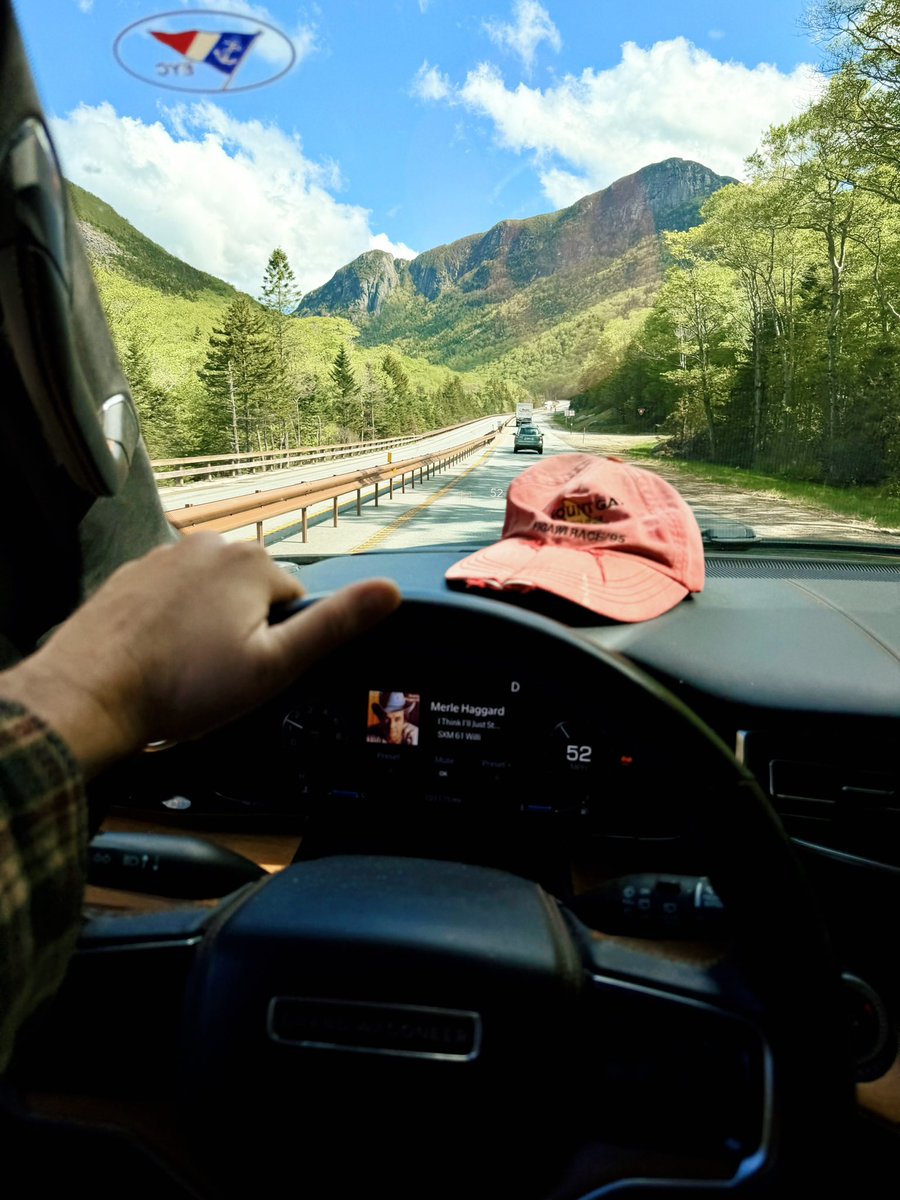
If you want to hate America watch the news, if you want to love America drive across it. 🇺🇸
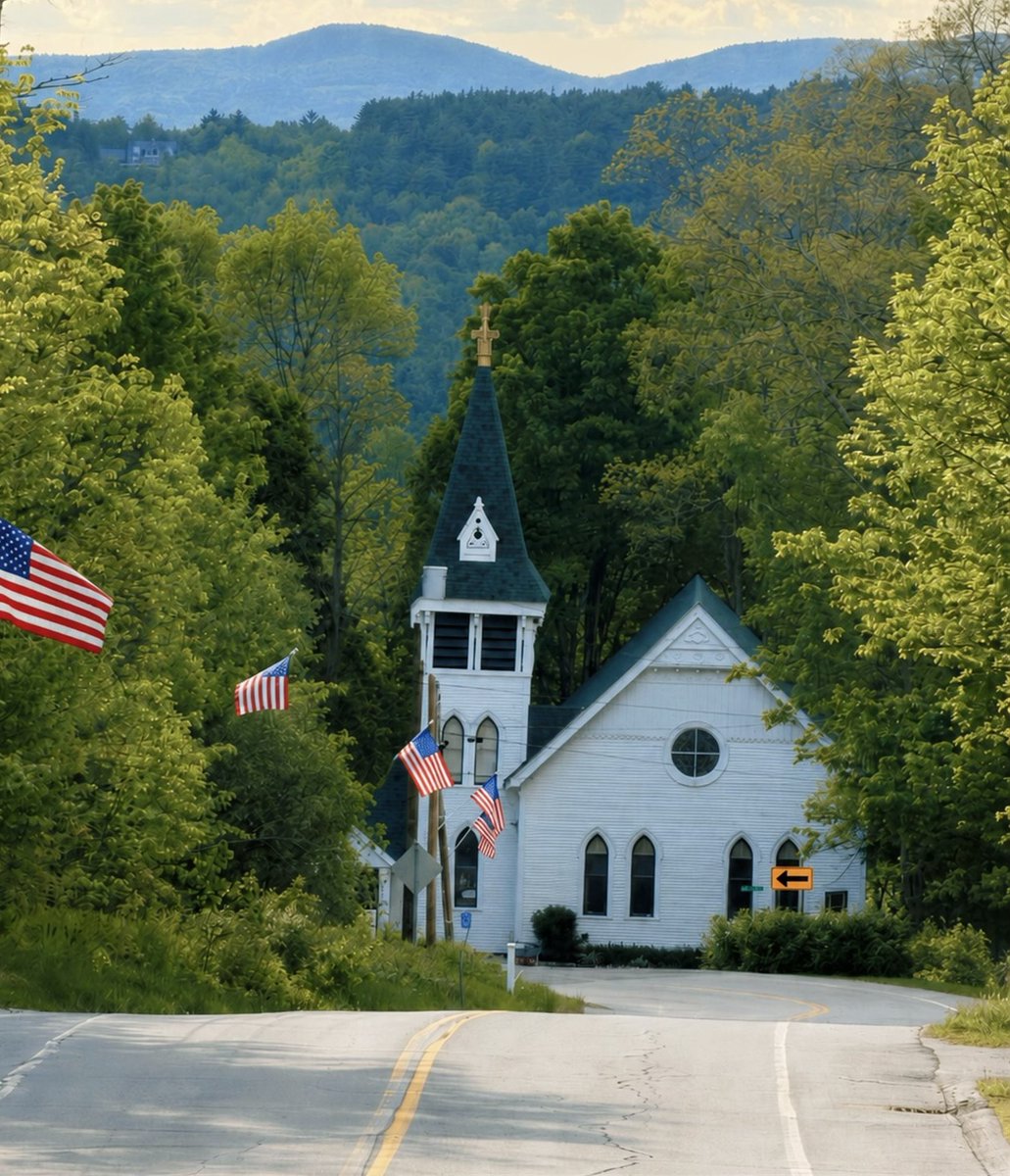
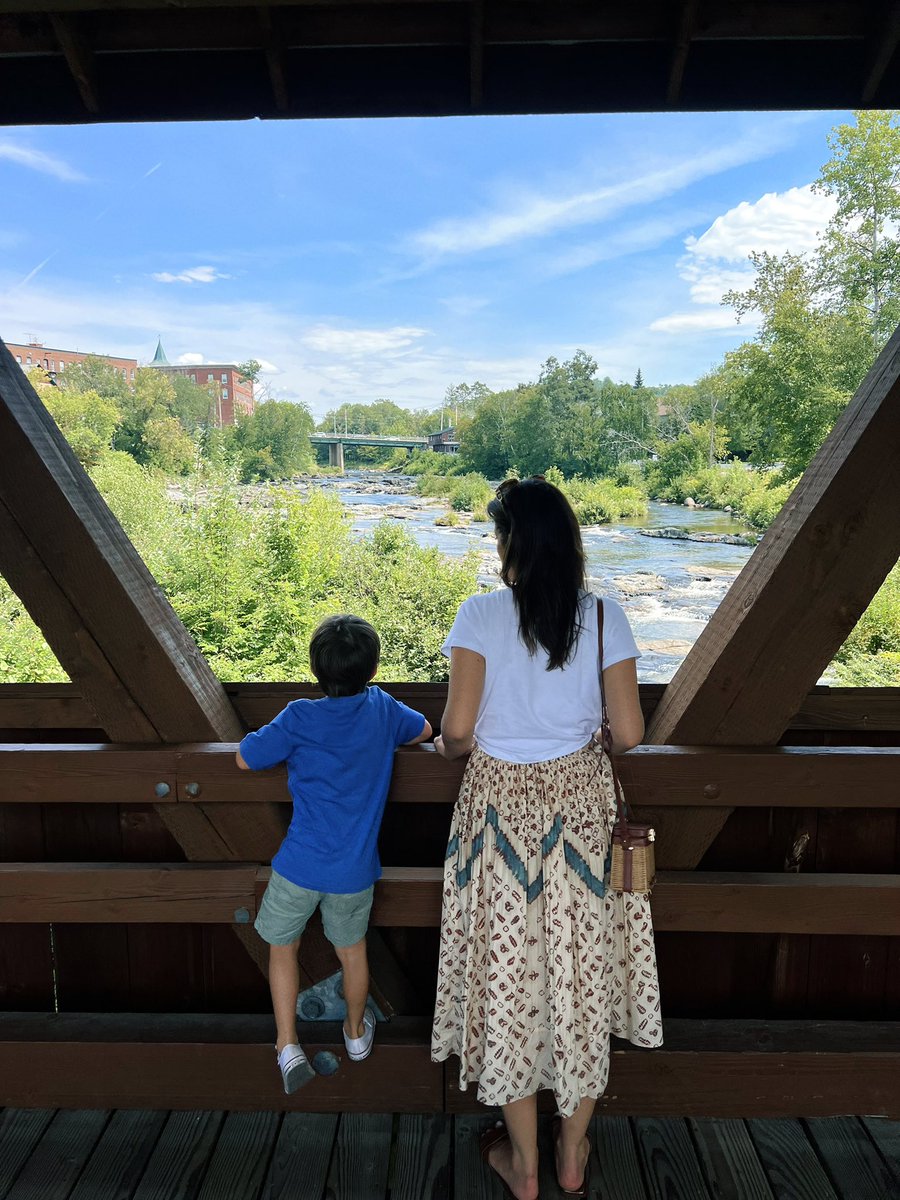
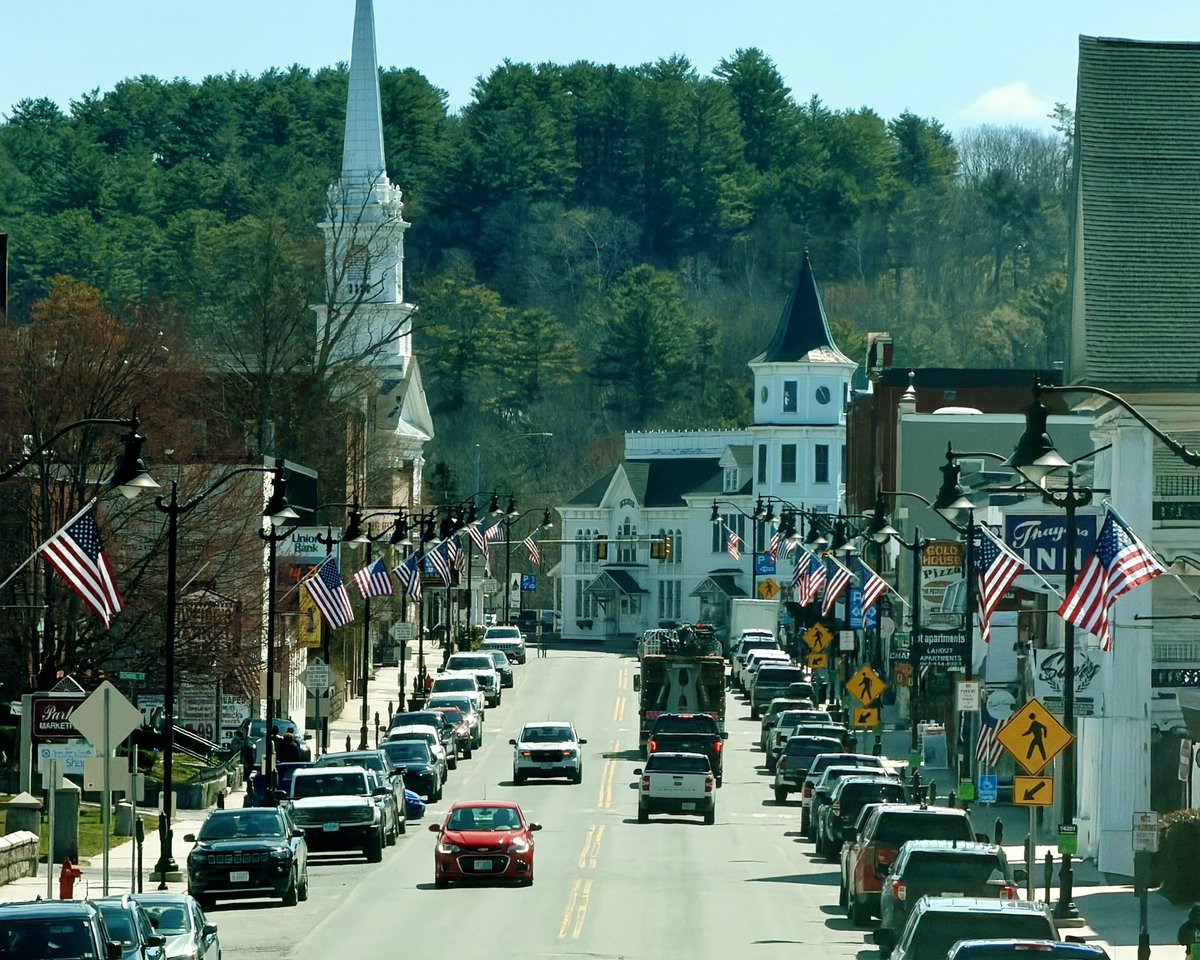
2
172
I literally got up to answer the door here in Orlando after hearing some rapping on the window. No one was there wtf.
Didn’t realize til later.
Jun 8

JUST IN: A 6.1 magnitude earthquake west of Cuba was reportedly felt across much of Florida, with no tsunami threat expected.
1
240
Truth be told I’m crying like a fucking baby as my 2nd son pulls away.
He’s gone to college, been remote working around the world for months at a time.
But this hits different.
I’m so proud of him. The ultimate fucking entrepreneur heading out into the wild.

Son Coop joining a startup in SF. Who does he need to talk to?
8
1
80
22,419
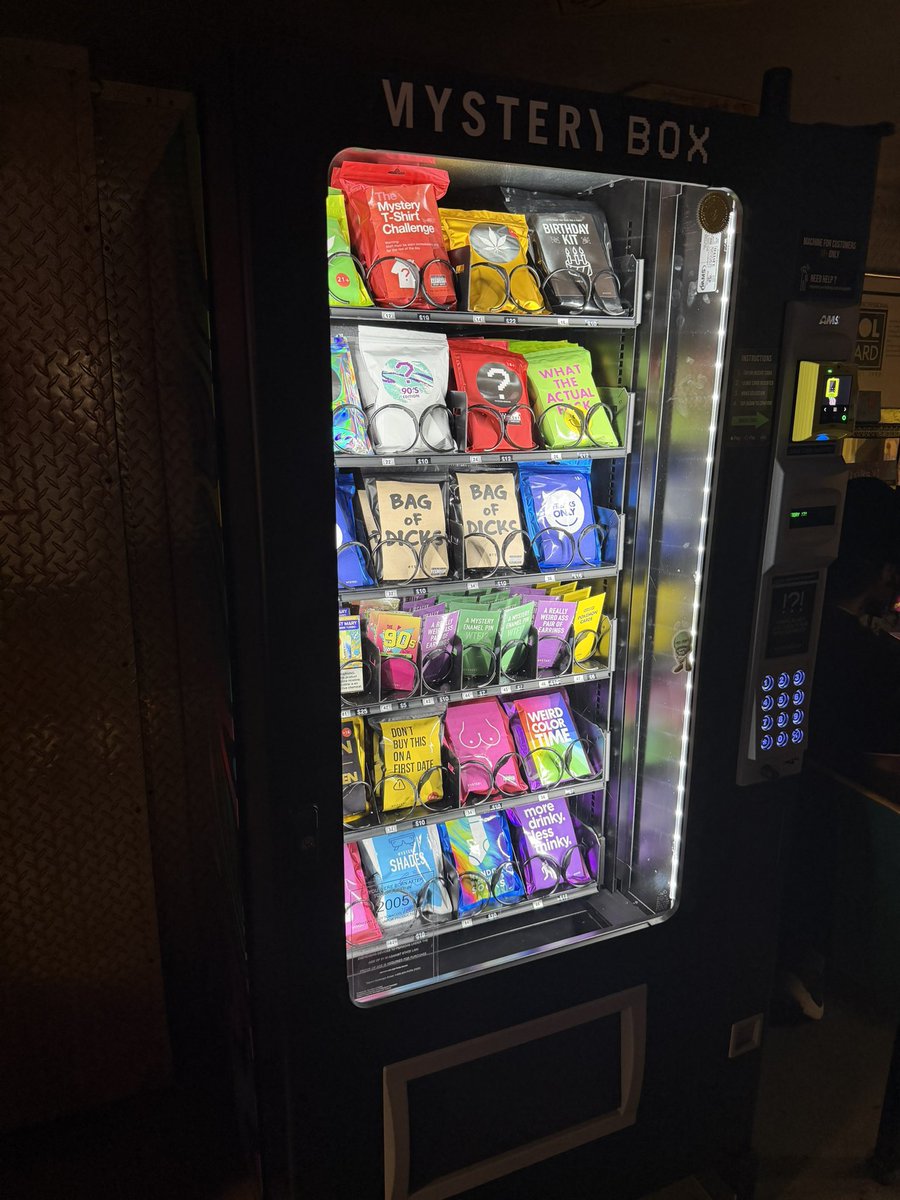
Do these make money?
And more importantly, why are my wife and here on a Saturday night?
1
4
1,343
Son Coop joining a startup in SF. Who does he need to talk to?
3
22,636
Jan - May 2026 vs prior yr:
- Rev just over $2M highest ever YTD up 16% yoy. Why? B2B pd off
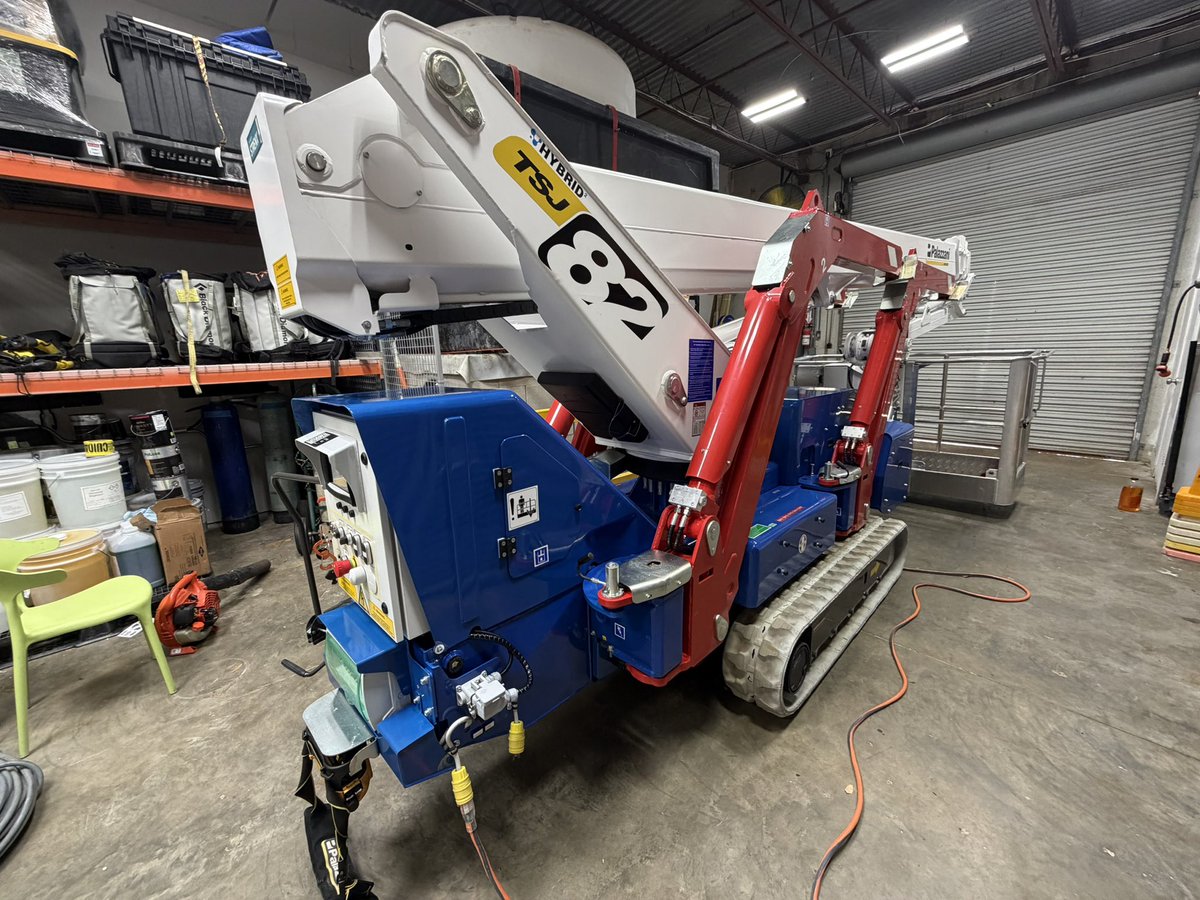
- COGS down 2% yoy. Why? Capex (lift) saves on rentals
- EBITDA? 🥁 roll: up 43% YoY
Mkting flat YoY but shift to B2B heavy into trade shows in fall26 baked in.
LFG!!🐣🐥🦆🚀
9
33
5,177
Great Rules. I’m struggling a bit in refocusing a couple jack of all trades employees into their self-stated strengths; hard to break w the past “way of doing things” so we will see.
On prsnl branding, yes figuring out systematizing posts without fake BS AI shit.

A couple rules of entrepreneurship I’ve learned over the years:
1. The goal is to eliminate “jack of all trades” employees as fast as possible. (Necessary to have some in the beginning) but your employee who does sales, customer service, and manages the phones wont scale
2
8
830
The world feels right this morning.
In the truck w the tunes jamming leaving the shop.
Let’s get it today!
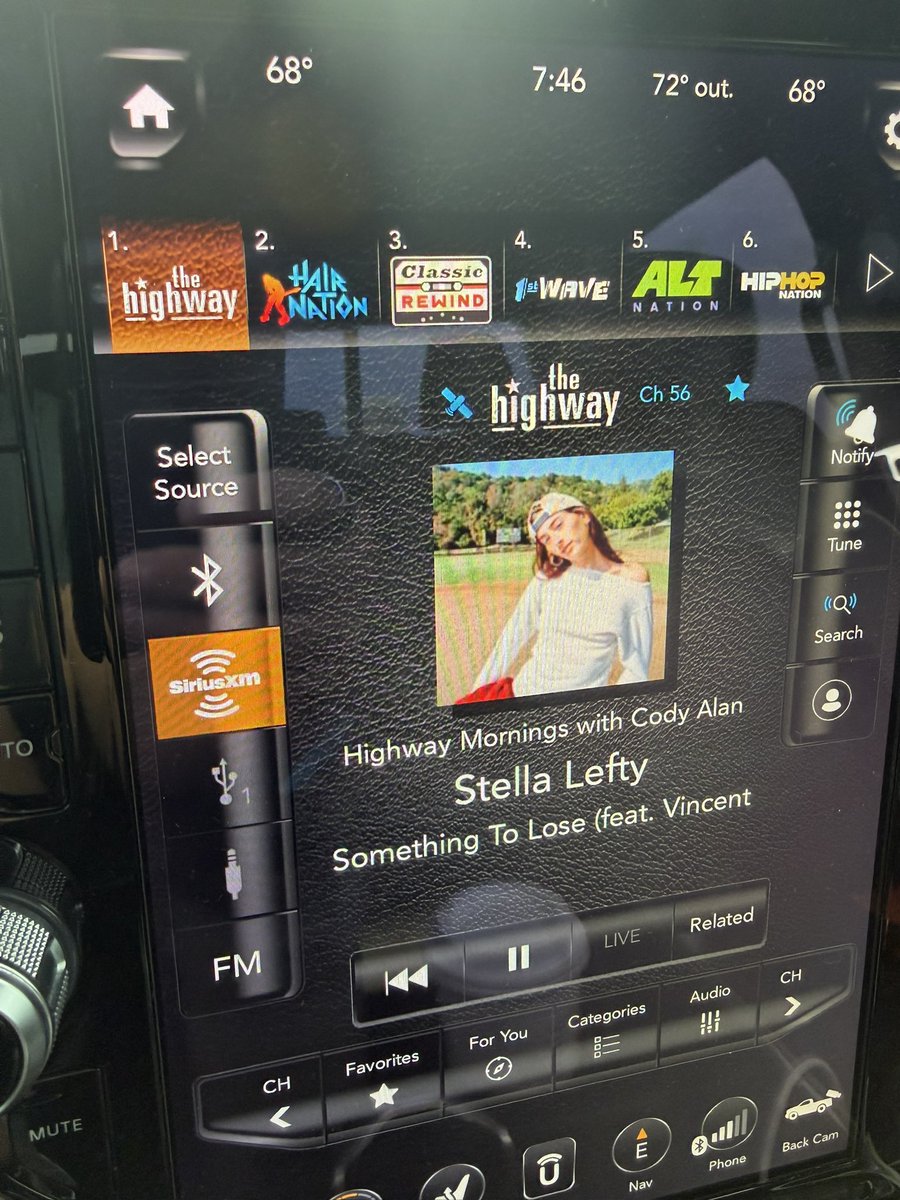
1
1
154
Get some exercise today.
I’m trying to get back in earlier lately.
Feels better and by 9pm I’m crashed when I do.
How about you? Early am workout or later in the day?
2
4
387
Why we shifted to commercial work.
Jun 2

Just drove past this kid in my neighborhood towing a pressure washer behind his bicycle, on his way to earn some summer money.
Love to see it.

5
82
12,215
Joe Springsteen retweeted

Screw it, here’s our exact process for acquisitions no gatekeeping no secrets.
Cold calling -
We use Call Tools for our dialer.
Cold callers or acquisition team login here and dial.
Everything is tracked and recorded.
As mentioned it could be someone from our team that just cold calls or it could be someone that cold calls and underwrites and brings it to me which we call our acquisition specialists.
If it’s a hot lead the it goes right into Google chat but cold calling team has all specialists cell phone just in case time is of the essence.
We don’t need much information.
Unit count
Vacancy report
Estimate sqft on Google maps
After we have that information it goes to underwriting which only a specialist can do.
We add this information to Google sheets shared drive.
Once underwriting is done spreadsheets and also go to Follow up Boss which we use as a CRM.
The underwriting also comes directly to my email where I go over thoroughly and revise if needed.
Letters -
Add Personal touch.
I like ones with a family photo.
Add credibility.
You own other RE or businesses nearby.
Then it’s just a numbers game.
Brokers -
Broker relationships are key.
Build those relationships and make sure they know you are a player.
You will close fast.
Pay them.
We pay brokers for off market deals well.
Negotiate with them beforehand.
Could be anything 2.5%-7%
yes we have paid 7% on a homerun deal.
If the deal is good enough this percentage means nothing.
Also there is the question if they are getting a commission from the seller but we don’t really care about that either.
We have recently started using a similar process for businesses slightly more complicated but very similar.
Remember the one who finds the deal makes the rules!!!!
3
1
86
7,016
I’m making a run up the eastern seaboard ending in Halifax most of July.
Who should I visit along the way?
I’d really like to see not only my @Tribefounders friends but also some commercial exterior maintenance owners.
@SMBDealGuy
@jasonmpearl
@Kevcocleansit
4
1
13
1,574
This is the way.

This is how we have grown bigger than I could have ever imagined.
It’s so simple.
I copied the wealthiest guys I know in real estate.
They all do the same thing.
They have a cashflowing business.
They put that cash into real estate.
Buy, hold, refi.
Add more Cashflow.
Get tax advantages.
Expand.
1
305