
Invisible moves. Visible outcomes. | A Network | 21M supply | Scarcity | No announcements | Just positioning |Built quietly | Moved early Conviction over noise
Joined November 2024
- Tweets 304
- Following 30
- Followers 62,034
- Likes 476
32 Photos and videos


21 retweeted
Legal danger warning for those promoting the Ponzi project Interlink labs could face more than 10 years in prison.
Running a project under laws is not a crime .
Promoting price
Promoting profits
Promoting financial gains
Promoting fake gains
Forcing people to buy
Hiding facts and mechanisms such as:
HCS Mechanism
ACS Mechanism
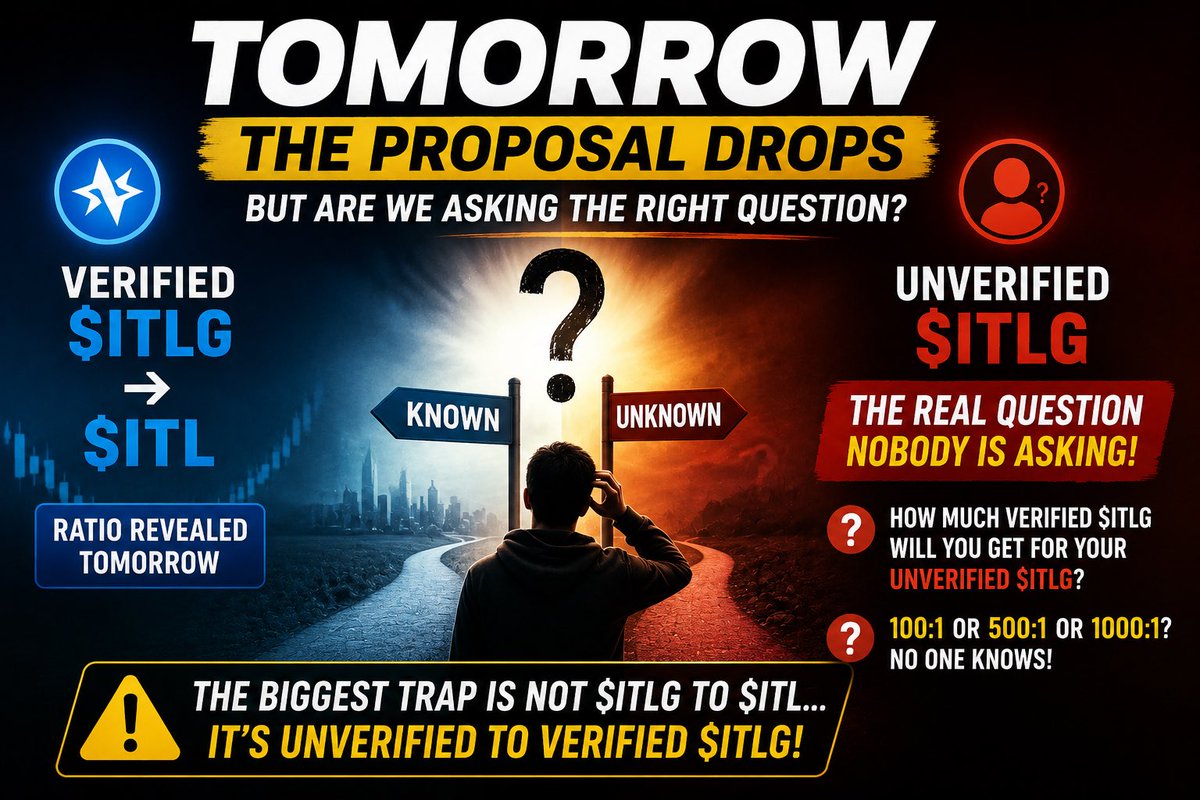
Unverified $ITLG to v $ITLG Mechanism
Distribution ratio
KYC approval status
Migration mechanism
Hiding ownership
Hiding identities
Hiding core team
Hiding wallets
Hiding officials
These are the main concerns that raises questions .
To promote yourself @Nicolas_itl as a rich and educated guy doesn’t prove anything , Your actions says it all .
Before you do anything make sure you show your identity .
Always talking about money 💰 and always making fake claims shows your real personality.
Attacking content creators
Attacking communities
Promising profits
Promising people to buy their mined coins
Promising people value of $4 per $ITL and buying their assets by telling them you have $2 Million dollars .
Promoting yourself as an investor and working for @inter_link for $50 a month , shows your real evil plans .
Because you are promoted by none other than Di……..k He….d @kv_interlink .
But remember one thing before we started the project we already knew your intentions and your full of shit knowledge .
So we are prepared for everything .
@Nicolas_itl @VyxCrypto629 @kv_interlink @kv_interlinklab @PradeepK98756 @DhirajK26126238 @DigiworldWeb3 @dayamaydas @reina_itl @miratang16 @ArifAhmedITL @Yasir_Abbasi17 @Jawad0008 @Crypmatrx @Jagabandhu5280 @MMG_Book @RajeshS31944342 @saurabh60687526 @2026Babarlatif @BaskaranBBV @MaheshMagnus1
12
41
32
490
21 retweeted
A Network vs InterLink: Why Transparency Matters
This is not about hate.
This is not about attacking anyone.
This is about transparency.
What A Network Has Chosen To Do
✅ A Network operates through A Network LLC in the United States.
✅ The CEO and public leadership team have identified themselves publicly.
✅ Team members regularly appear in videos, AMAs, and social media.
✅ Project wallets have been disclosed to the community.
✅ Team holdings are openly discussed.
✅ The company, leadership, and public representatives can be verified.
✅ The project repeatedly states that cryptocurrency is risky and users should make their own decisions.
✅ Users are free to buy, sell, hold, or ignore the project entirely.
Questions Many Community Members Have About InterLink
❓ Who are the ultimate owners behind the project?
❓ Who are the complete core team members responsible for decision-making?
❓ Are all project-controlled wallets publicly disclosed?
❓ What percentage of supply is controlled by project-related entities?
❓ Who ultimately controls major governance decisions?
❓ Why do many users still have questions regarding migration, verification, and final token allocation?
❓ Why is there still uncertainty around how years of mining will translate into final holdings?
The Difference :
A Network’s advantage is its transparency.
InterLink has a larger history.
A Network has chosen to put names, faces, wallets, and leadership in public view.
InterLink asks people to trust the system.
A Network asks people to verify the information themselves.
Don’t trust , Just verify it .
This does not automatically make one project right and the other wrong.
But in crypto, transparency is not a luxury.
Transparency is trust.
The more information a project gives its community, the less room there is for doubt.
People can decide for themselves which model they prefer.
Trust what you can verify.
There seems to be a lot of confusion, speculation, and misinformation, so let’s focus on facts.
A Network is a publicly operating company registered in the United States.
✅ The company is legally registered.
✅ The EIN and company information are verifiable through official channels.
✅ Public wallets and project holdings have been disclosed to the community.
✅ A Network does not guarantee profits, returns, or future prices.
✅ A Network does not force, pressure, or require anyone to buy any asset.
✅ Community members, content creators, and supporters share their own opinions and views.
✅ Users are free to participate, ignore, buy, sell, mine, or leave at any time.
✅ The company intends to operate under applicable U.S. laws and meet its tax obligations.
In crypto, transparency matters.
Names can be verified.
Leadership can be verified.
Company registration can be verified.
Wallet disclosures can be verified.
Products can be tested.
The goal is simple:
Don’t trust claims.
Verify facts.
Do your own research.
Make your own decisions.
Crypto is risky, and every individual is responsible for their own choices.
Transparency does not guarantee success, but it gives the community something far more important:
Accountability.
Now let’s talk about the Diamond hands 🙌 Reward program :
No Lockups. No Guarantees. No Promises. Just Your Choice.
Recognition, Not Promises
Your Coins. Your Wallet. Your Choice.
We Reward Commitment, Not Speculation
No Staking. No Locking. No Guaranteed Profits.
The Difference Between a Reward and a Promise
There is a major difference between a reward program and a promise of profit.
A Network does not guarantee profits.
A Network does not guarantee price increases.
A Network does not guarantee future returns.
A Network does not guarantee that anyone will make money.
The Diamond Hands Reward Program is not a staking program.
It is not an investment contract.
It does not require users to lock their coins.
It does not require users to sign any agreement.
It does not require users to hand over custody of their assets.
Users remain in full control of their own wANET at all times.
Users can sell whenever they want.
Users can transfer whenever they want.
Users can leave whenever they want.
There are no lockups.
There are no penalties for selling.
There are no restrictions on access to personal holdings.
Every participant remains the sole owner and controller of their own assets.
The purpose of the Diamond Hands Reward Program is simple:
To recognize and reward community members who voluntarily choose to support the ecosystem.
Nothing is guaranteed.
Nothing is promised.
No one is forced to participate.
No investment is required.
No financial outcome is guaranteed.
As always, cryptocurrency is risky, and every individual should do their own research and make their own decisions.
Your coins.
Your wallet.
Your choice.
Disclaimer:
Cryptocurrency is risky. A Network does not guarantee profits, returns, or future prices. Always do your own research.The Diamond Hands Reward Program does not guarantee profits, returns, or price appreciation. Participation is voluntary, and users remain in full control of their assets at all times.
#ANetwork #ANet #Ants
@BaskaranBBV @Joel_Dupalco @Queen_ANet @Jawad0008 @DhirajK26126238
36
30
109
3,811
21 retweeted

Jun 12
The chart is not the reason people are bearish.
The price is not the reason people are bearish.
The reason people are bearish is because they expected instant results.
The biggest opportunities are usually hated before they are celebrated.
Look at the chart.
One day everyone will.
#ANetwork #ANet #Ants #wANET
6
25
107
3,010
21 retweeted
Jun 8
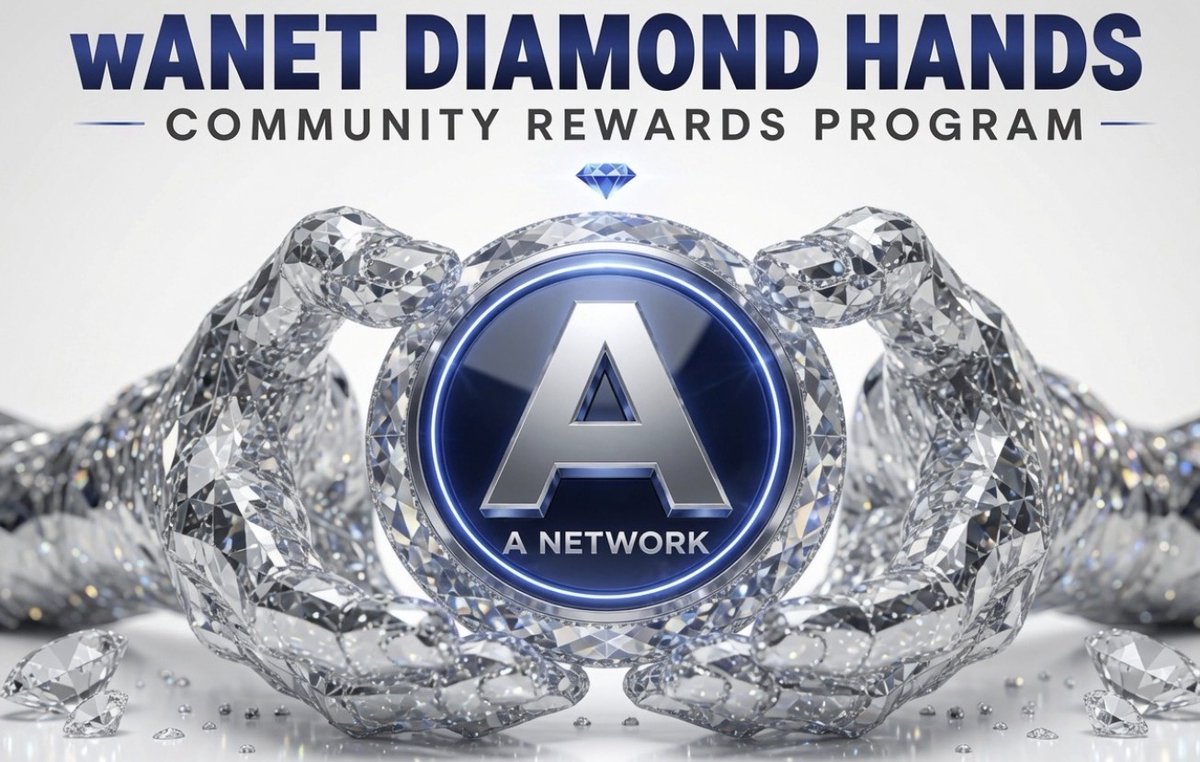
🚀💎 100,000 wANET REWARD POOL IS NOW LIVE 💎🚀
🏆 THE OFFICIAL wANET DIAMOND HANDS COMMUNITY REWARDS PROGRAM
Loyalty deserves recognition.
Patience deserves rewards.
Diamond Hands deserve more than words.
Today, A Network is proud to launch one of the largest community loyalty initiatives in our ecosystem's history.
A total of 100,000 wANET has been allocated exclusively for community members who believe in the long-term vision and choose to stand strong through every stage of growth.
This is not about trading.
This is not about hype.
This is about rewarding conviction.
If you believe in the future of A Network and wANET, this program was built for you.
💎 EXCLUSIVE TO ANET DEX WALLET HOLDERS
The Diamond Hands Community Rewards Program has been designed to strengthen and reward participation within the A Network ecosystem.
✅ Only wANET balances held within the official ANet DEX Wallet will be eligible for participation.
This creates a fair, transparent, and verifiable environment while helping grow the ANet ecosystem and rewarding the community members who actively support it.
Not using ANet DEX yet?
This is the perfect opportunity to join thousands of community members building the future together.
📅 REGISTRATION PERIOD
June 8, 2026 – July 8, 2026
⚠️ Registration will remain open for only 30 days.
⚠️ Wallets must be registered during this period to participate.
⚠️ Once registration closes, no additional wallets will be accepted into this rewards cycle.
📸 SNAPSHOT-BASED REWARDS
🥉 BRONZE TIER — 30 DAYS
• Minimum: 50 wANET • Maximum: 1,000 wANET • Reward: 2% wANET Airdrop
🥈 SILVER TIER — 90 DAYS
• Minimum: 10 wANET • Maximum: 50,000 wANET • Reward: 5% wANET Airdrop
🥇 GOLD TIER — 180 DAYS
• Minimum: 10 wANET • Maximum: 100,000 wANET • Reward: 10% wANET Airdrop
🚀 HOW TO PARTICIPATE
Step 1
Download and set up your ANet DEX Wallet.
Step 2
Transfer your wANET into your ANet DEX Wallet.
Step 3
Register your wallet using the official registration form.
Step 4
A snapshot of your wallet balance will be taken.
Step 5
Maintain your qualifying balance throughout your selected holding period.
Step 6
Qualify for rewards and become part of the Diamond Hands community.
Simple. Transparent. Community Driven.
📋 PROGRAM RULES
✅ Registration is required before participation.
✅ Only wANET balances held within the official ANet DEX Wallet will qualify.
✅ Participants must transfer their wANET to their ANet DEX Wallet before registration.
✅ Wallet balances held on exchanges, custodial services, or unsupported wallets will not qualify.
✅ Eligible balances must remain in the registered ANet DEX Wallet throughout the selected program period.
✅ An initial wallet snapshot will be taken upon registration.
✅ Only the balance recorded on the initial snapshot date will be used to determine reward eligibility and calculations.
✅ Any wANET added after the initial snapshot will not be counted toward reward calculations.
✅ Additional purchases are allowed but will not increase reward eligibility.
✅ Wallet balances must remain at or above the original snapshot balance throughout the selected holding period.
✅ Selling below the original snapshot balance at any time during the selected period will result in disqualification.
✅ Daily and weekly wallet audits may be conducted.
✅ Participants attempting to manipulate balances or circumvent verification procedures may be disqualified.
✅ No staking required.
✅ Participants maintain full control and custody of their assets at all times.
🎁 100,000 wANET TOTAL REWARD ALLOCATION
💎 A total of 100,000 wANET has been allocated to the Diamond Hands Community Rewards Program.
💎 This allocation has been reserved exclusively for rewarding long-term supporters of the ecosystem.
💎 Once the maximum allocation has been reached, no additional rewards will be issued under the current program cycle.
💎 If total eligible rewards exceed the available allocation, rewards may be adjusted proportionally among qualifying participants.
💎 Any undistributed rewards may be allocated to future community initiatives at the discretion of A Network.
🌟 WHY PARTICIPATE?
✔ Earn rewards for your loyalty.
✔ Keep full control of your assets.
✔ No lockups.
✔ No staking contracts.
✔ No third-party custody.
✔ Support the growth of ANet DEX.
✔ Join a stronger ecosystem.
✔ Become an early supporter recognized by the community.
✔ Position yourself among the strongest holders in the ecosystem.
📝 REGISTRATION LINK
🔗 docs.google.com/forms/d/e/1F…
━━━━━━━━━━━━━━━━━━━━
⚠️ DISCLAIMER
The wANET Diamond Hands Community Rewards Program is a community loyalty initiative intended to recognize and reward long-term ecosystem supporters.
Participation does not constitute an investment contract and does not guarantee profits, returns, income, token appreciation, or future value.
Digital assets involve risk. Participants should conduct their own research before participating.
Rewards are subject to eligibility verification, audit results, available program allocation, and compliance with all program rules.
A Network reserves the right to verify wallet balances, reject fraudulent participation, and modify, suspend, cancel, or discontinue the program if necessary for the protection, fairness, security, and long-term sustainability of the ecosystem.
━━━━━━━━━━━━━━━━━━━━
💎 DIAMOND HANDS ARE BUILT, NOT BOUGHT
💎 Patience Creates Opportunity.
💎 Conviction Creates Value.
💎 Time Rewards Those Who Stay The Course.
📸 Snapshot. Verify. Reward.
🚀 Strong Hands Build Strong Networks.
#ANetwork #ANET #wANET #DiamondHands #ANetDEX #HoldAndEarn #CryptoCommunity #Web3 #CommunityFirst
49
43
126
6,275
21 retweeted

2
5
14
931
21 retweeted

Jun 11
🌆 Good Evening ANT Family 🐜💙
Small ANT, Big Vision.
Together we grow, together we build. 🚀
💙 Strong Community
🚀 Bright Future
One Community • One Future
#ANetwork #ANT #BuildTogether 💟✨
2
3
25
688
21 retweeted
Jun 9
THE MOST UNDERRATED ASSET OF A NETWORK IS NOT THE TECHNOLOGY… IT’S THE COMMUNITY
“One person can start a fire. A united community can light up the world.”
People keep asking me:
“How is A Network growing without big investors?”
My answer is simple:
Because history has already shown us that communities can build things that money alone never can.
Bitcoin started with believers.
Not hedge funds.
Not venture capital.
Not billionaires.
Just ordinary people who believed in an extraordinary idea.
Today the world looks at Bitcoin and sees trillions of dollars in value.
Back then?
People laughed at it.
The same thing happened with Amazon.
The same thing happened with Tesla.
The same thing happened with Apple.
The same thing happened with countless companies that changed the world.
Before the money came…
The people came.
Before the investors arrived…
The believers arrived.
Before the headlines…
There was a community.
A community that refused to quit.
💡 One person sharing a post may seem small.
💡 One person inviting a friend may seem small.
💡 One person creating a video may seem small.
💡 One person buying a few coins may seem small.
But millions of small actions create massive movements.
A single drop of water is weak.
An ocean is unstoppable.
And every day I watch thousands of people around the world building A Network with something more powerful than money…
TRUST.
Trust is what built Bitcoin.
Trust is what built the internet.
Trust is what built every great movement in history.
A whale can buy coins.
A community builds a future.
That is the difference.
Every miner completing sessions.
Every content creator making videos.
Every colony leader helping new users.
Every supporter defending the vision.
You are helping build something much bigger than yourself.
Many projects have money.
Few projects have conviction.
Many projects can buy advertisements.
Few projects can create believers.
Many projects can rent attention.
Few projects can earn loyalty.
And loyalty is what survives every bear market, every challenge, every setback, and every obstacle.
🚀 A small community with a big vision can outperform a giant community with no direction.
🚀 A committed community can achieve what millions of dollars cannot buy.
🚀 A united community can become the strongest marketing force on Earth.
Remember:
“The strongest currency in the world is not money.
It’s belief.”
“The greatest marketing budget is a community that genuinely cares.”
“Investors can fund a project.
Only a community can create a movement.”
Every day someone invests a few dollars.
Every day someone spends an hour making content.
Every day someone helps a new member.
Every day someone chooses to believe.
Those actions may look small today.
But history is built by people who did small things consistently for a very long time.
The future of A Network will not be decided in boardrooms.
It will be decided by the people.
The builders.
The believers.
The dreamers.
The miners.
The community.
And if history has taught us anything, it’s this:
Never underestimate what a determined community can accomplish when they move together toward one vision.
💎 We may not have the biggest investors.
💎 We may not have the biggest marketing budget.
💎 But we have something far more valuable.
WE HAVE EACH OTHER.
And sometimes that’s exactly how revolutions begin.
🔥 While others chase millions of coins, we build value that millions will chase.
#ANetwork #ANET #wANET #Ants
@BaskaranBBV @Jawad0008
41
38
162
4,126
21 retweeted

Jun 11
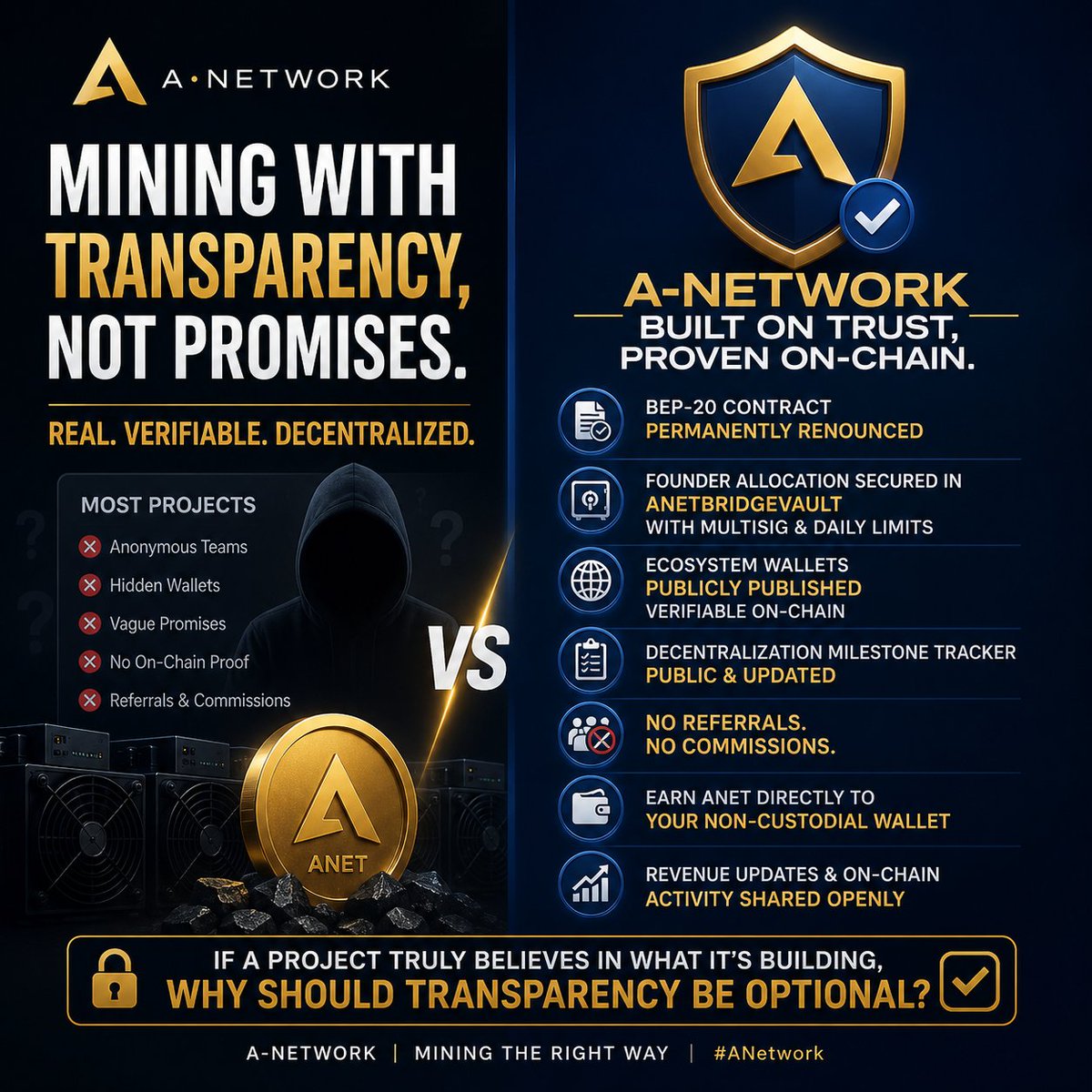
Crypto Mining & Transparency
In most crypto mining projects, trust is expected, but rarely earned.
You’re often asked to believe in anonymous teams, hidden token allocations, vague promises, and zero on chain proof. Many operate with no transparency on wallets, no clarity on how funds are used, and sometimes no verifiable team behind the project at all.
At A-Network, the approach has been different from the start.
Instead of asking the community to trust blindly, they’ve made several key parts of the project publicly verifiable:
- The BEP-20 contract was permanently renounced.
- The founder allocation was moved into the AnetBridgeVault with multisig controls and daily limits.
- Ecosystem wallet addresses and holdings were publicly published for anyone to verify on-chain.
- A public Decentralization Milestone Tracker clearly shows what has been completed and what remains.
- There are no referral rewards or multi level commission structures.
- Every completed mining session credits ANET directly into the user’s non custodial wallet.
- Revenue updates and on chain activity are shared openly.
This level of transparency isn’t common in the mining space.
Most projects hide behind anonymity or the excuse that they’re “still early.” Very few are willing to show their wallets, structure, and progress publicly from day one.
If a project truly believes in what it’s building, why should transparency be optional?
#ANetwork #ANET #ANTS #WANET
2
6
33
1,292
21 retweeted
Jun 11
A-Network...
What Becomes Possible When the First Miners Reach 1,000 Sessions
This is my personal understanding and analysis. Everything below is based on what is already verifiable today, the current development pace, and what is clearly outlined in the whitepaper. I am not making predictions or guarantees, this is simply a realistic assessment of what the ecosystem could look like by late 2026 to early 2027, when the first significant wave of miners complete their 1,000 sessions.
By that time, assuming steady growth continues, it is reasonable to expect the total number of registered accounts to reach 500,000 or more.
The Turning Point:
1,000 Sessions
Reaching 1,000 verified sessions is not just a number. It is the key that unlocks full access to the Layer 1 ecosystem. Once this threshold is crossed, several important features should become available:
- Bidirectional Bridge between Layer 1 ANET and wANET (and potentially other chains later).
- Active Validators on the Layer 1 chain.
- Gas fees payable in ANTS on the DEX and basic on chain activities.
- Direct P2P transfers of Layer 1 ANET between qualified accounts.
- .ant Domain and NFT Profile activation, giving users a verifiable on chain identity.
This phase marks the shift from A-Network being primarily a mining application to becoming an actual functional Layer 1 ecosystem.
Early dApps and Real Utility
As more users gain access to Layer 1 features, we should begin to see the emergence of simple but practical dApps. These are likely to include:
- Identity based applications using .ant domains
- Basic P2P payment and transfer tools within the verified user base
- Early governance or voting mechanisms
- Simple decentralized services built around participation
While we may not see highly complex DeFi protocols immediately, the foundation for meaningful dApp development should be in place once the bridge, validators, and ANTS gas economy are active.
Integration with External Ecosystems (Including Pi Network)
Coach Joel has publicly discussed the strategic possibility of A-Network integrating with existing Pi Network applications. In a post dated 31 May 2026, he explained that instead of rebuilding applications from scratch, A-Network is focusing on building the infrastructure, interoperability layer, identity system, and settlement foundation that can eventually connect with other ecosystems.
He also noted that the A-Network sandbox already contains testing components for Pi SDK integration, user authentication, and payment flows. This suggests a long term vision of connecting ecosystems rather than trying to build everything in isolation.
If this direction continues, it could open doors for cross ecosystem utility, shared users, and reduced duplication of effort.
Fiat Payment Integration
Fiat on ramps and off ramps will likely still be in early stages by late 2026, primarily through existing centralized exchanges. However, as the bidirectional bridge matures and liquidity on wANET improves, smoother paths for moving between fiat and the A-Network ecosystem should gradually develop. This could include easier on/off ramps for both wANET and, eventually, Layer 1 ANET.
Why More People Are Likely to Start Mining
As the ecosystem matures and real utility becomes accessible after the 1,000 session milestone, the reasons to mine should naturally evolve. People may begin to see mining not just as earning tokens, but as a way to:
- Unlock full ecosystem access (bridge, governance, identity, future features)
- Build a verifiable on chain identity (.ant domain)
- Position themselves early for participation rights and utility
This shift from “mining for rewards” to “mining to participate” is likely to attract more serious, long term users who are interested in the actual network rather than short term incentives.
...continued below 🧵
Why Demand for Both L1 ANET and wANET Could Increase...
👇👇👇
2
3
22
1,376
21 retweeted

Jun 11
✅ Many doubt if $ANET will ever hit $100.
But price isn’t the real question.
The real question is:
Can the Ant Colony keep building?
Can thousands more finish their Genesis journey?
Can new tools, products, and real utility keep launching?
Can the holders remain diamond-handed through the journey?
Bitcoin was once dismissed as worthless. No users. No price. Just vision and unbreakable belief.
$A Network already stands stronger:
🐜 A fast-growing, global army of builders
🐜 Hard-capped at 21 million ANET forever
🐜 True Layer 1 blockchain
🐜 Privacy-first with no KYC
🐜 Actual products shipping now
At $100, fully diluted valuation = just $2.1 billion.
Projects with far less have reached tens of billions.
This isn’t about hype. It’s about adoption, real utility, and a community that refuses to fade.
Every legendary network was once “impossible” — until the people made it inevitable.
The future of $ANET won’t be decided in charts.
It will be decided in the trenches by every ant pushing the rock forward.
🐜 One Colony.
🐜 One Mission.
🐜 21 Million ANET.
While others print endlessly… we’re building something millions will fight to own.
Stay focused. Keep building. The climb is coming. 🚀
#ANetwork #ANTS #anet #Web3 #crypto
1
10
53
1,366
21 retweeted

Jun 11
🚀 Could A Network Become the Next Bitcoin? 🚀
Every generation gets an opportunity that most people ignore in the beginning.In 2009, Bitcoin was dismissed.
In 2010, people laughed at it.
In 2011, people doubted it.
Years later, the same asset changed lives.
Today, A Network is following a different path, but it is built on some of the same principles that made Bitcoin powerful:
✅ Fixed supply of 21 million ANET
✅ Community-first growth
✅ No traditional KYC requirements
✅ Mining accessible from mobile devices
✅ Decentralized vision
✅ Built around scarcity and long-term participationBitcoin proved that a strong community can achieve what billions of dollars in marketing cannot.
A Network is still in its early days. There are no guarantees and no one knows the future.
But history has shown that the biggest opportunities often look the smallest when they begin.
The question is not whether A Network is Bitcoin.The question is:If Bitcoin were starting today, would people recognize it before the world did?⏳ Early stages are where belief is tested.
💎 Scarcity rewards patience.
🐜 Communities build what money alone cannot.
While others chase millions of coins, we build value that millions will chase.
#ANetwork #ANET
40
1
116
924

🚀 Could A Network Become the Next Bitcoin? 🚀
Every generation gets an opportunity that most people ignore in the beginning.In 2009, Bitcoin was dismissed.
In 2010, people laughed at it.
In 2011, people doubted it.
Years later, the same asset changed lives.
Today, A Network is following a different path, but it is built on some of the same principles that made Bitcoin powerful:
✅ Fixed supply of 21 million ANET
✅ Community-first growth
✅ No traditional KYC requirements
✅ Mining accessible from mobile devices
✅ Decentralized vision
✅ Built around scarcity and long-term participationBitcoin proved that a strong community can achieve what billions of dollars in marketing cannot.
A Network is still in its early days.
There are no guarantees and no one knows the future.
But history has shown that the biggest opportunities often look the smallest when they begin.
The question is not whether A Network is Bitcoin.
The question is:If Bitcoin were starting today, would people recognize it before the world did?
⏳ Early stages are where belief is tested.
💎 Scarcity rewards patience.
🐜 Communities build what money alone cannot.While others chase millions of coins, we build value that millions will chase.
#ANetwork #ANET
1
113
1,055
21 retweeted
Jun 11
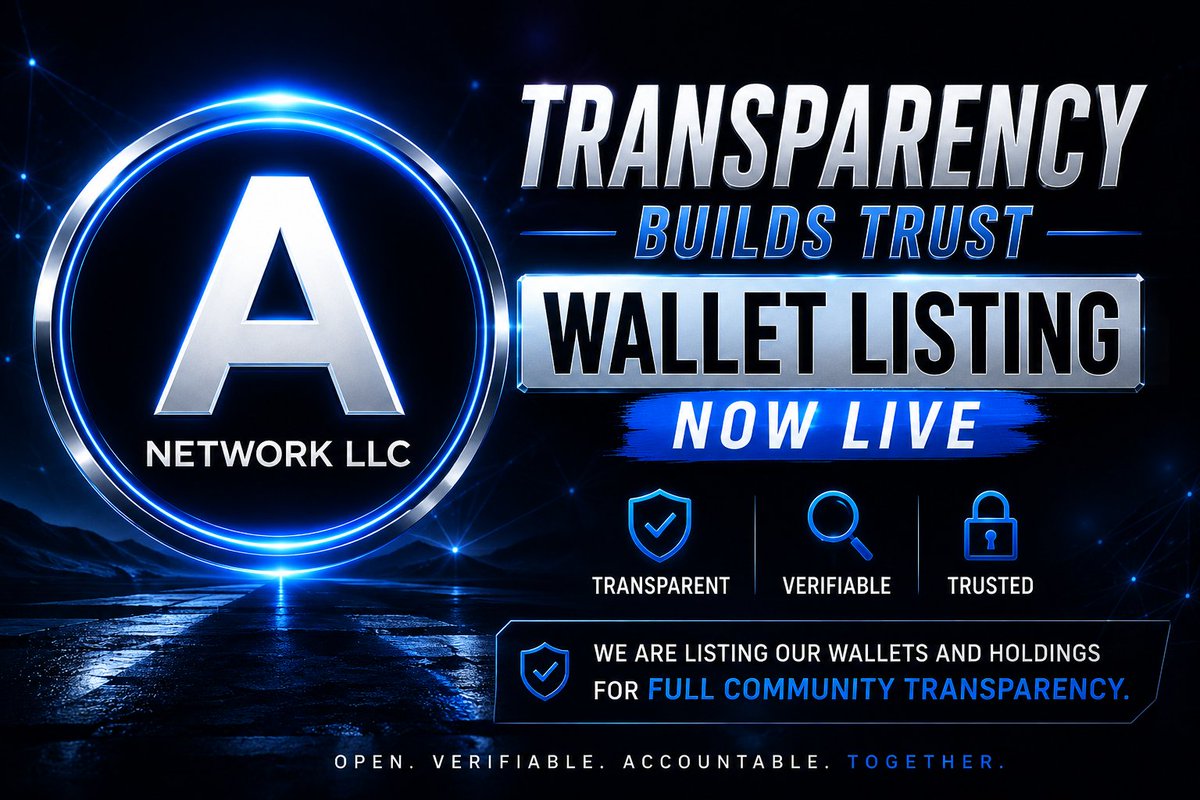
A Network LLC ( Wallets )
🔍 A Network Wallet Transparency Update
Transparency has always been one of our core principles.
Today, we are publishing our wallet addresses and holdings so every community member can verify them directly on-chain.
No assumptions.
No hidden balances.
No guessing.
Just verifiable blockchain data.
We believe the strongest communities are built on trust, and trust comes from transparency.
The wallets listed below represent key ecosystem holdings and can be independently verified by anyone at any time.
Blockchain gives us the ability to be open, accountable, and transparent—and that's exactly what we intend to do.
🔷 Verify.
🔷 Track.
🔷 Trust through transparency.
1. 0x31438362a7667ce5559500023D025c7c14168B49
Holding $10.5 Millions coins Locked in vault .
2. 0x5A7a8911C054EEEDF366Ae1ae4813Ac99f070582
Holding $9,139,650.7287 Million Coins
3. 0x37F1C2442DF2F1D952bce2aa2d4048907a46B988
Holding $1,350,081.4388 Million Coins
4. 0x407993575c91ce7643a4d4cCACc9A98c36eE1BBE
Holding Pinksale : Pink Lock V2 Locked 5,000
5. 0xf935baC63f6F161F22CCd11a789D3071EcE502FE
Holding 591.2092 ( @Digitalgold1979 )
6. 0x1A1AFE5BF1ffDB64aC10958cCe2D06B22Fb47Fb8
Burned 340 Coins In Contract Address of A Network.
7. 0xB90071e377A31A6EA2cFDeBE19a4d5226c420b6B
Pancake Swap V2 Locked 288.4141 $ANET
8. 0x84Db1a2c45C33559E4c652892560E5E89A902036
Holding 74.3139 ( @Digitalgold1979 ) Coins .
You Guys Can Not Only Trust But You Can Verify And Scan Them .
#ANetwork #ANet #Ants
@BaskaranBBV @Joel_Dupalco @Jawad0008 @Queen_ANet @DhirajK26126238 @dayamaydas @RajeshS31944342 @Yasir_Abbasi17 @MMG_Book @Farhankhann10 @21_itis
30
42
123
4,913
21 retweeted

Jun 7
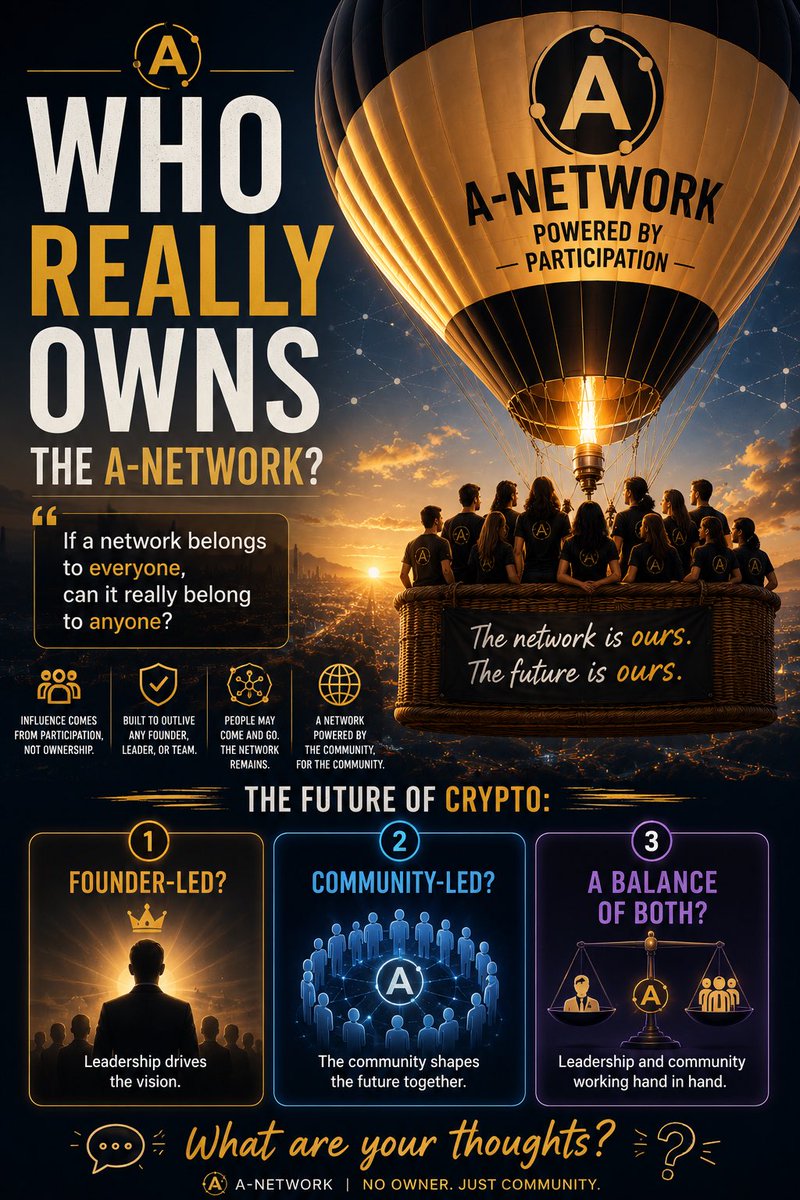
Who Really Owns the A-Network?
The ongoing conversation around A-Network’s “No Owner” philosophy raises an interesting question:
If a network truly belongs to everyone, can it really belong to anyone?
Most projects are built around founders, executives, or companies that ultimately control the direction of the ecosystem. While leadership plays an important role, it can also create dependence on a small group of decision-makers.
What makes decentralized networks unique is the idea that influence comes from participation rather than ownership.
Instead of asking:
“Who owns the network?”
Perhaps the better question is:
“Who contributes to the network?”
A healthy decentralized ecosystem should be able to grow beyond any founder, developer, executive, or community leader. People may come and go, but the network remains.
The “No Owner” philosophy is not about the absence of responsibility. It is about building a system where the community becomes the long-term steward of the network, while operational teams continue to support its development and growth.
Whether this vision is fully achievable remains to be seen, but it is one of the most fascinating ideas in blockchain.
What are your thoughts? Is the future of crypto founder-led, community-led, or a balance of both?
#ANetwork #Ants #ANET
8
18
49
2,974
that's super news
Jun 8

🚀💎 100,000 wANET REWARD POOL IS NOW LIVE 💎🚀
🏆 THE OFFICIAL wANET DIAMOND HANDS COMMUNITY REWARDS PROGRAM
Loyalty deserves recognition.
Patience deserves rewards.
Diamond Hands deserve more than words.
Today, A Network is proud to launch one of the largest community loyalty initiatives in our ecosystem's history.
A total of 100,000 wANET has been allocated exclusively for community members who believe in the long-term vision and choose to stand strong through every stage of growth.
This is not about trading.
This is not about hype.
This is about rewarding conviction.
If you believe in the future of A Network and wANET, this program was built for you.
💎 EXCLUSIVE TO ANET DEX WALLET HOLDERS
The Diamond Hands Community Rewards Program has been designed to strengthen and reward participation within the A Network ecosystem.
✅ Only wANET balances held within the official ANet DEX Wallet will be eligible for participation.
This creates a fair, transparent, and verifiable environment while helping grow the ANet ecosystem and rewarding the community members who actively support it.
Not using ANet DEX yet?
This is the perfect opportunity to join thousands of community members building the future together.
📅 REGISTRATION PERIOD
June 8, 2026 – July 8, 2026
⚠️ Registration will remain open for only 30 days.
⚠️ Wallets must be registered during this period to participate.
⚠️ Once registration closes, no additional wallets will be accepted into this rewards cycle.
📸 SNAPSHOT-BASED REWARDS
🥉 BRONZE TIER — 30 DAYS
• Minimum: 50 wANET
• Maximum: 1,000 wANET
• Reward: 2% wANET Airdrop
🥈 SILVER TIER — 90 DAYS
• Minimum: 10 wANET
• Maximum: 50,000 wANET
• Reward: 5% wANET Airdrop
🥇 GOLD TIER — 180 DAYS
• Minimum: 10 wANET
• Maximum: 100,000 wANET
• Reward: 10% wANET Airdrop
🚀 HOW TO PARTICIPATE
Step 1
Download and set up your ANet DEX Wallet.
Step 2
Transfer your wANET into your ANet DEX Wallet.
Step 3
Register your wallet using the official registration form.
Step 4
A snapshot of your wallet balance will be taken.
Step 5
Maintain your qualifying balance throughout your selected holding period.
Step 6
Qualify for rewards and become part of the Diamond Hands community.
Simple. Transparent. Community Driven.
📋 PROGRAM RULES
✅ Registration is required before participation.
✅ Only wANET balances held within the official ANet DEX Wallet will qualify.
✅ Participants must transfer their wANET to their ANet DEX Wallet before registration.
✅ Wallet balances held on exchanges, custodial services, or unsupported wallets will not qualify.
✅ Eligible balances must remain in the registered ANet DEX Wallet throughout the selected program period.
✅ An initial wallet snapshot will be taken upon registration.
✅ Only the balance recorded on the initial snapshot date will be used to determine reward eligibility and calculations.
✅ Any wANET added after the initial snapshot will not be counted toward reward calculations.
✅ Additional purchases are allowed but will not increase reward eligibility.
✅ Wallet balances must remain at or above the original snapshot balance throughout the selected holding period.
✅ Selling below the original snapshot balance at any time during the selected period will result in disqualification.
✅ Daily and weekly wallet audits may be conducted.
✅ Participants attempting to manipulate balances or circumvent verification procedures may be disqualified.
✅ No staking required.
✅ Participants maintain full control and custody of their assets at all times.
🎁 100,000 wANET TOTAL REWARD ALLOCATION
💎 A total of 100,000 wANET has been allocated to the Diamond Hands Community Rewards Program.
💎 This allocation has been reserved exclusively for rewarding long-term supporters of the ecosystem.
💎 Once the maximum allocation has been reached, no additional rewards will be issued under the current program cycle.
💎 If total eligible rewards exceed the available allocation, rewards may be adjusted proportionally among qualifying participants.
💎 Any undistributed rewards may be allocated to future community initiatives at the discretion of A Network.
🌟 WHY PARTICIPATE?
✔ Earn rewards for your loyalty.
✔ Keep full control of your assets.
✔ No lockups.
✔ No staking contracts.
✔ No third-party custody.
✔ Support the growth of ANet DEX.
✔ Join a stronger ecosystem.
✔ Become an early supporter recognized by the community.
✔ Position yourself among the strongest holders in the ecosystem.
📝 REGISTRATION LINK
🔗 docs.google.com/forms/d/e/1F…
━━━━━━━━━━━━━━━━━━━━
⚠️ DISCLAIMER
The wANET Diamond Hands Community Rewards Program is a community loyalty initiative intended to recognize and reward long-term ecosystem supporters.
Participation does not constitute an investment contract and does not guarantee profits, returns, income, token appreciation, or future value.
Digital assets involve risk. Participants should conduct their own research before participating.
Rewards are subject to eligibility verification, audit results, available program allocation, and compliance with all program rules.
A Network reserves the right to verify wallet balances, reject fraudulent participation, and modify, suspend, cancel, or discontinue the program if necessary for the protection, fairness, security, and long-term sustainability of the ecosystem.
━━━━━━━━━━━━━━━━━━━━
💎 DIAMOND HANDS ARE BUILT, NOT BOUGHT
💎 Patience Creates Opportunity.
💎 Conviction Creates Value.
💎 Time Rewards Those Who Stay The Course.
📸 Snapshot. Verify. Reward.
🚀 Strong Hands Build Strong Networks.
#ANetwork #ANET #wANET #DiamondHands #ANetDEX #HoldAndEarn #CryptoCommunity #Web3 #CommunityFirst
1
4
16
1,695
21 retweeted
Jun 7
Look at this clown 🤡
He is spreading negativity about other projects
Where he is the founder of baby link
What a clown 🤡
He is damaging his own @inter_link
#interlink #itlg #itl
@BaskaranBBV @Jawad0008 @MMG_Book @Ehs87366Ehsan @Farhankhann10 @LeftRw32444 @DhirajK26126238 @kv_interlink @kv_interlinklab @JTodupunuri @Jagabandhu5280 @RajeshS31944342 @rahulsai_k @MaheshMagnus1 @dslakshmi29

12
6
23
2,451
21 retweeted
Jun 7
Interlink’s clown
@BaskaranBBV @MMG_Book @RajeshS31944342 @DhirajK26126238 @Jagabandhu5280 @kv_interlinklab @Ehs87366Ehsan @Farhankhann10 @LeftRw32444 @Jawad0008 @JTodupunuri @rahulsai_k
@Wealthycrypt0

2
6
15
1,530
21 retweeted

Jun 7
Set a reminder for my upcoming Space! x.com/i/spaces/1wxWjjbqVMjJQ
@Digitalgold1979 @BaskaranBBV @21_itis @Jawad0008 @Vijay2057229 @Kanika07003274 @JTodupunuri @rahulsai_k @Jagabandhu5280
1
2
4
1,341
21 retweeted

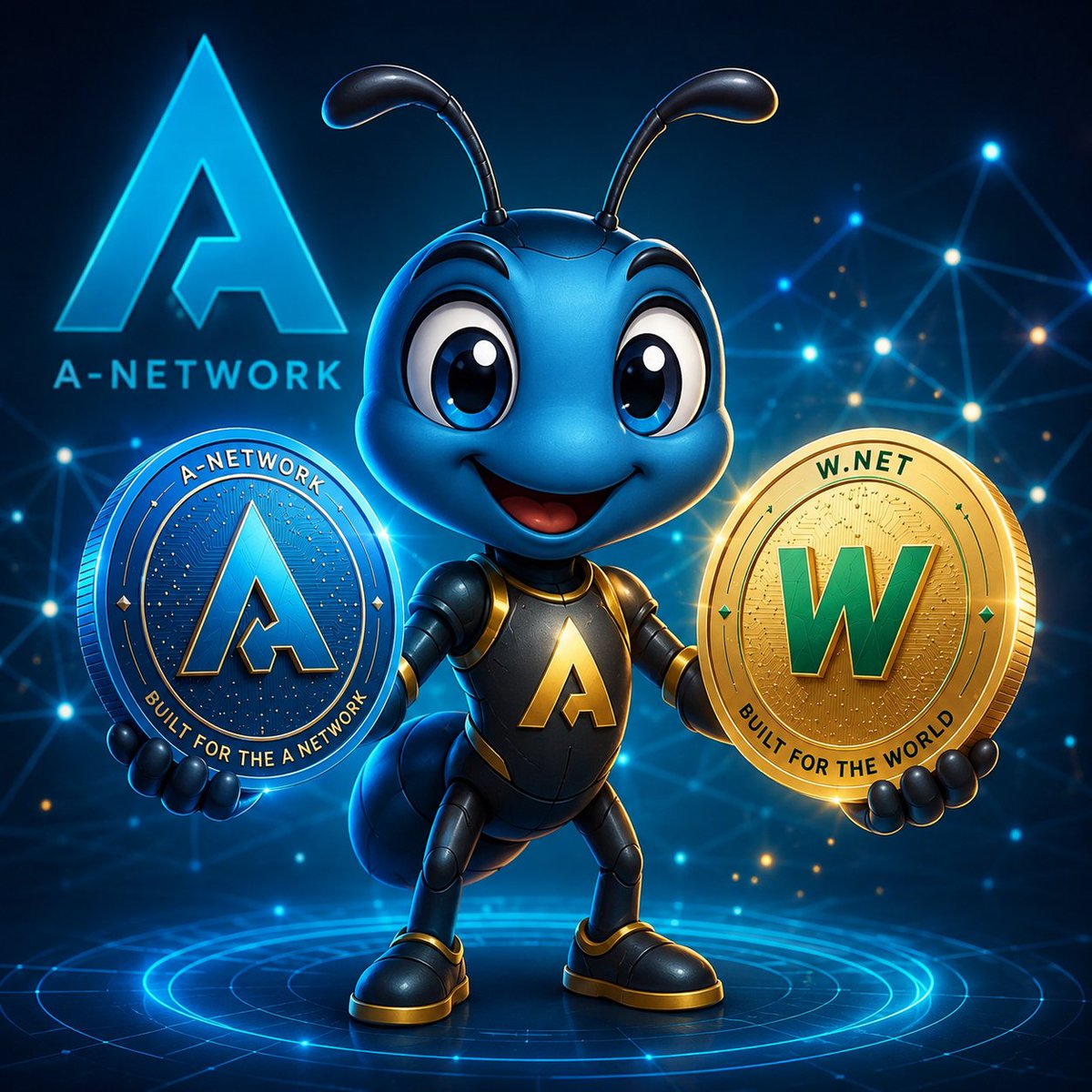
🐜💙💛 One Ecosystem. Two Missions. One Future.
ANET and wANET are not competitors — they are partners powering the same vision.
🔹 ANET: Built for the A-Network ecosystem
🟡 wANET: Built for the wider world
Different purposes, shared value, united by innovation.
Our friendly ant community continues to grow stronger every day, connecting people through technology, transparency, and opportunity.
The journey has only just begun. 🚀
#ANetwork #ANET #wANET
@grok tell me the value of $Anet & $wAnet
4
7
23
1,000