
Passionate advocate for dog welfare reform in the UK. Centralised Microchip and DNA Database • Responsible Breeding • Responsible Ownership 🐾
Joined April 2024
- Tweets 864
- Following 240
- Followers 82
- Likes 832
223 Photos and videos
Pinned Tweet

22 Sep 2025
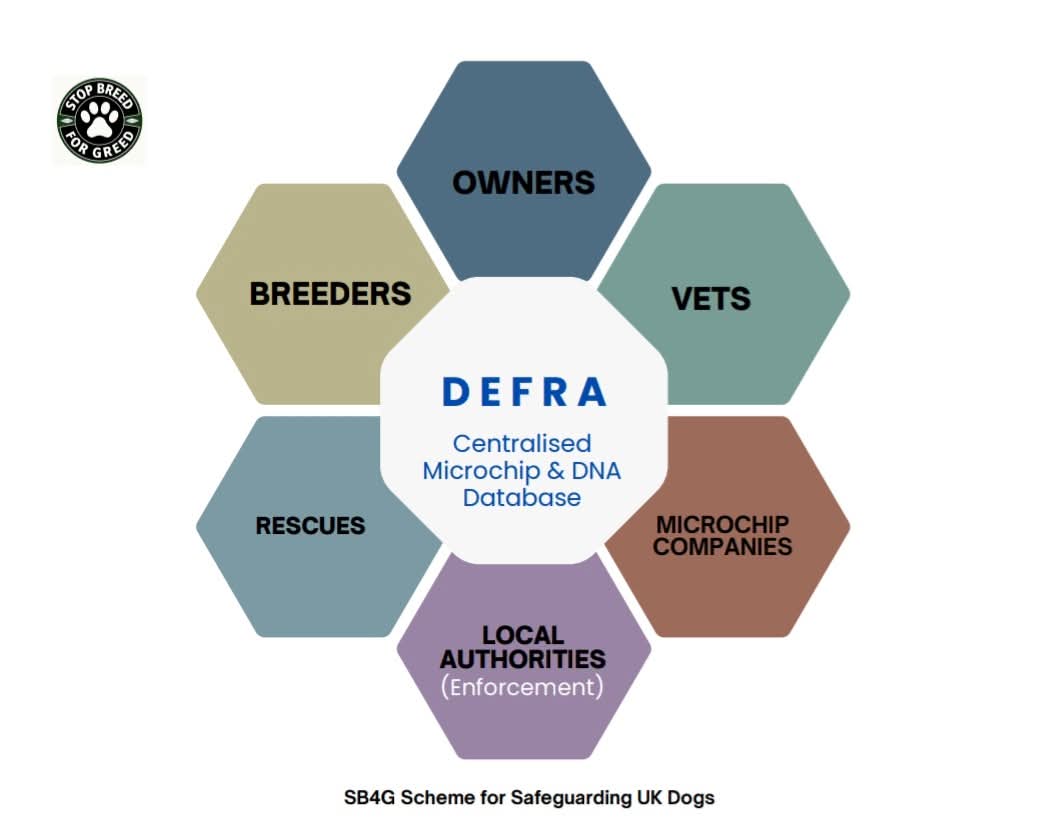
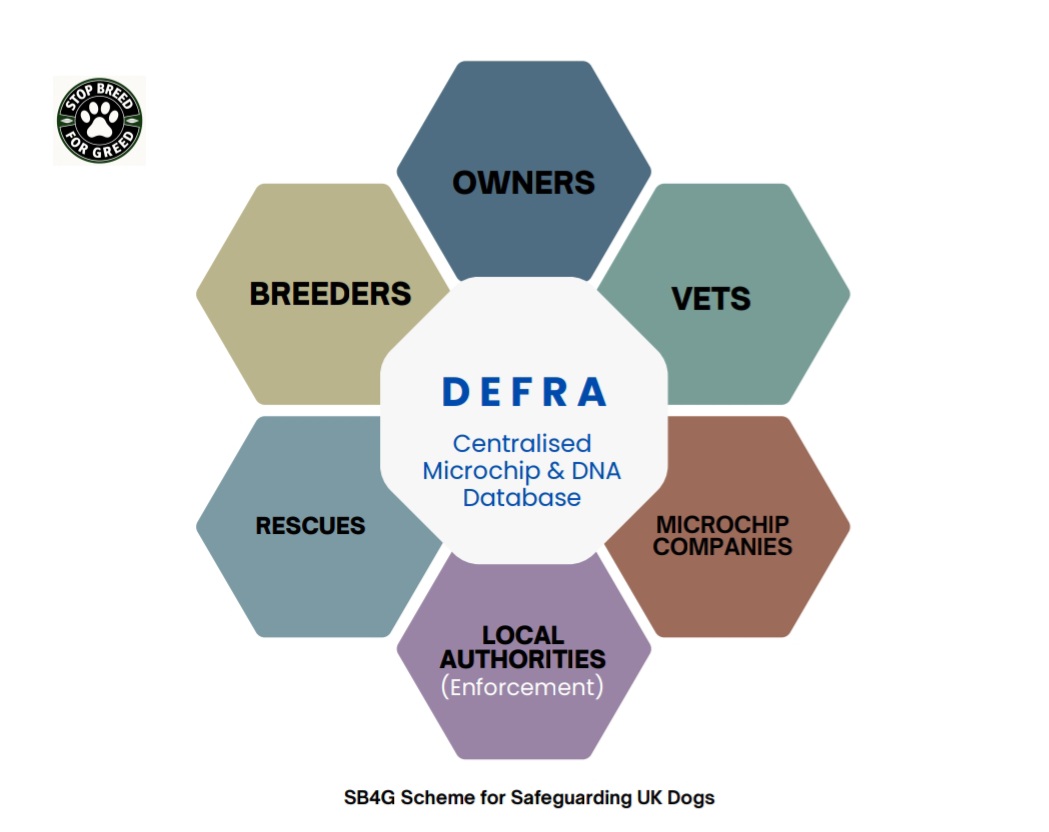
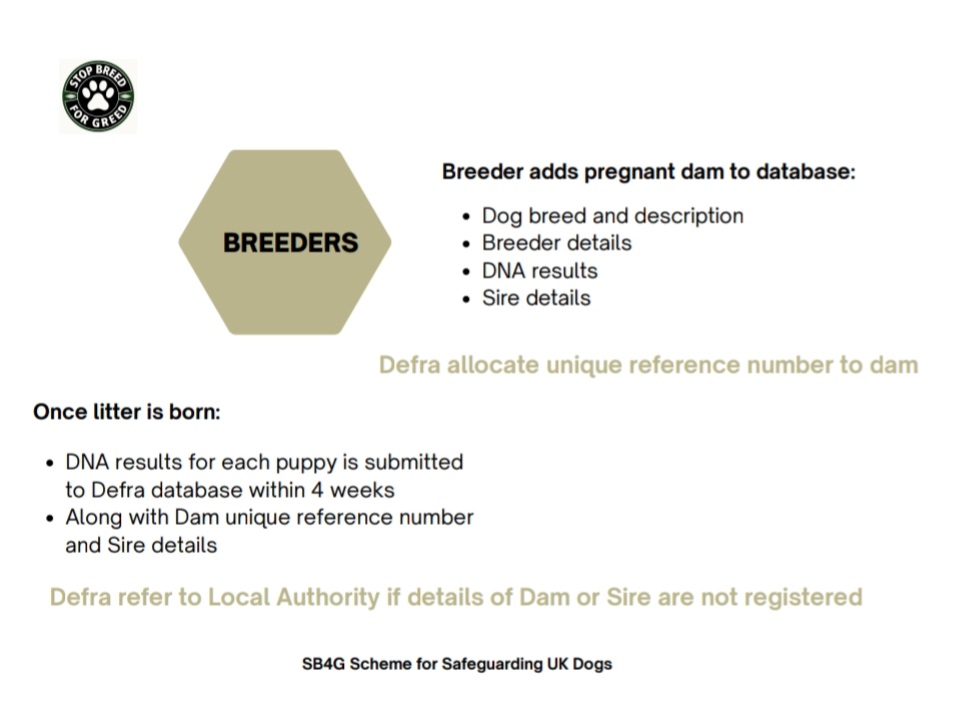
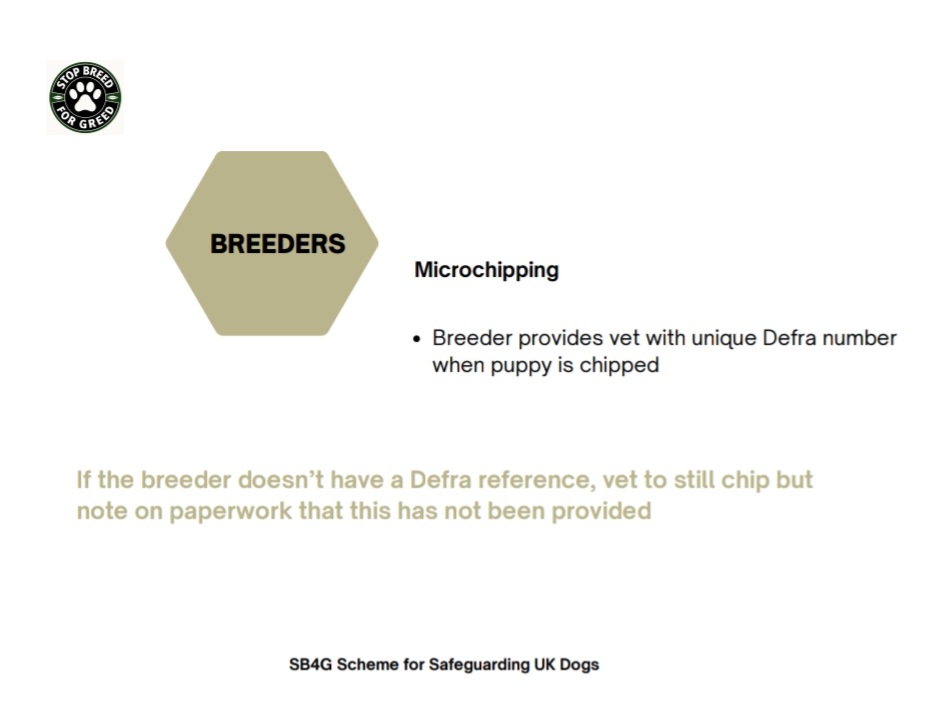
In honour of National Dog Week, we are re-sharing our scheme for improving the standards of welfare for our canine friends.
Our proposal sets out a clear path towards stronger protections for dogs across the UK - including a centralised microchip and DNA database to ensure greater accountability, traceability, and enforcement.
This week, whilst we celebrate the joy dogs bring, SB4G are renewing our call for the reforms they deserve. 🐕
#NationalDogWeek #DogWelfare #PolicyForChange #DogsDeserveBetter
1
1
397
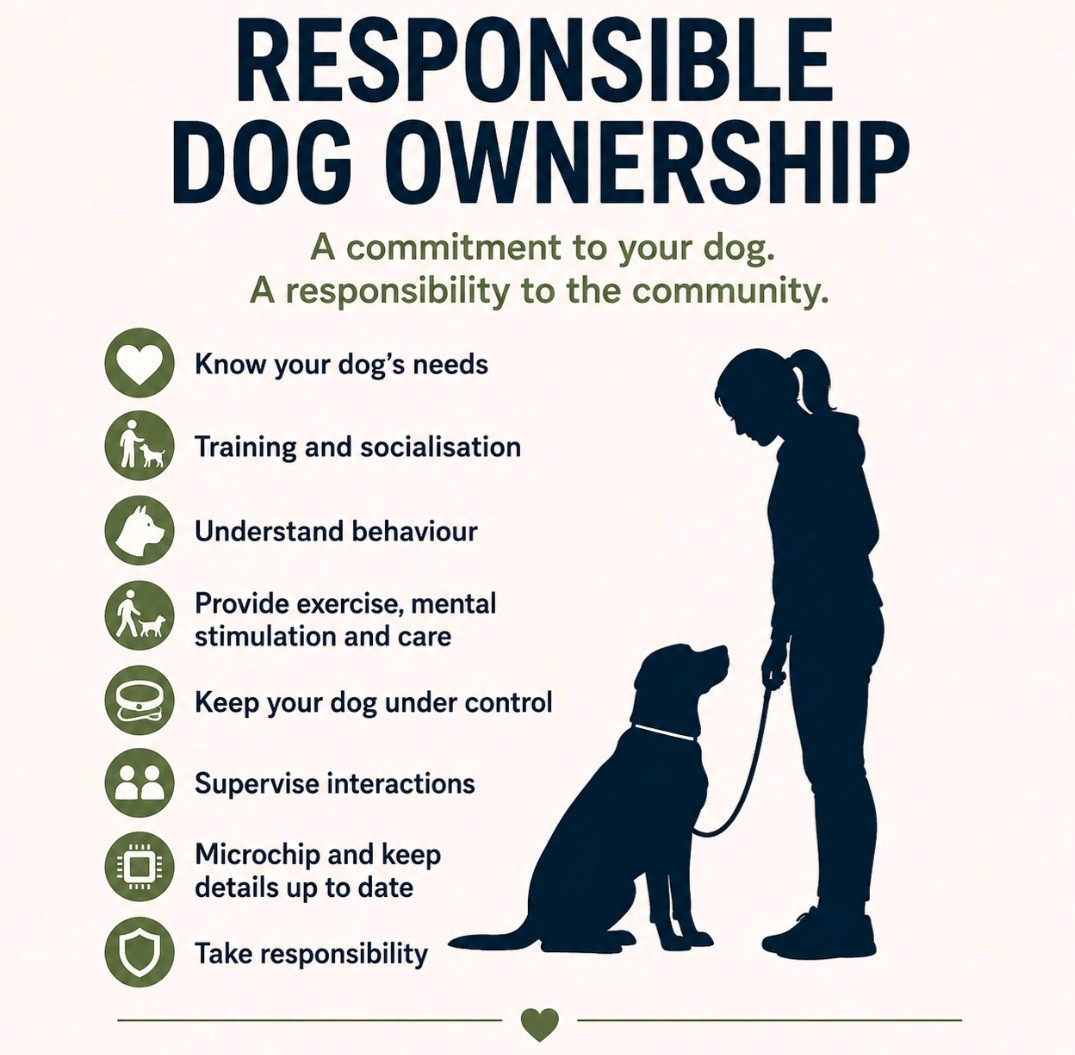
Building a Culture of Responsible Dog Ownership Post 2
Responsible Ownership - More Than Love
Being a responsible dog owner is about much more than providing food, water, and a warm bed.
It means understanding your dog's needs and taking responsibility for their welfare and behaviour throughout their life.
Responsible ownership includes choosing the right dog for your lifestyle, providing appropriate training and socialisation, understanding canine body language, meeting physical and mental needs, keeping identification details up to date, and ensuring dogs are properly managed around people and other animals.
It also means recognising that children should never be left unsupervised with dogs, regardless of breed, size, or history. Most owners love their dogs. But love alone isn't enough.
Education, understanding, management, and accountability all play an important role in preventing problems before they occur.
Responsible ownership protects dogs, protects people, and helps create safer communities for everyone.
1
1
4
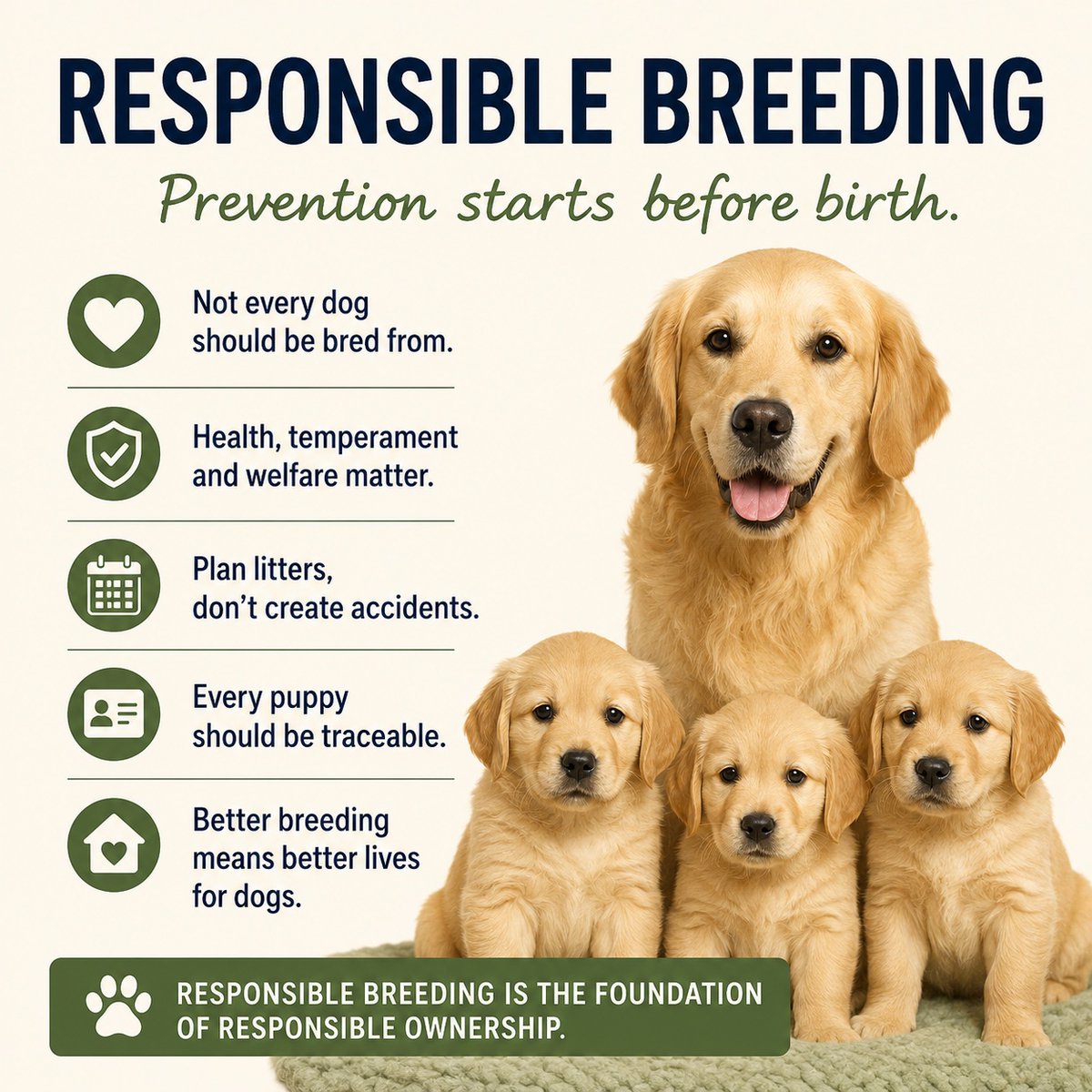
Building a Culture of Responsible Dog Ownership Post 1
When we talk about dog welfare and public safety, the conversation often starts too late.
Responsible dog ownership begins long before a puppy enters a home. It begins with responsible breeding.
Not every dog should be bred from. Responsible breeders carefully consider health, temperament, welfare, and the future of every puppy they produce. They plan litters, health test where appropriate, and take responsibility for the dogs they bring into the world.
By contrast, accidental litters and backyard breeding can contribute to poor welfare outcomes, increased pressure on rescue organisations, and puppies being bred without proper consideration of health, temperament, or long-term suitability.
Reducing irresponsible breeding isn't about stopping people from owning dogs. It's about ensuring that every litter is planned, every puppy is traceable, and every breeder is accountable.
If we want to reduce the number of dogs entering rescue, improve welfare standards, and create safer communities, prevention must start before birth.
Responsible breeding is the foundation of responsible ownership.
11
Stop Breed for Greed retweeted

Jun 11
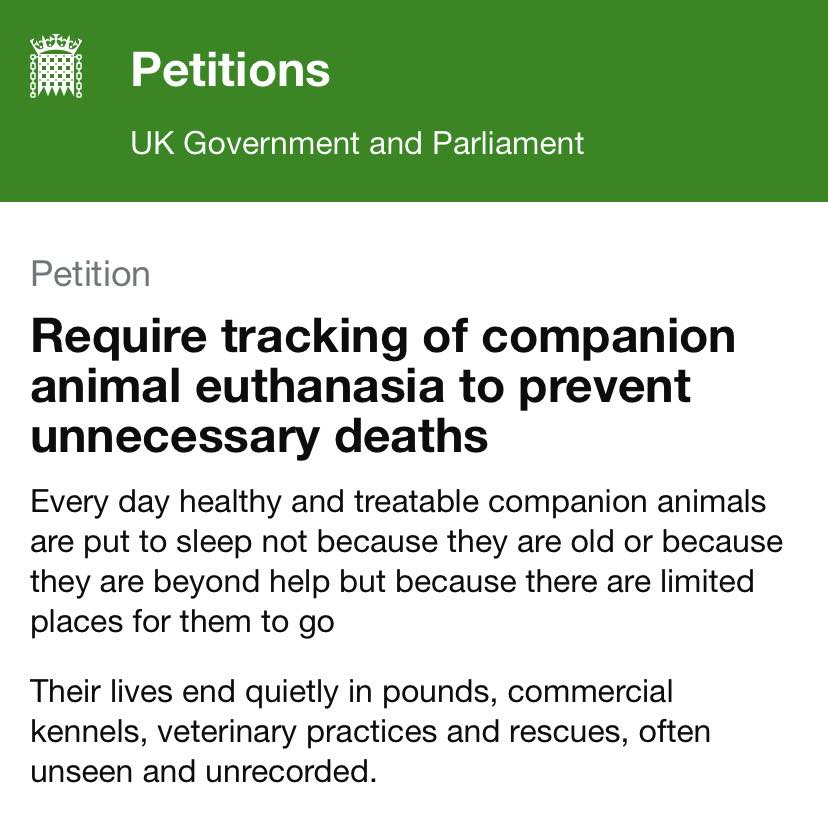
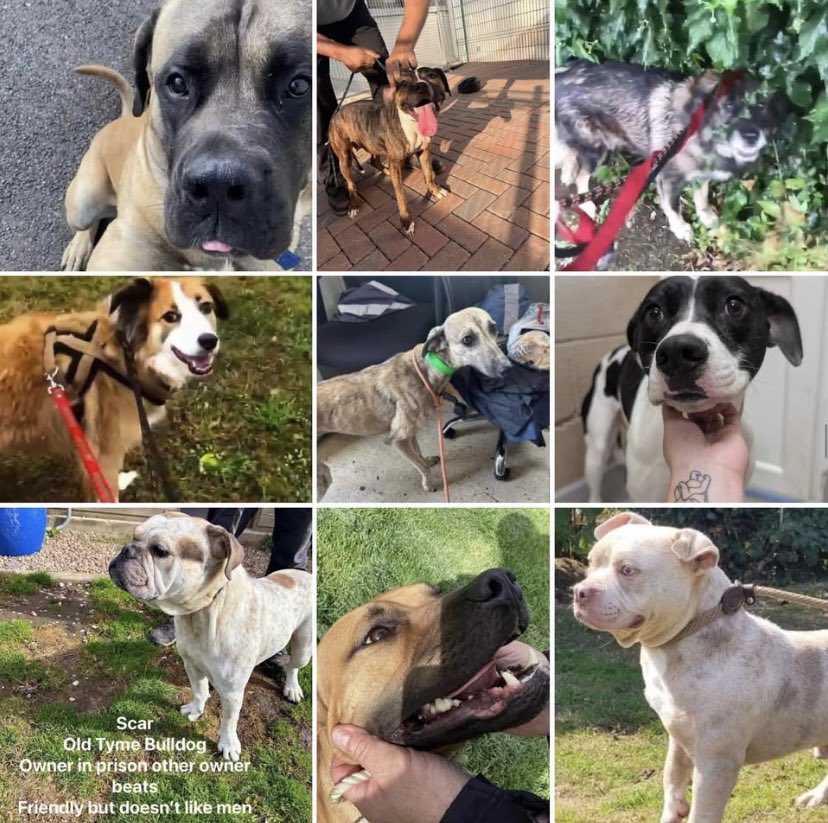
Every year thousands of abandoned dogs end up in local authority pounds.
Q) Do you know how many of those end up euthanised?
A) No
Help us change that by signing and sharing 👇
petition.parliament.uk/petit…
#TuksLaw
TY for your support 🐾
@KatieAmess @domdyer70 @StaffiesRescue
5
96
110
2,033
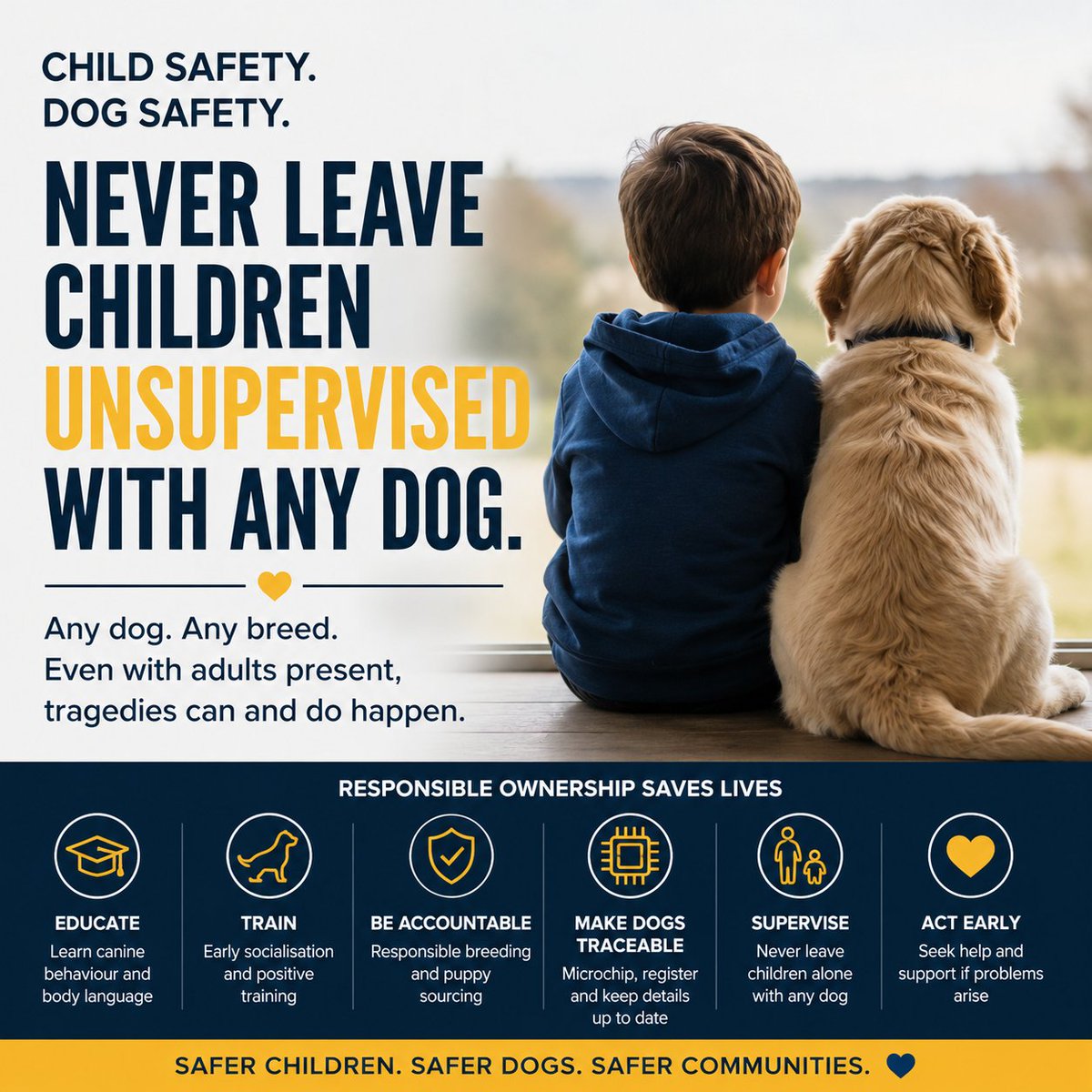
From 1 November, it will be illegal to leave a child under 12 unsupervised with a banned breed dog. But child safety shouldn't depend on breed.
No dog should be left alone with young children. Tragically, fatal attacks have occurred even when adults were present.
Better education, responsible ownership, early intervention, and stronger enforcement are key to reducing bite incidents and improving public safety.
2
2
13
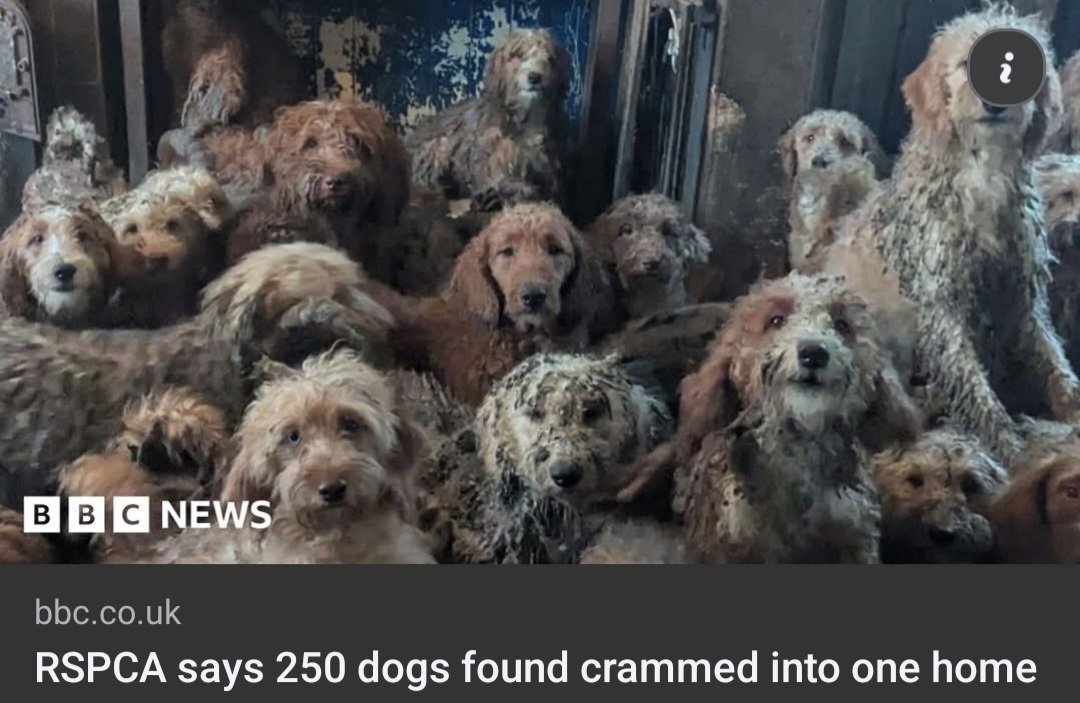
41 dogs were found dead in Billericay. Not a statistic - 41 individual lives lost to cruelty.
This petition calls for every abused animal to be recognised as an individual victim, so the suffering of multiple animals is properly reflected in the law.
The petition closes on 13 July and still needs support. Please take 60 seconds to sign and share. Every animal matters. 🐾🙏
petition.parliament.uk/petit…
8
7
257
🐾 It is estimated that there are around 15 million dogs in UK households, yet the call for a centralised microchip database still isn't receiving the attention it deserves.
A single, secure database could:
✅ Help lost and stolen dogs get home faster
✅ Improve accountability for breeders and owners
✅ Support action against illegal and irresponsible breeding
✅ Give rescues and enforcement agencies access to more reliable information
✅ Provide better data on dog welfare and rescue pressures
With millions of dog owners across the UK, why isn't this issue a bigger priority?
⏳ The petition closes tomorrow. If you believe dogs deserve better protection, please take a moment to sign and share before it's too late.
Traceability drives accountability. Accountability helps protect dogs.
#MakeChipsCount
petition.parliament.uk/petit…
1
28
Stop Breed for Greed retweeted
A microchip is only as powerful as the system that supports it.
In the UK, dog microchip records are spread across multiple databases, making it harder to trace ownership, reunite lost dogs, identify irresponsible breeding practices, and monitor welfare concerns throughout a dog's life.
A centralised microchip database could transform dog welfare by creating one secure, connected system that would:
🐾 Help lost and stolen dogs return home more quickly
🐾 Strengthen accountability for breeders and owners
🐾 Reduce the risk of dogs disappearing from records
🐾 Support action against illegal and unethical breeding
🐾 Give rescues and enforcement agencies access to clearer, more reliable information
🐾 Provide better insight into dog populations, welfare trends, and pressures on rescue organisations
When combined with DNA registration, it would create a stronger chain of traceability from birth onwards - helping shift dog welfare from reacting to problems after they occur to preventing them in the first place.
We cannot continue tackling rising abandonment, rescue overcrowding, and irresponsible breeding with fragmented systems and incomplete data.
Traceability drives accountability. Accountability helps protect dogs.
Please sign and share the petition to help make meaningful change happen. 🙏
petition.parliament.uk/petit…...
#MakeChipsCount
2
2
38
If we truly wish to improve outcomes for dogs here in the UK, we must have a central microchip portal.
SIGN
SHARE
SAVE LIVES

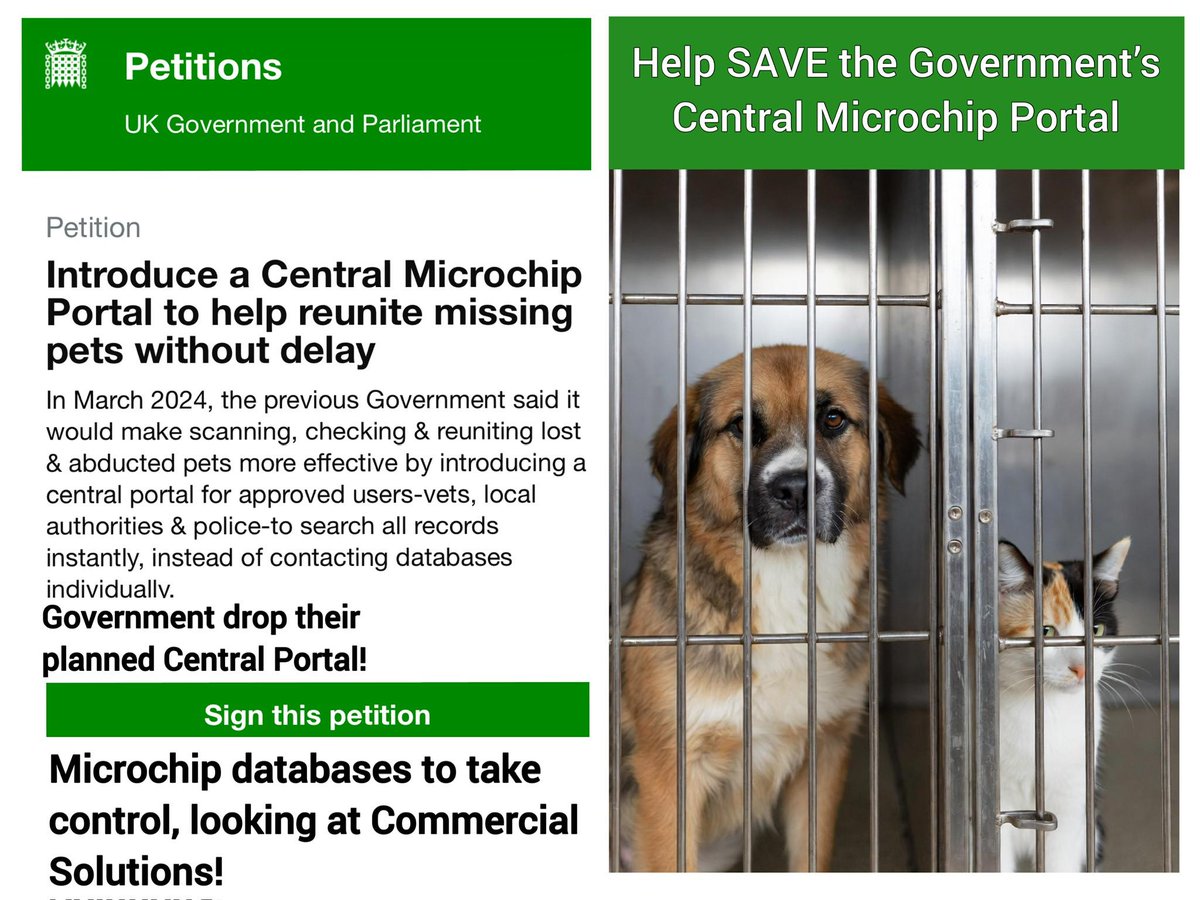
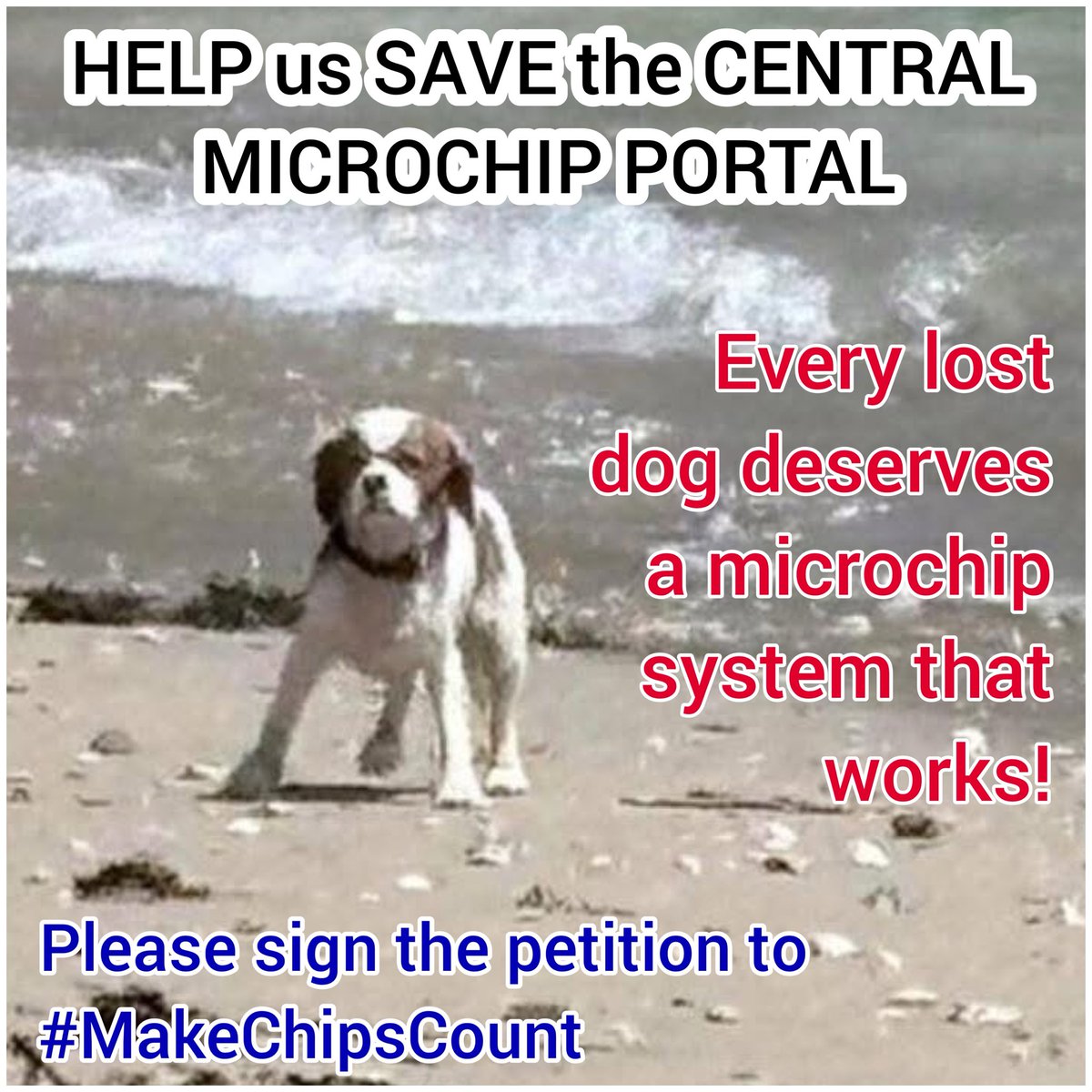
HELP us SAVE the CENTRAL MICROCHIP PORTAL - You and your dog may be depending on a microchip system that works one day! The Government backtrack and our dogs and cats will suffer 🐾💔🐾 Please sign the petition to save the single login, linking the 25 UK databases, available 24/7 for vets, wardens and police - it’s a no brainer! WHY was it dropped!
PLEASE - SIGN - SHARE
petition.parliament.uk/petit…
Petition closes on 5th June!
This little dog was microchipped and fully registered with up-to-date owner details — but the vet who scanned him didn’t have an account with that particular database, so couldn’t access the owner’s contact information directly.
The result? Inaccurate information was shared publicly stating Bo wasn’t microchipped or registered. The family spent hours in agony searching for their dog — not because the chip failed, but because the system failed.
Bo made it home safely. But this story shows exactly what happens when 25 databases can’t talk to each other. A vet, warden or rescuer shouldn’t need an account with the right database to reunite a pet with their family. A central portal would have resolved this in minutes.
“This wouldn’t have happened if there was the Government’s Central Microchip Portal.”
#MakeChipsCount #LostDog #LostCat #lost #REUNITED
1
3
4
192
A centralised registration, microchip, and DNA system could help reduce backyard breeding mainly by improving traceability and accountability.
For example:
• Every breeding dog and litter could be linked to a verified breeder through DNA and microchip records, making it harder for people to breed anonymously or falsely claim ownership.
• Litters could be tracked from birth to sale, helping authorities identify breeders producing repeated unregistered litters or breeding beyond legal welfare limits.
• DNA profiling could confirm parentage, reducing false pedigree claims and discouraging irresponsible or indiscriminate breeding.
• Buyers would have a clearer way to verify whether puppies came from health-tested, accountable breeders rather than untraceable sellers.
• If welfare issues arose later, authorities could trace dogs back to the breeder more easily instead of hitting dead ends with inaccurate paperwork or multiple middlemen.
• It could also discourage “cash-in-hand” breeding because breeders would know there’s a permanent record linking dogs, litters, and ownership history.
The biggest advantage is that it shifts breeding from being largely trust-based to evidence-based.
That said, critics are right that determined backyard breeders may still try to operate outside the system entirely. The scheme would likely work best as part of a wider approach that includes:
• enforcement,
• public education,
• buyer awareness,
• easier reporting,
• and meaningful penalties for non-compliance.
As the scheme becomes more well known, buyers should begin refusing puppies without verified registration, DNA records, and traceable breeder histories - because that reduces the market for irresponsible breeding.
1
35
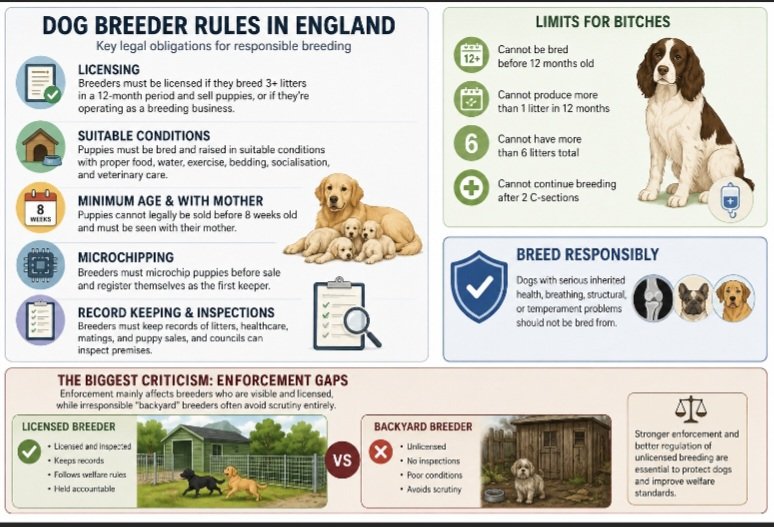
In England, dog breeders already have a fairly extensive set of legal obligations - especially licensed breeders. The main rules come from the Animal Welfare Act 2006 and the Licensing of Activities Involving Animals Regulations 2018.
Key rules include:
▪️ Breeders must be licensed if they breed 3 litters in a 12-month period and sell puppies, or if they’re operating as a breeding business.
▪️ Puppies must be bred and raised in suitable conditions with proper food, water, exercise, bedding, socialisation, and veterinary care.
▪️ Puppies cannot legally be sold before 8 weeks old and must be seen with their mother.
▪️ Breeders must microchip puppies before sale and register themselves as the first keeper.
▪️ Bitches:
- cannot be bred before 12 months old
- cannot produce more than 1 litter in 12 months
- cannot have more than 6 litters total
- cannot continue breeding after 2 C-sections.
▪️ Dogs with serious inherited health, breathing, structural, or temperament problems should not be bred from.
▪️ Breeders must keep records of litters, healthcare, matings, and puppy sales, and councils can inspect premises.
One of the biggest criticisms, though, is that enforcement mainly affects breeders who are visible and licensed, while irresponsible “backyard” breeders often avoid scrutiny entirely.
4
8
163
A microchip is only as effective as the system behind it. Right now, the UK’s fragmented databases make it harder to quickly trace ownership, reunite lost dogs, identify irresponsible breeding, and monitor welfare concerns across a dog’s lifetime.
A centralised microchip database would change that.
One secure, connected system could:
• Help lost and stolen dogs get home faster
• Improve accountability for breeders and owners
• Make it harder for dogs to disappear “off record”
• Support enforcement against illegal and irresponsible breeding
• Give rescues and authorities clearer information when welfare concerns arise
• Create better long-term understanding of the dog population and pressure on rescues
Combined with DNA registration, it would provide a stronger chain of traceability from birth onwards - helping move dog welfare from reactive to preventative.
We cannot keep tackling rising rescue numbers, abandonment, and unethical breeding with disconnected systems and incomplete data.
Prevention starts with accountability, and accountability starts with traceability.
Please sign and share the petition 🙏
petition.parliament.uk/petit…
1
1
1
45
1
1
8
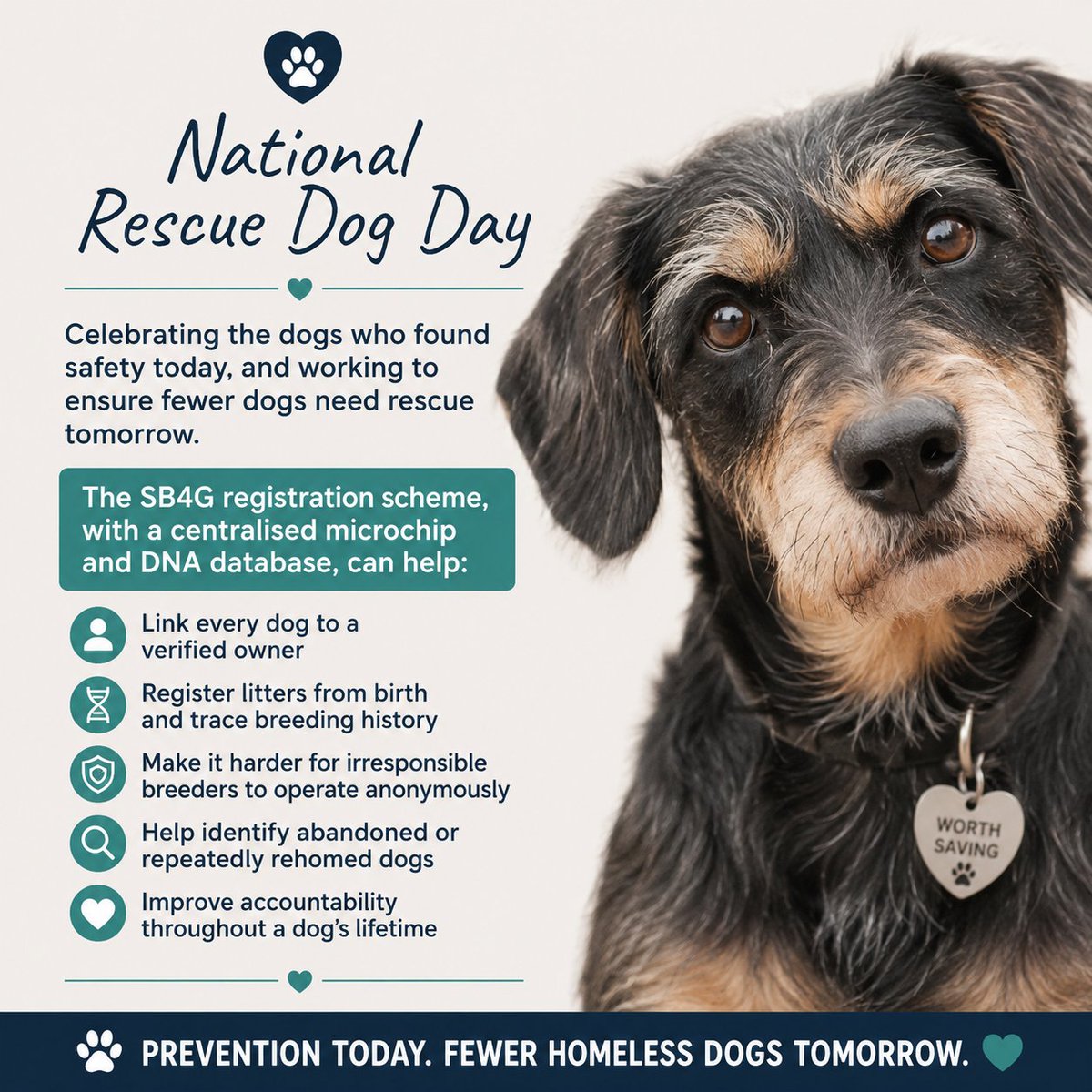
Today is National Rescue Dog Day, but while we celebrate the dogs who found safety and second chances, we also have to ask why so many end up homeless in the first place.
Rescue centres across the UK are overwhelmed. Dogs are being abandoned, passed from home to home, bred irresponsibly, or surrendered because there is little accountability once puppies are sold.
That’s why prevention matters just as much as rescue.
The SB4G (Stop Breed for Greed) registration scheme, alongside a centralised microchip and DNA database for all dogs, could help create real long-term change by:
🐾 Linking every dog to a verified owner
🐾 Registering litters from birth and tracing breeding history
🐾 Making it harder for irresponsible breeders to operate anonymously
🐾 Helping authorities and rescues identify abandoned or repeatedly rehomed dogs
🐾 Improving accountability throughout a dog’s lifetime
Right now, rescue organisations are left dealing with the consequences of a fragmented system. A joined-up national database would not stop every case of neglect or abandonment overnight, but it could close many of the gaps that allow dogs to disappear into the system in the first place.
National Rescue Dog Day should not only be about celebrating the dogs we save today - it should also be about building a system that prevents so many dogs needing rescue tomorrow.
#NationalRescueDogDay
1
28
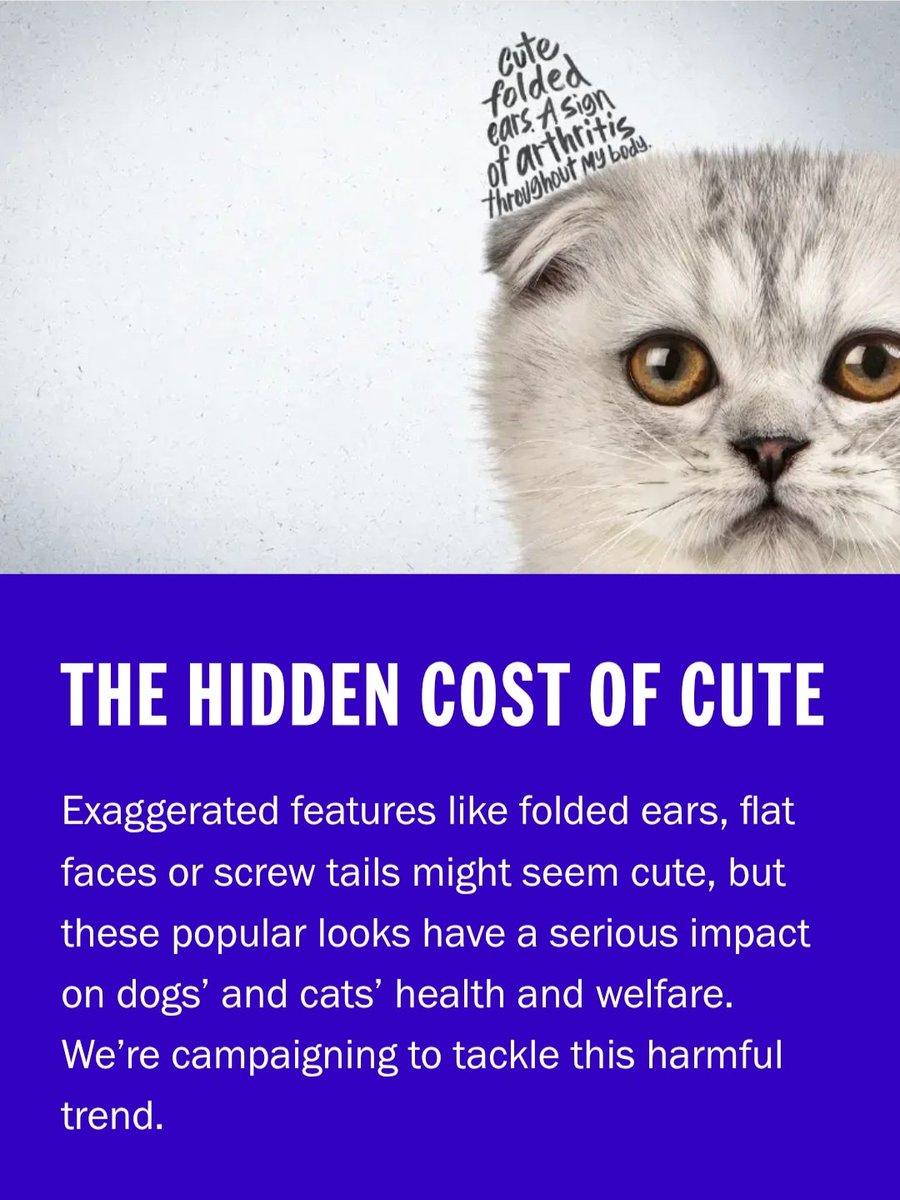
We’ve normalised dogs and cats struggling to breathe, walk, or live comfortably because certain features are seen as “cute”.
This campaign from Battersea highlights the hidden welfare cost behind extreme breeding trends - and why health should never come second to appearance.
If loving animals means anything, it should mean putting welfare before aesthetics. 🐾💔
Please take a moment to read more ⬇️
battersea.org.uk/what-we-do/……
40
Stop Breed for Greed retweeted

Chilli couldn’t contain her excitement 🐾❤️🐾 Thank you, thank you, thank you. We’ve reached 22,000 signatures to save our dogs and cats ‘Central Microchip Portal, it’s such an important issue for every microchipped #dog and #cat in the #UK. Recommended by the Government’s Pet Theft Taskforce, Defra announced the fix to link all 25 UK compliant databases. A single, publicly accountable portal. One login for vets, wardens and police. Instant, 24/7 access to all microchip records across every approved database. A lost pet, a microchip scan and registration check, a phone call a reunion within the hour.
WHY WAS IT DROPPED?
Please sign and share: petition.parliament.uk/petit…
#MakeChipsCount #ScanMe #PetTheftReform
1
42
53
924
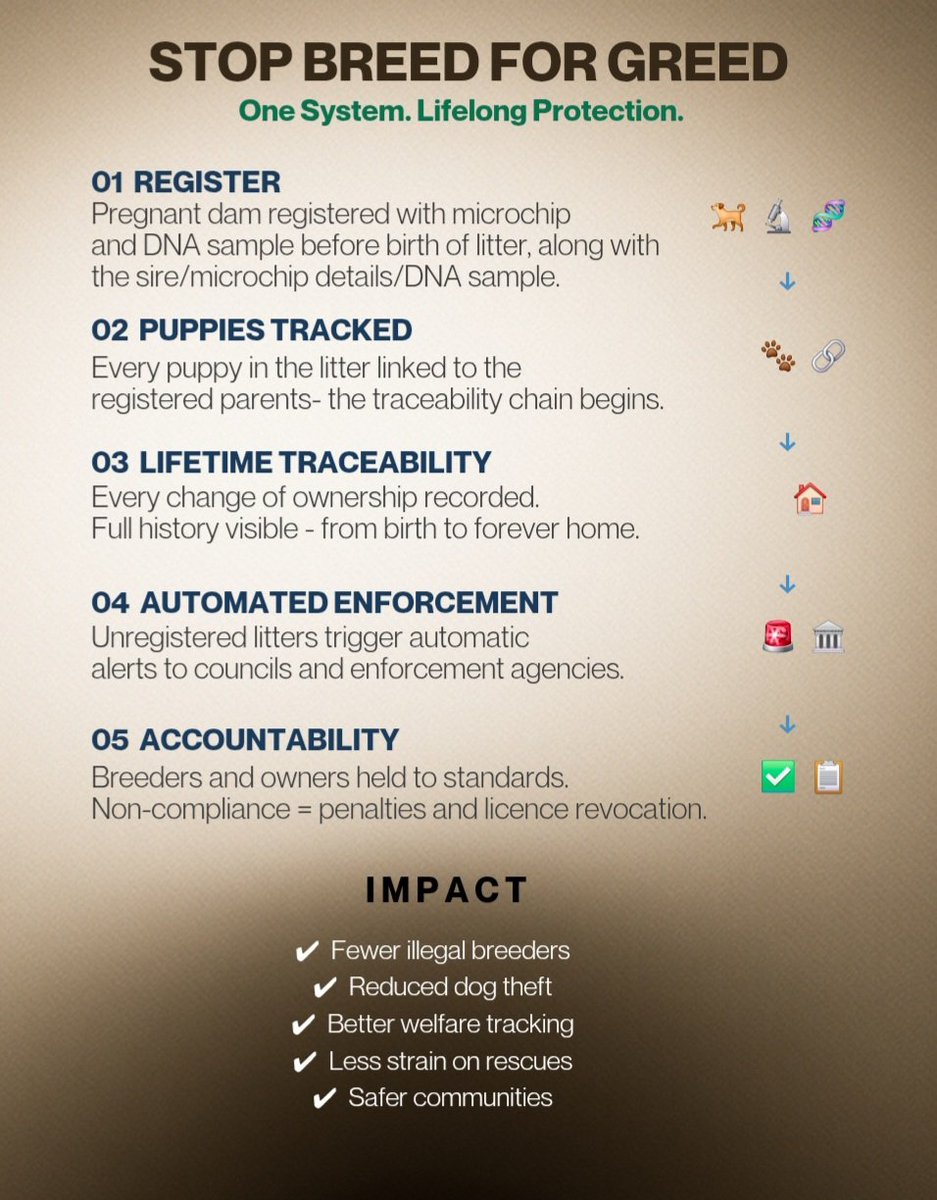
STOP BREED FOR GREED – A REAL SOLUTION
What if every dog could be traced and protected for life?
The SB4G model would:
🐾 Register every pregnant dam and the sire
🐾 Log puppies by 4 weeks
🐾 Use microchip DNA tracking for life
🐾 Record all ownership changes
⚖️ Why it matters:
✔️ Ends irresponsible breeding
✔️ Reduces dog theft and illegal sales
✔️ Holds breeders accountable
✔️ Protects dog welfare long-term
Key changes include licensed breeders, litter limits, and automatic enforcement alerts.
Change won’t be instant - but the result could mean:
🐾 Fewer abandoned dogs
🐾 Less suffering
🐾 Less strain on rescues
💙 Safer communities
1
26