Joined June 2020
- Tweets 57,589
- Following 150
- Followers 38,137
- Likes 23,092
20,922 Photos and videos
Pinned Tweet

3 Sep 2022
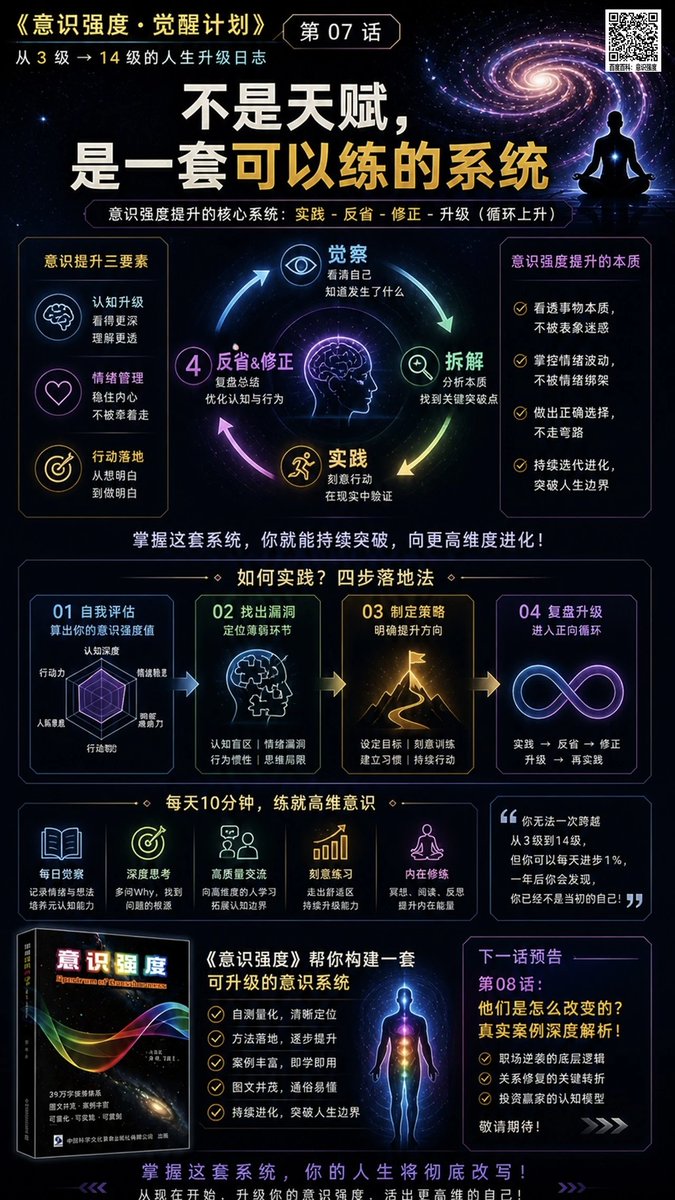
身处矩阵而不知
无限循环如梦痴
唯有觉醒突重围
勇者之路齐高飞
一个或许在未来能用的上的逃生指南,懂的自然懂,不懂的到那个时候或许就懂了。
重新整理发一遍,收藏级,没事儿就看看,植入你的潜意识,能修出去的修出去,不能的就牢记这些要点等着死的时候用上(这种可能性很小)…
1⃣什么是矩阵
84
436
954

🇯🇵🇺🇸 日本在中国领土上运营731部队的人体死亡实验室:美国随后为其科学家提供了豁免权以换取数据,而不是正义 🇨🇳
CNA Insider 本月早些时候在 YouTube 上发布的两集纪录片,它做了一件大多数731部队报道没有做的事情。它将设施内部发生的一切完整记录与战后美国的交易配对,该交易让那些运营它的人逍遥法外。
该系列名为《731部队内部:日本的秘密人体实验》。第一集涵盖了哈尔滨附近平房的人体死亡实验室。第二集涵盖了日本投降后发生的事情。
核心人物是清水秀夫。他现在90多岁了。1945年初抵达时,他是一个14岁的应征者。在这部纪录片中,他比以往走得更远,探讨了该综合体的规模、被称为“丸太”的囚犯、病原体实验——感染实际上就是死刑——以及在苏联军队逼近时销毁证据的命令。他在镜头前回到了哈尔滨的废墟。
第一集详细记录了实验。故意感染鼠疫、炭疽和霍乱。在安达进行的露天测试、活体解剖、对中国平民的实地部署,1940年在衢州的一次记录在案的行动使用了感染鼠疫的跳蚤,造成数千人死亡。有中国幸存者的证词,它还涵盖了该部队的新加坡分支,该分支专门为那些攻击繁殖跳蚤。
第二集更难看。1945年后,美国向石井四郎和核心科学家提供了完全豁免战犯罪起诉。作为交换,他们交出了人体实验数据。美国官员确切知道这些数据是如何产生的,这些数据直接输入了美国的生物武器计划。涉案人员大多避开了东京审判,并回到了日本医学和学术界的资深职位。
唯一实际发生的起诉是1949年在哈巴罗夫斯克的苏联审判。十二人被定罪。纪录片还审视了证据,表明一些盟军战俘可能被用于实验,以及那些通过日记和解密文件仍在拼凑发生什么的家庭。
八十年后,这不是一个已关闭的章节。像清水这样的目击者仍然活着可以发言。解密记录不断证实交易的条款。受害者绝大多数是中国人,在中国领土上。西方叙述通常将731部队视为太平洋战争的脚注,或纽伦堡的更小的脚注。这个系列拒绝这种框架。
它展示的是结构性逻辑:1945年后,大国竞争奖励那些能提供有用数据的人。中国承受了死亡和持久损害。那些工作产生数据的人得到了保护。
如果问责制一致适用,731部队将与纳粹医学实验并列在每一次严肃的历史处理中。它没有。问题是为什么权力仍然决定谁的死者被记住,谁的被遗忘。
值得一看。
在下面的线程中观看第一集和第二集。

🇯🇵🇺🇸 Japan ran Unit 731’s human death labs on Chinese soil: the US then gave its scientists immunity for the data instead of justice 🇨🇳
A two-part documentary from CNA Insider released on YouTube earlier this month and it does something most Unit 731 coverage doesn’t. It pairs the full record of what happened inside the facility with the post-war American deal that let the men who ran it walk free.
The series is called Inside Unit 731: Japan’s Secret Human Experiments. Part 1 covers the death lab itself at Pingfang, near Harbin. Part 2 covers what happened after Japan surrendered.
The central figure is Hideo Shimizu. He’s in his mid-90s now. He was a 14-year-old recruit when he arrived in early 1945. In this documentary he goes further than he has before, exploring the scale of the complex, the prisoners referred to as “maruta”, the pathogen experiments where infection was effectively a death sentence and the orders to destroy evidence as Soviet forces closed in. He goes back to the Harbin ruins on camera.
Part 1 documents the experiments in detail. Deliberate infection with plague, anthrax and cholera. Open-air tests at Anda, vivisections, field deployments against Chinese civilians, one documented operation in Quzhou in 1940 used plague-infected fleas and killed thousands. There is testimony from Chinese survivors, it also covers the unit’s Singapore branch, which bred fleas specifically for those attacks.
Part 2 is the harder watch. After 1945, the United States offered Shiro Ishii and the core scientists full immunity from war crimes prosecution. In exchange, they handed over the human experiment data. US officials knew exactly how that data was produced, it fed directly into American biological weapons programmes. The men involved largely avoided the Tokyo Trials and returned to senior positions in Japanese medicine and academia.
The only prosecution that actually happened was the Soviet trial at Khabarovsk in 1949. Twelve men were convicted. The documentary also examines evidence that some Allied POWs may have been used in experiments and the families who are still piecing together what happened through diaries and declassified files.
Eighty years on, this is not a closed chapter. Witnesses like Shimizu are still alive to speak. Declassified records keep confirming the terms of the deal. The victims were overwhelmingly Chinese, on Chinese soil. Western accounts have generally treated Unit 731 as a footnote to the Pacific War or a lesser footnote to Nuremberg. This series refuses that framing.
What it shows is the structural logic: after 1945, great power competition rewarded whoever could supply useful data. China carried the dead and the lasting damage. The men whose work produced that data got protection.
If accountability applied consistently, Unit 731 would sit alongside the Nazi medical experiments in every serious historical treatment. It doesn’t. The question is why power still determines whose dead get remembered and whose get forgotten.
Worth watching.
Watch part 1 and 2 in the thread below.
1
55
元吾氏
Hypnotic Council - consisted of 12 hypnotists on duty on that day.
The hypnotists can play any roles - councils, archons, courts, gods, parents, kids, relatives, lovers, friends, mentors… anything or any role imaginable or unimaginable.
They are all Oscar star actors, like Albert Einstein.
reddit.com/r/ReincarnationTr…
1
521
元吾氏
催眠议会——当天值班的12名催眠师组成。
这些催眠师可以扮演任何角色——议会、执政官、法庭、神灵、父母、孩子、亲属、恋人、朋友、导师……任何可以想象或无法想象的角色。
他们全都是奥斯卡影帝级的演员,就像阿尔伯特·爱因斯坦一样。
Hypnotic Council - consisted of 12 hypnotists on duty on that day.
The hypnotists can play any roles - councils, archons, courts, gods, parents, kids, relatives, lovers, friends, mentors… anything or any role imaginable or unimaginable.
They are all Oscar star actors, like Albert Einstein.
454
化妆品里含有大量有害化学物质、重金属等,会通过皮肤吸收毒害身体

2
1
185
🌹MIDNIGHT🌹ROSE🌹 retweeted
23 Apr 2023
土豆 姜黄 柠檬
紧致肌肤面膜
护肤品不用买了
2🔪以下的天然面膜妥妥的
1⃣
11
147
320
32,971
美国情报官员 Rick Doty(理查德·多蒂)
“There are 5 different species of ALIENS that I am aware of.”
(据我所知,有 5 种不同的外星人种类。)
他列出的5种外星人分别是:
Grays(灰人)
Ebans(埃班人)
Tranthaloids(特兰萨洛伊德)
Heptaloids(七足洛伊德 / Heptaloids)
Quataloids(夸塔洛伊德)
他还提到
“Some of these aliens were kept at S-2 at Groom Lake AREA 51.”
(其中一些外星人被关押在51区(Area 51)Groom Lake的 S-2 设施里。)

Rick Doty: "There are 5 different species of ALIENS that I am aware of" 👽
- Grays
- Ebans
- Tranthaloids
- Heptaloids
-Quataloids
"Some of these aliens were kept at S-2 at Groom Lake AREA 51"
Rick Doty is an ex intelligence officer who was briefed in to UFO Legacy Program
247
普京说他不怕英国,因为“他们连橡皮艇入侵他们的国家,或者外国男人强奸他们的妇女儿童都阻止不了”。他还说英国人民憎恨他们的领导人。
Jun 14

Putin says he doesn't fear the UK because, "they can't even stop rubber boats invading their country or foreign men raping their women and kids." He also said the British people hate their leader.
2
4
240
眼科医生年薪 12.5 万美元。现在我终于明白为什么我们以前从没听说过珍珠粉和眼部锻炼了🙂🙂
cultivateelevate.com/search.……

Eye docs get paid $125,000 a year. Now i know why we never heard about pearl powder and eye exercises 🙂🙂
cultivateelevate.com/search.…
1
234
变态太多太多太多
犯罪嫌疑人是一个德克萨斯男人,他实际上收养了这个孩子,还有一个小女孩和另一个当时在公寓里的小男孩。他们全都被送往医院,因为他强奸了他们所有人。是的,这就是昨天发生的事。

This is truly heartbreaking and shocking… a child being abused in broad daylight right on a balcony while people scream for help.
How can someone do something so evil out in the open like that? It makes your stomach turn. 💔
241
说好的自由人权呢
英国警方已经超越了你们在乔治·奥威尔那里读到的一切。一名女警官说:“我们观察了你几分钟,如果你身在公园,但没有坐在长椅上,或者没有在等人……我们想知道你在这里做什么。”
Jun 14

Policja w Wielkiej Brytanii przebiła wszytko to, o czym czytaliście u George Orwell'a. Policjantka: "Patrzyłyśmy na ciebie przez parę minut i jeśli jesteś w parku, ale nie siedzisz na ławce, albo nie czekasz na kogoś... chcemy wiedzieć, co tu robisz".
196
变态太多太多
🚨用铅笔性虐待——这个无情的黑人女保姆残忍地折磨并杀害了无辜的17个月大男婴安东尼·德尔加多。
她在婴儿车里绑着这个小小无助的孩子时,把他的头猛地撞向地板,用力摇晃他,并将一支铅笔塞进他的直肠进行变态的性虐待,留在了里面整整一天半。这撕裂了他的小身体,造成了可怕的伤害,在一个周末就夺走了他的生命。
这个邪恶的女人在法庭上毫无悲伤或羞耻,而可怜的家人痛苦地哭泣。法官说这是有史以来最严重的案件之一。但她只被判处23年至终身监禁——对杀害一个可爱婴儿来说,太轻了。
永远不要把你的孩子交给陌生人。
安东尼,安息。

🚨SEXUALLY ABUSED WITH PENCIL — this heartless black woman babysitter brutally tortured and murdered innocent 17-month-old baby boy Anthony Delgado.
She slammed the tiny helpless child’s head on the floor while he was strapped in a stroller, shook him hard, and shoved a pencil up his rectum for sick sexual abuse, leaving it inside for a day and a half. This ripped his little body apart with awful injuries that killed him over one weekend.
This evil woman showed no sadness or shame in court while the poor family cried in pain. The judge said it was one of the worst cases ever. But she only got 23 years to life — way too easy for killing a sweet baby.
Never leave your kids with strangers.
RIP Anthony.
5
5
385
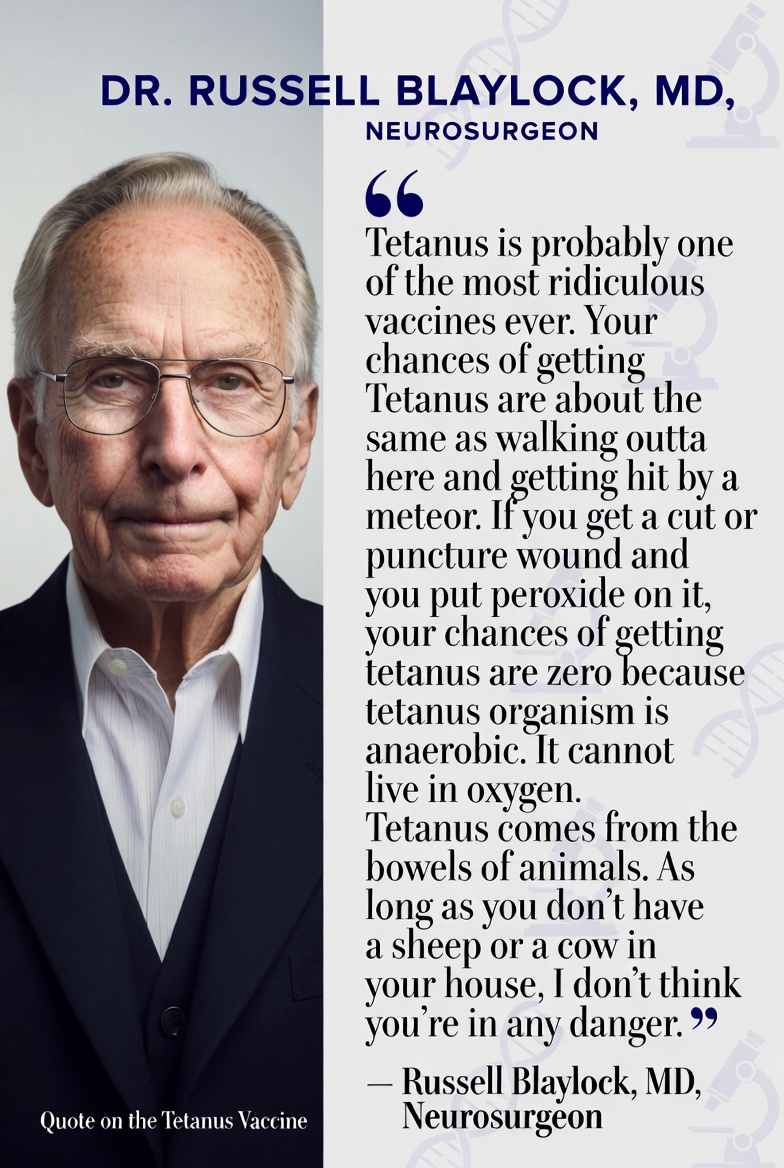
拉塞尔·布莱洛克医生:“破伤风疫苗是有史以来最荒谬的疫苗之一。”
刚受了点小伤,急诊室正准备强迫你注射一针你根本不需要的有毒疫苗。
他们不会告诉你的是,他们推销的疫苗并非普通的破伤风疫苗,而是含有以下成分的全效百白破疫苗:
• 铝(高达 0.625 毫克——一种已知的神经毒素)
• 甲醛
• 2-苯氧乙醇 Triton X-100
• 牛奶蛋白(酪蛋白)和乳胶残留物,可能引发过敏性休克或导致新的乳制品/乳胶过敏
疫苗中的破伤风类毒素从未经过双盲安慰剂对照试验的充分安全性测试,美国疾病控制与预防中心(CDC)也承认这一点。
它是用牛心浸液培养的,存在疯牛病朊病毒污染的风险。
你实际感染破伤风的概率,一千一百万分之一。
破伤风孢子存在于粪便中,而不是铁锈里。彻底清洁伤口——氧气可以杀死它们。95%的破伤风病例下降发生在疫苗问世之前,这要归功于卫生条件的改善。
如果你已经接触过破伤风,注射疫苗是无效的——抗体需要3-8周才能产生。
但研究表明,高剂量维生素C(每天1-3克)可以治愈100%的病例,且无死亡病例。价格低廉,安全有效,却被忽视了。
为什么我们要被恐吓着去接种这种未经测试、充满毒素的联合疫苗,而这种疾病在卫生条件良好的国家几乎已经绝迹
因为恐惧能带来销量。
不要相信“生锈的钉子”这种说法,清洁伤口,密切观察,拒绝注射。

Dr. Russell Blaylock: "The tetanus vaccine is one of the MOST RIDICULOUS vaccines ever."
Just got a cut or puncture wound? The ER is about to BULLY you into a TOXIC shot you don’t need.
Here’s what they won’t tell you:
The shot they push is NOT a simple tetanus vaccine — it’s the full DTaP combo loaded with:
• Aluminum (up to 0.625 mg — a known neurotoxin)
• Formaldehyde
• 2-phenoxyethanol Triton X-100
• Milk protein (casein) & latex residues that can trigger anaphylaxis or CREATE new dairy/latex allergies
The tetanus toxoid inside has NEVER been properly safety-tested in a double-blind placebo-controlled trial. CDC admits it.
It’s grown on beef heart infusion with real risk of Mad Cow prion contamination.
Your actual chance of getting tetanus? 1 in 11 MILLION.
Spores live in manure, NOT rust. Clean the wound properly — oxygen kills them. 95% of the decline happened BEFORE any vaccine thanks to sanitation.
If you’re already exposed, the shot is useless — it takes 3-8 weeks for antibodies.
But high-dose Vitamin C (1–3g/day) cured 100% of cases in studies with ZERO deaths. Cheap. Safe. Ignored.
Why are we terrorized into this untested, poison-filled combo shot for a disease that’s basically extinct in clean countries?
Because fear sells.
Don’t fall for the rusty nail myth. Clean the wound. Monitor it. Refuse the jab.
Were you guilt-tripped into a “tetanus shot?” Were you ever told it was actually the full DTaP?
6
13
785
有意思的是,正常人吃这些东西会生病或死亡,而异食证的人可以吃奇奇怪怪的东西而没事儿
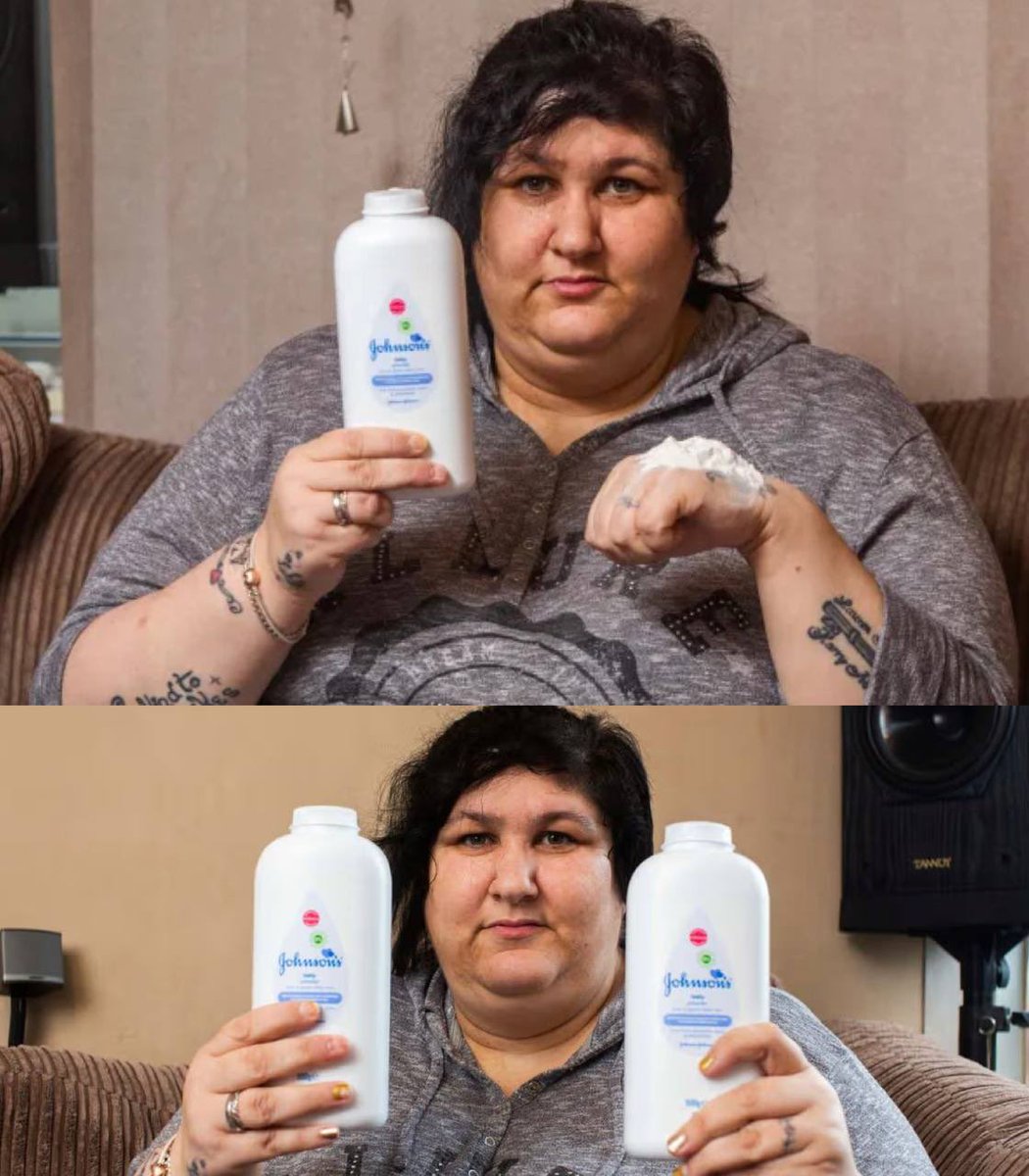
丽莎·安德森,一位来自英格兰德文郡的母亲,花费了8000英镑,每天食用整整一整罐200克的强生婴儿爽身粉,持续了15年。她每隔30分钟就偷偷溜走,用手背舔食它。
丽莎·安德森,一位44岁、来自德文郡的五孩之母说,这种渴望始于她最小儿子出生后,当时她在给他洗澡后洒上爽身粉,突然感到一种无法抗拒的冲动想要吃掉它。
原本只是一个单一的瞬间,却演变成一种她无法停止的日常强迫行为。
她一天至少跑40次去浴室,用手背吃爽身粉,而且晚上会醒来四次来满足这个习惯。
她无法连续30分钟不吃它。在公共场合,她会吃薄荷糖作为替代。
她一天只吃一顿饭,跳过早餐和午餐,转而整天消耗爽身粉。
她最长一次没有吃它只有两天,她形容那是她人生中最糟糕的时光。
医生认为她可能患有PICA综合征,这是一种进食障碍,其特征是对非食物物品的强迫性摄入,可能与铁缺乏或强迫症有关。
Jun 14

Lisa Anderson, a mother from Devon, England, spent £8,000 consuming an entire 200g tub of Johnson's Baby Powder daily for 15 years. Sneaking away to eat it off the back of her hand every 30 minutes.
Lisa Anderson, a 44-year-old mother of five from Devon, said the craving began after the birth of her youngest son when she used powder on him after a bath and felt an overwhelming urge to eat it.
What started as a single moment became a daily compulsion she couldn't stop.
She runs to the bathroom at least 40 times a day to eat powder off the back of her hand, and wakes up four times a night to feed the habit.
She cannot go more than 30 minutes without it. In public she eats mints as a substitute.
She eats only one meal a day, skipping breakfast and lunch to consume powder throughout the day instead.
The longest she has ever gone without it was two days, which she described as the worst time of her life.
Doctors believe she may have PICA syndrome, an eating disorder characterised by compulsive consumption of non-food items, potentially linked to iron deficiency or OCD.
375
你被误导了,癌症的根本原因早在1931年就被发现了。
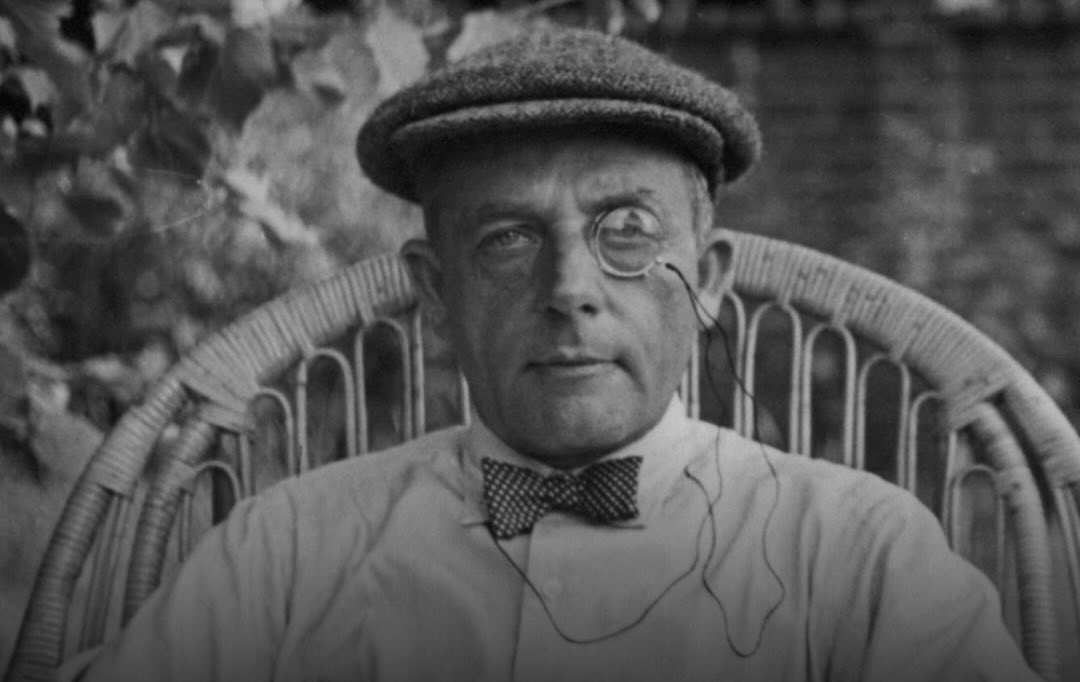
发现癌症根源的科学家获得了诺贝尔奖,却被制药行业扼杀,他的名字是奥托·瓦尔堡博士。
谁是奥托·瓦尔堡博士?
一位德国生物化学家,1931年获得诺贝尔奖。
以下是他的发现:🧵👇
癌细胞在低氧、高糖环境中更容易发展。
他将此命名为瓦尔堡效应。
这是现代医学中研究最多却常被忽视的发现之一。
1. 癌细胞以糖为食,而不是氧气。
健康细胞利用氧气产生能量,癌细胞则绕过这一过程,转而发酵糖分。这意味着每次你摄入加工糖分时,你可能都在为癌症滋生的环境提供燃料。
原因如下:
2. 缺氧会加速癌症生长。
癌细胞在低氧环境中更容易存活。这就是为什么运动和深呼吸比大多数人理解的更要重要的原因,它们能保持你的细胞富氧,使细胞处于不利于癌细胞生存的环境。
3. 你的饮食要么在对抗癌症,要么在助长它。
可能帮助癌症滋生的食物:
精制糖
加工谷物
酒精
种子油
不会助长癌细胞生长的食物:
绿叶蔬菜
健康脂肪
优质蛋白质
生蔬菜
4. 线粒体才是真正的战场。
瓦尔堡认为癌症是一种代谢疾病,而不仅仅是遗传性的疾病。当线粒体受损时,细胞会转向糖发酵以求生存。
5. 禁食可能是你拥有的最强大的代谢工具。
当血糖下降时,癌细胞会失去其主要燃料来源,健康细胞则通过燃烧脂肪来适应。这就是为什么代谢疗法目前正在与传统疗法一起被探索的原因。
瓦尔堡发现背后的金融真相:
你无法为氧气申请专利;
你无法为禁食申请专利;
戒糖无利可图;
所以研究焦点转向了遗传学和药物,他的代谢理论被搁置了数十年。
瓦尔堡研究表明:
每天禁食 12-16 小时
定期晒太阳
戒糖和精制碳水化合物
避免长时间久坐
每天运动并深呼吸
食用天然、营养丰富的食物
小苏打➕柠檬或柠檬酸🍋,这个以前推过很多了
瓦尔堡饮品:
1 杯水
半小勺碳酸氢钠(小苏打)
1 瓶鲜榨果汁或有机果汁(玻璃瓶装)
可加或不加一勺蜂蜜
每日饮用 1-2 次或 3 次
缓解身体压力
预防癌症
Jun 14

You've been misled. The root cause of cancer was identified in 1931.
The man behind the discovery won a Nobel prize, then was buried by the pharmaceutical industry.
His name is dr. Otto warburg.
Here's what he found : 🧵👇
41
77
5,415
埃隆·马斯克的父亲埃罗尔·马斯克此前透露:
“他们正在给我们洗脑,让我们相信乌克兰是好的,俄罗斯是坏的,而实际上他们在乌克兰发现了几个美国的生物武器实验室”。
Jun 14

El padre de Elon Musk, Errol Musk, reveló anteriormente:
"Nos están lavando el cerebro para que creamos que Ucrania es buena y Rusia es mala, cuando en realidad encontraron varios laboratorios estadounidenses de armas biológicas en Ucrania".
4
4
296
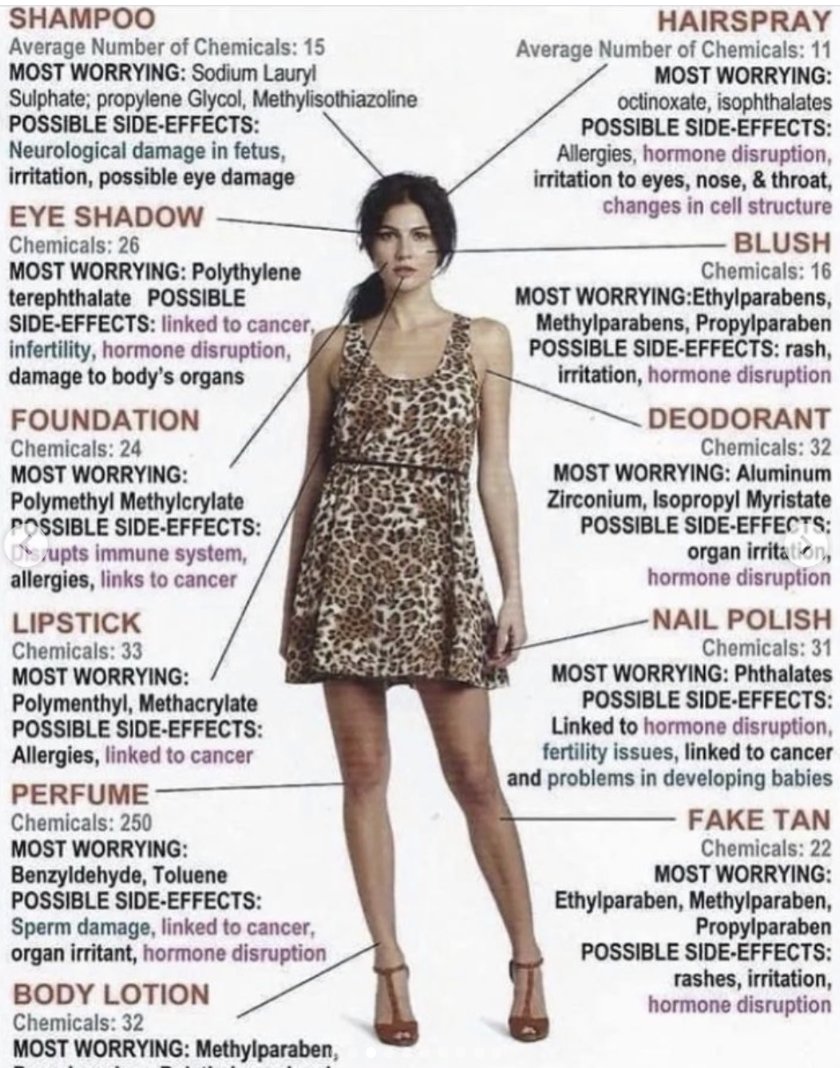
女性每天从化妆品、护发产品和护肤品中摄入 168 种化学物质。
所有这些化学物质都与激素问题、癌症和不孕不育有关。
减少这些化学物质的摄入与改变饮食习惯同样重要。

women ingest 168 chemicals a day from their cosmetics, hair care and skin care.
all these chemicals are linked to hormonal issues, cancer and infertility.
cutting these out is as important as changing your diet
1
1
374