
Joined May 2024
- Tweets 50,037
- Following 65
- Followers 1,135
- Likes 131,315
3 Photos and videos
Darren Thomas retweeted

I spent the majority of the day in Augusta watching the Ranked Choice Voting process.
Yikes!
I don’t know what “normal voting irregularities” are.
Maybe…just maybe…Maine should get rid of ranked choice voting. 🤪
31
61
230
3,523
Darren Thomas retweeted

#Massachusetts U.S. Senate candidates John Deaton @JohnEDeaton1 and Congressman Seth Moulton @sethmoulton clashed in the state’s first-ever interparty primary debate Tuesday night, touching on everything from Trump and the national headlines to bashing each other and Sen. Ed Markey @SenMarkey, who did not participate, statewide issues, and more.
#Massachusetts #Moulton #Deaton #Markey #Debate #politics #mapoli
bostonherald.com/2026/06/17/…
2
3
13
3,071
Darren Thomas retweeted

All my images are done.
Most expensive video I've ever done, and I'm still crossing my fingers for the 4th 250th launch🇺🇸
Sneak peek to one scene that I think every American will recognize. Invaders and students of commie public schools? Not so much.
Trying to get it right🙂
2
8
20
300

TRUMP HAS SIGNED THE IRAN WAR DEAL IN VERSAILLES | Timcast IRL x.com/i/broadcasts/1MJgNNoAV…
74
57
432
31,233
Darren Thomas retweeted

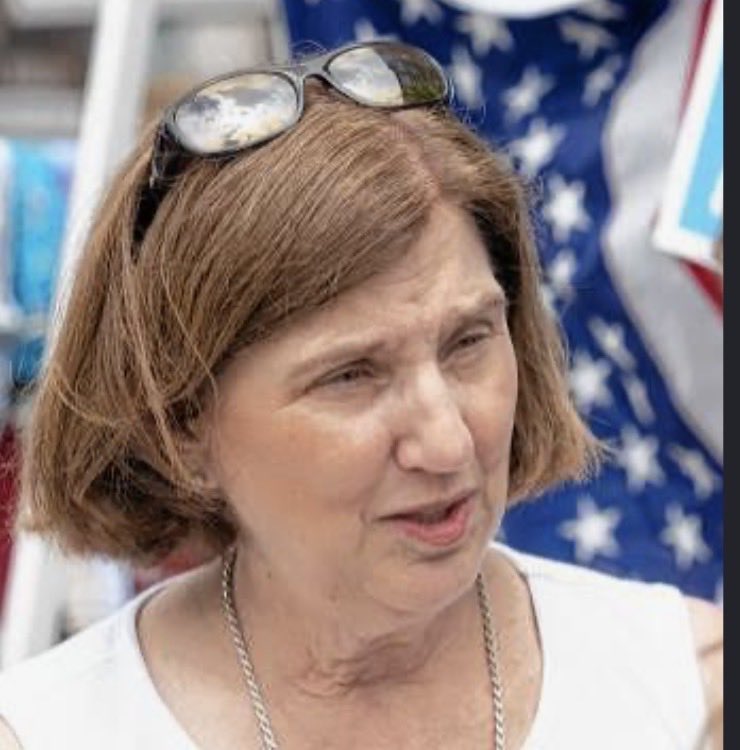
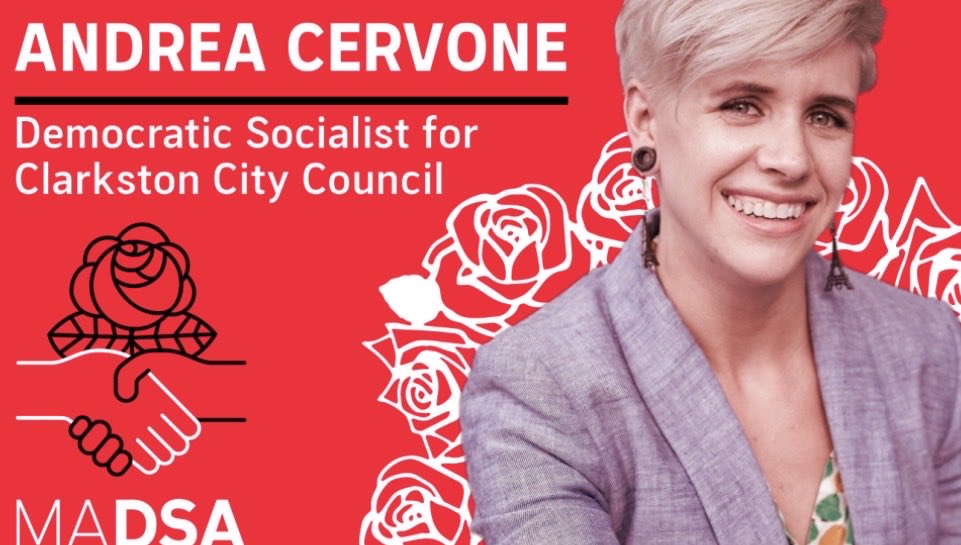
🚨Cinde Warmington has chosen a member of the Democratic Socialists of America to manage her campaign for Governor of NH.
Warmington’s campaign manager supports:
Non‑citizen voting
Refugee‑resettlement advocacy
Welcoming cites
Expanded LGBTQ and anti‑discrimination ordinances
Aggressive pro‑density YIMBY housing policies:
YIMBY policies in New Hampshire would mean more multi‑family housing, denser development, and fewer local zoning restrictions. In a state built around small‑town control and single‑family neighborhoods, it would mark a major shift in how communities grow and who decides what gets built.
Warmington has been shy to discuss any actual plans if she becomes Governor. Her speeches and social media posts are limited to predictable gripes about the economy etc.
More telling is that she chose Democratic Socialists Party member Andrea Cervone of Georgia to help her get elected… whose belief system would destroy the fabric of New Hampshire.
More on Cinde Warmington:
sleek.bio/cindewarmingtonnh
#NHPolitics #NewHampshire
11
25
47
1,841
Darren Thomas retweeted

.@VP JD Vance on fraudster NY Medicaid Director:
"This person was actually inviting fraudulent bidders to come in and take advantage of your tax dollars so that we could send it to fraudsters instead of you, and that's disgraceful."
18
84
4,393
Darren Thomas retweeted

NAME THEM

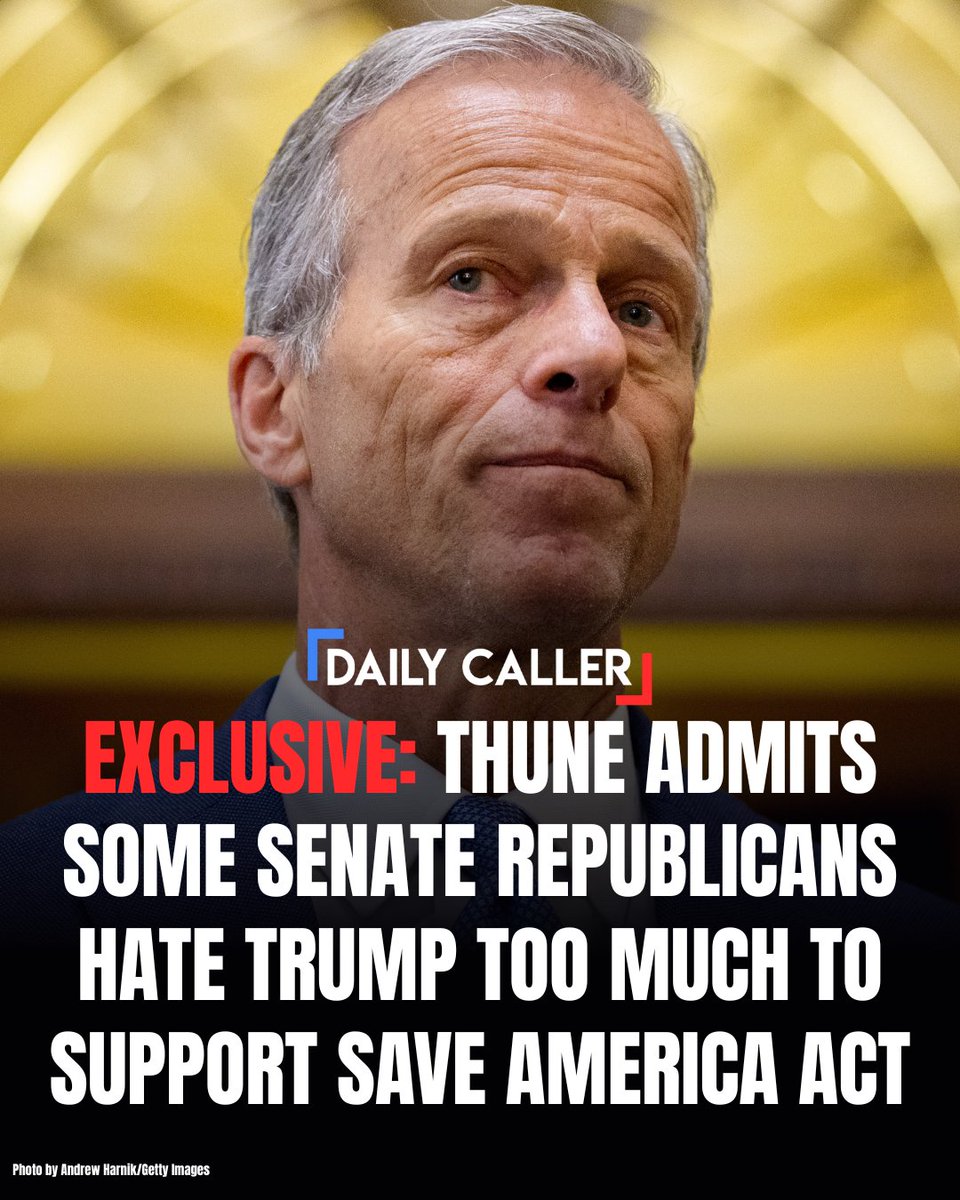
🚨SCOOP: Senate Majority Leader John Thune admitted some Senate Republicans hate President Donald Trump too much to support the SAVE America Act, the Daily Caller has been told.
Thune admitted during a closed-door GOP lunch on Wednesday that some Republican senators oppose President Donald Trump so strongly that they will never vote for the SAVE America Act, regardless of the legislation’s merits, according to several sources familiar with the matter.
57
50
628
8,748
Darren Thomas retweeted

A huge thrill to be on @CamEdwards Bearing Arms Cam and Co earlier today. If you're not already following Cam...what's up with that? youtube.com/watch?v=O8KRzU5p…
4
7
34
2,621
Darren Thomas retweeted
After the latest wrong way crash that sent a state trooper to the hospital was caused by an illegal immigrant, @MassGovernor Maura Healey announced the statewide implementation of new detection technology on #Massachusetts streets and highways, but refused to answer if the state allowing illegal immigrants to obtain driver’s licenses is part of the problem.
#Massachusetts #publicsafety #politics #Healey #mapoli
bostonherald.com/2026/06/17/…
24
21
49
3,279
Darren Thomas retweeted

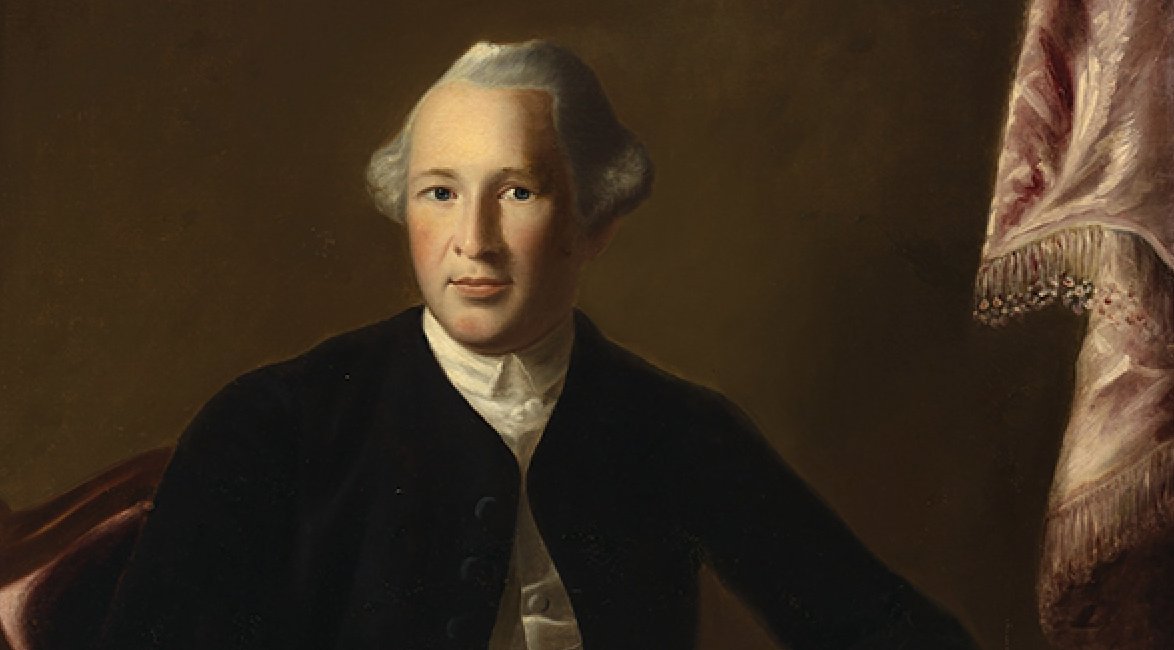
Warren’s 1775 oration commemorating the Boston Massacre was delivered a few months before he died, and nearly kicked off a riot. quod.lib.umich.edu/cgi/t/tex…

Dr. Joseph Warren died on this day in 1775, and he might be the most important Founding Father you were never taught about.
He was born in Roxbury, went to Harvard, and by his early thirties he was the most sought after doctor in Boston. He inoculated the Adams family against smallpox. He took on apprentices. He treated patients on both sides of the growing fight, redcoats included, because he was a doctor first. He was 34 and a widower raising four small children alone after his wife died in 1773.
He was also the quiet engine of the entire revolution in Massachusetts. He wrote the Suffolk Resolves. He ran the Committee of Safety. He stood up twice to give the Boston Massacre orations, and the second time, with British officers packing the room to intimidate him, the story goes that he climbed in through a window rather than be turned away, then delivered the speech to their faces.
On the night of April 18, 1775, it was Warren who learned the British army was about to march. He sent Paul Revere out one way and William Dawes the other to raise the alarm toward Lexington and Concord. There is no midnight ride without Joseph Warren. People have argued for two centuries about where he got his intelligence, and one long running rumor is that his secret source was close to General Gage himself.
The next morning he didn't sit safe behind a desk. He rode out to the fighting at Lexington and Concord and got into the thick of it. A British musket ball came so close it knocked a pin out of the hair beside his ear.
Three days before Bunker Hill, the Provincial Congress made him a major general. When he walked onto the hill on June 17, the officers there offered to hand him command of the whole field. He refused. He said he had come to fight as a volunteer, not to give orders, and he took a musket and went into the redoubt with the ordinary men, in the most dangerous spot on the line.
The Americans held off two British charges. On the third, low on powder, they were overrun. Warren stayed to cover the retreat and was shot in the head. The British knew exactly who they had killed. They stripped him, ran him through with bayonets, and threw him into a shallow pit with another body. A British officer later bragged that he had stuffed the scoundrel into the ground. General Gage is said to have remarked that Warren's death was worth that of 500 ordinary men.
Ten months later, after the British finally gave up Boston and sailed away, his friends went looking for him. The body was beyond recognition. The only reason they ever found him is that Paul Revere, a silversmith by trade, had once wired a false tooth into Warren's jaw with silver wire. Revere dug through the grave, saw his own work in the teeth, and knew. It is remembered as one of the first forensic dental identifications in American history.
His orphaned children were nearly forgotten too, until people like Benedict Arnold, years before he became a traitor, chipped in money to make sure they were raised and educated.
The most famous painting of the battle, by John Trumbull, isn't really about the battle at all. It's about the death of one man in the smoke.
The doctor who could have commanded an army chose to die in the dirt as a private soldier. He was 34 years old. 251 years ago today. Remember him 🇺🇸
2
18
1,213
Darren Thomas retweeted

On the way to an undisclosed location in Philadelphia.
Yes, we’ve not only found illegal aliens on the voters rolls in Pennsylvania, but these illegal aliens have also voted in PA.
319
3,826
19,150
111,541
Darren Thomas retweeted

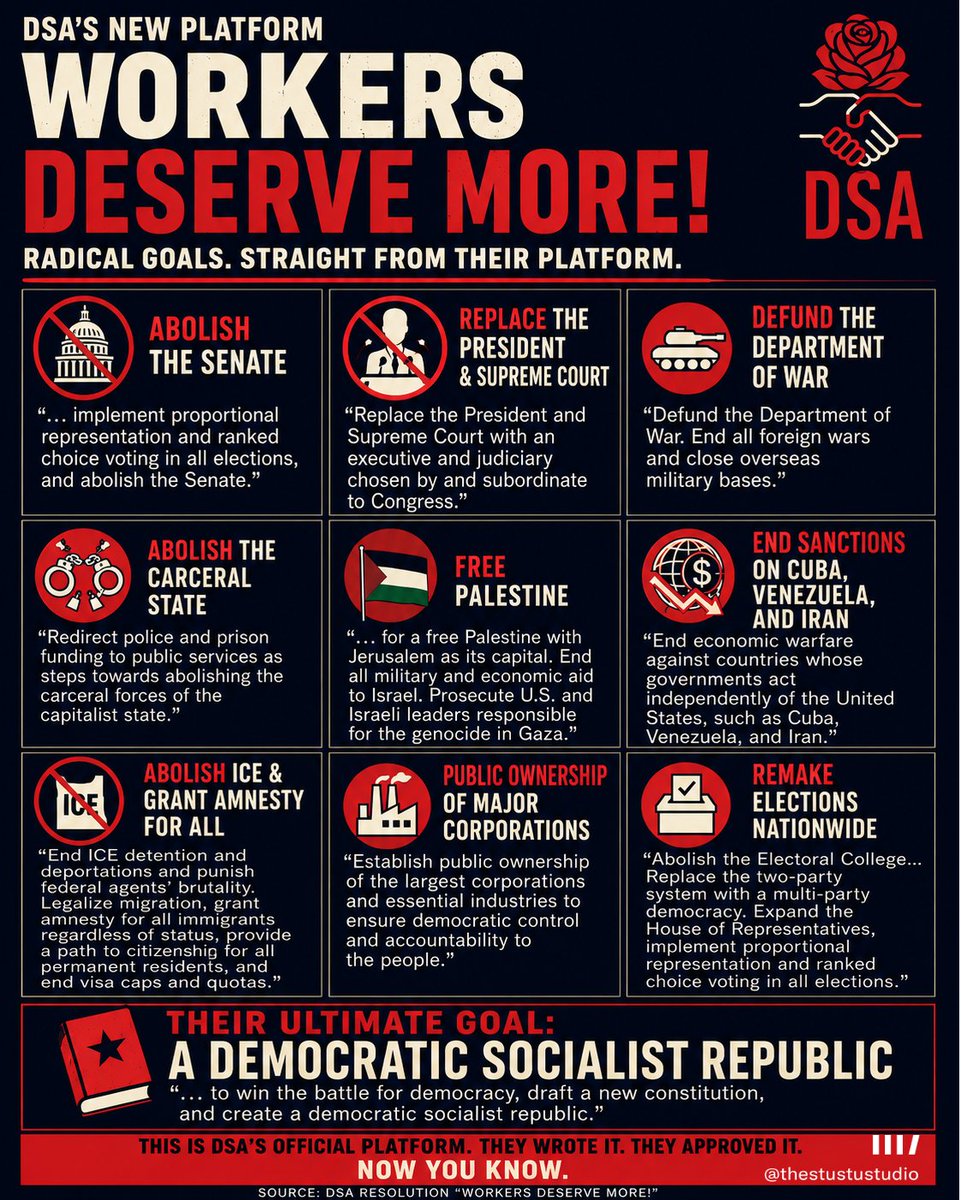
🚨 DSA’s top leadership just adopted a platform calling to abolish the Senate, replace the president and Supreme Court, abolish the “carceral forces” of the state, grant amnesty to all illegal immigrants, and that is just the tip of the iceberg.
My latest for @CityJournal!
20
72
163
11,833

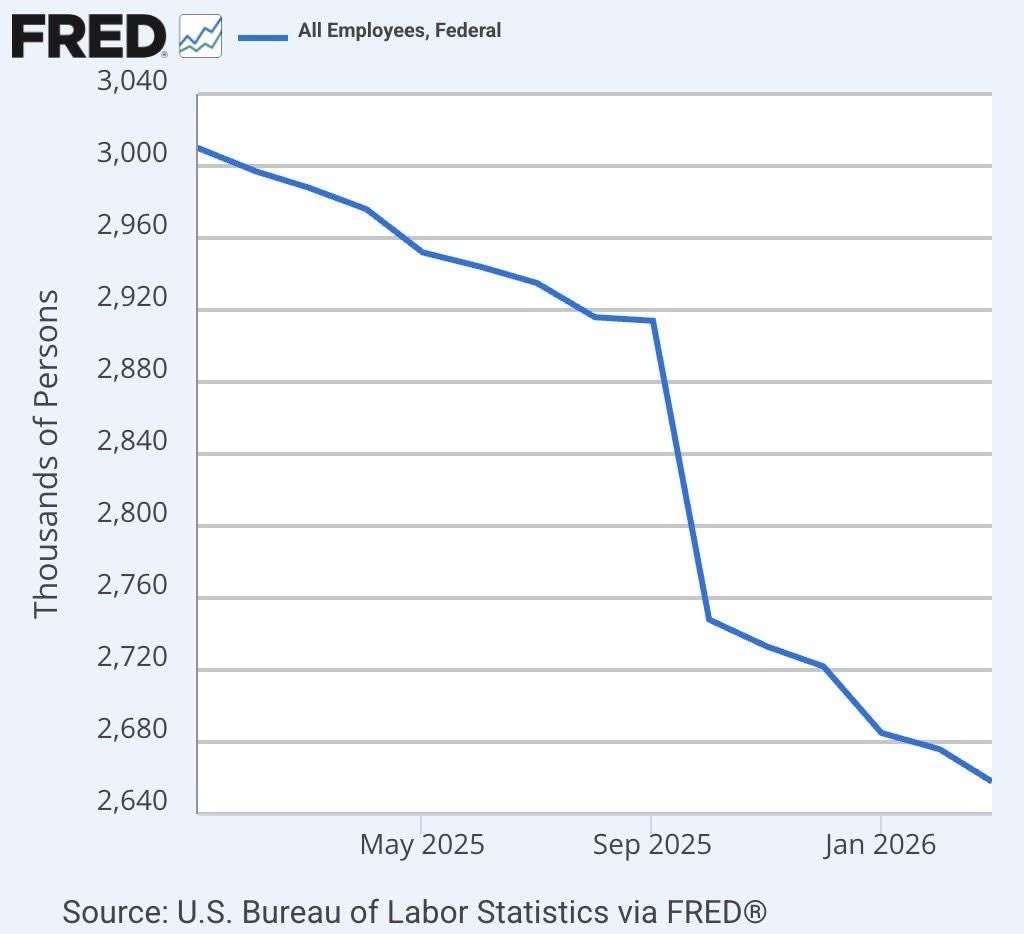
Since President Trump took office, over 352K Federal employees have been fired, resigned, or retired and were not replaced.
The Federal workforce is smaller today than at any point since 1966.
Is this what you voted for?
Yes or No?
5,435
2,738
19,088
269,463
Darren Thomas retweeted

🚨 President Donald J. Trump has SIGNED the Iran Memorandum of Understanding at Versailles in France. 🇺🇸
4,862
6,249
22,566
2,349,629
Darren Thomas retweeted

Conservatives: Let's all go to work, pay taxes, and live respectfully amongst one another.
Progressives: Let's import 50 million third world rapists, mutilate children, and let drug addicts defecate on the sidewalk.
37
201
1,339
9,766
Darren Thomas retweeted
Choose your fighter.
5,822
5,413
31,898
1,040,833
Darren Thomas retweeted
HAPPENING NOW: President Trump breaks down the Iran deal to close out the G7 Summit in Evian, France. 🇺🇸
863
1,418
5,030
187,452
Darren Thomas retweeted

Nassau County Exec Bruce Blakeman says once he’s Gov Tom Homans ICE surge in NY won’t be necessary: “We will be cooperating with ICE…we’ve removed 2,000 criminals from the state & idk where Hochul would like us to put those criminals back”
He hopes in unseat Kathy Hochul in Nov
12
34
775
Darren Thomas retweeted

.@philthatremains warns the UK's social media ban isn't just about protecting kids.
To enforce it, everyone may have to verify their identity online, a move he says could undermine anonymity and chill free expression in a country already cracking down on dissident speech.
6
19
144
6,026
Darren Thomas retweeted
if you read what i post and want more, patreon starts at a month. that's it. patreon.com/philthatremains
1
3
20
2,226