
Blocking is a coward's refuge. `~` Please don't follow me if you don't actually care about what I say. `~` INTP-A 5w4 Sp/Sx Chaotic Good (True Neutral leaning).
Joined January 2010
- Tweets 97,190
- Following 37
- Followers 153
- Likes 5,515
5,671 Photos and videos








Pinned Tweet

16 Jun 2021
6

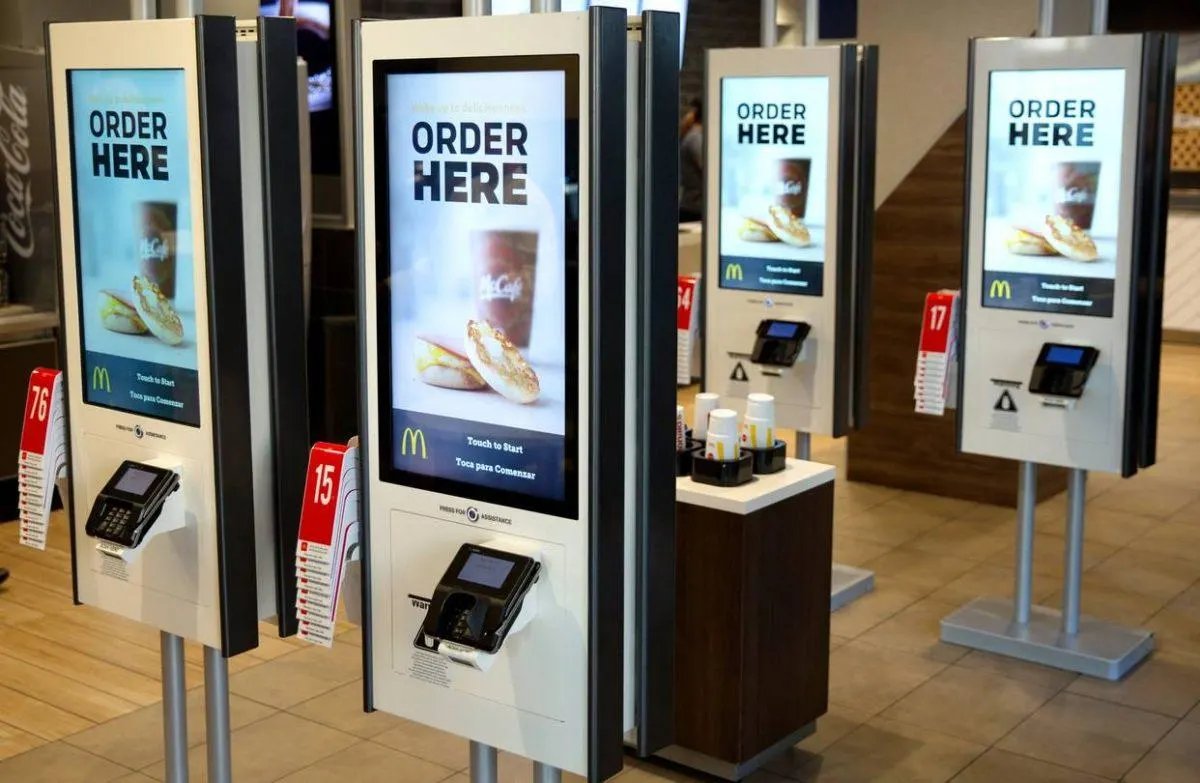
McDonald's announced they're replacing cashiers with kiosks in California just after the $20 minimum wage kicked in. Shocking to absolutely no one who understands basic economics. When you artificially price labor above its market value, employers find substitutes. Machines, automation, or they simply eliminate positions entirely.
The teenagers who desperately need that first job experience? Gone. The single mother trying to re-enter the workforce after years away? Priced out by someone with more skills. You've just created a legal barrier that prevents the least skilled workers from competing on the one thing they had going for them: willingness to work for less while they build experience.
Politicians pat themselves on the back for "helping workers" while unemployment among young minorities hits double digits. The workers who keep their jobs benefit (temporarily), but the invisible victims, those who never get hired in the first place, don't make headlines. Economics doesn't care about your good intentions.
939
1,216
4,742
219,453

Kuro Midori retweeted

Jun 14
It's truly awful.
And it's deliberate.
Prevent people from learning, reading, and thinking critically allows you to tell them any story you want to.
1
5
47
406
"University professors are now saying they are unable to teach history because reading long books and passages is how a person learns history."
Sounds more like that's just how they want to teach history, and probably because it's less effort on their part.
Students being "incapable" (probable more like unwilling) to read a lot is certainly an issue, but let's not pretend it's the only way, or even necessarily the best way for everyone, to learn history.
If you have enough of an interest in a topic, you'll be willing to put in the effort.
Jun 14

I don't think anybody really grasps how desperate this situation is.
University professors are now saying they are unable to teach history because reading long books and passages is how a person learns history. College kids are incapable of reading more than a few pages.
Some classes don't assign any reading at all now, only lectures.
There is an assumption among the people managing this decline that reading is just a way of receiving information. It isn't. Proper reading is how we build the mental muscle to synthesize ideas and evaluate them.
If the catastrophic decline in reading and literacy is not addressed now, we risk losing everything.
Western civilization cannot survive the death of reading because it was built by people with the kind of cognitive depth that a culture of deep reading brings:
Complex reasoning, extended internal dialogue, the capacity to hold opposing ideas in tension. Our systems and institutions are complex, and they require well ordered minds to maintain them.
Reading forms minds, and the West was built by the richest minds in history.
9
Kuro Midori retweeted

Jun 14
He’d have to sell $50 billion of stock, tanking the price, destroying wealth for millions of investors, workers and union pensioners, plus discouraging future investment in new companies and ideas. And your party would just waste & steal the money anyway, then come demanding more

A 5% tax on Elon’s net worth would fund every community health center in America for the next 26 years.
I’ll say it again. Tax the rich.
228
1,097
6,307
224,433
Kuro Midori retweeted

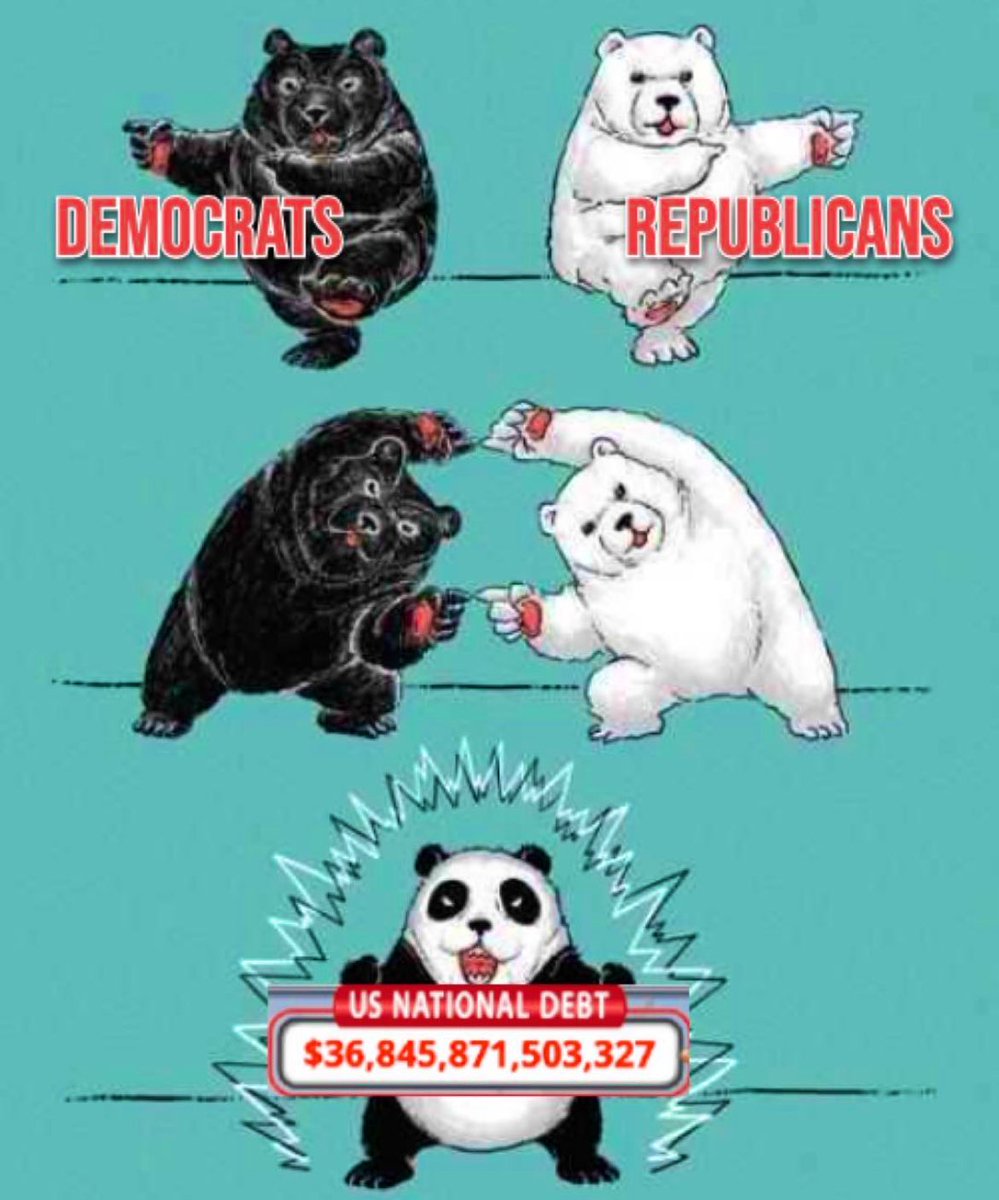
its 39.2 trillion now
20h

10
13
233
2,279
16h
People seek excuses to do the things they already wanted to do.
Jun 14

🚨 Rioters not only destroyed school buses in Times Square tonight — they also tried taking over a CITY BUS while the DRIVER was still in it
Broke glass, kicked the door in, and then boarded.
Their faces on camera. But they don’t care, because there will be ZERO CONSEQUENCES
2
Jun 14
American homeless people could learn a thing or two from this.
As long as they do something considered impressive, people will happily meet their every need.
Jun 13

Hindistan'da bir adam, inandığı tanrıyı görebilmek için 12 yıldır ayakta duruyor.
7
Kuro Midori retweeted

Jun 14
🇺🇸Someone dumped an entire car in a residential dumpster!?!?
How the hell did they even get it in there?
Minneapolis men are now giving Florida men a run for their money 🤣
Writers: Daniyal, Ian
38
118
752
84,295
Kuro Midori retweeted

Jun 14
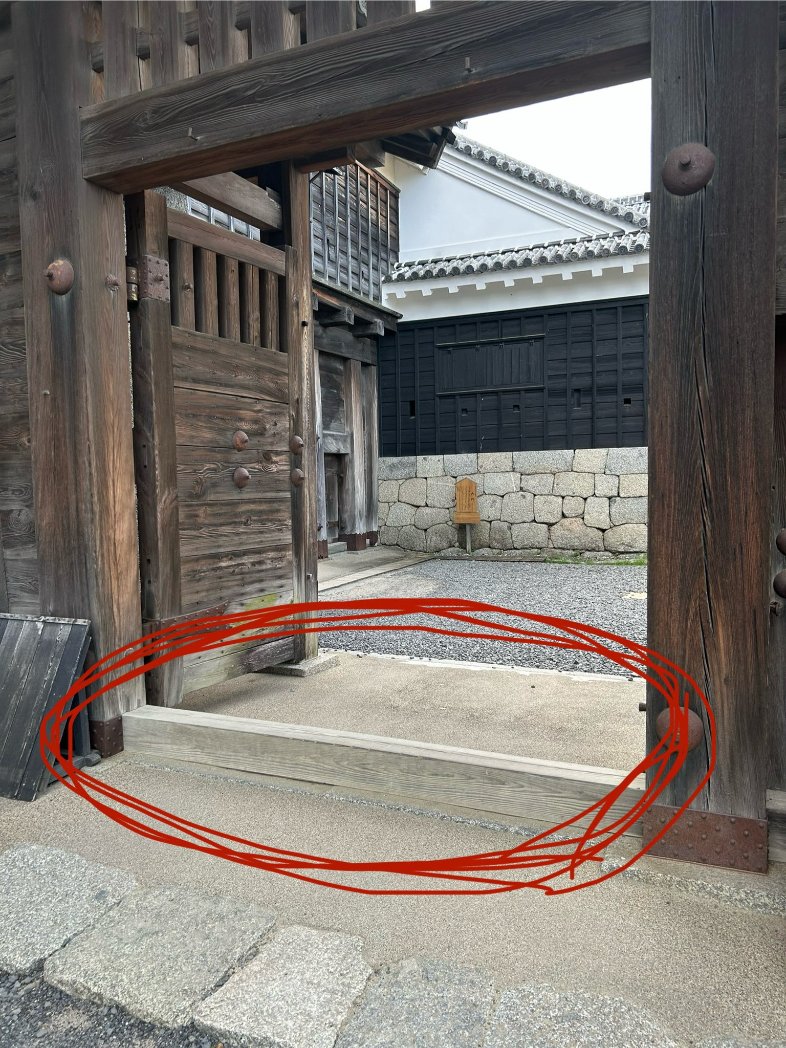
【殺意の設計】
たった1本の「木」が、最強の軍団を全滅させた。
日本の城に仕掛けられた、400年前の「残酷なUX」が話題だ。
■ 物理的なトラップ
城門の足元にある、不自然に高い「しきい」。
これこそが、攻め入る敵を確実に葬るための仕掛け。
現代でも、年間数百人の観光客が餌食になっている。
■ 心理の逆転劇
・突撃する兵士は、この段差に必ず「つまずく」
・足元に気を取られ、一瞬だけ「下」を向く
・その無防備な瞬間、正面の壁から狙撃される
・顔を上げた時には、もうこの世にいない
■ 400年解けないバグ
・段差の高さ:全力疾走で最も転びやすい絶妙な設定
・盲点の活用:心理的な隙を突く、究極の「嫌がらせ」
・成功率:現代の観光客が証明する、驚異の持続性
■ 結論
ハイテク兵器より、人間の「不注意」を誘うデザイン。
日本人の執念が詰まった、世界で最も「礼儀正しくない」段差だ。
かつての侍たちが最後に出会った景色。
それは、美しい天守ではなく「自分のつま先」だった。
この画像、足元に気をつけながら保存してください。
139
1,408
9,051
1,952,986
Kuro Midori retweeted

Jun 13
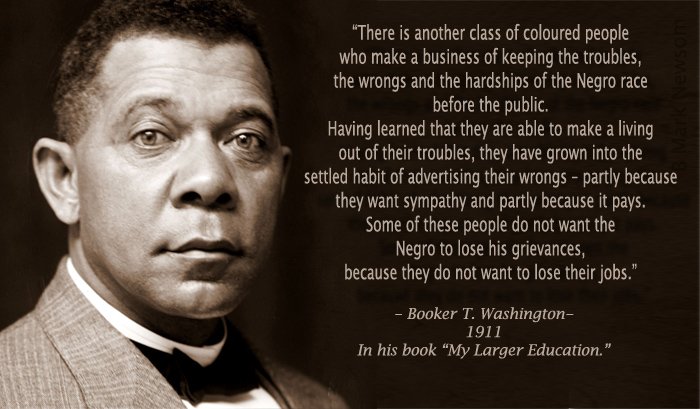
This was known back in the day.
2
20
120
1,864
Kuro Midori retweeted

Jun 12
Again for those in the back, Elon once offered to cut a check for $6 BILLION to the WFB to "eliminate World hunger" as they said the money could. His one condition was that the accounting was public.
They did not accept.
Jun 12

Elon Musk dismantled USAID programs that provided lifesaving assistance to millions of the world’s poorest and most vulnerable people. The human cost was enormous, while DOGE’s net fiscal impact was inconsequential.
Now, as Musk approaches trillionaire status, he should commit/tithe at least $100 billion to a fund dedicated to combating extreme poverty, hunger, preventable disease, and humanitarian crises worldwide.
Money alone cannot undo the damage already done. But if this moment marks an unprecedented personal financial milestone, it should also be an opportunity for an unprecedented act of restitution. Musk has the resources to save and improve countless lives. He should use them.
602
17,515
89,136
1,840,206
Kuro Midori retweeted

Jun 13
RX He rescued people from the international space station that our government stranded there.
Jun 12

Imagine if Elon Musk did something to benefit others with his trillion.
5
26
159
2,716
Kuro Midori retweeted

Jun 13
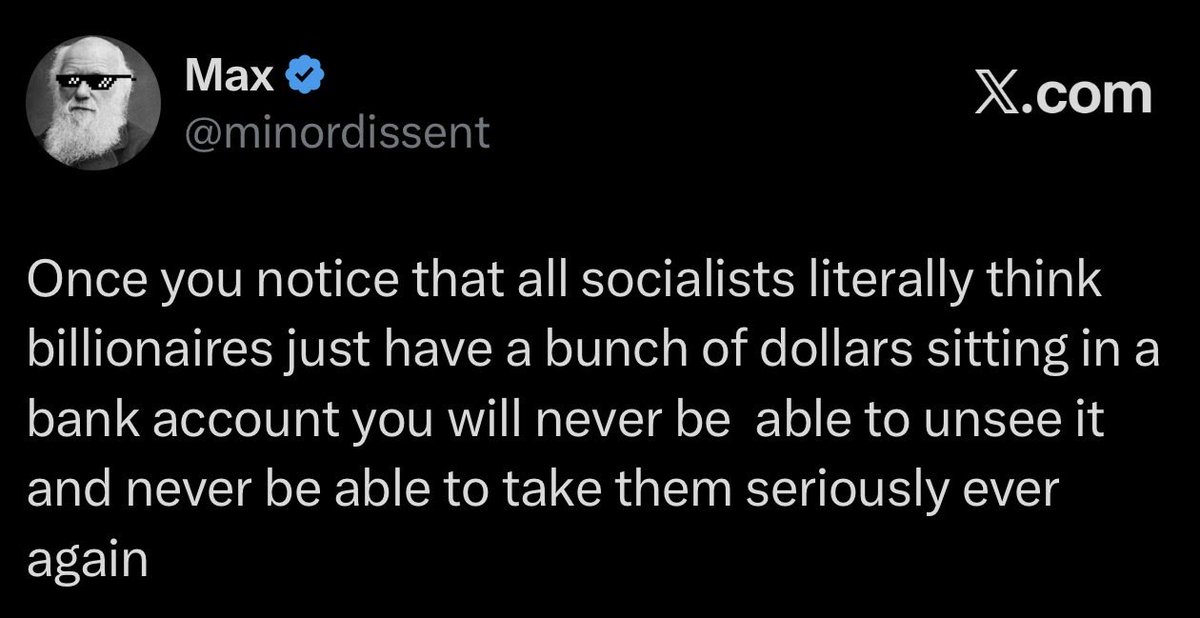

in nature if a monkey hoarded 1 trillion bananas the other monkeys would beat that monkey to death and take his bananas
122
1,189
14,332
315,631
Kuro Midori retweeted

Jun 11
The earliest humans to walk aimlessly were called Meanderthals
28
261
1,950
35,940
Kuro Midori retweeted

Jun 13
If the socialists had their way, Elon would have had his paypal profits taken and redistributed for the greater good.
The world would never have seen Tesla, nor SpaceX.
And the world wouldn't know it, because they were uncreated, and thus unseen.
Imagine the companies that don't exist, because Washington destroyed them before they were born.
460
2,652
15,945
348,396
Kuro Midori retweeted

You can tell what a censorious hellhole Musk has turned Twitter into by the number of people running around openly insulting him on the platform, decrying him as evil and demanding that his money be taken away and redistributed, who aren’t being punished in any way. 1984 stuff
68
237
1,854
22,324

History's first trillionaire is a guy who catches rockets out of the sky with chopsticks and beams internet to every dead zone on the planet.
Same guy ships cars that drive themselves, humanoid robots for the factory floor, brain chips that let paralyzed people move a cursor with pure thought, and an AI running on a supercomputer his team stood up in months instead of years.
And the people crashing out about his net worth are doing it on the app he owns. The same app governments spent years trying to censor.
You cannot legislate a rocket into orbit.
Jun 12

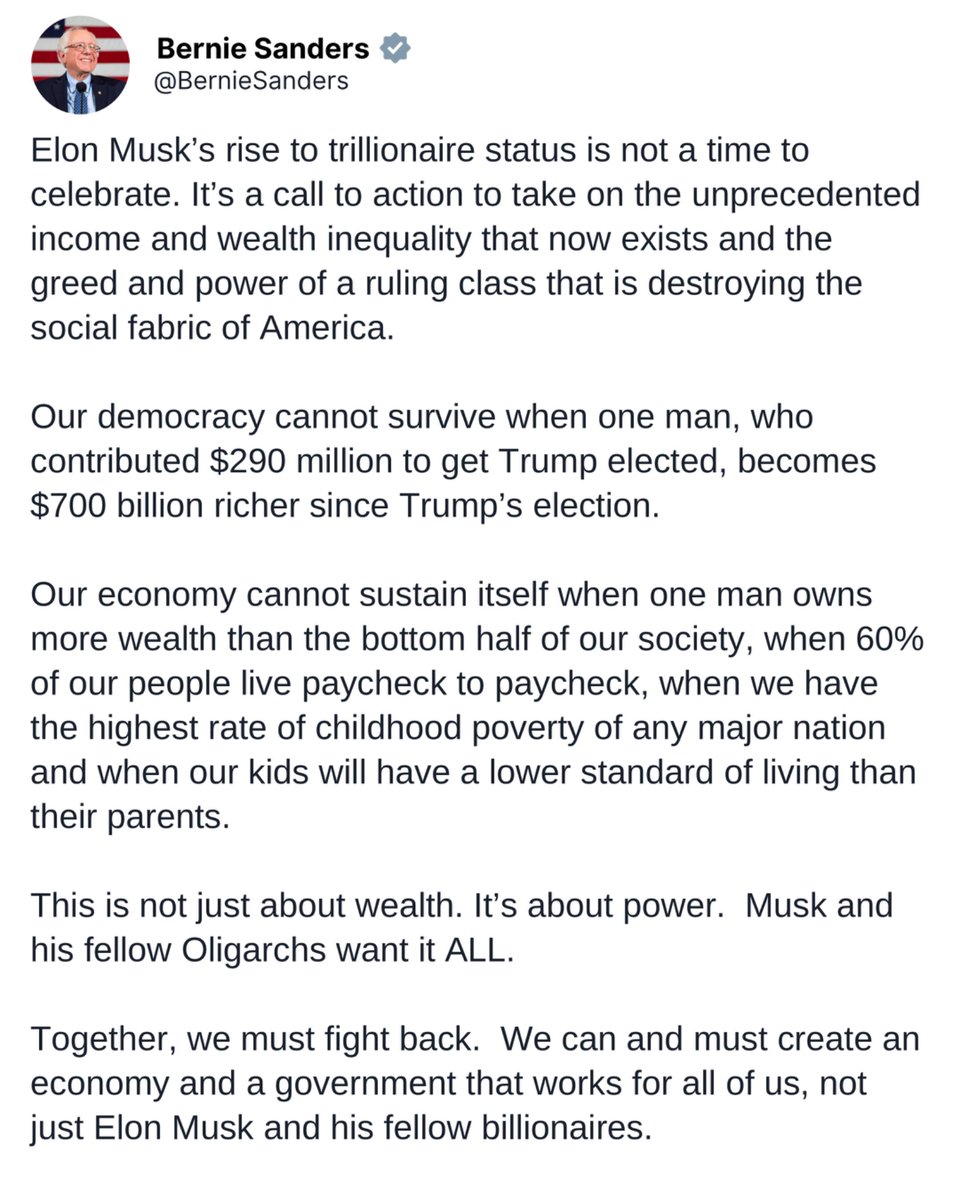
1,891
11,582
70,934
2,368,536
Kuro Midori retweeted

Jun 13
The fastest way to get vigilantes...
...is to make them necessary.
7
29
635