Investigating mechanisms of prostate cancer therapeutic resistance at @IDIBELL and @ICOnoticies.
Joined August 2016
- Tweets 2,428
- Following 1,518
- Followers 1,406
- Likes 3,523
136 Photos and videos







May 30
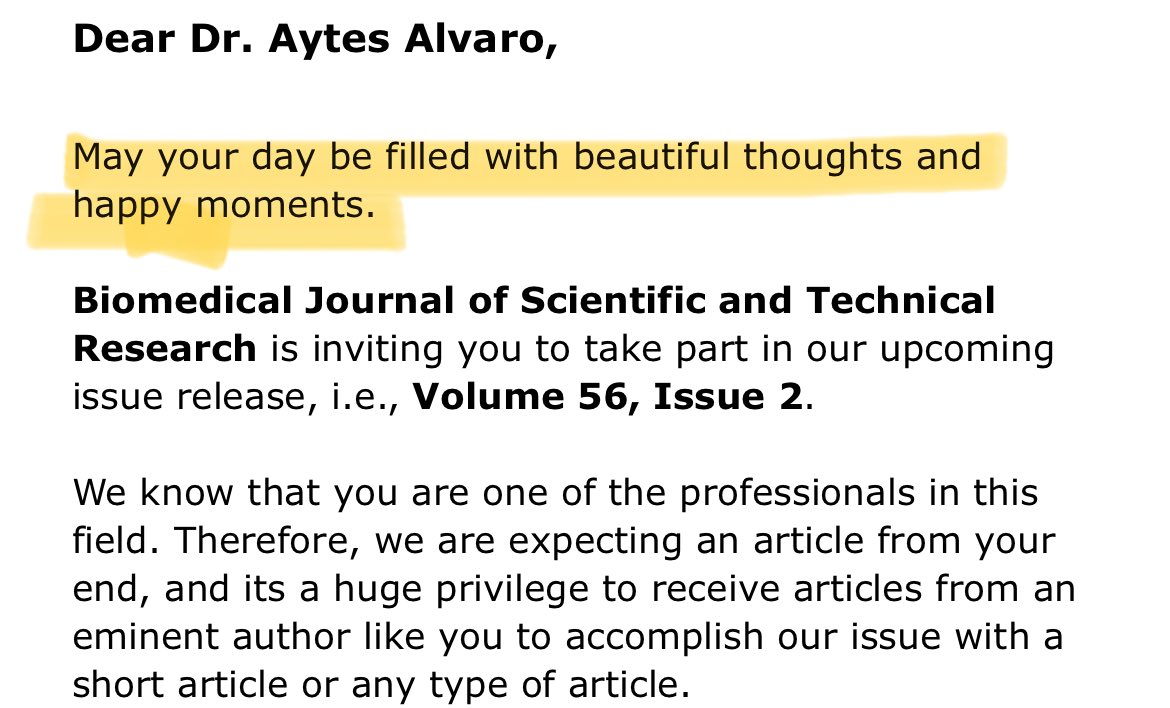
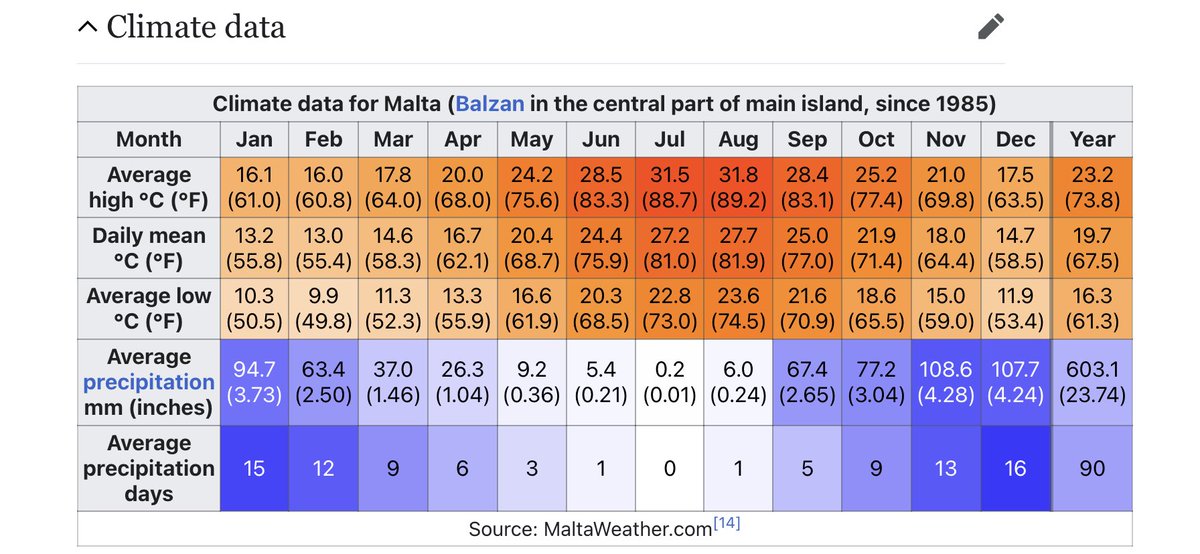
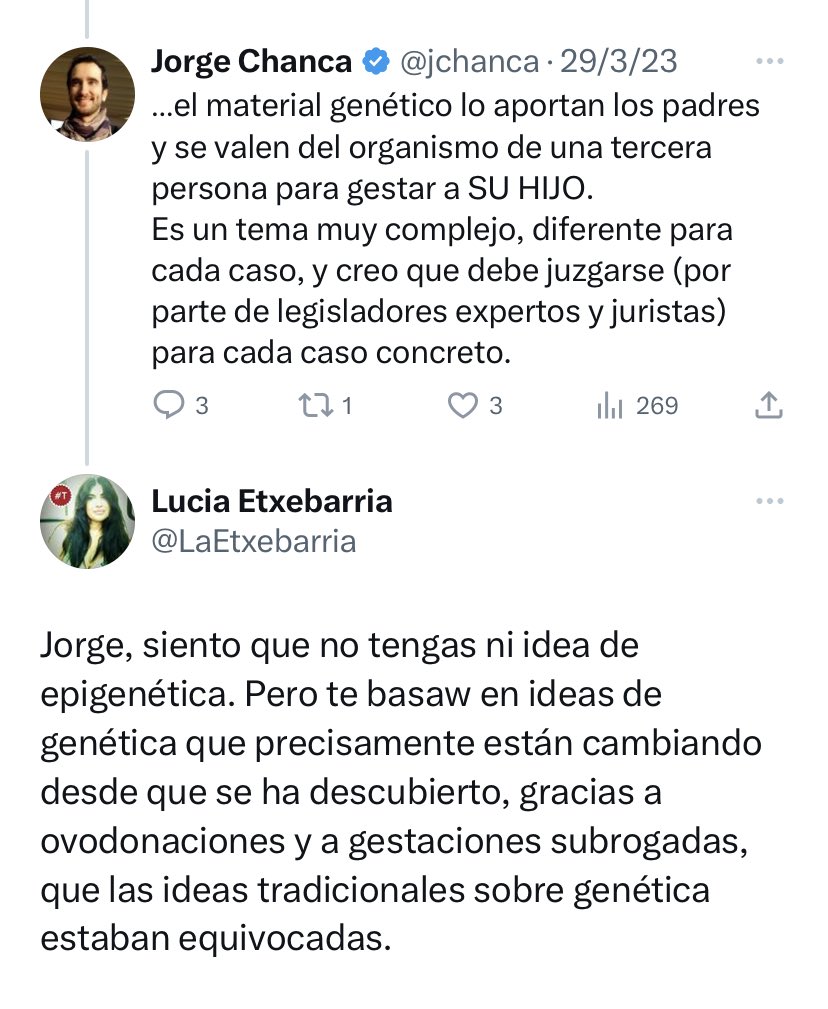
This and all answers below…. hilarious 🤣🤣🤣
May 29

Can someone start a journal called “Cell Atlases” so that the rest of the journals can go back to publishing interesting things?
118
May 7
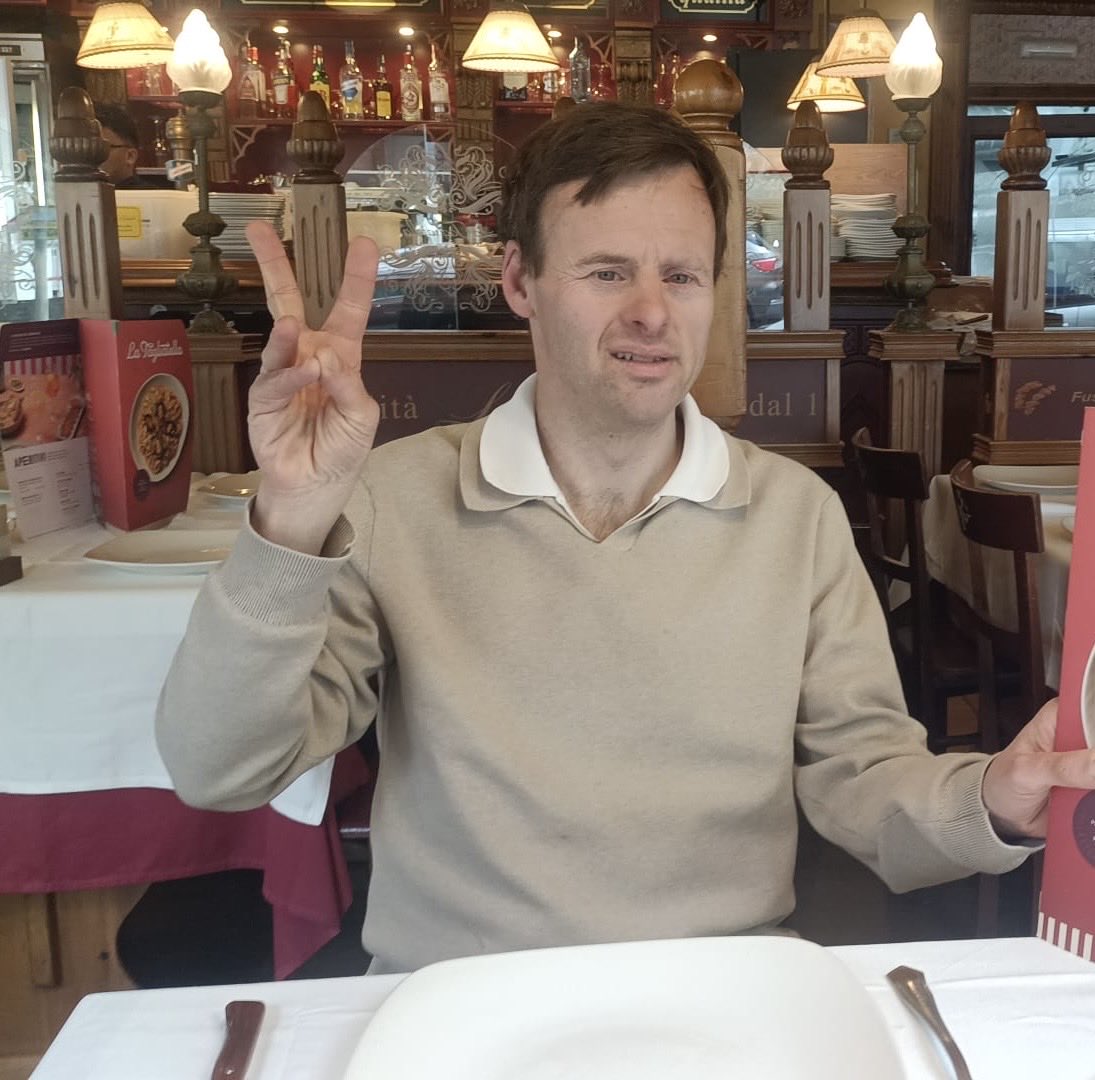
#HappyBirthday dear #brother! 50 and counting stronger than ever. You are a blessing and the purest form of love I’ve ever known. No wonder Mom and Dad named you Àngel. You make this ugly and selfish world a better place. Love you!
1
1
14
761
May 5
Hoy me han llamado a mi número particular para pedirme dinero para el proyecto de la triple terapia contra el cáncer de páncreas…. No hace falta decir qué fundación me ha llamado ni quien dirige el proyecto… no salgo de mi asombro… con la que está cayendo…
1
6
1,162
Apr 28
🙌🏻

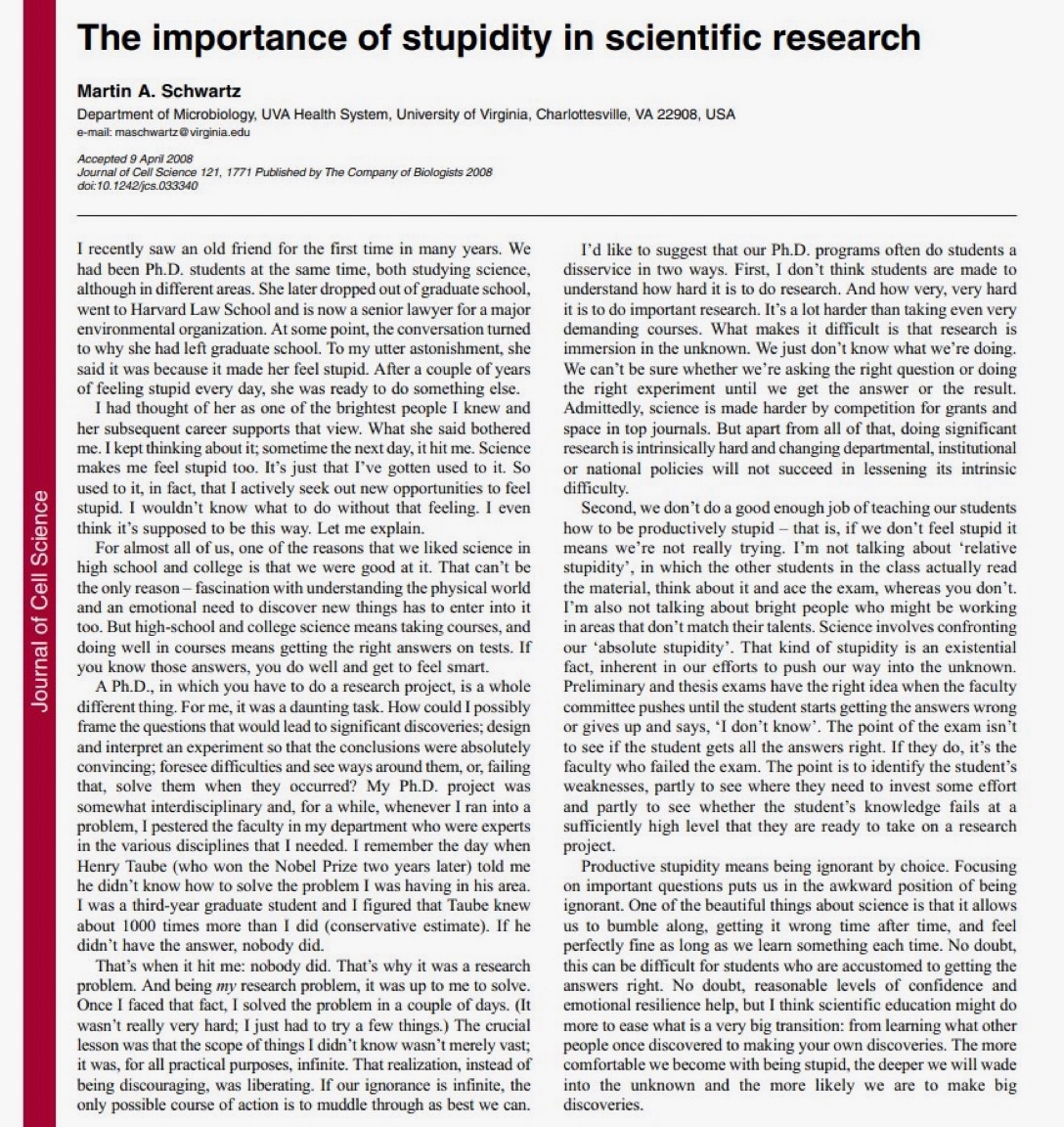
This article should be mandatory reading for every medical student, PhD candidate, researcher—and honestly, for anyone who mistakes expertise for certainty.
“The importance of stupidity in scientific research” sounds provocative, almost offensive. But Martin Schwartz is not glorifying incompetence. He is describing the real operating system of discovery.
Science is not built on knowing.
Science is built on tolerating not knowing.
That distinction matters.
Most of education rewards correctness.
School teaches us to answer.
Exams reward speed, certainty, and precision.
You feel intelligent when you get things right.
Research is the opposite.
Real research begins exactly where competence ends—at the frontier where nobody knows the answer, including the people you thought must know.
That moment is psychologically brutal.
You ask the expert.
The expert shrugs.
You assume you’re missing something.
Then you realize: no—this is the work.
You are not failing.
You are standing at the actual boundary of knowledge.
That feeling—“I must be stupid”—is often not a sign of inadequacy.
It is often the first sign that you are finally asking an important question.
Medicine struggles with this.
We train doctors to avoid uncertainty, to fear being wrong, to perform confidence.
But the best clinicians and the best scientists know how to sit inside ambiguity without collapsing into fake certainty.
This is why AI in medicine also deserves caution.
Systems trained only to reproduce established answers may become extraordinarily good at passing exams while being terrible at discovering what matters next.
Guideline intelligence is not the same as scientific intelligence.
Discovery requires productive stupidity:
the willingness to stay with the uncomfortable,
to look ignorant,
to ask naïve questions,
to be wrong repeatedly without protecting your ego.
Most people want the authority of expertise.
Very few want the humiliation required to earn it.
But progress lives there.
Not in certainty.
Not in performance.
Not in sounding smart.
In the quiet discipline of saying:
“I don’t know… yet.”
And continuing anyway.
2
221
Apr 27
Hands down this is the best post in months 🤣🤣🤣

Sci-Hub is an evil website that pirated 85M research papers and made them freely available
And now they've added AI to their database to make Sci-Bot.
It answers your questions using latest, full-text articles.
But DO NOT use it. We should all try to make billion-dollar academic publishers richer.
I'm putting the link below so you know how to avoid it.
149
Feb 21
Que el ministerio o las CCAA paguen (poco pero algo) por revisar protectos y las fundaciones privadas no, me lo tiene que explicar alguien…. El argumento de que son donaciones es malo, muy malo….
3
215
AAytesLab retweeted

There’s a now generation of very good scientists in Spain that are the product of a golden age in public universities, where many talented Spanish researchers returned to in the 80/90s and dedicated themselves to teaching. With the lack of current Uni funding, it may be the last.
11
66
5,072
Feb 3
Comunicación sencila, clara, honesta que pone de relieve los grandes avances sin generar expectativas que llevan a frustración primero y desconfianza después. 👇🏻
Jan 29

Now that everyone is an expert on curing pancreatic cancer in mice, not rats - I want to add some context that goes beyond the headline.
You will want to read this.
Cancer is cured in mice all the time.
Thousands of times. ~90% of those “cures” fail in humans.
Why?
Because mice are:
Genetically simpler.
Treated earlier.
Short-lived.
Not humans.
Mice are a filter - not a finish line.
Yes, this study matters. It comes from the Spanish National Cancer Research Centre.
Yes, it’s pancreatic cancer - one of the deadliest there is. Yes, full tumor regression is impressive.
But here’s what it actually means:
“This approach is now good enough to risk years, trials, and millions of euros on.”
Not:
“Cancer is solved.”
What happens next?
More animal work.
Toxicology.
Phase I (safety).
Phase II (maybe works).
Phase III (beats standard care?).
Maybe 8-10 years if everything goes right.
The real damage isn’t failed drugs.
It’s failed expectations.
Every “cured cancer in mice” headline trains the public to believe:
Cures are being hidden.
Progress should be fast.
Scientists are lying when reality hits.
That’s how trust erodes.
Bottom line:
This is how real cancer progress looks.
Messy. Slow. Risky. Incremental.
Not miracles.
Not conspiracies.
Just science - doing the hard work.
2
5
427
Feb 3
Por los pacientes y sus familiares, para no abundar en su frustración y sus miedos, igual hay que replantear la communicación de la investigación biomédica…. Un poco de prudencia no estaría de más.
3
17
51
6,921
6 Mar 2025
Cell-autonomous innate immunity by proteasome-derived defence peptides | Nature nature.com/articles/s41586-0…
2
302
19 Oct 2024
Is it me, or this sounds like someone is losing market share to @ParseBio and others? 😉
15 Jul 2024

Recover up to 60% more cells & get higher-quality libraries that can be sequenced at lower costs than manual methods? It’s possible with Chromium.
1
611
19 Oct 2024
Necesario que se hable de esto👇🏻
Añado a lo dicho el tiempo que se pierde ademas en gestionar todo esto… absurdo, frustrante y ridiculo
18 Oct 2024

Parte del trabajo de un investigador (del @csic, de universidades) es viajar. A congresos, reuniones de trabajo, salidas al campo, etc. Sería razonable pensar que, cuando viajamos por trabajo, nuestro empleador cubre nuestros gastos. Pero no es así. Te lo explico. ->
1
4
11
1,208
6 Oct 2024
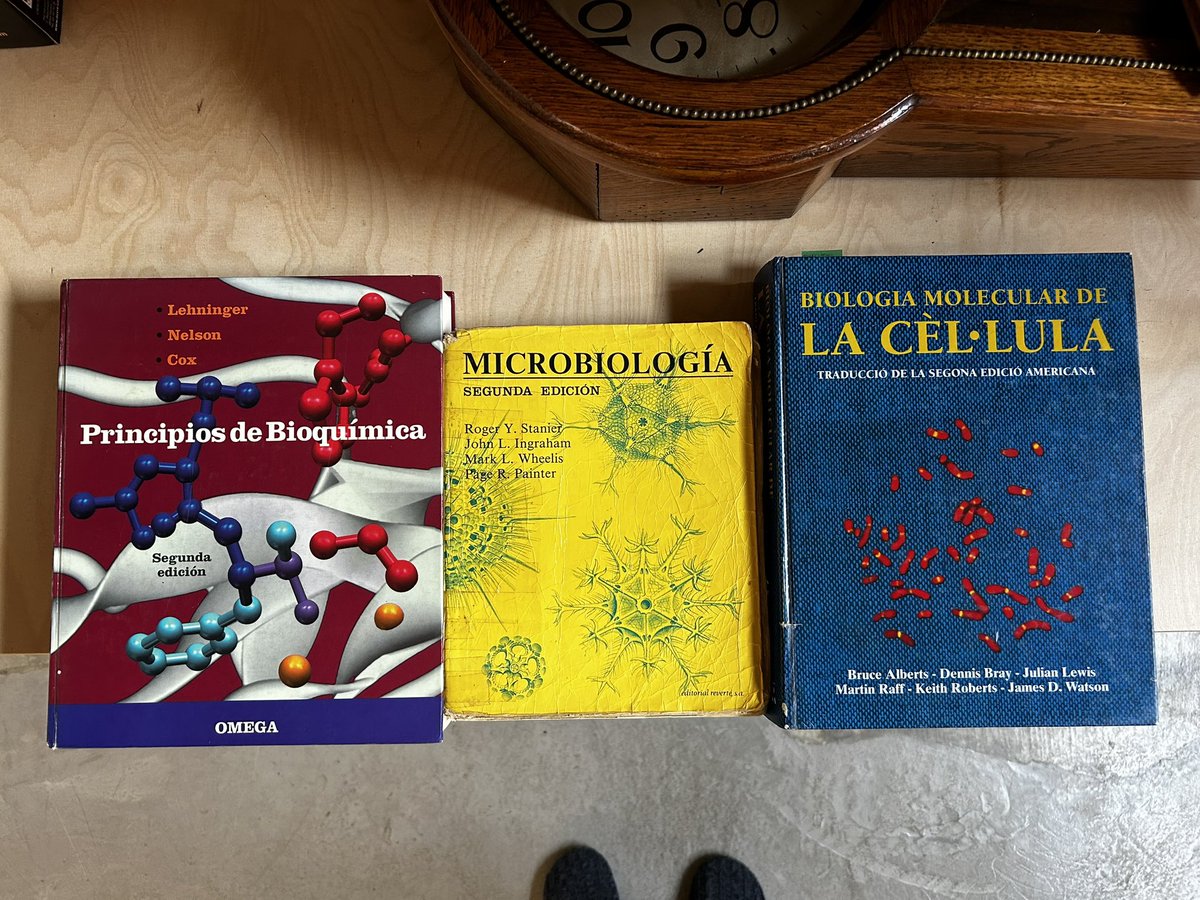
Found 2nd editions of these classics while tidying up at home… they’ll go tot he lab right away.
Which #cellbiology #biochemistry and #microbiology books did you use in college?
3
291
1 Oct 2024
This👇🏻🤯

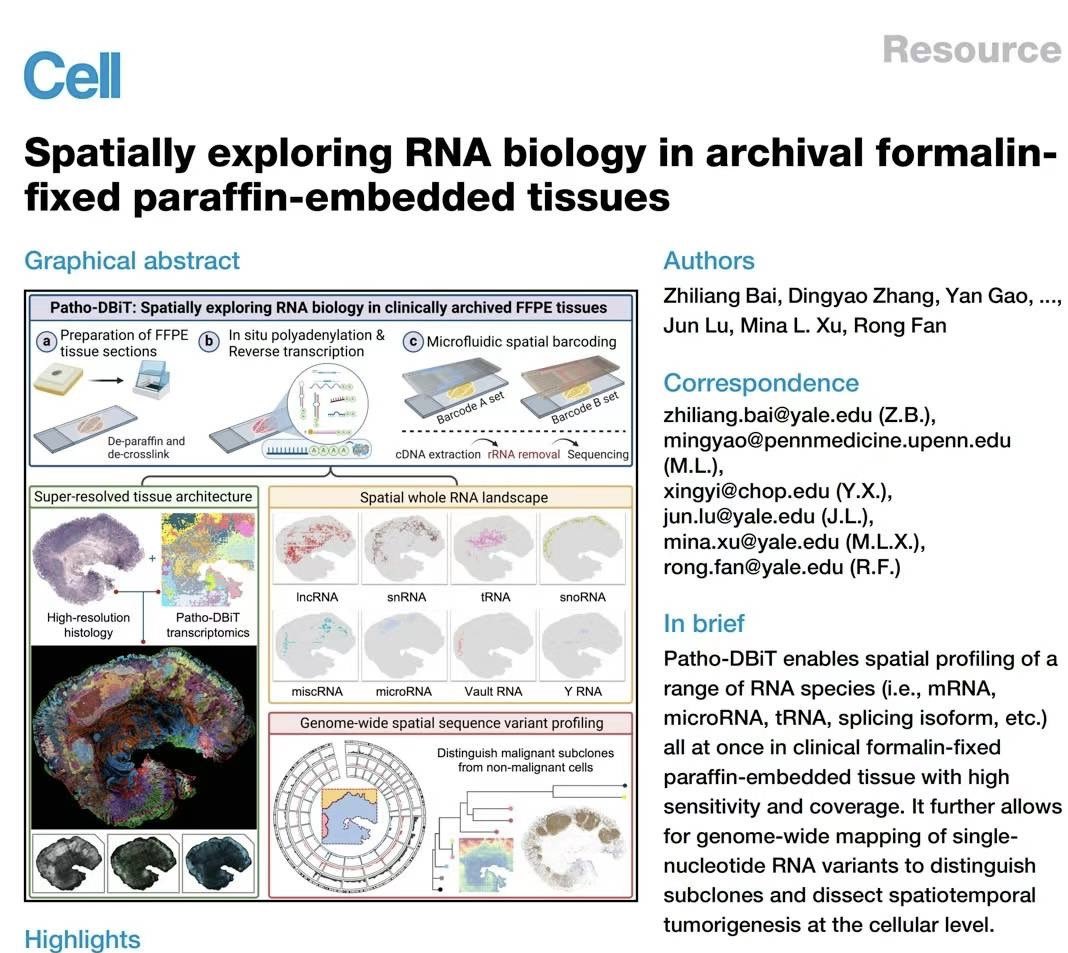
Thrilled to report Patho-DBiT, just published in Cell 😊. It allows us to directly “see” all kinds of RNA species on the same clinical FFPE tissue slide, including mRNA, miRNA, snRNA, snoRNA, tRNA, etc, and splicing isoforms, genetic alterations (SNV, CNV, etc). Really a fun, cool, and powerful tool to explore human biology 🤩🤩
@CellCellPress
cell.com/cell/fulltext/S0092…
2
309
8 Sep 2024
Happy Anniversary. Keep up with the great work!!

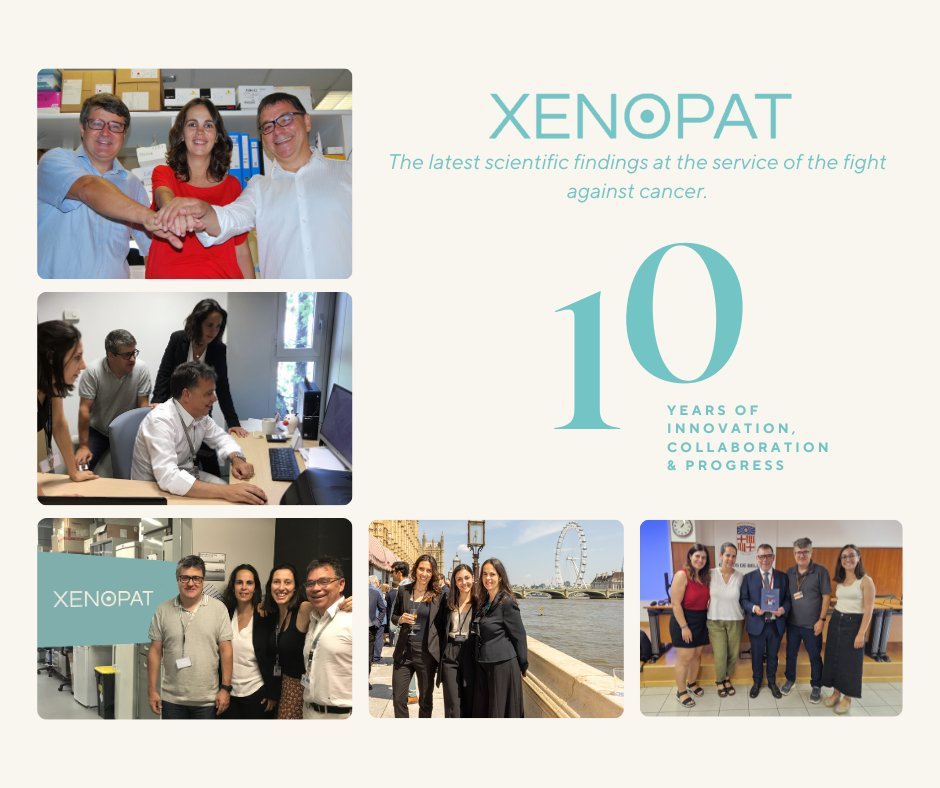
Celebrating Xenopat’s 10th Anniversary! 🎂
We are thrilled to be celebrating a decade of innovation, collaboration, and progress at Xenopat! Today, we’d love to share our journey and some fascinating insights into our history. 🧵⬇️
2
335
AAytesLab retweeted

28 Aug 2024
A ver si entre todos convencemos a @NetflixES o @PrimeVideoES para que compren LA ESPERA, d @FJ6utierrez
El 30 d Agosto se estrena en Francia en Shadowz y Film Movement la distribuirá en Sept en USA
Queréis verla en España?
#LaEspera
@LaEsperaMovie
Twitter, haz tu magia 🙏
118
761
1,674
152,752
21 Aug 2024
Mind blowing 👇🏻
21 Aug 2024

Imagine seeing a disease's impact on every cell in the body. Now, you can!
We introduce MouseMapper, an AI tool to reveal system-wide disease perturbations. MouseMapper showed obesity-induced changes in facial nerves & body-wide inflammation 👉🏼🧵biorxiv.org/content/10.1101/…
1
210
AAytesLab retweeted

1 Aug 2024
Do you want to do a PhD in cancer research in the world’s most beautiful city tinyurl.com/mtjk922p?
Thanks to the generosity of donors and @FlindersFound, I have a fully-funded PhD position in my lab starting 2025. For more info, check out tinyurl.com/bdh7j96t and/or DM me
5
28
50
6,983
AAytesLab retweeted

30 Jul 2024
Very happy to share our last findings on mechanisms regulating cancer cell plasticity and tumor progression
Thanks to everyone involved in this work @daSilva_Diz, @oncoproteomics, and specially to @LopezCerda_ and @Laura_Lorenzo_ from @idibell_cat
jeccr.biomedcentral.com/arti…
6
5
36
1,951
AAytesLab retweeted

12 Jul 2024
New Paper! Jonathan Baldan, Juan Camacho and Marta Ballester from the lab find a genetic program driven by Sox4 promoting the resolution of tissue injury in pancreas regeneration and cancer. @JonathanBaldan @AGA_Gastro @UCPH_BRIC #tuft_cells #plasticity tinyurl.com/4vssyzdt
7
9
59
5,170