
Deputy Director for Sustainable Future @nesta_uk. Cover a mix of climate, economics, energy, heating. Ex civil servant, chief economist. Personal account.
Joined October 2010
- Tweets 14,536
- Following 644
- Followers 7,198
- Likes 7,137
1,748 Photos and videos

Pinned Tweet

24 Oct 2023
Very excited to publish this: an essay from @antonhowes on energy transitions of the past, with an intro by me.
It gives a great insight into how economies can create energy abundance, how it changes lives and how it can be squandered
nesta.org.uk/feature/what-th…
7
9
40
16,905
12 Sep 2024
New personal post - should we give every 18 year old their own plot of land?
acjsissons.medium.com/a-bad-…
2
3
7
969
18 Aug 2024
I’m over here now if anyone still wants a random mix of climate, energy and economics stuff.
Will also try to post a bit more work stuff on LinkedIn…
bsky.app/profile/acjsissons.…
1
1
4
715
Andrew Sissons retweeted

3 Aug 2024
Update: I have written up the full case for Manchester bidding for the 2036 Games for the @ManchesterMill! Go check it out!
manchestermill.co.uk/p/manch…
1
14
2,146
2 Aug 2024
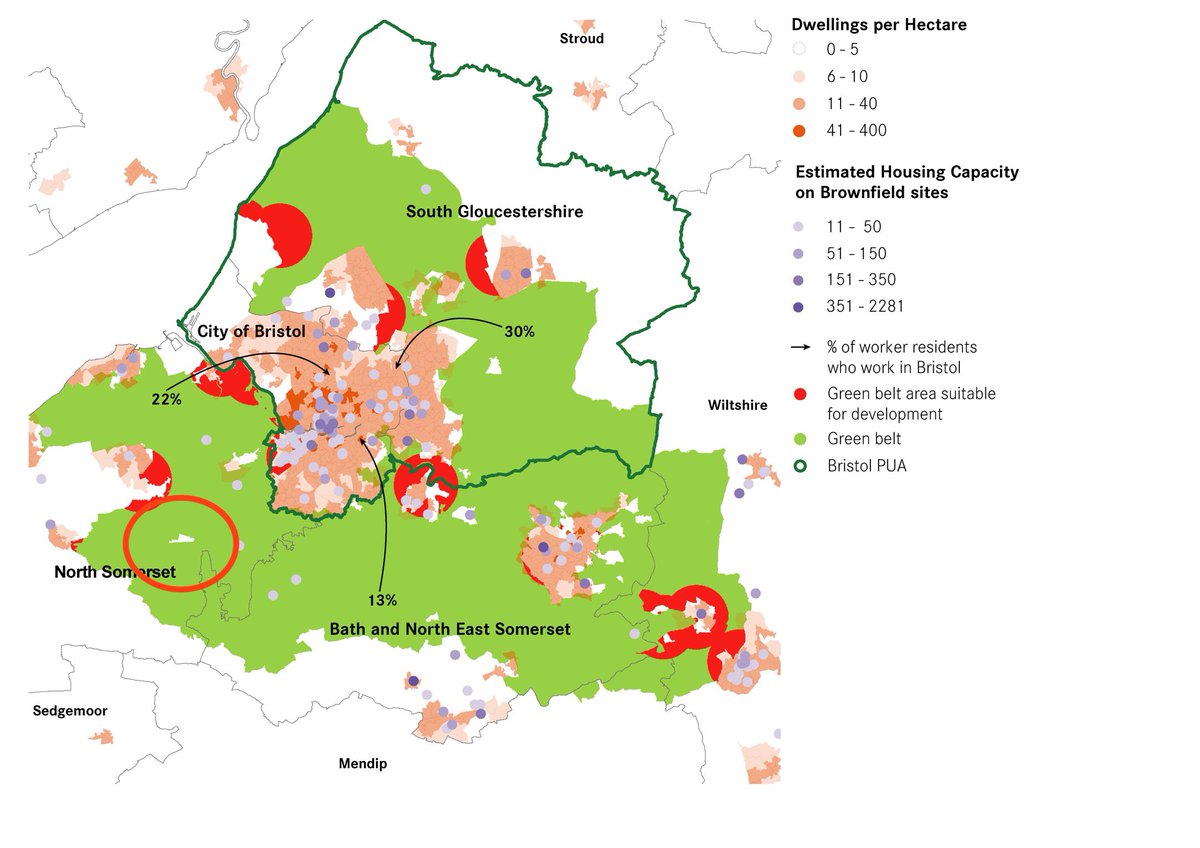
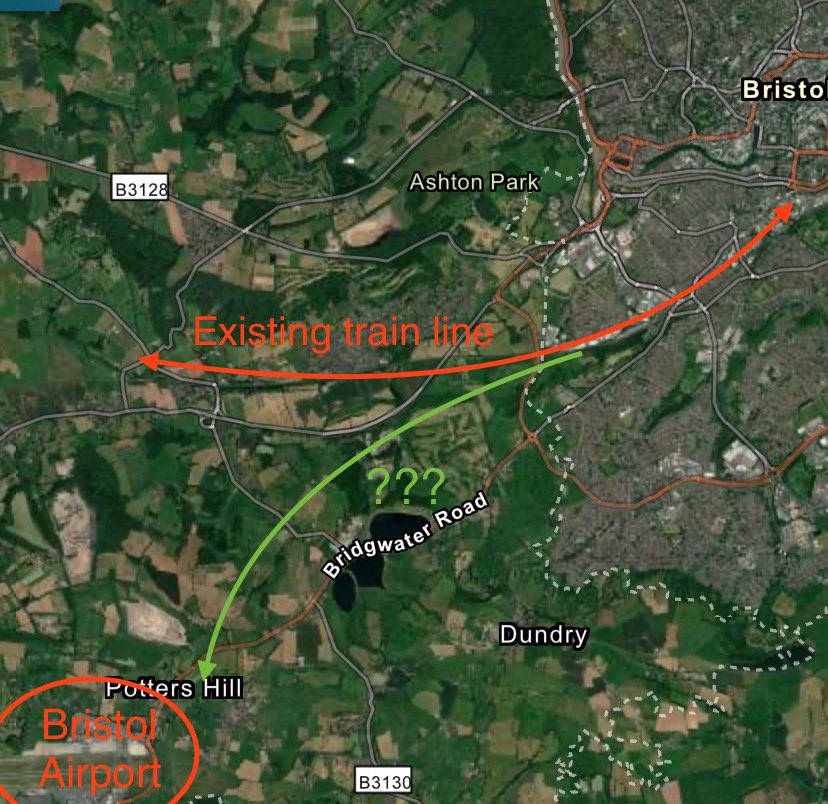
Bristol Airport is the 8th busiest in the UK, but has no train or tram link. The parking situation there is mad - the whole area is a giant car park.
The Bristol area also needs a lot more homes. If only there was a way to ease both pressures at once…
bbc.co.uk/news/articles/c886…
1
12
1,852
2 Aug 2024
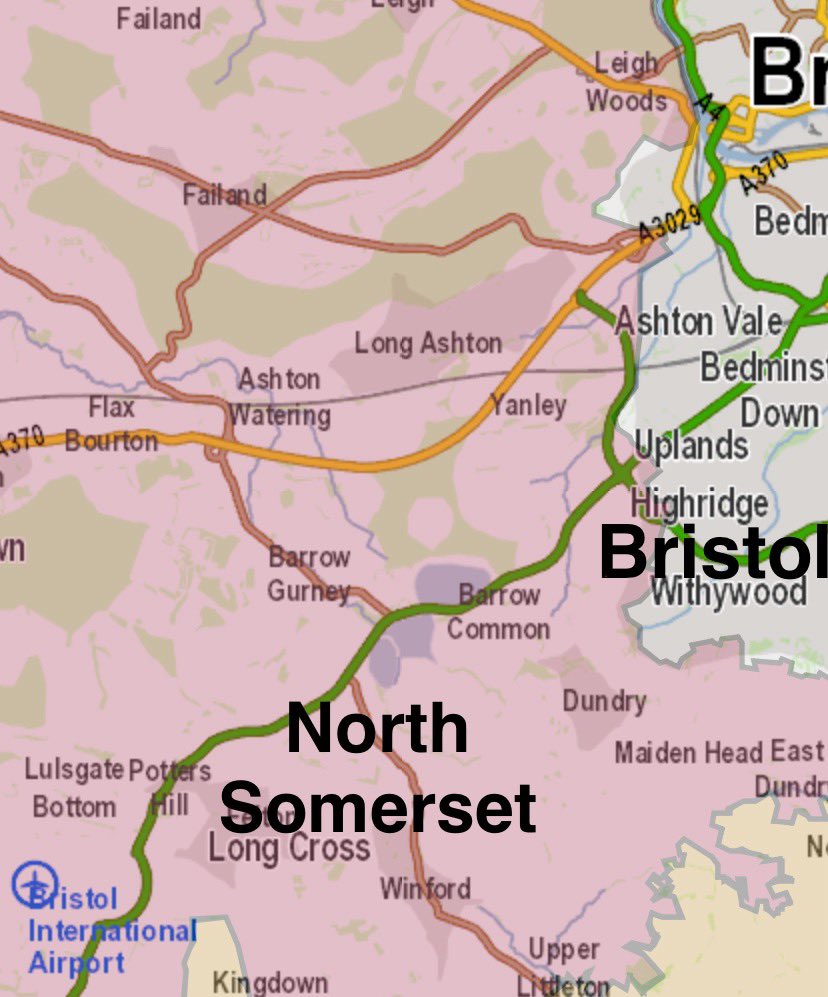
But there are also bad reasons it is difficult.
The Green Belt is one formidable, entirely man-made barrier.
The other is that Bristol airport - and almost all of this scheme - is in North Somerset, not Bristol. Which makes everything much more fraught.
1
4
990
2 Aug 2024
I know this is all contentious, but having one of your biggest airports surrounded by car-choked countryside, having one of your more successful cities constrained to stay fairly small…seems worth fixing to me
4
616
29 Jul 2024
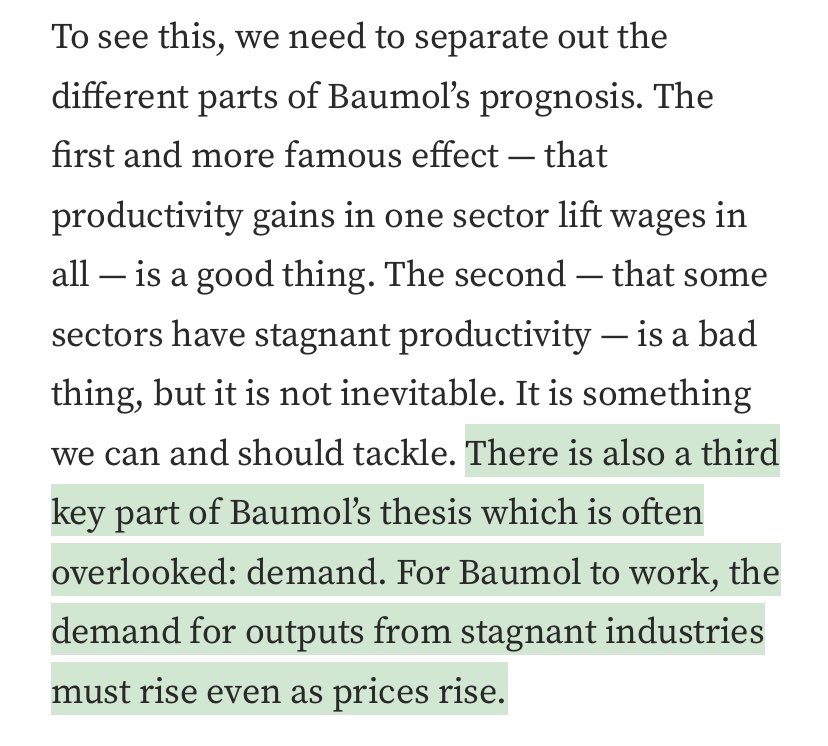
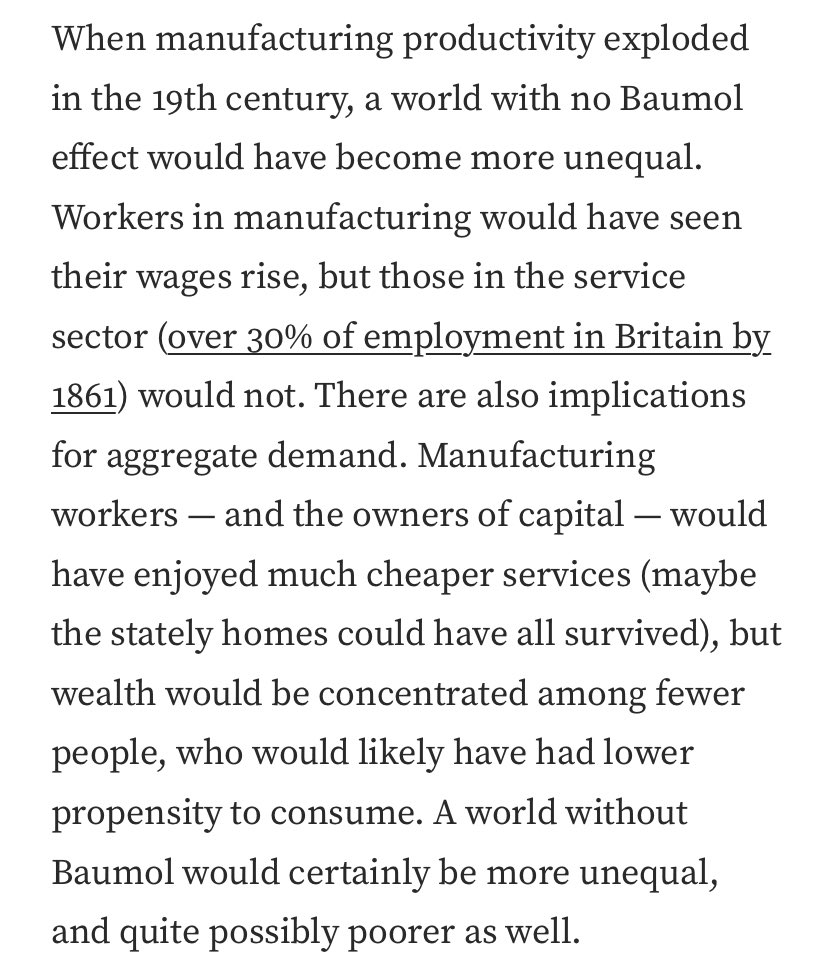
One of the responses to my piece on the Baumol effect was: it means spending more on public services, and therefore higher taxes over time.
I think that’s broadly right, but: as our incomes rise, we seem to want more of the types of services often provided by the state
1
7
1,778
29 Jul 2024
So I think rather than treating taxes as a necessary evil, we should pitch them as a route to get people more of what they want. While focusing relentlessly on public sector productivity, of course.
It turns out to be one of the logical conclusions of Baumol for me…
1
2
757
29 Jul 2024
Here’s the original piece btw
And a clarification: Baumol doesn’t just apply to public services, but to any with low productivity growth.
“Public services” - like health & education - can be private sector, but still tend to have low productivity growth
acjsissons.medium.com/the-ba…
3
1,447

Andrew Sissons retweeted

22 Jul 2024
A good post making a really important point:
Baumol's so-called "cost disease" is not a disease at all, but the all-important mechanism by which the benefits of necessarily uneven rates of productivity growth in different sectors are spread across the whole economy.
22 Jul 2024

Final plug for my new personal blog.
The Baumol effect is one of the most powerful forces in the economy,raising wages for everyone. And yet it is normally described as a “cost disease”, wrongly imo.
I think we should embrace the Baumol effect more
acjsissons.medium.com/the-ba…
2
3
13
2,235
22 Jul 2024
Final plug for my new personal blog.
The Baumol effect is one of the most powerful forces in the economy,raising wages for everyone. And yet it is normally described as a “cost disease”, wrongly imo.
I think we should embrace the Baumol effect more
acjsissons.medium.com/the-ba…
5
9
31
7,875
Andrew Sissons retweeted
20 Jul 2024
Weekend plug for my new personal piece: how one of the most powerful forces in the economy, which raises wages for everyone, got labelled as a “cost disease”.
The Baumol effect: not a disease, but something we can use to make people better off
acjsissons.medium.com/the-ba…
2
2
5
2,608
20 Jul 2024
Weekend plug for my new personal piece: how one of the most powerful forces in the economy, which raises wages for everyone, got labelled as a “cost disease”.
The Baumol effect: not a disease, but something we can use to make people better off
acjsissons.medium.com/the-ba…
2
2
5
2,608
20 Jul 2024
If you’re a business, the Baumol effect might be annoying because it means higher costs.
But honestly, higher wages are a good thing. And have you considered how much weaker demand would be if the Baumol effect wasn’t there to spread the wealth?
1
1
1
514
19 Jul 2024
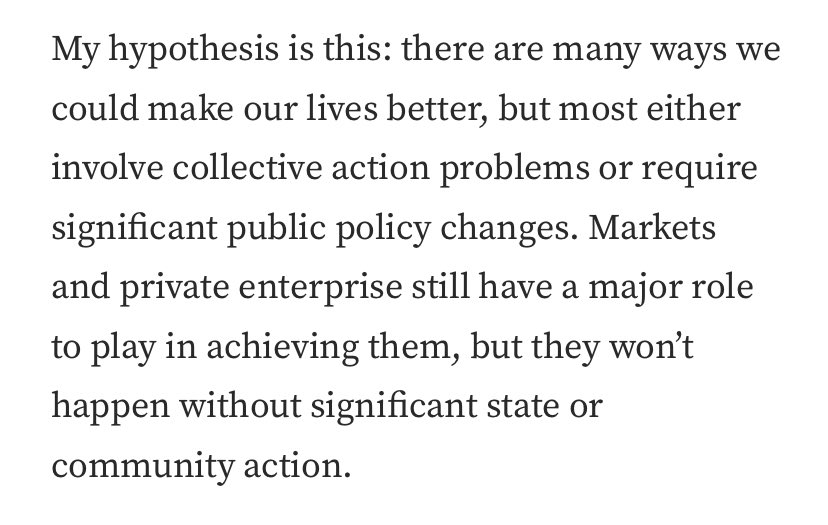
Just going to put this here once again: How to make the case for higher taxes.
(This is going to keep coming up again and again, of course)
acjsissons.medium.com/how-to…
19 Jul 2024

Oof - general expectation in the schools sector was 4/4.5%. Absolutely no way this can be done without additional funding.
1
5
2,106