
Askēsis | Attention is an art form | Philosophy as a way of life | Building @theorosproject | Founded @TheSideViewCo | Substack: thebasecamp.substack.com
Joined November 2011
- Tweets 12,609
- Following 716
- Followers 4,435
- Likes 15,919
1,400 Photos and videos


Pinned Tweet

May 31
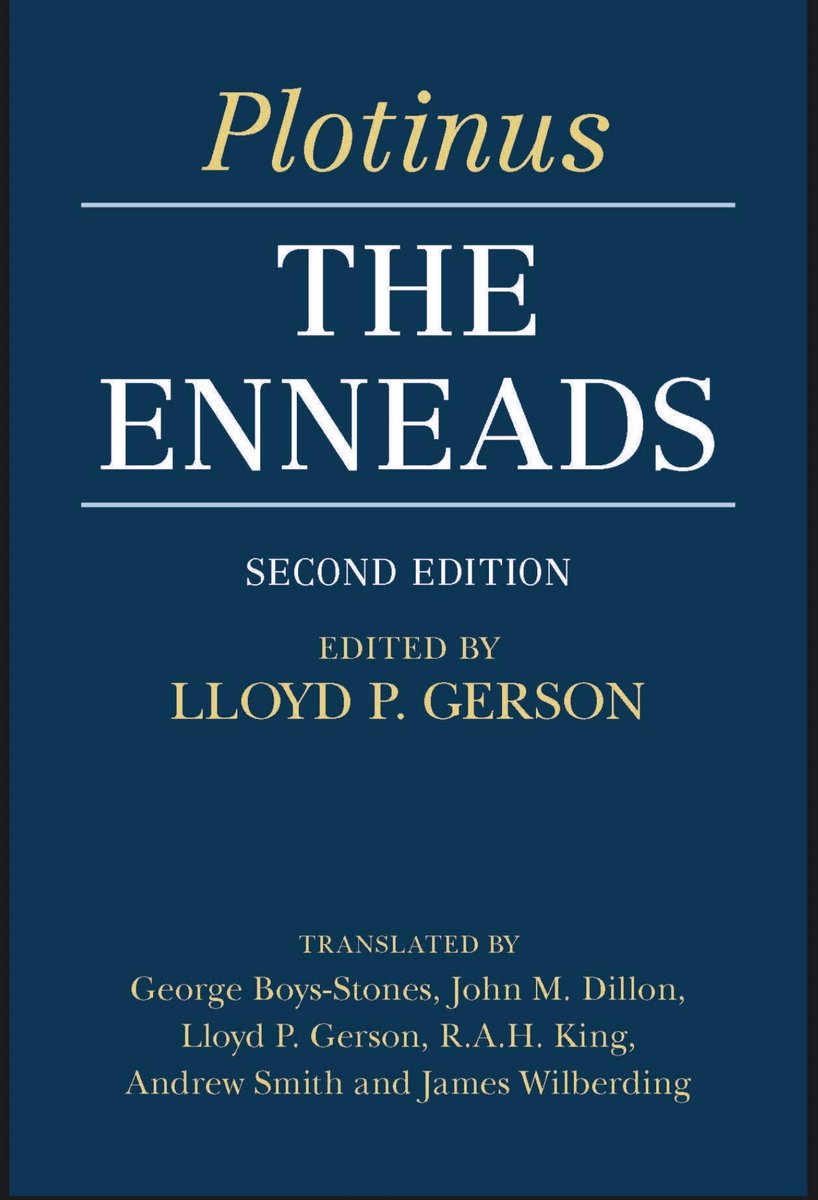
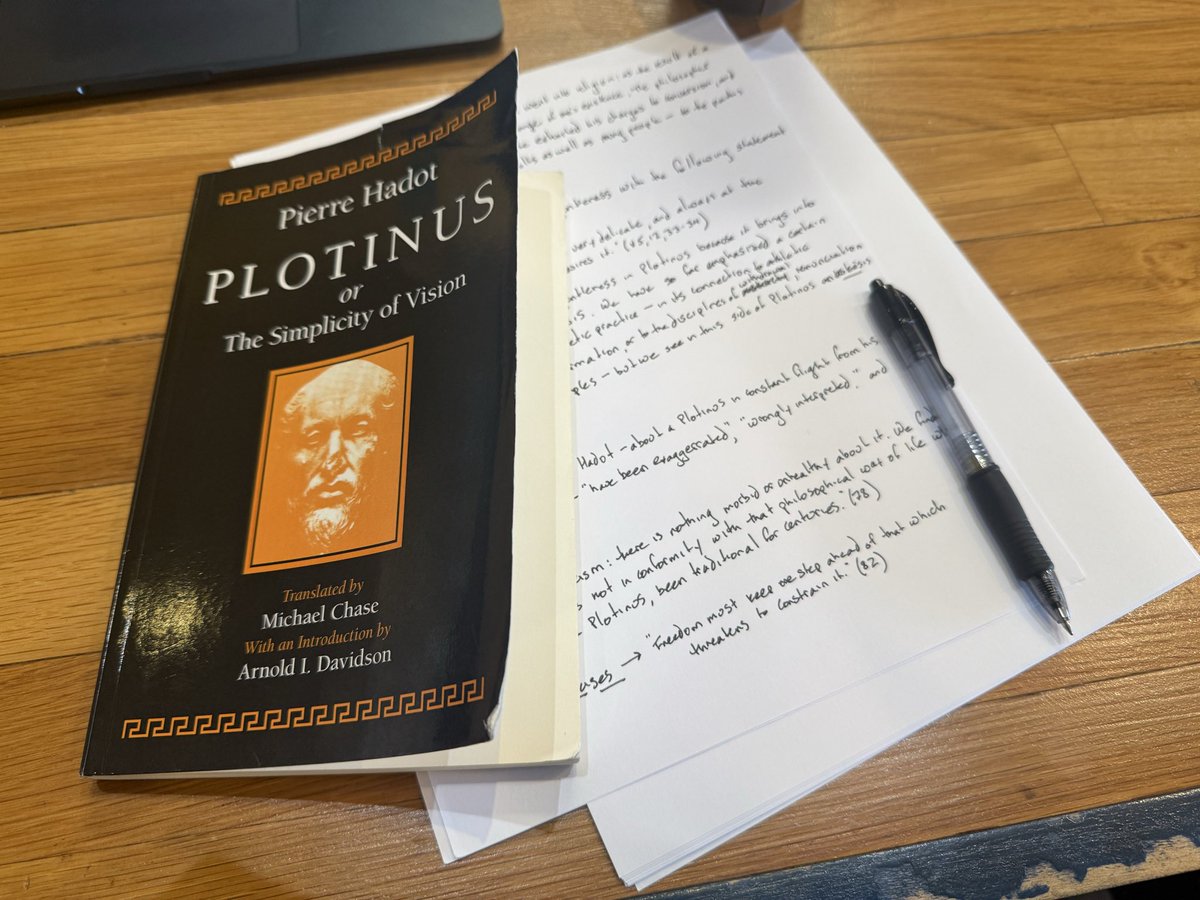
A number of you know that I’ve been working on a dissertation for some time now, at points taking a year or more off in between drafts and revisions.
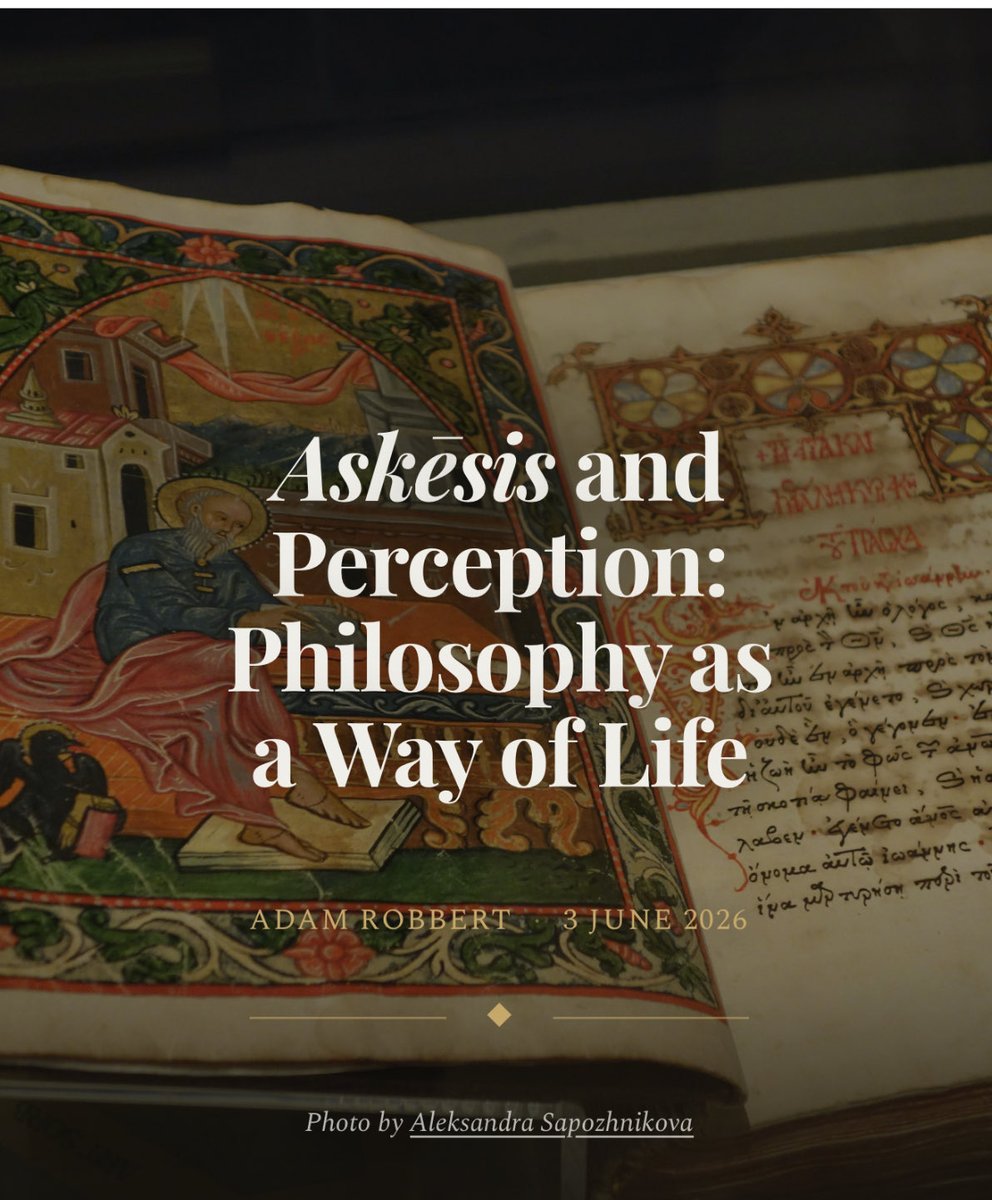
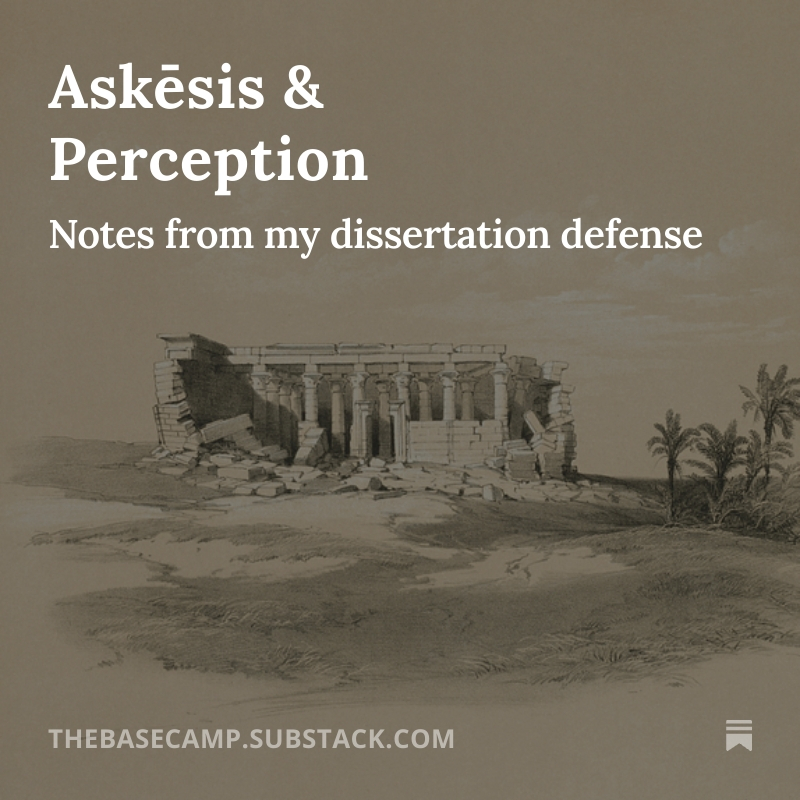
I’m happy to report that the manuscript is now done, and yesterday I successfully defended Askēsis and Perception: Philosophy as a Way of Life to my committee. I’d describe it as the longer, more technical version of the work I put out here.
I’ve included my presentation notes for the oral defense below.
4
2
32
2,373
Adam Robbert retweeted
Jun 10
I just rebuilt my personal website — part of my humanities-guy-learns-to-vibe-code series of experiments — and I included a curated list of essays, articles, and talks.
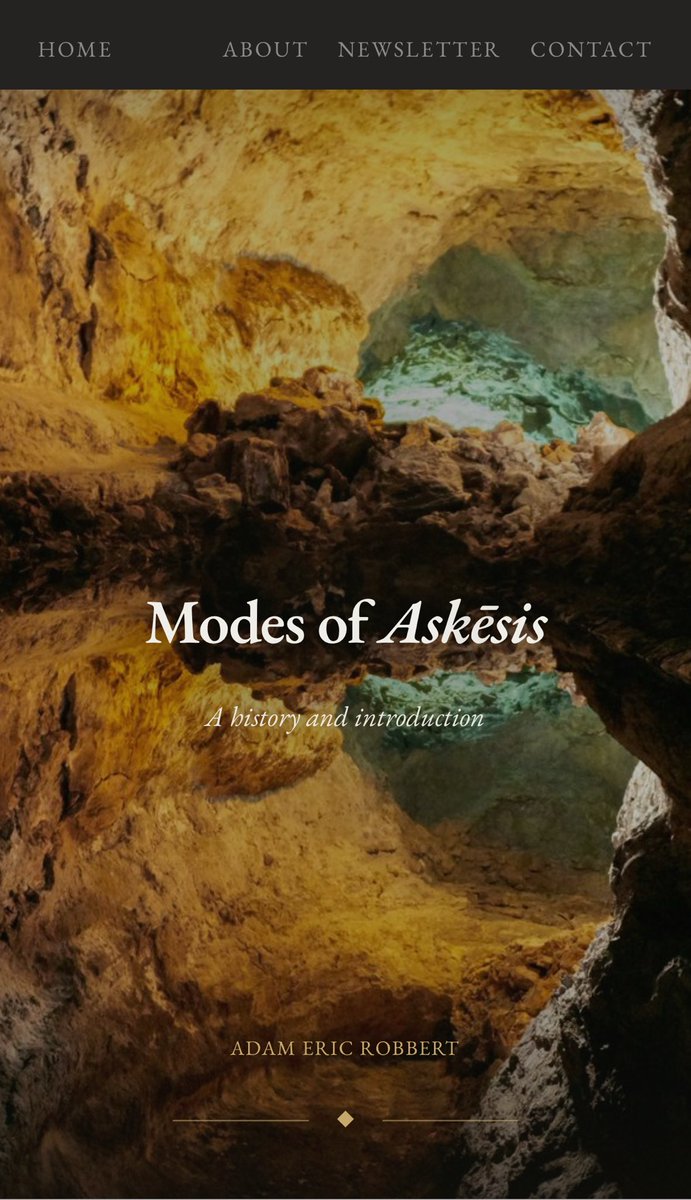
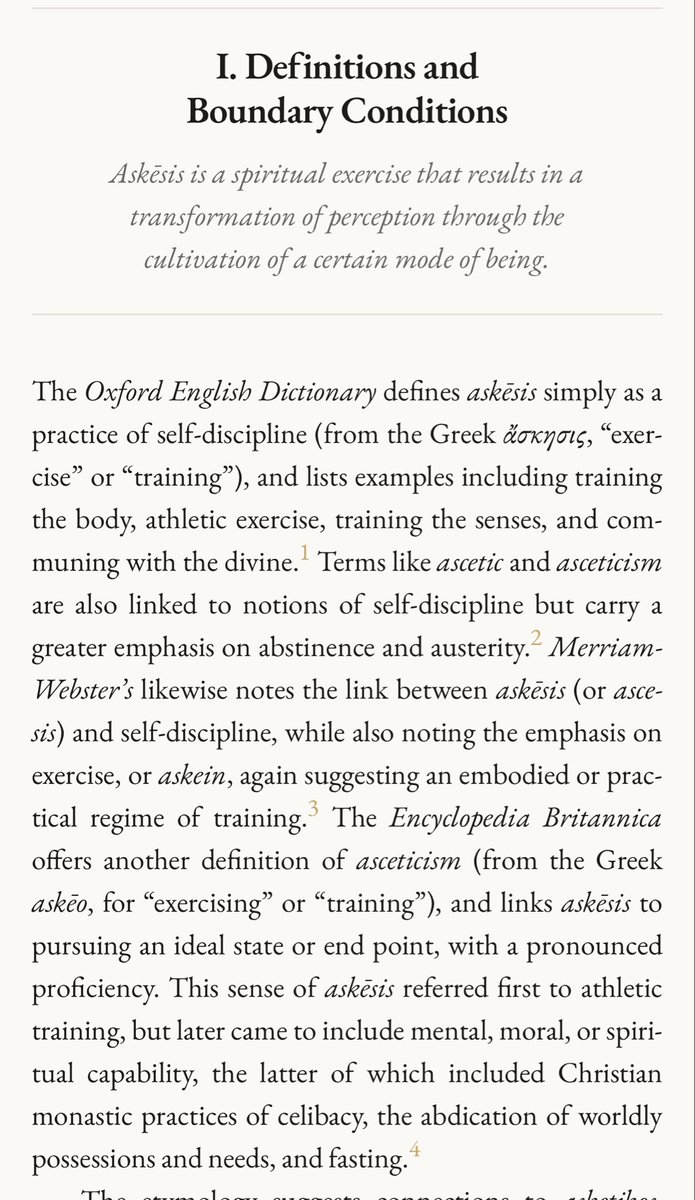
One of them, called “Modes of Askēsis,” is an earlier piece I don't think I have shared here before, but having just re-read it, I think it could be a helpful history and introduction resource to the concept of askēsis in general.
Link in next post.
1
4
40
1,548
Jun 10
I just rebuilt my personal website — part of my humanities-guy-learns-to-vibe-code series of experiments — and I included a curated list of essays, articles, and talks.
One of them, called “Modes of Askēsis,” is an earlier piece I don't think I have shared here before, but having just re-read it, I think it could be a helpful history and introduction resource to the concept of askēsis in general.
Link in next post.
1
4
40
1,548
Adam Robbert retweeted
23 Jul 2025
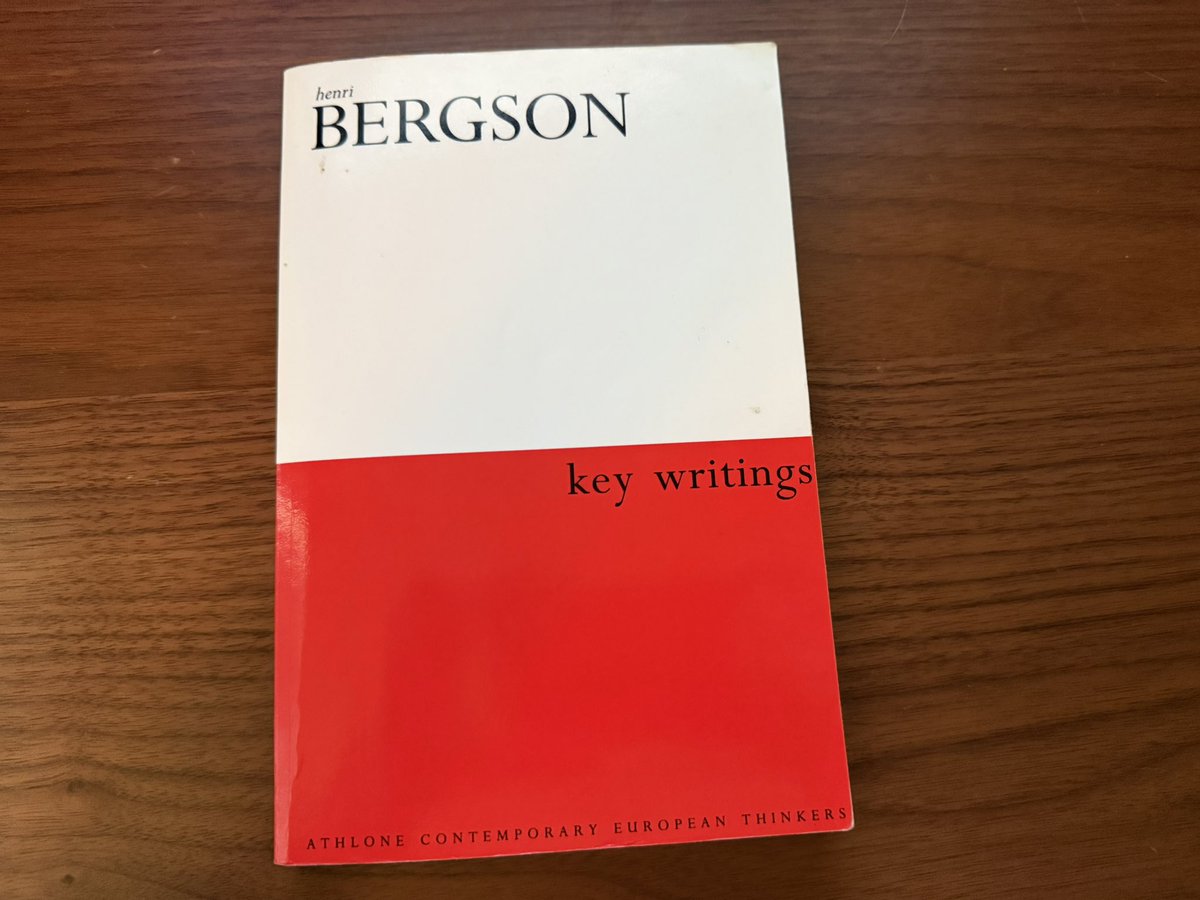
“There is no perception which is not full of memories. With the immediate and present data of our senses, we mingle a thousand details out of our past experience.”
— Henri Bergson
2
3
12
559
Adam Robbert retweeted
8 Oct 2025
Big if true:
"It appears likely that knowledge for Plato is not of propositions, and knowledge itself is not a propositional attitude."
— Lloyd Gerson
1
2
7
385
Jun 8
Online several years ago, there was a series of drawn out blog posts, arguments, and conference presentations dueling out the competing merits of panpsychism and eliminative materialism.
The crux was that if you follow the philosophy of mind down to its core, you’re left either with a view of mind as ubiquitous and constitutively basic (we have it because it’s in the nature of things to have it) or a view of mind as entirely epiphenomenal (we don’t have it because nothing, in the final analysis, does; we have only the illusion of the thing to explain, not its actual existence, because it doesn’t actually exist in the same way that firing neurons exist).
There are variations of both approaches, but this is where the hard problem of consciousness, on these views, has landed us. The problem, stated roughly, is how do physical processes in the brain give rise to subjective, first-person experiences? Moving in the other direction, we could add: Why is our phenomenal experience completely opaque to the physical processes that give rise to it?
The panpsychist resolves the problem by treating phenomenal experience as basic. To be a thing is to have a view on other things; stated differently, causal encounters just are perceptual encounters, of some kind. The problem on this view is how simpler causal–perceptual interactions give rise to complex ones.
The eliminative materialist argues that the hard problem dissolves once we accept that our phenomenal experience is simply caused by non-phenomenal physical events taking place in the brain. Phenomenal experience does not itself do any causal work. The problem here is where to place these phenomenal states in the broader scheme of things, once properly understood.
I was always struck by this all-or-nothing setup.
It’s one of those results that should give you pause. How many other problems are like this? Well, it turns out, quite a few: questions about purpose, value, meaning, and intentionality all tend to follow the same basic bifurcation.
The thing is either really there in the causal bones of things and our human first-person experience really is picking that up in a veridical way, or the thing is an artifact of something else—maybe it’s a buggy inference made by a creature not designed to pick out the truth, or perhaps it’s a useful misdirection that still helps you get around the environment.
The hard problem of consciousness is, in this way, actually the hard problem of causality.
And this all has something to do with AI, doesn’t it? One might predict that it’s the panpsychist who is more likely to attribute human-like qualities to an AI. But actually I think we’re seeing the opposite is the case.
It’s the eliminationists who are more likely to draw close parallels between humans and AIs, not because they are drawing the AI closer to the human in any phenomenal sense but because they already see the human as AI-like, owing to how they answer the hard problem of causality.
There is a misattribution here, but it’s not the one eliminationists are keen to diagnose.
More to say. Just some quick notes.
2
2
380
Adam Robbert retweeted
Jun 4
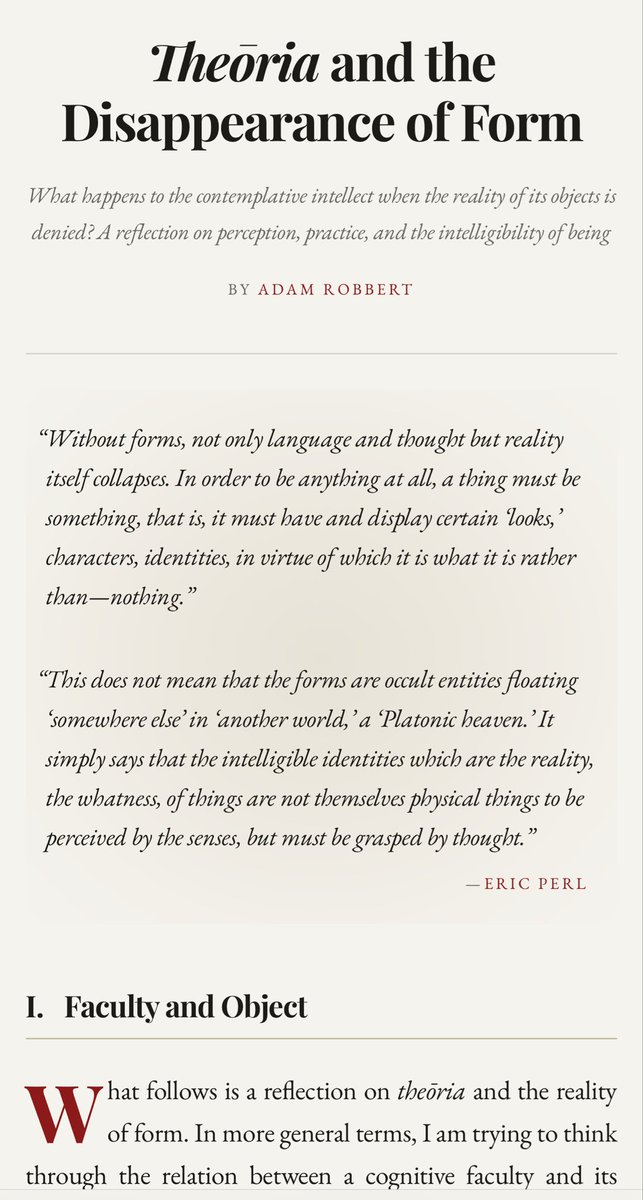
I built a one-page website for my dissertation defense presentation.
I’m really into the idea that someone like me, with basically no coding experience, can now spin up a unique and aesthetic environment for a single essay without too much work.
I’m going to accidentally get back into publishing. Link below.
6
3
28
3,089

As more of the world is designed to capture our attention, cultivating it begins with understanding how it works.
In this conversation, philosopher @AE_Robbert joins Imbue’s Ashley Zhang to explore what attention is and what it might mean to approach it as a practice.
From Socrates standing motionless at a party to the algorithms competing for our focus today, they trace how humans have wrestled with attention across centuries.
youtube.com/watch?v=y-J8Mpl8…
2
2
20
1,611
Jun 4
I'm also posting video from my dissertation defense (Askēsis and Perception: Philosophy as a Way of Life). I was happy to see a few dozen students, faculty, and alumni show up to the event, many of them participating in the Q&A after the examination. I didn’t ask all who were present if they’d be up for me posting the full video, so I’ve included just my opening presentation. First time posting a video here, too.
2
1
12
2,461
Jun 4
I built a one-page website for my dissertation defense presentation.
I’m really into the idea that someone like me, with basically no coding experience, can now spin up a unique and aesthetic environment for a single essay without too much work.
I’m going to accidentally get back into publishing. Link below.
6
3
28
3,089
Adam Robbert retweeted
Jun 1
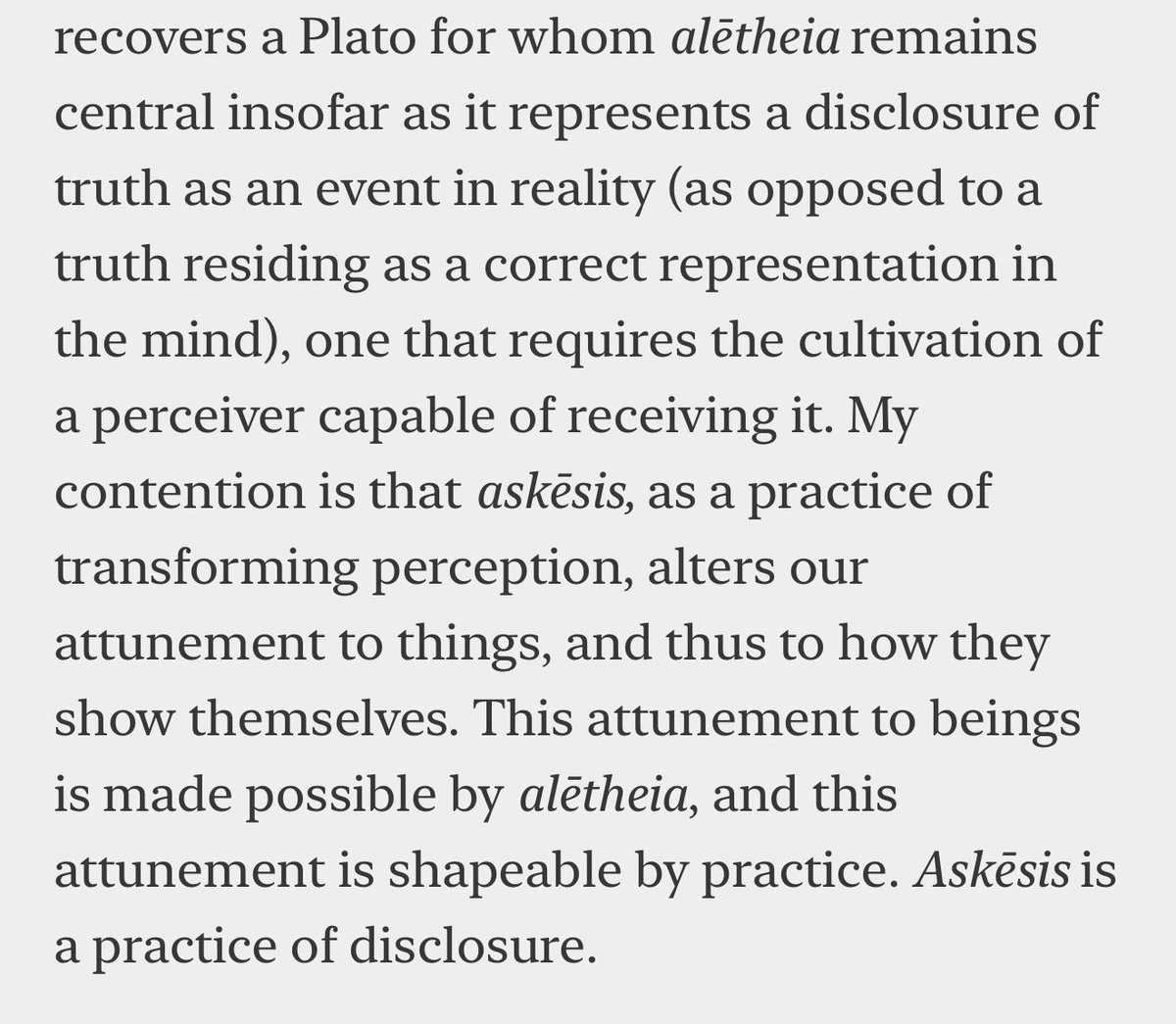
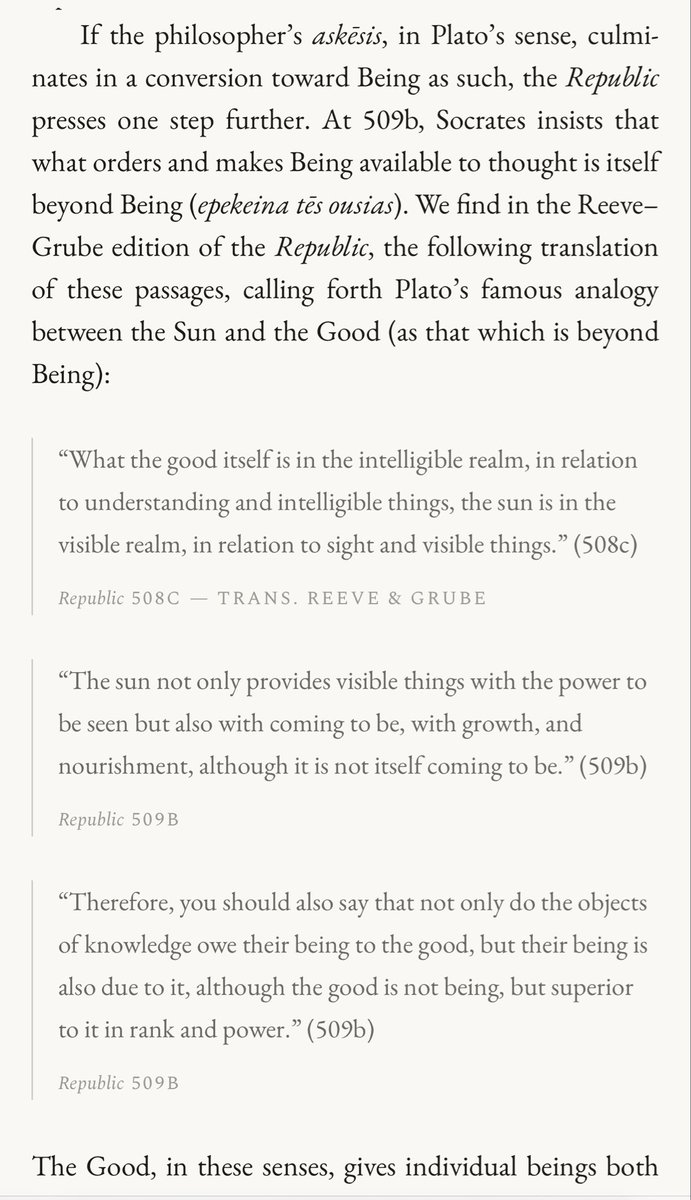
I think the novel contribution of the dissertation is my working out a reading of perception transformation in light of Plato’s reading of the Good beyond Being (epekeina tēs ousias) in the Republic at 509b and how we should understand his theory of forms in a different light, one indexed against acts of cultivated attention as form comes to presence in perception through a kind of immanent attunement. I had no sense that this is what I’d be doing when I set out to write the diss. So it goes!
1
6
360
May 31
A number of you know that I’ve been working on a dissertation for some time now, at points taking a year or more off in between drafts and revisions.
I’m happy to report that the manuscript is now done, and yesterday I successfully defended Askēsis and Perception: Philosophy as a Way of Life to my committee. I’d describe it as the longer, more technical version of the work I put out here.
I’ve included my presentation notes for the oral defense below.
4
2
32
2,373
Jun 1
I think the novel contribution of the dissertation is my working out a reading of perception transformation in light of Plato’s reading of the Good beyond Being (epekeina tēs ousias) in the Republic at 509b and how we should understand his theory of forms in a different light, one indexed against acts of cultivated attention as form comes to presence in perception through a kind of immanent attunement. I had no sense that this is what I’d be doing when I set out to write the diss. So it goes!
1
6
360
Adam Robbert retweeted

May 31
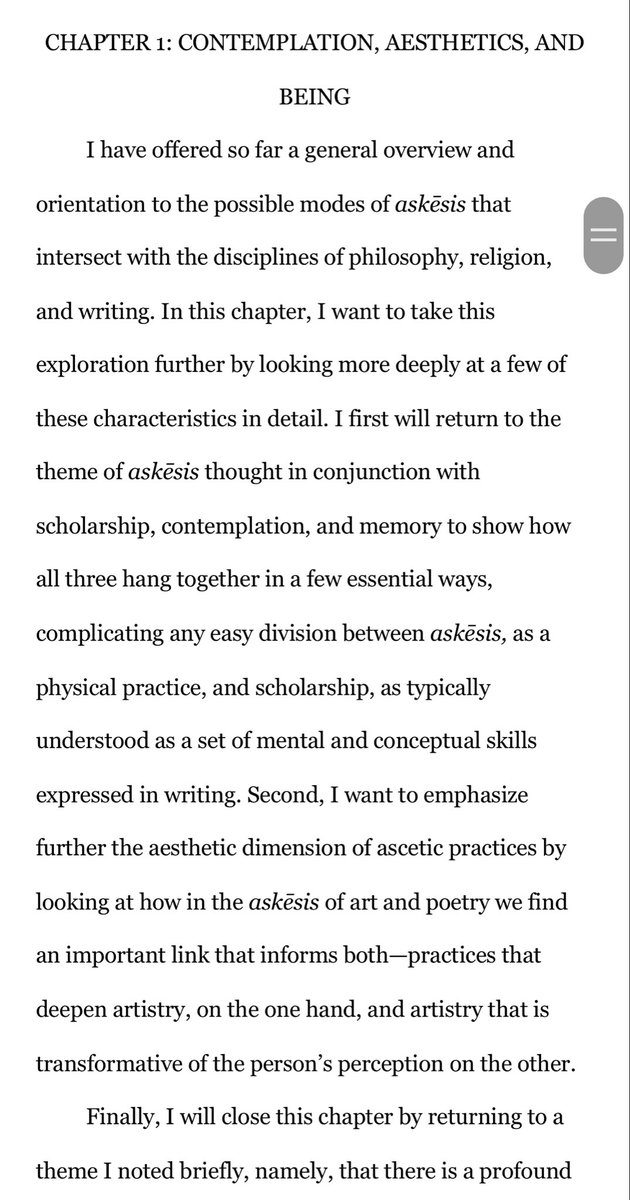
"Askēsis, in the sense I am using the term, invites us to expand what properly constitutes philosophical training to include a wider complement of faculties. Sensation, perception, thought, feeling, imagination, intuition, and contemplation reemerge on this account".
May 31

A number of you know that I’ve been working on a dissertation for some time now, at points taking a year or more off in between drafts and revisions.
I’m happy to report that the manuscript is now done, and yesterday I successfully defended Askēsis and Perception: Philosophy as a Way of Life to my committee. I’d describe it as the longer, more technical version of the work I put out here.
I’ve included my presentation notes for the oral defense below.
2
6
689
May 11
Philosophy 🤝 HTML 🧐

1
1
237
Apr 30
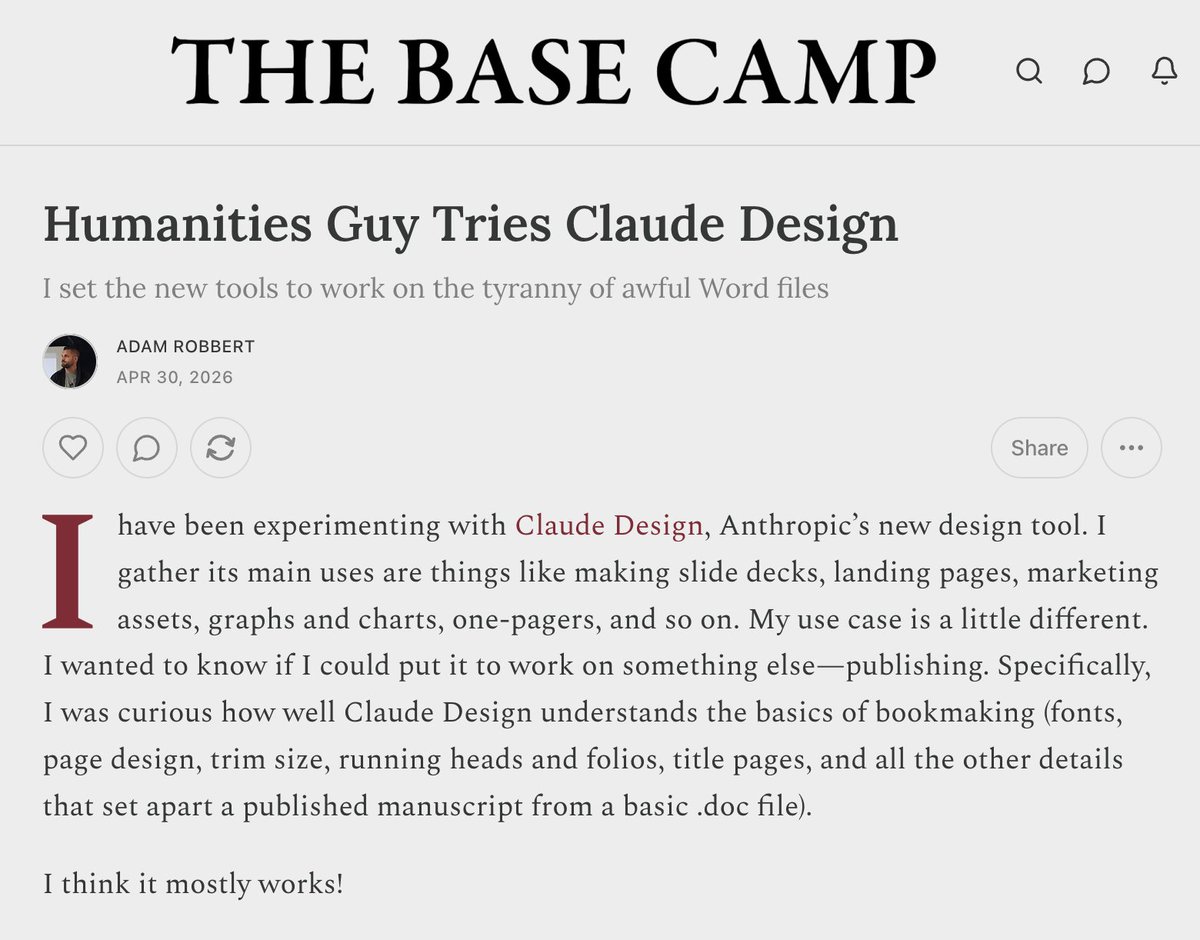
I wrote a bit more about Claude Design and what I think it can help people like me do.
1
2
248
Apr 30
Are we still doing links separate? I'm not keeping up anymore. Here's the piece: thebasecamp.substack.com/p/h…
2
117