
Professor of Health and Pediatric Exercise Science, The College of New Jersey.
Joined March 2011
- Tweets 476
- Following 259
- Followers 5,820
- Likes 1,916
135 Photos and videos
Avery Faigenbaum retweeted
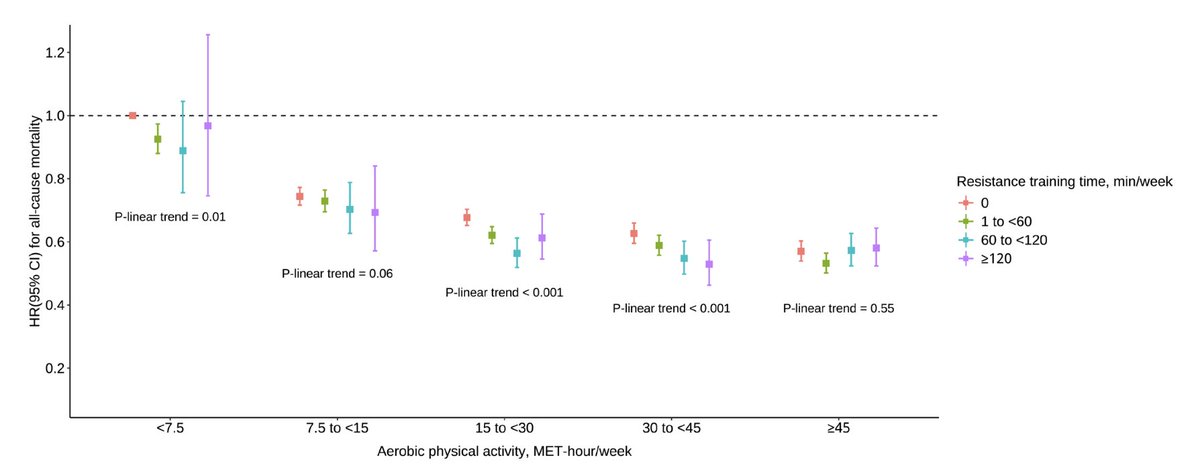
🆕Estudio en @BJSM_BMJ con 147.374 participantes sugiere que hacer 90–120 min/semana de entrenamiento de fuerza 🏋️♂️se asocia con menor riesgo de mortalidad💀
Y mejor aún: combinar fuerza ejercicio aeróbico parece ofrecer el mayor beneficio 💪🚶♀️
bjsm.bmj.com/content/early/2…
1
43
146
7,121
Avery Faigenbaum retweeted

4
15
1,956
Avery Faigenbaum retweeted

Jun 2
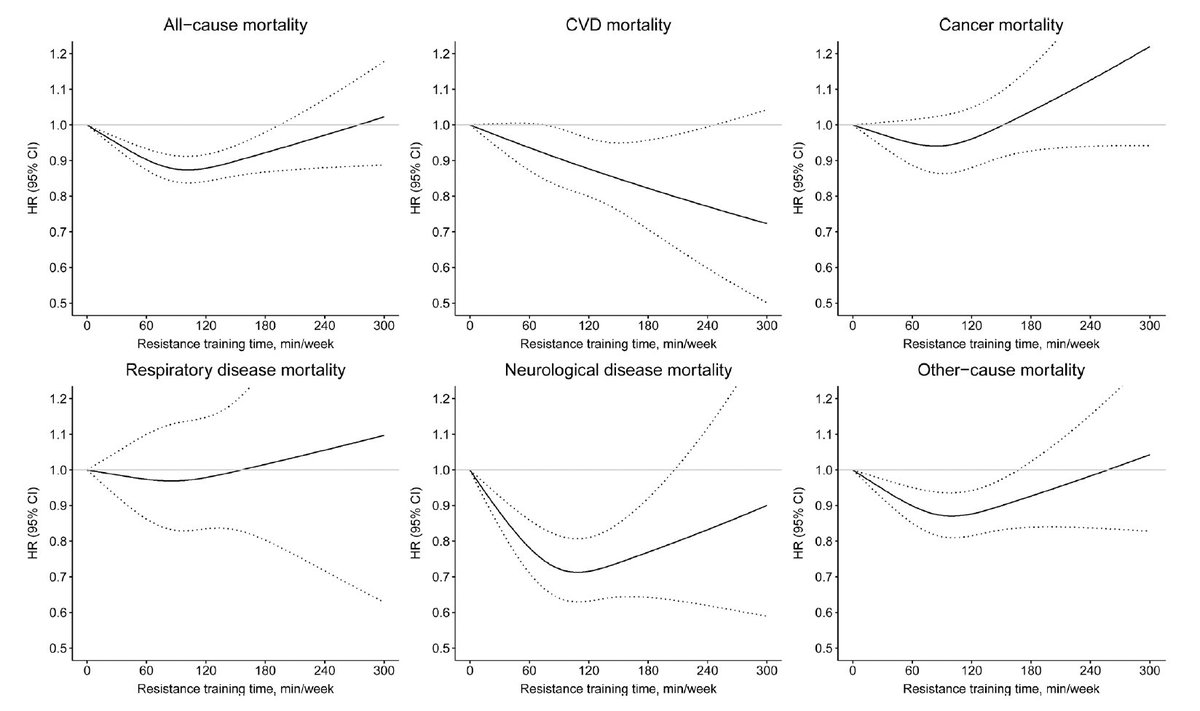
What's the right amount of time for resistance training?
A new study supports 90-120 minutes/week across multiple outcomes, which plateaus beyond that for lack of additional benefit
From 30-year follow-up of ~150,000 participants
bjsm.bmj.com/content/early/2…
42
161
840
201,882
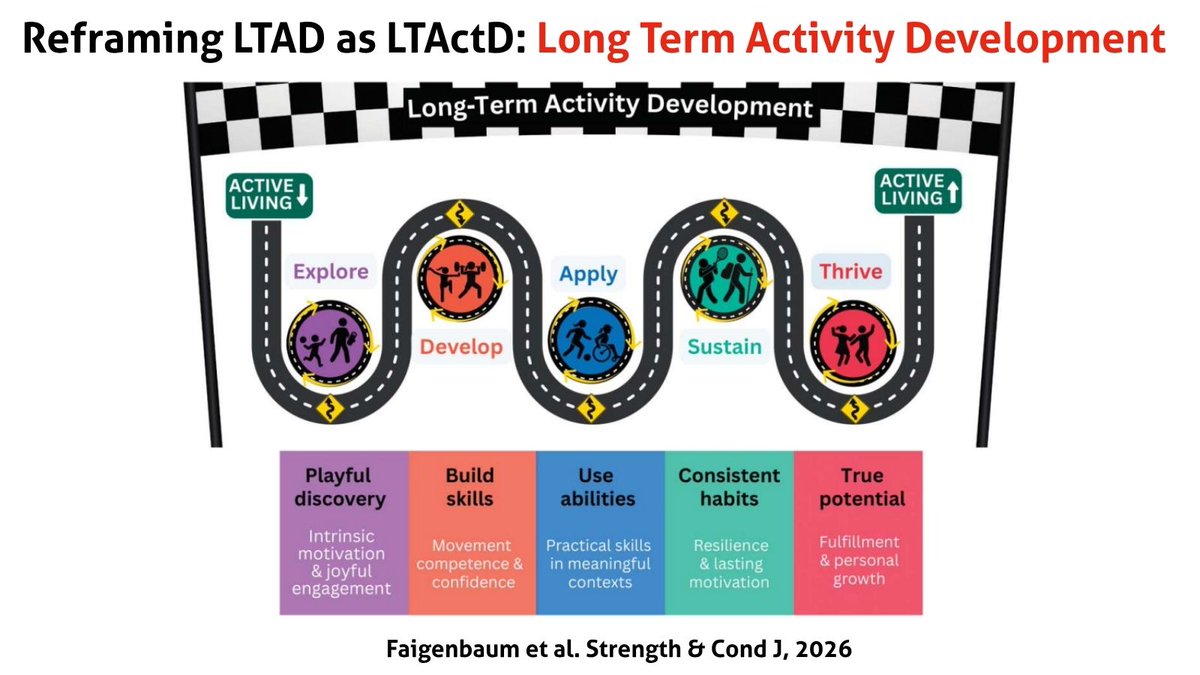
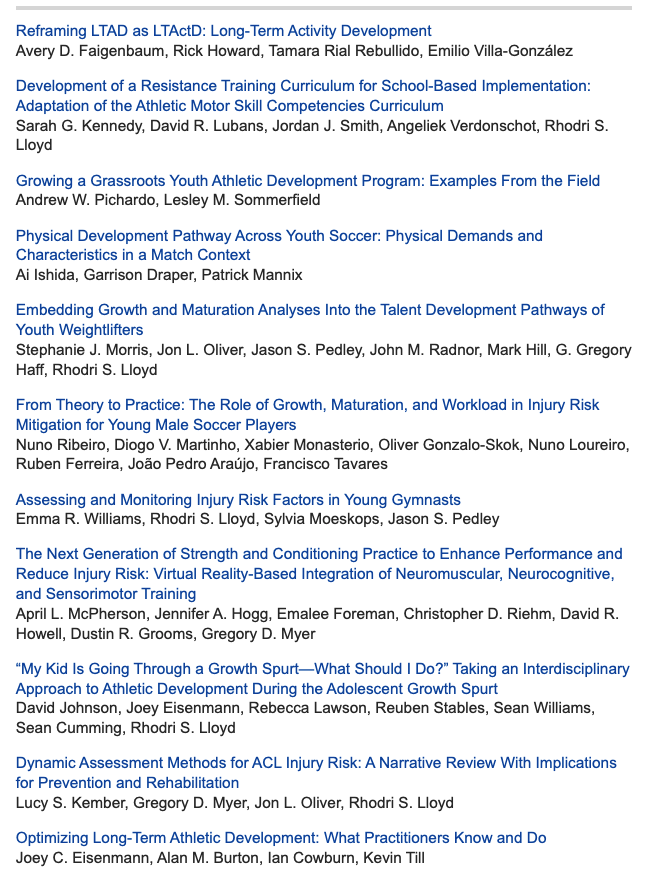
Our new paper in SCJ reframes LTAD as Long Term Activity Development - a more inclusive approach that prioritizes movement competence, strength, confidence and lifelong participation in physical activity.
Open access: journals.lww.com/nsca-scj/fu…
9
28
2,536
Avery Faigenbaum retweeted

May 5
Med News: A major meta-analysis has found that digital media use, particularly social media, is consistently linked to worse youth mental health and development.
ja.ma/4em0cqe
8
88
163
21,002
Avery Faigenbaum retweeted
May 1
Med News: A major meta-analysis has found that digital media use, particularly social media, is consistently linked to worse youth mental health and development.
ja.ma/4tfdatD
9
121
286
156,872
Avery Faigenbaum retweeted
Apr 30
What is the most established intervention linked to lower biological (epigenetic) age?
Exercise
A new systematic review @LancetLongevity of 44 studies, >145,000 participants
thelancet.com/journals/lanhl…
11
154
590
83,856
Avery Faigenbaum retweeted

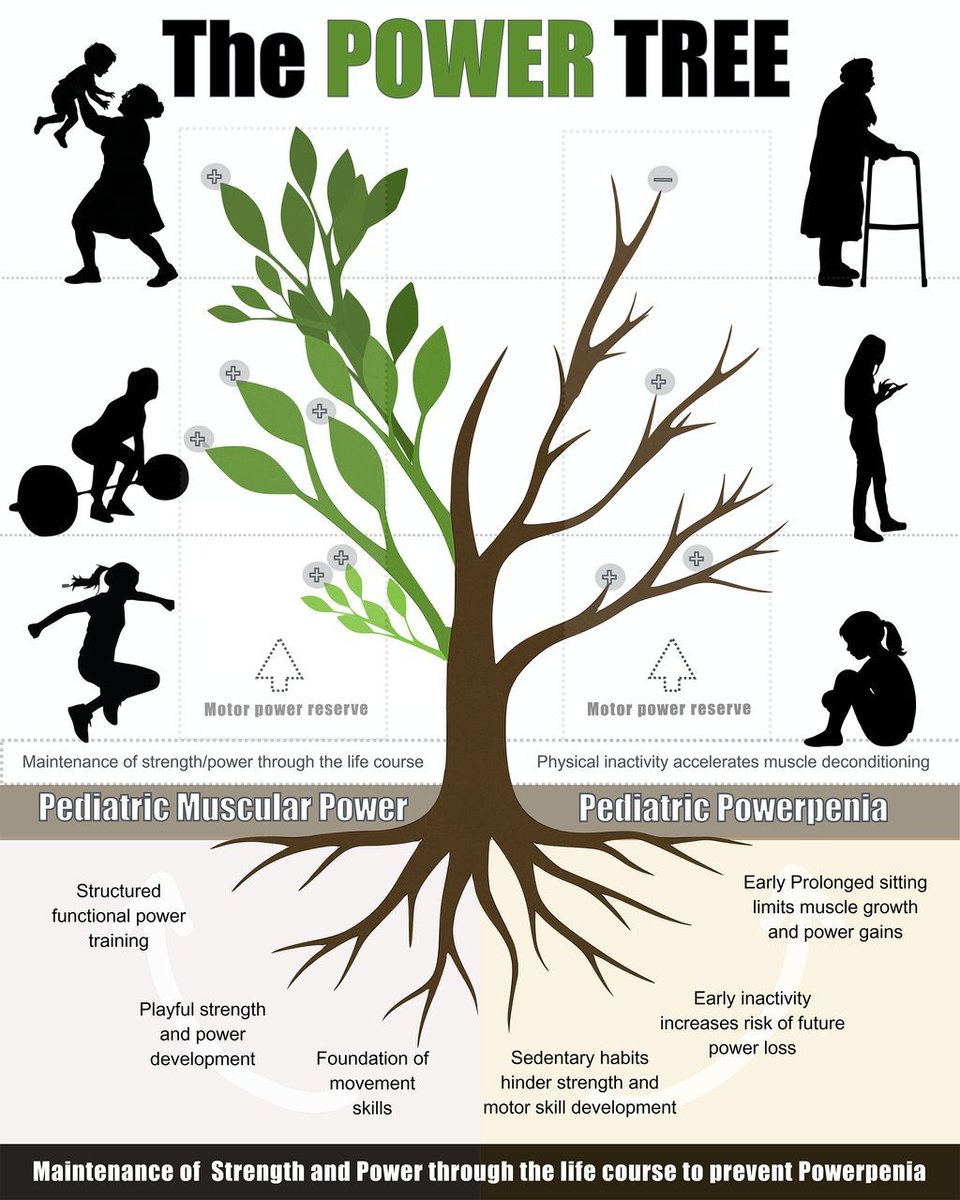
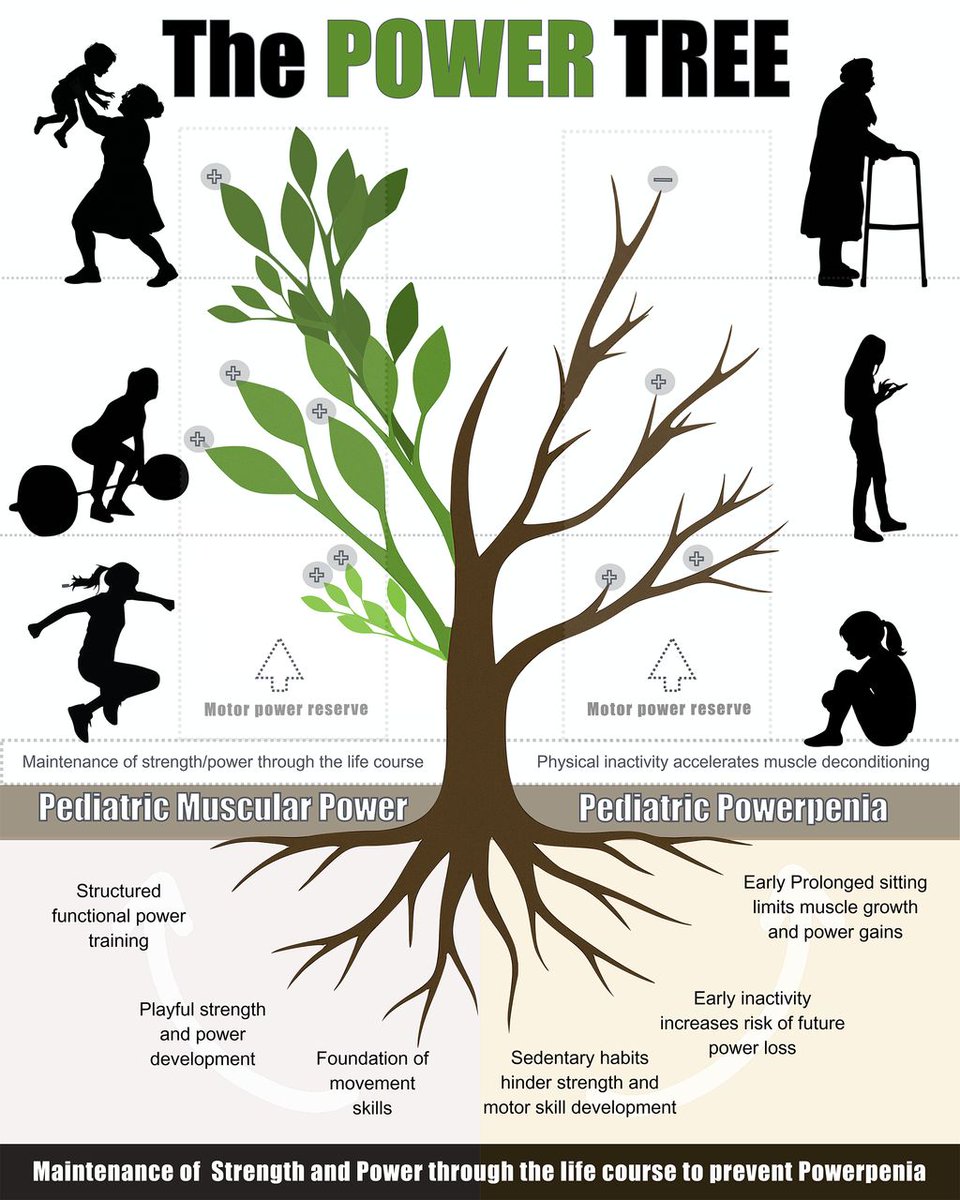
Planting the seeds of power 🌱
Paediatric powerpenia as a lifecourse research priority 💪 📄
NEW #BJSMEditorial ✅
👉 bit.ly/4tcuv7c
1
5
11
1,962
Avery Faigenbaum retweeted
💪🌱 La potencia muscular también se cultiva desde la infancia. Prevenir la “powerpenia pediátrica” con juego activo, saltos, carreras y fuerza adaptada ayuda a crear una reserva física que puede proteger la función muscular durante toda la vida 🧒🏃♀️🏃♂️👟
bjsm.bmj.com/content/early/2…
48
115
4,381
Avery Faigenbaum retweeted

Mar 13
I’ve been an orthopedic surgeon for nearly 30 years, and a few patterns have become impossible to ignore. One is that many musculoskeletal problems in adults aren’t sudden injuries. They’re the moment when declining capacity and awful metabolic health finally reveals itself.
Over the decades your strength fades, muscle mass declines, as your aerobic capacity tanks. Tendons and connective tissues lose substance, stiffness, and resilience. For years the body compensated... quietly. Then one day a knee hurts during a run to get the train, or shoulder aches reaching overhead, or a back tightens lifting something simple.
At that point the story usually becomes more about structural damage. An MRI gets ordered. Welcome to high-tech, low-medicine. And the MRI almost always finds something. A meniscus tear. A rotator cuff tear. A disc bulge. Why? Because by midlife these findings are extremely common — even in people with no pain at all. If you have a tear in one shoulder, image the other shoulder... you probably have the same tear there. But I digress.
Once the scan appears, the narrative changes. The image becomes the diagnosis. Now the patient believes something is broken, and the focus often shifts to fixing what the MRI shows.
What often gets lost in this is the reason the symptoms appeared in the first place. Many so-called “atraumatic” orthopedic complaints are not purely mechanical failures. They are the moment when reduced strength, declining tissue capacity, and sometimes broader metabolic health issues finally reach a tipping point. Our tissues change over the decades... get over it.
In other words, the MRI didn’t create the problem. Well... it sort of did in this scenario. But all the MRI showed was something that was already there.... because of your age, lifestyle, health and so on.
The real driver of symptoms is often loss of physiologic reserve. Less muscle. Less tendon or aerobic resilience. Less tolerance for load, etc.
Once the MRI enters the picture, the risk becomes overtreatment. This is probably the number one reason people have surgery. When in many cases the most powerful intervention was never the scan or the procedure.
It was rebuilding capacity.
Strong muscles stabilize joints. Aerobic fitness improves metabolic health and tissue perfusion. Gradual loading restores tolerance.
But people often don't take PT seriously prior to surgery. They often take PT very seriously afterwards. Therefore, PT is probably the reason you feel better, despite the surgery.
The irony is that the treatment many people ultimately need is the same thing that might have prevented the problem in the first place.
Staying strong. Staying active. Maintaining the reserve that protects our joints/tendons/muscles/abilities as we age.
101
276
1,799
250,869
Avery Faigenbaum retweeted

Feb 20
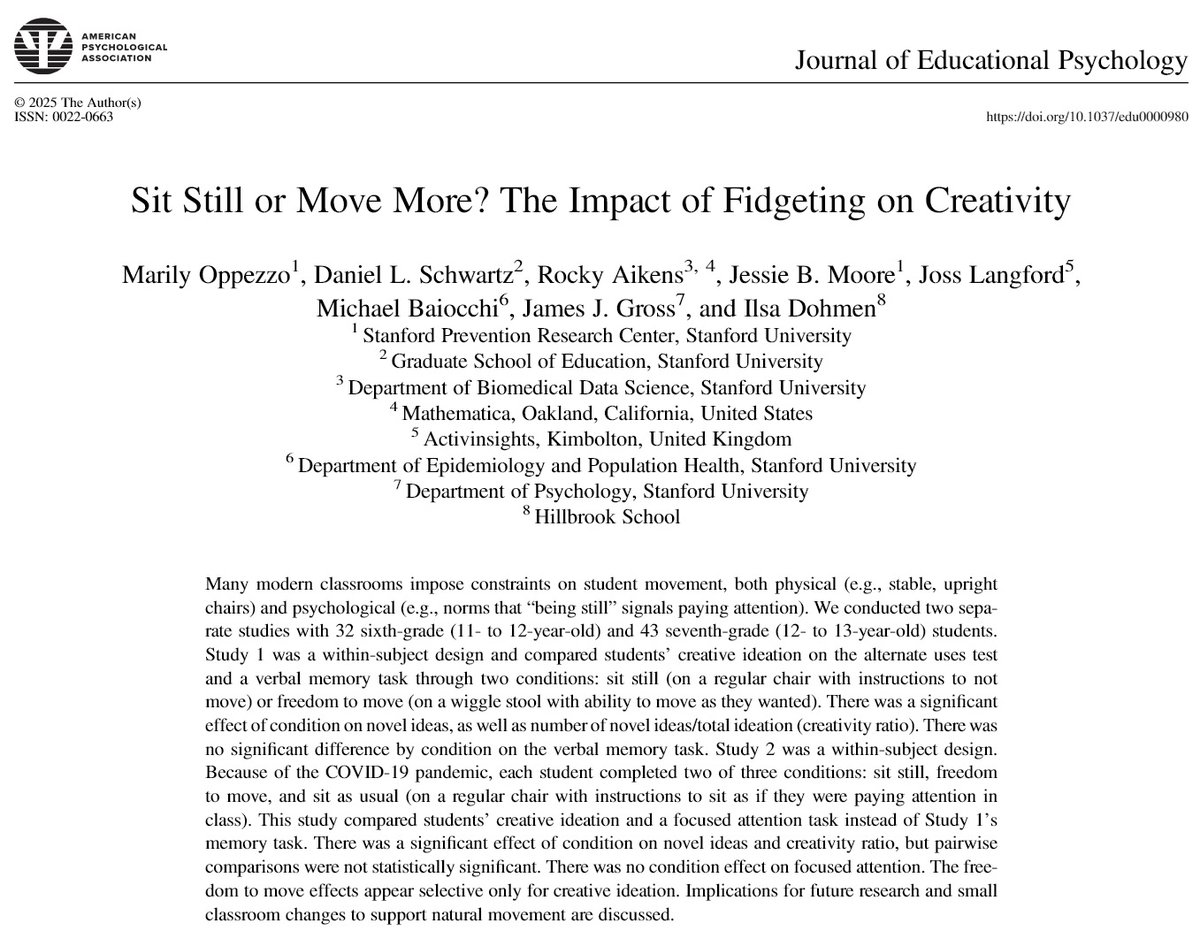
Telling kids to sit still doesn’t build discipline. It stifles imagination.
Evidence: When students are given freedom to fidget and wiggle in their seats, they pay just as much attention—and generate more creative ideas.
Physical activity unlocks mental agility.
88
344
1,640
215,857

Feb 10
RT @doctorinigo: For about a decade, I’ve been showing these two slides at conferences.
Two hunter-gatherer populations (Hadza and Tsimane…
198
Jan 22
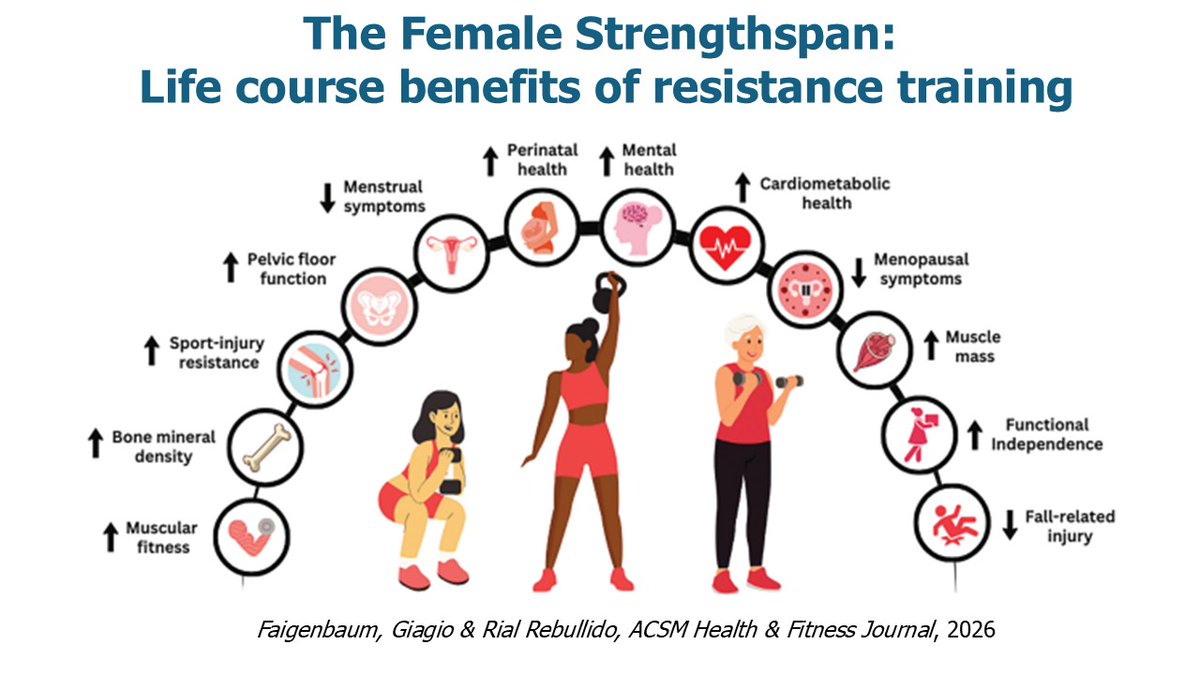
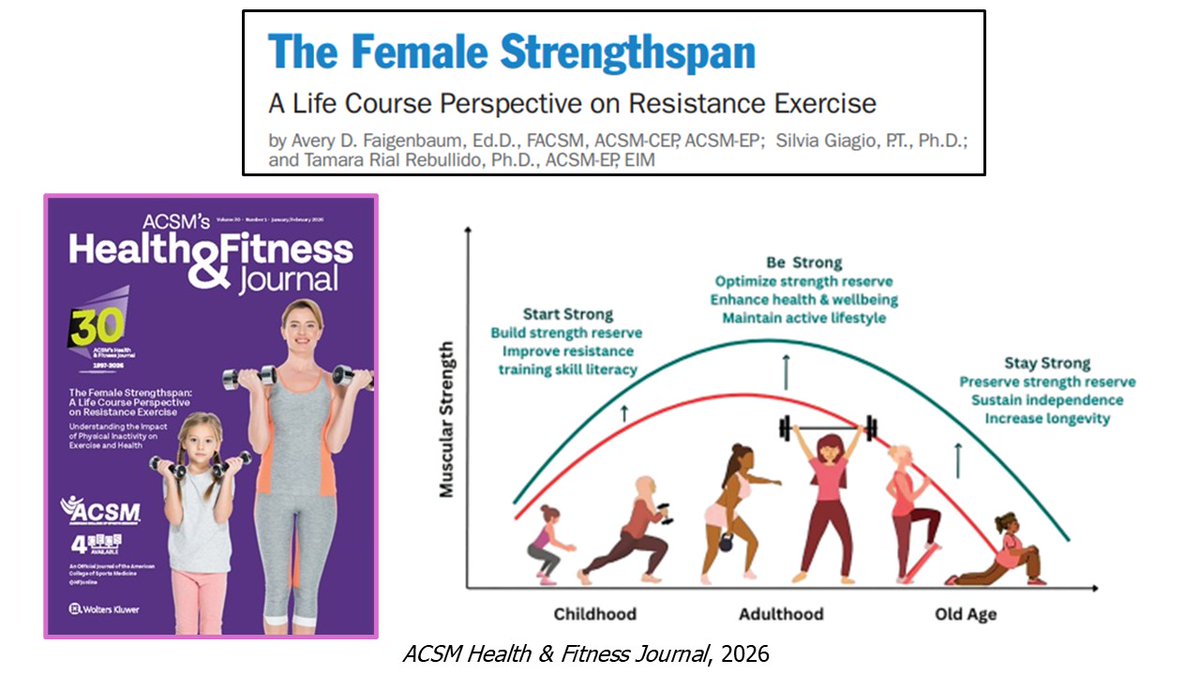
For women, resistance exercise is not just about lifting weights. Rather, its about optimizing strength reserves that support long term health and well being. Free access journals.lww.com/acsm-health…
1
10
48
3,340
Avery Faigenbaum retweeted

6 Dec 2025
Grip strength is a powerful marker of health—but not a cause.
Evidence from >1M participants shows low grip strength predicts higher risk of CVD and premature mortality
👉But grip strength is a proxy for whole-body muscle mass, not the driver itself.
thelancet.com/journals/lance…
2
16
98
4,453
Avery Faigenbaum retweeted

5 Dec 2025
Just published🔥
Honoured to be a co-author of this article!🆕
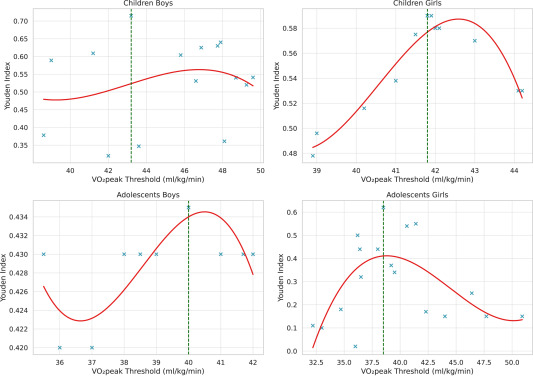
VO₂peak thresholds to flag cardiometabolic risk in youth 👦❤️🩹👧
<13 years:
♂️ <43.2 ml/kg/min
♀️ <41.9 ml/kg/min
≥13 years:
♂️ <40.0 ml/kg/min
♀️ <38.5 ml/kg/min
📜👇
doi.org/10.1016/j.numecd.202…
2
8
32
3,953
Avery Faigenbaum retweeted

20 Oct 2025
🆕🆕
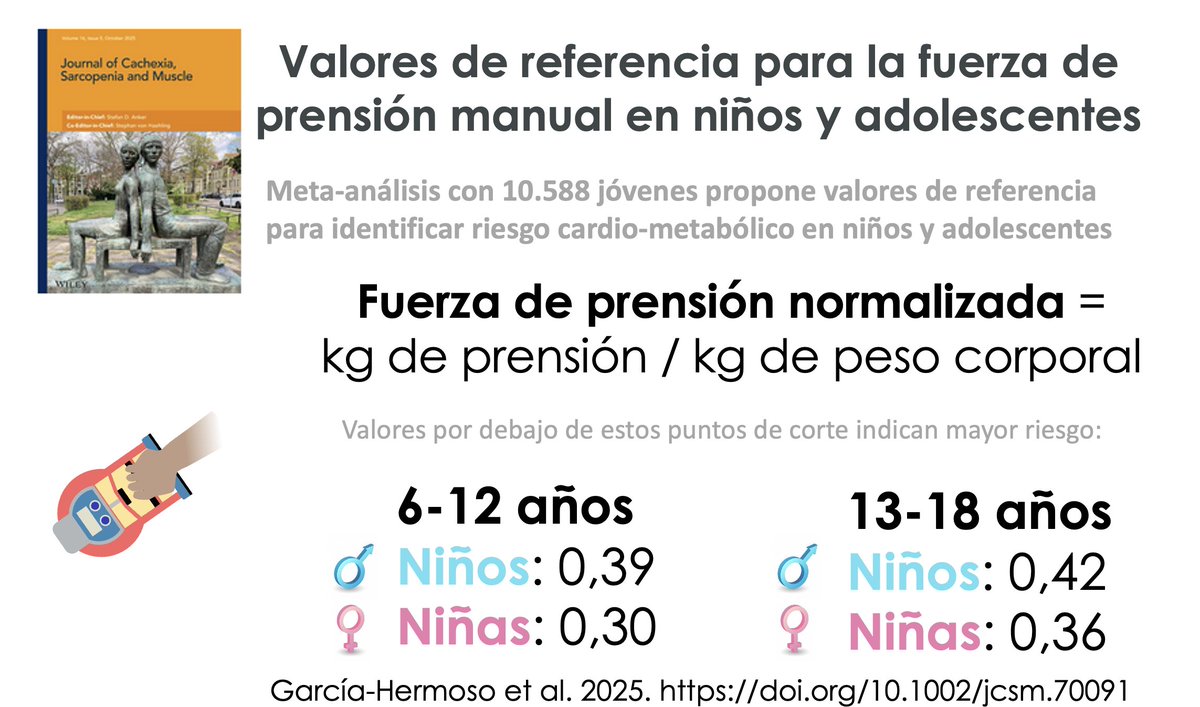
Nuestro meta-análisis (n=10,588) establece nuevos umbrales de fuerza de prensión manual/peso🤚 (kg/kg) en niños y adolescentes 🧒🧠
✔️6–12 años 👦0,39 👧0,30
✔️13–18 años 👦0,42 👧0,36
⬇️ Por debajo = 🚨 mayor riesgo cardio-metabólico
🆓onlinelibrary.wiley.com/doi/…
2
58
119
5,164
Avery Faigenbaum retweeted
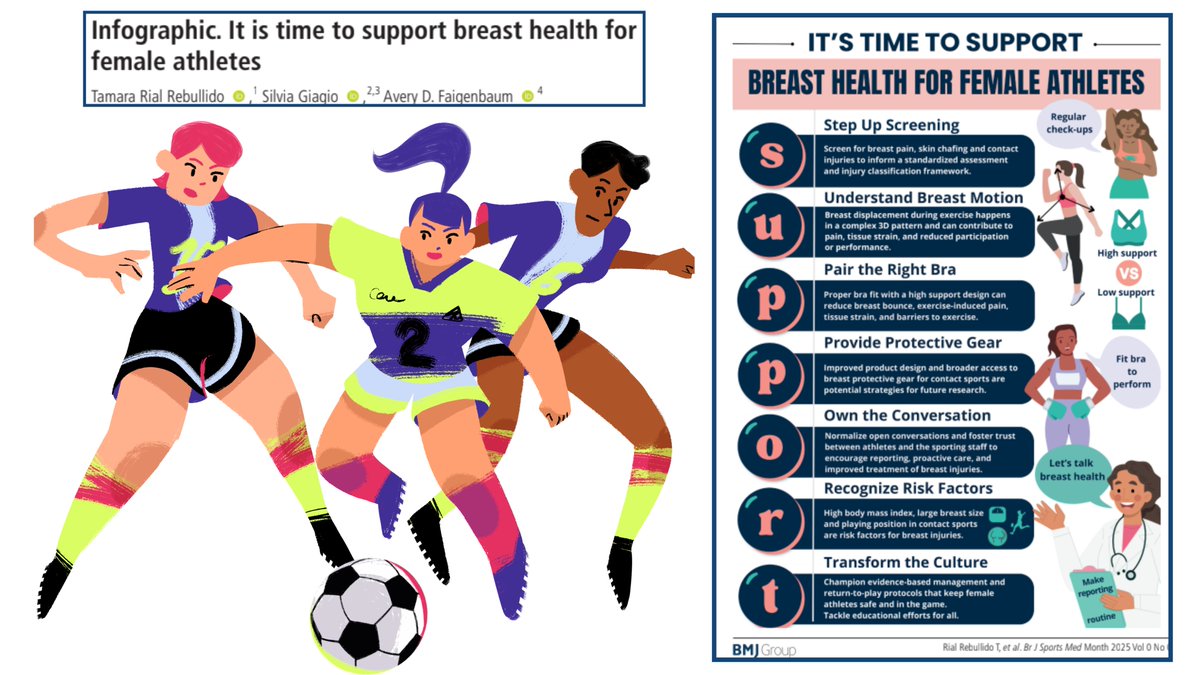
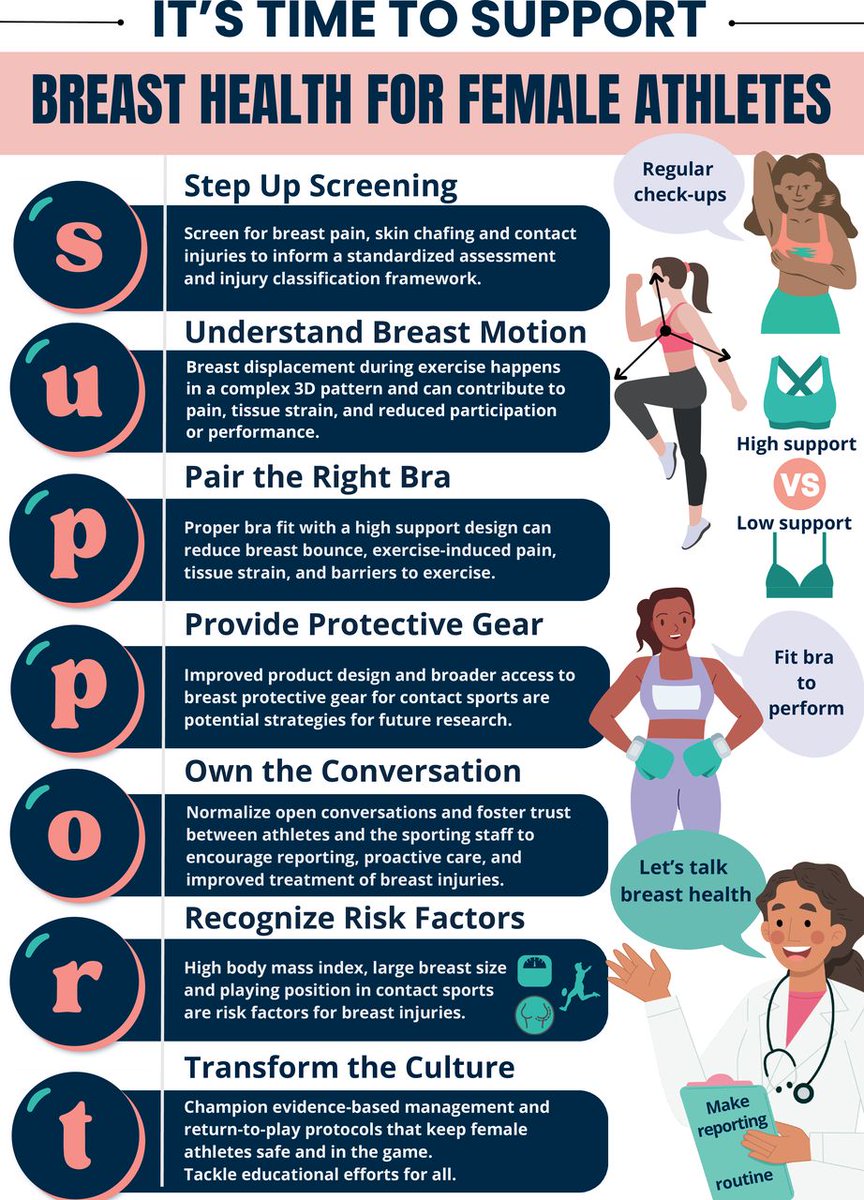
⏰ It is time to support breast health for female athletes ✅
Excellent NEW #Infographic below
Full article ➡️ bit.ly/47usxqj
12
29
4,001
14 Oct 2025
Contact breast injuries remain under-reported, under-recognized and under-represented in sports medicine research.
bjsm.bmj.com/content/early/2…
6
507
Avery Faigenbaum retweeted

28 Sep 2025
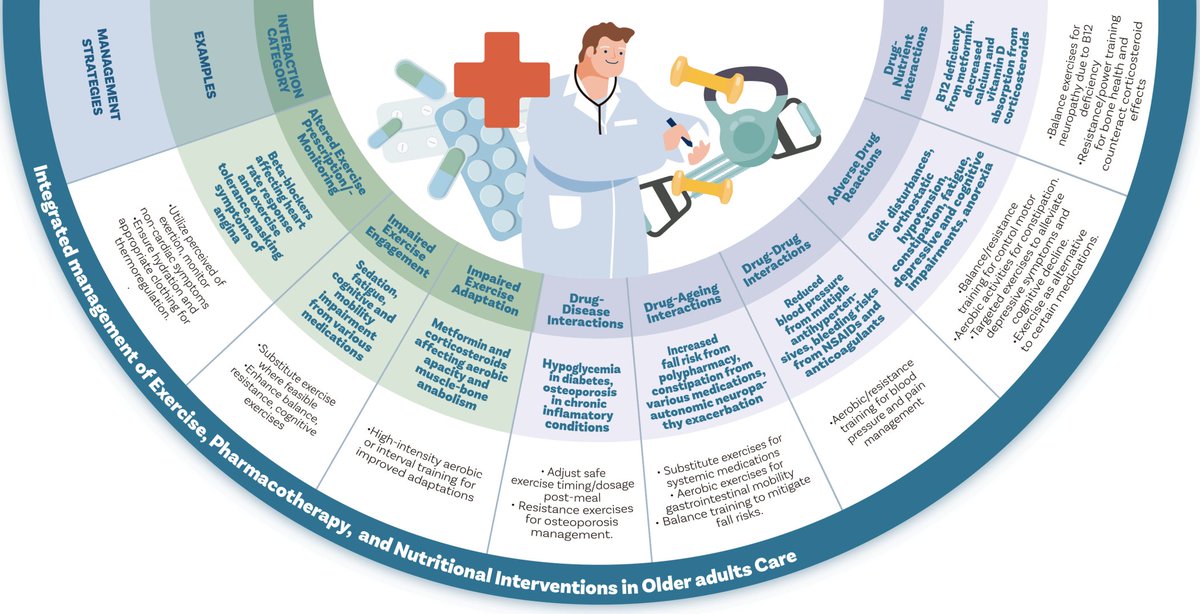
💊 🏋️♂️= Medicine.
In our latest @TheLancetLongevity paper we argue:
👉 “Exercise prescription is medically indicated, professionally implemented, and clinically monitored.”
It’s time to integrate exercise into medication management for older adults.
Read here ➡️ thelancet.com/journals/lanhl…
1
81
237
15,178