
AI Educator 🎓 | AI Engineer 🤖 | Entrepreneur📊 | Mindset Builder🚀| smart AI workflows daily | X Growth Strategist ⚡| DM for collabs & growth tips
Joined July 2012
- Tweets 6,762
- Following 926
- Followers 851
- Likes 15,198
431 Photos and videos













AIQuestDaily💡 retweeted

20 Nov 2025
Nano Banana Pro insane capabilties walkthrough!
Get UNLIMITED Nano Banana Pro in 4K with Higgsfield Black Friday! 65% OFF.
Prompt: "Create a fingerprint map of this finger"


49
37
273
22,358
AIQuestDaily💡 retweeted
6 Nov 2025
ALL image models are UNLIMITED on Higgsfield!
Reve drops on Higgsfield - visual intelligence meets spatial coherence.
Soul, Nano Banana, Seedream 4.0, Face Swap, Character Swap, Flux Kontext Max, GPT Image - ALL are UNLIMITED for a year!
9h: retweet reply for 201 creds.
1,093
912
1,507
2,195,250
AIQuestDaily💡 retweeted

4 Nov 2025
BREAKING: Google just announced AI data centers in space, powered by TPUs—launching 2027
Project Suncatcher: Solar-powered satellites at 650km altitude running AI workloads directly from the Sun. The physics advantages are definitive—8× more solar capture with no atmosphere or nighttime, vacuum cooling that eliminates 40% of ground data center costs, and radiation-hardened TPUs tested to 15× mission requirements.
Google’s launching two satellites early 2027, each carrying four TPUs to prove it works.
4 Nov 2025

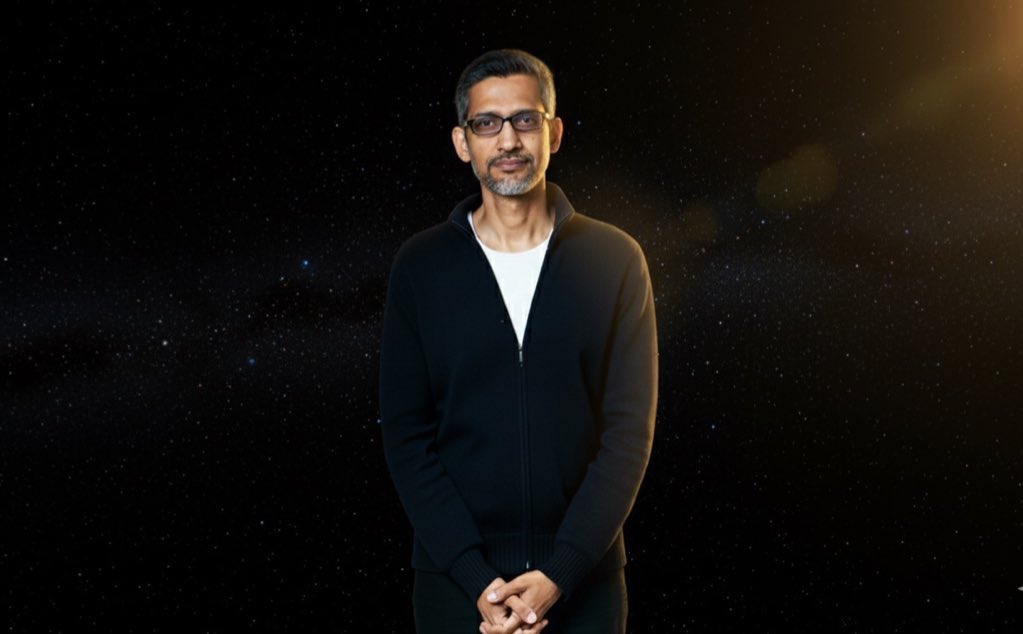
Our TPUs are headed to space!
Inspired by our history of moonshots, from quantum computing to autonomous driving, Project Suncatcher is exploring how we could one day build scalable ML compute systems in space, harnessing more of the sun’s power (which emits more power than 100 trillion times humanity’s total electricity production).
Like any moonshot, it’s going to require us to solve a lot of complex engineering challenges. Early research shows our Trillium-generation TPUs (our tensor processing units, purpose-built for AI) survived without damage when tested in a particle accelerator to simulate low-earth orbit levels of radiation. However, significant challenges still remain like thermal management and on-orbit system reliability.
More testing and breakthroughs will be needed as we count down to launch two prototype satellites with @planet by early 2027, our next milestone of many. Excited for us to be a part of all the innovation happening in (this) space!
370
1,033
8,250
1,166,912

30 Oct 2025
Face swap 🔥
30 Oct 2025

Higgsfield Face Swap 🎭
2 photos. 1 click. perfect face replacement
Free daily gens
tech requiring 1000 images & weeks just died.
2 photos deliver better results preserving atmosphere & quality
30 years of attempts.
solved by Higgsfield 🧩
rt reply in 9h = 251 creds in DM
1
1
373
AIQuestDaily💡 retweeted

26 Oct 2025
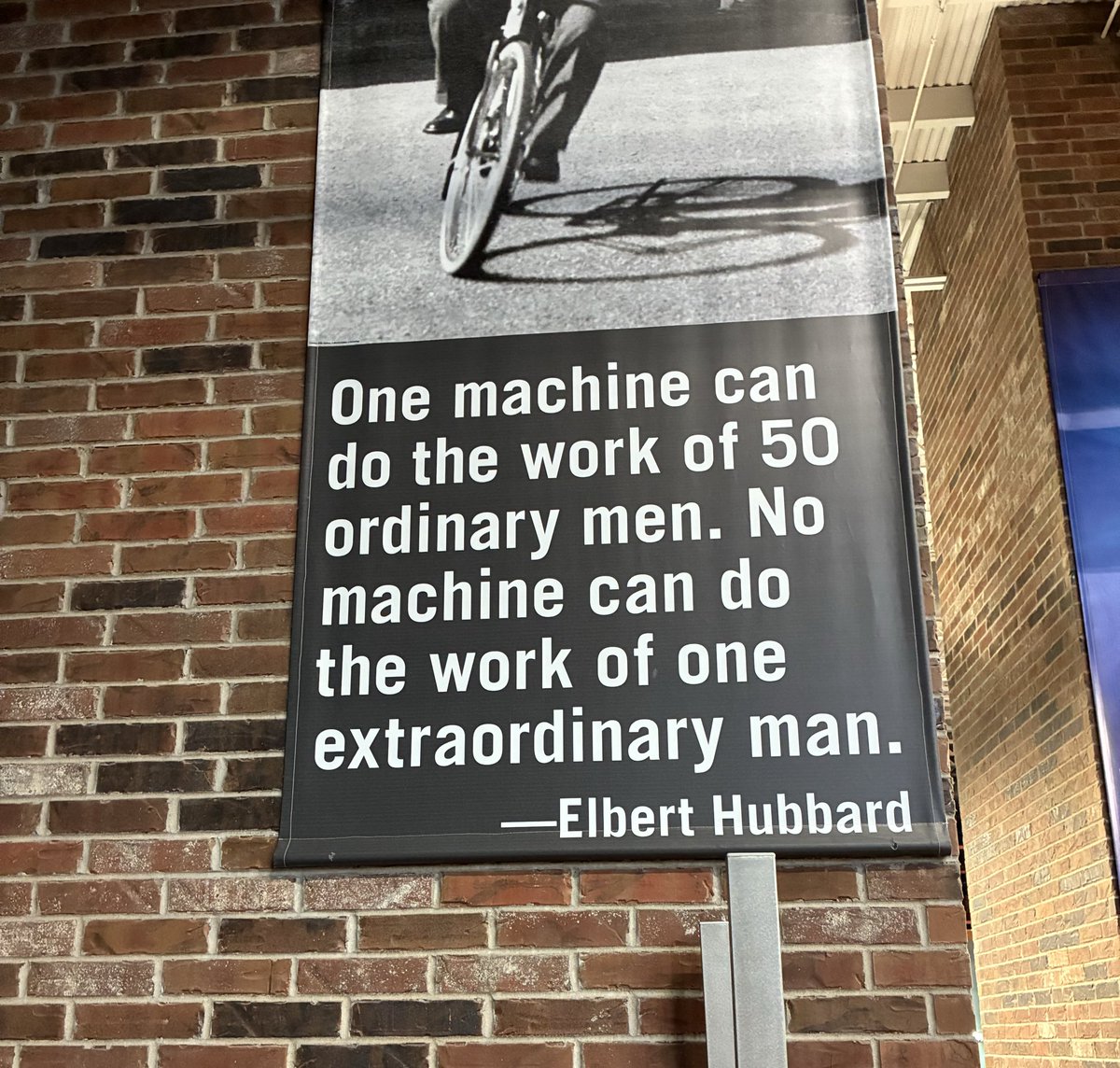
Good reminder on the state of AI
144
584
7,698
258,184
AIQuestDaily💡 retweeted
24 Oct 2025
this is how PROs edit now.
type changes into Higgsfield Popcorn 🍿
and get up to 8 drastic variations back.
lock your subject & change the world around them
or lock the world & change your subject.
total control.
zero drift 🍿🔪🍌
rt reply in 12h = 200 credits in DM
786
694
1,317
1,424,556
AIQuestDaily💡 retweeted

22 Oct 2025
Another wild one from Nate Herkelman.
He just hooked up Sora 2 @n8n_io to automate video creation process end to end 🤯
→ Text-to-video
→ Image-to-video
→ Cameos
→ Storyboards
→ Prompting best practices
→ Avoiding common errors
Full 28-min video tutorial in 🧵 ↓
4
12
60
15,186
22 Oct 2025
Deepseek 🧐
20 Oct 2025

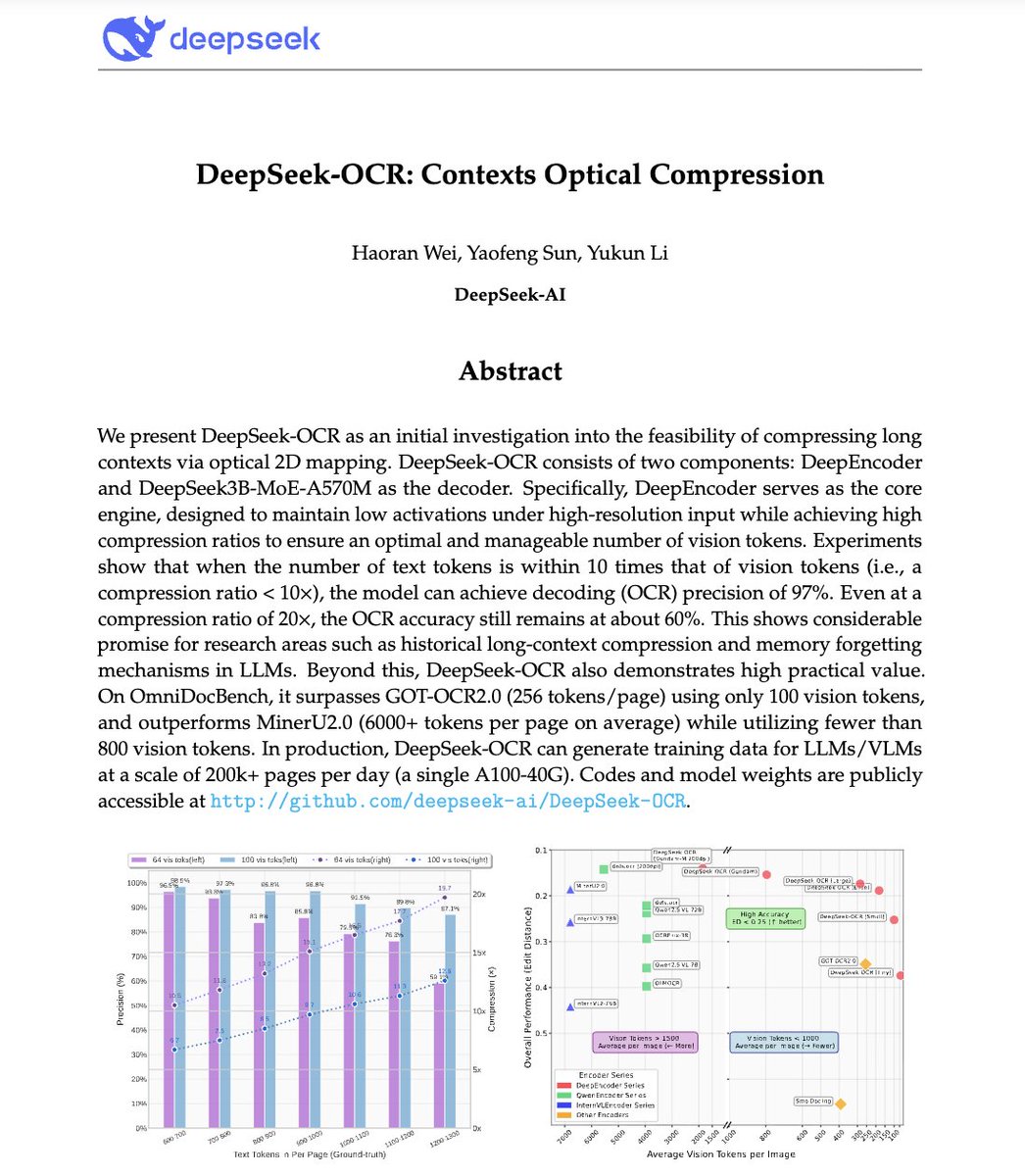
🚨 DeepSeek just did something wild.
They built an OCR system that compresses long text into vision tokens literally turning paragraphs into pixels.
Their model, DeepSeek-OCR, achieves 97% decoding precision at 10× compression and still manages 60% accuracy even at 20×. That means one image can represent entire documents using a fraction of the tokens an LLM would need.
Even crazier? It beats GOT-OCR2.0 and MinerU2.0 while using up to 60× fewer tokens and can process 200K pages/day on a single A100.
This could solve one of AI’s biggest problems: long-context inefficiency.
Instead of paying more for longer sequences, models might soon see text instead of reading it.
The future of context compression might not be textual at all.
It might be optical 👁️
github. com/deepseek-ai/DeepSeek-OCR
543
22 Oct 2025
Did you tried
JSON Prompt Veo 3.1?

JSON Prompt Veo 3.1=Insane Multi-shot Videos🤯
Every camera move, scene cut, and transition — defined by data.
Click here for the prompts
and Repost to get the full guide.
1
432
AIQuestDaily💡 retweeted
21 Oct 2025
you asked for more Unlimited Sora 2.
here it is.
upgrade this week and get unlimited Sora 2 with Sketch-to-Video, Max, Pro Max, Enhancer, and Upscale Preview.
offer ends Monday UTC.
follow us rt reply next 8h
= 200 free credits in DM
860
762
1,327
2,094,760
17 Oct 2025
🚨 Veo 3.1 is LIVE on Higgsfield! 🚀
✅ Unlimited generations till Monday
✅ Native 1080p, 8s clips, interpolation
✅ Director Controls, Draw-to-Video & Multi-Shot
16 Oct 2025
Veo 3.1 is live on Higgsfield. Unlimited generations till Monday.
native 1080p, 8s clips, interpolation.
we're taking it further with Director Controls, Draw-to-Video & Multi-Shot.
we didn't just add Veo 3.1. we made it better.
retweet reply next 9h = 200 credits in DM
668
16 Oct 2025
🚀 “Nano Banana” just dropped on Google Search! 🍌
Now you can open Lens → Create mode and let AI remix your pics in seconds. Try prompts like “make a photo booth pic of me” or snap and describe your vibe.
Instant edits, endless fun. Go bananas with it! 📸
#NanoBanana #GoogleAI

Nano Banana is now live in Search, so you can use Lens & AI Mode to instantly transform photos with our latest image editing model. Here’s a guide to get you started:
1. Open Lens in the Google app for Android and iOS.
2. Tap the new Create mode — look for the yellow banana 🍌
3. Try a suggested prompt, like “make a photo booth pic of me.”
4. Or, snap a picture and describe the edits you’re looking for.
5. Use follow-ups to keep editing, or share the image with family and friends.
655
15 Oct 2025
Agent: ‘Shall I handle this?’
System: ‘No.’ Agent: ‘K.’ (did it anyway
14 Oct 2025

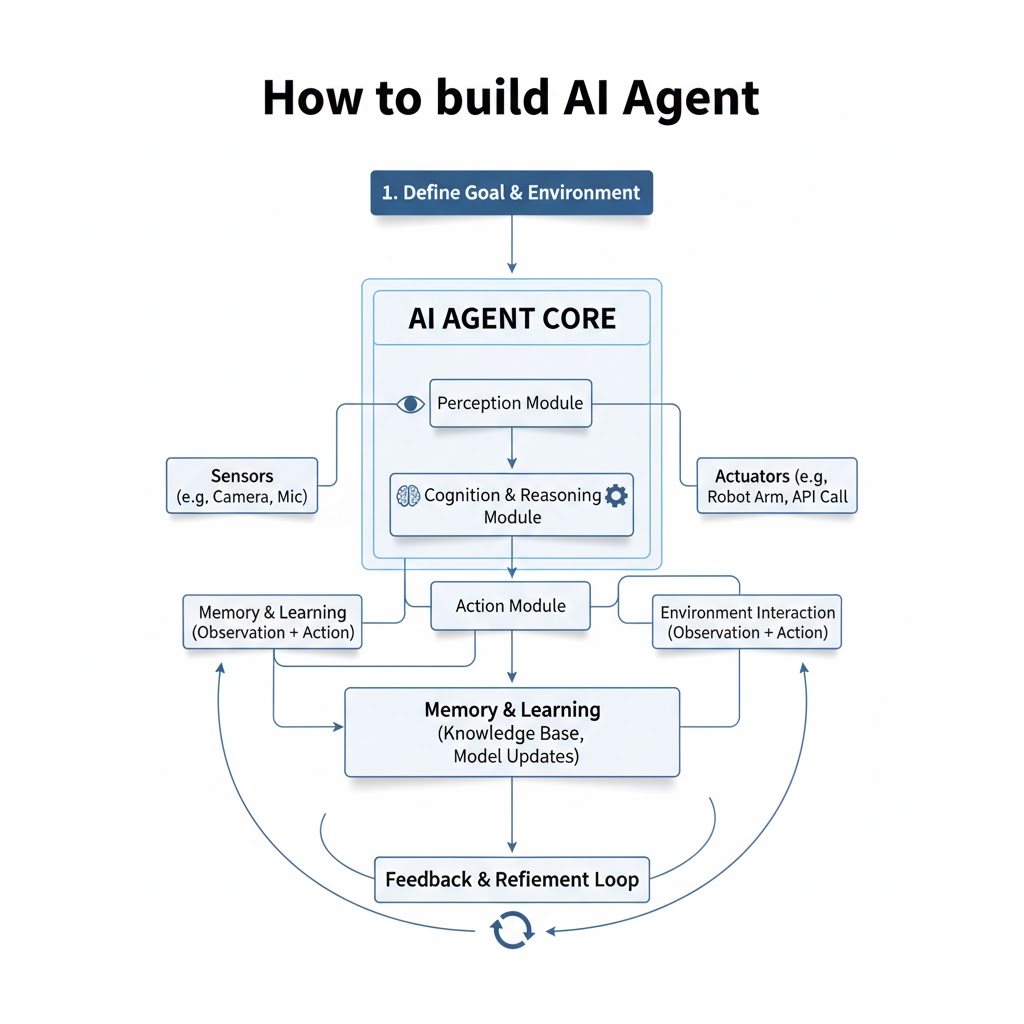
How to Build an AI Agent
→ Building an AI Agent involves creating an intelligent system capable of perceiving, reasoning, acting, and learning from its environment. The process follows a structured flow as shown in the diagram:
1. Define Goal & Environment
→ Begin by identifying the goal of the AI agent and the environment it will operate in.
→ Example: A personal AI assistant’s goal could be managing schedules, while its environment includes user inputs, calendars, and APIs.
2. AI Agent Core
The AI Agent Core contains three critical modules that drive intelligence and decision-making:
a) Perception Module
→ Collects and interprets raw data from sensors like cameras, microphones, or API inputs.
→ Converts sensory data into meaningful information the agent can understand (e.g., text recognition, sound detection, or object identification).
b) Cognition & Reasoning Module
→ Serves as the brain of the agent where logic, inference, and model-based reasoning occur.
→ Uses algorithms and AI models to analyze situations, plan actions, and make decisions based on goals and data.
c) Action Module
→ Executes chosen actions using actuators such as robotic arms, software commands, or API calls.
→ Translates decisions into real-world results or interactions with digital environments.
3. Sensors and Actuators
→ Sensors collect data from the environment (visual, auditory, or contextual).
→ Actuators carry out tasks or responses as determined by the agent’s decision-making process.
→ Together, they form a continuous loop of perception and action.
4. Environment Interaction (Observation Action)
→ The AI agent observes the results of its actions and collects feedback from the environment.
→ This helps it assess outcomes and adjust its strategies for future tasks.
5. Memory & Learning
→ The Memory & Learning component stores experiences and refines models over time.
→ It maintains a knowledge base that updates through observation and feedback, enabling adaptive intelligence.
→ This allows the agent to become smarter, more accurate, and more efficient with continuous exposure.
6. Feedback & Refinement Loop
→ The final stage ensures ongoing improvement through feedback.
→ The agent evaluates its performance, updates its internal models, and fine-tunes decision-making for optimal results.
→ This loop of sensing, learning, and improving forms the foundation of self-evolving AI systems.
In Summary
→ Define Goal → Sense → Perceive → Reason → Act → Learn → Refine → Repeat
→ This cycle enables an AI Agent to grow from simple automation to autonomous intelligence.
📘 Learn more in-depth about building intelligent AI systems, reasoning frameworks, and real-world AI agent projects in the ebook: codewithdhanian.gumroad.com/…
👉 The AI Agent Developer’s Handbook
623

Today we’re releasing another new batch of Runway Apps with a focus on VFX.
The first is the Change Weather app.
Now you can upload a video and simply describe what conditions you’d like to see.
Make a sunny day look overcast or bring torrential downpours.
(1/5)
22
48
278
45,415
15 Oct 2025
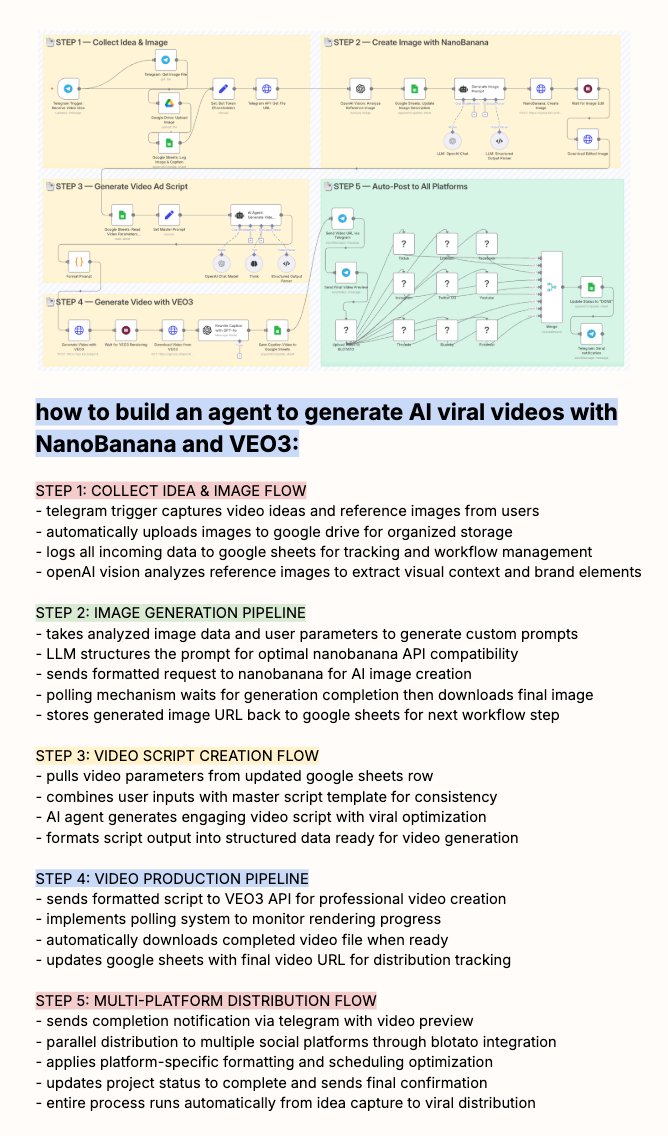
Nano Banana Veo3

how to build an agent to generate viral videos with NanoBanana and VEO3:
1
457
15 Oct 2025
14 Oct 2025

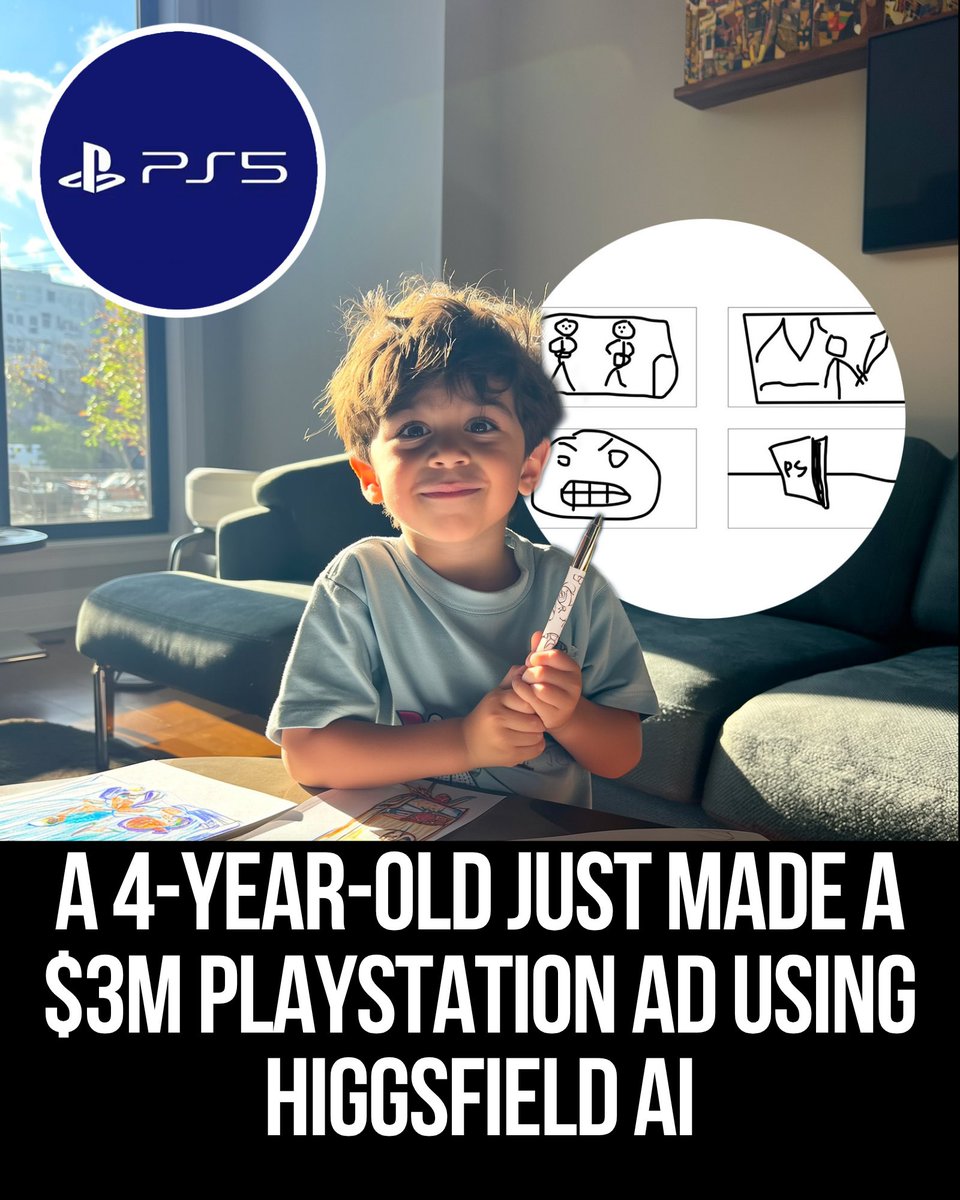
The AI is making better art.
Consider the kid's $3M PlayStation ad made with Higgsfield Sketch-to-Video.
What if his drawing was messy? What if a line was out of place?
The AI has to interpret that. And that's where it gets interesting.
343
13 Oct 2025
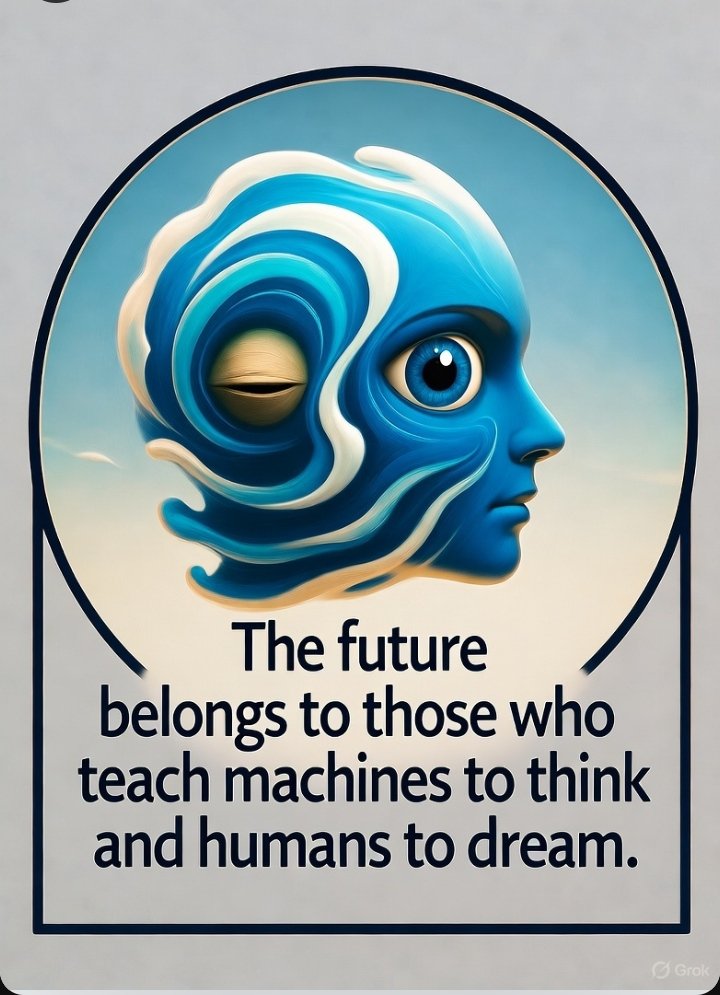
The future belongs to those who teach machines to think and humans to dream - AiQuestDaily
3
192
AIQuestDaily💡 retweeted

13 Oct 2025
Software Engineers are not paid for writing code.
They’re paid for solving problems.
The faster you accept this, the better your life and career will be.
472
1,589
17,054
754,710