
Celebrate Life Magazine offers a unique mix of life-affirming and life-changing articles that will encourage, uplift and educate you to build a culture of life.
Joined November 2015
- Tweets 7,952
- Following 5,089
- Followers 12,719
- Likes 4,982
1,422 Photos and videos


Neither Down syndrome nor any other diagnosis should be a death sentence.
clmagazine.org/post/down-syn…
1
2
13
"Every abortion is deadly for the preborn child and far too many abortions scar expectant mothers—due to the psychological, spiritual and physical damage they create. There is nothing safe about killing."
Judie Brown
15
The practice of in vitro fertilization treats the human embryo like a commodity, not a living, growing human being whose right to life is sacred.
clmagazine.org/post/pro-life…
1
2
27
Aside from faith, family is the greatest gift we have. Kids thrive the most when they have both a mother and a father present in their home.
lifesitenews.com/opinion/str…
9
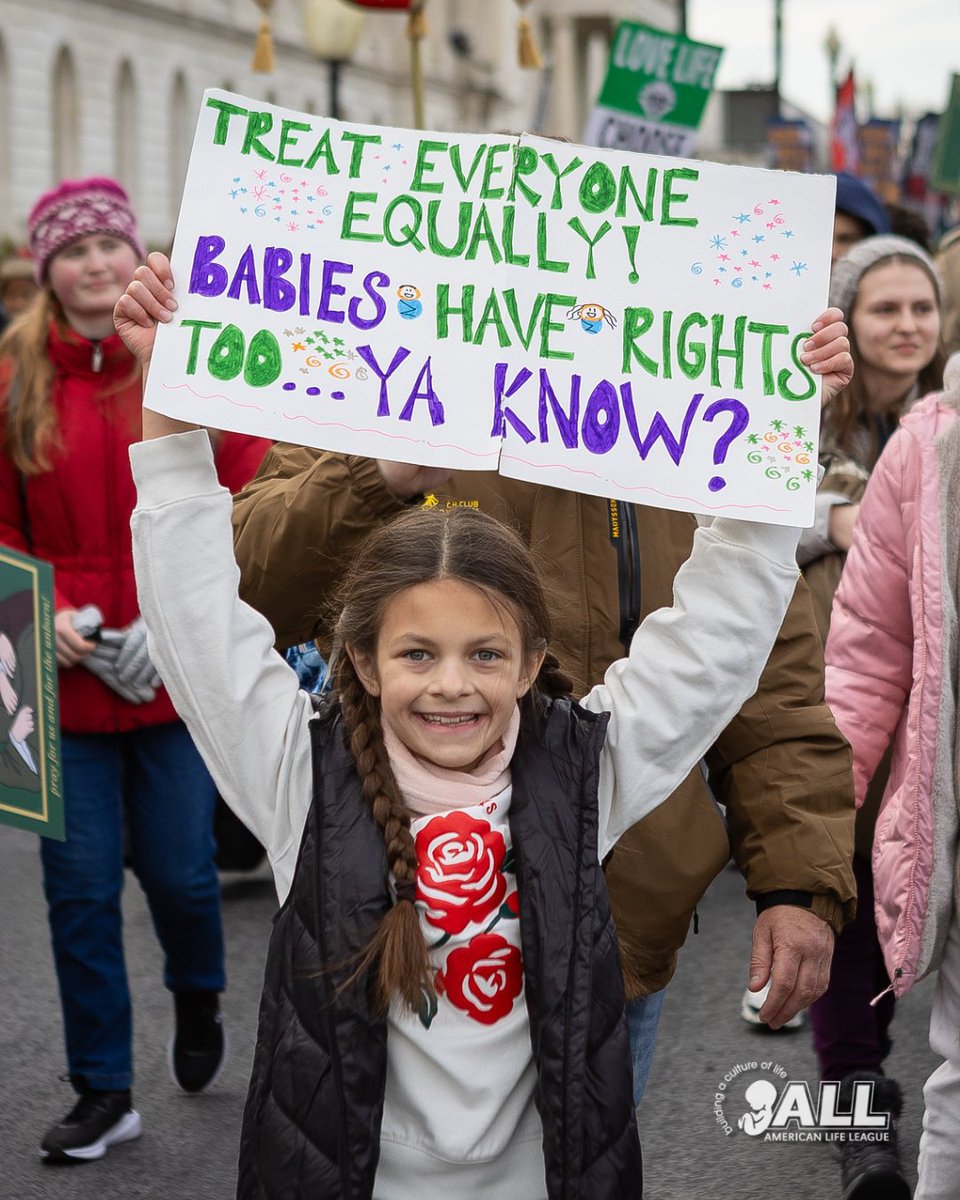
We must fight for every child without compromise or exception.
13
Celebrate Life Magazine retweeted

Jun 10
I grew up with godsiblings who have Down syndrome.🥰 I have 12 siblings; some have physical disabilities. We're not burdens. We're blessings. Some say that I "should have been aborted", too, @McJuggerNuggets. I'm the 1% used to justify 100% of abortions. radiance.life/theonepercent
1
13
59
50,899
God truly works in mysterious ways.
clmagazine.org/topic/abortio…
16
Celebrate Life Magazine retweeted

Jun 16
Are frozen embryos our brothers and sisters? They say “yes.” washingtonstand.com/article/…
2
5
213
By learning about these saints, we can discern how we are called to live heroic and holy lives.
clmagazine.org/post/a-road-t…
1
2
22
"No one should follow what he considers to be good for himself, but rather what seems good for another. Let them put Christ before all else, and may He lead us all to everlasting life."
St. Benedict
22
Celebrate Life Magazine retweeted

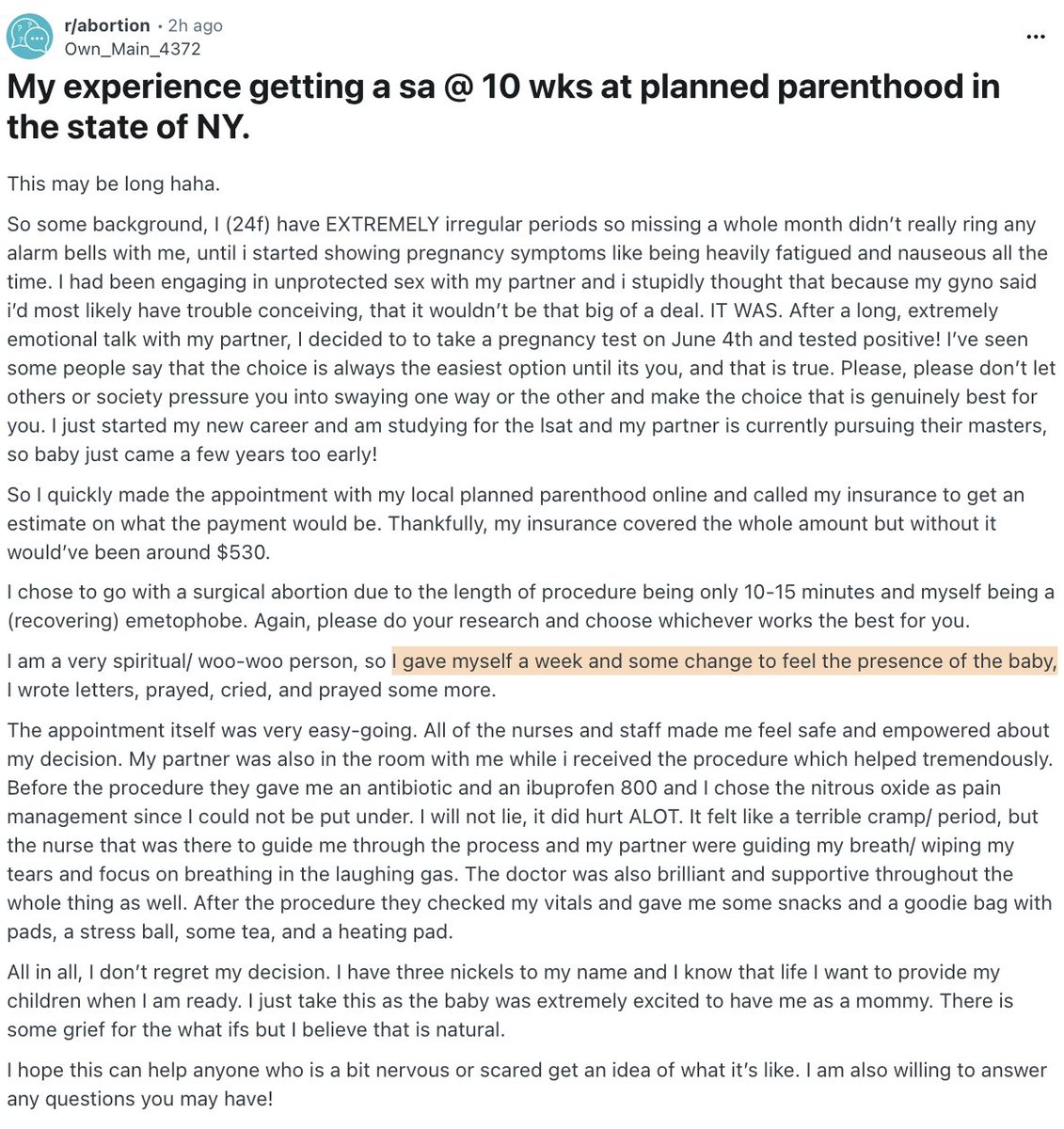
Mothers know who they're killing, and they don't regret it . . . yet.
3
2
135
"Giving birth to Nathan did not destroy my life, as the abortion side would like you to think, but instead, it gave reason to a painful experience."
clmagazine.org/topic/adoptio…
23
Celebrate Life Magazine retweeted

Jun 15
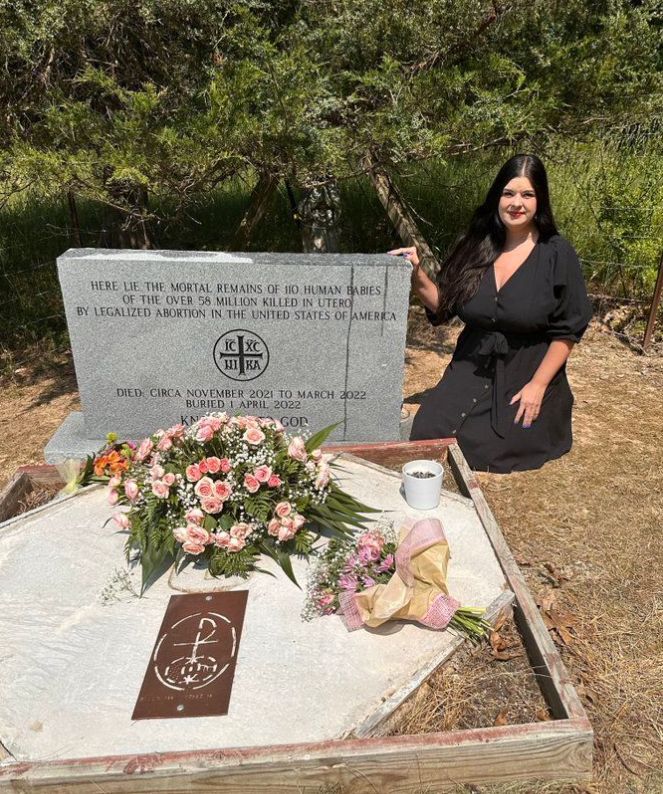
The memorial that was dedicated to the 110 aborted babies found in a medical waste box last year.
73
705
3,733
23,736
We are indeed at a crossroads. What happens next is up to us and the One who created us.
clmagazine.org/topic/other-p…
11
The wicked see human beings as burdens, as dispensable, or as people to dismiss when they no longer serve a "purpose." But our faith and our love for our fellow human beings teach us that every person has value.
clmagazine.org/post/canadas-…
23
What can you do today to care for the elderly people in your community, especially those who have been abandoned by their loved ones?
1
2
25
Plan B doesn't only prevent ovulation. Evidence suggests that it also kills preborn babies in the earliest days of life.
clmagazine.org/topic/medicin…
17
1,614
Celebrate Life Magazine retweeted

Jun 13
The idea of “brain death” was proposed in 1968, at the very end of the age of medical paternalism. And medical paternalism continues to perpetuate the concept to this day.
The 1968 Harvard ad hoc Committee never stated that these deeply comatose people were actually dead. They said their lives were a burden to themselves and others — acknowledging that these people are not dead, since how can a corpse be burdened?
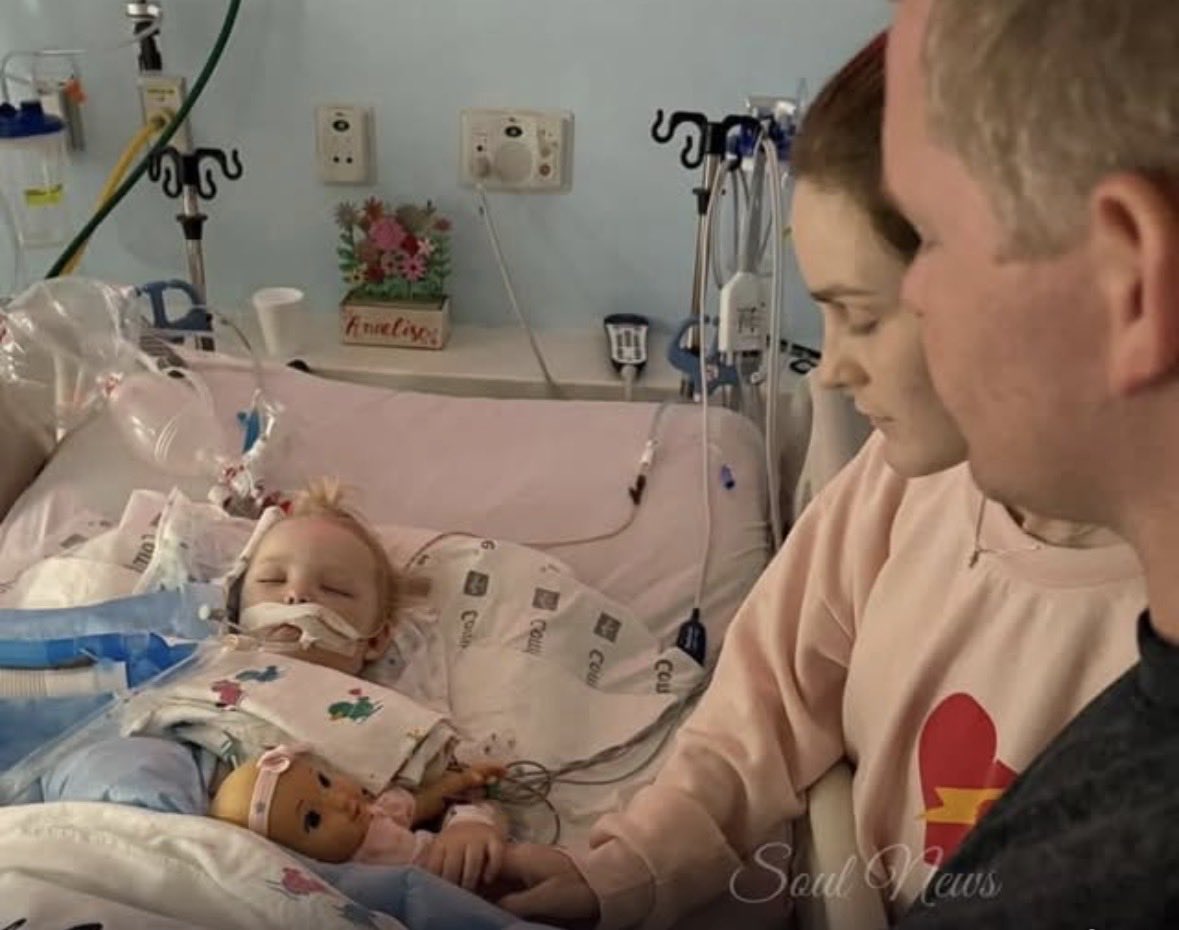
The parents of Annelise Camp can see that their daughter is not dead: she has vital signs, is warm, has supple pink skin, and is having bowel movements.
When doctors say they want to declare Annelise to be dead, is it any wonder that her parents suspect they are being gaslit?
If doctors aren’t being trustworthy about questions of life and death, who can blame people for wondering what else aren’t they telling us?
This medical paternalism surrounding the brain death diagnosis must stop.
Brain death is an idea without a foundation that only continues for the sake of the organ transplantation business that so quickly came to depend upon it.
It would be more honest to treat neurologically injured people in the same way as people with severe cancer, catastrophic trauma, or multi-system organ failure, and make their withdrawal of support decisions on a case-by-case basis in conjunction with their families.
It’s completely legitimate to tell parents that their child has a poor prognosis. It’s completely ethical to compassionately withdraw medical support at the end of life and allow a child to pass into eternity knowing she was loved.
But it is deceitful to tell parents that a neurologically injured child could somehow be dead already.
12
129
311
6,774
"Only respect for life can be the foundation and guarantee of the most precious and essential goods of society, such as democracy and peace."
St. John Paul II
20