
Friend Warminster Athenaeum, Hospital, Rugby, Cricket, Wilts Wildlife, Ornithology. Retired military & humanitarian logistician
Joined February 2017
- Tweets 6,463
- Following 100
- Followers 328
- Likes 2,682
2,193 Photos and videos













Pinned Tweet

Jun 15
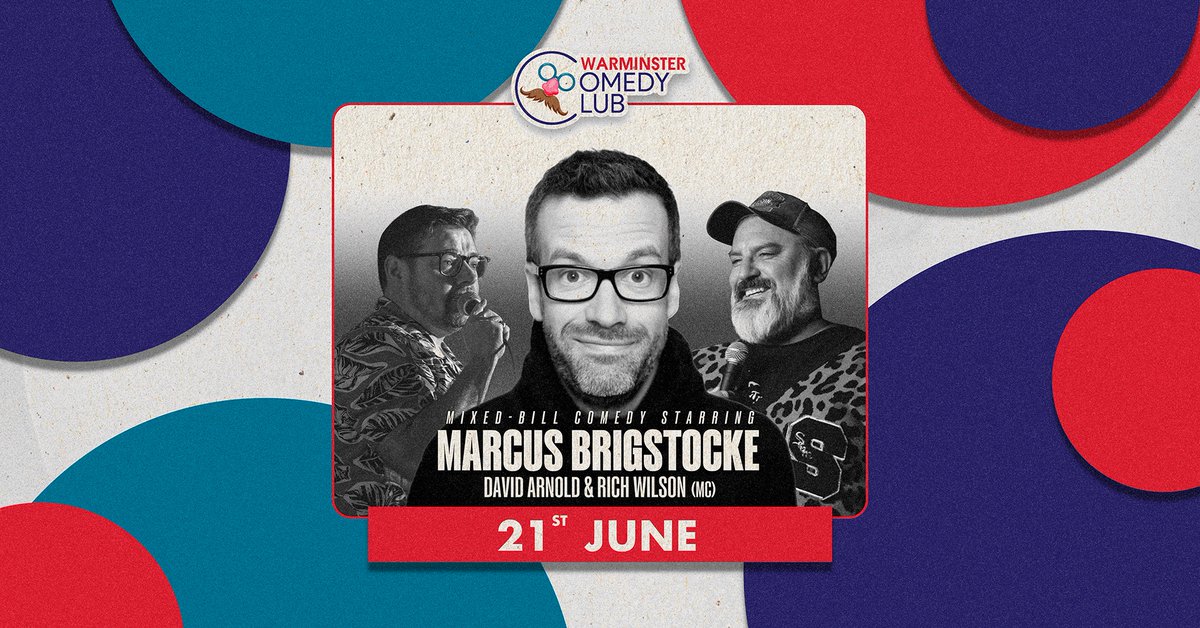
Ath presents Warminster Comedy Club 21 Jun 7-30pm
Live stand-up headlined by Marcus Brigstocke, regular on TV Radio 4. Plus David Arnold and hosted by Rich Wilson, winner of Comics’ Comic 2025 Best MC, best host on UK comedy circuit.
Tickets £20:
theath.co.uk
6
More power to you elbow
Jun 15

Balochistan's War of Liberation: Yesterday the Invader Was Britain, Today It Is Pakistan The Identity of the Occupier Has Changed, but the Struggle Remains the Same
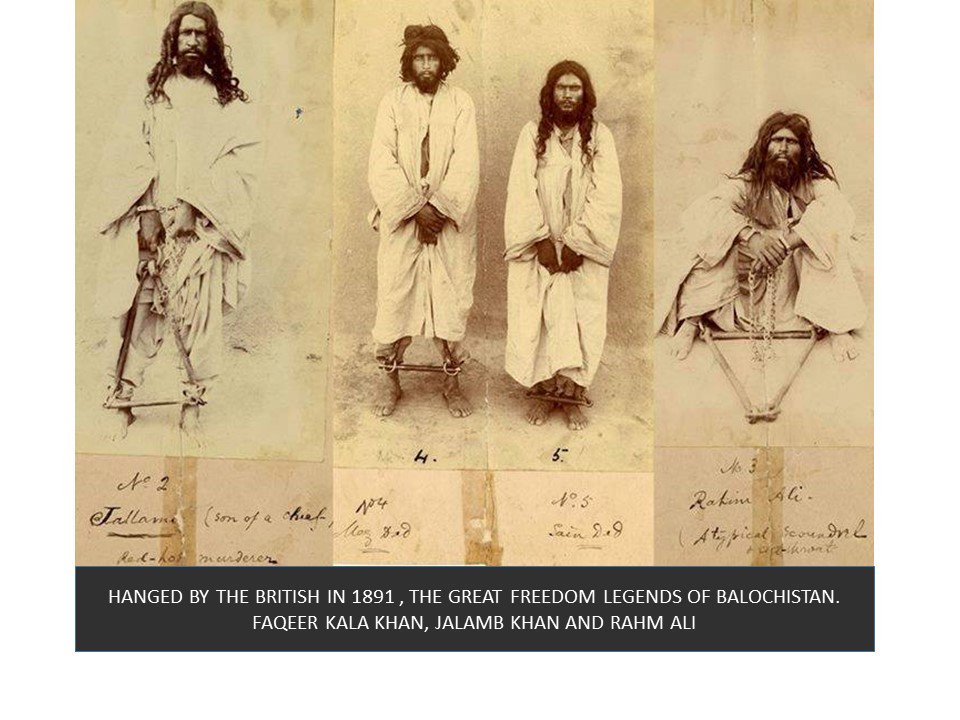
Faqeer Kala Khan Baloch, who belonged to Marri tribe, was one of the warriors who battled the British forces to defend his motherland.
Kala Khan was a Sufi Saint of Balochistan, but when British attacked Baloch territory, he resisted against the occupation and British rule also announced head money for Faqeer Kala Khan.
However, British army arrested Kala Khan along with his two other friends, Jalamb Khan Baloch and Rahm Ali Baloch.
Three of them were hanged by British government in 1891.
This book review is being shared because the occupying state of Pakistan and its military are attempting to conceal their setbacks by spreading propaganda against Balochistan’s independence movement and its leadership. In their efforts, they repeatedly try to shift responsibility onto Afghanistan at times and India at others. However, the reality is that the Balochistan freedom struggle predates the very existence of Pakistan itself.
The Baloch national liberation movement is not a conspiracy orchestrated by any external power; rather, it is the legitimate and lawful right to freedom of the people of Balochistan. It is a struggle rooted in the aspirations and sacrifices of the Baloch people themselves, and it is a right that no power in the world can deny or ignore.
When the British were present in Balochistan, the Baloch people also surrounded and resisted that foreign occupying force. They imposed economic, logistical, and military pressure upon the British, ultimately forcing them to end their occupation and withdraw from Balochistan. Today, the Pakistani military faces circumstances similar to those once experienced by the British occupying forces, as it confronts economic blockades, military setbacks, and sustained resistance in Balochistan.
We can state without hesitation that Pakistan is facing a severe defeat in Balochistan at the hands of Baloch pro-independence forces and the people who support their struggle for freedom.
-----------------------------
A Book review by Shirjil Baloch:
“Marri Baloch War of Resistance”
A rare book that, through the cycle of countless rebirths, is still waiting for the fulfillment of its purpose.
The story goes like this: in 1839–1840, a British army captain, Lewis Brown, advanced with his forces (consisting of six hundred camels and one cannon) to seize the fortress of Kahan in the mountainous region of the Marri Baloch.
After capturing the fortress, he remained besieged there for five months. Following the destruction of all supplies, soldiers, and cannons sent to assist him at the hands of the Marri Baloch, he eventually reached an agreement with Marri chief Doda Khan to evacuate the fortress and secure safe passage for himself and the remnants of his army back to headquarters.
During this period, the British military officer recorded in his diary all the events that took place from 20 April 1839 until 30 September 1839.
A few lines from the diary state: “I had to take six hundred camels with this detachment. They carried four months’ provisions and equipment. Lieutenant Clark was to take the empty camels back under the protection of eighty infantrymen and fifty cavalrymen, and bring another four months’ provisions. I had left Sukkur in great haste. Around the fifteenth of April, the weather became extremely hot, and at noon the thermometer inside my tent reached 112 degrees. As a result of this heat, some men fell ill. Both Lieutenants Erskine and Taylor developed fever, and one subedar died.”
Thus, this book was first born in the mountains of Marr. Upon Captain Lewis Brown’s return, this journal came to the attention of the Bombay Government and the Governor on 10 April 1841. By official order, the booklet was printed at the Bombay Government Press and preserved alongside other government documents. The book, which had been born in the Marr mountains, was at least granted dignity by being formally published in Bombay.
Charles Reynold William later combined the letters sent by his brother with the details and events of this journal into a coherent narrative and turned this history into a beautiful book titled Defense of Kahan.
The author described this incident as one of the significant events in the history of British forces of that era and compared it with the events of Kabul, Jalalabad, Leucostopol, the mutiny of the Indian Army (the War of Independence in the subcontinent), and the Battle of Khartoum. This was perhaps the book’s second birth.
In December 1988, at the library of the London School of Oriental and African Studies, Quetta’s Abdullah Jan Jamaldini, along with his Iranian-origin Baloch friend Hoshang, was searching for rare Balochi and Persian literary manuscripts when they came upon this book, which seemed to have been waiting to reach the land where it had been born.
Thanks to the librarian’s kindness, Abdullah Jan Jamaldini brought some copies of the book back to Quetta and distributed this special gift among friends — a book in which the British themselves acknowledged their defeat and praised the bravery and steadfastness of the Baloch.
Dr. Shah Muhammad Marri considered it his national duty to translate this book into Urdu and make it widely known. In his introductory remarks, Abdullah Jan Jamaldini shed further light on the events and circumstances described in this historical book and also mentioned the British military campaigns in Afghanistan and the State of Kalat.
Eventually, encouraged by his elder brothers Miro Khan and Mir Alam, Dr. Shah Muhammad Marri sent the Urdu translation of this book to the market on 29 January 1992, along with his preface.
The book Defense of Kahan was born for the third time and was given the name Marri Baloch War of Resistance. A few lines from the preface read: “I hold the author of this book in great esteem. Though he was a killer and a usurper, yet this killer of my forefathers is also my benefactor. For if he had not written all this, a very beautiful part of my history would have been lost to me.”
Once again, the book Marri Baloch War of Resistance came into the world with a new birth and a new name to fulfill its purpose, but as soon as it appeared in the market in 1992, it disappeared without a trace or footprint.
No one knows why the rulers of the time decided to silence and kill the book this time. Perhaps they did not like its Baloch name, but history insisted that it would survive.
Fifteen years later, news of the book’s presence in Wajahat Masood’s library in Lahore was, for Dr. Shah Muhammad Marri, equivalent to finding title deeds lost in a crowded fair.
The duties of friendship are strange indeed. Six days later, a newly typed computer edition of the book, along with a new cover designed by artist Hameed Baloch (Shastri), was lying on Dr. Shah Muhammad Marri’s table, courtesy of Wajahat Masood.
With a new preface, the book was born for the fourth time in 2007 in the form of a second edition. Once again, it narrated to the world the events of the past, the defense of the homeland, and the tales of valor of those Baloch characters who honored their word even with the enemy and who, after nearly one and a half centuries, are still fighting their war of freedom in the mountains of Balochistan. The only difference is that in the past the enemy was the British, and today their enemy is the Pakistan Army.
Curtesy; BBCUrdu Service, Published on Sunday, 25 November, 2007,
Prepared by Shajil Baloch
2
What about the krill fed salmon?
Jun 15

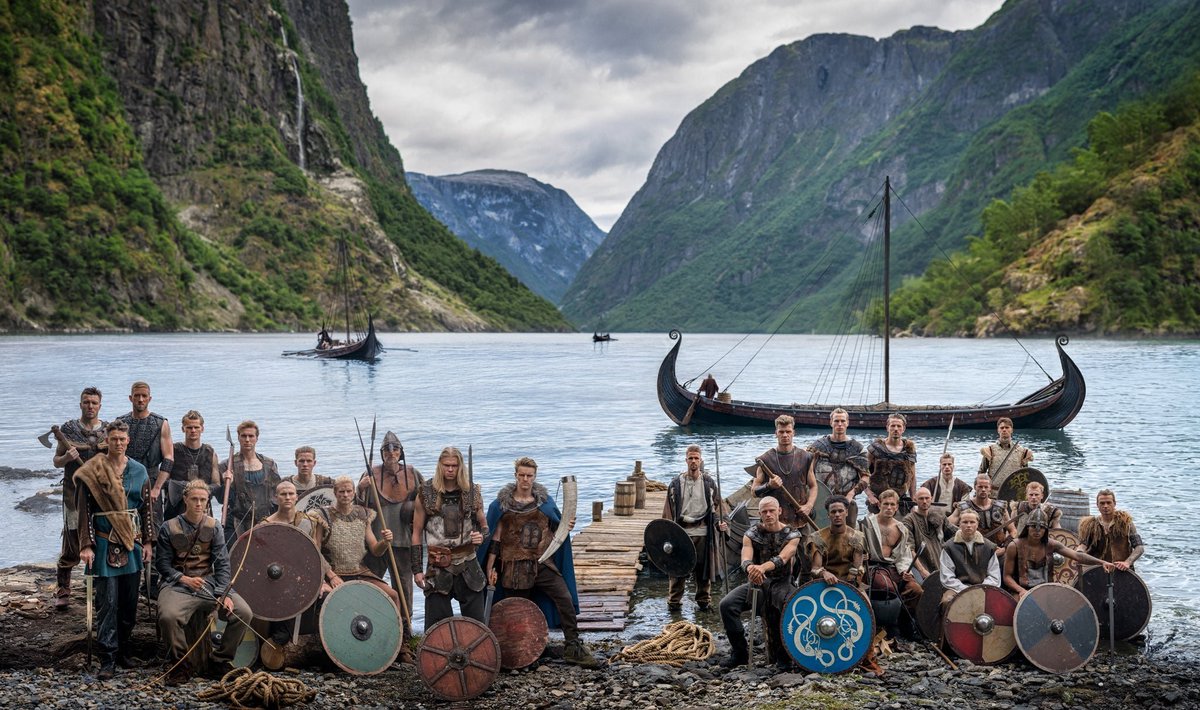
Norway have qualified for their first World Cup since 1998, and the first thing they did was ship in their own cheese, fish and 6,000 oranges. A touching show of faith in the American food supply.
Start with the cheese, since they hauled 116 kilograms of it across the Atlantic. Dairy in the United States can come from cows injected with a growth hormone called rBST, which has been banned across Europe for years and does not even have to appear on the label over here. Norwegian cows never go near it, so the players would sooner bring their own.
The fish follows much the same logic. A good deal of American tuna is treated with carbon monoxide, sold to the trade under the lovely name "tasteless smoke," which fixes that bright red colour and keeps it looking fresh long after it has quietly stopped being so. Europe banned the practice in 2003, while America still permits it.
Then the oranges, all 6,000 of them, because the US happily lets growers spray the skins with Citrus Red 2, a dye the World Health Organisation's cancer agency calls a possible carcinogen, all so a slightly green orange can pass for a ripe one on the shelf. Europe will not let it anywhere near food.
So when a side with one shot at a World Cup takes a long look at the local cheese, fish and fruit and flies in a tonne of their own instead, you can understand how they got there.
A ringing endorsement of American food, obviously.
5
Jun 15
Join SEATO
Jun 15

Taiwan vows to confront China's intrusions near the island
China’s patrols near the east of Taiwan were an aggressive attempt to assert control beyond its recognized jurisdiction. Taiwan Coast Guard made it clear that Chinese vessels have no legal authority in those waters
Jun 15
Need for SEATO to be reformed
Jun 15

Repeated incursions by the China Coast Guard into Filipino waters keep escalating tensions in the South China Sea
Such actions undermine international maritime norms, strain regional stability& put Filipino fishermen & coast guards at risk @CarpioJudge @rs015dbph @prolifemother
5
Jun 15
Opportunity for @KemiBadenoch and @pritipatel to get ahead of the curve
Jun 15

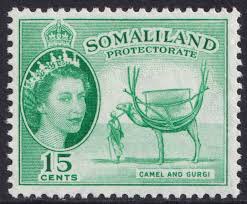
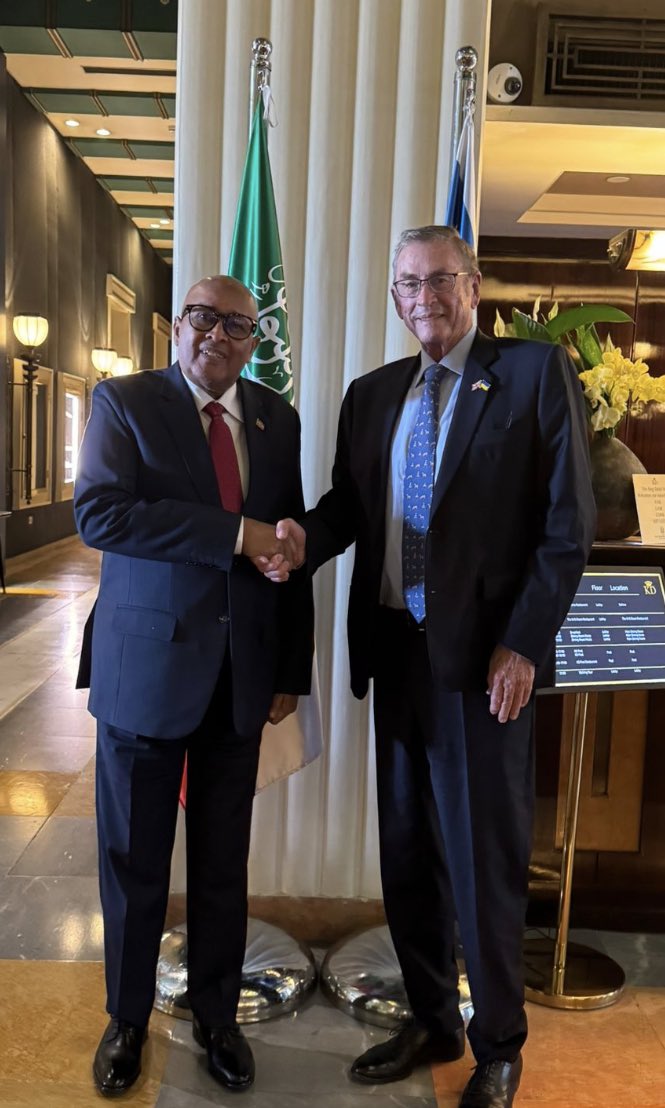
Meeting the President of Somaliland during his state visit to Israel the only country so far to recognise his country. As the former colony of. British Somaliland I hope the U.K. will in due course also recognise the legitimacy of Somaliland …
51
Jun 15
Good luck with that
Jun 14

🚨 UPDATE: In a stunning move that nobody saw coming, Lebanon's government has imposed a full ban on ALL Islamic Revolutionary Guard Corps (IRGC) activities inside Lebanese territory. Security forces ordered to HUNT DOWN, arrest, and DEPORT any IRGC members found operating there.
4
Jun 15
Reform SEATO. Protect your rights
Jun 15
The Philippine Chinese vessel towed a floating platform back through a sea entrance & reset barriers after Filipino patrol aircraft left.
China’s sea pressure tactics continue, keeping disputes unresolved & tensions high.
3
Jun 13
Protect your seas. Reform SEATO
Jun 13
Vietnam is defending its foothold; China is creating new ones through reclamation.
Mischief Reef began as a “fishermen’s shelter” before becoming a fortress.
Beijing’s island-building & reported dredging tied to Manila Bay remain deeply alarming for regional security.
11
Tony Jackson retweeted

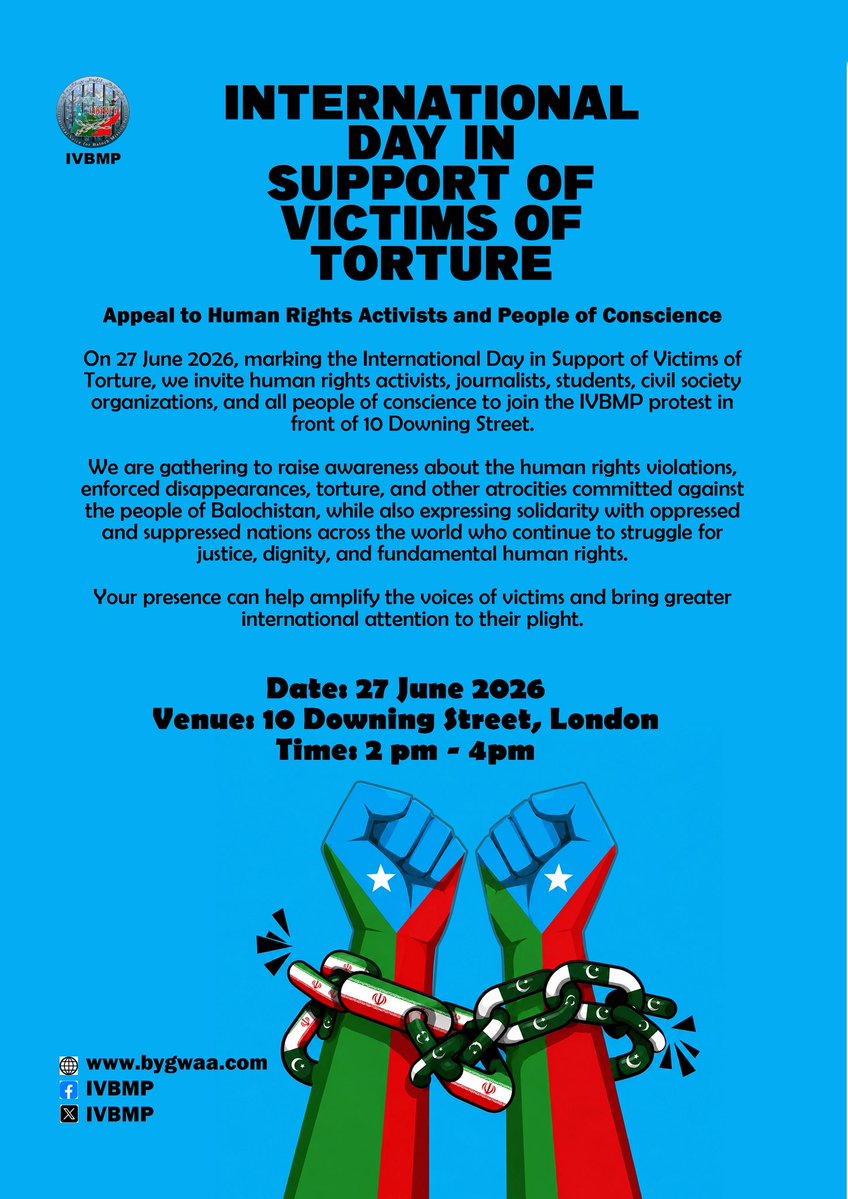
📢 International Day in Support of Victims of Torture
On 27 June 2026, we will gather outside 10 Downing Street to mark the International Day in Support of Victims of Torture and raise our voices against human rights violations, enforced disappearances, torture, and oppression.
4
22
33
2,416
Jun 11
Wonderful spirit of service
Jun 11

She fled her home.
She saved her nurse’s uniform.
Not her jewellery. Not possessions. Her uniform because she wanted to keep caring for people.
That tells you everything about her.
This is the Britain I believe in: one that values compassion, courage and those who contribute to our communities.
43
Jun 11
London Heathrow should be renamed after Whittle

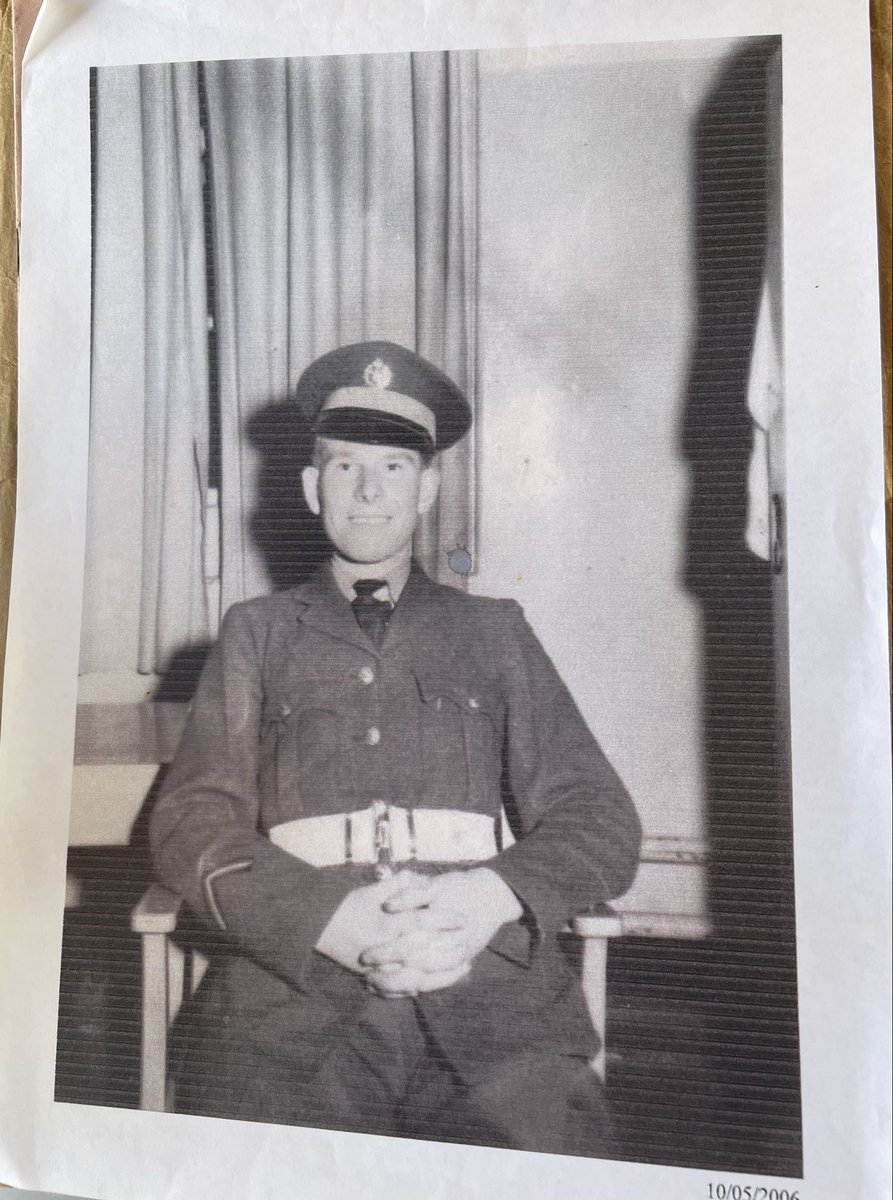
My dad. Aged 18. The day he graduated from RAF Halton after a 3 year technical trades apprenticeship.
The Halton apprenticeship scheme was renowned as the finest aircraft technical training school in the world.
Frank Whittle was a Halton apprentice.
Very proud of my dad.
67
Jun 10
On demand FSD has potential to replace subsidised bus transport and deliver public transport solutions
Jun 10

England next please 🙏
1
1
22
Jun 10
Cool heads needed
Jun 10

How did air conditioning become a heated debate?
as.ft.com/r/1ca20f95-c866-4b…
1
1
12
Jun 9
Long overdue

BREAKING: 🇺🇸 USAID Inspector General finds 101 additional UNRWA school teachers, principals & staffers are Hamas terrorists who participated in the October 7 terror attacks. U.S. may soon designate UNRWA as a foreign terrorist organization.
freebeacon.com/trump-adminis… @AidOversight
13
Jun 9
Jun 9

Palestinian students in UNRWA schools:
"With Allah's help we will return and those Jews, who are dogs, we will smash their heads. I want to be a jihadist, and to kill Jews for Allah and become a martyr.
Be honest: does anyone believe peace can be made with these people?
12
Jun 9
Reform SEATO
Jun 9

Let's not forget how Indonesian blew up illegal Chinese vessels trespassing in Indonesian waters.
ASEAN states, do this again and again to the bully. @LembagaKERIS
6
Jun 9
Reform SEATO

This Chinese Maritime Militia vessel was illegally sailing inside Japan's territorial waters near the Senkaku Islands.
On being Challenged by the Japan Coast guard & on being asked to exit the Japanese territory, the Chinese vessel tried to hit the Japan Coast Guard Vessel.
8
Tony Jackson retweeted

With the cancellation of the Franco-German SCAF, the Anglo-Italian-Japanese GCAP just became the most important European defence project. Hopefully Germany will join GCAP and in doing so use its financial strength to ensure that it succeeds.
defensenews.com/global/europ…
71
53
374
115,505