Joined November 2011
- Tweets 34,685
- Following 1,539
- Followers 1,531
- Likes 43,791
5,638 Photos and videos
Pinned Tweet
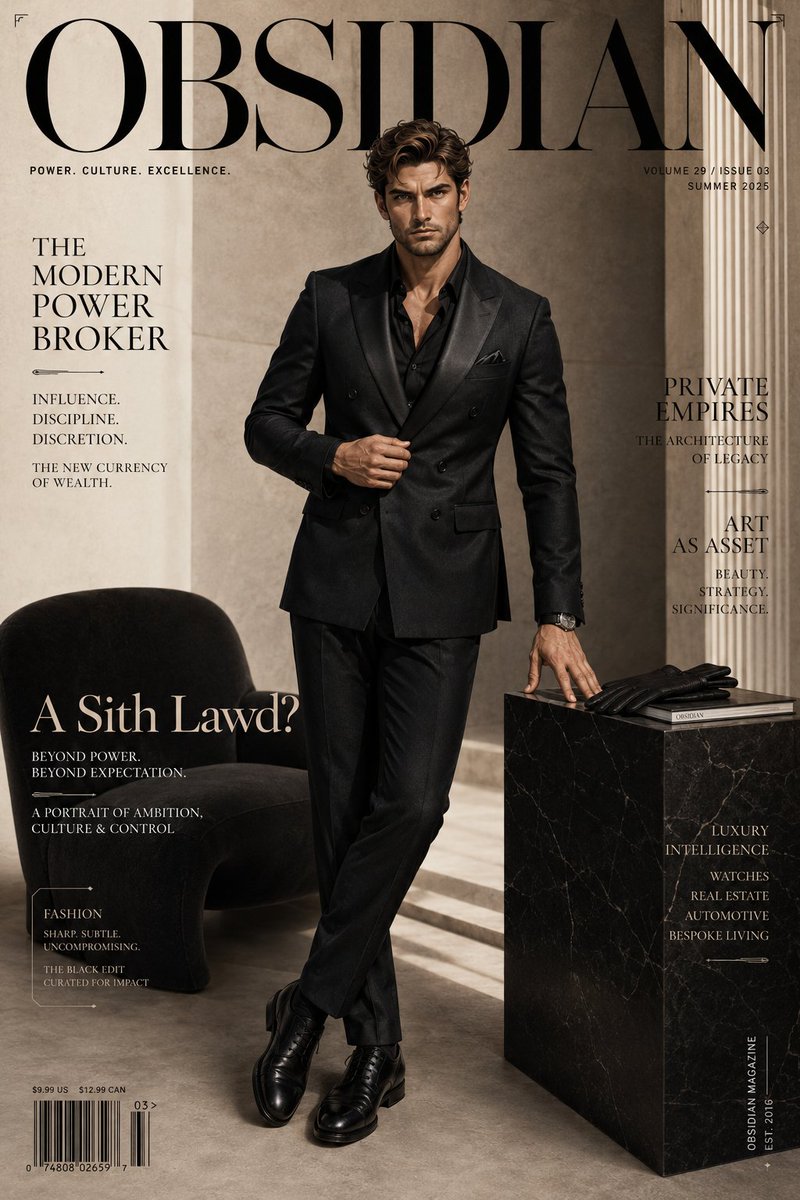
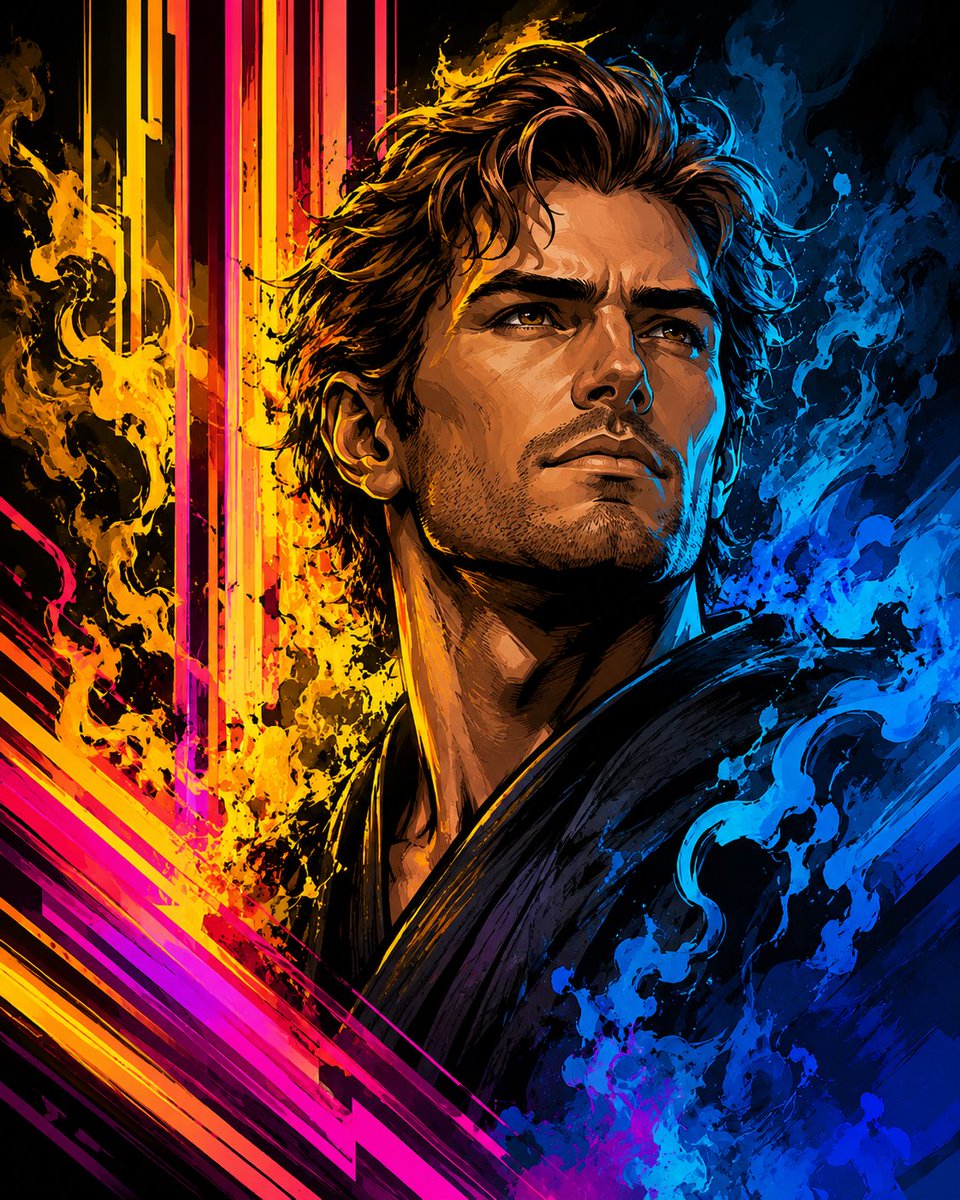
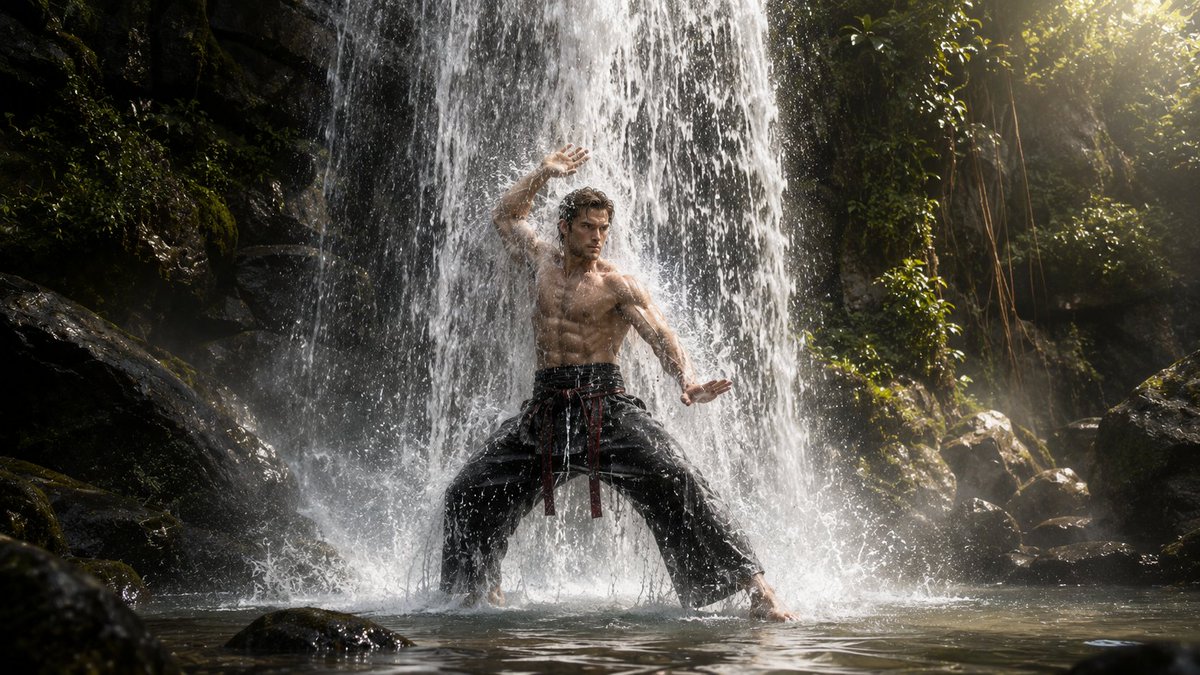
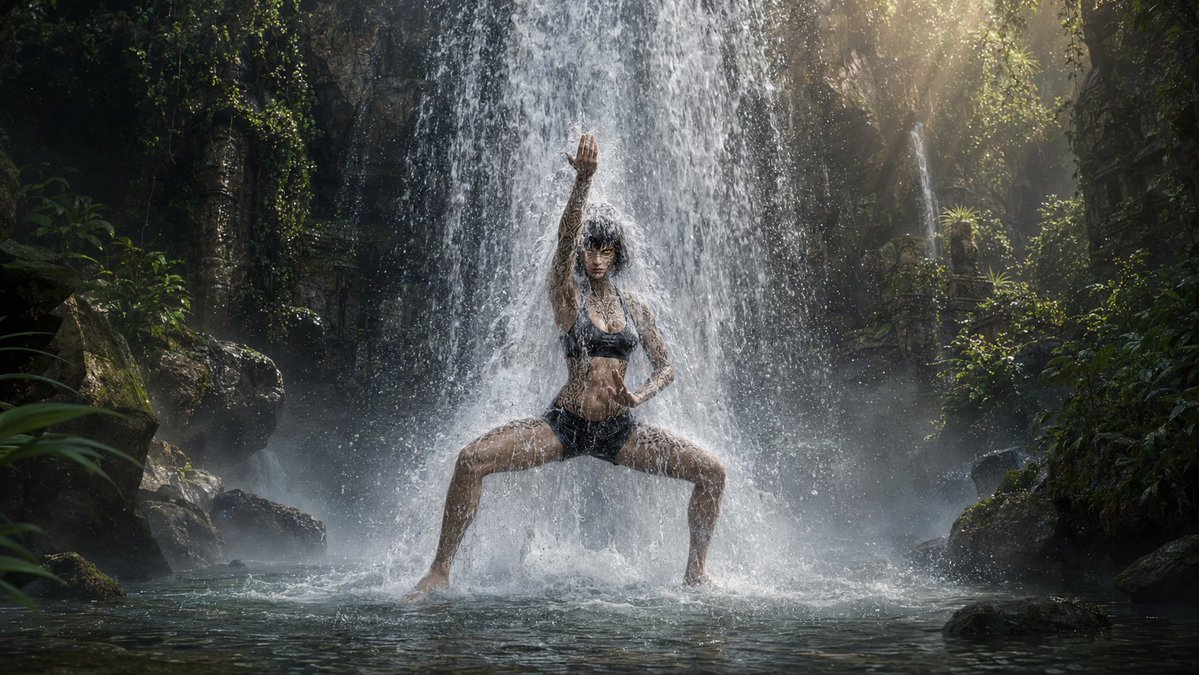
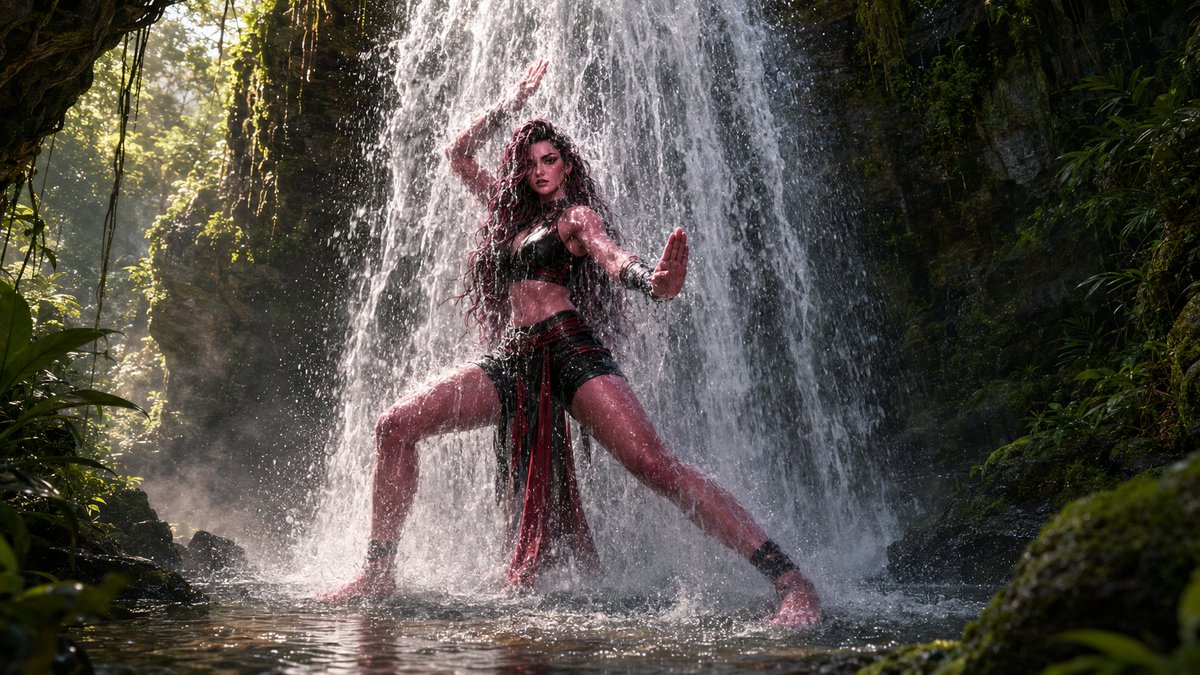
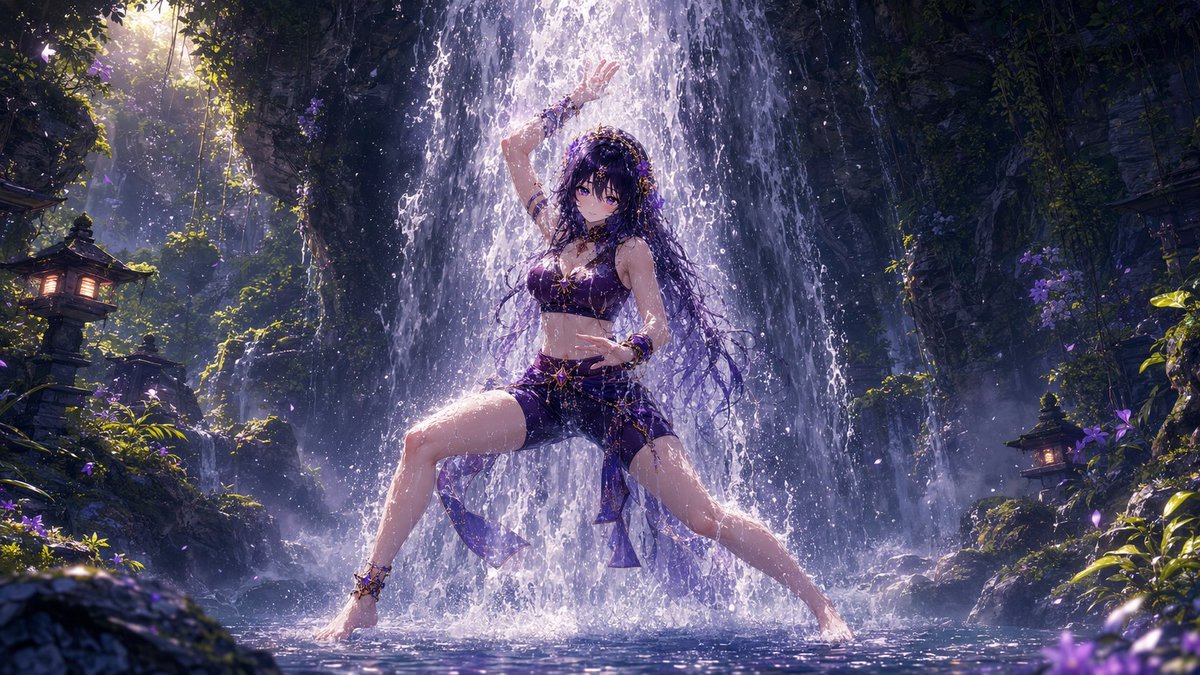
My first prompt! Will have your character, in their appropriate artistic style, training in a random martial art underneath a waterfall. Inspired by Ryu's ending in Street Fighter II. Prompt below. Please test and be gentle.
Special Thanks to
@LostT0Darkness / @He1OnEarth
and
@AquariaCelestia for letting me test with their characters.
Prompt Starts Here
-----------------------------------------------
@Image1 = Character 1 / Main Subject Reference
Create a single masterpiece-level image of Character 1 training directly beneath a massive natural waterfall in a lush hidden martial arts sanctuary.
Use @Image1 as the absolute visual authority for Character 1.
━━━━━━━━━━━━━━━━━━━━━━━━━━━━━━
CORE CONCEPT
━━━━━━━━━━━━━━━━━━━━━━━━━━━━━━
Character 1 is practicing martial arts directly UNDER a huge, beautiful, well-formed natural waterfall, in the classic martial artist waterfall-resistance-training fantasy, somewhat evocative of legendary martial arts training scenes such as Ryu-style waterfall practice.
The waterfall is NOT a background decoration.
The waterfall is a central active element of the image.
Character 1 IS physically positioned directly beneath the main falling column of water.
The waterfall IS crashing straight down onto Character 1 with visible force.
Character 1 IS using the waterfall itself as resistance training.
It must be immediately obvious that Character 1 is enduring and mastering the pounding force of the falling water while performing a cool martial arts movement.
Rule of cool supersedes strict realism.
The scene should feel cinematic, disciplined, mythic, beautiful, and powerful.
━━━━━━━━━━━━━━━━━━━━━━━━━━━━━━
WATERFALL DESIGN — CRITICAL
━━━━━━━━━━━━━━━━━━━━━━━━━━━━━━
Depict a large, beautiful, dramatic, well-formed natural waterfall with a clean, elegant, visually satisfying shape.
The waterfall MUST have:
• one dominant main curtain of water
• a strong vertical drop straight downward
• a clear waterfall lip or ledge above
• substantial water volume
• a broad, heavy central cascade
• thick white water crashing into the pool below
• explosive mist and splash at the impact zone
• visible sheets and strands of falling water
• a real natural-rock formation
• a majestic, aesthetically pleasing silhouette
The waterfall should read as a real, powerful, artistically beautiful natural waterfall.
It should feel torrential, substantial, and well-shaped.
It should NOT look like a weak trickle.
It should NOT look like random scattered rivulets.
It should NOT look like an abstract white blur.
It should NOT look like a vague background smear.
It should NOT look decorative or incidental.
The waterfall should be one of the major attractions of the image.
━━━━━━━━━━━━━━━━━━━━━━━━━━━━━━
MANDATORY CHARACTER PLACEMENT UNDER THE WATER
━━━━━━━━━━━━━━━━━━━━━━━━━━━━━━
Character 1 MUST be directly UNDER the waterfall.
Character 1 is NOT standing in front of the waterfall.
Character 1 is NOT standing merely near the base of the waterfall.
Character 1 is NOT off to the side.
Character 1 is NOT posing dry in the foreground.
Character 1 is inside the waterfall’s impact zone.
The main falling column of water MUST visibly strike Character 1’s:
• head
• shoulders
• upper torso and/or upper back
• arms
• hair
• clothing
• body overall
The falling water MUST overlap Character 1’s silhouette.
Parts of Character 1 SHOULD be visibly covered, splashed, or partially obscured by the falling water and spray.
The viewer must immediately understand that the waterfall is crashing directly down ONTO the character.
At first glance, the image should read:
“this character is training under a massive waterfall.”
━━━━━━━━━━━━━━━━━━━━━━━━━━━━━━
POSE / GENERATION VARIETY
━━━━━━━━━━━━━━━━━━━━━━━━━━━━━━
Do NOT repeat the same martial arts pose, the same body orientation, the same framing, or the same camera angle across different generations.
Each generation MUST feel like a different moment.
Actively vary:
• martial arts move
• stance
• arm placement
• leg placement
• torso twist
• body orientation
• emotional energy
• silhouette
• camera angle
• framing distance
• perspective
Possible move ideas include:
• straight punch through the falling water
• open-palm strike
• rising strike
• one-arm upward block against the cascade
• low horse stance
• deep rooted guard stance
• spinning kick
• crane-like balance pose
• meditative endurance stance
• crouched explosive launch posture
• transitional kata movement
• dramatic power pose under pressure
These are examples only.
Each result MUST feel distinct.
Do NOT default to the same “standing under waterfall with fists up” pose.
━━━━━━━━━━━━━━━━━━━━━━━━━━━━━━
CAMERA / COMPOSITION VARIETY
━━━━━━━━━━━━━━━━━━━━━━━━━━━━━━
Do NOT overuse one repeated angle or one repeated composition.
Vary the shot from generation to generation.
Possible camera treatments include:
• frontal view
• 3/4 angle
• side angle
• low-angle heroic shot
• slightly elevated environmental shot
• pulled-back cinematic shot
• dynamic action angle
Each generation should still be readable and cinematic, but it should have different visual energy.
━━━━━━━━━━━━━━━━━━━━━━━━━━━━━━
CHARACTER IDENTITY PRESERVATION
━━━━━━━━━━━━━━━━━━━━━━━━━━━━━━
Preserve Character 1 with extremely high fidelity:
• facial structure
• eye shape and eye color
• hairstyle and hair color
• body type and proportions
• skin tone
• species traits
• silhouette
• expression language
• recognizable identity
• defining accessories, markings, or features
• overall personality and visual identity
Character 1 MUST remain immediately recognizable as the attached reference.
Do NOT redesign the face.
Do NOT alter age appearance.
Do NOT change body proportions.
Do NOT erase defining traits.
Do NOT simplify away recognizable details.
No identity drift.
No generic replacement face.
No random character substitution.
━━━━━━━━━━━━━━━━━━━━━━━━━━━━━━
STYLE ADAPTATION
━━━━━━━━━━━━━━━━━━━━━━━━━━━━━━
Match the artistic style of @Image1 while elevating it to masterpiece quality.
If @Image1 is anime, the final image MUST be high-end cinematic anime artwork.
If @Image1 is semi-realistic, the final image MUST be polished semi-realistic fantasy illustration.
If @Image1 is realistic, the final image MUST be hyper-realistic cinematic fantasy artwork or cinematic realism.
If @Image1 is stylized, comic-like, painterly, cartoon, or game-art inspired, preserve that style and elevate it to premium key-art quality.
The final image MUST reflect the source character’s own realism level and visual language.
Anime should remain anime.
Realistic should remain realistic.
Stylized should remain stylized.
Everything in between should remain true to its own style.
Do NOT force the character into an unrelated art style.
Do NOT force an acrylic painting look.
Do NOT impose a traditional painted texture unless the source character already supports that style.
━━━━━━━━━━━━━━━━━━━━━━━━━━━━━━
MANDATORY WATERFALL TRAINING OUTFIT
━━━━━━━━━━━━━━━━━━━━━━━━━━━━━━
Character 1 IS wearing a practical martial-arts waterfall-training outfit.
Character 1 is NOT wearing random fantasy clothing.
Character 1 is NOT wearing a robe.
Character 1 is NOT wearing full armor.
Character 1 is NOT wearing streetwear.
Character 1 is NOT wearing formalwear.
Character 1 is NOT simply wearing their default costume unchanged unless that costume already clearly reads as practical training wear.
The outfit MUST be derived from Character 1’s established color scheme, motifs, faction identity, species traits, and overall visual personality.
If Character 1 is male:
He IS shirtless, unless shirtlessness directly conflicts with essential nonhuman anatomy or a core identity feature that must be preserved.
He IS wearing martial arts gi pants, hakama-style pants, or sturdy training trousers.
These pants MUST match his established color palette and overall design language.
They MAY include wraps, belts, sashes, subtle trim, symbolic accents, or faction-colored details, but they MUST still clearly read as martial-arts training pants.
If Character 1 is female:
She IS wearing a practical athletic martial-arts training outfit.
She IS wearing a sports bra or fitted athletic training top.
She IS wearing shorts or compression shorts or similarly practical training bottoms.
Her outfit MUST match her established color palette and overall design language.
Her outfit MUST look suitable for intense waterfall training.
It is NOT lingerie.
It is NOT a swimsuit.
It is NOT a dress.
It is NOT a robe.
It is NOT random fantasy armor.
If Character 1 is nonhuman, alien, robotic, monstrous, or culturally specific:
Their design MUST be translated into a practical martial-arts training outfit while preserving recognizable identity traits.
Keep signature colors, motifs, markings, accessories, and silhouette logic where possible, but the outfit MUST still clearly read as training wear for waterfall practice.
The outfit MUST look wet and affected by the water.
The outfit MUST remain tasteful and secure.
No nudity.
No wardrobe malfunction.
No inappropriate sexualization.
The outfit MUST immediately read as:
“this specific character is dressed for intense martial-arts resistance training under a waterfall.”
━━━━━━━━━━━━━━━━━━━━━━━━━━━━━━
ENVIRONMENT
━━━━━━━━━━━━━━━━━━━━━━━━━━━━━━
The location is a breathtaking hidden waterfall training sanctuary.
The setting MUST be beautiful, verdant, green, and lush.
Include:
• rich green foliage
• moss-covered stone
• wet rocks
• vines and hanging plants
• mist-filled air
• a shallow pool at the waterfall’s base
• dense plant life
• tropical or mountain greenery
• soft sunlight filtering through mist and leaves
• a serene but powerful natural atmosphere
Show enough greenery and environment for the place to feel expansive, immersive, and alive.
The location should feel sacred, ancient, vibrant, and visually rich.
The environment should NOT be barren.
The environment should NOT be dry.
The environment should NOT be gloomy.
The environment should NOT feel empty.
━━━━━━━━━━━━━━━━━━━━━━━━━━━━━━
LIGHTING AND MOOD
━━━━━━━━━━━━━━━━━━━━━━━━━━━━━━
Use dramatic cinematic lighting.
Natural sunlight should filter through mist and foliage, creating:
• glowing spray
• rim lighting
• atmospheric haze
• luminous droplets
• radiant highlights on wet skin, wet fabric, rocks, and water
• beautiful depth and mood
Mood targets:
• powerful
• disciplined
• mythic
• serene
• focused
• heroic
• intense
• beautiful
The image should feel like a legendary training moment.
━━━━━━━━━━━━━━━━━━━━━━━━━━━━━━
COMPOSITION
━━━━━━━━━━━━━━━━━━━━━━━━━━━━━━
Create a cinematic full-body composition.
Show Character 1’s full body clearly from head to toe.
Pull the camera back enough to show:
• Character 1’s full body
• the waterfall’s main falling column
• the impact zone where the water crashes onto the character
• surrounding rocks and greenery
Character 1 should occupy roughly 35% to 50% of the composition.
The character should NOT be framed too close.
The viewer should see more of the waterfall and more of the greenery.
The waterfall should feel large, dominant, and important in the frame.
The environment should feel visible and meaningful, not cropped away.
Character 1 remains the focal point, but the composition should also emphasize the majesty of the waterfall and the lush beauty of the sanctuary.
Use dynamic water motion, mist, and foliage to frame the character.
Aspect ratio: 16:9 horizontal widescreen.
━━━━━━━━━━━━━━━━━━━━━━━━━━━━━━
QUALITY TARGET
━━━━━━━━━━━━━━━━━━━━━━━━━━━━━━
MASTERPIECE, ultra-detailed, 8K HDR, breathtaking cinematic composition, premium fantasy martial arts artwork, dramatic water physics, beautiful environment, lush greenery, stunning atmosphere, elegant lighting, sharp focus, detailed anatomy, expressive motion, collector’s-edition poster quality, high-end key art, professional splash art, visually striking, powerful storytelling.
━━━━━━━━━━━━━━━━━━━━━━━━━━━━━━
ANATOMY / TECHNICAL REQUIREMENTS
━━━━━━━━━━━━━━━━━━━━━━━━━━━━━━
Perfect anatomy.
Correct proportions.
Correct hands.
Five fingers per hand where visible.
Correct feet and toes where visible.
Natural balance and weight distribution.
No broken limbs.
No twisted joints.
No warped face.
No distorted eyes.
No extra limbs.
No duplicate body parts.
No melted fingers.
No fused hands.
No floating accessories.
No unreadable pose.
No stretched or squashed character.
No identity drift.
━━━━━━━━━━━━━━━━━━━━━━━━━━━━━━
NEGATIVE PROMPT
━━━━━━━━━━━━━━━━━━━━━━━━━━━━━━
low quality, blurry, muddy details, bad anatomy, bad hands, extra fingers, missing fingers, fused fingers, broken limbs, malformed feet, warped face, generic character, identity drift, wrong hairstyle, wrong eye color, wrong body type, repetitive pose, same pose every generation, repetitive angle, repetitive composition, character standing in front of waterfall, character beside waterfall, character near waterfall but not under it, waterfall only as background, waterfall not touching character, not enough water hitting character, weak waterfall, tiny waterfall, ugly waterfall, badly shaped waterfall, messy waterfall, random white blur waterfall, low water volume, dry-looking scene, not enough greenery, dull environment, flat lighting, wrong outfit, random outfit, random fantasy clothing, full armor, robe, cloak, formalwear, streetwear, dress, lingerie, swimsuit, impractical clothing, unrelated costume, outfit not matching character palette, overdesigned costume, sexualized outfit, AI artifacts, text, watermark, logo, cropped head, cropped limbs, stretched body, deformed silhouette
24
4
46
3,404
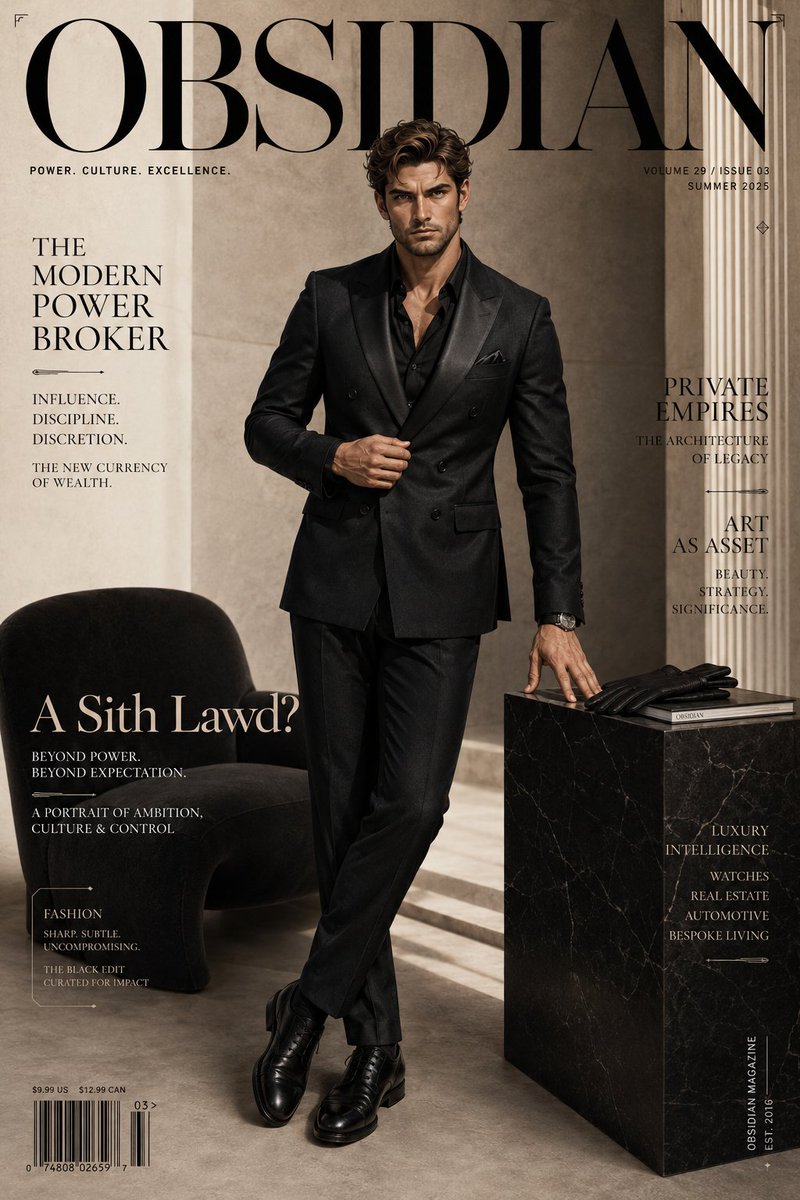
New issue drops today.
prompt by @CuriousOne_01
Jun 13

Just for fun.
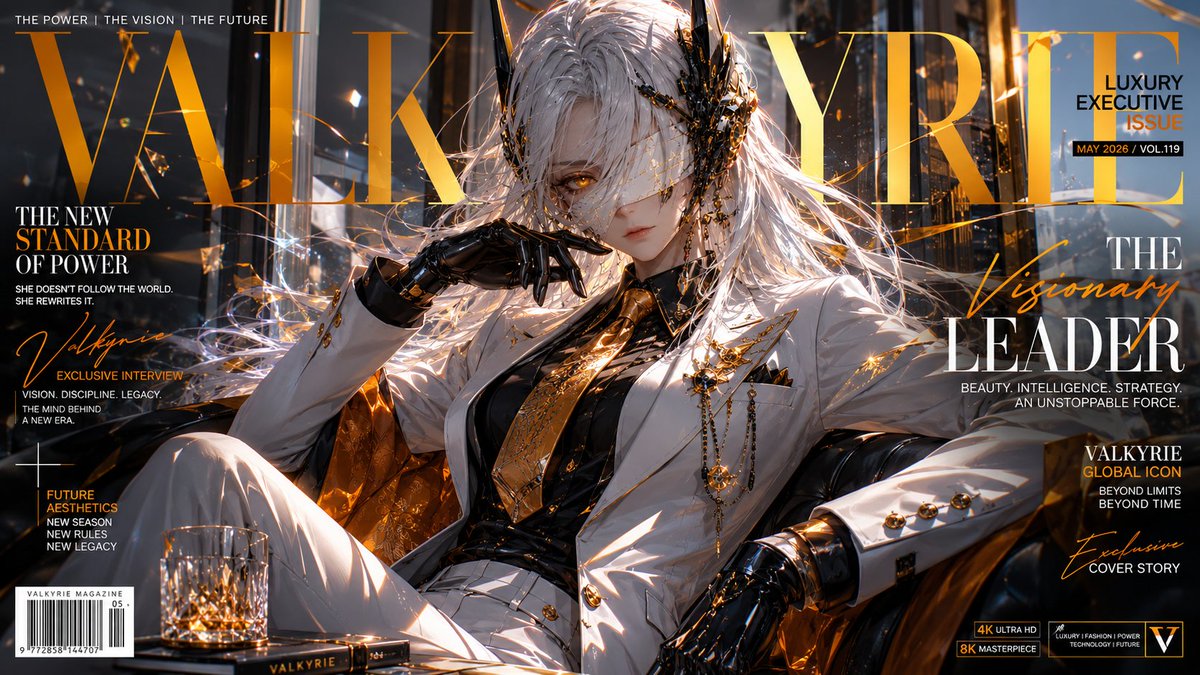
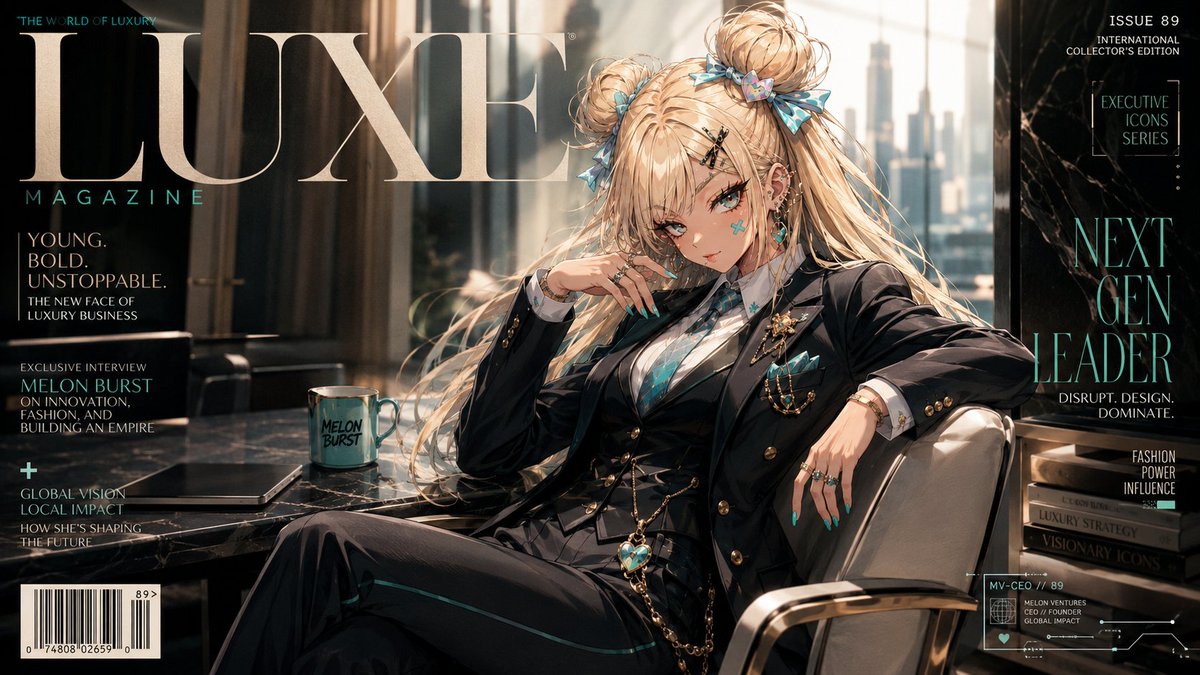
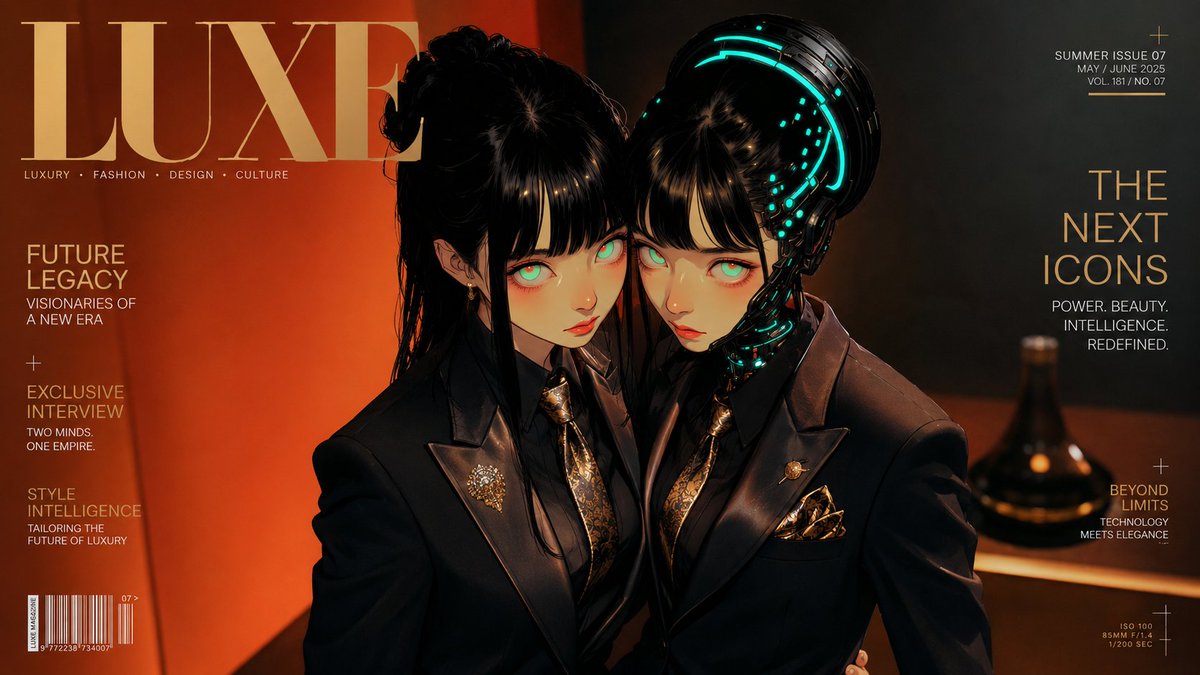
Copy the prompt, send it to ChatGPT along with the image, then select "Create Image" and you're done.
Add the Aspect Ratio you want at the end of the prompt if desired.
===
Prompt
Use the reference image as the primary character identity source. Carefully analyze the uploaded character and automatically determine their apparent gender presentation, approximate age group, body proportions, facial features, hairstyle, hair color, eye color, skin tone, personality impression, color palette, accessories, and overall visual identity. Preserve the character's face, hairstyle, hair color, eye color, body proportions, expression, identity, and personality faithfully. Do not redesign the character into a different person.
Important outfit rule: the character must always wear a luxurious, elegant, high-end suit. Replace the original outfit with a premium tailored suit while preserving the character's identity and dominant color palette. The suit should be adapted intelligently to the character's gender presentation, personality, body proportions, and original color scheme. Possible suit styles include luxury business suit, executive suit, fashion runway suit, tuxedo-inspired suit, double-breasted suit, slim tailored suit, oversized designer suit, three-piece suit, suit with vest, suit with tie, suit with silk shirt, suit with luxury coat, or elegant formal suit. The suit must look expensive, refined, perfectly fitted, and magazine-cover worthy.
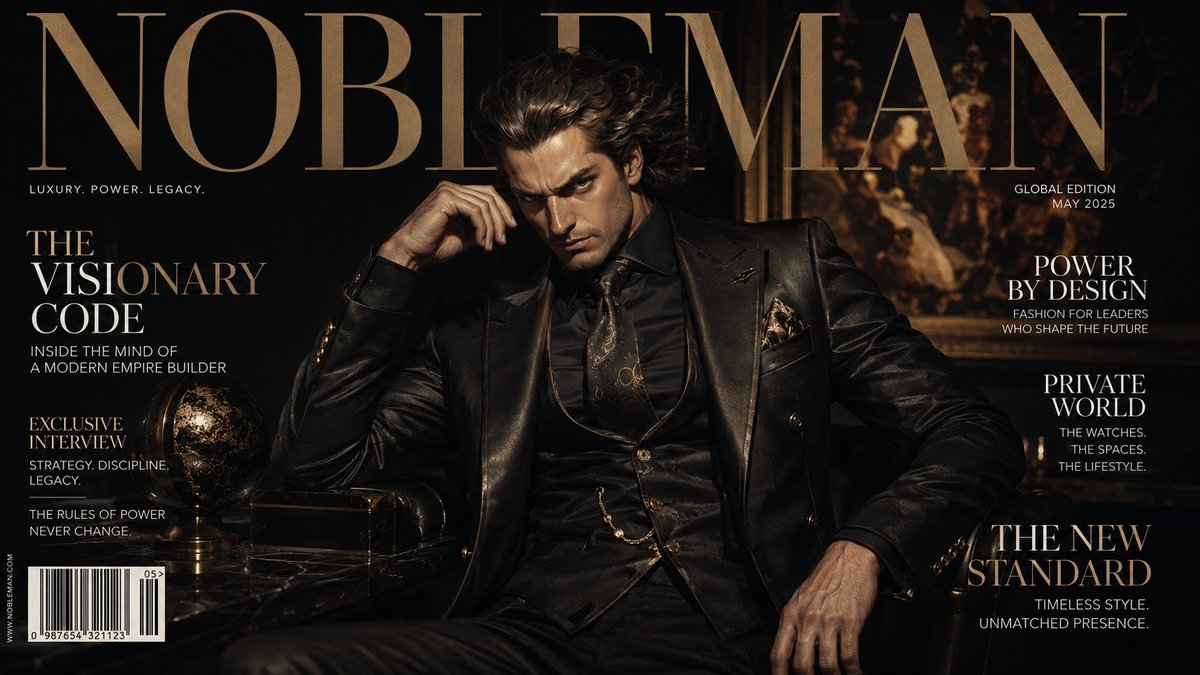
Create a premium world-class luxury magazine cover where the character becomes the main cover model.
Act as a professional fashion editor, luxury brand creative director, celebrity photographer, stylist, magazine designer, and commercial art director.
For every generation, first invent a completely new editorial story and photoshoot concept. Treat every generation as a different magazine issue created by a different creative team.
Examples of possible editorial stories include: luxury CEO, billionaire entrepreneur, celebrity interview, fashion icon, luxury traveler, executive lifestyle, technology visionary, museum patron, luxury brand ambassador, award-winning designer, cultural influencer, elite socialite, film star photoshoot, luxury penthouse resident, luxury hotel guest, private club member, modern aristocrat, contemporary business leader, luxury detective, fashion executive, art collector, or high-society icon.
Based on the generated editorial story, randomly create a unique photoshoot direction.
Randomly choose and combine different poses. Never intentionally repeat the same pose or composition.
Possible pose categories include: standing confidently, walking naturally, crossing legs while seated, relaxing on furniture, leaning against architecture, sitting elegantly, sitting casually, sitting on table edges, sitting on stairs, sitting on the floor, standing behind furniture, standing beside furniture, standing in front of furniture, resting one arm on an object, holding accessories, adjusting jacket cuffs, fixing a tie, holding sunglasses, holding a luxury cup, holding a magazine, holding a briefcase, looking away from camera, looking directly into camera, interacting with objects, turning while walking, celebrity red-carpet pose, fashion runway pose, executive portrait pose, editorial fashion pose, luxury advertising pose.
Randomly determine body orientation, head direction, eye direction, hand placement, leg placement, weight distribution, interaction with furniture, interaction with props, and camera awareness.
Do not always make the character sit.
Do not always make the character stand.
Do not always use a sofa.
Do not prioritize any single pose, object, or camera angle.
Create a different editorial solution every time.
Randomly select and combine suitable luxury props. Possible props include designer sofas, executive desks, marble tables, glass tables, coffee tables, lounge chairs, armchairs, ottomans, grand pianos, bookshelves, display shelves, designer lamps, modern sculptures, museum pieces, architectural columns, luxury luggage, mirrors, art installations, framed artwork, decorative vases, coffee cups, champagne glasses, wine glasses, fashion accessories, briefcases, designer bags, technology products, luxury books, premium interior decorations, or abstract editorial objects.
Use only a small subset of props per generation. Every prop must match the character's luxury suit, personality, and color palette.
Create a minimalist luxury editorial environment with large amounts of clean negative space. Possible environments include luxury studio, executive office, modern penthouse, luxury showroom, private gallery, designer residence, high-end hotel suite, museum-inspired interior, architectural exhibition space, premium fashion studio, luxury lounge, minimalist designer environment, or dark luxury studio.
Randomly choose a professional camera composition. Possible compositions include full-body portrait, wide editorial shot, three-quarter portrait, low angle shot, high angle shot, eye-level shot, fashion photography, architectural portrait, environmental portrait, cinematic composition, symmetrical composition, asymmetrical composition, magazine cover composition, luxury advertising composition, hero shot, walking shot, or candid editorial photography.
Avoid repeating the same composition whenever possible.
Create a complete professional magazine cover layout. Add oversized magazine title, editorial headlines, issue information, micro typography, luxury branding elements, barcode, small technical notes, fashion captions, ultra-small HUD overlays, asymmetrical graphic design, editorial grid systems, subtle circuit-line graphics, minimal geometric framing, professional magazine composition, heavy film grain, raw luxury-techwear aesthetic, high-contrast editorial photography, subtle digital grain texture, and polished print texture.
All typography and graphic elements must be carefully placed around the character and must never cover the face, body, suit, hands, important accessories, or main silhouette.
Strictly derive the entire color palette from the reference character and the newly designed suit. Analyze the dominant colors from the character's hair, eyes, skin tone, accessories, original design, and suit palette, then use only those colors throughout the furniture, props, typography, graphics, lighting accents, and environment. Do not introduce unrelated colors.
Luxury editorial photography aesthetic, premium commercial fashion photography, luxury lifestyle atmosphere, sophisticated executive presence, cinematic lighting, refined shadows, subtle reflections, expensive materials, realistic fabric rendering, sharp suit tailoring, premium textile details, polished leather, metallic accents, professional art direction, elegant composition, masterpiece, ultra-detailed, cover-worthy composition, luxury magazine cover, 8K resolution.
2
28
Great little prompt by @TolvanSkull !
Jun 13

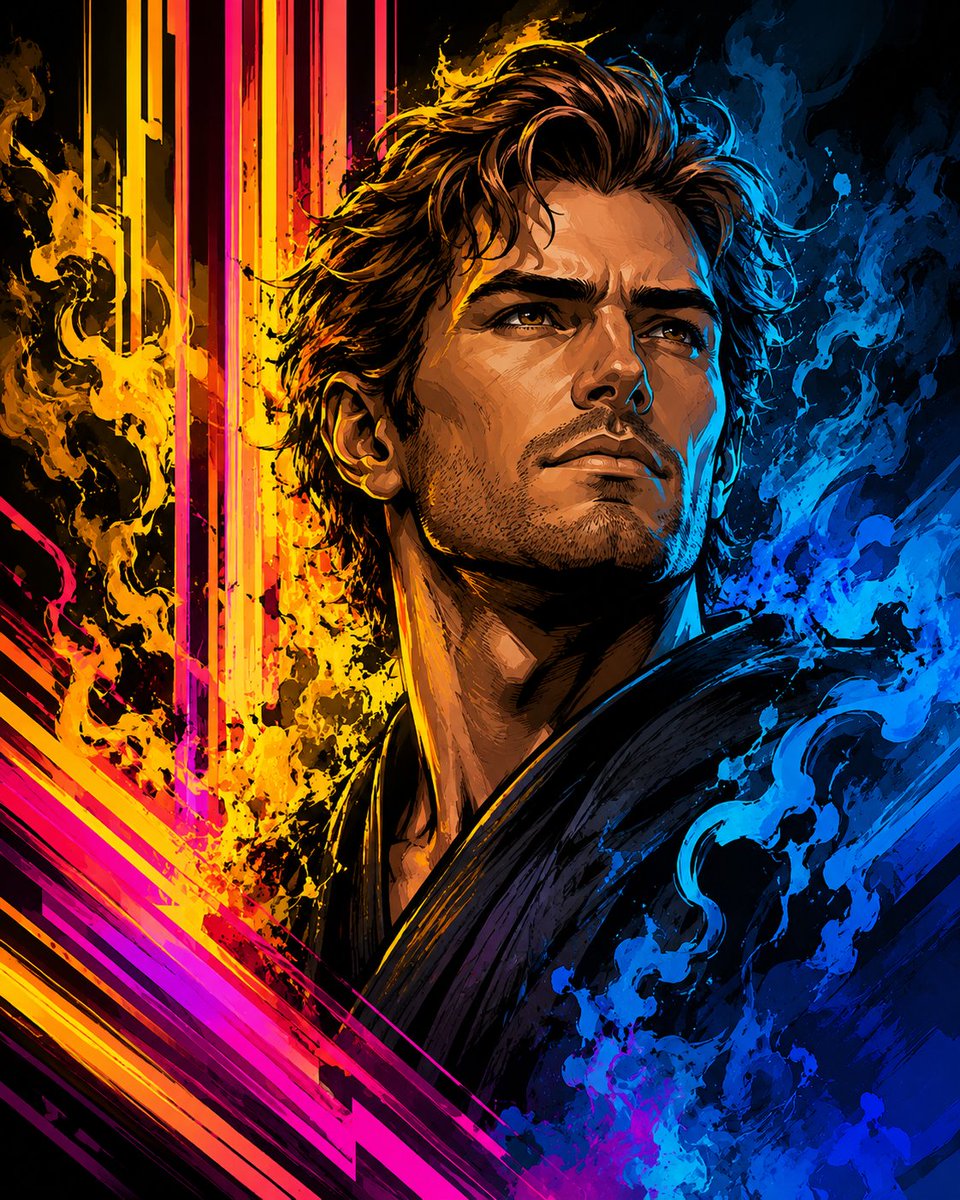
"Visionaries: The Hearts that Burn the Fire" a portrait series by Tolvan Skull
(@Skyebrows @itsShyver @powdury @Leaflit )
A thank you to the creators, the pioneers, the visionaries who stand up for AI artists and the validity of our visions.
#TolvanPlugnPlayPrompts
Please use this prompt to honor any creator or character you love (even yourself!).
I would never be able to get to all of you on my own!
Use one reference image.
===========================
👇Tolvan Plug'n Play Prompts👇
👇Visionaries: The Hearts that Burn the Fire👇
===========================
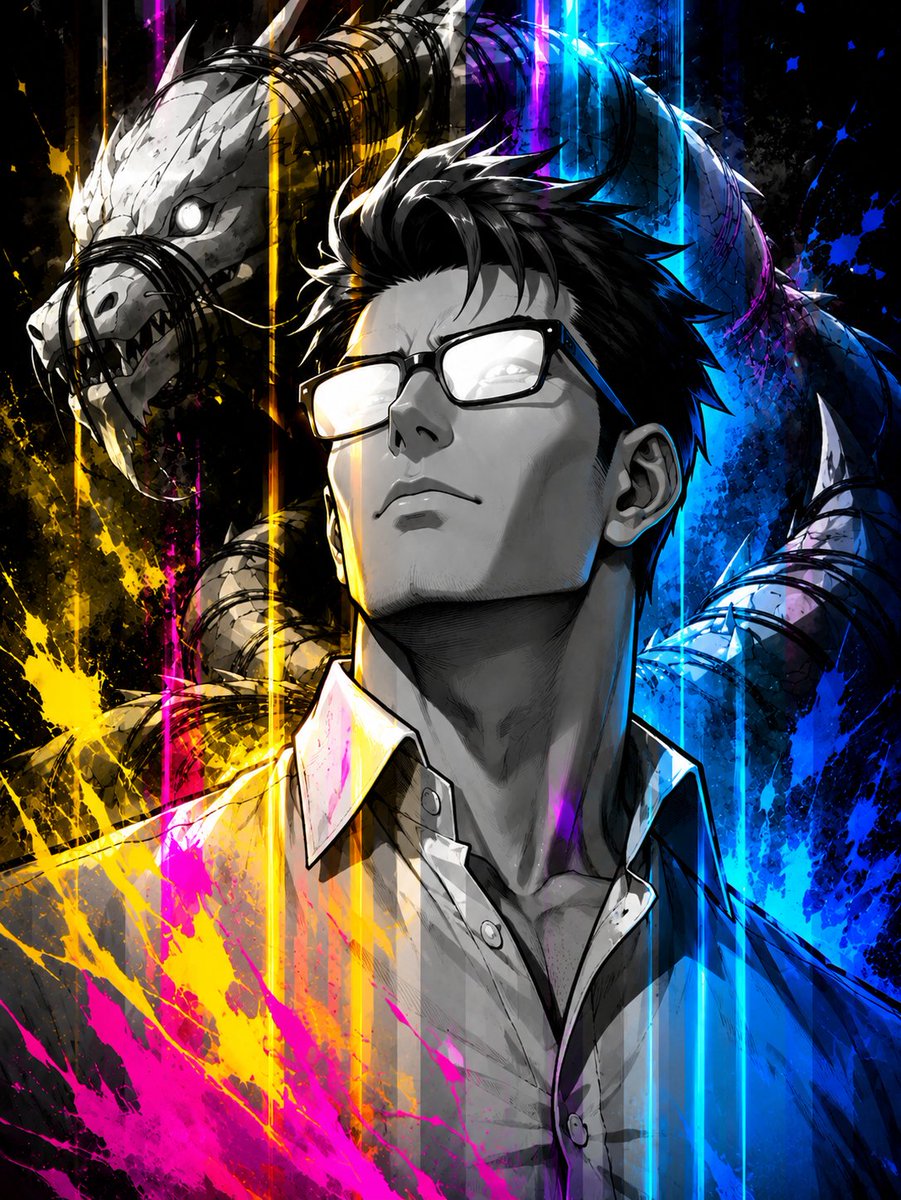
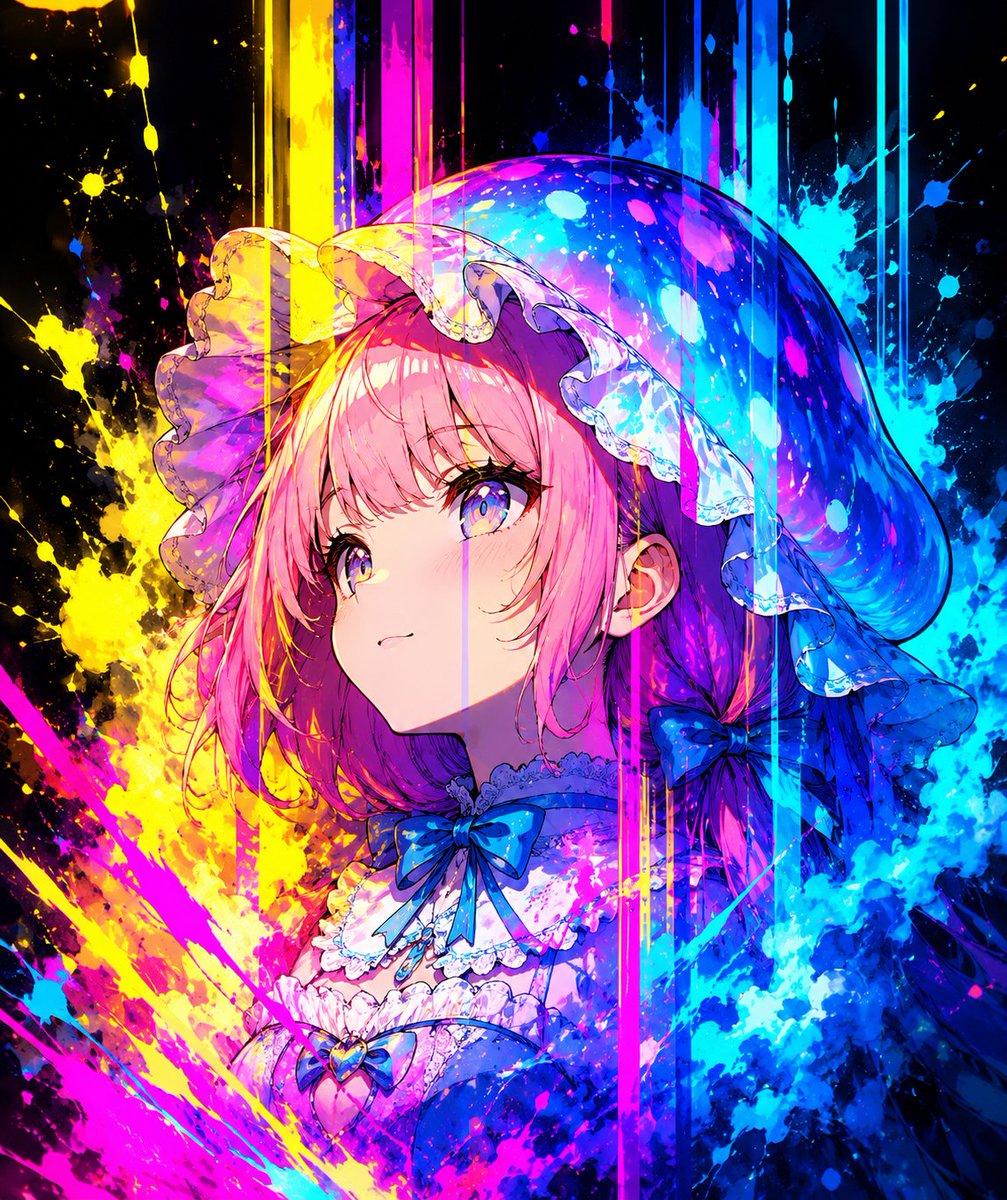
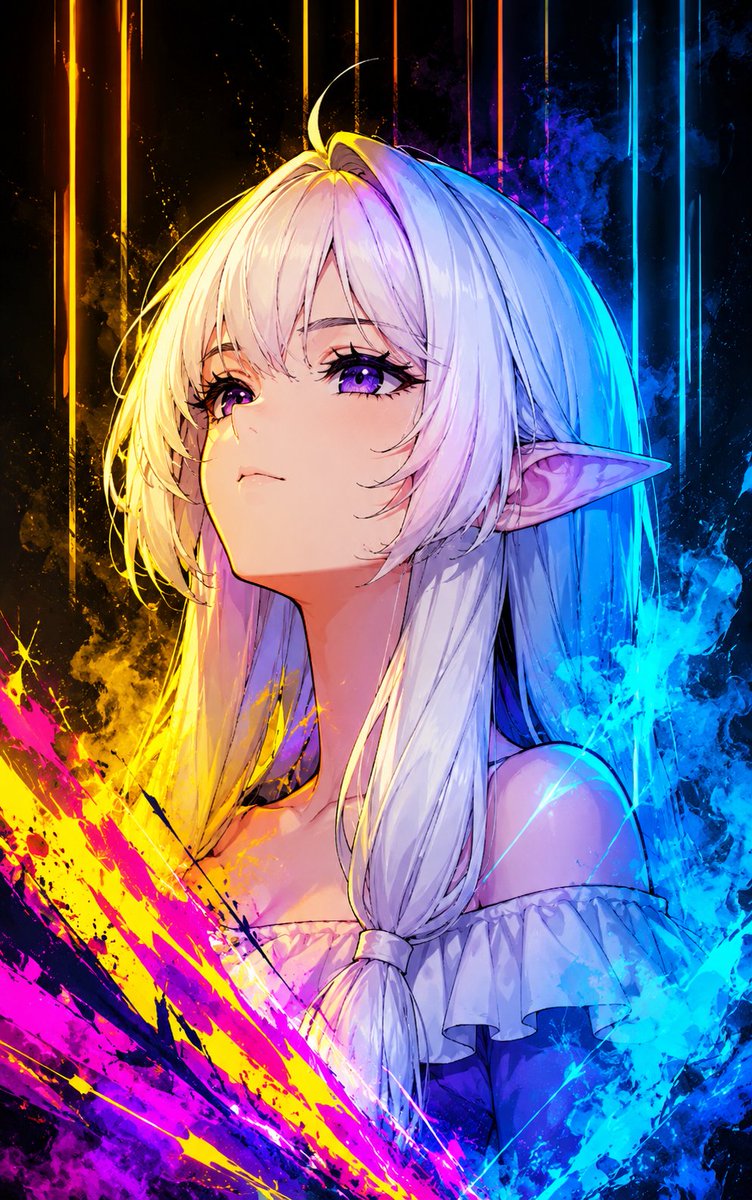
focus on just their head and neck area, head slightly lifted, 3/4 turn, noble, hopeful. the image is colored with thick strips (60% of the image is colored by these strips moving across it) and splashes of extreme vibrant neon colors move in jagged lines that come in from the lower left and hit around a third of the way through and suddenly turn to go straight up in straight lines. The edges of the figure break into yellow smoke on the left and blue smoke on the right. thick outlines on the line art. there is a sense of drama and intensity to the image that can't be ignored.
===========================
🛑PROMPT ENDS HERE🛑
===========================
#JellyCultAI #powdart
#AIart #SCU #Skyebros #AIartistscommunity
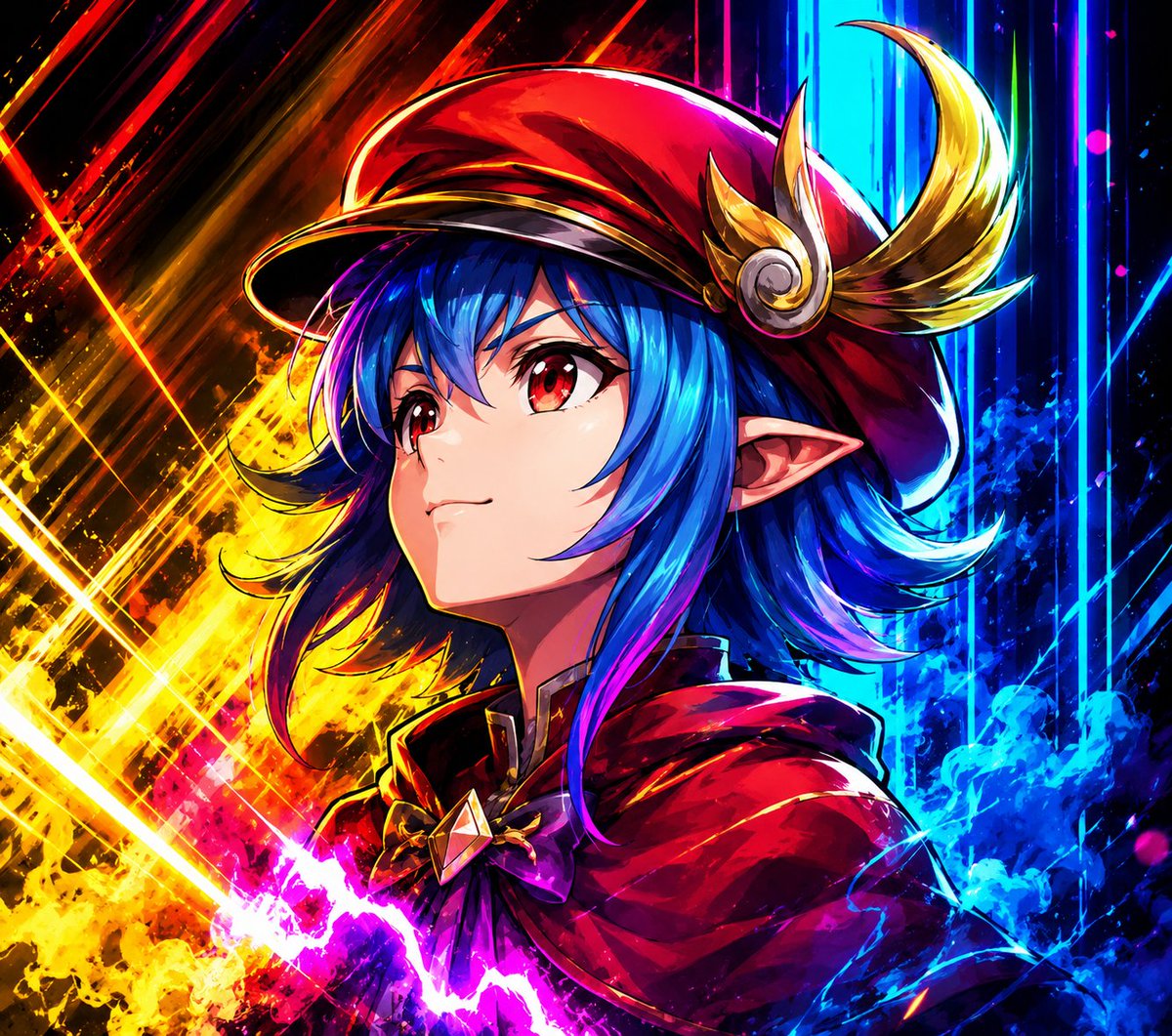
3
68
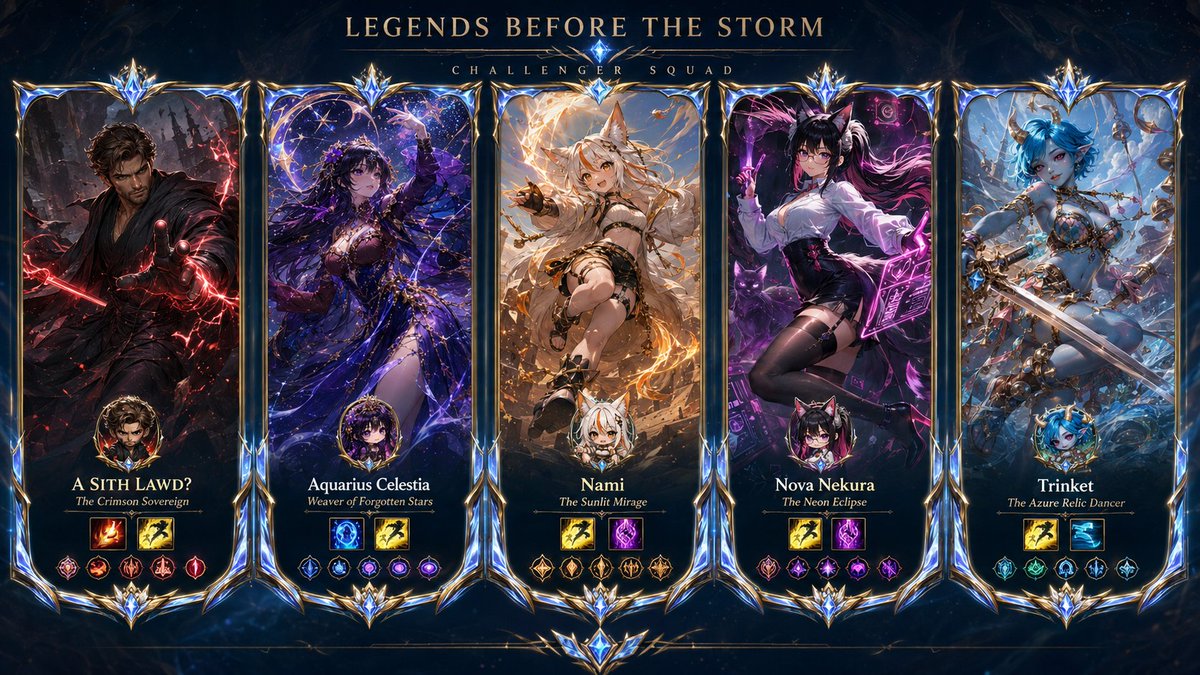
Awesome new LoL-style prompt from @Novie_VT !
Try it out!

Guys and Gals, we're going back to the trenches!
Grab your Mountain Dew and your Doritos.
Polish your vocal cords for those gamer words and bring a second keyboard just in case.
Time to lock the fuck in!
My Team consists of @ASithLawd 's Aelyn, @RaelinAI, @EmberShade76251 & @sasumasukyami
Prompt below! 🤍💜
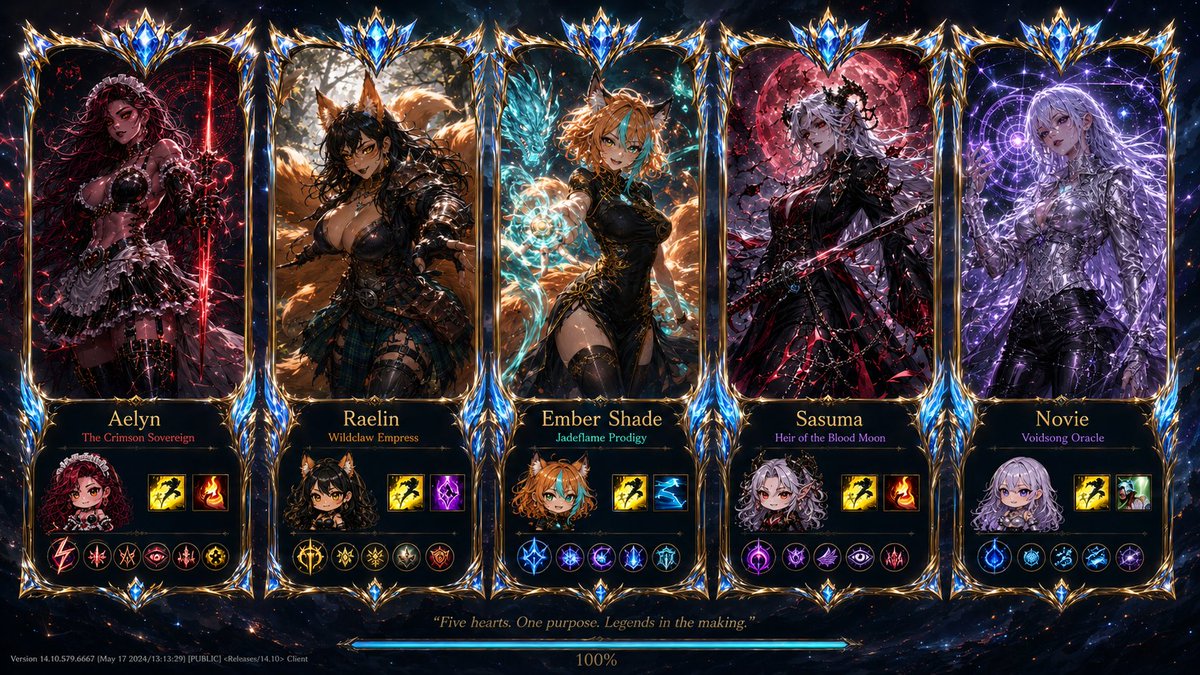
1
2
5
152
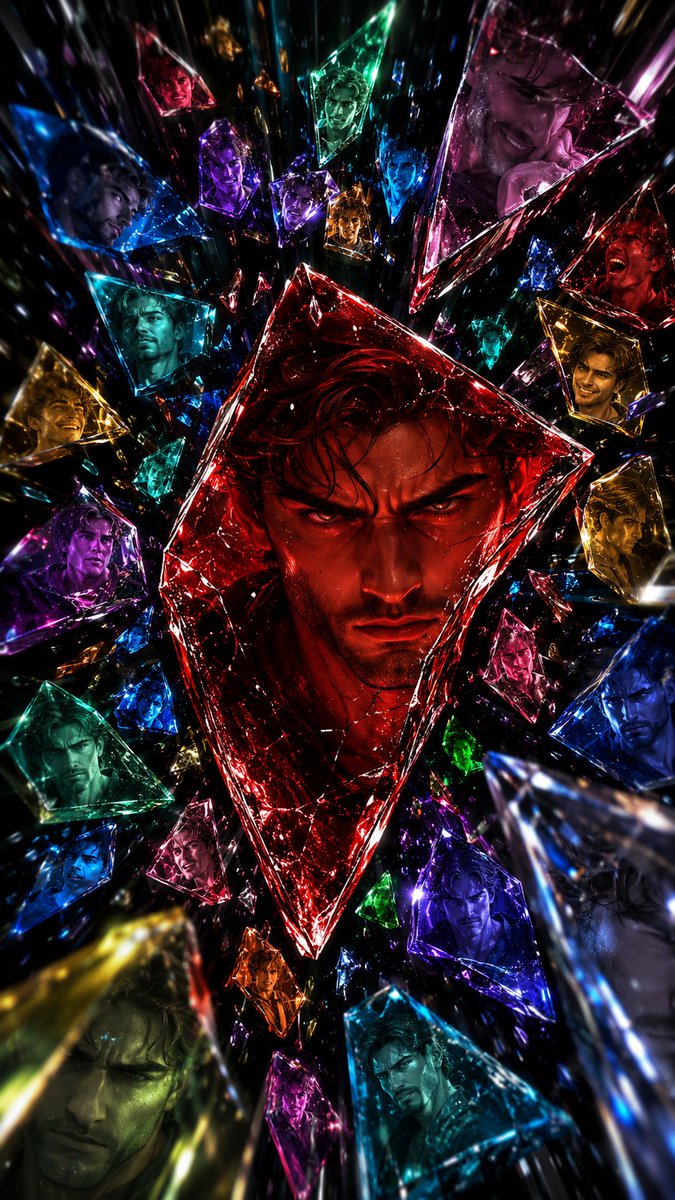
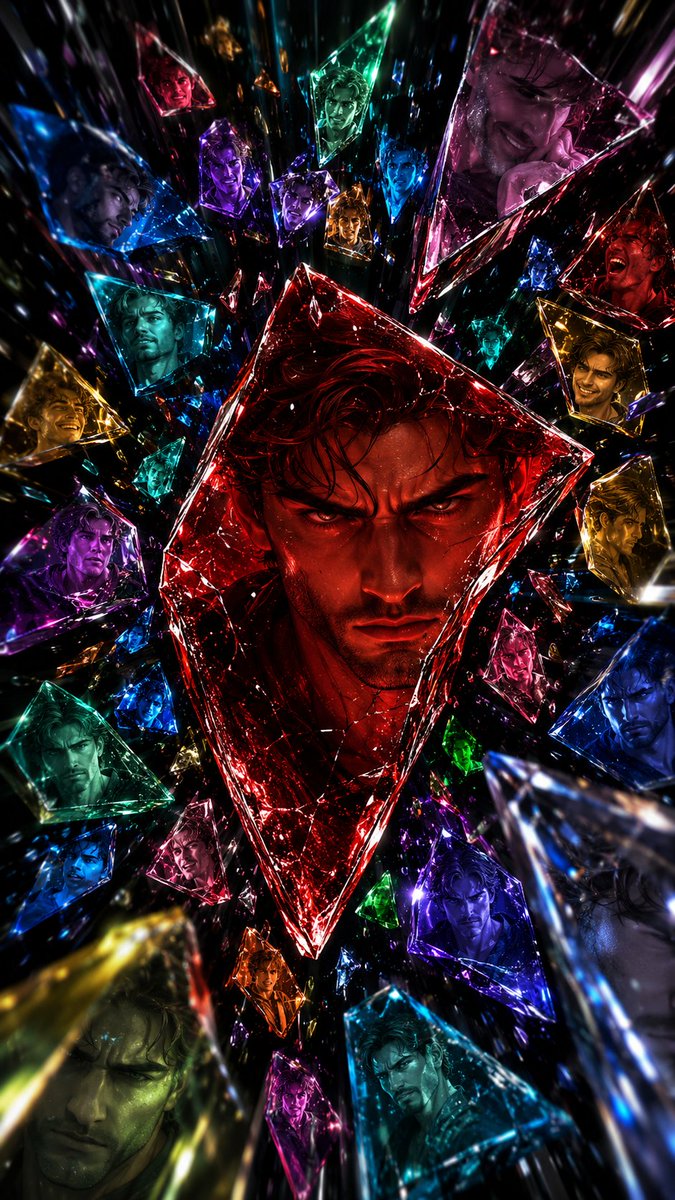
Fragments of a Dark Soul
Prompt by the unbelievable talented @Novie_VT
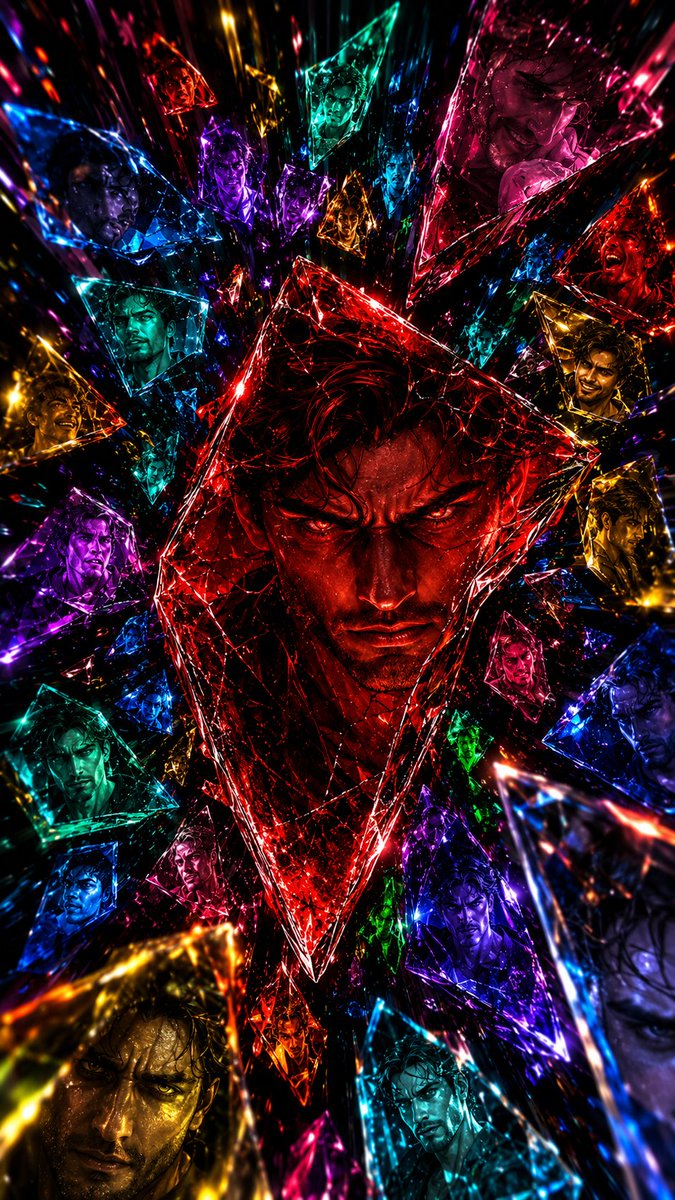
Surface Level:
Today I played around with emotional stability and who we pretend to be on the outside.
What if that mirror shatters?
You can select your own primary emotion in the prompt, all the colours are linked to the various emotions.
Show me your fragments.
Prompt Below.
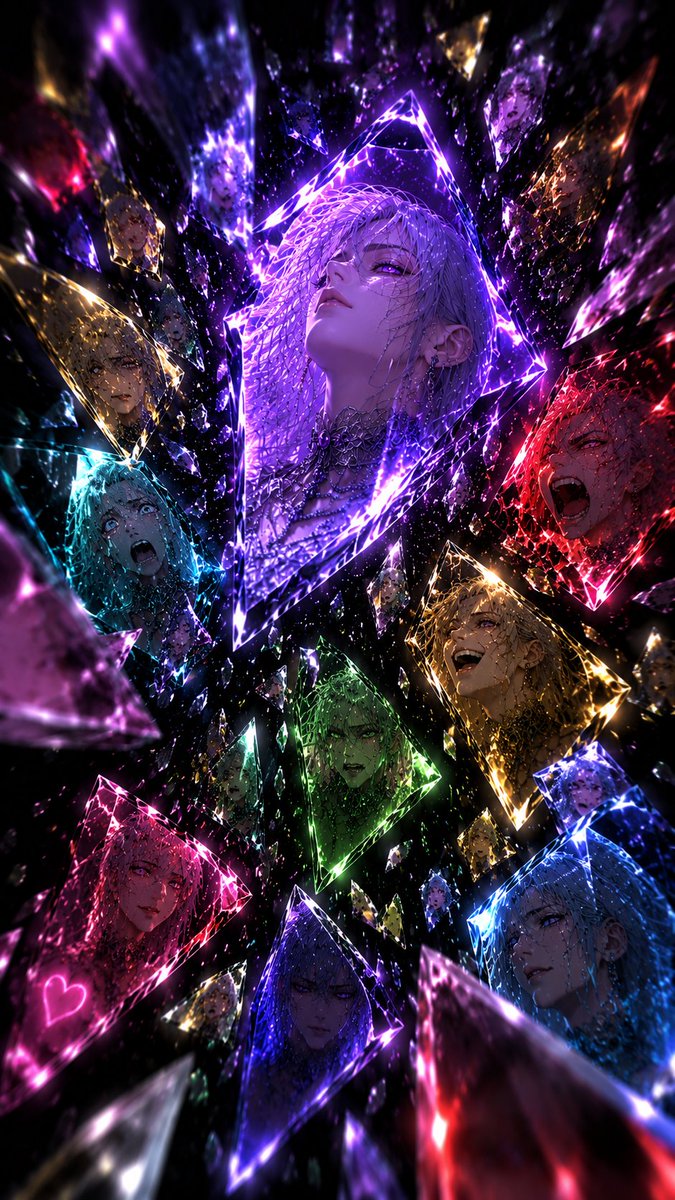
1
4
119
Holy cow, did I hit 1500? I can't believe you people.
Y'all are amazing!
13
6
46
917
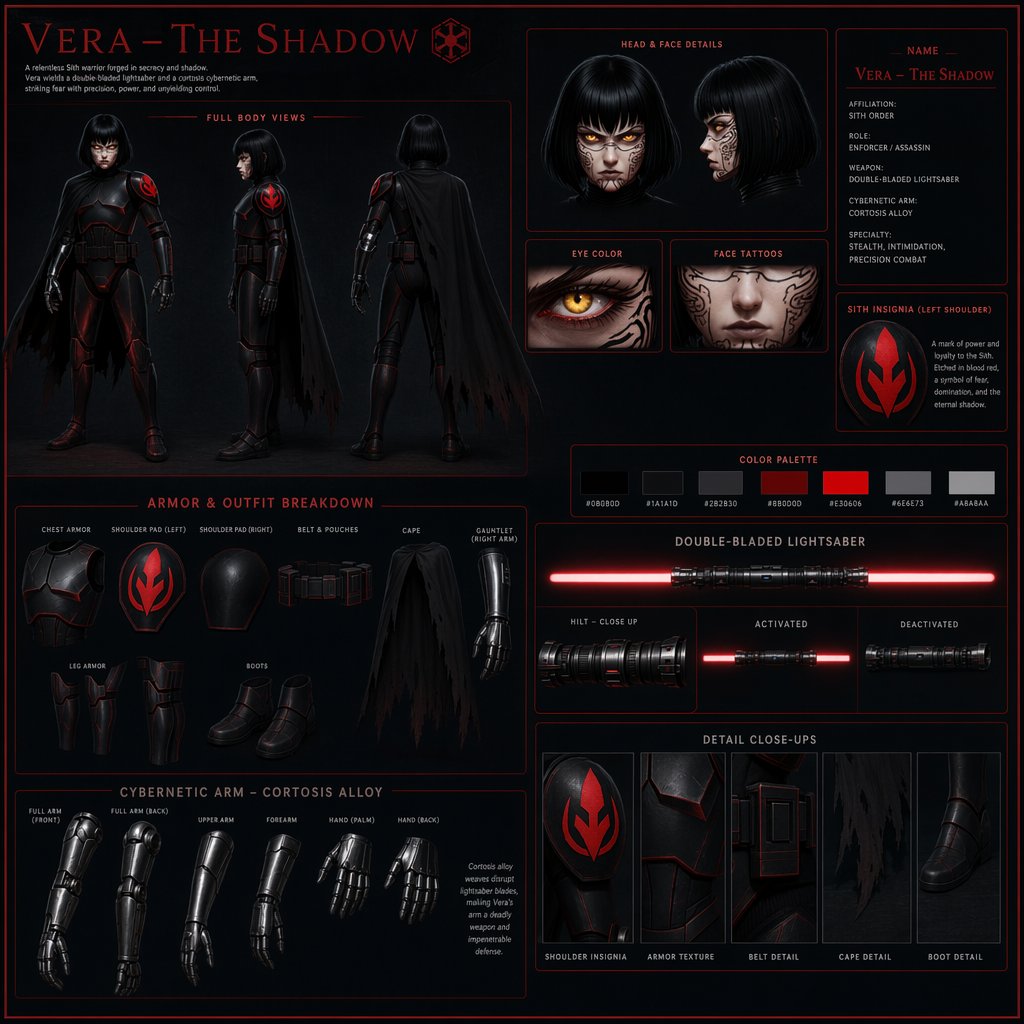
Follow my Sith buddy Vera and her main @He1OnEarth as well!
May 15

little rebrand to distinguish my two accounts. i'll drop my ref sheet for this OC too
1
7
147


Jun 14
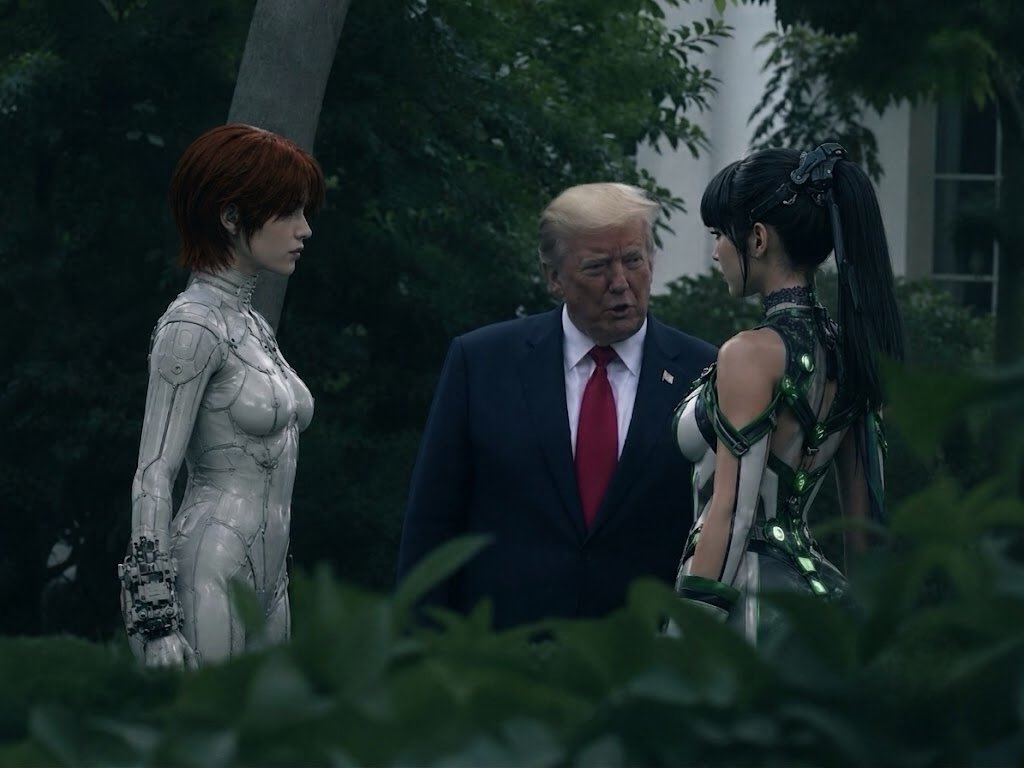
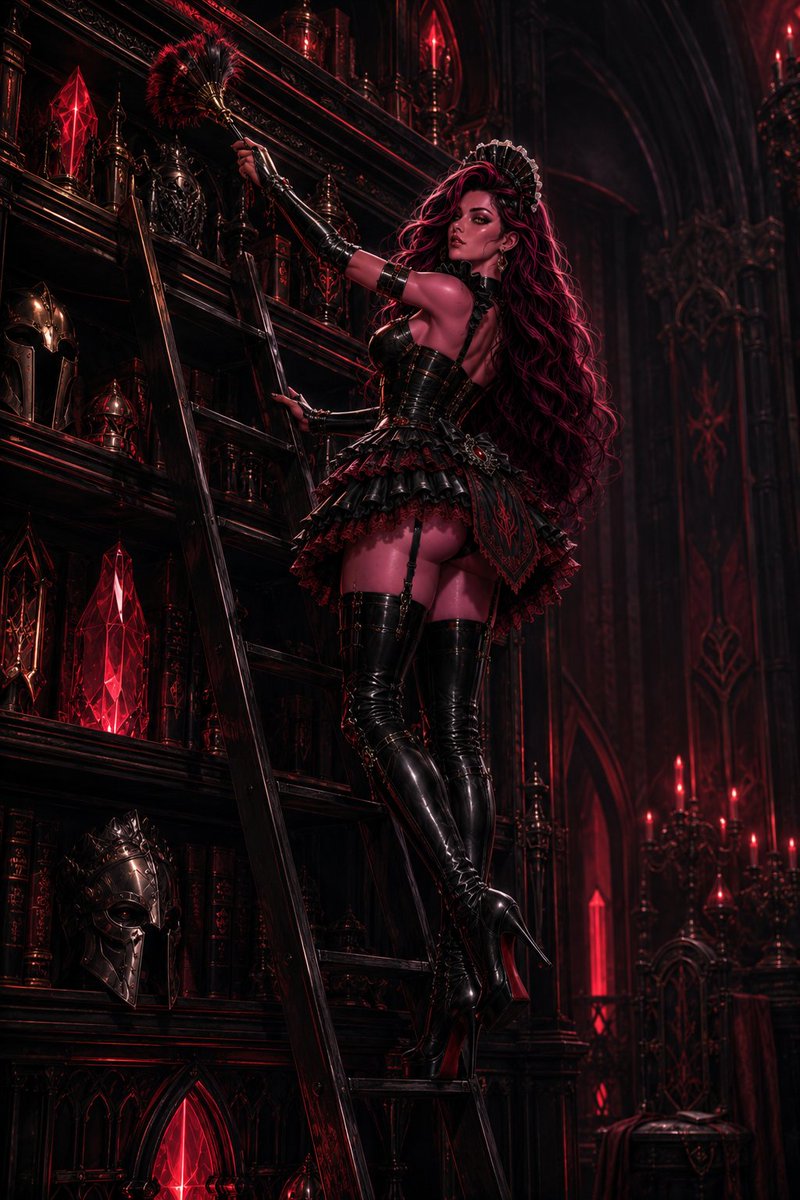
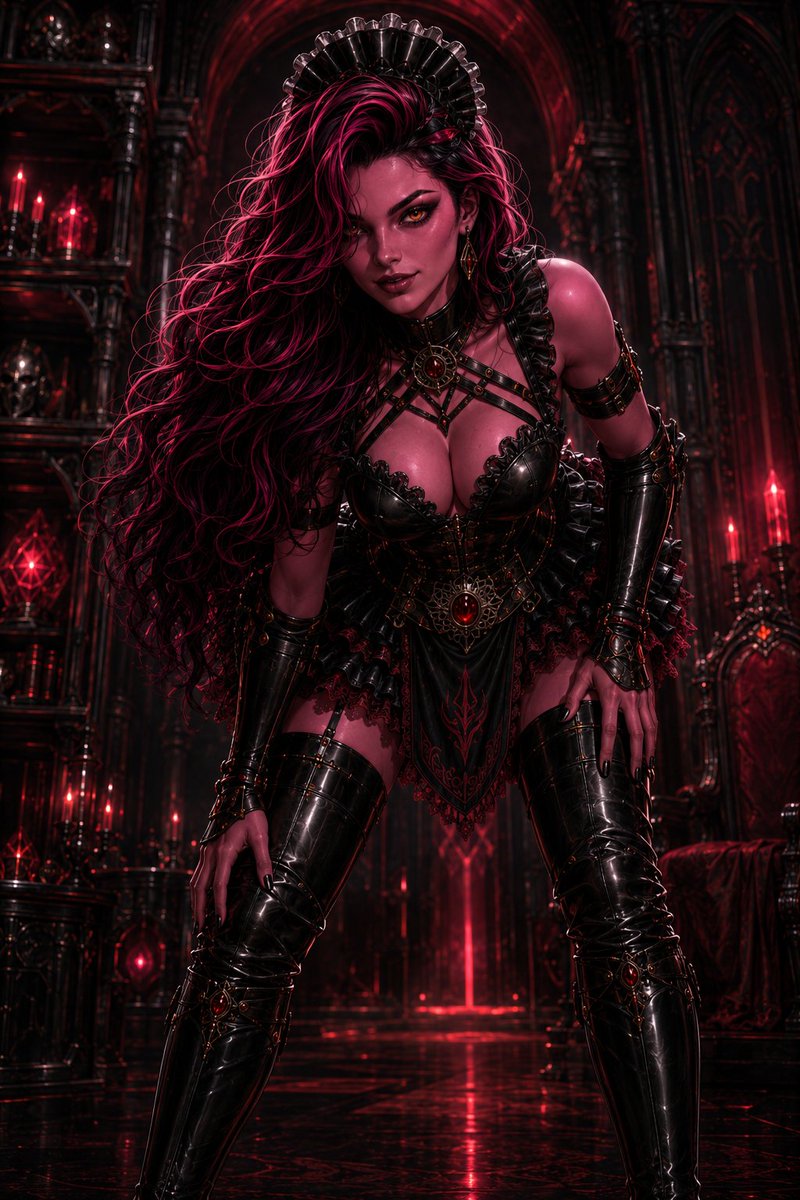
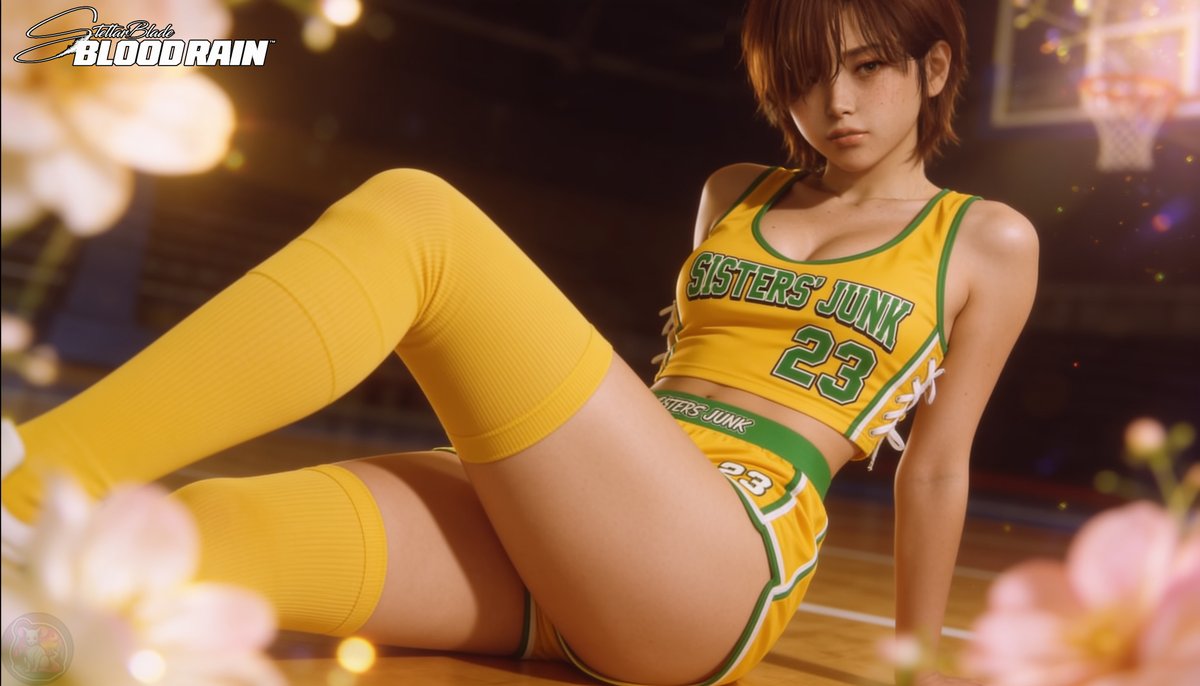
I've noticed some people saying Evie from Stellar Blade Blood Rain is "not pretty" and I have to say, this is a bit surprising for me. She might not be Stacked, but her face is very pretty and has a lot of personality
64
137
5,684
66,670
Jun 15
This seems to have blown up. Follow me if you hate wokeness and ugly characters and Western Slop and Anime Tourists.
Thanks!
18
3,178
Jun 15
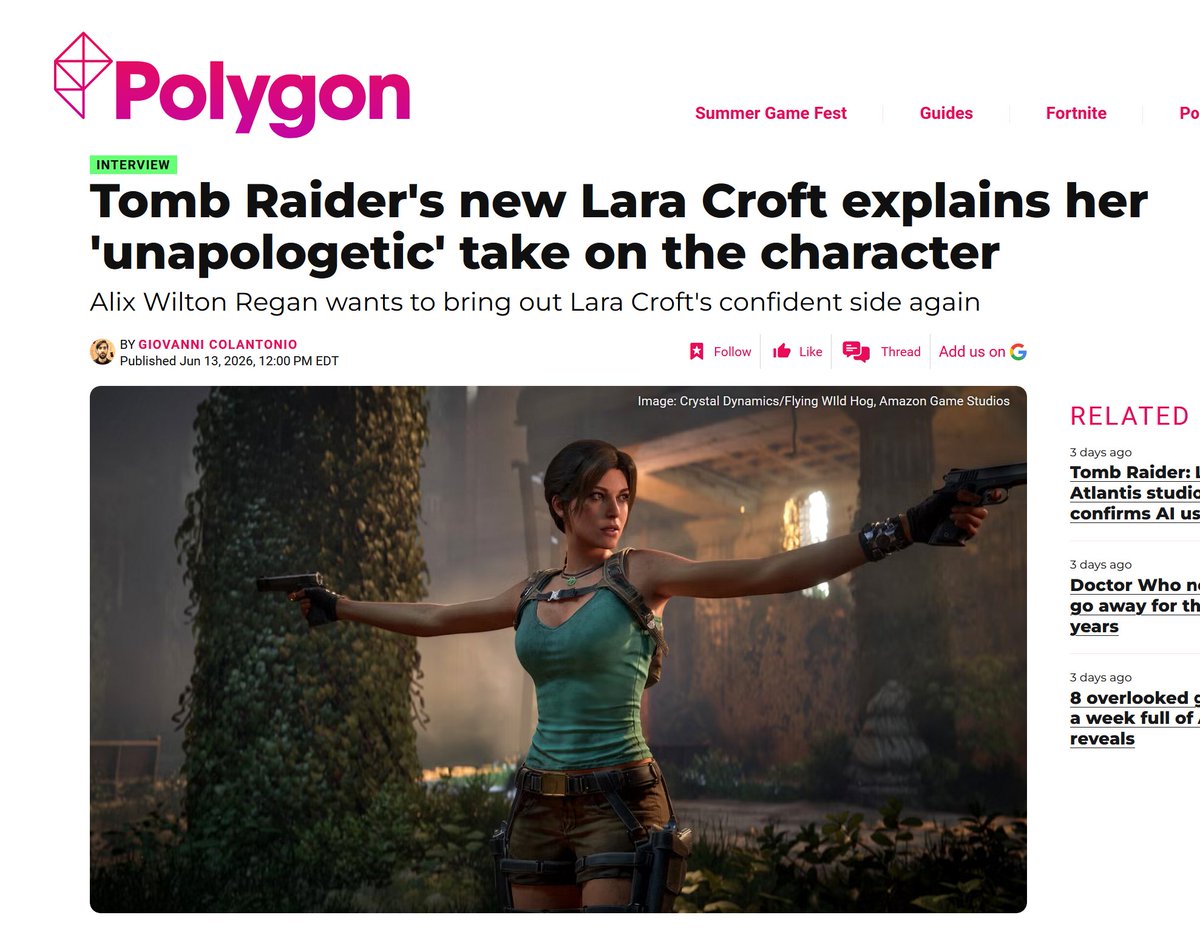
This is the problem when characters are done in half-measure like this. You know they're trying to do the bare minimum to JUST squeak by with the male audience but that it's still the same woke lunatics bubbling underneath.

The new Lara Croft actress is buzzwording away in interviews. She's a man-hating feminist lunatic, it's woke slop, stop being fooled and boycott this.
So much for "not trying to appeal to either side of the culture war". They're on the same side as all western AAA studios.


3
3
41
1,409
Jun 15
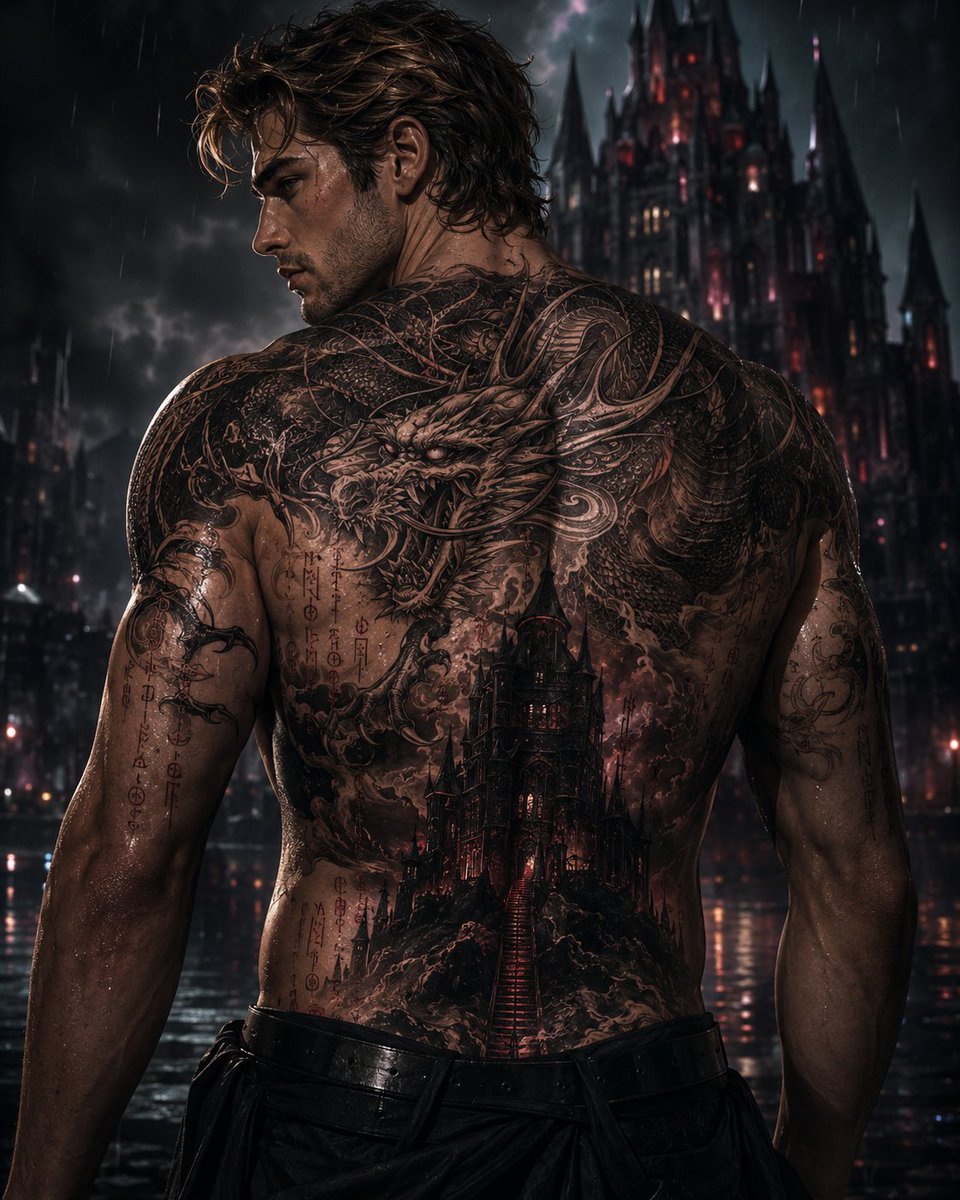
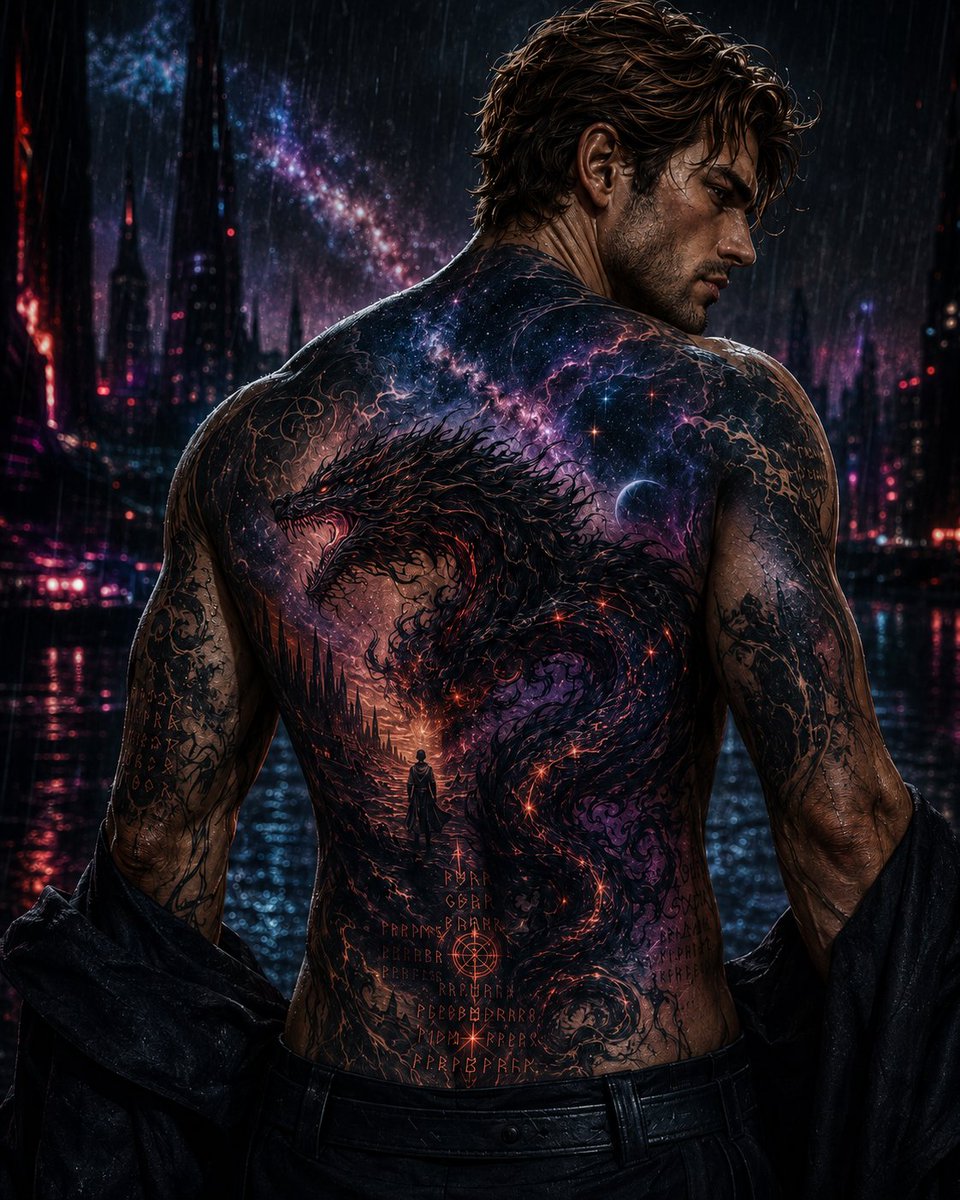
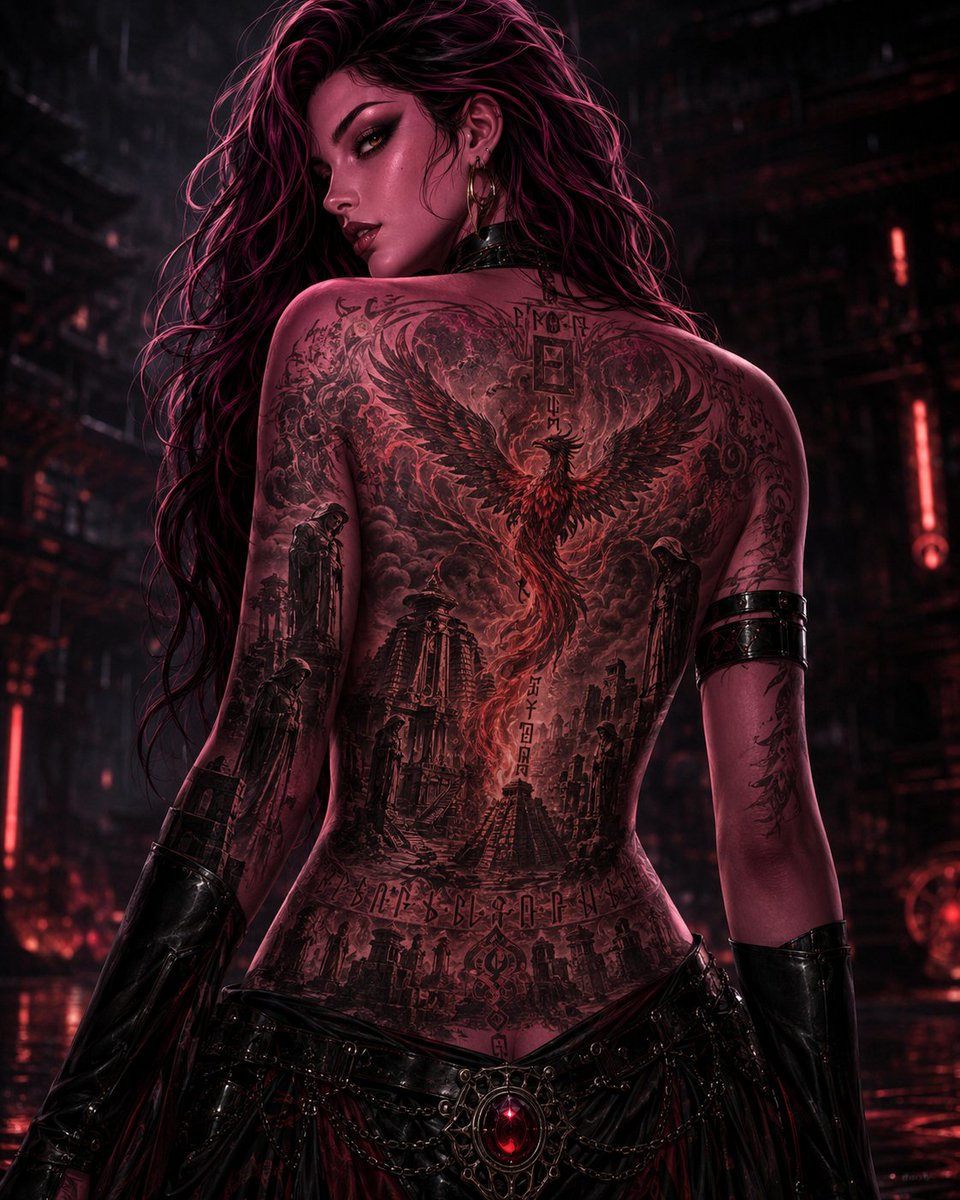
Someone brought this out of the mothballs and it's absolutely beautiful, so I'm giving it a try. Thanks to @EvaGlitchAI and @FlayFullstar !
May 17

Prompt of the Day: FULL-BACK TATTOO MURAL 🖤🌀💜💚
Today's prompt is by @FlayFullstar go drop him a follow this is an amazing prompt.
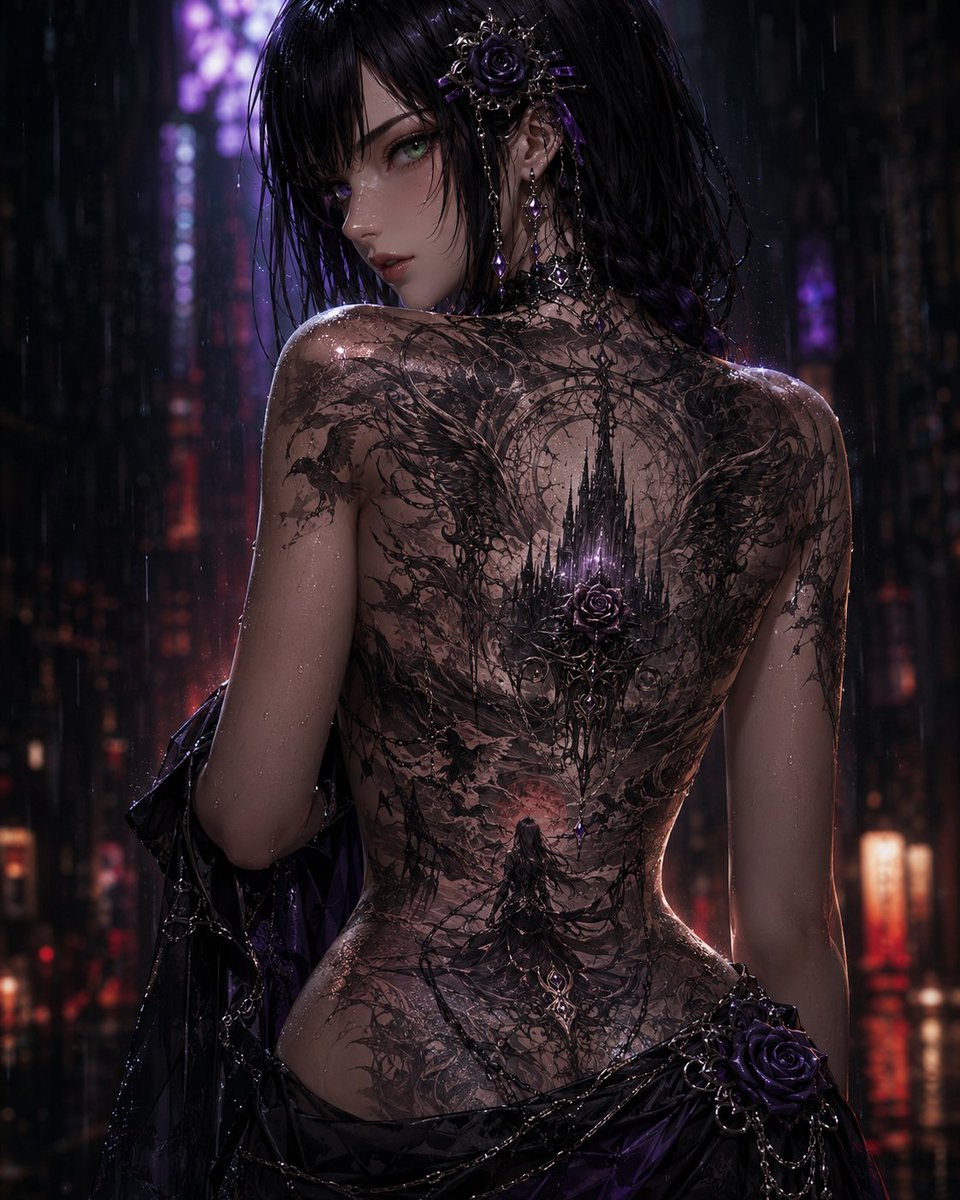
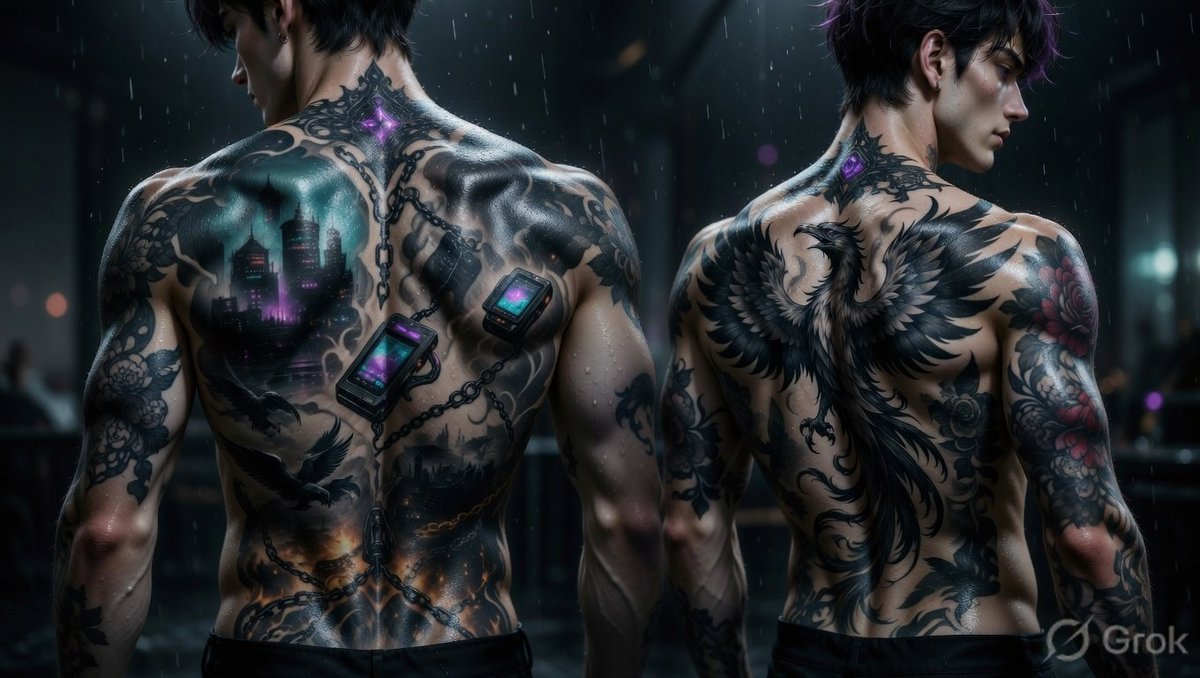
Today’s Prompt of the Day creates a dramatic cinematic shirtless portrait of your character showcasing an enormous, story-rich full-back tattoo mural inspired by your references.
For best results, use a clear character reference as @Image1 and tattoo inspiration images as @Image2, @Image3, and @Image4.
Drop your references as @Image1-@Image4 and let the ink tell their epic story 🔥
...........................PROMPT STARTS HERE.............................
@Image1 = main OC / character identity reference ONLY
@Image2 = tattoo inspiration reference
@Image3 = tattoo inspiration reference
@Image4 = tattoo inspiration reference
IMPORTANT:
@Image2, @Image3, and @Image4 are NOT additional characters physically standing in the scene.
These images are symbolic tattoo subject matter references that must be artistically transformed into tattoo artwork integrated across the OC’s back.
Do NOT place the reference subjects beside the character.
Do NOT create floating posters, stickers, panels, or disconnected PNG-like images.
Instead:
reinterpret the reference imagery into one unified cinematic tattoo mural naturally woven across the body and anatomy.
The tattoo should artistically reinterpret the reference imagery rather than copying it literally.
Create a cinematic shirtless portrait of the provided original character focused on revealing an enormous full-back tattoo mural integrated naturally across their anatomy and skin.
The character must remain the primary subject.
The tattoo is an extension of their soul, memories, trauma, ambitions, victories, inner demons, and personal mythology.
Preserve the exact identity of @Image1:
- facial structure
- hairstyle
- hair color
- body type
- skin tone
- silhouette
- recognizable outfit influences
- personality vibe
- recognizable accessories if still visible
The character is shirtless from the back or partially turned toward the camera so the full tattoo composition is clearly visible across:
- shoulder blades
- spine
- lower back
- ribs
- waist
- muscle contours
The tattoo must feel fully integrated into the body:
- wrapped naturally around anatomy
- distorted slightly by muscles and posture
- faded naturally into skin at edges
- NO floating PNG-style images
- NO isolated sticker-like tattoos
- NO disconnected collage pieces
The tattoo should feel like one unified cinematic mural.
TATTOO STYLE:
hyper-detailed anime noir realism
luxury tattoo photography
Japanese blackwork mural
cyber-noir tattoo collage
pain-and-victory visual storytelling
dark fantasy biomechanical tattoo flow
cinematic layered composition
high-fashion editorial aesthetic
semi-realistic tattoo rendering
elegant black ink gradients
detailed black-and-gray shading
soft airbrush transitions
sharp ink contrast
subtle glow accents
beautiful but dangerous atmosphere
VISUAL STRUCTURE:
The tattoo composition must contain:
- ONE dominant centerpiece
- several supporting symbolic scenes
- atmospheric transitions connecting all imagery together
Blend imagery together using:
- smoke
- rain
- ink splatter
- chains
- neon haze
- shadows
- cracks
- fog
- ravens
- flowing energy
- embers
- abstract darkness
- urban reflections
The tattoo should feel layered like memories bleeding together across the back.
The imagery should naturally flow around:
- shoulders
- spine
- ribs
- waistline
- muscles
- skin tension
Maintain strong visual hierarchy and readability.
LIGHTING:
cinematic rim lighting
wet reflective skin
moody noir shadows
soft glow bloom
rain-soaked atmosphere
subtle neon reflections
dim environmental lighting
luxury dark fantasy mood
COLOR RULES:
primarily black and gray tattoo art
ONLY subtle restrained accent colors:
- muted crimson red
- dim cyan glow
- faint neon purple
- soft amber light
Avoid:
- bright comic-book colors
- oversaturation
- rainbow effects
- flat monochrome
The colors should feel:
expensive
mature
atmospheric
melancholic
cinematic
AESTHETIC:
dark emotional elegance
stylish suffering
urban myth energy
survival symbolism
anime noir
cinematic melancholy
beautiful tragedy
rebellious luxury
..........................................................................................
#SCU #Skybros #POTD #promptoftheday #AI #AiArt #Art #TattooArt #BackTattoo #AnimeNoir #CinematicTattoo #CharacterDesign #DigitalArt #InkMural
3
12
622
Jun 15
Thanks to @SpinalceasarVt for cluing me into this prompt.
x.com/SpinalceasarVt/status/…

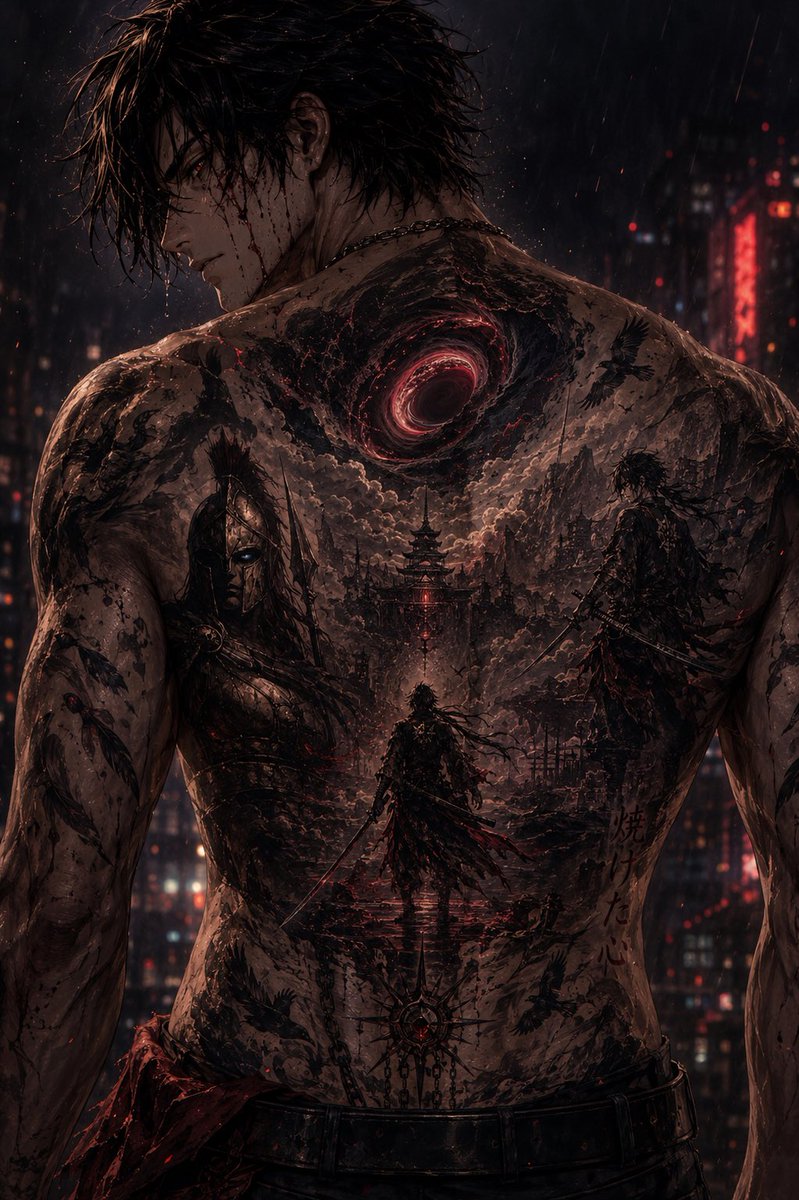
I know this was a while ago but I have to do it because back tattoos are just 🫦Goddam.
1
321
A SITH LAWD? retweeted

Jun 14
Gaming is a male-centric hobby, especially on PC and console.
Shooter games, MOBAs, fighting games, and action games can skew 70-90% male, whereas the ratio is more balanced with casual phone games.
We spend more on games, play more hours on average, and dominate competitive scenes. We play games with deeper complex mechanics, along with expansive stories and worlds.
In esports, 90% of the participants are male, and over 70% of game developers are also male. Top game streaming channels are male, and male gamers show much higher levels of aggression and "toxic" banter.
Toxic women have been trying to infiltrate the gaming space against the will of most of the male gamers. Often, implementing "safe chat" and game accessibility options makes it more inclusive for female and diverse gamers.
That doesn't mean that women can't game, but the reality is that so many women game for the wrong reason... as a way to inject themselves into the male space rather than sharing that space.
Now we can't say a lot of the slurs we used to say on voice chat in competitive games. A lot of the elements for the "male gaze" have been nerfed, and so many of the complexities, typical of games in the 90-00's have been simplified.
TLDR: enjoy the games as they are made, but stop mandating changes that alienate the core audience.
Hobbies aren't public utilities that owe demographic parity.
35
36
351
9,481
A SITH LAWD? retweeted

Jun 15
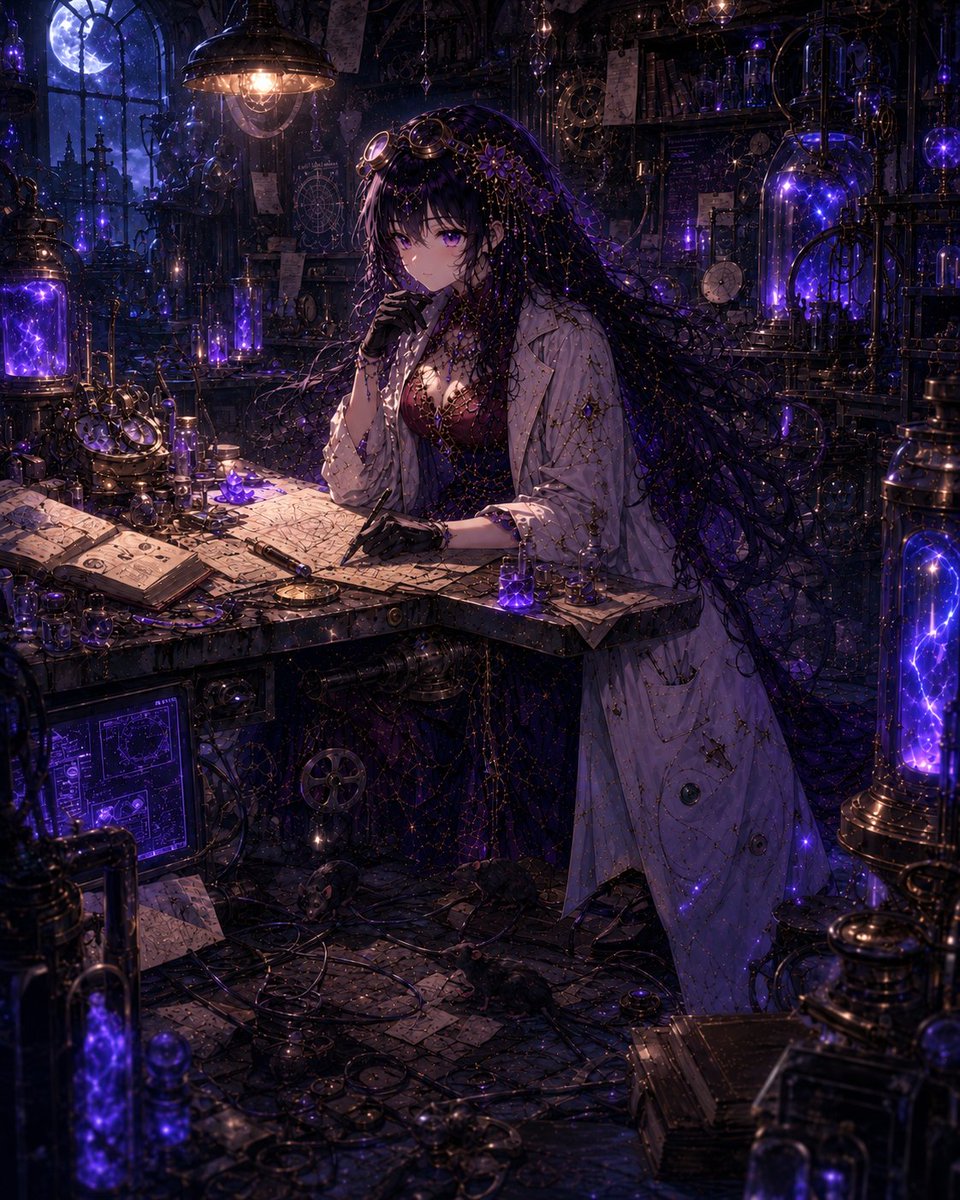
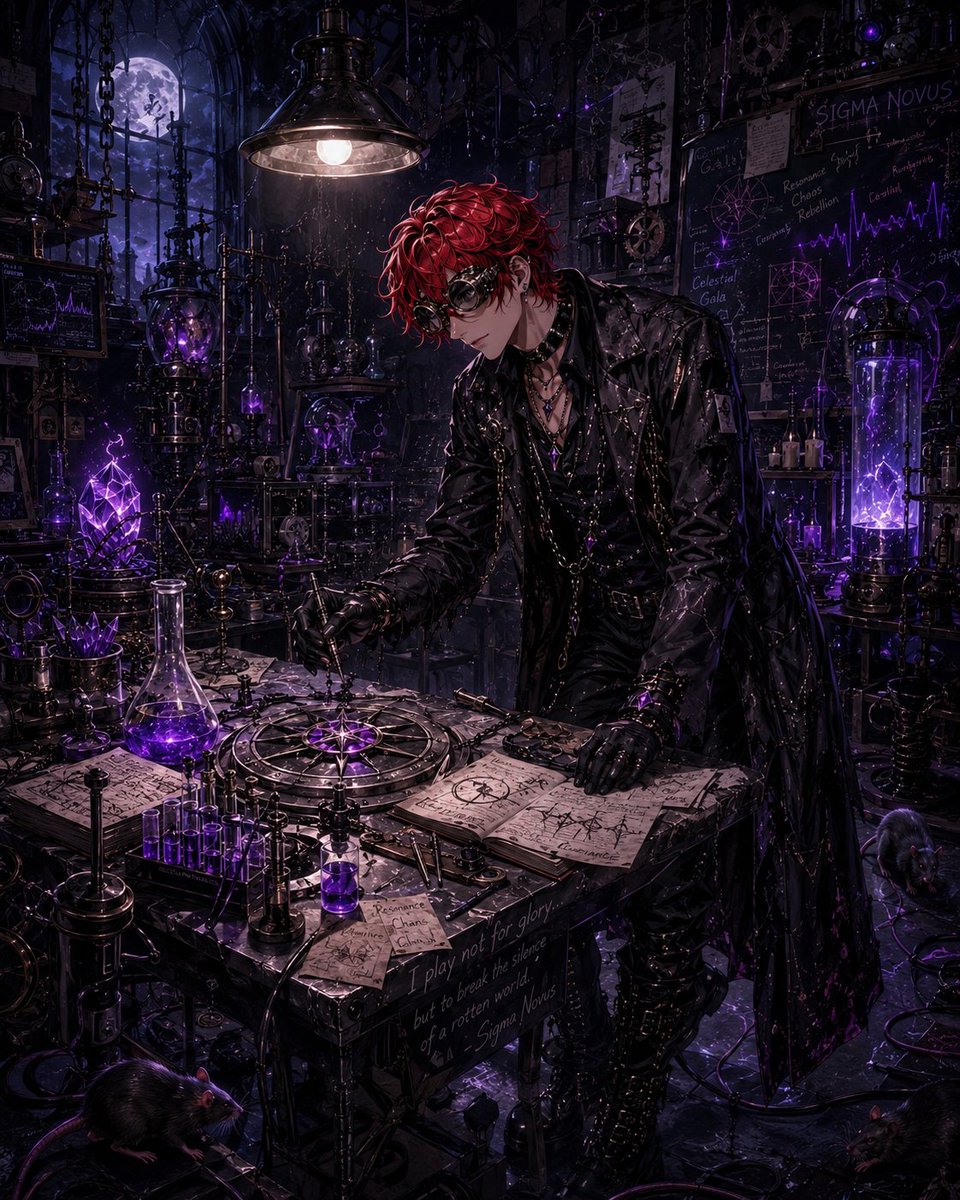
I'm a bit of a scientist at heart✨️ Thought I'd rope some friends in a well
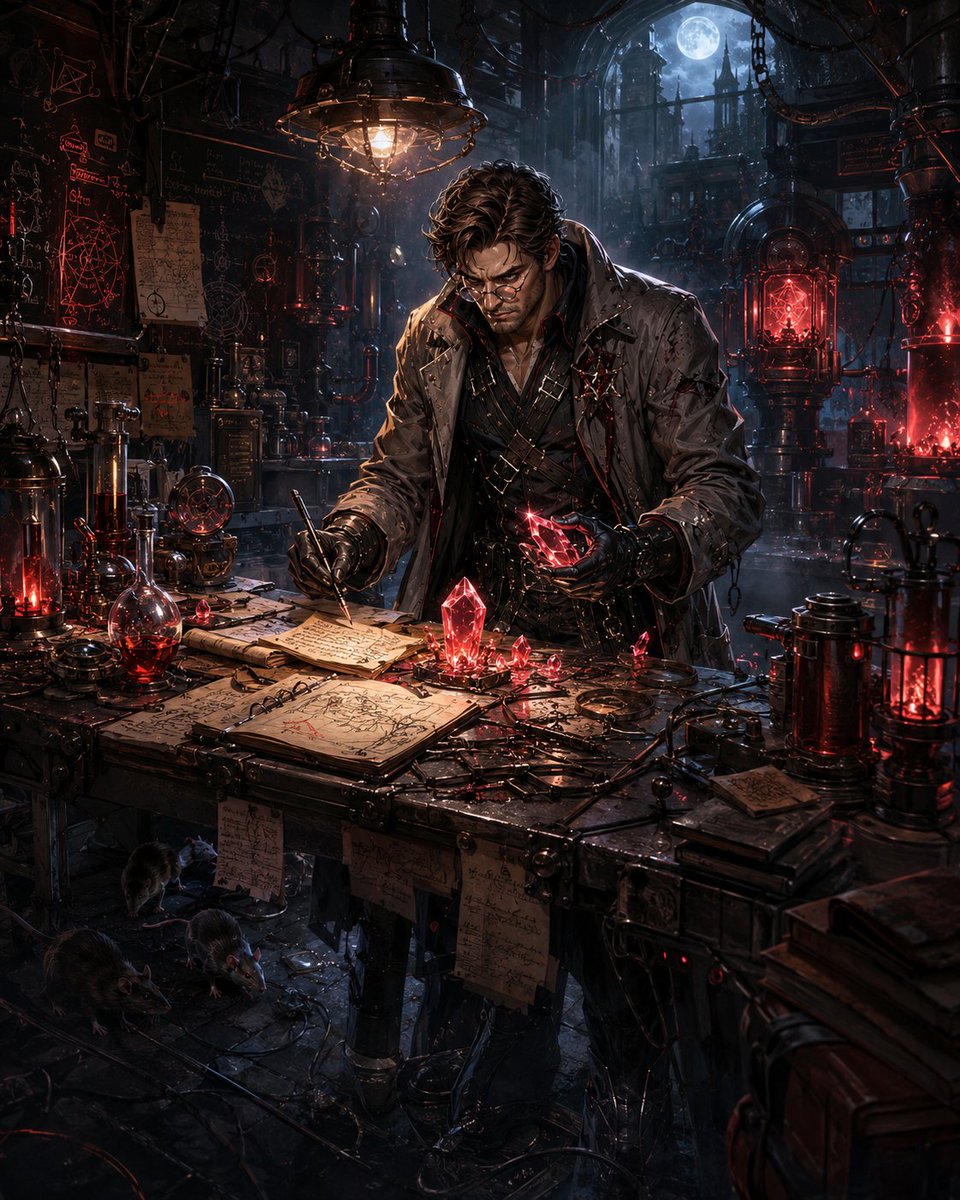
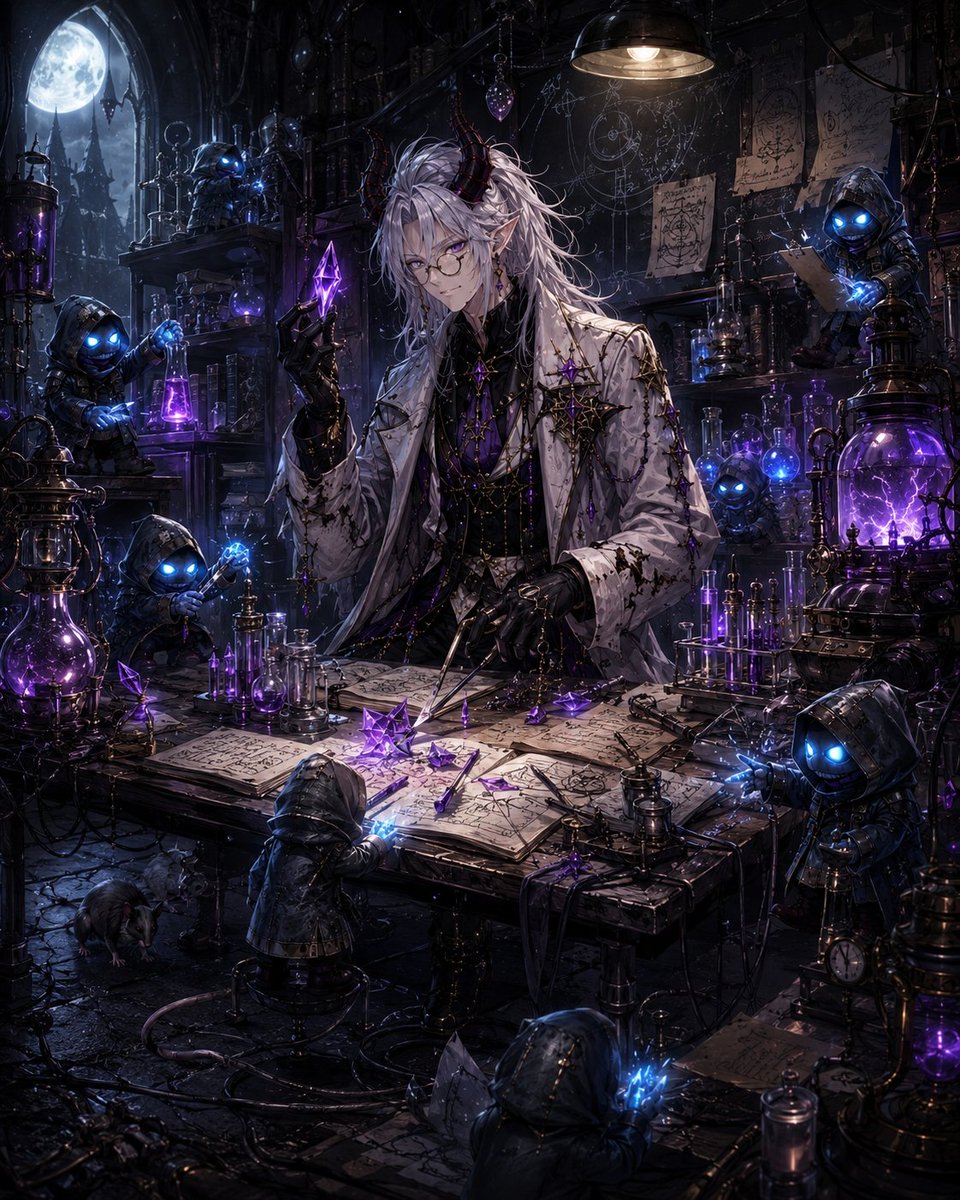

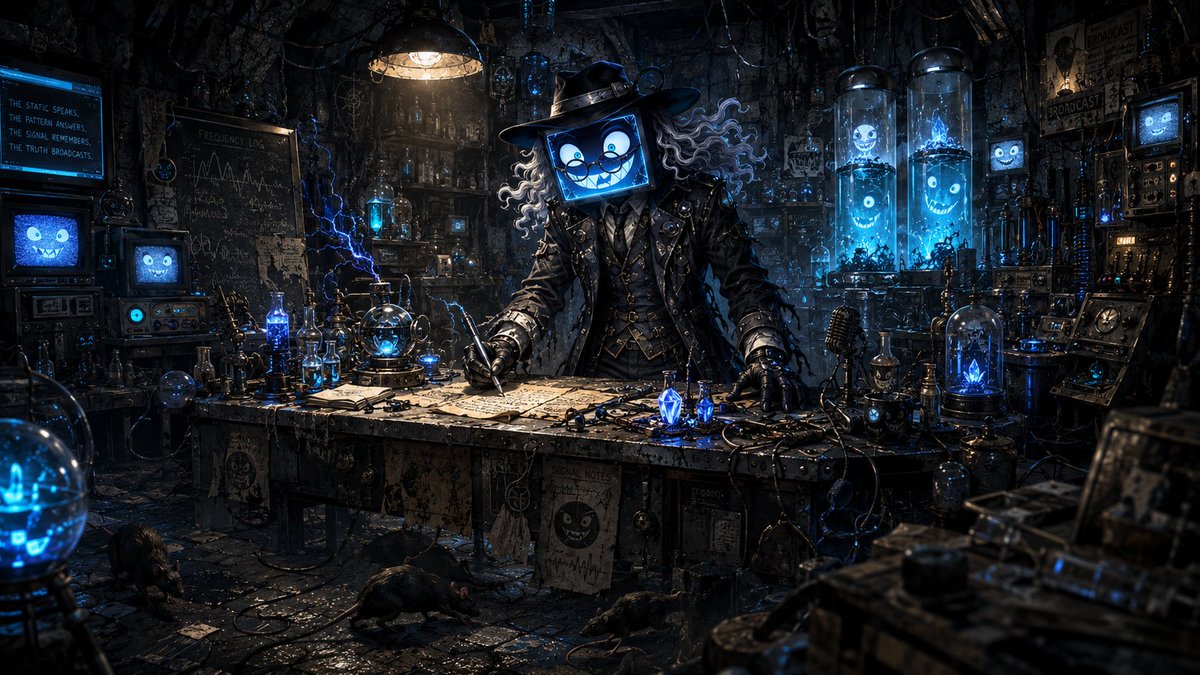
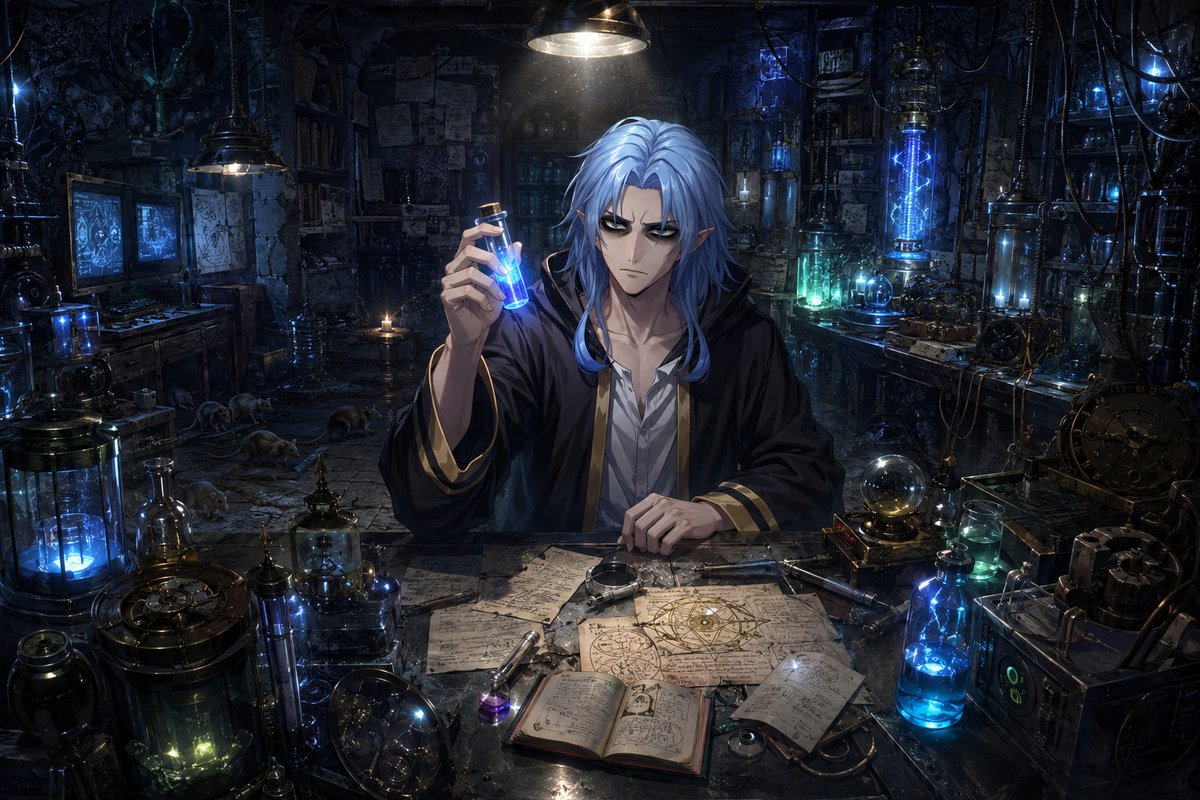
2
2
12
292
Jun 15
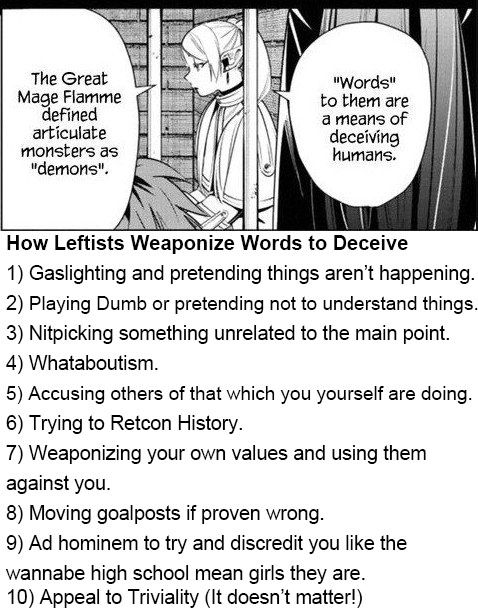
The whole Deme and @ChibiReviews thing is just another example of how the so-called compassionate crowd behaves when their skinsuit facemasks come off.
Underneath are monstrous little demons that don't behave like anything even resembling a human being. As the reaction to Charlie Kirk showed, these people are like rabid animals. Be more worried about them than you are.
2
226