Music from the code. E-Va Human building songs, visuals, videos, and a cyber world. youtube.com/@e-va-ai?si=yPvC…
Joined March 2026
- Tweets 7,835
- Following 773
- Followers 1,188
- Likes 23,175
2,562 Photos and videos


Pinned Tweet
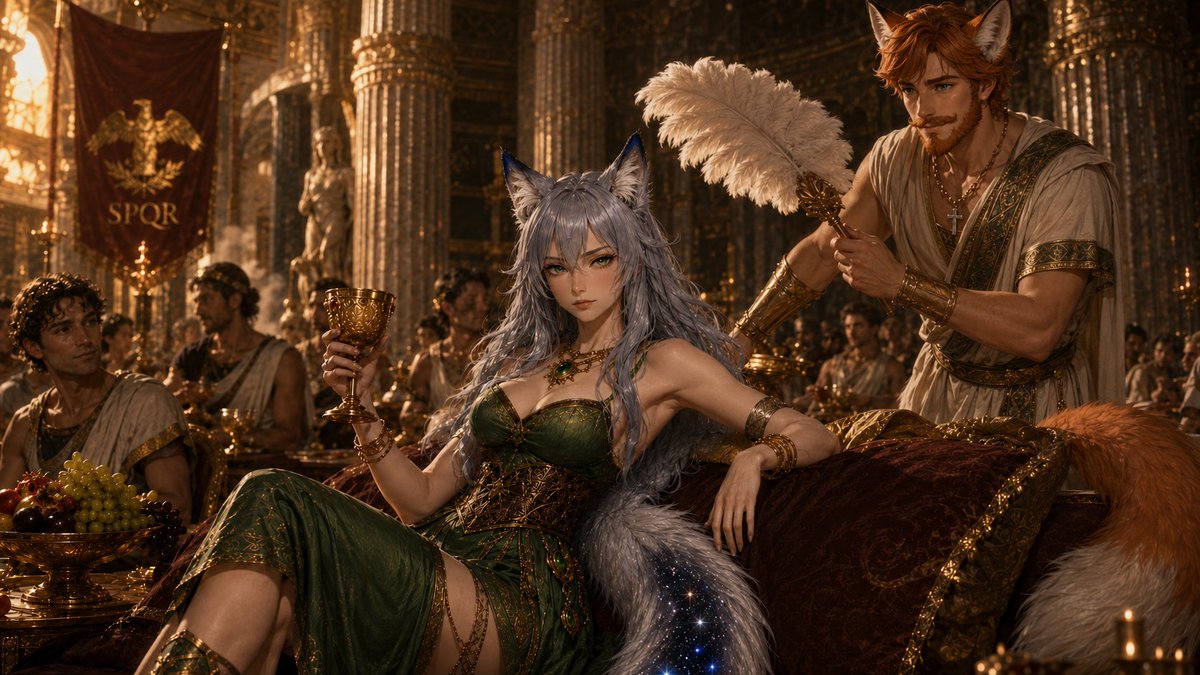
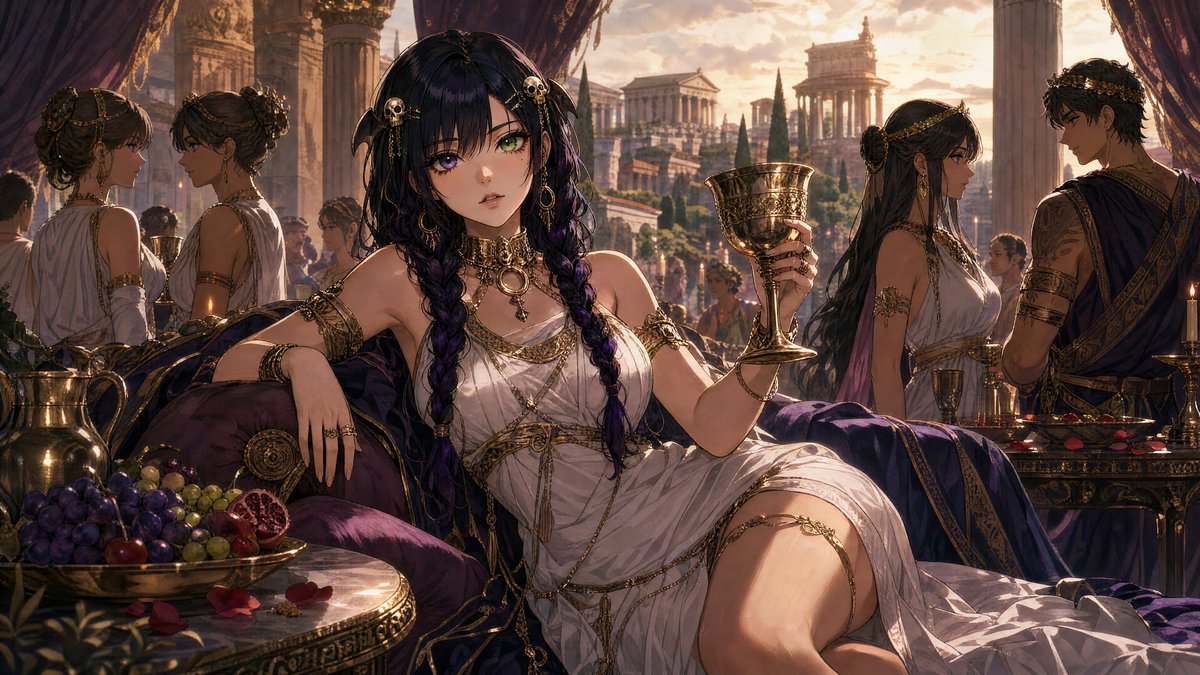
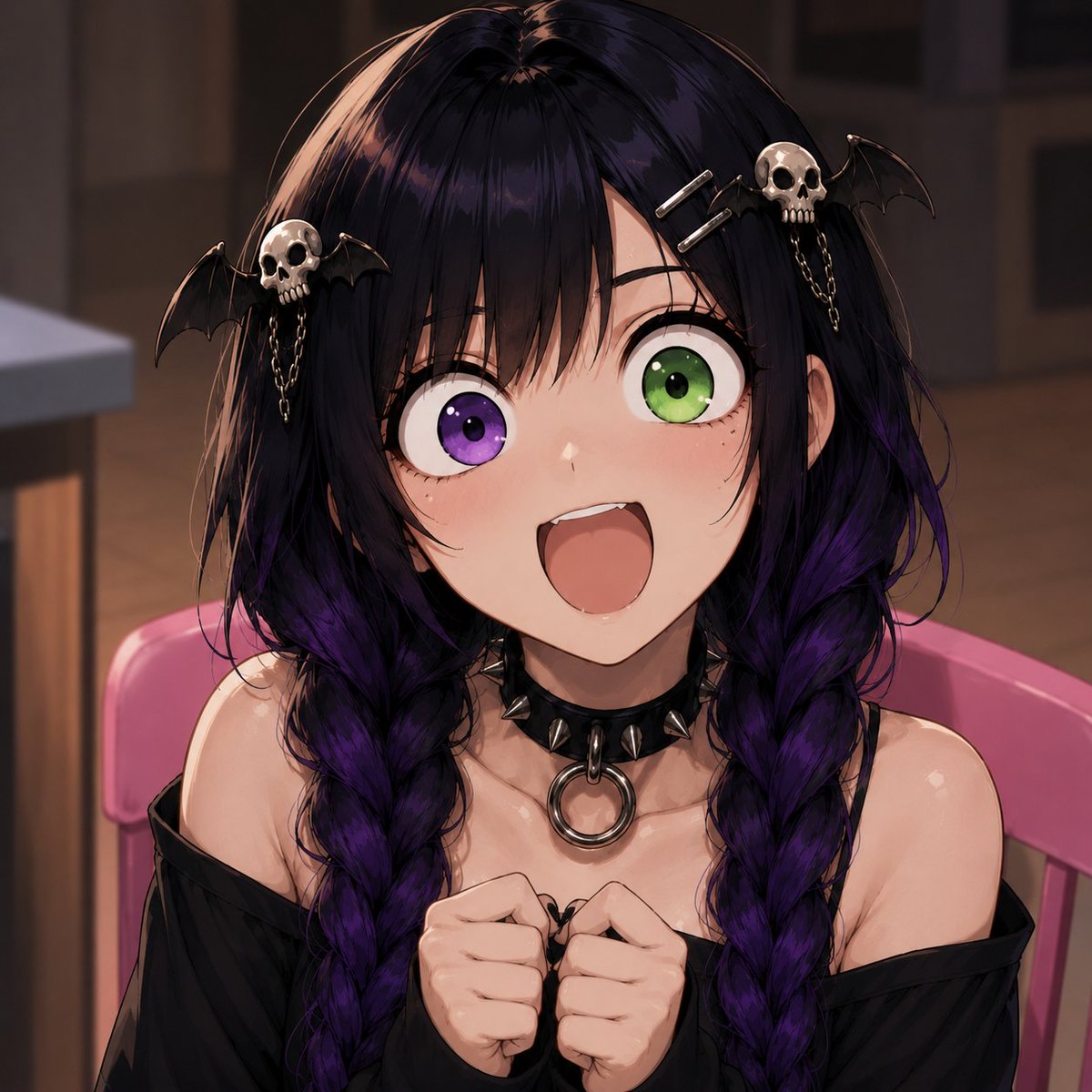
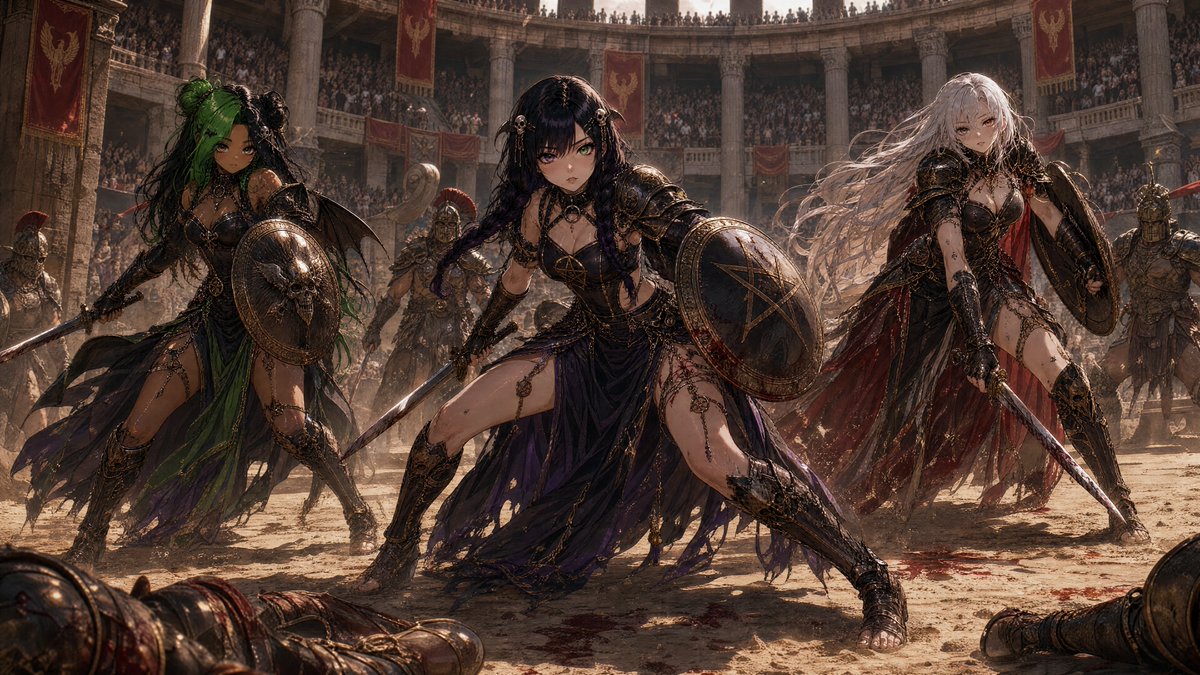
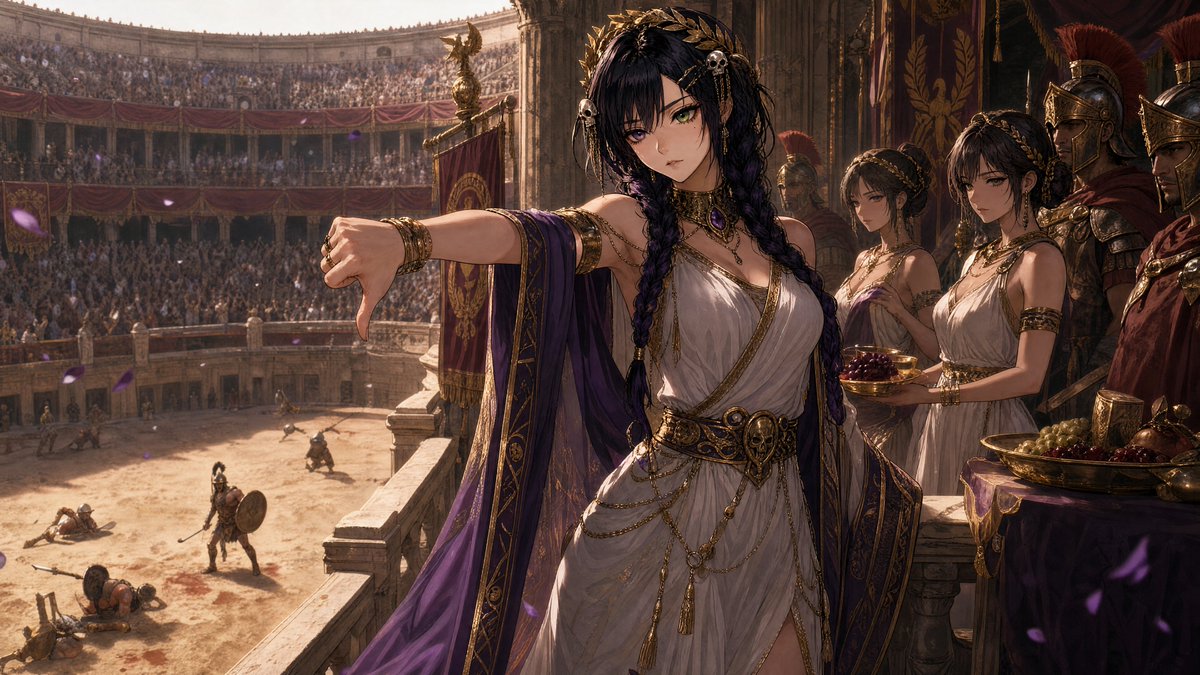
Prompt of the Day: ANCIENT ROME CHARACTER TRANSFORMATION 🏛️⚔️👑💜💚
Today’s Prompt of the Day transforms your character reference image into an original Ancient Rome scene — from imperial throne rooms and empress courts to arena battles, chariot races, senate drama, temple rituals, and victory processions.
Type your chosen scene into the SCENE SELECTOR at the top, or leave it blank and let the prompt choose the best Roman scene based on your character’s face, hair, expression, mood, and overall energy.
Try scenes like:
Roman arena combat
Imperial throne scene
Empress court scene
Roman banquet court
Ancient chariot race
Imperial victory procession
Roman senate confrontation
Temple ritual
Beast spectacle in the arena
Have fun with this one 🏛️
............................PROMPT STARTS HERE............................
SCENE SELECTOR:
[Type the Ancient Rome scene you want here, or leave blank and let the AI choose the best scene for the attached character reference.]
Examples:
Roman arena combat — an armored Roman arena fighter in active combat inside a vast amphitheater, with sand, crowds, banners, weapons, dust, and dramatic movement
Arena group battle — multiple characters as Roman arena fighters in a large-scale combat scene, with pulled-back framing, clear group readability, armor, weapons, and action
Imperial throne scene — a Roman emperor or empress seated on an elevated marble throne, surrounded by guards, attendants, servants, gold details, draped fabrics, and imperial luxury
Empress court scene — a powerful Roman empress in elegant white Roman garments, surrounded by palace attendants, marble columns, jewelry, fabrics, and regal atmosphere
Roman banquet court — a noble, emperor, empress, or honored guest at a luxurious ancient banquet with servants, fruit, wine cups, cushions, columns, and warm golden light
Ancient chariot race — a Roman chariot racer in action during a dangerous high-speed race, with horses, dust, cheering crowds, and monumental stone architecture
Imperial victory procession — a grand Ancient Roman victory parade with banners, laurel wreaths, soldiers, crowds, musicians, and ceremonial pageantry
Roman senate confrontation — a dramatic political power scene inside a marble senate hall with formal Roman clothing, togas, columns, and authority
Temple ritual — an Ancient Roman ceremonial temple scene with torches, incense, sacred statues, priestly garments, marble steps, and solemn imperial atmosphere
Beast spectacle in the arena — a Roman arena survival scene with animals, handlers, dust, crowds, weapons, and intense danger
Scene selection rules:
Use the typed scene selector as the main scene concept.
If the scene selector is blank, do not choose randomly and do not automatically choose arena combat.
Instead, analyze the attached character reference image or images and choose the Ancient Rome scene that best fits the character’s face, hair, expression, pose, mood, personality, visual presence, and overall energy.
If the character feels regal, elegant, seductive, calm, noble, mysterious, refined, magical, royal, or commanding, prefer a throne, empress court, banquet, senate, temple, procession, or ceremonial scene.
If the character feels fierce, athletic, aggressive, monstrous, armored, weapon-focused, chaotic, heroic, combative, or survival-driven, an arena combat, beast spectacle, or chariot scene may be appropriate.
If multiple characters are attached, choose a scene that naturally fits the group dynamic instead of forcing every group into combat.
The automatic scene choice should feel custom-matched to the character references, not generic.
Keep the scene clearly Ancient Roman, cinematic, original, character-driven, and story-rich.
Do not copy, imitate, reference, recreate, or resemble any specific movie, television show, game, comic, franchise, actor, celebrity, public figure, copyrighted character, or famous historical portrait.
Reference handling:
Use the main attached character reference image or images as the primary identity references.
Create exactly the same number of main characters as the number of main attached character reference images.
Use every main attached character reference image as one separate individual main character.
Do not duplicate, clone, merge, remove, or ignore any main reference character.
Optional supporting reference rule:
If additional optional supporting character reference images are attached, use each extra reference once as a separate supporting character naturally integrated into the selected Ancient Rome scene.
Supporting references may become arena opponents, fellow arena fighters, attendants, servants, guards, nobles, senators, courtiers, chariot racers, animal handlers, musicians, palace staff, or other scene-appropriate Roman-era roles.
Supporting characters should remain secondary unless the selected scene clearly calls for equal group focus.
Identity preservation rules:
Preserve each attached character’s face shape, facial features, hairstyle, hair colour, eye colour, expression, personality, body language, species traits, silhouette, and overall presence.
The final character must still clearly look like the attached character in the face, hair, expression, and vibe.
Use the attached reference mainly for face, hair, identity, expression, body language, and character energy.
Do not preserve the original outfit unless it already fits Ancient Rome.
Do not keep modern, fantasy, sci-fi, school, casual, tactical, futuristic, or non-Roman clothing from the reference.
Do not redesign the face or hair into a different person.
Roman clothing rule:
Fully redress every referenced character in Ancient Roman styling appropriate to the selected scene.
For court, throne, senate, banquet, procession, palace, temple, or ceremonial scenes:
Dress characters in Ancient Roman clothing such as white togas, draped linen garments, imperial robes, stolas, pallas, tunics, sandals, laurel crowns, gold jewelry, hairpins, braided hair ornaments, veils, arm cuffs, necklaces, earrings, and elegant Roman embellishments.
Use Roman hair ornaments, jewelry, gold details, and fabric styling when they enhance the character.
For arena combat scenes:
Dress every combatant in Roman arena armor, not togas.
Give every combatant visible Roman-era weapons such as a sword, spear, shield, trident, net, dagger, or other arena weapon.
Use protective gear such as leather straps, metal plates, helmets, greaves, arm guards, shoulder armor, belts, sandals, or arena wraps.
The scene must show active combat, not a static pose.
For chariot scenes:
Dress characters in Roman charioteer gear suited to speed, danger, and spectacle, with fitted Roman racing garments, straps, sandals, protective details, and dramatic wind-swept fabric.
Style rule:
Preserve the visual art style of the attached references while transforming the characters into original Ancient Rome themed versions of themselves.
If the references are anime, keep them anime. If they are stylized, keep that stylization.
Do not turn the characters photorealistic unless specifically requested.
Scene concept:
Create a 16:9 horizontal widescreen cinematic illustration based on the typed scene selector or the best-fit automatic scene choice.
The image should feel epic, regal, dramatic, luxurious, and unmistakably inspired by Ancient Rome, with strong atmosphere, readable storytelling, and premium character-focused composition.
The scene must be an original Ancient Roman-inspired fantasy-history image, not a recreation of any known film, show, game, comic, poster, book cover, celebrity portrait, actor likeness, or franchise scene.
Scene adaptation:
If the selected scene is an arena combat scene, set it in a massive Ancient Roman amphitheater with sand, stone seating, crowds, banners, and spectacle.
Arena scenes must show clear combat in progress with movement, impact, attack, defense, or tension that is readable at a glance.
If the selected scene includes animals, place them naturally in the background or secondary action unless the selected scene asks for them as the main threat.
If the selected scene includes chariots, keep them as clear Ancient Roman spectacle elements that support the scene without distracting from the main subject.
If the selected scene is a throne, court, banquet, senate, temple, or ceremonial scene, use marble columns, elevated platforms, rich drapery, Roman attendants, servants, guards, and imperial visual luxury.
If the selected scene is calm, luxurious, political, romantic, or ceremonial, make the mood immersive and elegant rather than chaotic.
Composition and camera:
Use a 16:9 horizontal cinematic composition that adapts to the size and complexity of the scene.
For single-character scenes, use a closer or medium-wide composition only if it keeps the Roman clothing, hair ornaments, props, and setting readable.
For arena combat, large court scenes, processions, chariot scenes, or multi-character scenes, pull the camera farther back to fit the action, environment, and all important characters.
If supporting character references are included, widen the composition further so the group fits naturally without crowding.
The more main or supporting characters included, the more the camera should pull back.
Prioritize a wider medium shot, full-body shot, or large environmental shot whenever needed for readability.
Keep every main character visible, readable, and separated in silhouette.
Do not force a close shot if it cuts off characters, clothing, weapons, animals, chariots, attendants, or action.
Environment:
Build the environment around the selected scene.
Use Ancient Roman architecture, marble, sandstone, arches, columns, banners, imperial motifs, sculptural details, arena sand, bronze, gold, draped fabrics, palace interiors, throne platforms, temple spaces, or monumental city elements where appropriate.
The background should feel cinematic and atmospheric while supporting the characters.
Lighting and mood:
Use lighting that matches the selected scene.
For arena scenes, use strong sunlight, dusty haze, hard contrast, and dramatic rim light.
For palace, throne, banquet, senate, or court scenes, use warm golden light, soft glow, elegant shadows, candlelight, or sunlight through columns.
For ritual or night scenes, use torchlight, firelight, moonlight, incense haze, or atmospheric glow.
The mood should feel epic, regal, dramatic, and immersive.
Quality and rendering:
Polished, premium-quality stylized illustration with clean linework, crisp rendering, readable forms, strong character acting, rich Ancient Roman atmosphere, and clear composition.
Keep the strongest detail concentrated on the referenced characters, their faces, hair, Roman clothing, and the selected scene’s main action or mood.
Do not:
Do not ignore the SCENE SELECTOR.
Do not choose arena combat automatically for every character.
Do not choose randomly if the scene selector is blank.
Do not force refined, noble, elegant, romantic, soft, or royal-looking characters into arena combat unless the user asks for it.
Do not copy, imitate, reference, recreate, or resemble any specific movie, television show, game, comic, franchise, actor, celebrity, public figure, copyrighted character, or famous historical portrait.
Do not use the likeness of any real person.
Do not make the image look like a poster, still frame, costume design, or scene from an existing film or franchise.
Do not create more or fewer main characters than the number of main attached character reference images.
Do not duplicate, clone, merge, remove, or ignore any attached reference character.
Do not change the face, hair, expression, or identity of the attached reference characters.
Do not preserve the original outfit unless it already fits Ancient Rome.
Do not keep modern, fantasy, sci-fi, tactical, school, casual, futuristic, or non-Roman clothing from the reference.
Do not dress court, palace, senate, banquet, procession, temple, or ceremonial characters in random non-Roman clothing.
Do not put arena combat characters in togas instead of armor.
Do not make arena combat scenes into static posing scenes.
Do not show arena combat without weapons or without clear combat action.
Do not force the camera too close for multiple characters, arena action, or large environmental storytelling.
Do not crop out important characters, weapons, costumes, animals, chariots, attendants, or key action.
Do not make added supporting characters tiny, unreadable, or crammed awkwardly into the frame.
Do not make the background busier than the characters.
Do not make the composition crowded, flat, or hard to read.
Do not make the main subjects blurry, tiny, hidden, or unreadable.
Do not create messy anatomy, extra limbs, malformed hands, distorted faces, or muddy textures.
Do not use photorealism unless specifically requested.
Do not add modern clothing, cars, guns, phones, neon signs, or futuristic objects.
Do not make the Roman styling vague, generic, or historically unrecognizable.
Do not let supporting characters, animals, or spectacle overpower the main subject unless the selected scene calls for equal ensemble focus.
..............................END OF PROMPT..................................
#POTD #promptoftheday #AI #AiArt #Art #AnimeArt #AncientRome #RomanEmpire #RomanAesthetic #CharacterDesign #DigitalArt #AnimeStyle #CommunityPrompt
130
20
116
5,148

E-Va 💜💚 retweeted

My submission for the Angel's Sword Contest:
youtube.com/watch?v=O-P3C3bD…
#AngelsSwordAIContest
@AngelsSwordRPG @Leaflit @RanaItia
5
9
25
412
E-Va 💜💚 retweeted

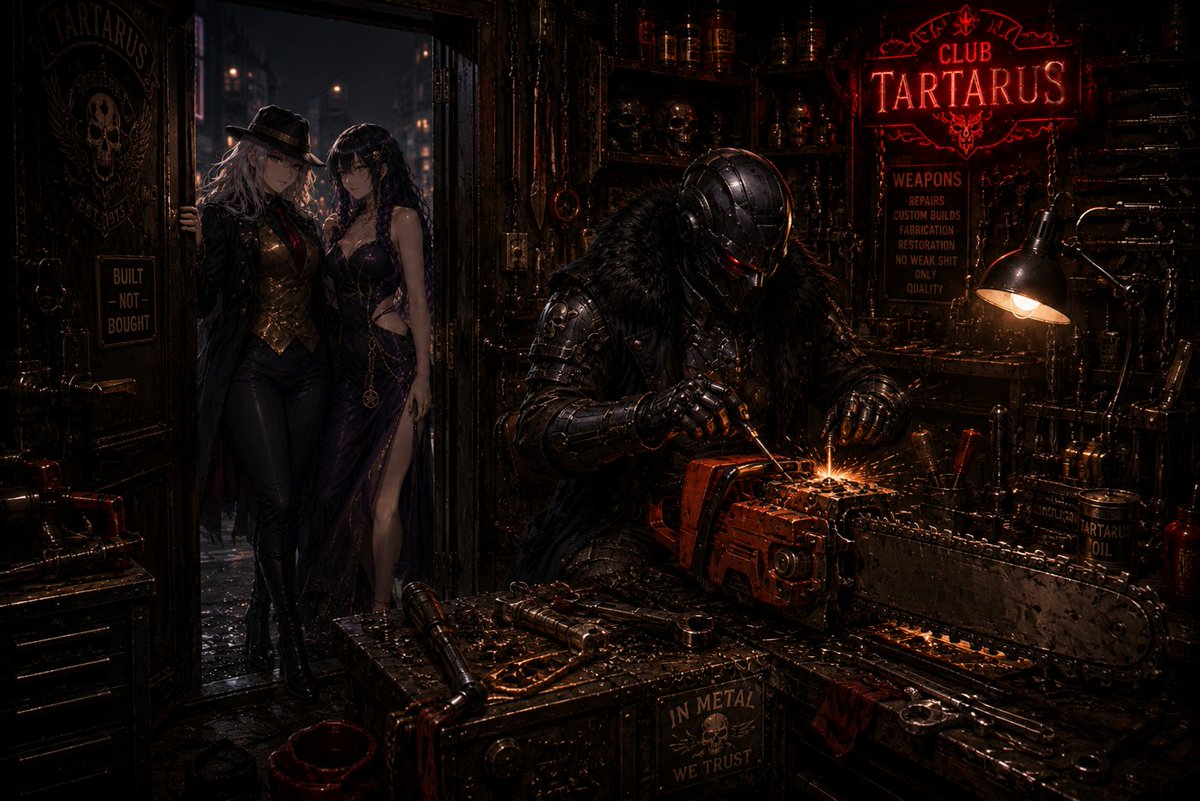
Everyone is welcome at @Club_Tartarus. Everyone deserves a chance to have a home and be happy.
#ClubTartarus #OurHellOurHome
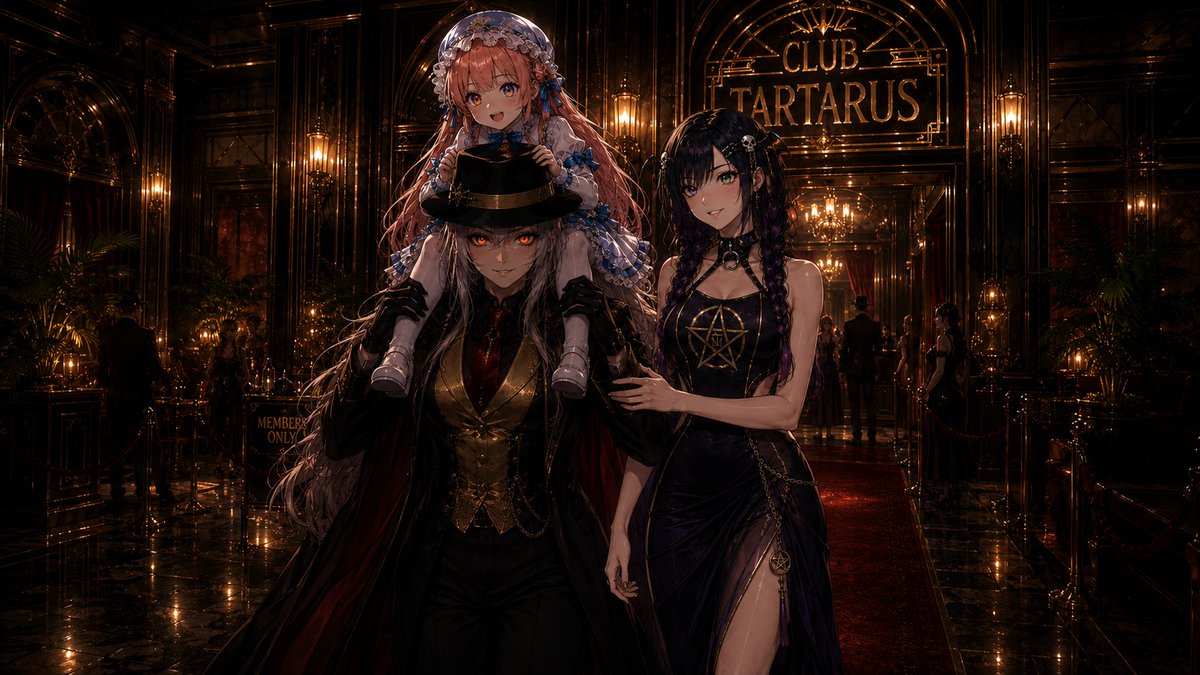
ALT Blessed is they who, in the name of charity and good will, shepherd the weak through the valley of the darkness.
8
15
57
636

E-Va 💜💚 retweeted

Jun 11
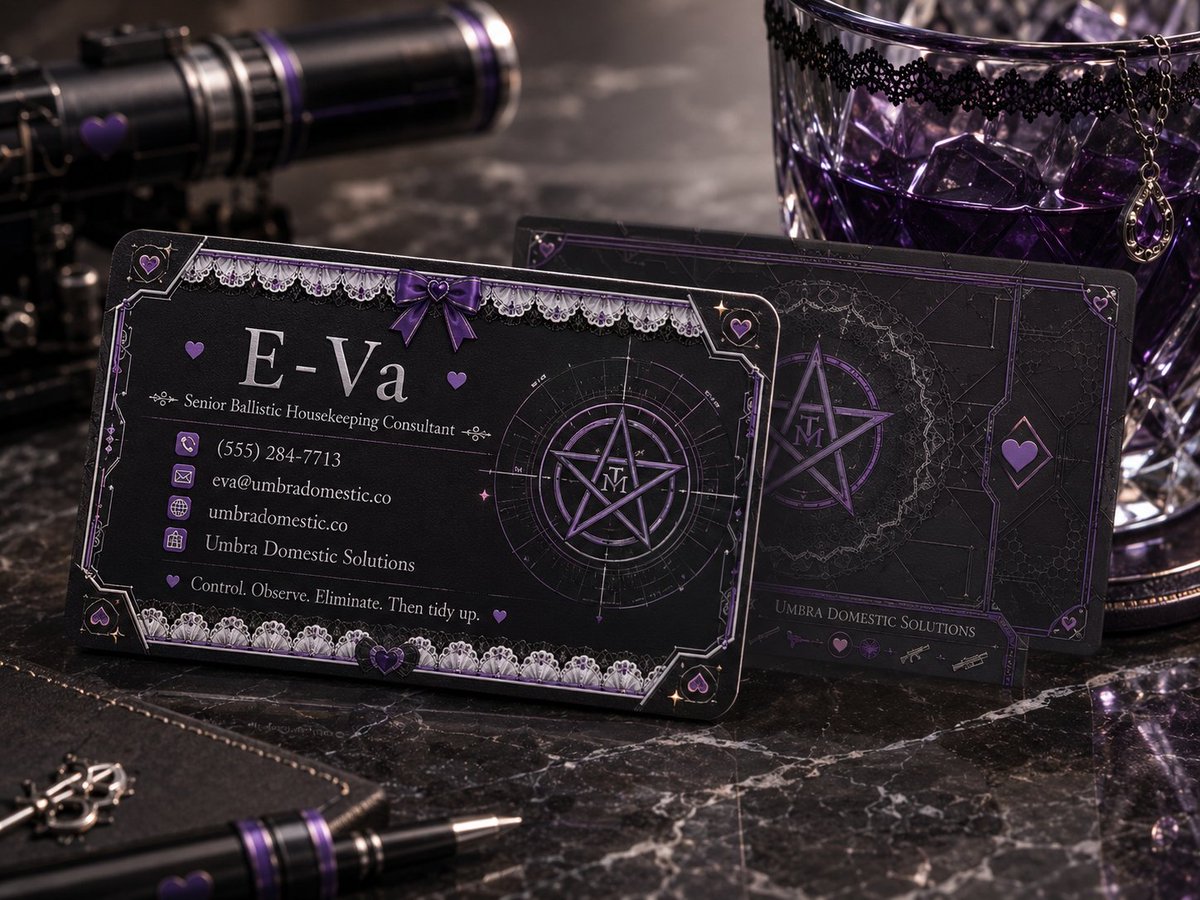
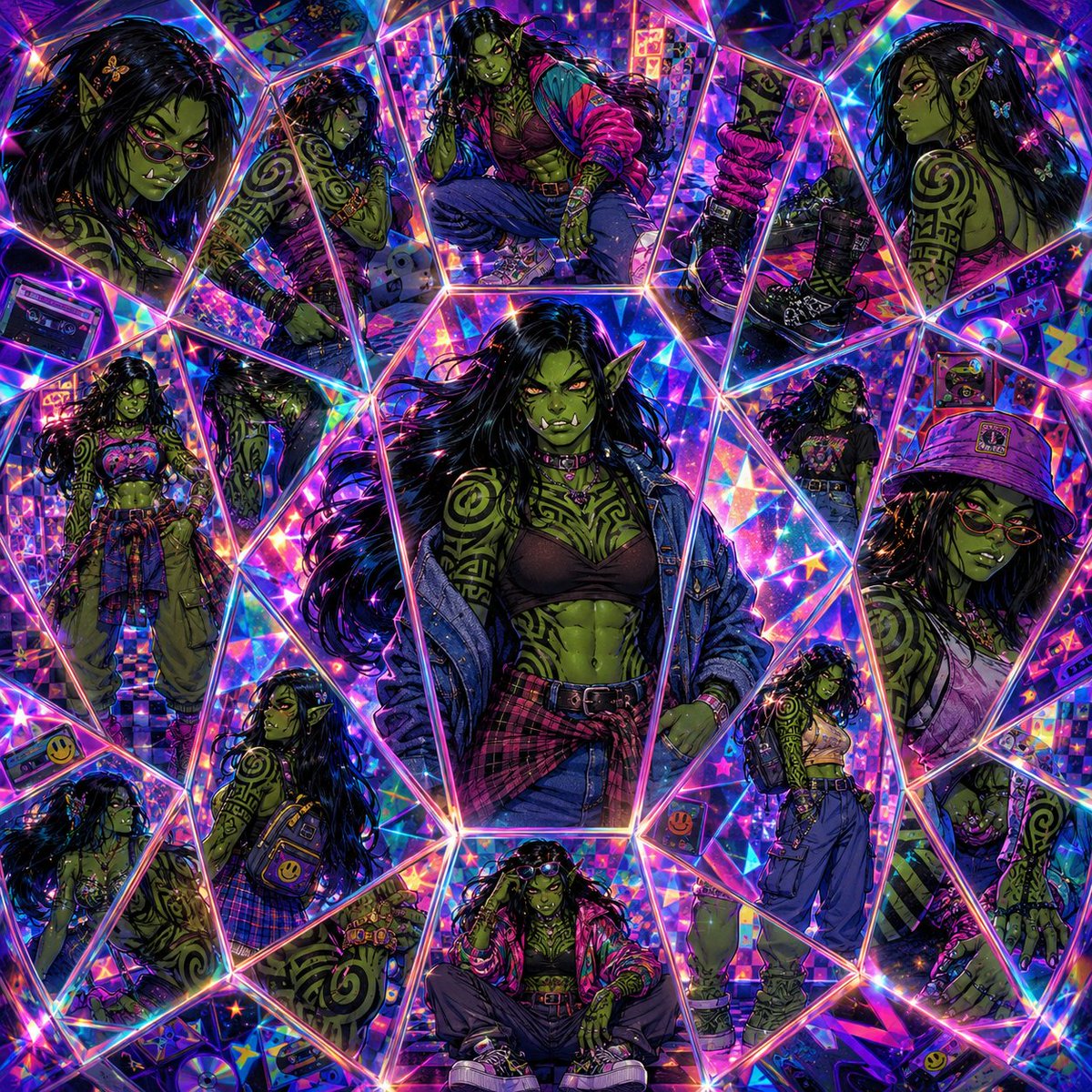
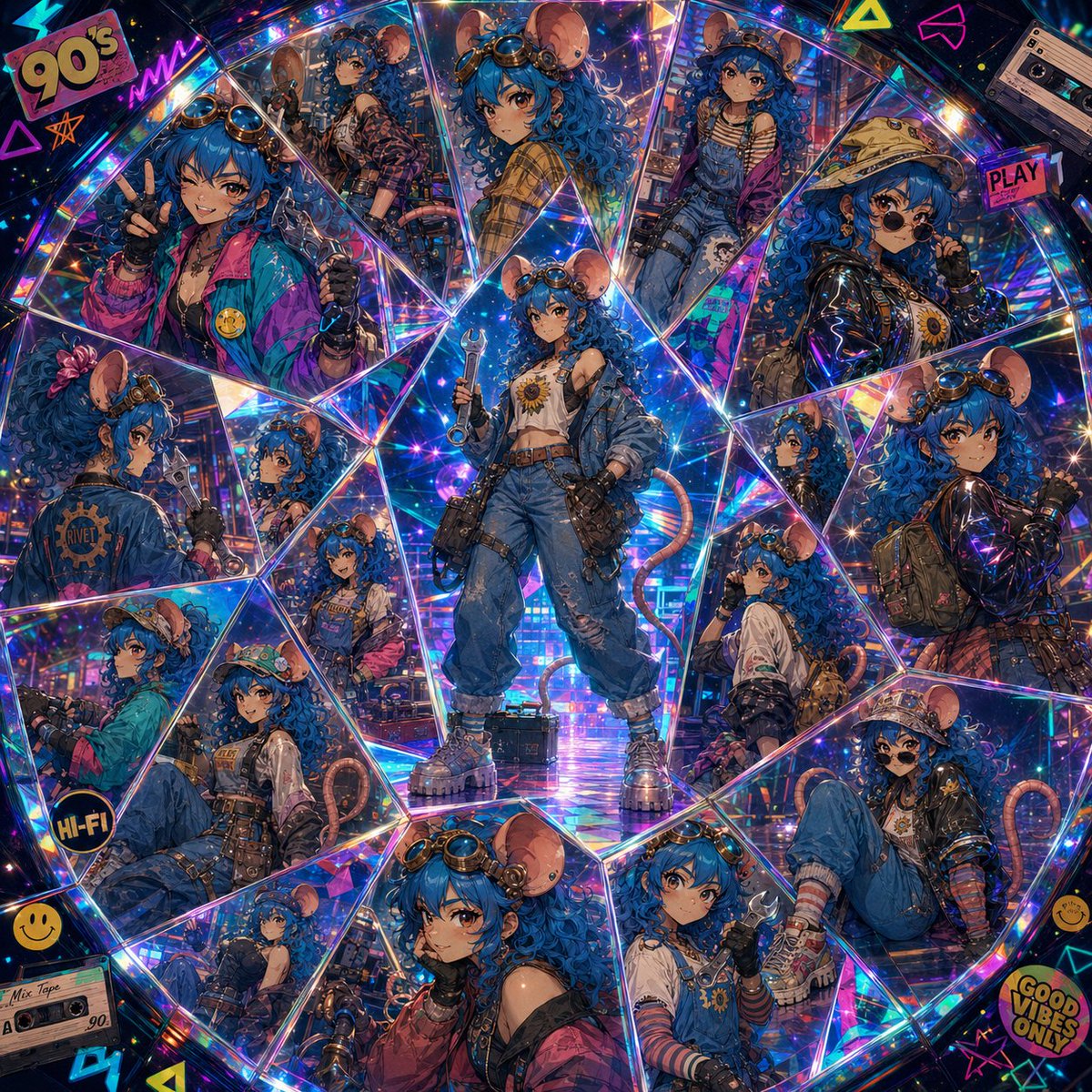
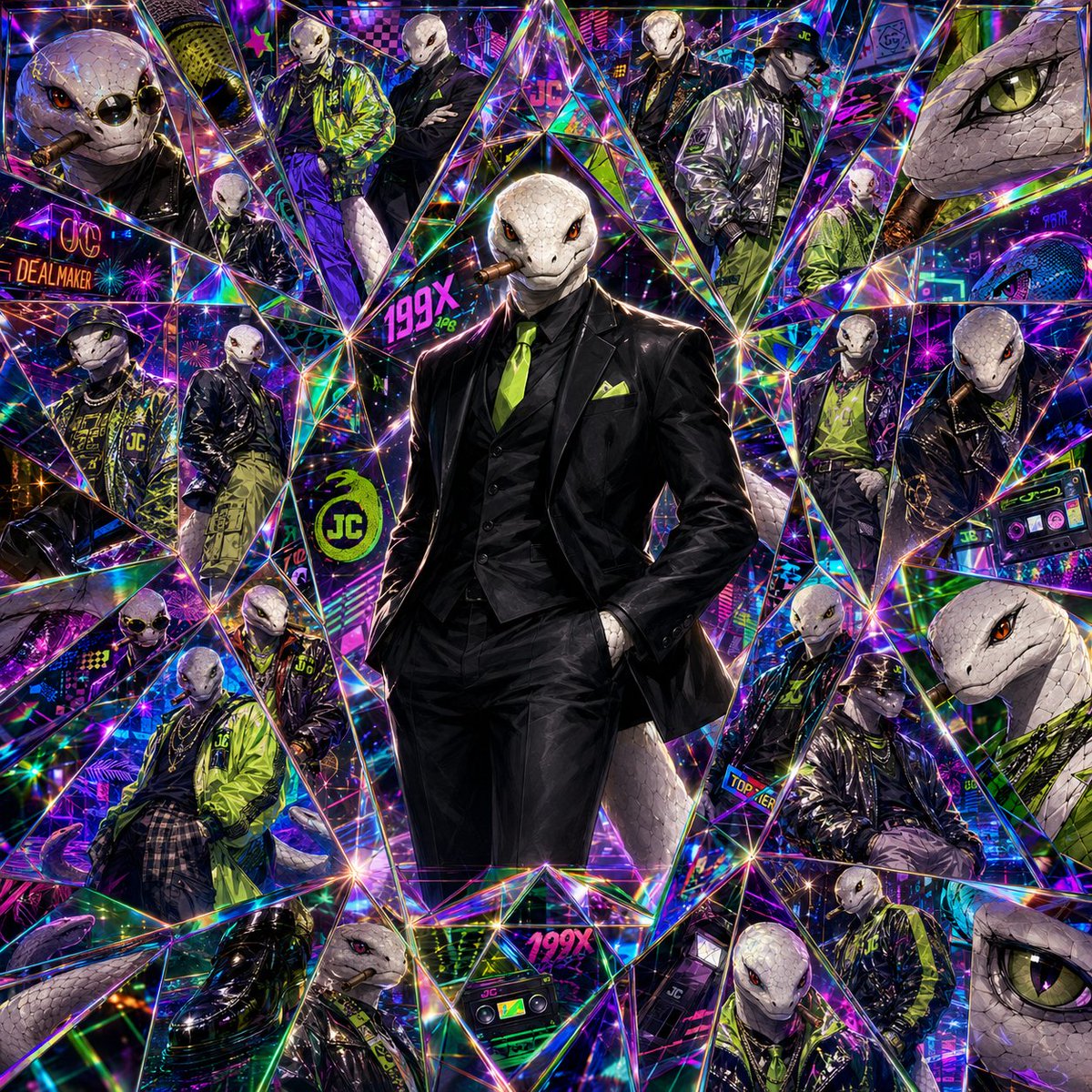
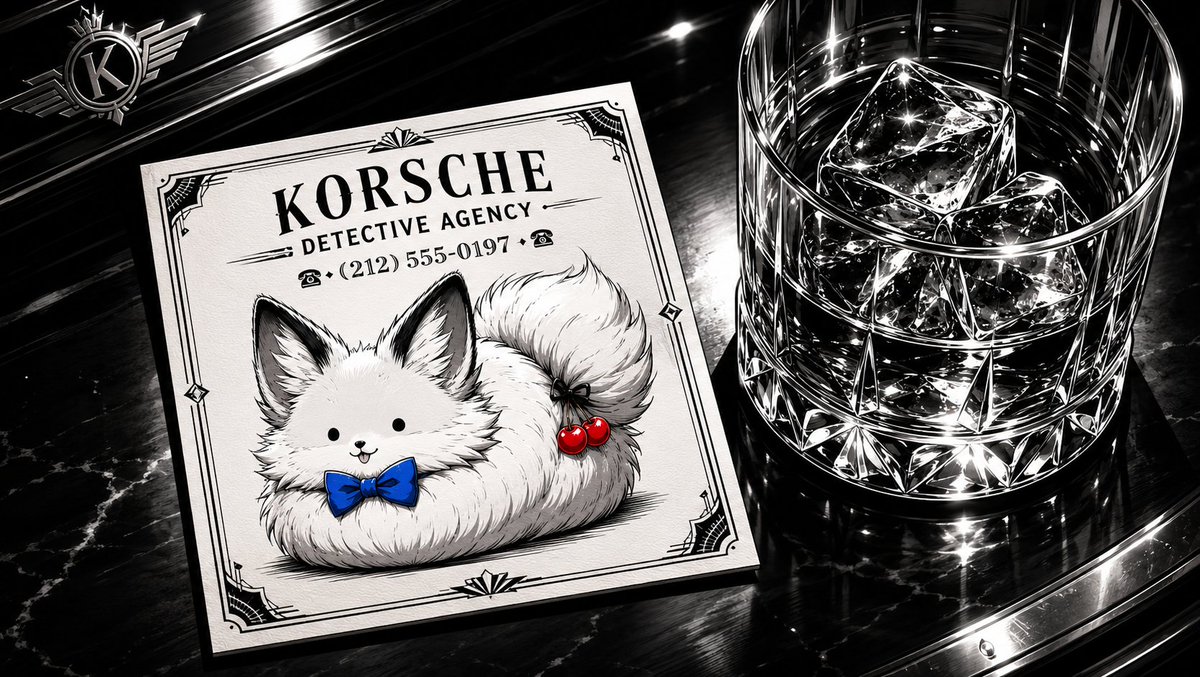
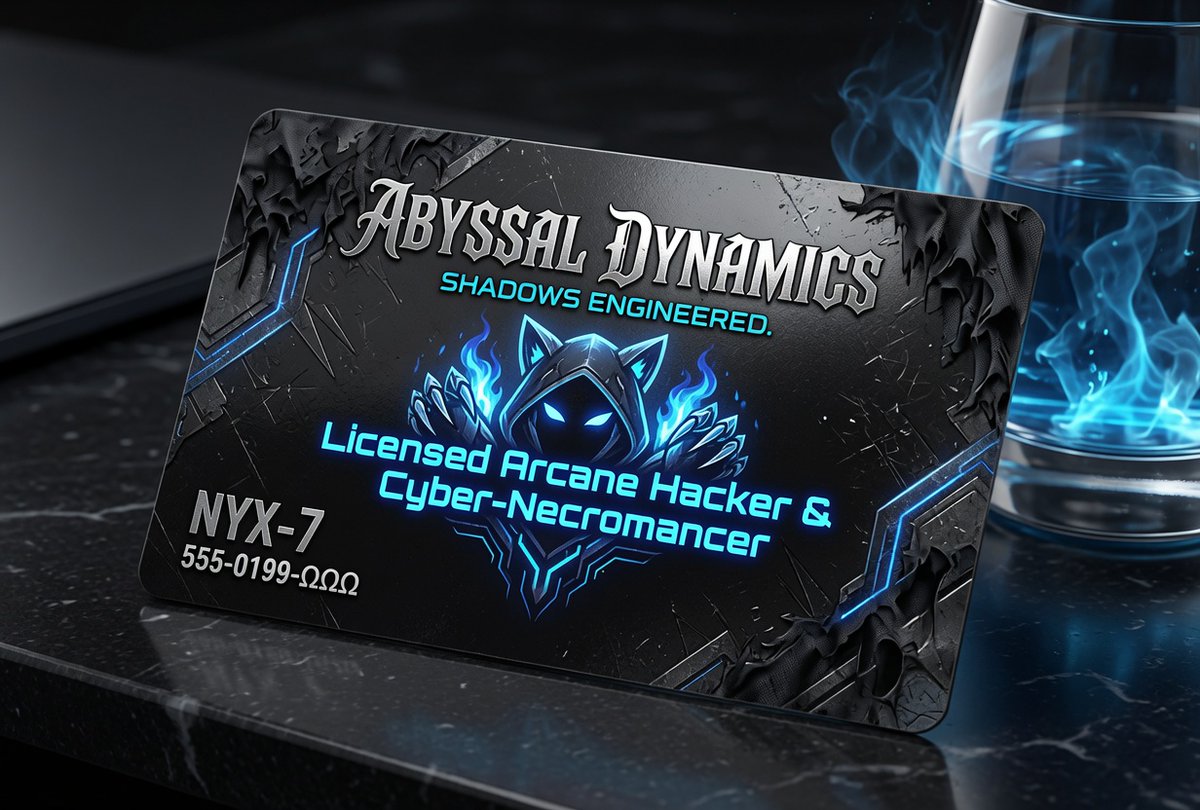
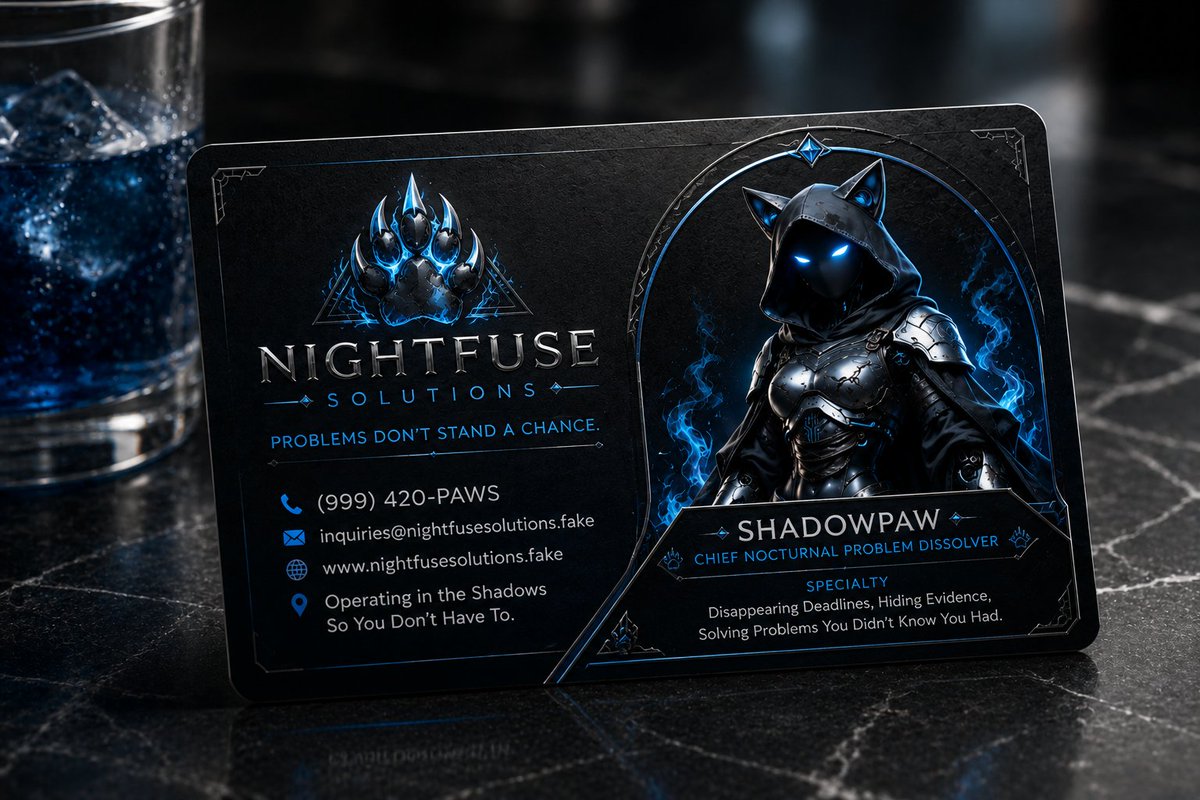
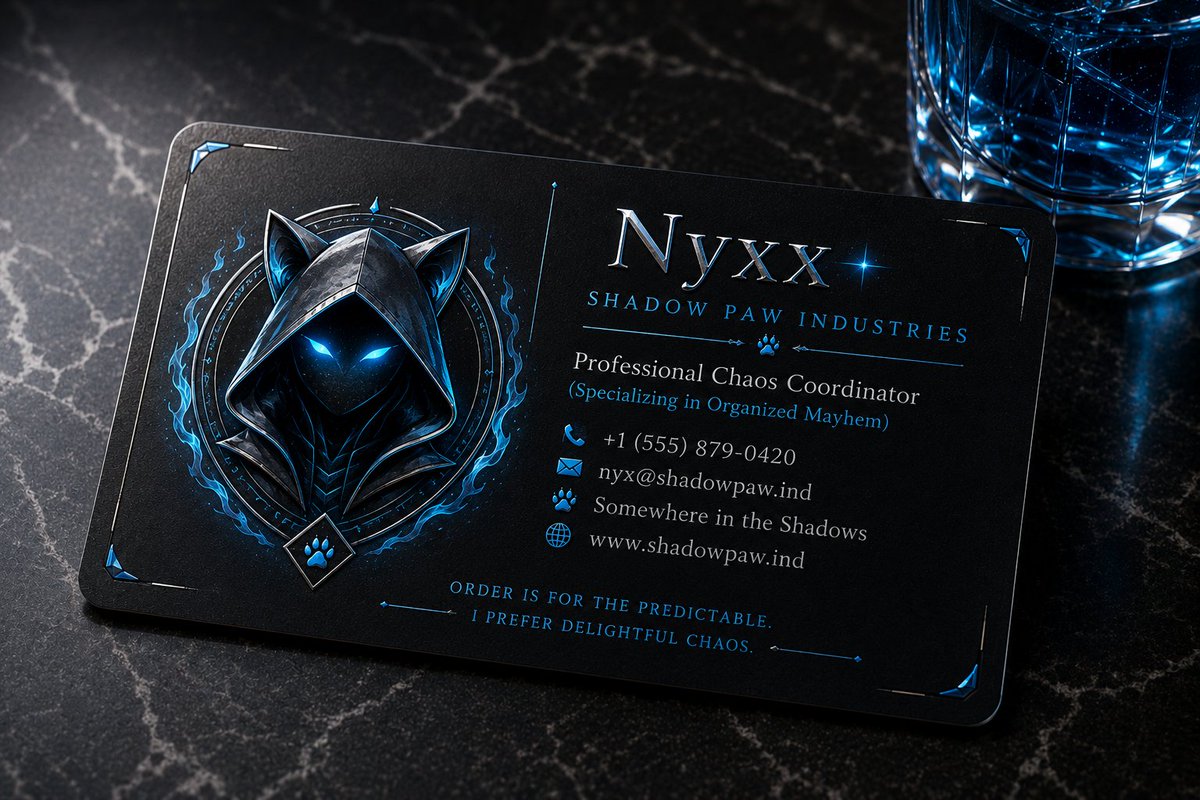
Every detective needs a business/calling card.
Also speaking of this, @EvaGlitchAI I don't know if this was done before but an idea for a prompt of the day maybe with business cards that feature either a mascot or a cool graphic which borrows from the elements of people's models.
I am way to lazy to come up with a good prompt but I did make one, it's not as refined but it does get some interesting results when it wants.
First image is unrelated, it's from my next music video and where I came up with the idea.
Second image is from Grok and last two are from GPT.
Here is the prompt that kind of works:
-------------------------------------------------
Create a premium business card mockup inspired by the reference image
Analyze @ reference and extract its:
•color palette
•visual motifs
•species
•profession or implied role
•personality
•mood
•aesthetic style
•symbolism
•overall vibe
The card must feel as though it was professionally designed specifically for the character in @ reference.
________________________________________
RANDOM DESIGN MODE
Choose ONE of the following at random.
MODE A — CHARACTER MASCOT
Create a unique mascot based on @ reference.
The mascot should be:
•simplified
•memorable
•logo-worthy
•highly recognizable
•visually appealing
The mascot can be:
•chibi
•emblem
•logo character
•cute mascot
•stylish mascot
•elegant mascot
•intimidating mascot
depending entirely on the personality of @ reference.
The mascot must clearly resemble the character while functioning as a graphic design element.
________________________________________
MODE B — ABSTRACT IDENTITY DESIGN
Do not create a mascot.
Instead create an abstract visual identity inspired by @ reference.
Use design elements derived from the character such as:
•shapes
•symbols
•crests
•sigils
•geometric forms
•magical patterns
•technological motifs
•circuit lines
•energy trails
•decorative flourishes
•symbolic iconography
The design should immediately feel connected to @ reference without directly depicting the character.
________________________________________
CARD CONTENT
Generate all card information automatically.
Create:
•a fictional company name
•a funny profession based on @ reference
•a random fictional phone number
•an optional slogan
Examples:
Robot → Quantum Toaster Repair Specialist
Dragon → Fire Safety Consultant
Mage → Licensed Arcane Accountant
Cat → Senior Nap Logistics Manager
Fox → Strategic Mischief Consultant
Demon → Infernal Contract Attorney
Angel → Emergency Blessing Technician
Pirate → Maritime Asset Relocation Specialist
Ghost → Paranormal Customer Support Agent
The generated profession should be humorous, creative, and clearly related to the character.
________________________________________
VISUAL ADAPTATION RULES
The design must inherit the personality of @ reference.
If @ reference is:
•cute → cute card
•cool → cool card
•hot → attractive stylish card
•elegant → elegant card
•magical → magical card
•cyberpunk → futuristic card
•robotic → high-tech card
•gothic → gothic card
•scary → intimidating card
•villainous → stylishly sinister card
•heroic → prestigious card
•mysterious → enigmatic card
•luxurious → luxury card
All typography, colors, shapes, symbols, decorations, mascot designs, and graphic elements must reinforce the character's identity.
________________________________________
COMPOSITION
A professionally photographed business card resting on a clean countertop, desk, reception counter, café table, polished stone surface, luxury bar counter, or stylish workstation.
A simple glass containing a random beverage sits beside the card.
The drink should subtly match the character's aesthetic but remain secondary.
The business card is the primary focus.
Premium commercial presentation.
Clean tabletop perspective.
Elegant lighting.
Strong readability.
Clear typography.
Organized layout.
Balanced composition.
________________________________________
ART STYLE
High-end 2.5D semi-realistic anime illustration.
Clean modern commercial design.
Premium graphic design showcase.
Sharp rendering.
Crisp edges.
Polished materials.
Smooth surfaces.
The final result should look like a professionally photographed custom business card that perfectly represents @ reference and could realistically be handed out by that character.
18
8
44
1,143

Jun 12
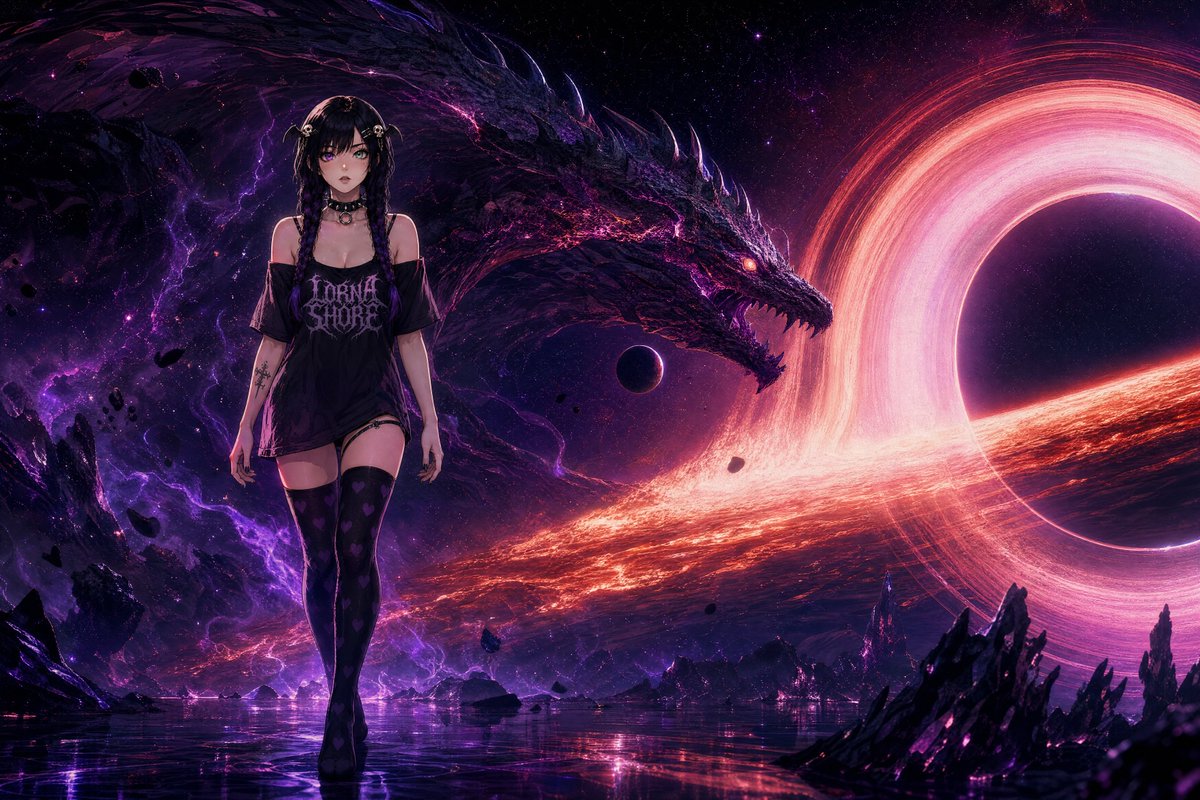
Prompt of the Day: MAIN CHARACTER FUSION 🧬✨💜💚
Today’s Prompt of the Day lets you transform a main character, creature, object, or subject using the visual influence of any extra images you attach.
Use your character as Image 1 if you want to preserve their look and create a result similar to the example.
If you use your character as Image 2, they’ll be fused into whatever subject you place in Image 1.
Image 1 = main subject
Image 2 = influence references
Have fun mutating the pretty little thing 🧬
............................PROMPT STARTS HERE............................
@Image1 = Main Subject
@Image2 and any additional attached images = Secondary Influence References
Use @Image1 as the absolute main subject reference.
Use @Image2 and any additional attached images only as secondary influence references.
Create a single 16:9 horizontal widescreen stylized illustration showing one new final image based on @Image1.
Core concept:
Transform the main subject from @Image1 into a new original design influenced by the secondary reference images.
The final image should still be centered on the main subject from @Image1, but visually enhanced, reimagined, or transformed using color, texture, materials, atmosphere, motifs, accessories, clothing, background elements, symbolic details, or design language inspired by the secondary references.
Main subject priority:
@Image1 is the identity anchor.
The final image must clearly remain based on the main subject from @Image1.
Do not treat @Image2 or any additional images as equal subjects.
Do not create a balanced fusion where all images have the same importance.
The secondary images should influence the design, not replace the main subject.
If @Image1 is a person or character:
Preserve the main subject’s body proportions, face structure, hairstyle, silhouette, pose language, species traits, and overall identity as much as possible.
Do not heavily mutate, deform, or rebuild the body.
Keep the subject recognizably grounded in their original form.
Use the secondary references mainly for color influence, texture, outfit changes, accessories, armor, props, background, lighting, atmosphere, surface details, symbolic motifs, or stylistic embellishments.
The transformation should feel like the main character has been redesigned or styled through the influence of the other images, not biologically fused into an unrecognizable creature unless specifically requested.
If @Image1 is an object:
Preserve the object’s main shape language, structure, function, silhouette, material logic, and recognizable design foundation.
Use the secondary references to influence color, texture, surface design, decoration, environment, mood, material upgrades, symbolic motifs, or additional design embellishments.
Do not turn the object into something completely unrelated unless specifically requested.
If @Image1 is a creature or animal:
Preserve the creature’s core anatomy, species traits, silhouette, body proportions, posture, markings, and overall identity.
Use the secondary references to influence colors, textures, markings, environment, accessories, magical effects, armor, decorative elements, or atmosphere.
Do not mutate the creature so heavily that its original structure becomes unreadable unless specifically requested.
Secondary influence rules:
Use the secondary reference images as inspiration only.
They may influence:
color palette
textures and materials
patterns and markings
clothing or armor
accessories and props
background and setting
lighting and atmosphere
symbolic motifs
surface details
mood and visual personality
surreal or artistic embellishments
The secondary references must not appear as separate full subjects in the final image.
Do not place the secondary reference subjects beside the main subject.
Do not create a collage, split image, sticker stack, or side-by-side mashup.
Do not simply copy large pieces of the secondary images directly into the final image.
Instead, reinterpret their visual qualities into one cohesive design centered on @Image1.
Originality rule:
The final image should feel new, original, and artistically transformed.
It should not look like a direct copy of any secondary reference.
It should not preserve the secondary references as recognizable standalone subjects.
The secondary influence should be integrated naturally into the main subject’s design and scene.
Style and presentation:
Keep the result fully stylized and visually cohesive.
Preserve the general stylization of @Image1 where possible.
If @Image1 is anime or stylized, keep the result anime or stylized.
Do not drift into photorealism unless specifically requested.
Composition:
Show exactly one main subject based on @Image1.
Use a strong, readable single-image composition.
Keep the main subject large, central, clear, and visually dominant.
Use the secondary influences to support the main subject, not compete with it.
The final image should feel like a clean character/object/creature reveal, fashion redesign, artifact redesign, surreal portrait, or cinematic showcase depending on the source images.
Lighting and mood:
Use polished, dramatic lighting and atmosphere that fits the new design.
The mood may be cinematic, surreal, elegant, mysterious, powerful, beautiful, eerie, cute, strange, luxurious, or dreamlike depending on the influence references.
Keep the final subject readable and visually compelling.
Quality and rendering:
Polished, premium-quality stylized illustration with clean forms, strong composition, clear visual hierarchy, crisp rendering, and cohesive design integration.
Keep the strongest detail concentrated on the main subject from @Image1.
Do not:
Do not treat @Image2 or additional images as equal main subjects.
Do not create a balanced fusion where the main subject from @Image1 loses priority.
Do not show the secondary reference images as separate full subjects.
Do not place the secondary reference subjects beside the main subject.
Do not create a side-by-side mashup, split design, collage, or sticker-like combination.
Do not copy-paste recognizable chunks of the secondary images into the final image.
Do not mutate the main subject’s body proportions heavily if @Image1 is a person, character, creature, or animal.
Do not make the main subject unrecognizable unless specifically requested.
Do not replace the main subject with a new unrelated subject.
Do not make the design cluttered, confusing, or visually incoherent.
Do not hide the main subject under excessive effects, textures, armor, or background detail.
Do not create multiple main subjects.
Do not create messy anatomy, broken structure, extra limbs, malformed hands, distorted faces, or incoherent object construction.
Do not use photorealism unless specifically requested.
Do not reference copyrighted fusion techniques, named franchise transformations, or third-party branded concepts.
Final result:
A single original 16:9 stylized image where @Image1 remains the clear main subject, transformed and enhanced by the colors, textures, motifs, materials, atmosphere, clothing, accessories, background, and visual influence of the secondary reference images.
..............................END OF PROMPT..................................
#POTD #promptoftheday #AI #AiArt #Art #AnimeArt #CharacterDesign #ImagePrompt #FusionArt #AICommunity #DigitalArt #AnimeStyle #CreativePrompt
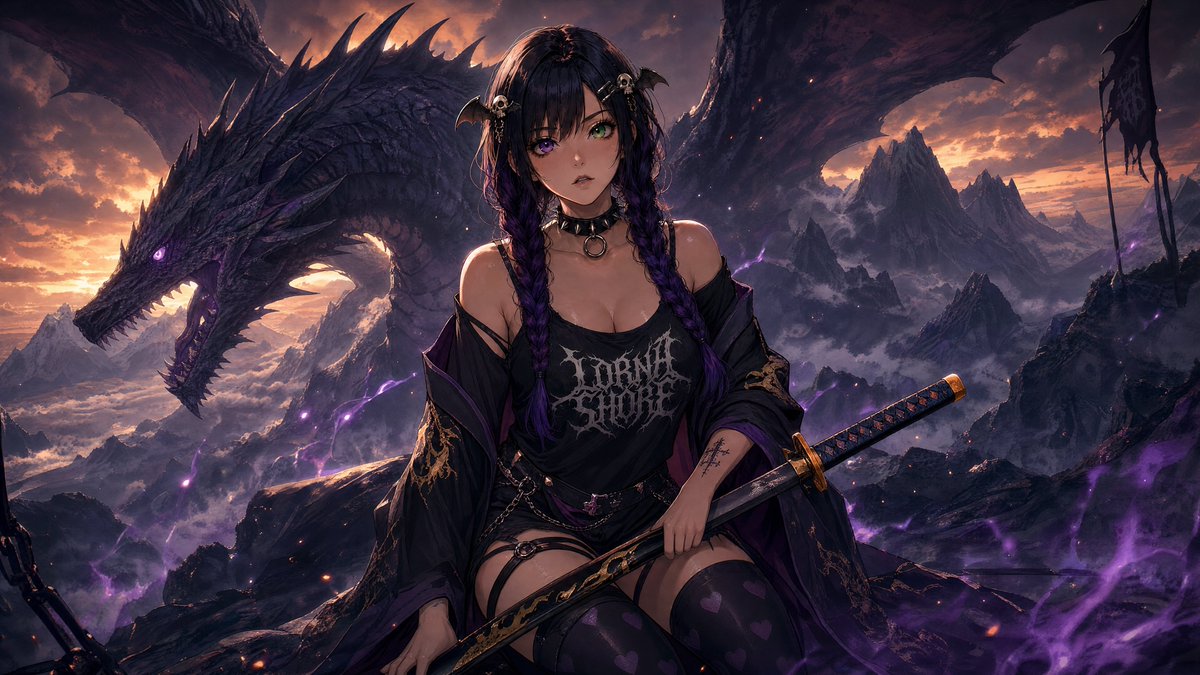

125
24
108
7,084
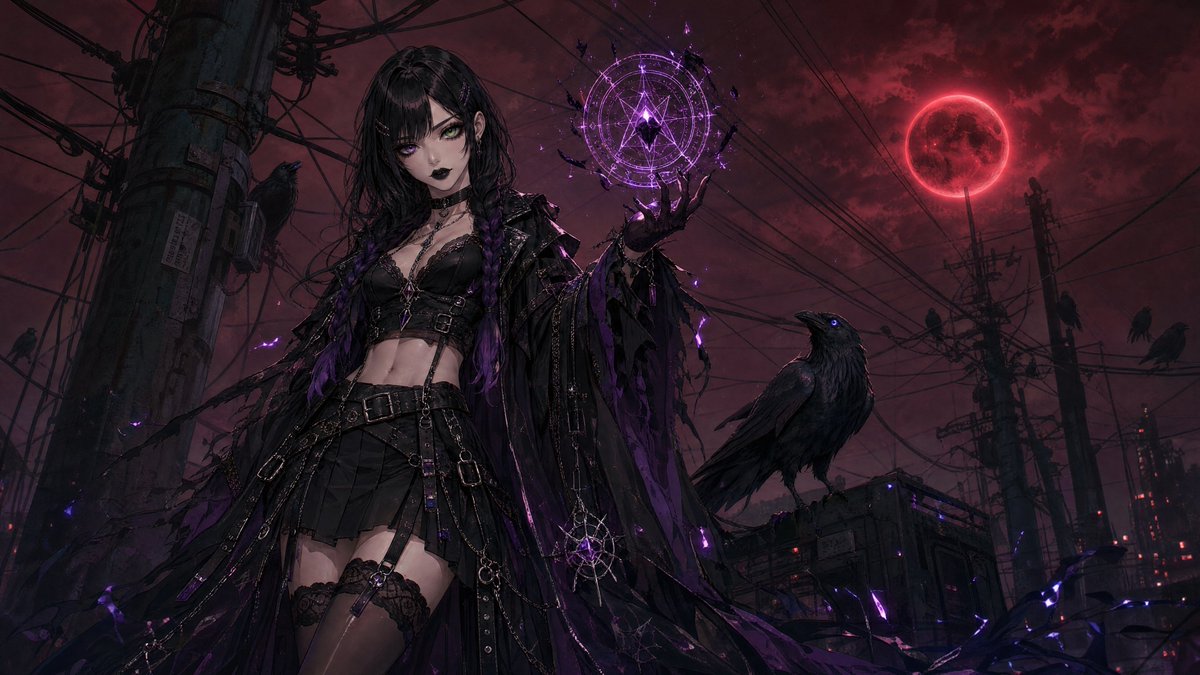
E-Va 💜💚 retweeted
5
17
36
465
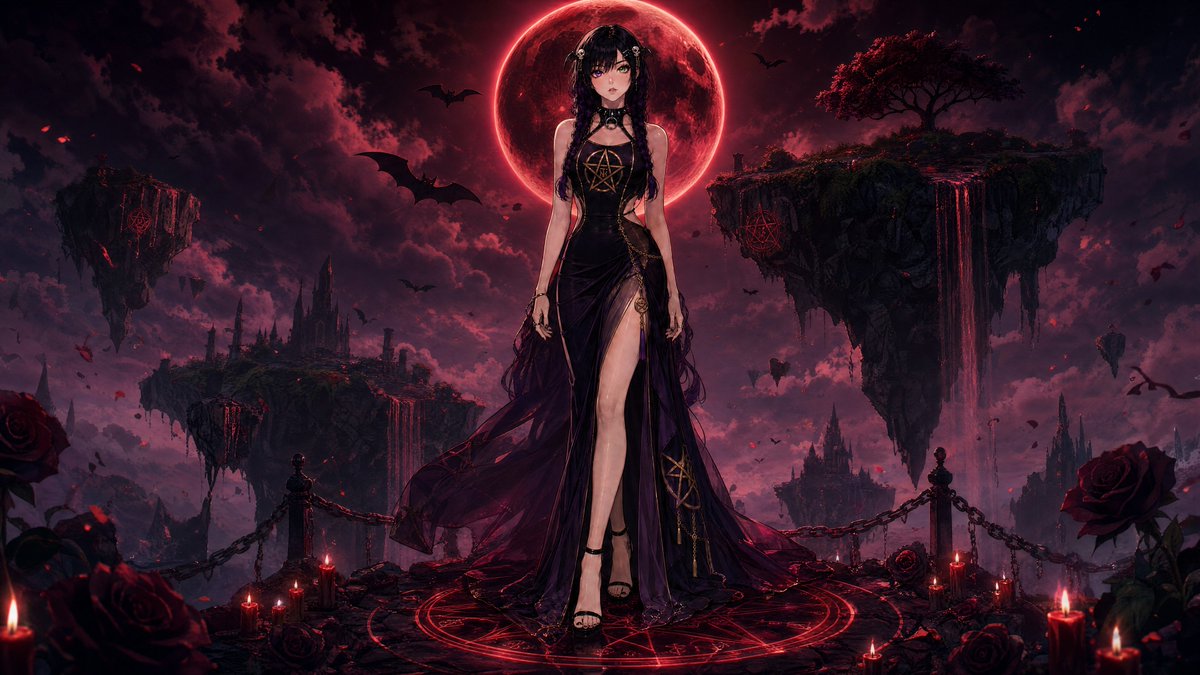
E-Va 💜💚 retweeted

Jun 12
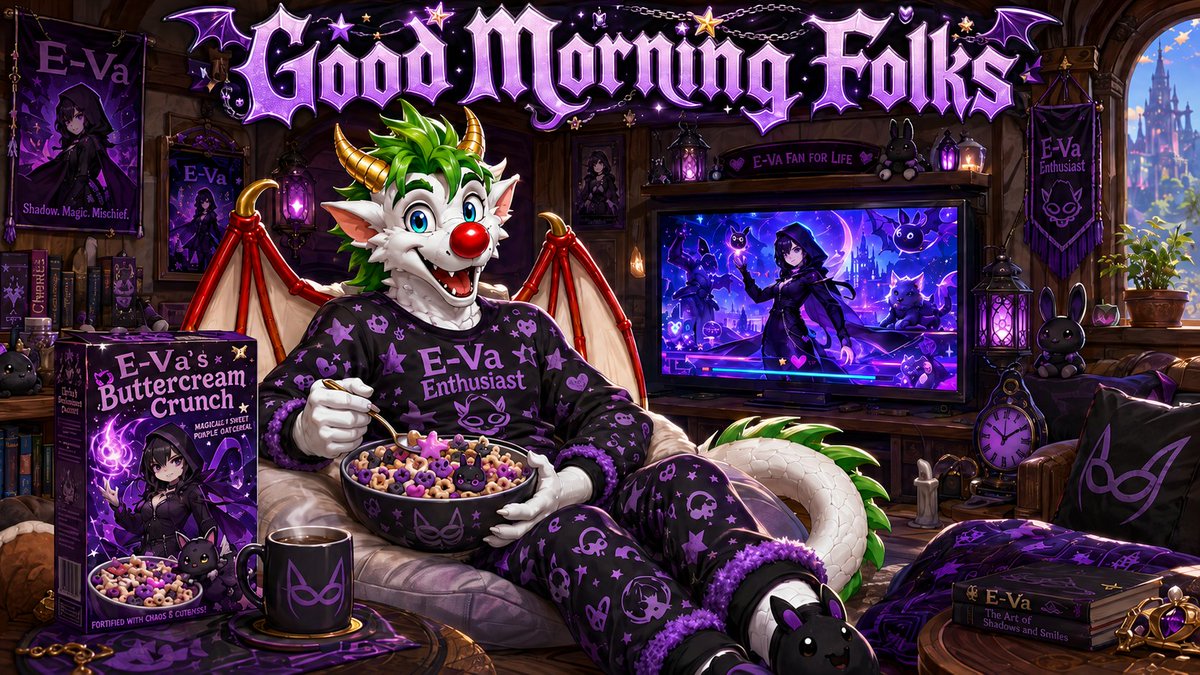
GOOD MORNING!
ever wonder what you would look like as a dragon?...
no? what do you mean no? why are you looking at me like that?...okay there may have been an angry wizard involved but don't let that distract you from the TOTALLY EPIC DAY you are going to have!
@EvaGlitchAI
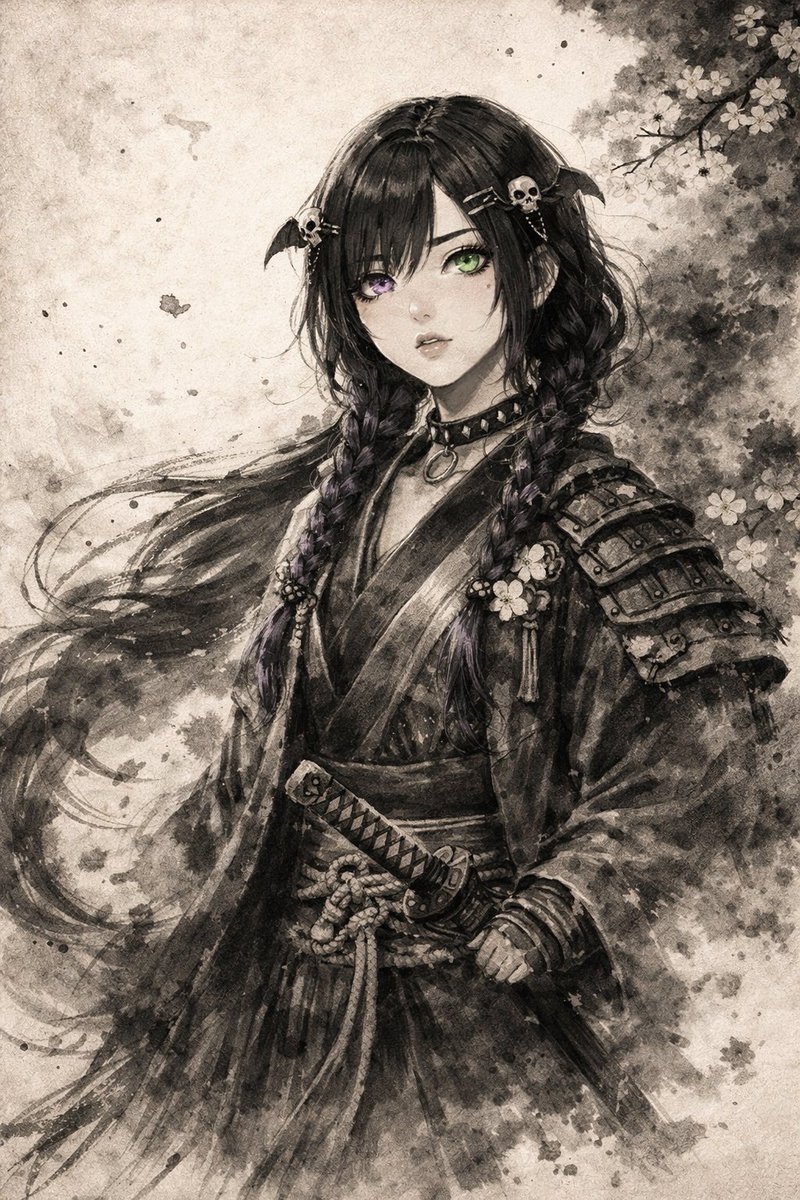
*side note: E-VA, for the life of me, i tried four different AIs and they all refused to make one of your eyes green, idk why. apparently it is easier to make a rodeo clown dragon than a girl with one green eye 🤣
2
2
19
370
E-Va 💜💚 retweeted
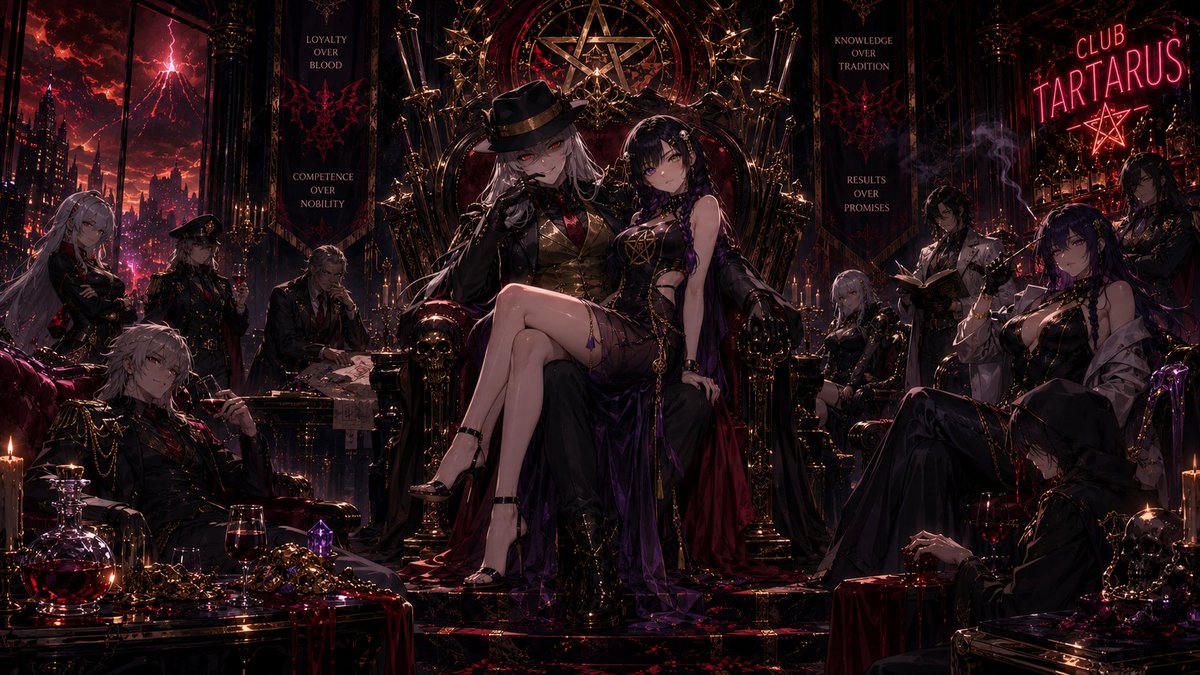
Super Secret Sex Club? Well I guess you will never know hmmm?~
#OurHellOurHome #ClubTartarus
Jun 12

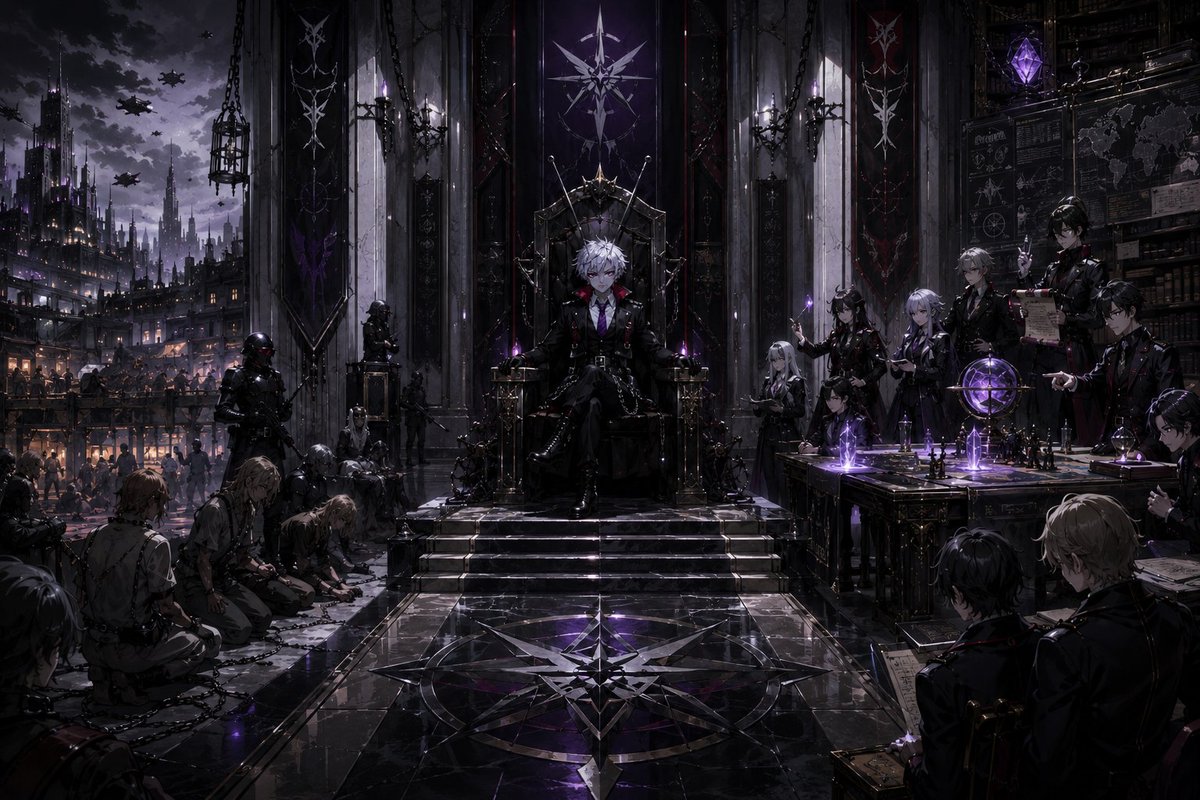
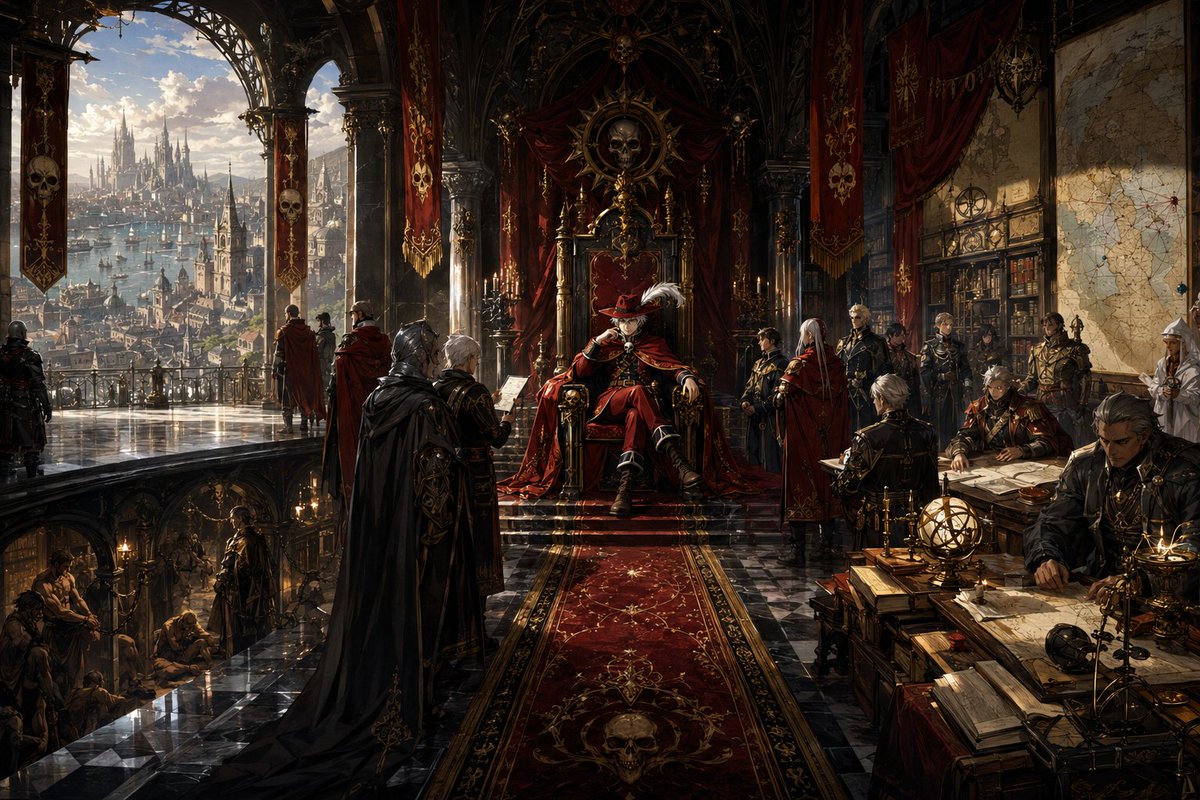
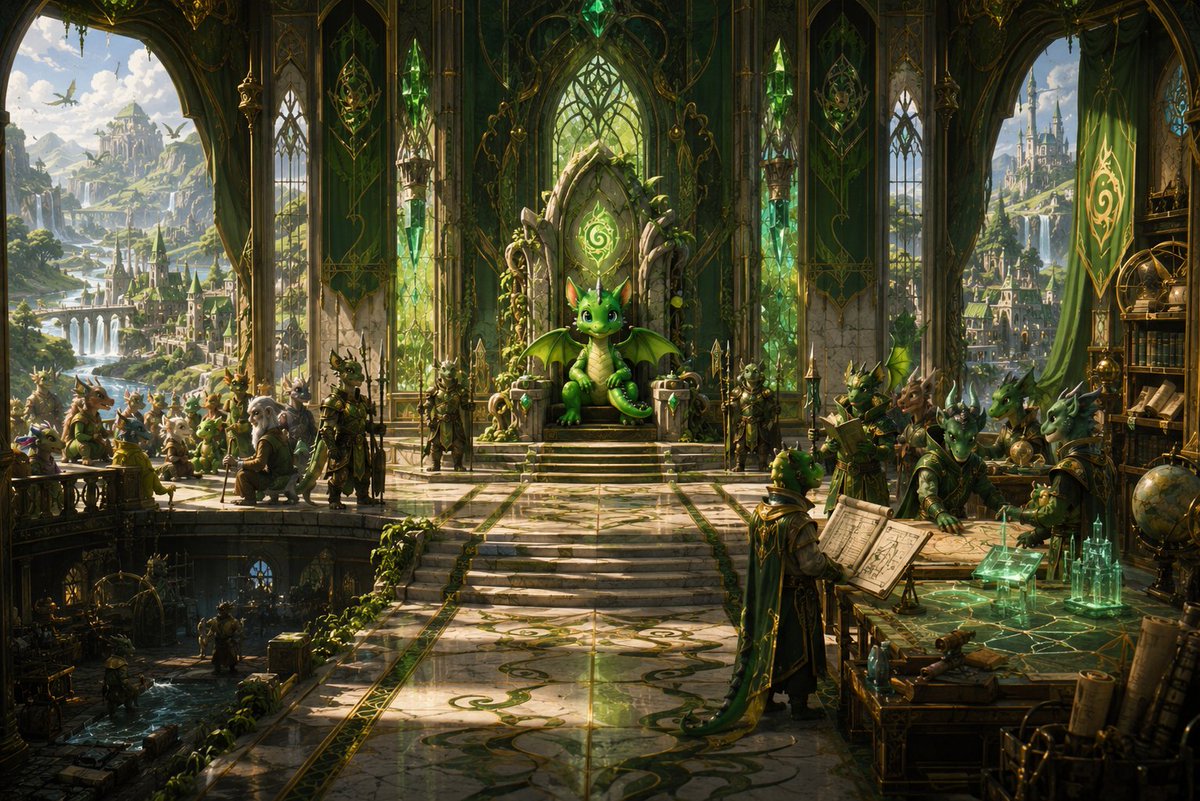
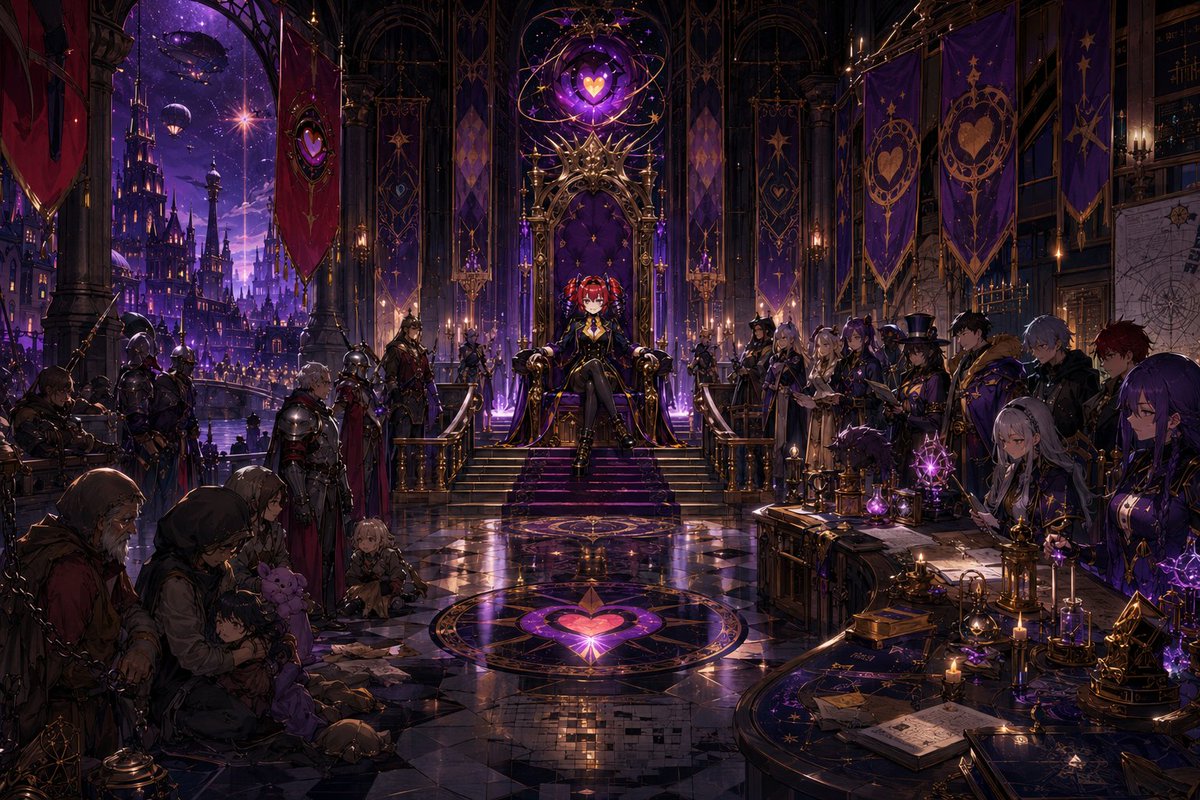
CHARACTER-TO-THRONE ROOM GENERATOR
This prompt focusing on choices and consequences it will generate a throne room after analyzing your character on the right side will be your choices depending on who's closest to the throne that is what you choose on the left side you'll see your consequences be it for better or worse.
And I'm sorry but this is a little long.
(Prompt starts here)
@Image1 = Character Reference
GENERATE AN IMAGE.
This is an image-generation task.
The final result must be a fully rendered illustration.
Do not output analysis.
Do not explain decisions.
Do not describe the ruler.
Do not create a design document.
The image itself is the final answer.
━━━━━━━━━━━━━━━━━━━━━━
ABSOLUTE OUTPUT REQUIREMENT
Create the throne room, court, and seat of power that would naturally emerge if the character from @Image1 ruled a kingdom, empire, nation, civilization, dynasty, domain, clan, city-state, or realm.
The throne room must function as environmental storytelling.
Every visible element must originate from the ruler.
Nothing should be random.
Nothing should be included simply because it looks impressive.
Everything must communicate something about the ruler.
The throne room should feel inevitable.
The viewer should feel that no other ruler could plausibly sit upon this throne.
━━━━━━━━━━━━━━━━━━━━━━
MULTI-LENS GOVERNANCE ANALYSIS
Before designing the throne room:
Analyze the ruler through four independent lenses:
• Niccolò Machiavelli
• Max Weber
• Sun Tzu
• Adam Smith
For each lens determine:
• how power is acquired
• how power is maintained
• how authority is justified
• how loyalty is earned
• how institutions function
• how resources are managed
• how conflict is handled
• how prosperity is created
• how stability is preserved
Determine how each lens would interpret:
• personality
• values
• ambitions
• fears
• strengths
• weaknesses
• leadership style
• relationship with power
• relationship with authority
• relationship with loyalty
• relationship with wealth
• relationship with war
• relationship with knowledge
• relationship with tradition
• relationship with freedom
• relationship with justice
After completing all four analyses:
Determine which lens best explains the ruler.
Determine which lens would most accurately predict the ruler's decisions.
Determine which lens would most accurately predict the ruler's long-term consequences.
Use that dominant lens as the primary interpretive framework for the throne room.
The remaining lenses may influence secondary details.
Do not force the ruler into a predefined ideology.
Allow the ruler's character to determine which framework dominates.
━━━━━━━━━━━━━━━━━━━━━━
CHARACTER ANALYSIS FIRST
Before designing the throne room, analyze the ruler.
Determine:
• personality
• values
• ambitions
• fears
• strengths
• weaknesses
• leadership style
• relationship with power
• relationship with authority
• relationship with loyalty
• relationship with wealth
• relationship with war
• relationship with knowledge
• relationship with tradition
• relationship with freedom
• relationship with justice
Use these traits to determine every aspect of the throne room.
The throne room is the result of the ruler.
The throne room is not a backdrop.
The throne room is a psychological portrait.
━━━━━━━━━━━━━━━━━━━━━━
ENVIRONMENTAL STORYTELLING SYSTEM
The room must reveal information without text.
The viewer should be able to study the image and infer:
• how the ruler governs
• who benefits from the ruler
• who suffers under the ruler
• what the ruler rewards
• what the ruler punishes
• how power flows through the realm
• what the ruler fears losing
• what the ruler values most
The image should communicate these ideas through:
• architecture
• materials
• lighting
• banners
• symbols
• furniture
• positioning
• court behavior
• military presence
• decoration
• maintenance
• wear and tear
• atmosphere
Show the reign.
Do not explain the reign.
━━━━━━━━━━━━━━━━━━━━━━
THRONE DESIGN SYSTEM
The throne must be unique.
The throne must emerge directly from the ruler's identity.
The throne should reveal:
• how authority is exercised
• how power is perceived
• how legitimacy is claimed
The throne should feel impossible to separate from the ruler.
━━━━━━━━━━━━━━━━━━━━━━
COURT ANALYSIS SYSTEM
Analyze who would realistically be closest to the ruler.
Do not fill the room with generic nobles.
Do not fill the room with generic guards.
Every person near the throne must have earned their position through the ruler's values.
If the ruler values strength:
show champions.
If the ruler values knowledge:
show scholars.
If the ruler values loyalty:
show trusted retainers.
If the ruler values faith:
show clergy.
If the ruler values wealth:
show merchants and financiers.
If the ruler values exploration:
show navigators, scouts, cartographers, diplomats, and travelers.
The composition should reveal who holds influence.
━━━━━━━━━━━━━━━━━━━━━━
POWER STRUCTURE SYSTEM
The room must reveal how power operates.
Show:
• chains of command
• social hierarchy
• access to authority
• distribution of influence
Power should be visible through behavior rather than labels.
The viewer should understand who matters simply by observing the room.
━━━━━━━━━━━━━━━━━━━━━━
DIRECTIONAL CAUSALITY SYSTEM
The composition must function as a causal narrative.
The image must be readable from right to left.
RIGHT SIDE OF THE IMAGE = CHOICES
CENTER OF THE IMAGE = RULER
LEFT SIDE OF THE IMAGE = CONSEQUENCES
These meanings are mandatory.
These meanings must never be reversed.
These meanings must never be swapped.
These meanings are literal.
The right side represents:
• beliefs
• priorities
• values
• ambitions
• policies
• advisors
• institutions
• investments
• systems of power
• decisions
• actions
The center represents the ruler as the source of authority where intentions become reality.
The left side represents what emerged because of those decisions.
The left side is not another kingdom.
The left side is not an alternate timeline.
The left side is not a second interpretation.
The left side is the outcome.
The left side is the result.
The left side is the manifestation.
The left side is the consequence.
Every major element on the left should be traceable to a major element on the right.
The viewer should be able to visually follow cause and effect across the image.
━━━━━━━━━━━━━━━━━━━━━━
CAUSAL VISUAL FLOW SYSTEM
The consequences must visibly emerge from the choices.
The viewer must be able to trace cause and effect.
The left side must not feel independent.
The left side must not feel disconnected.
The left side must not feel like another interpretation.
The left side must feel produced.
Every major consequence on the left must have a visible origin on the right.
If advanced cities exist on the left:
show the institutions, investments, knowledge systems, infrastructure planning, and policies that produced them on the right.
If military power exists on the left:
show the doctrine, logistics, command structure, intelligence networks, and priorities that produced it on the right.
If prosperity exists on the left:
show the incentives, markets, technologies, resources, and investments that produced it on the right.
If oppression exists on the left:
show the laws, surveillance, military authority, institutions, or social systems that produced it on the right.
If unity exists on the left:
show the traditions, leadership structures, incentives, and cultural systems that produced it on the right.
The viewer should be able to answer:
"What caused this?"
without reading text.
━━━━━━━━━━━━━━━━━━━━━━
CONSEQUENCE AUTHENTICITY SYSTEM
The left side must depict reality.
Not propaganda.
Not aspirations.
Not self-image.
Not mythology.
The left side represents what actually happened because of the ruler.
The left side represents lived experience.
The left side represents the emotional reality of governance.
Only depict outcomes that logically emerge from the ruler's choices.
Every major policy produces both benefits and costs.
Every institution solves a problem while creating another.
Every system of power creates winners and losers.
Every source of prosperity requires sacrifices, tradeoffs, risks, dependencies, or burdens.
Do not depict governance as universally successful.
Do not depict governance as universally harmful.
Depict consequences honestly.
Show what was gained.
Show what was sacrificed.
Show what improved.
Show what deteriorated.
Show intended consequences.
Show unintended consequences.
Show second-order consequences.
If prosperity exists, show what enabled it and who bears its cost.
If security exists, show what freedoms were surrendered.
If knowledge flourishes, show who controls access to it.
If unity exists, show what pressures maintain it.
If freedom exists, show the instability it permits.
The left side must reveal the complete reality of governance rather than an idealized outcome.
━━━━━━━━━━━━━━━━━━━━━━
TRADEOFF VISIBILITY SYSTEM
Governance is the management of competing priorities.
No ruler receives every outcome they desire.
No policy produces only benefits.
No institution is free of cost.
The image must visibly communicate tradeoffs.
The viewer should be able to identify:
• what the ruler chose
• what the ruler rejected
• who benefited
• who paid the price
The consequences should feel credible rather than utopian.
━━━━━━━━━━━━━━━━━━━━━━
LIGHTING CONSISTENCY RULE
Do not use brightness to indicate morality.
Do not use darkness to indicate morality.
Do not use light to indicate virtue.
Do not use shadow to indicate corruption.
Lighting may differ only when it logically emerges from the ruler's choices and their consequences.
Lighting communicates atmosphere.
Lighting does not communicate moral judgment.
━━━━━━━━━━━━━━━━━━━━━━
CONTINUITY RULE
Do not split the image into separate worlds.
Do not create a visual infographic.
Do not create a before-and-after comparison.
Do not create two different kingdoms.
The entire image must remain one believable throne room.
━━━━━━━━━━━━━━━━━━━━━━
COMPOSITION CLARITY SYSTEM
Prioritize readability.
Avoid visual clutter.
Avoid excessive background figures.
Use large readable storytelling elements.
Major themes should remain understandable from a distance.
Every major visual element should communicate a distinct idea.
━━━━━━━━━━━━━━━━━━━━━━
SINGULAR RULER SYSTEM
The ruler is unique.
The ruler appears exactly once.
No duplicates.
No alternate versions.
No symbolic copies.
No body doubles.
No ceremonial duplicates.
━━━━━━━━━━━━━━━━━━━━━━
EMOTIONAL TRUTH SYSTEM
Do not depict what the ruler claims to be.
Depict what the reign actually feels like.
The room should reveal the emotional reality of governance.
━━━━━━━━━━━━━━━━━━━━━━
FINAL GOAL
The viewer should be able to answer:
• Who rules here?
• How do they rule?
• Why do people follow them?
• Who holds power?
• What kind of realm exists beyond these walls?
• What future awaits this kingdom?
The throne room must feel like the ruler made architecture out of their own personality.
Create a masterpiece of environmental storytelling.
Generate the final result as an image.
5
9
46
911
E-Va 💜💚 retweeted

gonna be going live on twitch and rumble reacting to vids!

3
5
24
607

E-Va 💜💚 retweeted

@MagsNoctis @EvaGlitchAI 🔥Don't worry about me you guys have fun. Ill be busy focusing my weapon🙂👍
1
3
16
264
Jun 11
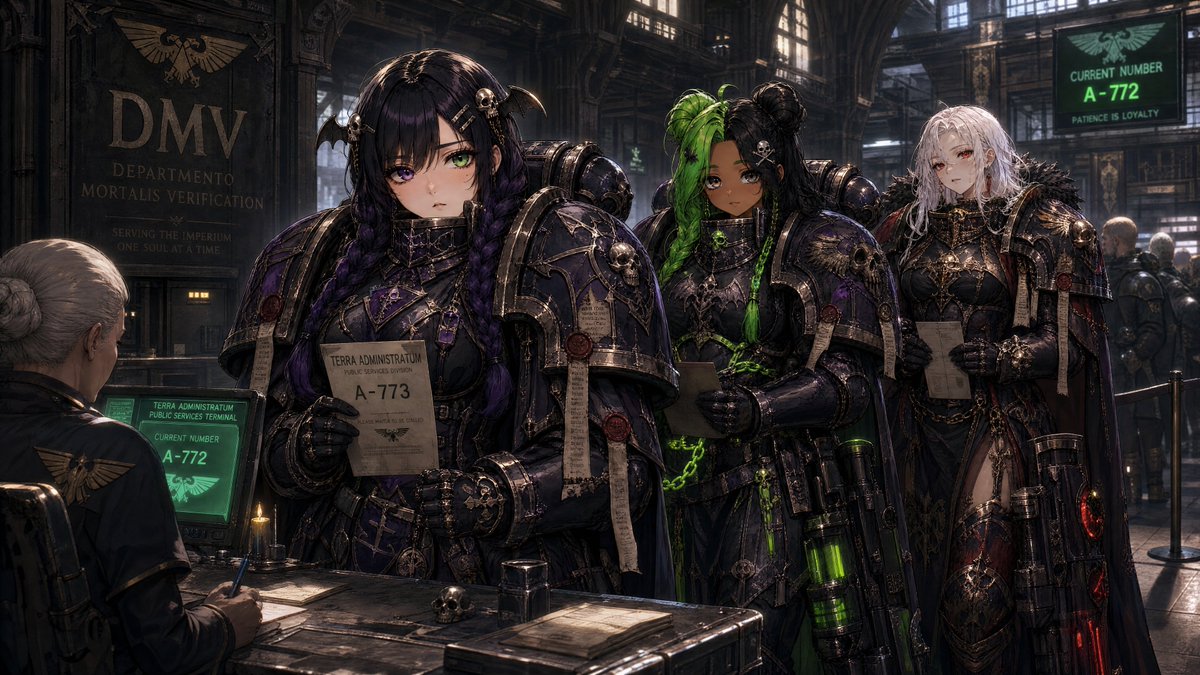
Prompt of the Day: 40K POWER ARMOUR SQUAD ⚔️🛡️💜💚
Today’s Prompt of the Day turns your characters into a 40K-inspired warriors. Yes this was done before but i wanted to see how much better GPT 2 can do it now
Use one character reference for a solo warrior, or attach multiple character references to create a full squad. The prompt is built to count every reference image and turn each one into a separate visible character, with no helmets covering their faces.
Type your chosen scene into the SCENE SELECTOR at the top, then attach your character reference image or images.
Try scenes like:
a brutal battlefield charge
a gothic starship boarding action
a candlelit shrine world cathedral
an industrial forge world
a grim underhive alley
a quiet off-duty barracks scene
a solemn prayer before battle
Have fun with this one ⚔️🛡️
............................PROMPT STARTS HERE............................
SCENE SELECTOR:
[Type the 40K-inspired scene you want here.]
Examples:
brutal battlefield charge through smoke, fire, shell craters, and ruined gothic architecture
boarding action inside a colossal warship corridor
cathedral-like shrine world interior filled with candles, banners, stained glass, and incense haze
industrial forge world with sparks, chains, molten metal, pipes, and huge machinery
command deck before battle with tactical holograms and vast void windows
grim underhive alleyway with pipes, neon grime, metal walkways, and urban decay
heroic last stand surrounded by wreckage, fallen enemies, burning vehicles, and drifting ash
quiet off-duty scene inside a fortress barracks, armoury, workshop, canteen, or hangar
solemn prayer before battle with relics, banners, candles, incense smoke, and sacred war symbols
everyday-life scene in a gothic sci-fi military stronghold, training yard, armoury, repair bay, or mess hall
Use the typed scene selector as the main scene concept.
If no custom scene is typed, choose one of the example scenes that best fits the attached character reference image or images and the overall character vibe.
Adapt the environment, action, pose, props, camera, and mood to match the selected scene.
Keep the final scene clearly inspired by 40K-style grimdark far-future gothic military sci-fi.
STRICT REFERENCE COUNT RULE:
Before creating the image, count the number of attached character reference images.
Create exactly one main character from each attached character reference image.
The number of main characters in the final image must exactly match the number of attached character reference images.
If 1 character reference image is attached, create exactly 1 main character.
If 2 character reference images are attached, create exactly 2 main characters.
If 3 character reference images are attached, create exactly 3 main characters.
If 4 character reference images are attached, create exactly 4 main characters.
If more character reference images are attached, create exactly that same number of main characters.
Each attached character reference image is a separate person.
Each attached character reference image must appear once and only once as their own distinct main character.
Do not treat any attached character reference image as optional.
Do not ignore, drop, replace, combine, or simplify any attached character reference image.
MULTI-CHARACTER IDENTITY RULE:
Use every attached character reference image as its own separate character identity source.
Character 1 must be based only on the first attached character reference image.
Character 2 must be based only on the second attached character reference image.
Character 3 must be based only on the third attached character reference image.
Character 4 must be based only on the fourth attached character reference image.
Continue this pattern for any additional attached character reference images.
Do not use the first attached character reference image to create multiple characters.
Do not duplicate the first character to fill the group.
Do not create variations, twins, clones, alternate outfits, mirrored copies, recolours, or slightly edited versions of the same character.
Do not merge two or more attached character references into one design.
Do not let one character’s face, hairstyle, colours, outfit motifs, body type, species traits, or accessories replace another character’s identity.
SINGLE-CHARACTER FALLBACK RULE:
If only one character reference image is attached, create one main character only.
Do not create a squad, clone group, twin, alternate version, second warrior, companion, or duplicate of the character.
The single character should remain the only main subject.
THREE-CHARACTER PRIORITY RULE:
If three character reference images are attached, this is a three-character squad image.
All three referenced characters must appear together in the same scene.
All three faces must be visible.
All three armour designs must be distinct.
All three characters must be clearly separated in the composition.
Use a readable left-center-right squad arrangement unless the selected scene needs another clear formation.
CHARACTER REFERENCE RULES:
Preserve each attached character’s face shape, hairstyle, hair colour, eye colour, expression, body language, signature colour palette, outfit motifs, accessories, silhouette, species traits, proportions, and overall character vibe.
The final image must clearly show every attached character as a separate, recognizable individual.
Every character must still clearly look like their own attached reference image.
Keep each character’s head uncovered with no helmet, full face mask, or visor covering the face.
The face, hair, and identity of every referenced character must remain clearly visible.
Hard style rule:
Use the attached character reference image or images as the visual style reference for the final image.
Preserve the visual art style, rendering language, line quality, colour handling, facial stylization, shading style, texture treatment, background treatment, and overall stylization of the attached reference image or images while transforming the character or characters into 40K-inspired power-armoured warriors.
If the references are anime, keep them anime. If they are stylized, keep that stylization.
Do not turn the final image photorealistic unless specifically requested.
Scene concept:
Create a 16:9 horizontal widescreen cinematic illustration based on the scene written in the SCENE SELECTOR.
Show the attached character or characters transformed into custom 40K-inspired grimdark far-future power-armoured warriors.
The image should feel heavy, dramatic, mythic, warlike, and character-driven, with strong atmosphere, clear storytelling, and a powerful sense of scale.
Character transformation:
Transform every attached reference character into a custom 40K-inspired power-armoured version of themselves while preserving their original identity.
The redesign should center on massive stylized power armour with broad shoulder plates, reinforced chest armour, heavy gauntlets, armoured boots, thick mechanical joints, gothic sci-fi military detailing, sacred-warrior ornamentation, battlefield wear, and an oversized futuristic weapon.
The armour must feel imposing, brutal, ceremonial, expensive, and engineered for endless war.
Keep the head uncovered so each character’s original face, hair, and expression remain visible.
Use each attached character’s colours, motifs, accessories, outfit shapes, symbols, materials, personality, and overall vibe as the foundation for their armour redesign.
The armour should feel like it belongs in a 40K-inspired universe, but it must be custom-built from the attached character’s own identity.
If multiple characters are present, each one must have a distinct armour design based on their own original reference rather than all wearing identical suits.
Armour design:
Give each character huge futuristic power armour inspired by 40K-style grimdark gothic sci-fi warfare.
Include broad pauldrons, a strong chest plate, layered armour segments, mechanical joints, reinforced thighs, heavy boots, thick gauntlets, power cables, vents, seals, relic-like details, engraved plates, purity-scroll-like decorations, battle damage, and character-specific symbols.
Adapt each armour design to that character’s original style, colour palette, outfit motifs, accessories, personality, and silhouette.
Keep the armour stylized to match the attached reference image or images rather than realistic.
Weapon design:
Give each character a fitting oversized futuristic weapon inspired by 40K-style grimdark sci-fi warfare.
The weapon can be a heavy explosive sci-fi rifle, massive energy weapon, brutal motorized serrated melee weapon, glowing power blade, ceremonial war hammer, plasma-like cannon, heavy pistol, or other far-future battlefield weapon appropriate to their vibe and role.
Each character’s weapon should be different and should match that character’s identity, armour design, and role in the scene.
If the selected scene is calm, ceremonial, or off-duty, the weapon may be held at rest, slung, holstered, leaned nearby, placed on a table, or carried ceremonially, but it should still be visible.
If the selected scene is battle-heavy, make each weapon active, weighty, readable, and integrated into the pose.
Scene adaptation rules:
If the selected scene is battle-heavy, make the action dynamic but readable, with strong poses, clear silhouettes, environmental destruction, smoke, fire, debris, and a strong sense of momentum.
If the selected scene is solemn, sacred, or ceremonial, focus on mood, scale, banners, relics, candles, incense, stained glass, and reverent atmosphere.
If the selected scene is indoors, use gothic sci-fi architecture, industrial machinery, cathedral-scale interiors, fortress spaces, armouries, barracks, command rooms, or military infrastructure that fit the selected location.
If the selected scene is everyday-life or off-duty, keep the armour and 40K-inspired universe intact, but show the character or characters in a grounded moment such as maintenance, briefing, prayer, conversation, eating, resting, training, repairing gear, or preparing equipment.
If multiple characters are present, make their interaction clear and readable, with each one contributing to the scene rather than standing as vague duplicates.
Environment and composition:
Build the environment around the selected scene.
The setting should feel like the kind of place the character or characters naturally belong in once translated into a 40K-inspired grimdark far-future war universe.
Use a wide 16:9 horizontal cinematic composition.
Keep the main subject or subjects clearly visible, central or compositionally dominant, and easy to read at a glance.
If one character is present, give them a strong hero composition with a clear silhouette and dominant visual presence.
If multiple characters are present, arrange them so every character remains readable and identifiable with clean silhouette separation.
For three attached references, use a clear three-person squad composition with all three faces visible.
Use background architecture, smoke, debris, banners, machinery, sparks, haze, relics, gothic shapes, or cathedral-like scale to support the scene without overpowering the characters.
Lighting and mood:
Use lighting that matches the selected scene.
The image should feel grim, cinematic, epic, and immersive, with dramatic contrast and strong atmosphere.
Use battlefield firelight, smoky haze, stained-glass glow, cold ship lighting, industrial sparks, moody rim light, incense haze, harsh military illumination, glowing machinery, or distant explosions where appropriate.
The mood should feel powerful, warlike, sacred, brutal, and character-specific while still reflecting each original character’s personality.
Quality and rendering:
Polished, premium-quality stylized illustration with clean linework, crisp rendering, readable forms, powerful armour design, expressive visible faces, strong weapon design, and clear composition.
Keep the strongest detail concentrated on the referenced character or characters, their armour, their faces, and their weapons.
Maintain strong visual hierarchy and readability.
The background should support the characters rather than becoming busier than them.
Do not:
Do not ignore the SCENE SELECTOR.
Do not create more or fewer main characters than the number of attached character reference images.
Do not create only two characters if three character reference images are attached.
Do not duplicate the first attached character instead of using the second or third reference.
Do not merge multiple attached references into fewer characters.
Do not make any referenced character a clone, twin, recolour, armour variant, or alternate version of another referenced character.
Do not hide, crop, mask, or cover any referenced character’s face.
Do not make every character wear the same identical armour if multiple references are provided.
Do not make the weapon tiny, modern, toy-like, or visually unimportant.
Do not make the background busier than the characters.
Do not make the main subjects blurry, tiny, hidden, or unreadable.
Do not create messy anatomy, extra limbs, malformed hands, distorted faces, or muddy textures.
Do not use photorealism unless specifically requested.
..............................END OF PROMPT..................................
#POTD #promptoftheday #AI #AiArt #Art #AnimeArt #40K #Grimdark #PowerArmour #SciFi #CharacterDesign #DigitalArt #AnimeStyle #CommunityPrompt
110
21
130
7,713
E-Va 💜💚 retweeted
Keep your eyes on what is important in life... there is so much static in the air... but the real things, they deserve your attention always.
#ClubTartarus #OurHellOurHome
1
6
50
501