Father, Husband, Disciple & Friend. Telling a student a 4 yr degree is the only path to success is educational malpractice. Opinions are my own.
Joined August 2014
- Tweets 4,458
- Following 1,201
- Followers 579
- Likes 123,876
315 Photos and videos



Pinned Tweet

26 Feb 2021
Don't know who needs to read this - but your life matters. You are valuable and loved. Please seek help immediately if you are contemplating suicide. It is not the answer you think it is. You can get help and you can get better.
#SuicideAwareness #gethelpnow #yourlifematters
2
8
20
Aaron Smith retweeted

Very interesting.
36
182
870
65,683
Aaron Smith retweeted

When your dad says buy a tractor, but you find a military tank tor the same price
711
2,591
36,091
2,092,292
Aaron Smith retweeted

The Royals just invited German Freddy 🇩🇪 to the July 4th game! 🥹🥹 #FountainsUp
23
130
5,280
74,349
Aaron Smith retweeted

Jun 13
Thank you, @DNIGabbard, for exposing U.S. funded biolabs around the world. The American people deserve the truth.
Jun 12

Today, I’m releasing never before seen intelligence revealing new evidence of past US government funding for more than 120 biolabs in over 30 countries, including Ukraine.
In support of President Trump‘s Executive Order to end federal funding of dangerous gain of function research around the world, and increase transparency and accountability, ODNI will continue working with partners across the Administration to identify where these labs are, what pathogens they contain, and what “research” is being conducted.
odni.gov/index.php/newsroom/…
2,804
18,300
80,626
1,687,119
Aaron Smith retweeted

Jun 12
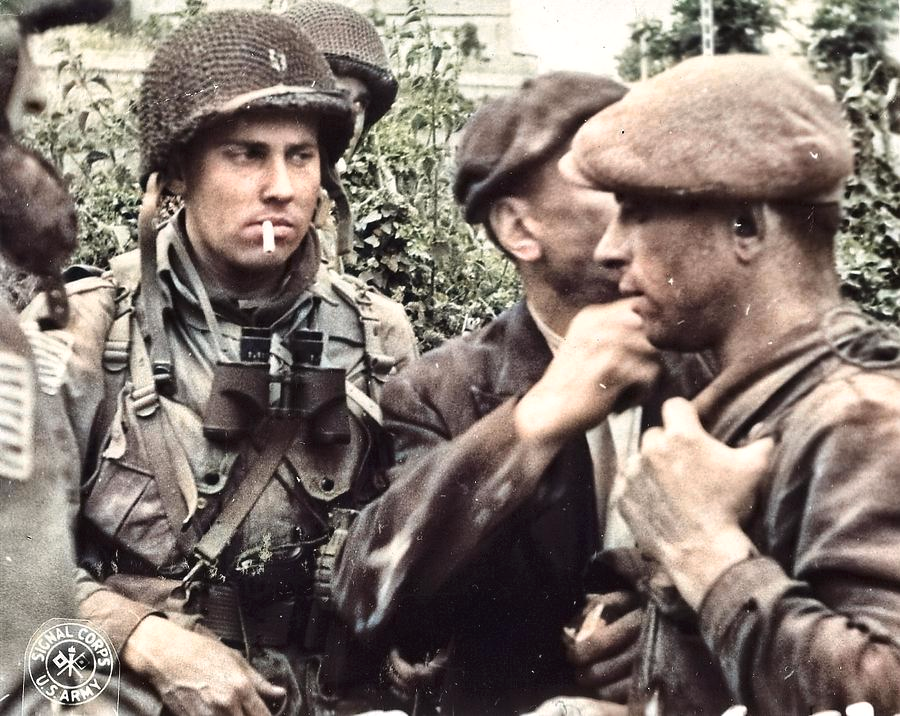
The Nazis cracked the secret code announcing D-Day, intercepted the warning live on air, and still got destroyed by an army of railway workers, teenage girls, and a house painter. Every detail of this story is real and it gets crazier the longer you read.
Start in 1943. A French house painter named René Duchez takes a redecorating job at a German engineering office in Caen. Sitting on a desk: a map of the Atlantic Wall defenses for the Normandy coast. He hides it behind a mirror on the wall, finishes the job like nothing happened, and walks out with it days later. The Resistance smuggles it to London in a cookie tin on a fishing boat. The Allies now have the blueprint of the wall they're about to climb.
He wasn't alone. For a year, ordinary French people built the most detailed picture of enemy defenses in military history. Fishermen noted gun positions. Farmers paced out minefields. Railway clerks copied German troop movements. Cleaning ladies memorized office paperwork. Thousands of reports flowed to London every month, hidden in baguettes, bicycle frames, and babies' diapers. When Allied planners sat down to design D-Day, they knew the Normandy coast better than the Germans defending it.
Meanwhile the RAF was secretly parachuting guns into French fields at night, tens of thousands of containers of rifles, Stens, and explosives, guided in by farmers holding flashlights. The Resistance was handed four sabotage plans and told to wait. Plan Green: destroy the railways. Plan Tortoise: block the roads. Plan Violet: cut the telephone lines. Plan Blue: kill the power grid. Each cell waits for its go signal, hidden among the fake "personal messages" the BBC reads every night. Nonsense phrases like "Jean has a long mustache." Each one meaningless to millions, life or death to a dozen.
June 1, 1944. The BBC reads the first line of a 19th century poem about autumn violins. It means the invasion is coming. June 5, 9:15 pm, the second line airs: go within 48 hours. Here's the insane part. German intelligence had tortured the code out of a captured Resistance leader. They knew exactly what those lines meant. They intercepted both, live. One German army went on full alert. The army actually defending Normandy was never told. Its commander had left for a war game. Rommel had driven home for his wife's birthday with a pair of Paris shoes in the car.
That night, while 13,000 paratroopers were still in the air, France exploded. The Resistance cut the rail network in over 950 places before dawn. They dropped bridges, derailed locomotives, and blew signal boxes. They dug up and severed the underground telephone cables, forcing German commanders onto the radio, where the Allies were reading their encrypted traffic. By sunrise on June 6, the German army in Normandy was blind, deaf, and stranded. Some units learned the largest invasion in history was happening from French civilians. Others, from lost American paratroopers landing in their gardens.
Then comes the masterpiece. The 2nd SS Panzer Division Das Reich, 15,000 battle-hardened troops and 200 tanks, is ordered north from Toulouse to crush the beachhead. The trip should take three days. It takes seventeen. Why? Weeks earlier, saboteurs working for a British agent had crept into the rail yards where the division's tank transporter flatcars sat, drained the axle oil, and replaced it with abrasive carborundum paste. Among the saboteurs: a teenage girl. When the panzers loaded up and rolled out, the railcars ground themselves to death within miles. Forced onto the roads, the tanks burned out their treads while the Resistance blew every bridge ahead of them, felled trees across the roads, ambushed the columns at river crossings, and sniped at them through every town, then melted into the hills. By the time Das Reich reached Normandy, the beachhead it was sent to destroy was unbreakable.
The Germans took revenge on civilians along the route, including massacres in towns that had nothing to do with the attacks. The Resistance knew the price of every cut cable and every blown bridge. They kept cutting. After D-Day they rose up across the whole country, liberating entire regions, taking surrenders of German units, and feeding the Allies intelligence all the way to Paris. Some paid in full, like the thousands who fought a doomed open battle on the Vercors plateau that July.
Eisenhower later judged the Resistance worth a full fifteen divisions of regular troops. Fifteen divisions. Of farmers, fishermen, train conductors, cleaning ladies, teenagers with carborundum paste, and one house painter who stole the Atlantic Wall off a Nazi desk and carried it past checkpoints in his paint van.
They had no tanks, no planes, no uniforms. They had poetry on the radio and the nerve to act on it. And it worked.
27
258
1,472
61,605
Aaron Smith retweeted

Jun 12
A wise man once said, if you want to hate America, watch the news. If you want to love America, drive across it.
These European World Cup tourists are experiencing the REAL America for the first time: not New York City or LA, but middle America and all its hospitality. 🇺🇸
538
5,846
36,043
1,881,525
Aaron Smith retweeted

Jun 13
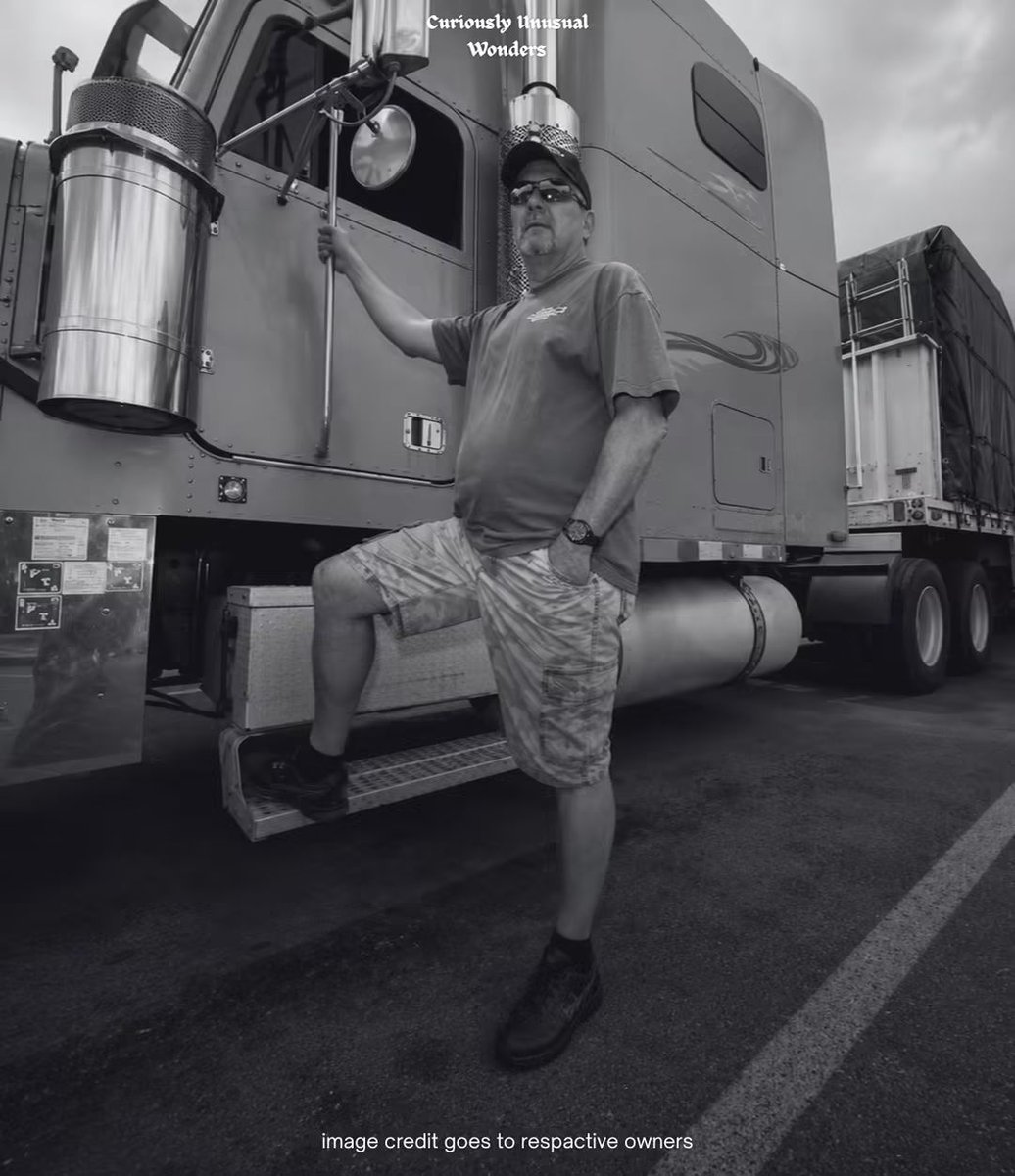
Kevin Kimmel was parked at a truck stop when something made him look twice.
An old RV. A young girl who appeared briefly at the window — and was immediately pulled back. The shade drawn.
Most people would have looked away. Written it off as nothing. Moved on.
Kevin Kimmel had attended a training session run by an organization called Truckers Against Trafficking. He knew what he was looking at.
He called the police.
That phone call ended weeks of physical and sexual abuse for the girl in that RV.
Truckers Against Trafficking was founded in 2009 on a simple and powerful insight: truck drivers are everywhere. They cover the nation's highways around the clock. They stop at truck stops, rest areas, and motels in every city and county in America. They see things that most people never see — and because they're always moving, they see patterns across regions and routes that no single community could detect alone.
"Trafficking happens everywhere," says Kylla Lanier, one of TAT's co-founders. "It's happening in homes, in conference centers, at schools, casinos, truck stops, hotels, motels, everywhere. It's an everywhere problem — but truckers happen to be everywhere."
TAT trains truckers and truck stop employees to recognize the signs that aren't obvious to the untrained eye. A person with no access to their own ID or money. Conversation that sounds scripted, like someone is reciting answers rather than speaking freely. A child who appears briefly and is abruptly pulled out of sight.
The training doesn't ask truckers to intervene directly. It asks them to pay attention — and to make a phone call.
Since 2009, TAT has trained over 2 million people. Those trained truckers and employees have helped law enforcement free hundreds of trafficking victims, including more than 300 minors.
Three hundred children.
Each one of them representing a Kevin Kimmel moment — someone who paid attention, recognized what they were seeing, and made a call.
"Before, if I saw a prostitute, I would have thought, 'Hey, that's what they want to do,'" says Sam Tahour, District Manager for TA Travel Plaza. "Now I know what signs to look for. I know what actions to take. This is what's going on out there, and these people need a hero."
The heroes in this story aren't wearing capes. They're driving trucks across the country in the middle of the night, paying attention to a window shade being drawn a little too quickly, and knowing that the right response is to pick up a phone.
Kevin Kimmel did that.
A girl is safe because he did.
37
886
2,896
30,096
Aaron Smith retweeted
Jun 12
On the morning of June 6, 1944, Lt. Dick Winters had already survived one disaster before the sun came up.
His C-47 roared over Normandy through a wall of flak, flying too fast and too low. He jumped anyway. The prop blast ripped his leg bag clean off, taking his rifle, his ammo, and most of his gear. He hit the ground in occupied France armed with a knife in his boot.
Most men in that situation hide. Winters started walking toward the sound of the war.
By dawn he had scavenged a rifle, collected a handful of scattered paratroopers, and learned that his company commander's plane had gone down with everyone aboard. Just like that, a quiet lieutenant from Pennsylvania who didn't drink, didn't curse, and wrote letters home about wanting to find a peaceful farm someday was in command of Easy Company.
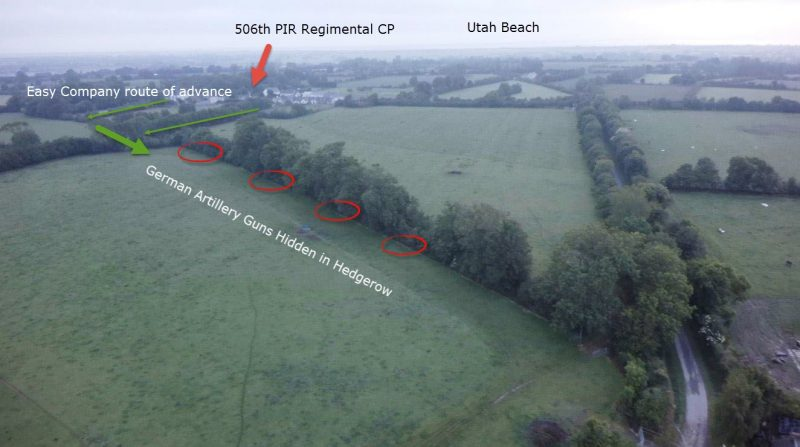
A few hours later a battalion officer gave him one of the great understated orders in military history. German fire was coming from a farm called Brecourt Manor, hammering the troops coming off Utah Beach. The order was basically: there's fire along that hedgerow, take care of it.
What was actually there: four 105mm howitzers dug into a hedgerow network, connected by zigzag trenches, covered by machine guns, and defended by roughly 60 German troops. The guns were dropping shells directly on causeway exit 2, where thousands of Americans were trying to get off the beach. Every minute those guns fired, men died in the sand.
Winters had 12.
He did not charge. He crawled forward alone to study the position, then briefed his men like he had all the time in the world. Machine guns here to pin the defenders. Compton, Guarnere, and Malarkey crawling along the flank. Hit the first gun with grenades and speed from a direction the Germans never expected.
It worked almost exactly as drawn. The first gun fell in minutes. Then his men used the German trenches as a highway, rolling up the battery one gun at a time, beating back counterattacks, and dropping blocks of TNT down the barrels to destroy them for good.
In the middle of the firefight, Don Malarkey spotted what he thought was a Luger on a dead German and sprinted into open ground to grab it. The German machine gunners held their fire, apparently deciding that anyone that reckless had to be a medic. He made it back alive. It wasn't even a Luger.
At the second gun, Winters found something better than a pistol: a German map showing every artillery and machine gun position covering Utah Beach. He sent it up the chain immediately. On the most important morning of the war, a 26-year-old lieutenant had just handed the Allies the enemy's entire defensive layout for the sector.
When reinforcements under Lt. Ronald Speirs arrived, they stormed the fourth and final gun. About three hours after it started, the battery was silent and the exits off Utah Beach were open for thousands of men who will never know his name.
The cost: one American killed, a few wounded. The Germans lost around 15 dead and a dozen captured. Winters received the Distinguished Service Cross and later said the best decoration he ever got was a sergeant telling him years later that his men trusted him with their lives.
The assault on Brecourt Manor is still studied at West Point as a textbook example of a small unit destroying a fixed position.
Around 60 defenders. Four guns. Twelve paratroopers and a lieutenant who started D-Day with nothing but a knife.
If it sounds familiar, it should. This is the same Easy Company from Band of Brothers. The difference is that none of it was fiction.
And when Winters was asked decades later if he was a hero, he gave the answer that still gets quoted at his statue in Normandy: "No. But I served in a company of heroes."
46
596
4,292
134,828
Aaron Smith retweeted

Jun 12
Today, I’m releasing never before seen intelligence revealing new evidence of past US government funding for more than 120 biolabs in over 30 countries, including Ukraine.
In support of President Trump‘s Executive Order to end federal funding of dangerous gain of function research around the world, and increase transparency and accountability, ODNI will continue working with partners across the Administration to identify where these labs are, what pathogens they contain, and what “research” is being conducted.
odni.gov/index.php/newsroom/…
16,260
83,642
288,987
42,207,191
Aaron Smith retweeted

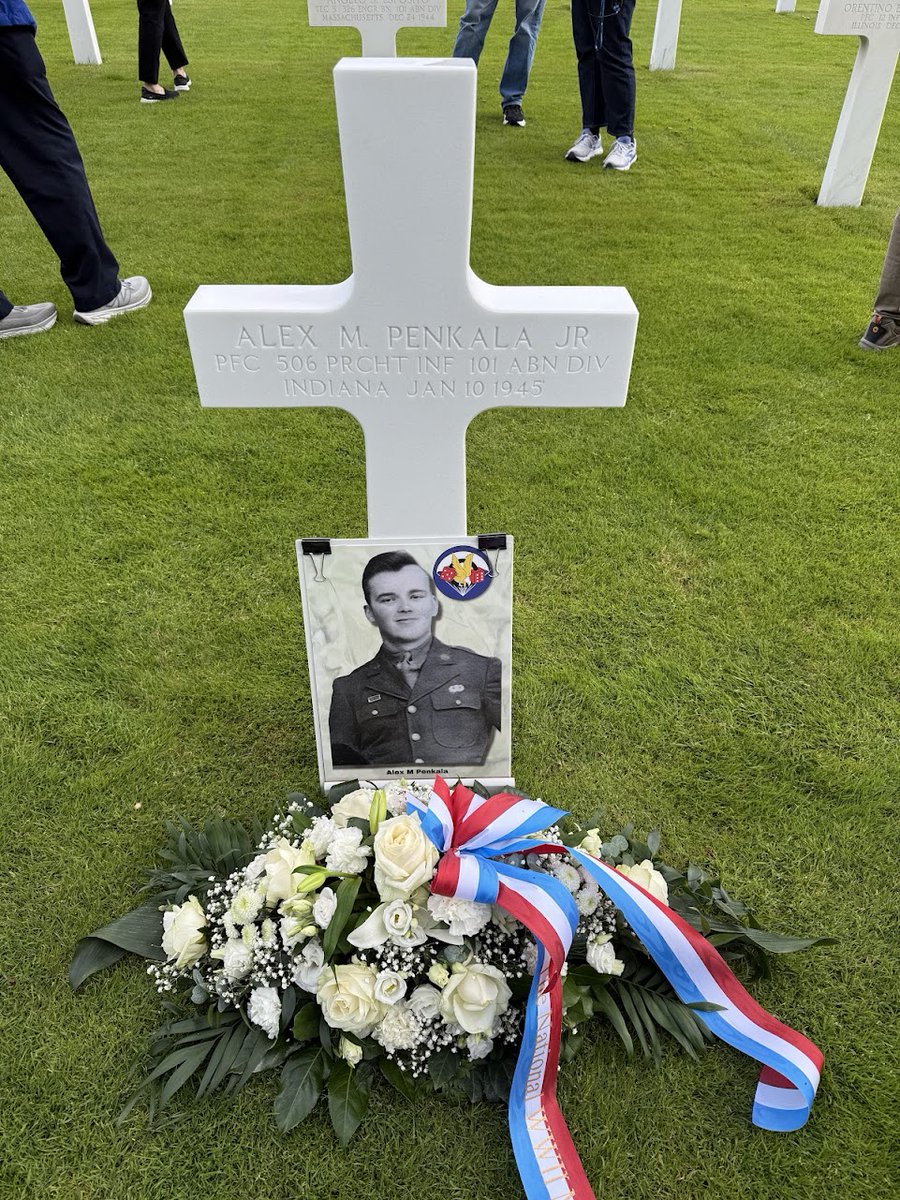
He wrote home from the Netherlands to say everything was fine. It was the last letter his family received. Alex Penkala Jr. had jumped into the Netherlands with Easy Company during Operation Market Garden. In Eindhoven, a girl remembered him signing her ration book.
Weeks later, on 10 January 1945, a German shell struck his foxhole in the woods near Foy. He and his friend Skip Muck were killed instantly. Penkala was twenty. He is buried at the Luxembourg American Cemetery.
We visited his grave today with the National WWII museum Easy Company Tour
42
207
2,196
37,826
Aaron Smith retweeted

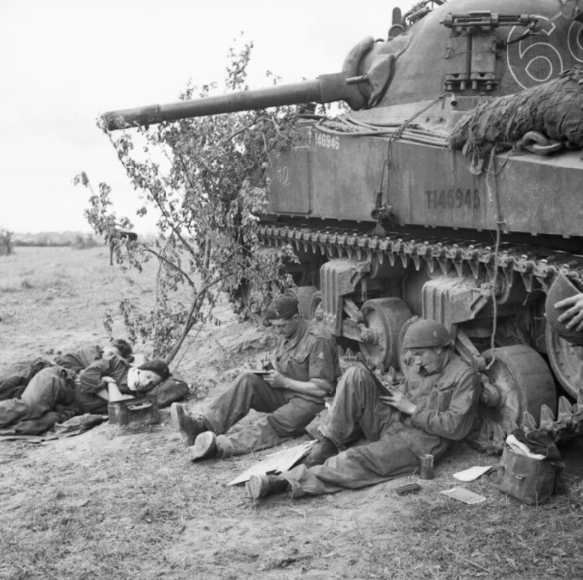
#OTD in 1944, D-Day 4:
A tank crew is photographed, some sleeping, others writing letters to loved ones.
These men, supporting the infantry in securing the bridge at Bénouville, Normandy, have endured nearly four sleepless days.
5
72
595
6,694
Aaron Smith retweeted

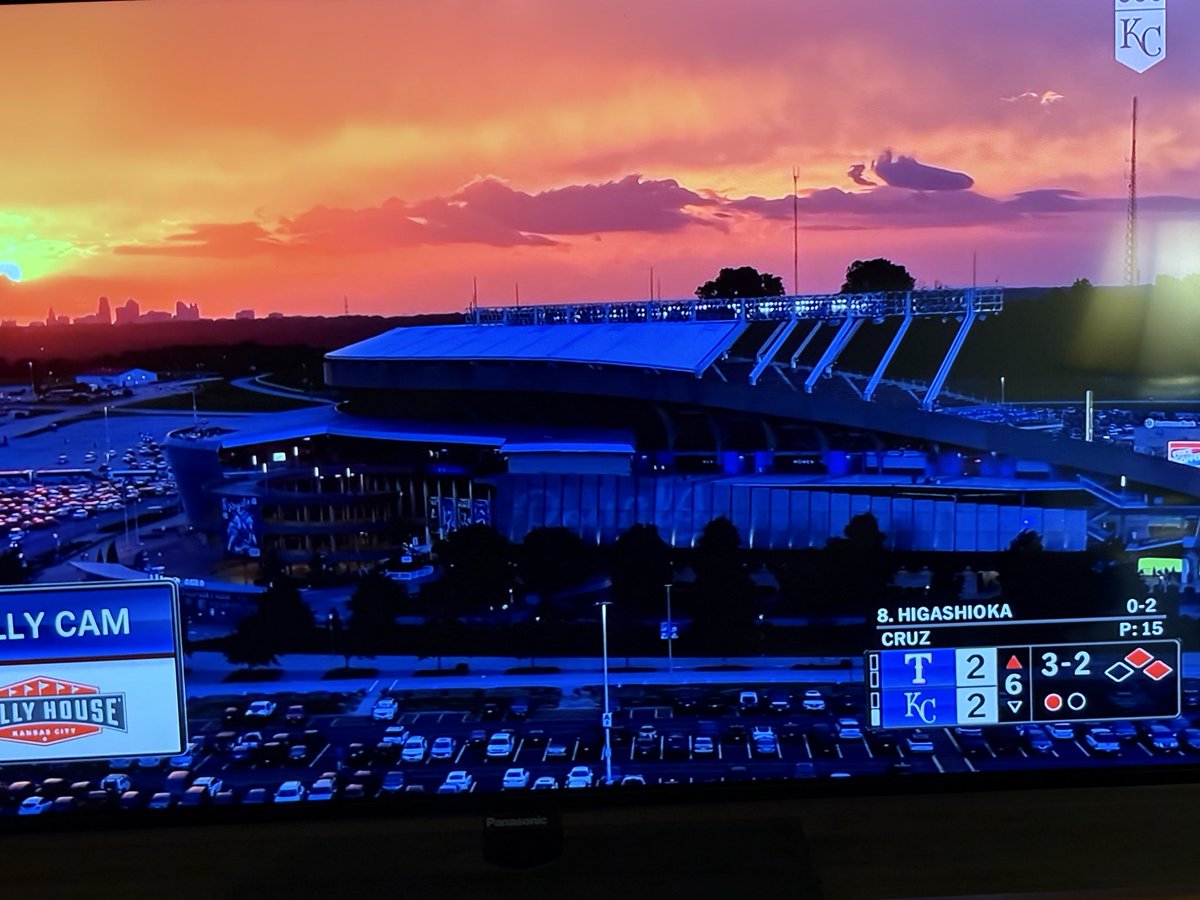
Jun 11
Incredible shot from Royals TV tonight. Love the drone usage this year.
3
16
488
7,892
Aaron Smith retweeted

BREAKTHROUGH: 96% REMISSION for Alpha-Gal Syndrome with ONE simple Acupuncture Treatment!
While the exploding tick meat allergy now hits nearly 500,000 Americans…
A 2021 peer-reviewed study already found 96% of 137 patients went into full remission after Soliman Auricular Allergy Treatment (SAAT).
No pills. No shots. No avoidance hell.
Patients literally touch an allergen vial → tiny needle placed in the ear for ~3 weeks → most can eat beef, pork, dairy again without reaction (even former anaphylaxis cases: 93% symptom-free). Zero adverse effects.
Why are we still waiting on “cures” when this low-cost, low-risk option is putting people’s lives back together RIGHT NOW?
This is criminal to keep quiet. Share if you or anyone you know has Alpha-Gal — they need to see this TODAY.

16
571
1,252
26,815
Aaron Smith retweeted

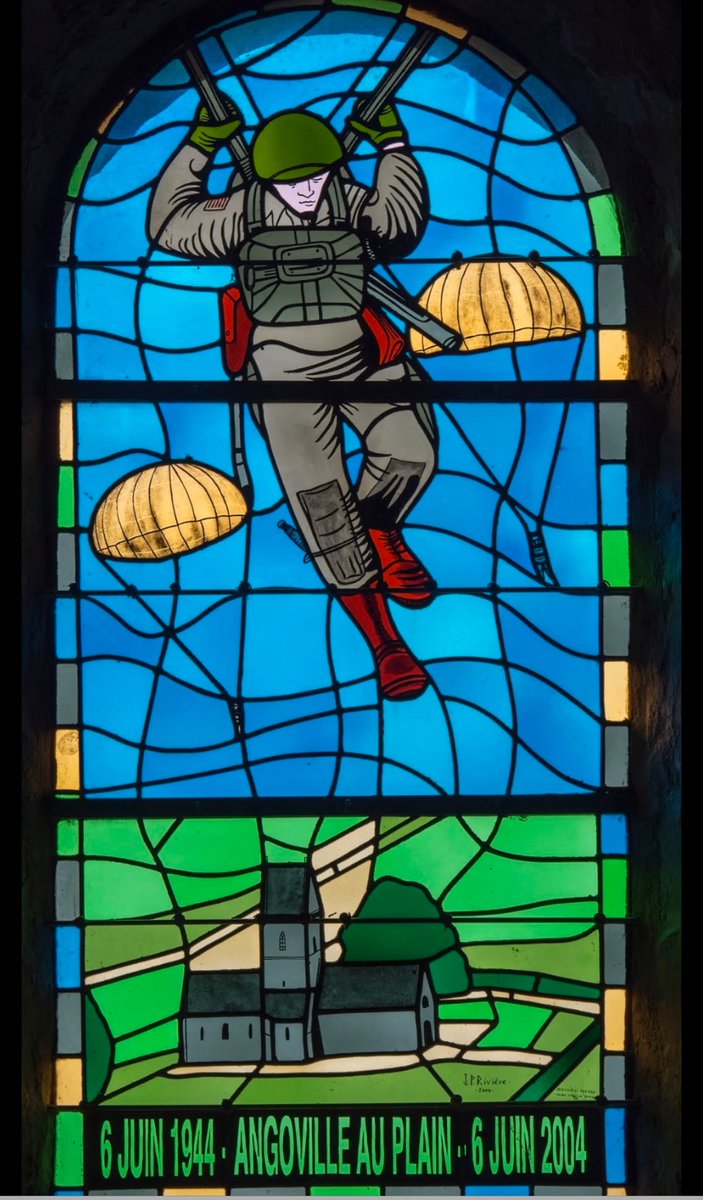
Jun 9
The stained glass window dedicated to paratroopers of the 101st Airborne Division in the church at Angoville-au-Plain, Manche, Normandy, France. 🪂
13
273
2,181
19,917
Aaron Smith retweeted

Jun 8
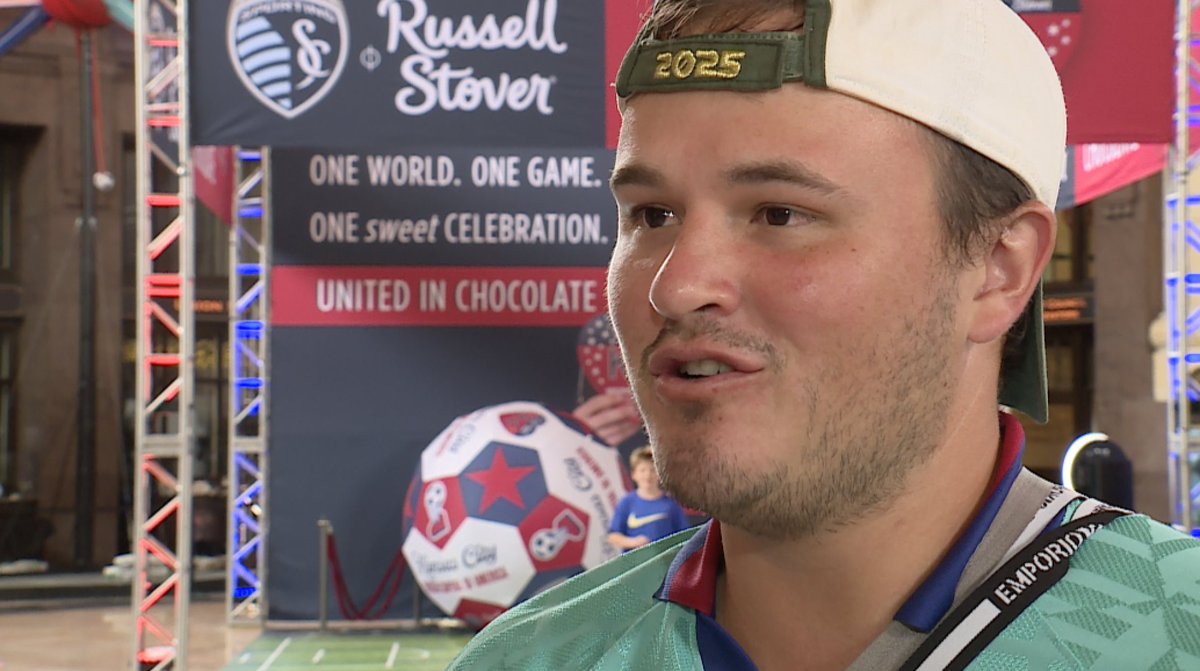
Australian Santi Brunet is in Kansas City for FIFA’s 2026 World Cup.
"I saw it as kinda a center place, like looking at the map, Kansas City is pretty much in the middle of the east and west, and Mexico and Canada," Brunet said. "It’s bigger than I thought."
KSHB’s Ryan Gamboa hung out with Santi and others on Sunday as World Cup fever continues to build in Kansas City.
Read Ryan’s report: ⬇️
kshb.com/sports/world-cup/wo…
1
10
273
276,170
Jun 8
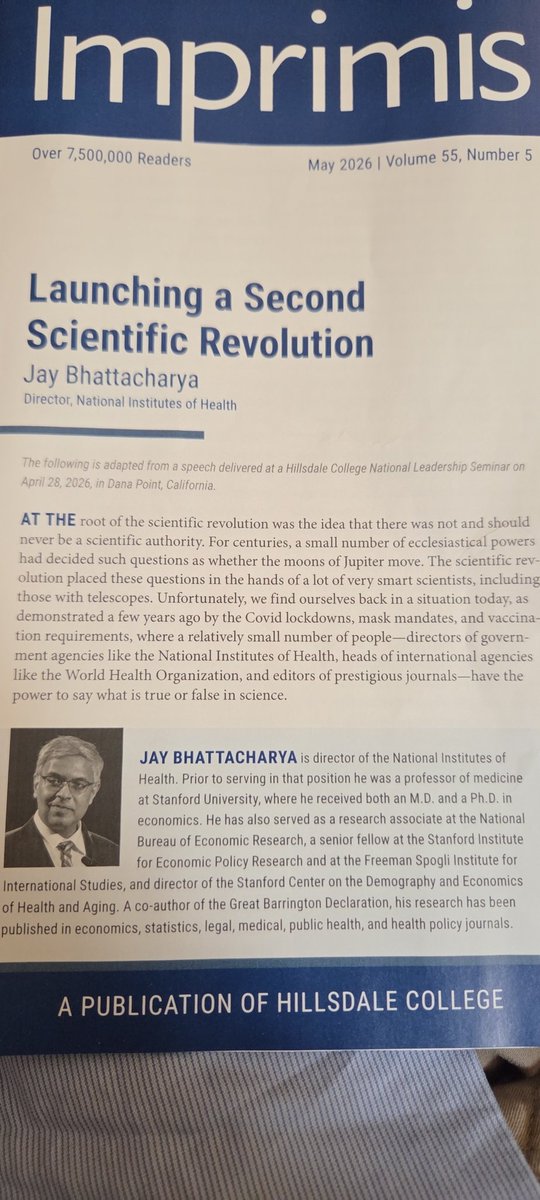
Excellent adapted article from @NIHDirector_Jay .
Please restore some integrity to the NIH by achieving your 3 pronged approach. Your opening paragraph is devastatingly true to those who watched all the experts get every single point wrong on Covid.
1
12
Aaron Smith retweeted
Jun 7
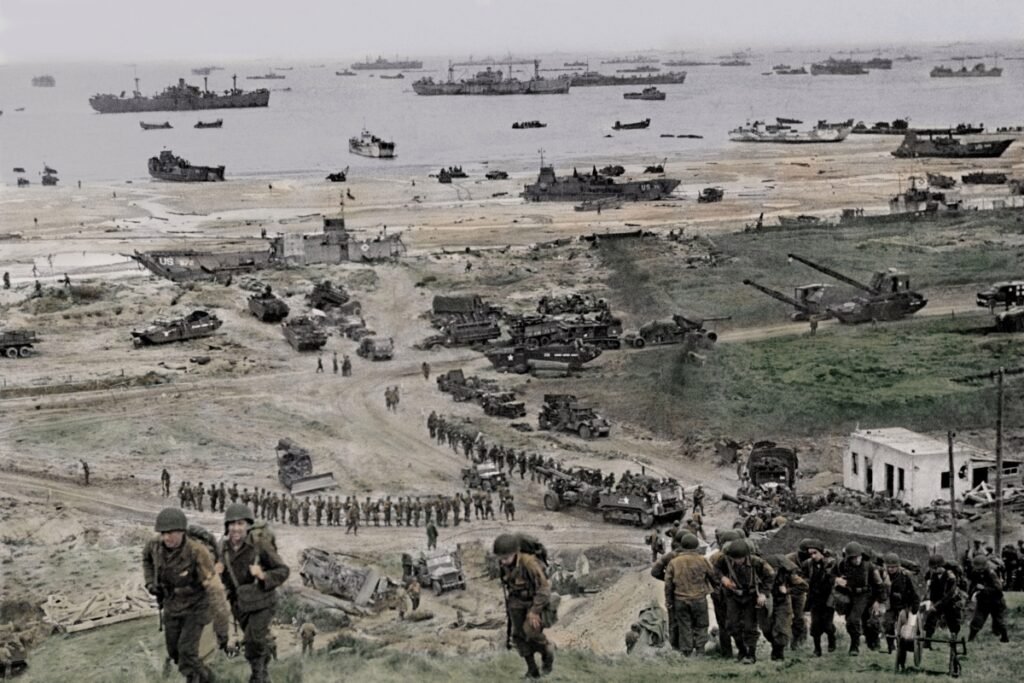
June 7, 1944. D-Day plus 1.
4,414 Allied soldiers lay dead after the longest day in history. 2,501 of them American. Bodies still washing in with the tide at Omaha.
And yet in the French town of Bayeux, 10 miles from those cliffs, British soldiers were being handed wine and flowers in the street.
The SS had fled Bayeux in the night. The French Resistance sent word to the Allies: do not bomb this town, the Germans are gone. So they weren't. At 4am, a lone British tank crept in to verify. By 1pm it was official. Bayeux was the first French city liberated from Nazi occupation. Citizens who hadn't seen a free soldier in four years ran into the streets weeping, kissing strangers, pressing bottles into soldiers' hands.
The historical irony is almost impossible to believe.
Inside Bayeux sits a 900-year-old tapestry depicting William the Conqueror, a Norman, crossing the English Channel to invade England in 1066. Now, 878 years later, the English had crossed back. And the French were screaming with joy to see them.
Here is what was simultaneously happening across Normandy:
156,000 Allied troops had crossed the Channel in a single day. The French Resistance had cut the railway network in over 500 places overnight and destroyed 52 locomotives. German reinforcements were stranded, unable to move.
Germany's most brilliant defensive commander, Erwin Rommel, was not in France. He had driven home to Germany to celebrate his wife's birthday. He had bought her a pair of shoes in Paris as a gift. He was handing them to her as the first landing craft hit the sand.
Hitler was asleep.
Not metaphorically. Literally. The Fuhrer had taken barbiturate sedatives before bed. When the invasion began at 4am, his staff received the call and stood outside his bedroom door. No one dared wake him. His two elite Panzer reserve divisions, the 12th SS Hitlerjugend and Panzer Lehr, some of the most powerful armored formations in the German army, sat completely idle waiting for a release order that could not come because the man who had to give it was unconscious.
Hitler woke at noon. Eight hours after the first boots touched the sand.
He released the Panzers at 4pm. But Allied fighter-bombers owned the sky by then. The armored columns could not move in daylight without being destroyed from above. They waited for dark, burning eight more hours.
The only serious German armored counterattack on June 6 came from the 21st Panzer Division, which drove all the way to the coast, splitting the gap between Sword and Juno beaches, almost cutting the entire Allied beachhead in two. Then they looked up. 248 British gliders were passing overhead, landing troops directly behind German lines. They turned around and withdrew.
By nightfall on June 7, the beachhead was 50 miles wide and the Allies were not going anywhere.
In Bayeux, the wine was still flowing.
The most consequential military operation in human history nearly collapsed because one general forgot to buy flowers in time, and the other one could not be woken up.
29
453
3,074
107,203
Aaron Smith retweeted

STUDY: Nattokinase DISSOLVES 84% of amyloid microclots within 2 hours in vitro — a pathology found in 100% of COVID vaccinated individuals tested.
This natural enzyme helps break down BOTH the trigger (spike protein) AND the pathological result (amyloid microclots).

🚨PRION-LIKE AMYLOID MICROCLOTS FOUND IN 100% OF THE COVID-19 VACCINATED IN A NEW PEER-REVIEWED STUDY
These anomalous structures accumulate into the MASSIVE white fibrous clots now being pulled from 20-40% of deceased individuals worldwide.
Criminal charges are necessary.
82
2,213
4,834
194,481
Aaron Smith retweeted

Jun 6
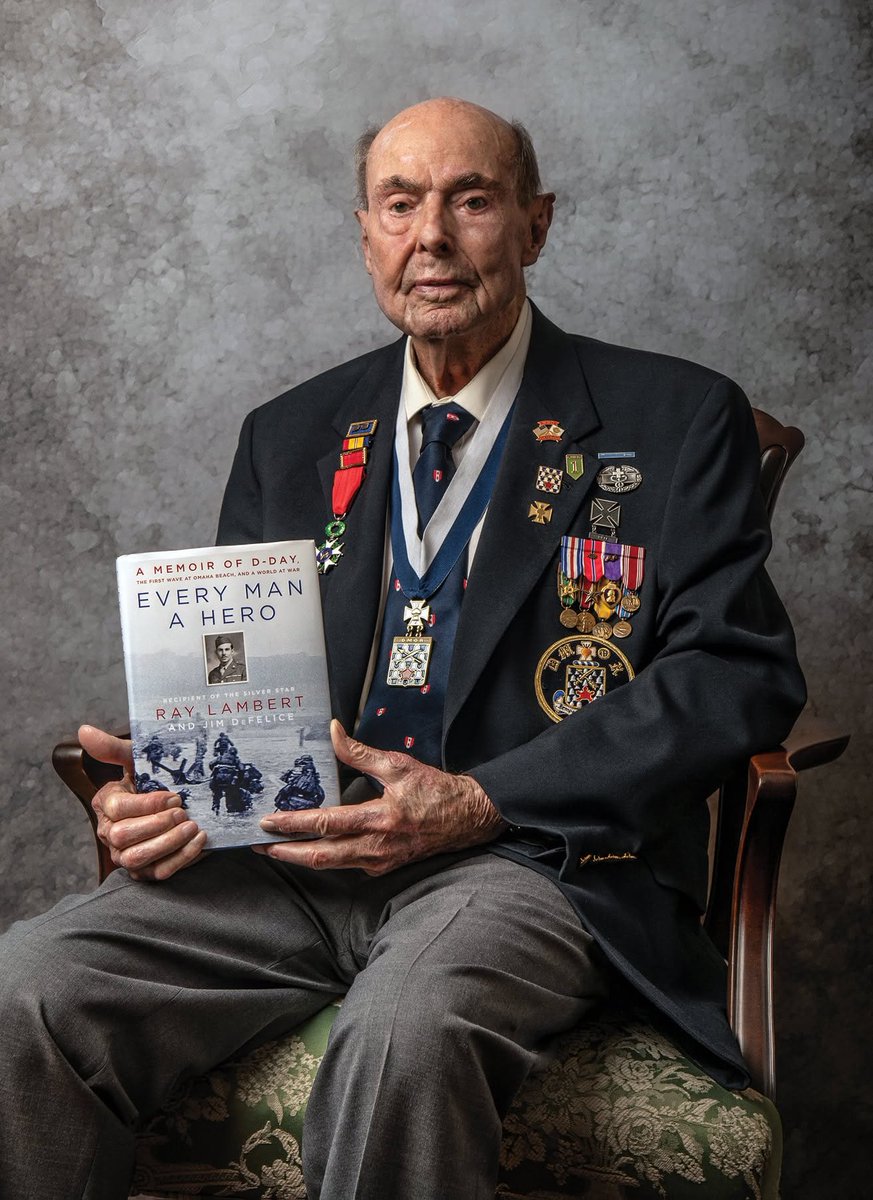
Ray Lambert had already been shot twice and blown up once before he ever set foot on Omaha Beach.
He had survived the invasion of North Africa in 1943. Then Sicily. Each time he had been wounded. Each time he had gone back. By June 6th, 1944, the 23-year-old Staff Sergeant and head medic of the 16th Infantry Regiment's 2nd Battalion was on his third invasion in two years. He had already won a Silver Star for running through German lines in North Africa to drag wounded men out.
He was not supposed to survive a third one.
Lambert landed in the first wave at Omaha Beach. Of the 31 men in his landing craft, only 7 survived the day. The other 24 were killed before they even reached the sand.
He started working immediately.
The first bullet hit his right arm and shattered the bone. He kept going. A second round tore through his right elbow as he was pulling a wounded soldier through the surf. He kept going. Something hit his leg and opened it down to the bone. He put a tourniquet on himself, injected himself with morphine from his own kit, and kept going.
He found a slab of concrete on the beach that offered a few inches of cover. He set up a treatment zone behind it, dragging men out of the water and working on them one by one under constant fire. That piece of concrete is still there today. People who visit Omaha Beach call it Ray's Rock.
Then a loose landing craft ramp swung loose in the surf and slammed into him. It broke his back.
He kept going.
Lambert lost count of how many men he treated. The official record credits him with saving at least 15 lives that morning. Other accounts say closer to two dozen. He worked until his body physically stopped, collapsing unconscious at the edge of the surf, bleeding from multiple wounds, his back broken, still in the water.
A doctor spotted him. A landing craft pulled him out.
Here is the part that does not feel real.
Lambert's brother, Euel, had also been wounded at Normandy that day. The two brothers were loaded onto the same evacuation landing craft. They were placed in the same wheeled ambulance. They were taken to the same tent hospital in England. They were brought into the same operating room at the same time.
Lambert spent almost a full year recovering before he could walk properly again.
He went home. He lived quietly for decades, rarely talking about what happened. In 2019, at the age of 98, he went back to Normandy and stood on the beach again. He published a memoir called Every Man a Hero. It became a New York Times bestseller.
In 2021, Ray Lambert died peacefully at home. He was 100 years old.
He had three invasions, four serious wounds, a broken back, a Silver Star, multiple Bronze Stars, multiple Purple Hearts, and two dozen men who came home because he refused to stop moving on the worst morning in American military history.
Today is June 6th.
Remember him.
225
1,764
6,801
75,318
Aaron Smith retweeted

Before a single Allied soldier set foot on Normandy, before the battleships opened fire, before the paratroopers jumped, before any of it, a fleet of small ships sailed alone into the darkness toward the most heavily mined waters in the world.
Nobody talks about the minesweepers.
They should.
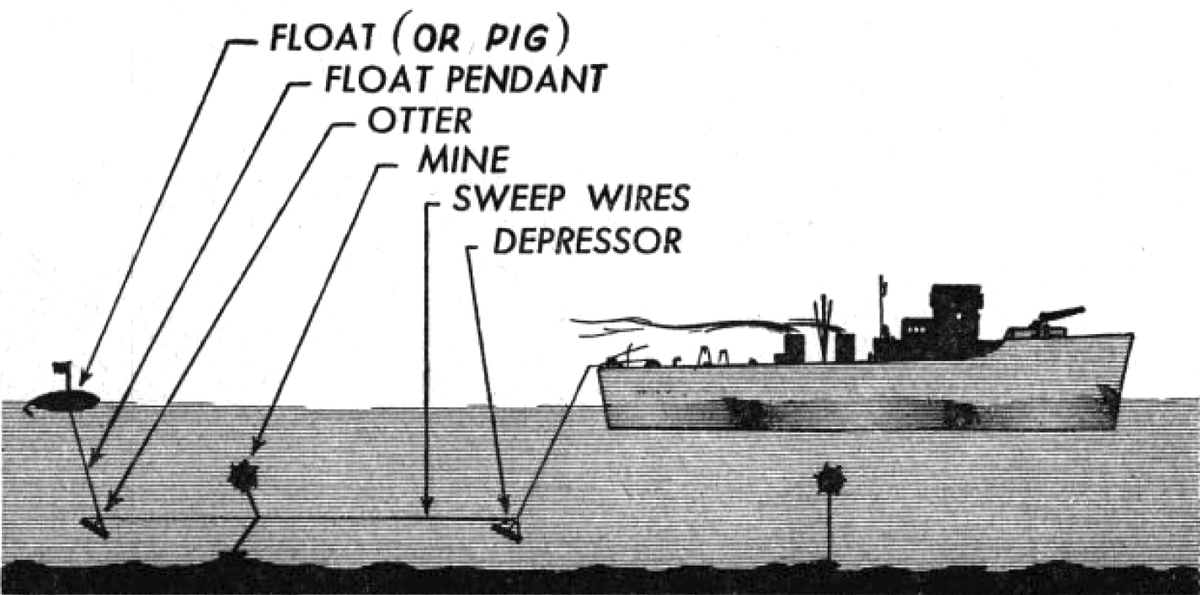
By June 1944, the Germans had laid over 6,000 mines across the approaches to the Normandy coast. Contact mines that detonated on impact. Magnetic mines triggered by a ship's hull. Pressure mines activated by the wake of a passing vessel. And some of the most sinister weapons ever devised: mines fitted with ship counters, designed to let several vessels pass safely overhead before exploding under the one that followed. You could sweep a channel, declare it clean, and still die.
The entire D-Day plan rested on one brutal fact: 6,939 ships could not reach the beaches without someone going first to clear the way.
That job fell to 350 minesweepers.
On the night of June 5, hours before the invasion fleet moved, the minesweepers sailed. No escort. No cover. Just small ships pushing into the dark, dragging wire sweeps through the water, cutting the cables of moored mines and listening for the sound of their own death.
They swept 10 separate channels, each 400 yards wide, all the way from England to the coast of France. They were operating within range of German shore batteries. In complete darkness. In rough seas with strong currents constantly pushing them off course, forcing sweeps to be repeated. Keeping formation in those conditions, in the dark, without lights, was nearly impossible.
The Germans never detected them.
Think about what that means. Hundreds of ships, running without lights, dragging equipment through the water, close enough to the French coast to be well within range of shore batteries, and the Germans had no idea they were there.
By 3:30 in the morning, all 10 channels were clear.
The price was paid. USS Osprey struck a mine on June 5 and went down in minutes, killing 6 men. They were the first casualties of the entire D-Day operation, killed before the invasion had officially begun, their names barely known to history. USS Corry struck a mine off Utah Beach and sank so fast her crew barely had time to abandon ship.
These men knew exactly what they were sailing into. Minesweepers do not have the armor of a destroyer or the firepower of a cruiser. They are small. They are slow. They go first because someone has to, and they go knowing that the mine that kills them is one they simply never found.
When the great armada finally moved, when 6,939 ships began crossing the Channel toward France, every single one of them sailed through corridors those men had cut in the dark.
Every landing craft that reached the beach. Every tank that came ashore. Every soldier who stepped onto Normandy and lived. They all passed through water that had been cleared, in silence, in darkness, hours before dawn, by men most people have never heard of.
The liberation of Europe sailed in their wake.
34
388
1,840
67,290