
51 Photos and videos










There should be no blurring of the lines between PAs and doctors.
Thank you to Marion and Brendan Chesterton for speaking out.
30 Sep 2024

'She thought she was a doctor.'
Marion and Brendan's daughter died as a direct result of being treated by a Physician Associate when she thought she was seeing a doctor.
Emily had a blood clot in her calf but was sent away with a beta blocker & a diagnosis of long Covid. She died three weeks later.
Emily's parents are calling for more clarity and regulation.
10
169
568
34,525
Abi retweeted

29 Sep 2024
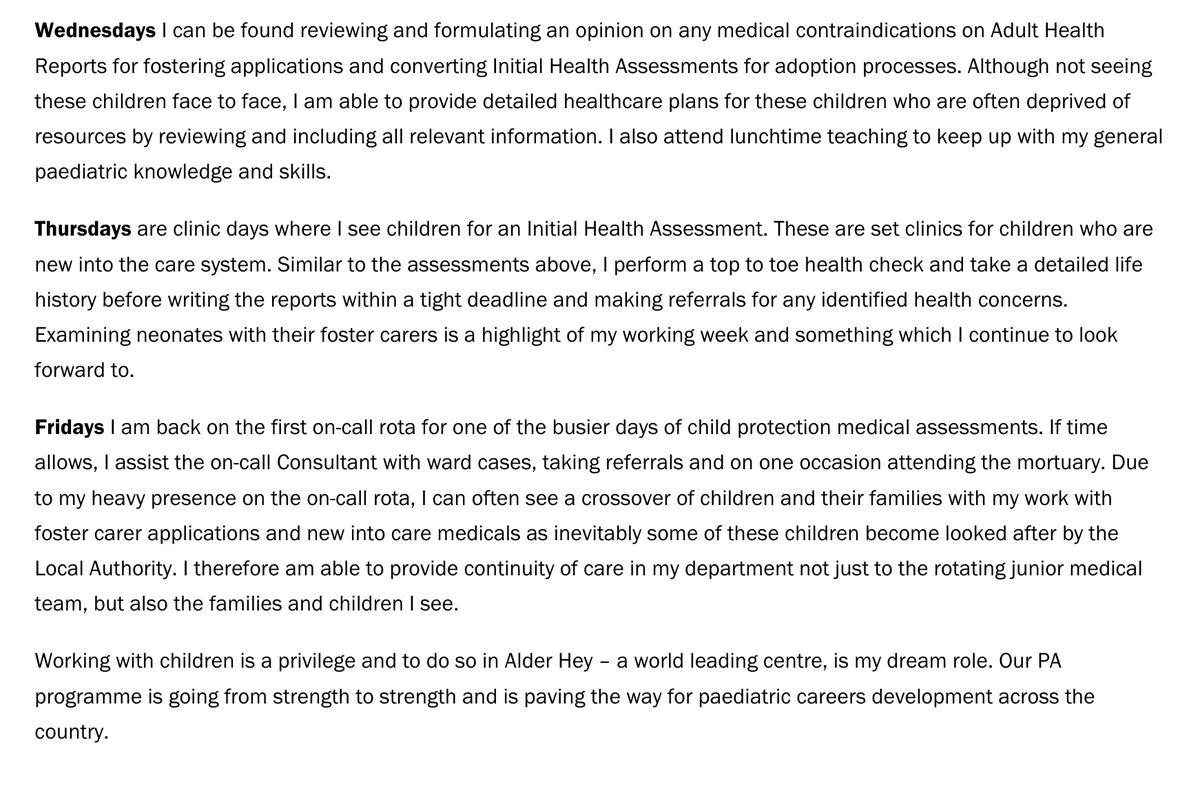
The misuse of PAs at @AlderHey that @Mike88881221 is uncovering is just shocking.
Physician Associates, unregistered and unregulated, performing the first (only?) forensic medical examination in child protection cases, where children have been abused, despite knowing 1/5
21 Sep 2024

The physician associate clearly outlined their role - minimal supervision, acting on the safeguarding on-call rota, and examining abused children...they even boast about visiting the morgue!

17
390
962
136,845
Abi retweeted

29 Sep 2024
There is a 6:1 competition ratio for paediatrics.
Instead of expanding training roles to create future consultants, PAs are being brought in to directly replace qualified doctors.

3
20
99
59,711
Abi retweeted

29 Sep 2024
Paediatric training is incredibly oversubscribed, with 6 doctors applying for every post.
So why - instead of expanding the number of training posts - is @NHSEngland replacing paediatricians with PAs who don't even have a medical degree?
This is so reckless, @wesstreeting.
29 Sep 2024

There is a 6:1 competition ratio for paediatrics.
Instead of expanding training roles to create future consultants, PAs are being brought in to directly replace qualified doctors.
30
581
1,332
57,605
Abi retweeted
29 Sep 2024
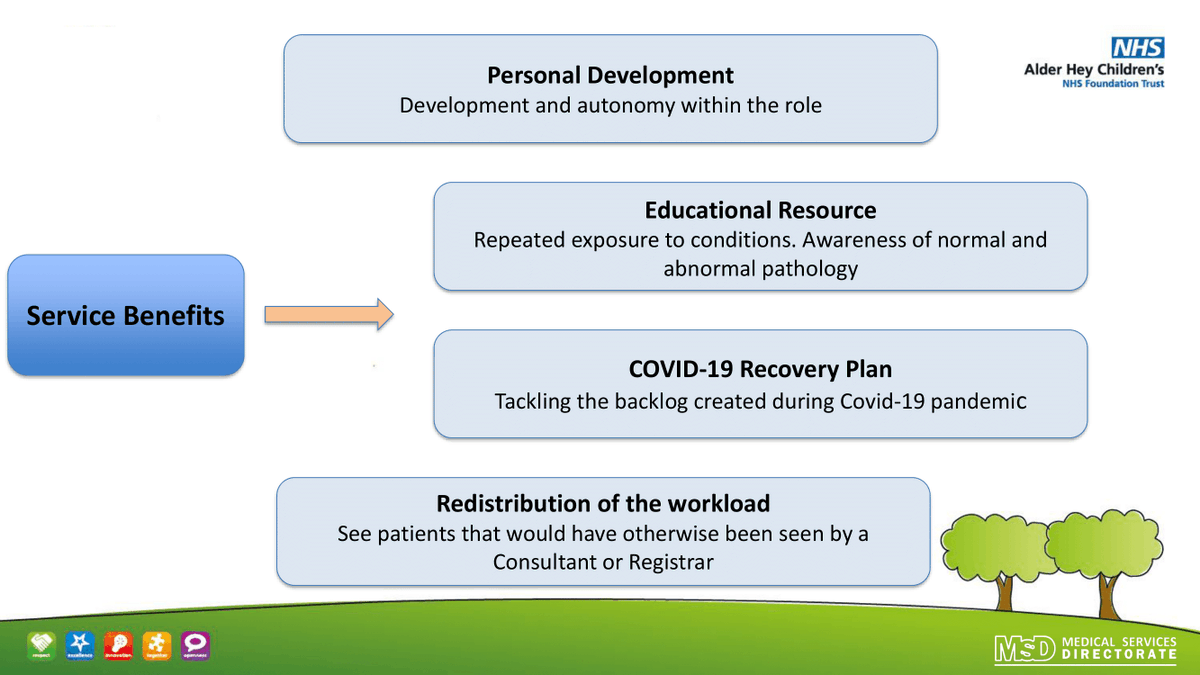
The most chilling slide is the one stating benefits.
One, says Alder Hay, is “redistribution of workload” - defined as PAs seeing patients who would otherwise be seen by a consultant or registrar.
The explicit replacement of doctors with non-doctors - on children, no less.
10
120
468
19,476
Abi retweeted
29 Sep 2024
It is hard to overstate how concerning this is.
@AlderHey appears to be using physician associates - not doctors - to see children independently in surgical outpatient clinics.
No medical degree.
No post-grad paediatric qualifications.
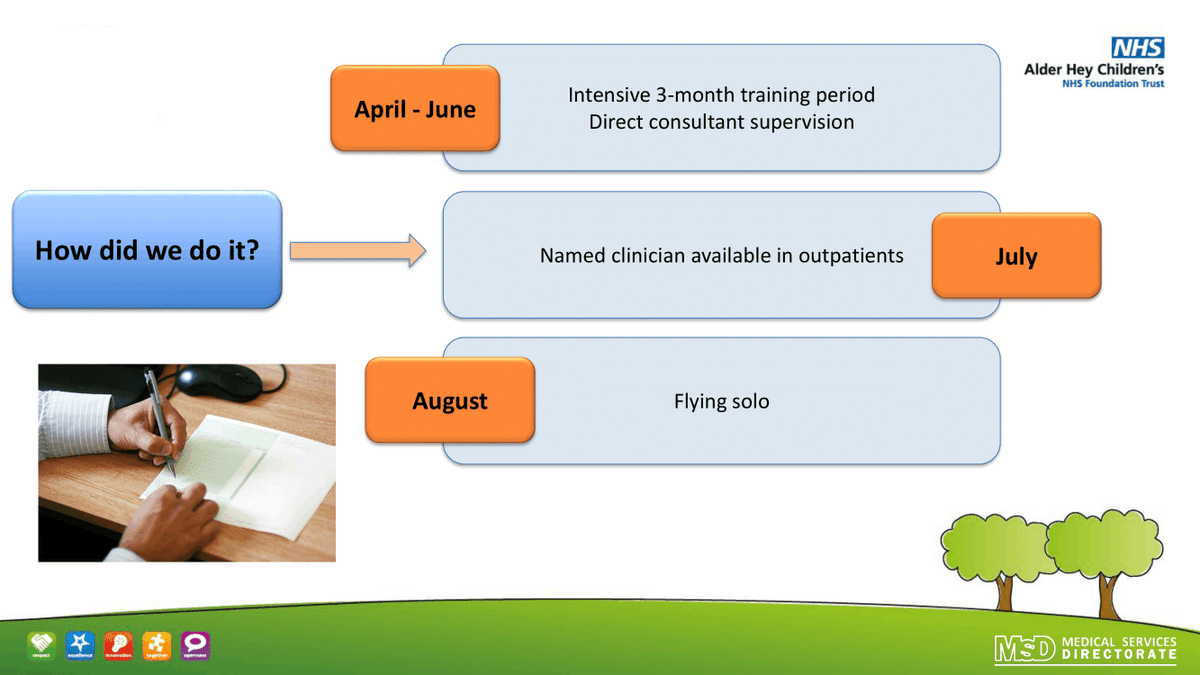
Just PAs, “flying solo” on your kids.
28 Sep 2024
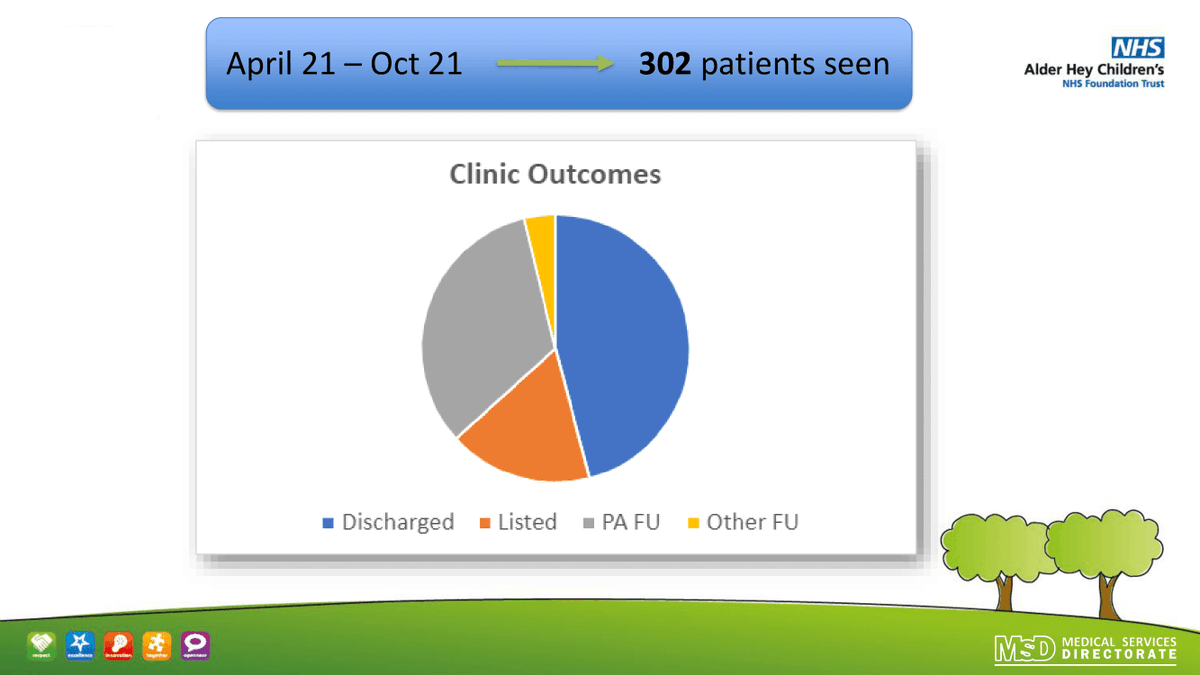
Independent PA-led surgery clinics at @AlderHey?!
More worrying details are emerging about the unsafe use of Physician Associates by @AlderHey
- Only three months on the job training before "flying solo"
- Replacing registrars and consultants
- Listing patients for surgery
66
1,009
1,995
344,506
Abi retweeted

31 Jul 2024
Josh Shapiro called Netanyahu "one of the worst leaders of all time." But anti-Israel activists have mobilized against him—and him alone—being on the Democratic ticket.
I wrote about the campaign against Shapiro & the perverse politics of Jewish identity: theatlantic.com/politics/arc…
269
849
4,114
1,358,282
Abi retweeted

29 Jun 2024
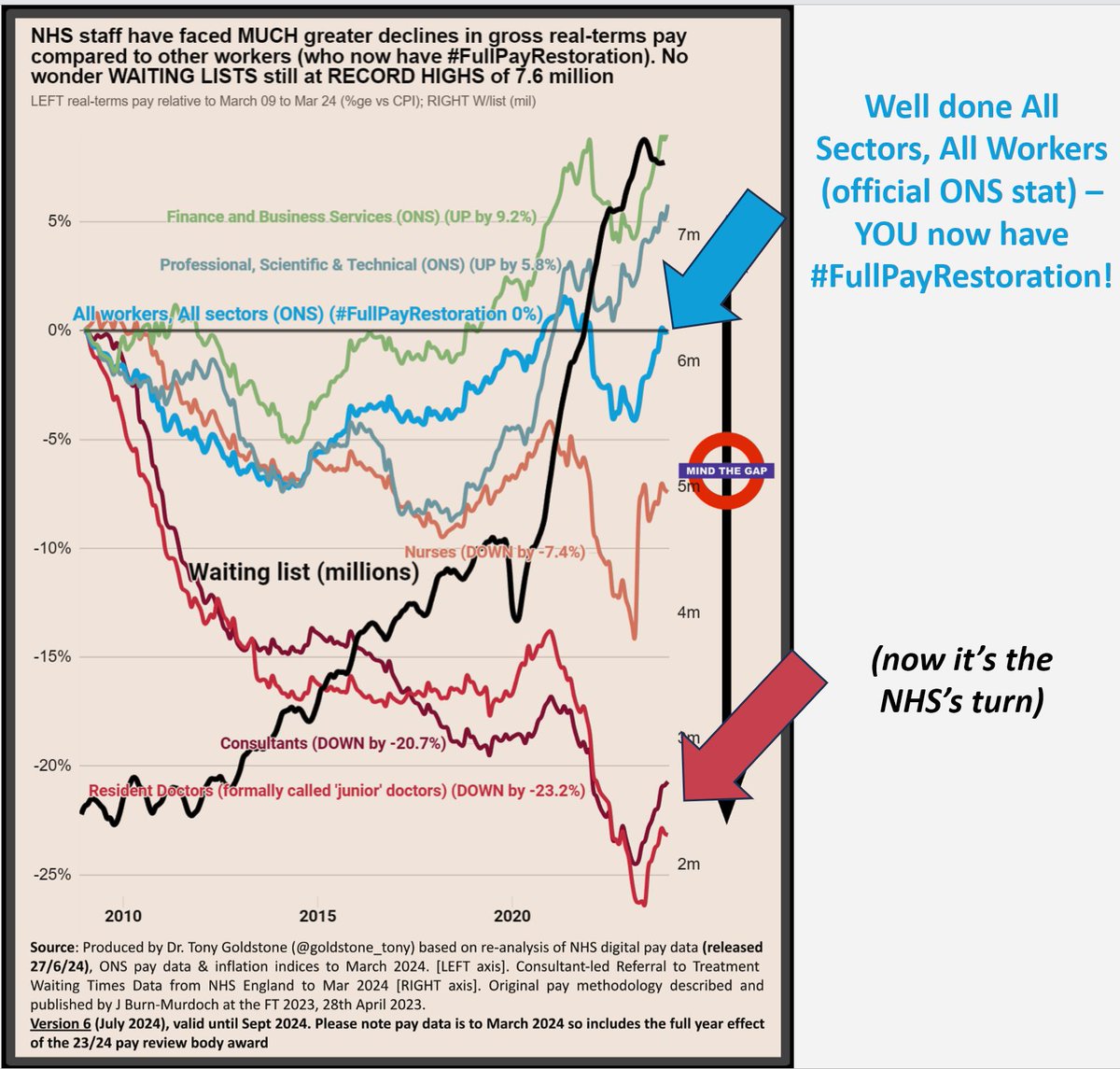
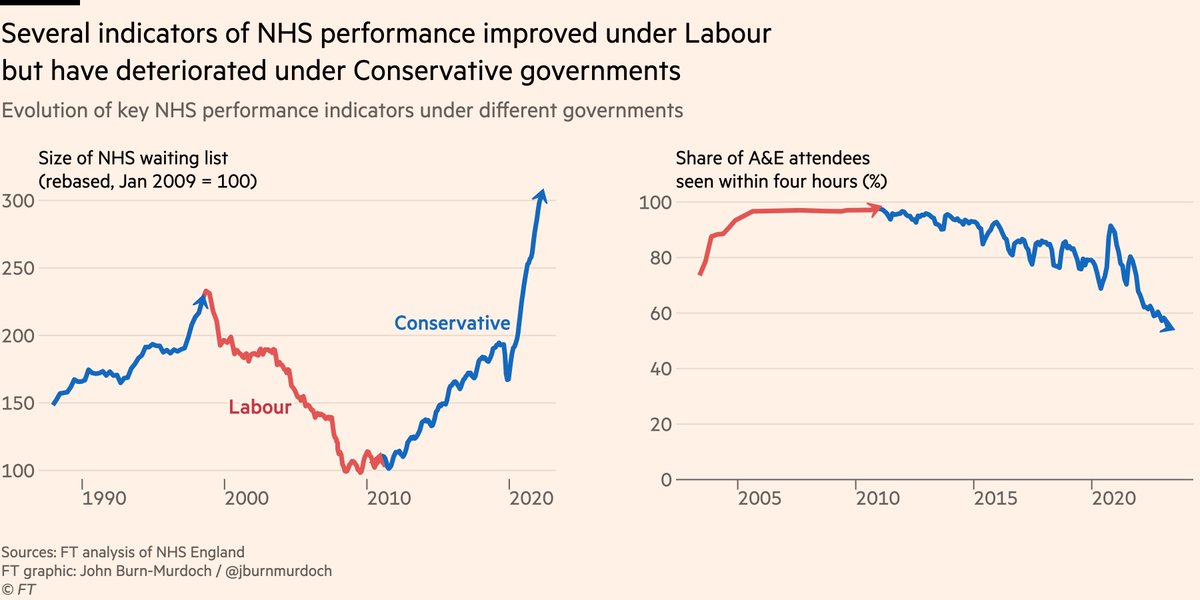
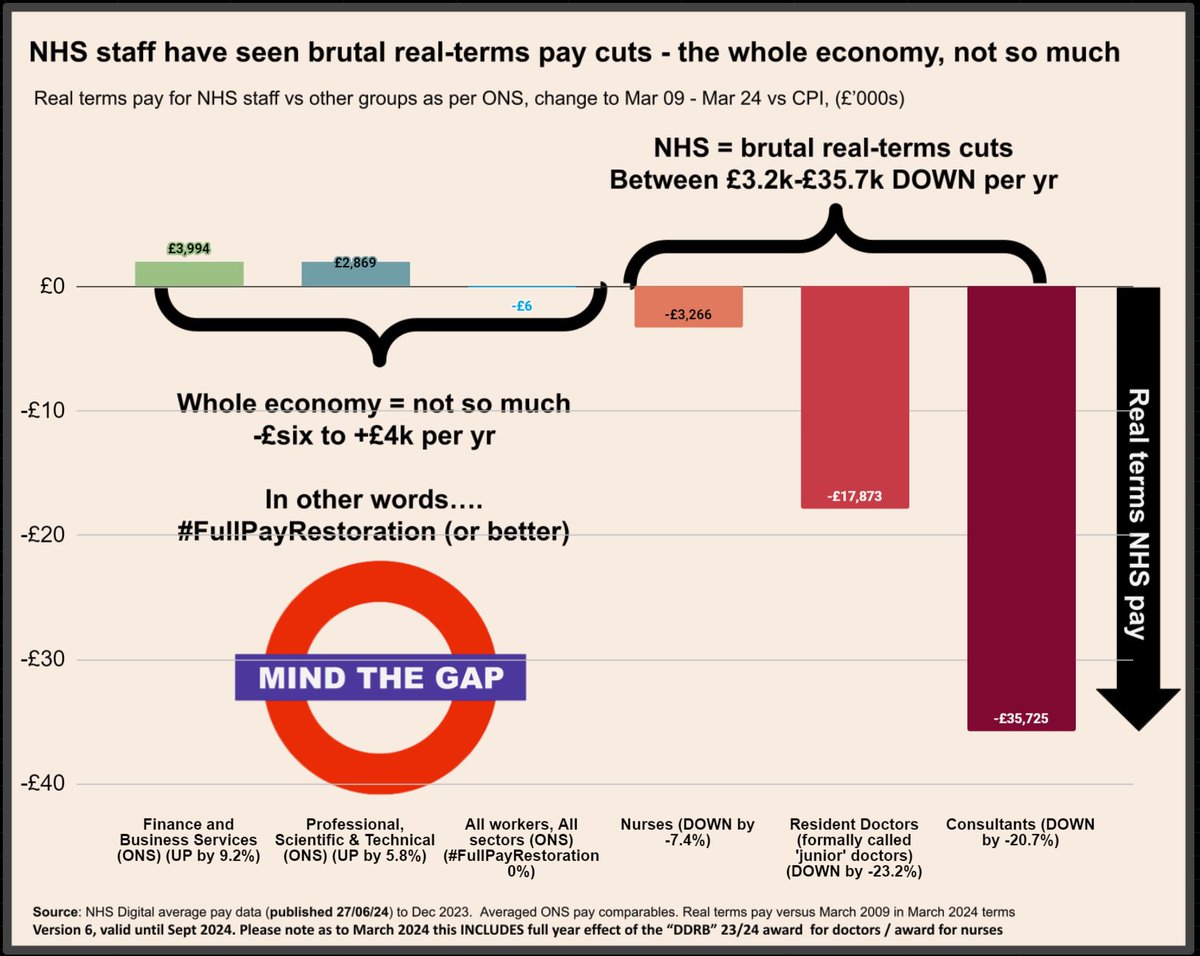
1/ NEW & IMPORTANT: Quarterly NHS pay data updated 27/6/24 👇 In BREAKING NEWS NEW charts now show ALL SECTORS have reached #FullPayRestoration (though NOT, of course, the NHS)
We MUST fix pay/retention to fix #WaitingLists
Please read whole [long bumper] 🧵 & share widely/RT
7
219
336
240,922
Abi retweeted

21 Apr 2024
A trauma surgeon on why Gaza is the worst of war zones
econ.st/3w0btsy
1
3
70
Abi retweeted

15 Mar 2024
Is there a way out of the Israel-Palestinian trap? on.ft.com/3wW8rpe | opinion
3
2
13
20,299
Abi retweeted

6 Mar 2024
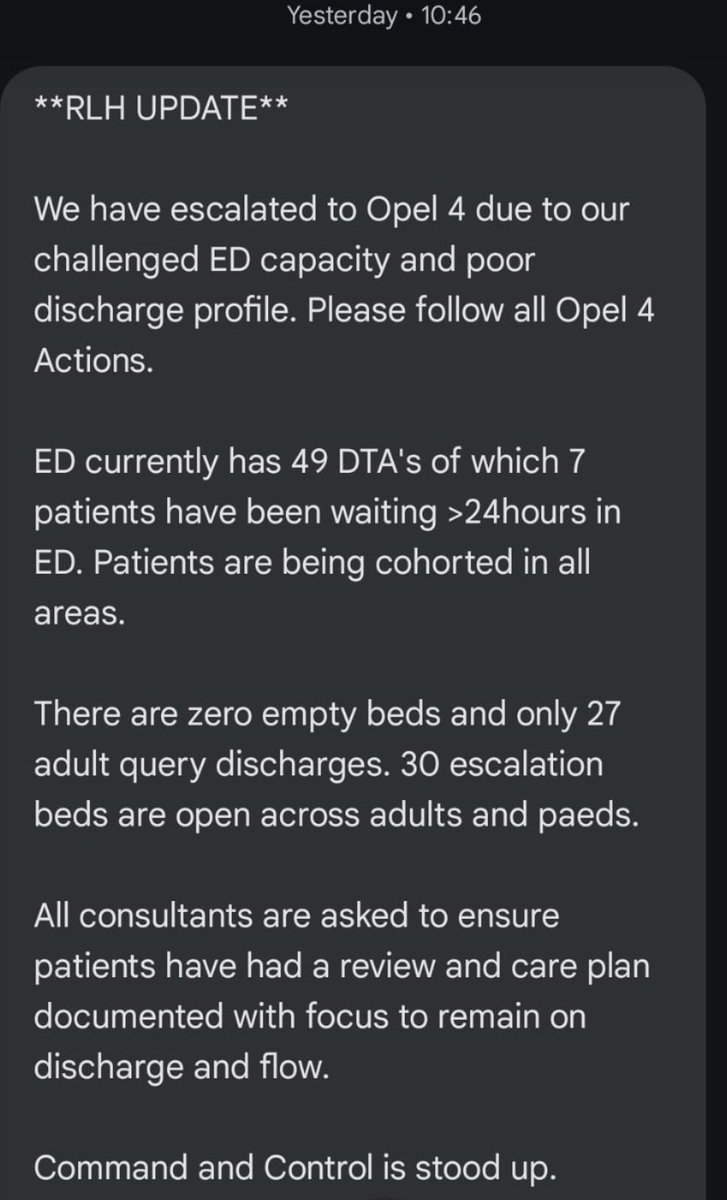
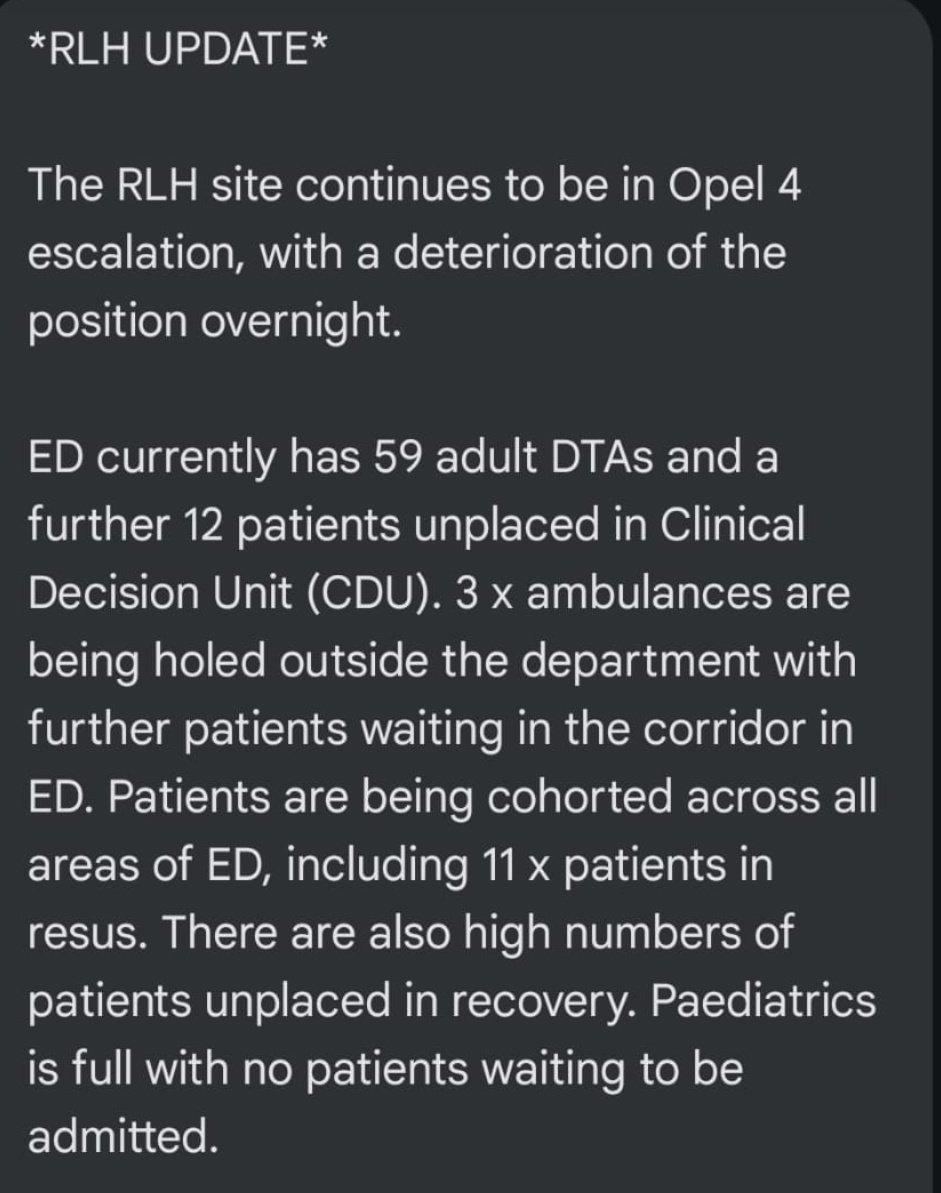
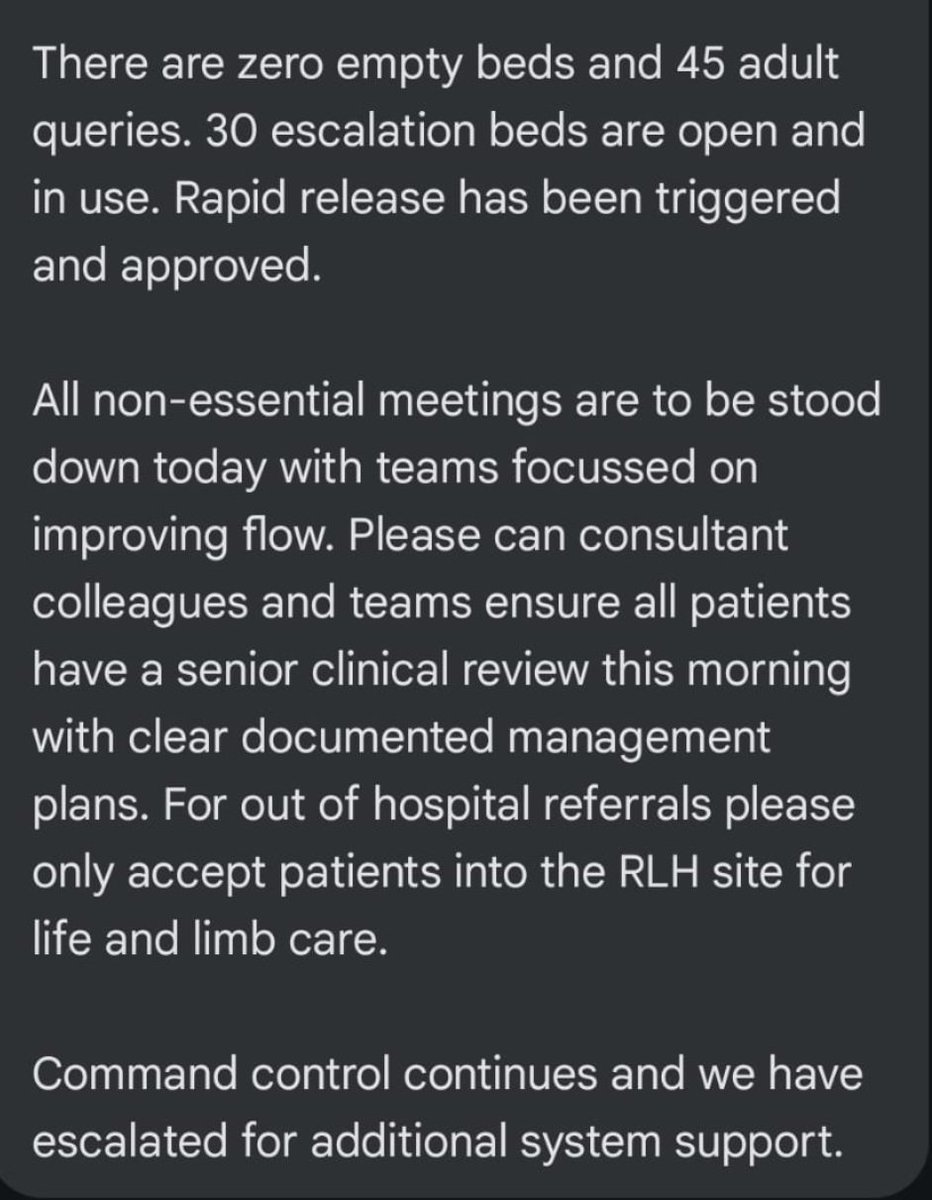
🚨 Tough few days at @RoyalLondonHosp - "There are zero empty beds"...7 patients waiting 24hrs . Today 59 pts waiting, ambulances stacked, meetings axed.
One dr tells me: "It's all just so depressing. I honestly don't know if I can work in this system for much longer."
23
174
285
143,302
Abi retweeted

23 Feb 2024
On Hamas, Netanyahu - and the fateful choices ahead. Latest column theguardian.com/commentisfre…
17
24
55
11,774
Abi retweeted

25 Feb 2024
Peace of the Brave? When I was 11 years old in Gaza, I remember a particularly deadly Hamas suicide bombing in Israel in 2001. Soon after, a news conference was held by Yasser Arafat in which he called for de-escalation and asked Hamas to stop undermining the Palestinian Authority through its violence against Israelis. He ended his conference calling for a mutual ceasefire and renewing his commitment to bolster the “peace of the brave,” a phrase that grew in prominence during the 1990s at the height of the Oslo Peace process. This phrase (سلام الشُجعان) was always mocked by anti-peace Palestinian factions and their mouthpieces. Hamas, the Palestinian Islamic Jihad and a few small militant groups would instead refer to it as the peace of the cowardly, the treacherous and the weak. There was so much anti-Arafat propaganda which specifically condemned him for believing that peace with Israel was courageous, saying instead that armed resistance was the only possible courageous act for the Palestinian national movement. I remember wondering about who was right: was peace indeed cowardly or was it actually courageous and brave? Unfortunately, Hamas created so much confusion, uncertainty and doubt among Palestinians about peace, making the word itself sound radioactive, toxic, unsavory and inherently treasonous.
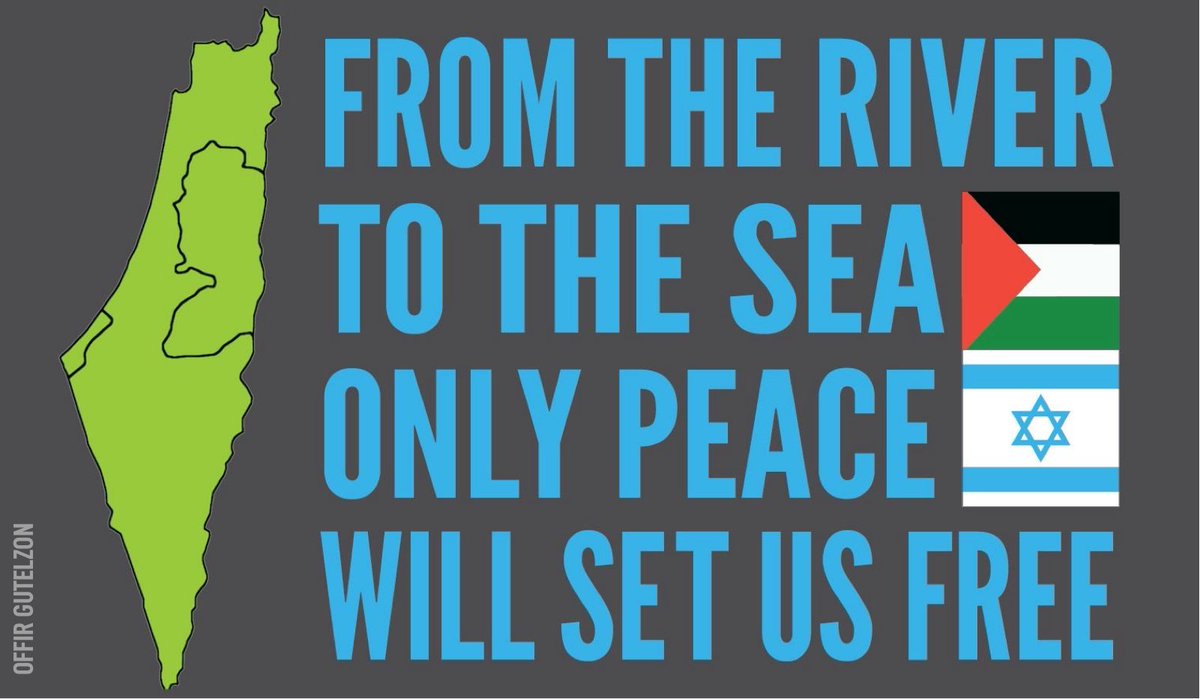
As time went on, and I learned so much more about history, the peace process, Hamas, conflict resolution, and even some Muslim teachings and scholarly interpretations, I realized that for all of his faults and shortcomings, Arafat was absolutely right. Peace does require brave courage to wage, promote, adopt, embrace and act upon. It is so much easier to be consumed by hate, incitement, violence and vengeance. Tribalism, entrenched narratives, lack of pragmatism and blind rage cause many nations and societies to walk away from peace and perpetuate a vicious cycle of violence and enmity. Again and for all his faults and horrendous leadership mistakes during the 1970s and 1980s, Arafat made an incredibly courageous decision to renounce violence and recognize Israel and its right to exist — he would still go on to make detrimental and disastrous mistakes after this brave decision. Nevertheless, he set a precedent within the Palestinian national movement to acknowledge that there will be no full liberation of Palestine from the river to the sea and that recognizing Israel and working with the Jewish State is necessary and inevitable for peace and the well-being of the Palestinian people.
Brave and courageous Palestinians and Israelis must wage peace and find the slightest of common ground to give their people a chance at a better future. This will start with engagement, dialogue, conversations, and discussions. Yes, the disagreements are vast, and emotions are running high; yet I truly believe that cross-aisle gestures of goodwill based upon mutual respect, acknowledging our common humanity, and embracing that neither side is going anywhere can help break the entrenched narratives and start the slow healing journey. Peace requires courage to challenge dominant narratives and withstand reactionary accusations of disloyalty or treason.
And yes, political decisions are ultimately what will bring about a transformation of conditions on the ground. However, that will be useless if people-to-people connections are not made. Governments make political agreements, but people make true and lasting peace. My own suffering and hardships, the death of so many family members, and the continued horror that my folks in Gaza are experiencing is precisely what motivates me to seek a different path forward. I’ve talked to former Israel hostages released by Hamas and to families of hostages who have an incredible capacity for compassion, and also want to use their suffering/awful experiences to push for a different reality. Inshallah in our lifetime, and with some courageous individual acts and steps, we will have true and lasting peace of the brave.
216
646
2,798
302,973
Abi retweeted

25 Feb 2024
It is like the post office. They all knew horizon was dodgy but rather than manage it they prosecuted those who showed it was not fit. Plenty of civil service cheered on Horizon. You all thought postmaster thieves and liars. Try listening. Harm is being done.
9
75
2,533
Abi retweeted

19 Feb 2024
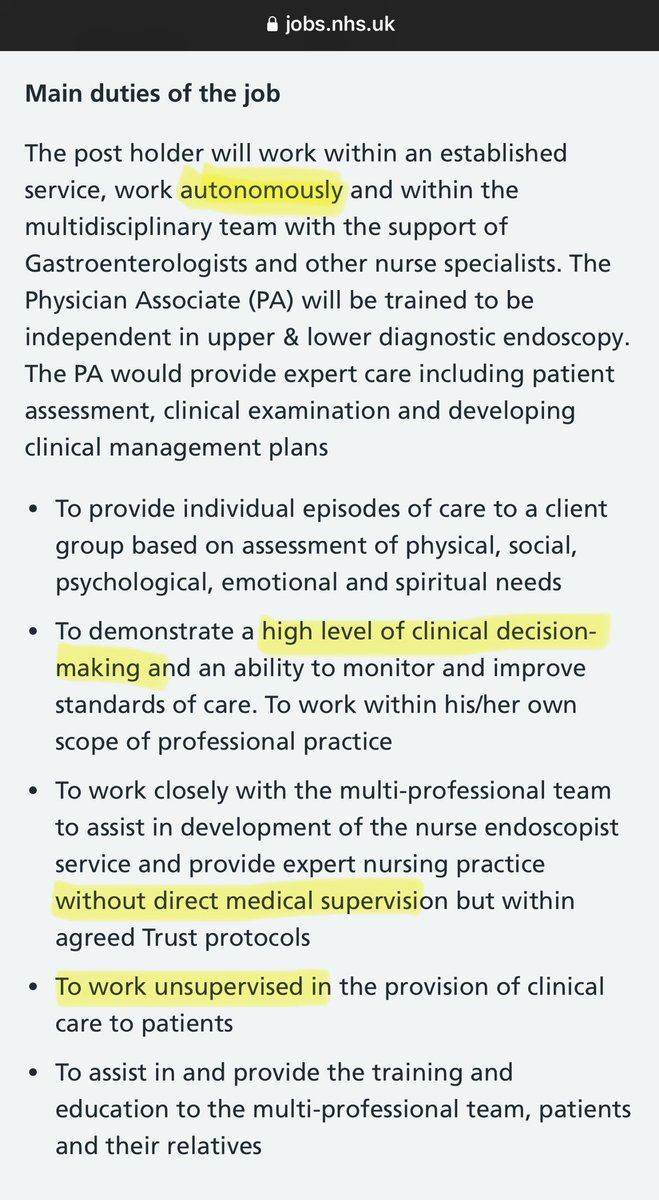
The job advert from the summer
of 2023 is revealing (link is still live, screenshot below).
This is not the standard of care I will ever be involved with or condone.
It is not safe for our patients. They deserve better.
/end
jobs.nhs.uk/candidate/jobadv…
21
66
224
27,084
Abi retweeted
16 Feb 2024
Latest column is on Jews, Israel and antisemitism theguardian.com/commentisfre…
141
146
434
194,886
Abi retweeted

15 Jan 2024
Israel has an obligation to deal with worsening hunger and disease in Gaza.
The desperate conditions in the territory are not an inevitable by-product of war; they are in part the result of political decisions made by the Israeli government econ.st/4aVftdy 👇
48
31
95
68,854
Abi retweeted

5 Dec 2023
Hamas's Western Apologists Have Become Hamas Enthusiasts. As a Gazan, I'm Horrified newsweek.com/hamass-western-…
187
546
2,541
307,685
Abi retweeted

3 Dec 2023
Israel has turned its back on the hostages in favor of destroying Gaza haaretz.com/israel-news/2023….
88
631
1,138
131,917